There is a strong Italian influence in this area as at one time it was ruled by Italy between the two world wars and Italian is the second language for most Istrians . It’s landscape is very similar to the Tuscan hills of Italy dominated by Olive trees and Vineyards. It’s coastline broken with small islands and inlets provides seafood in abundance and a holiday Mecca for all types of water sports.
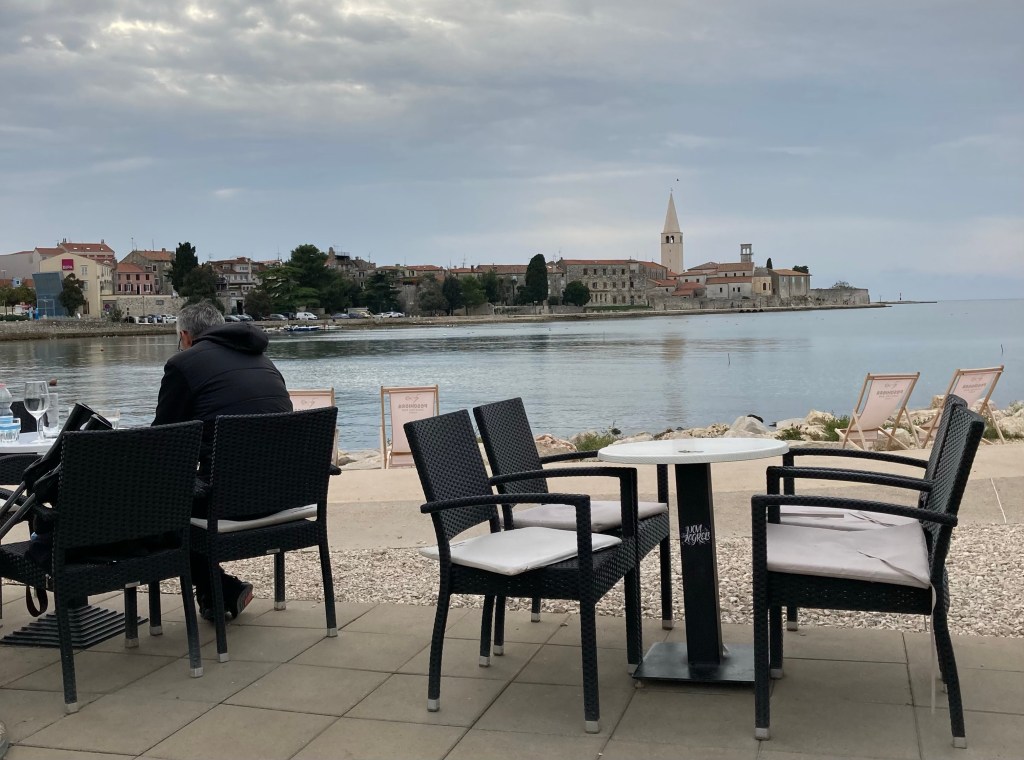
Our first evening in Porec we were parked on the outskirts of town and after a 20minute walk were sitting having cocktails and beers at a beach bar looking across the bay towards the old town. Feeling hungry we walked along the promenade and to our surprise stumbled upon a Banksy exhibition so obviously had to check it out.


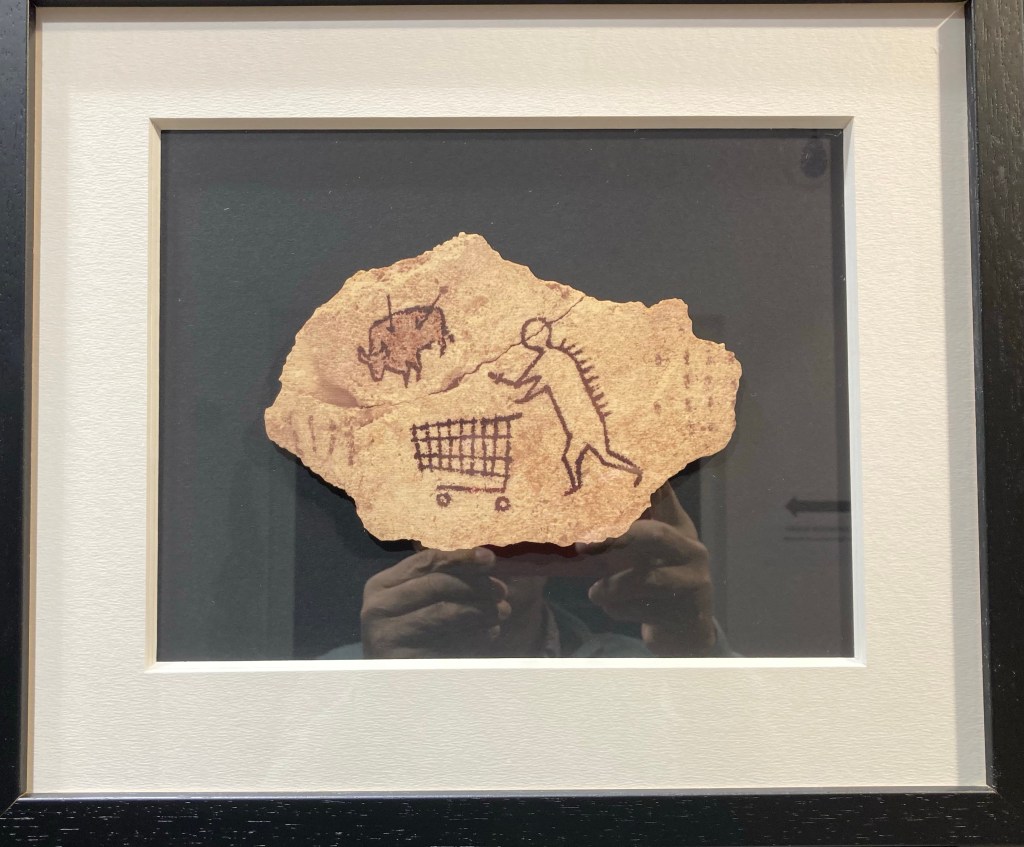
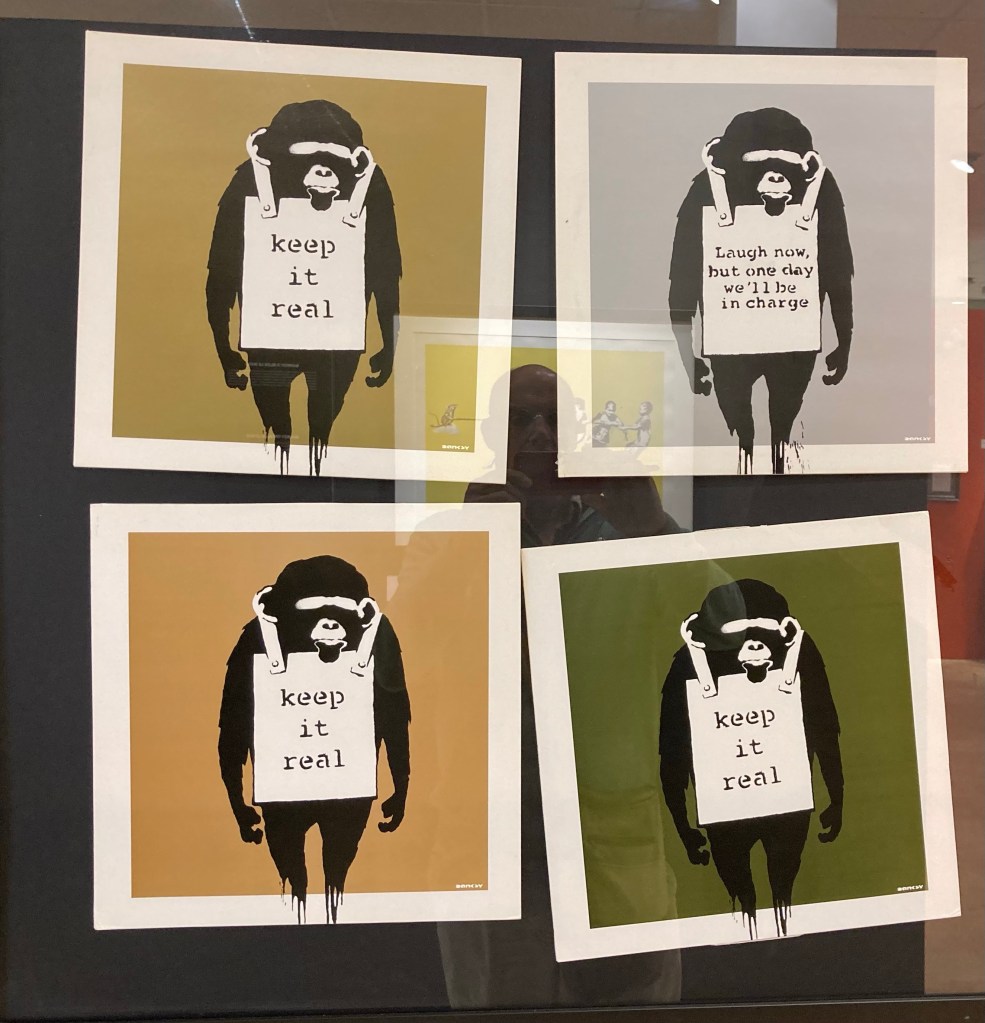
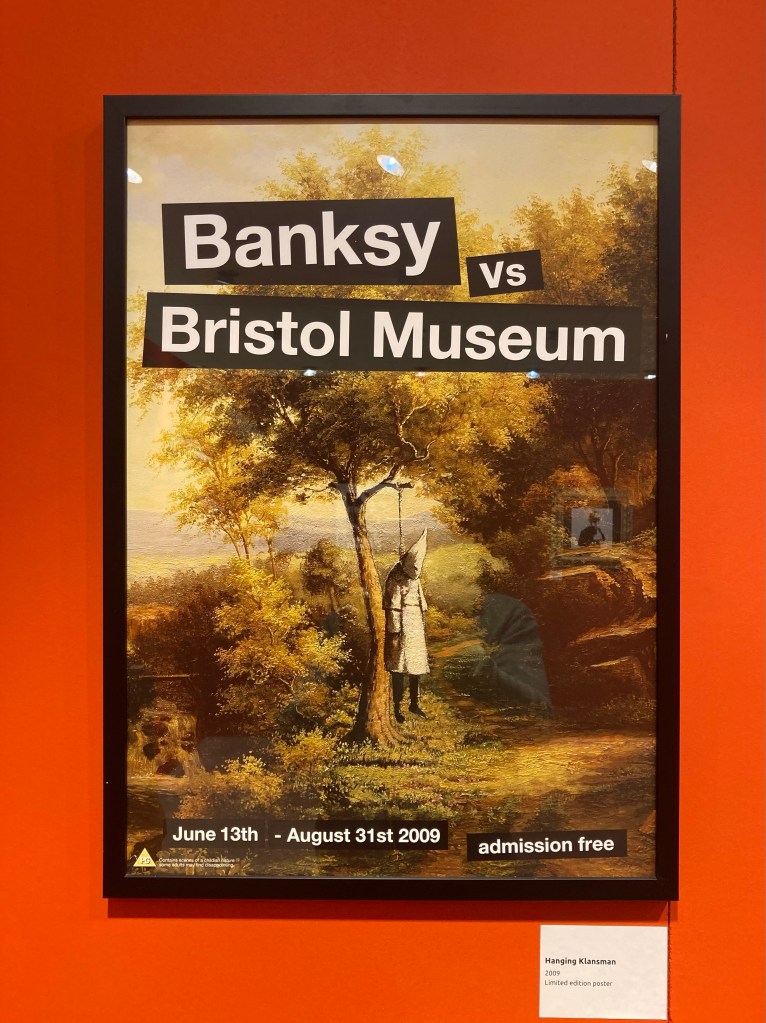

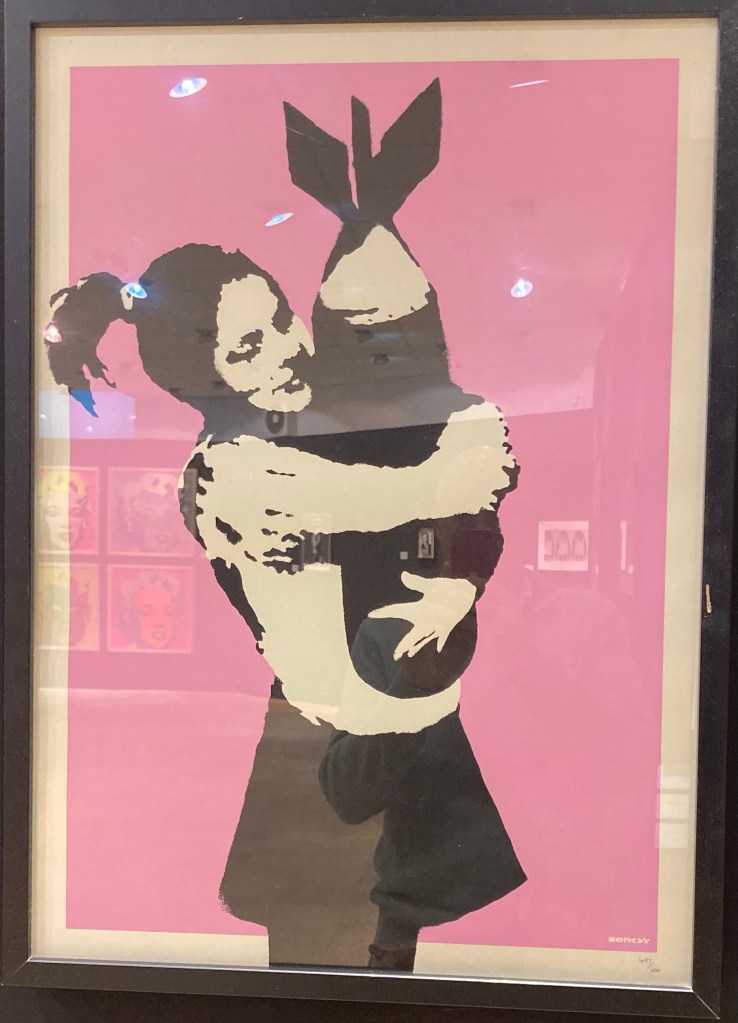

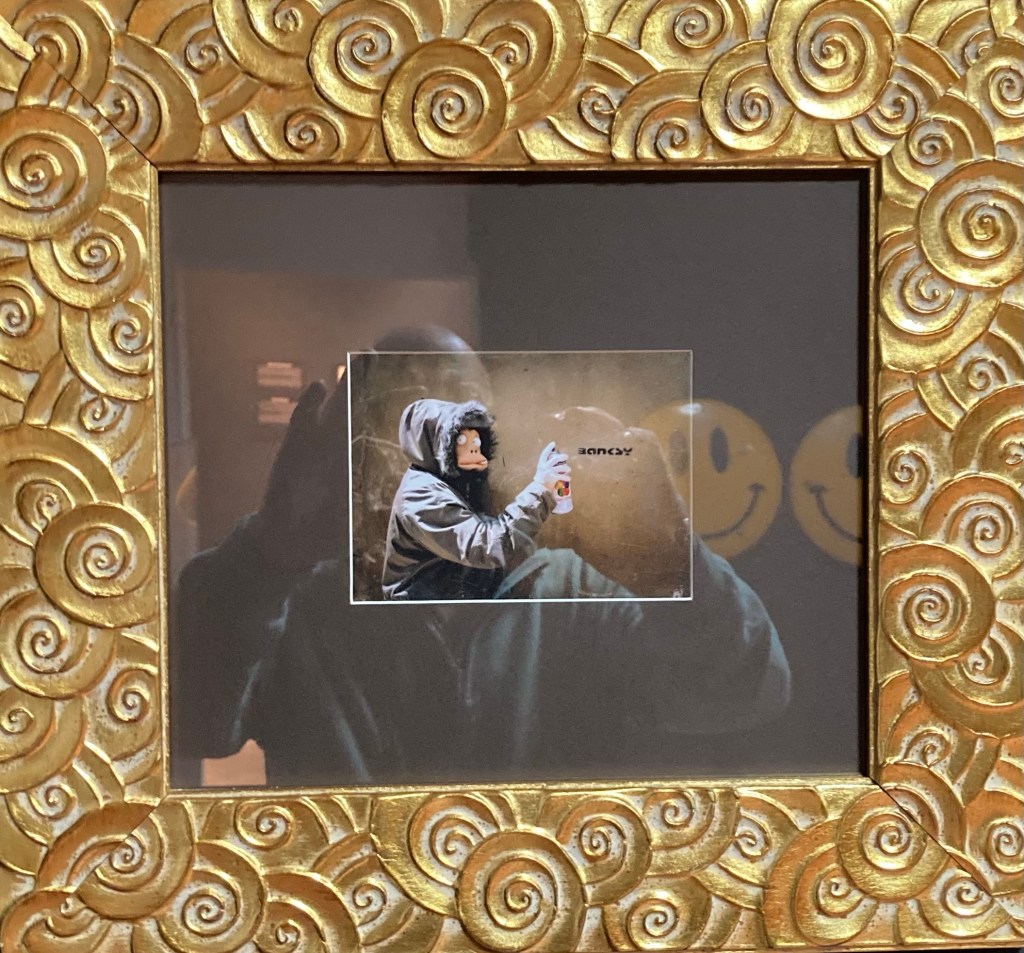
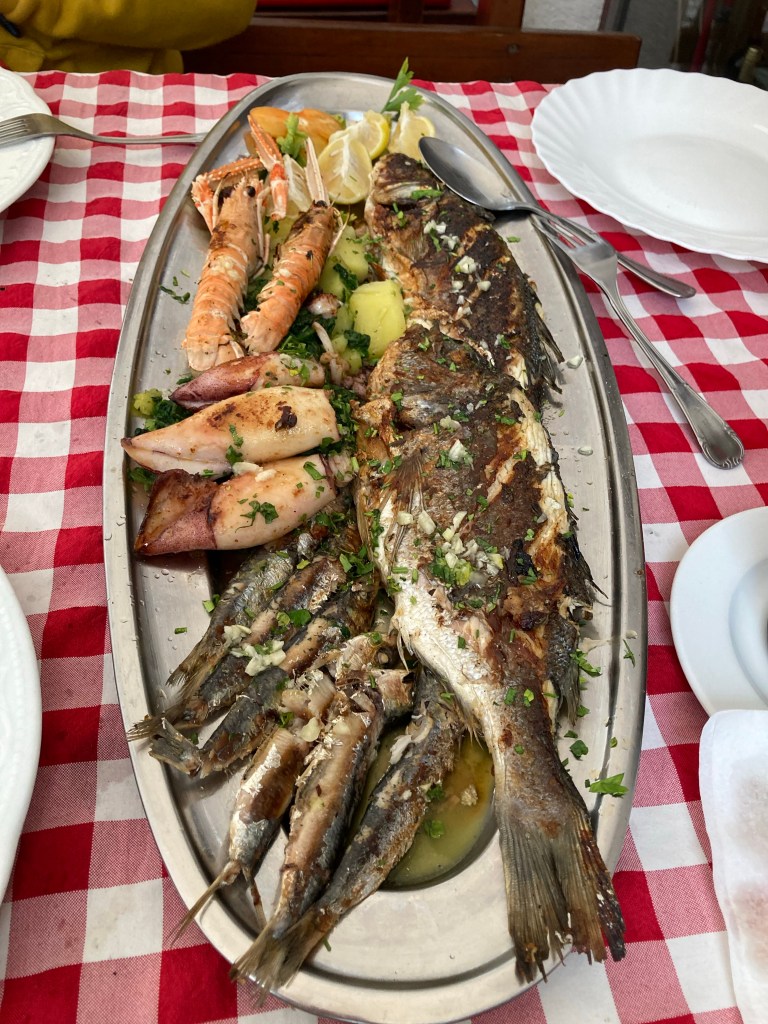
Afterwards we deliberately sought out a side street restaurant away from the mainstream tourist areas and found a little jewel of a restaurant with just one person doing the cooking and serving. Our mixed seafood platter for two was an excellent dish that showcased the Seafood of the Adriatic perfectly. Satiated we walked back through the quieter streets of the town getting slightly lost on the way.
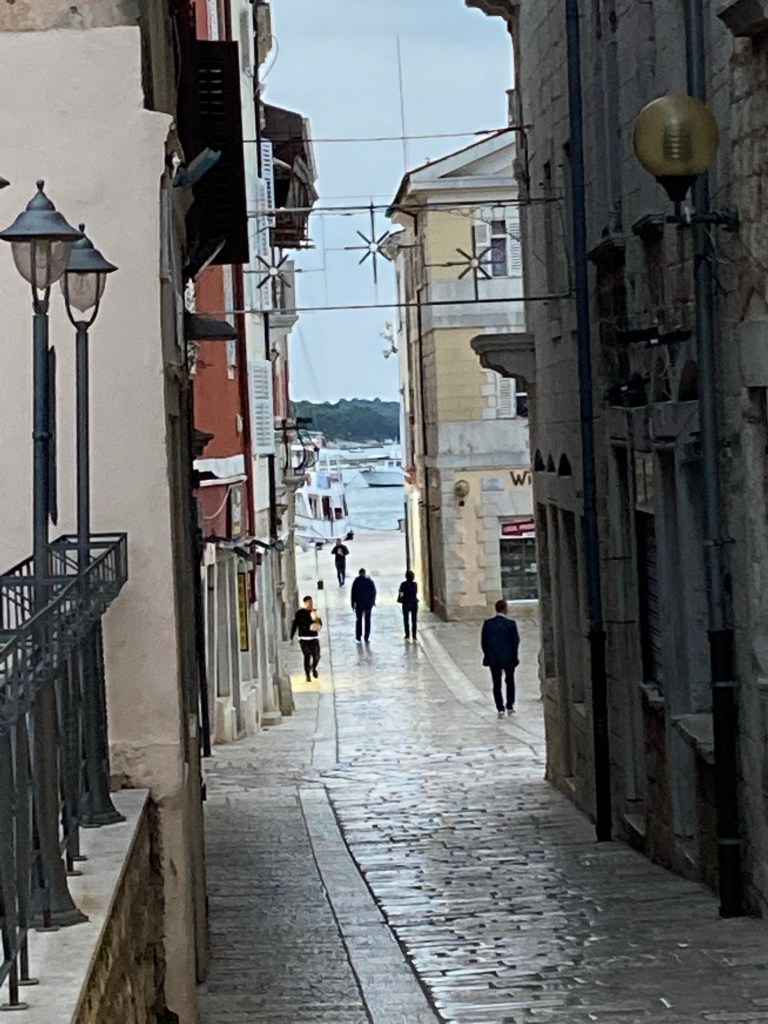

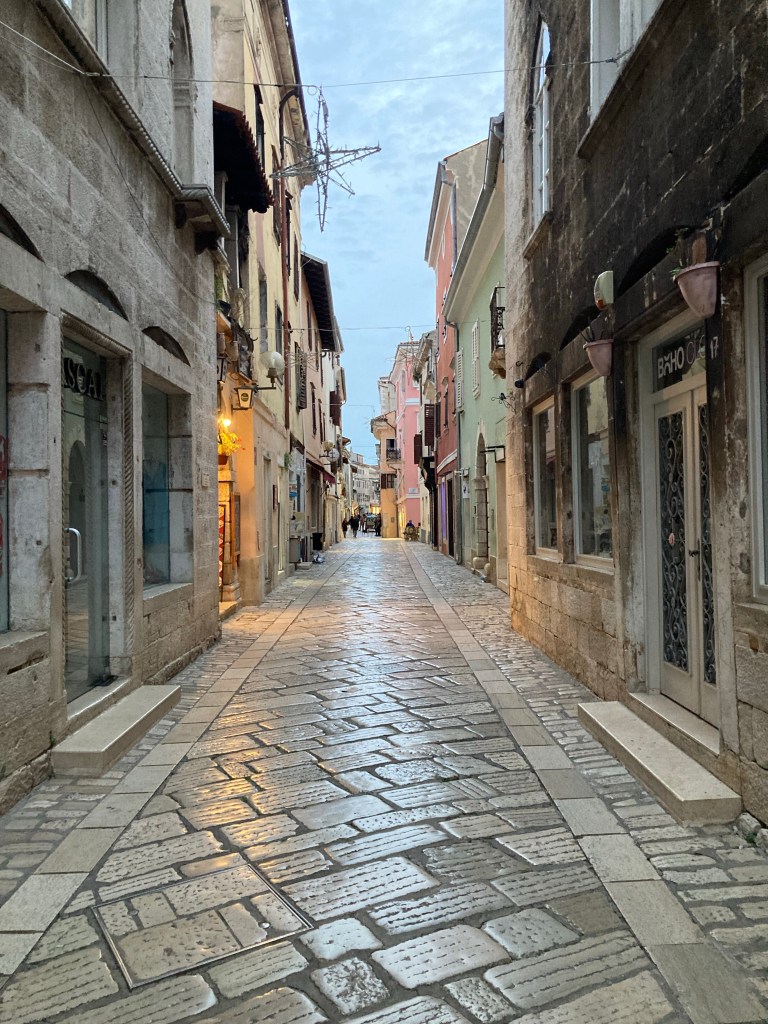
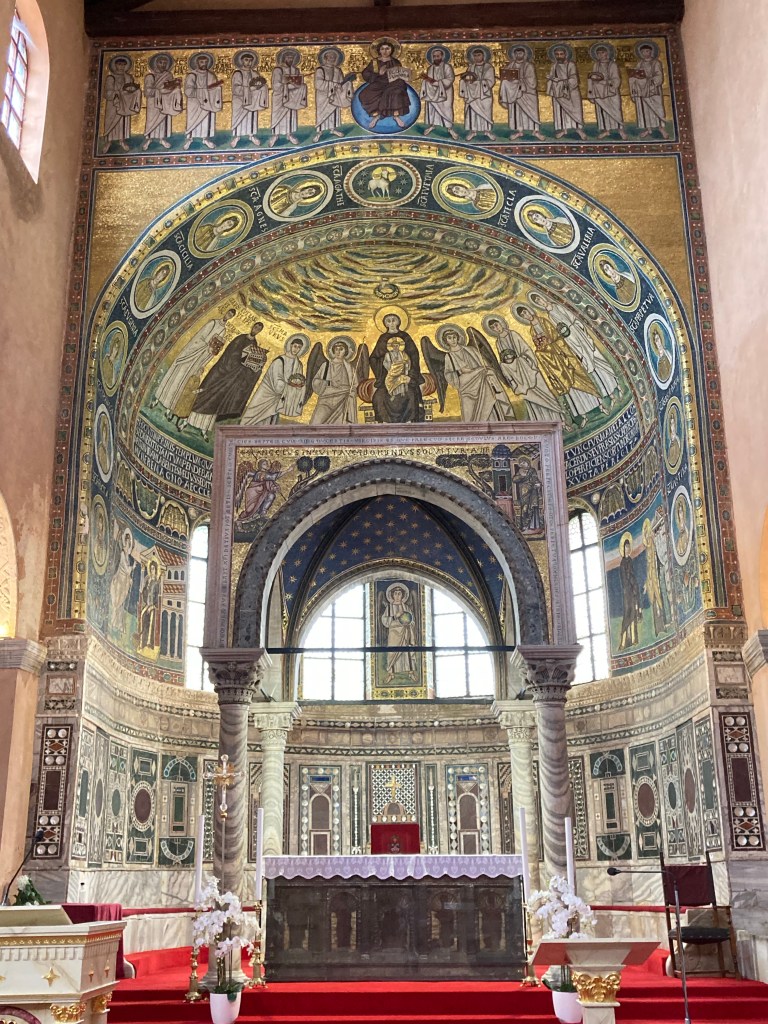
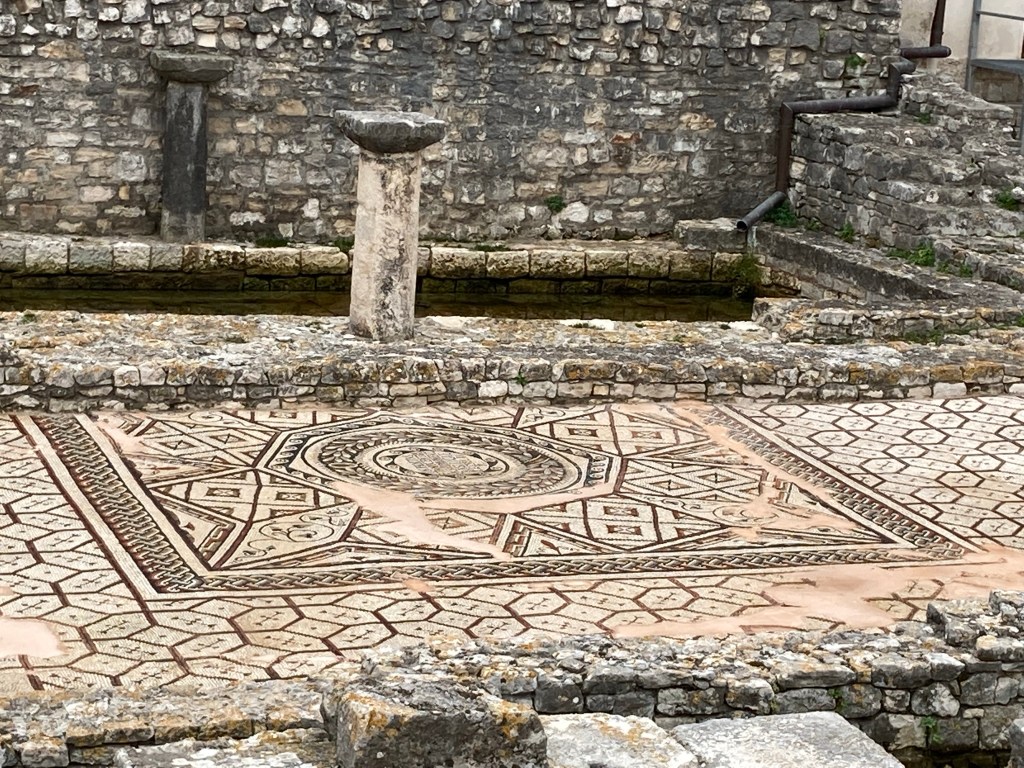
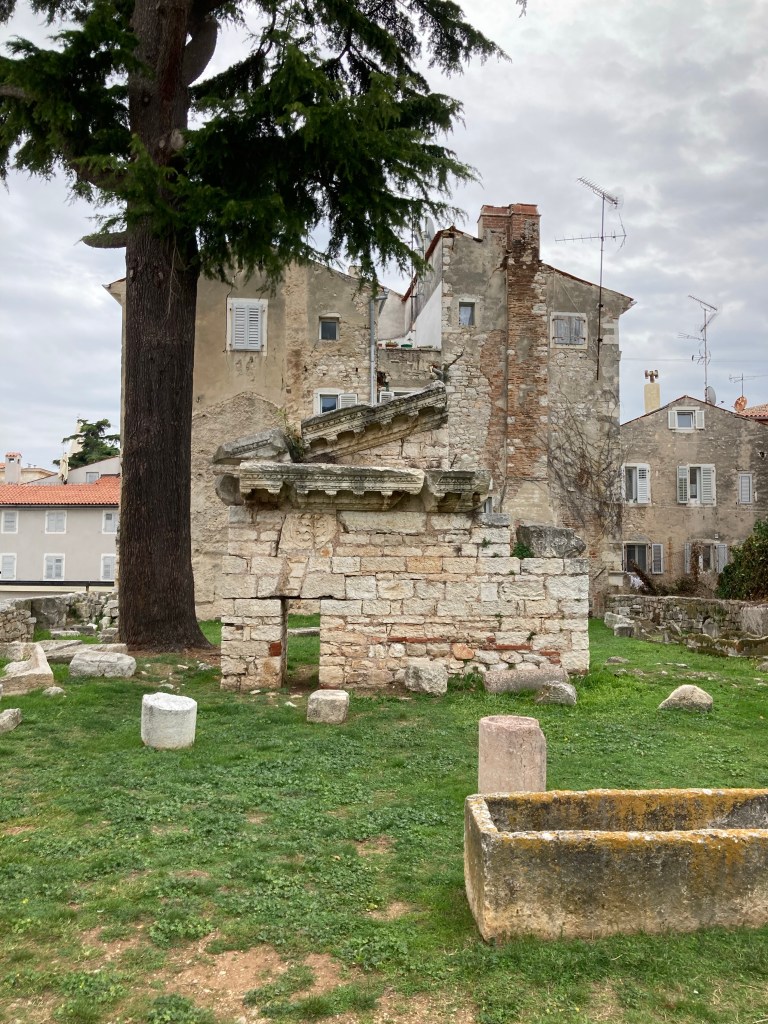
Next day returning to the old town we did the tourist trail taking in the Basilica and the Roman temples.

Our next destination was going to be Rovinj but some fellow travellers had mentioned a town called Vrsar was worth a visit so decided to visit on our way. Unfortunately three quarters of the way there we heard a scraping noise and thinking one of our stabilisers had dropped down we pulled over at the first opportunity. Only to discover the rear half of the exhaust had cracked and dropped. Luckily we had pulled off the road onto a private parking area for a restaurant which was closed for the season and as it was a Sunday with no garages open until the following day they allowed us to stay overnight. Monday morning saw the arrival of the local breakdown service who removed the dropped parts and organised a garage who could undertake the work of replacing the exhaust.
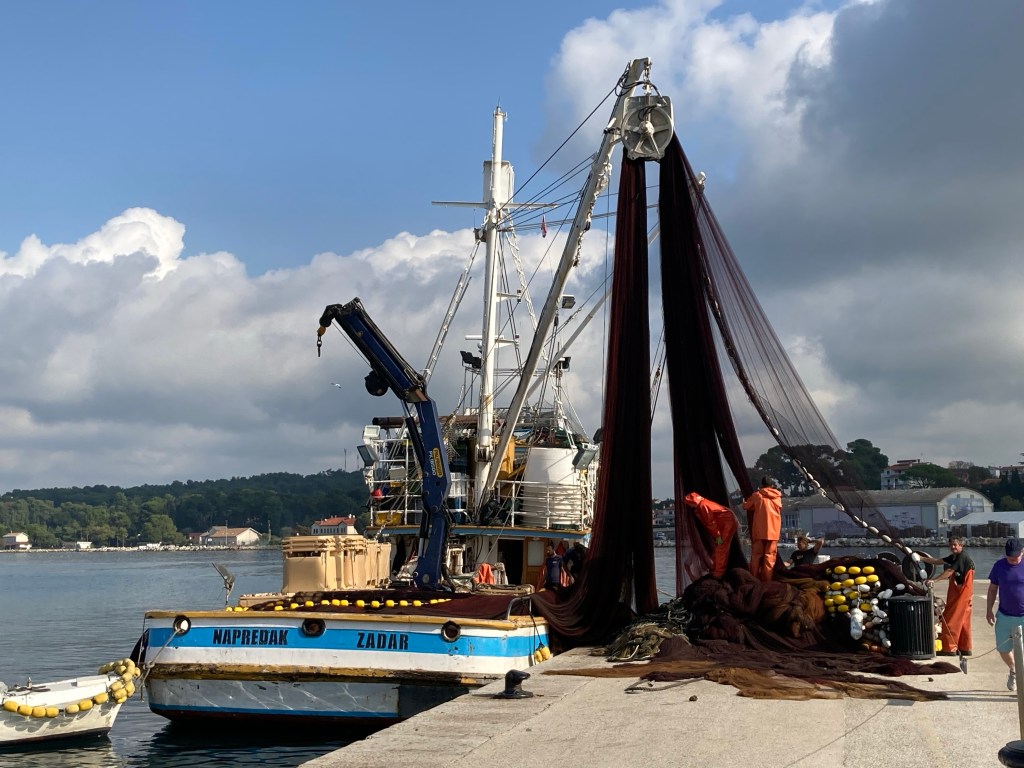
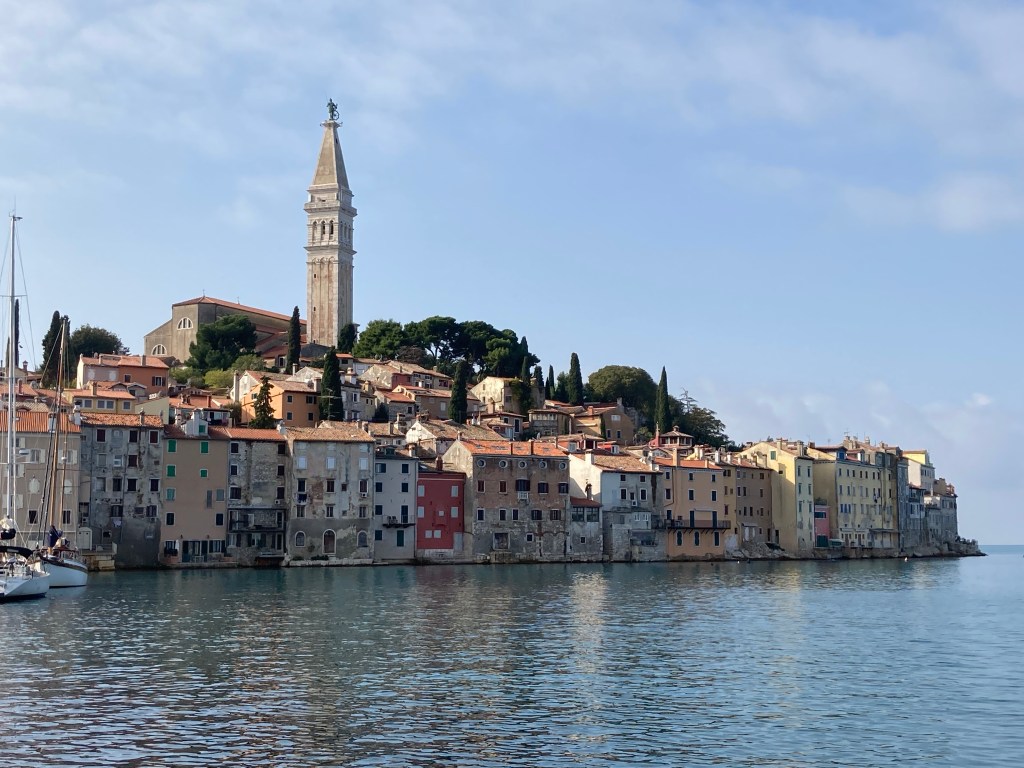
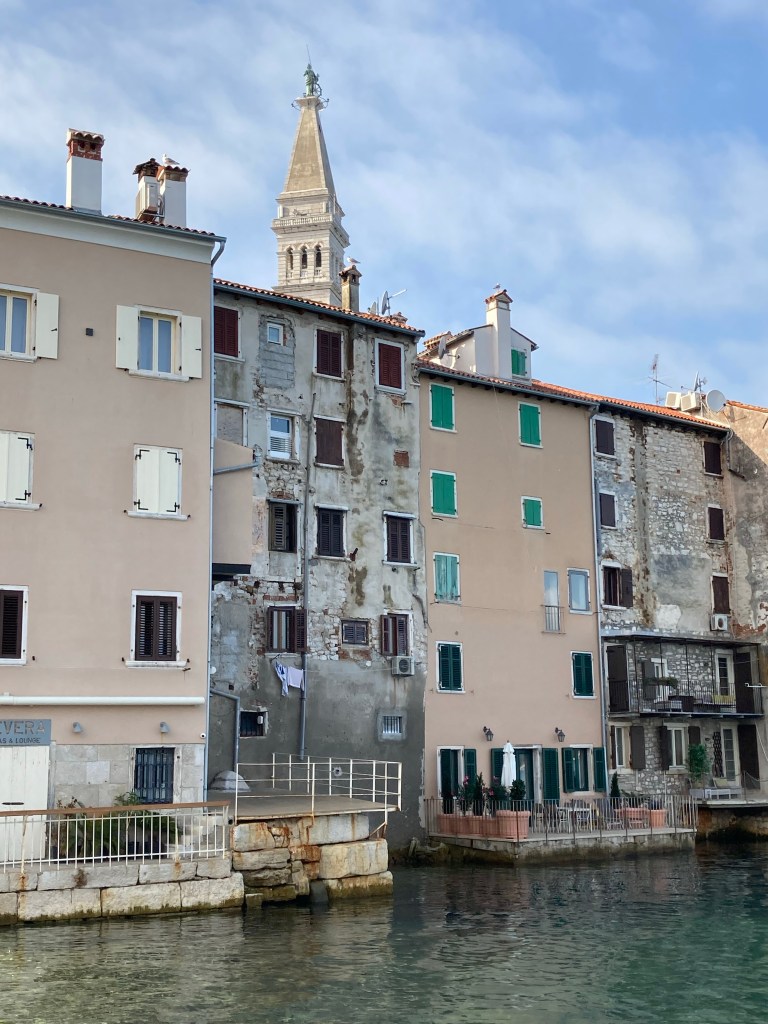
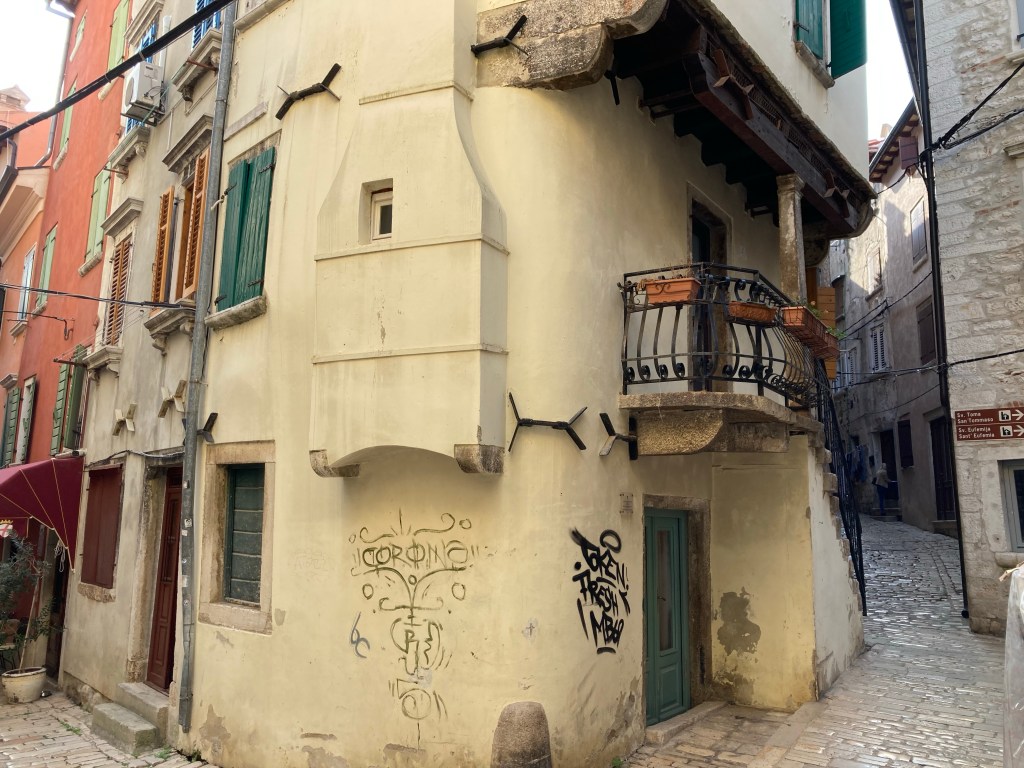
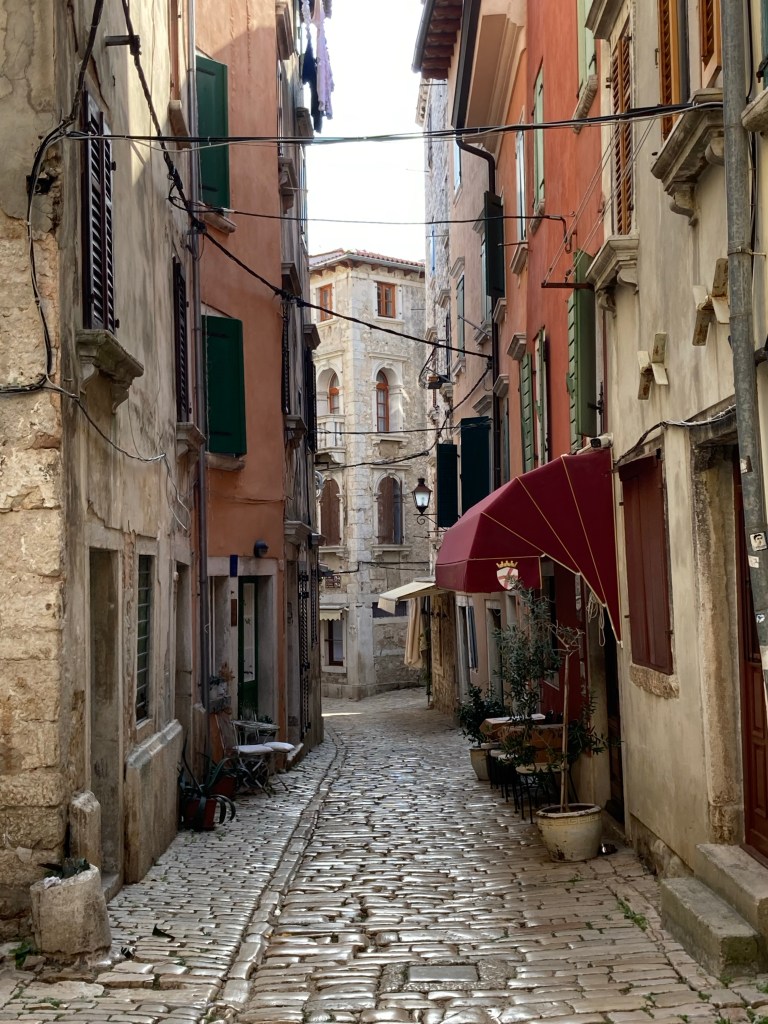
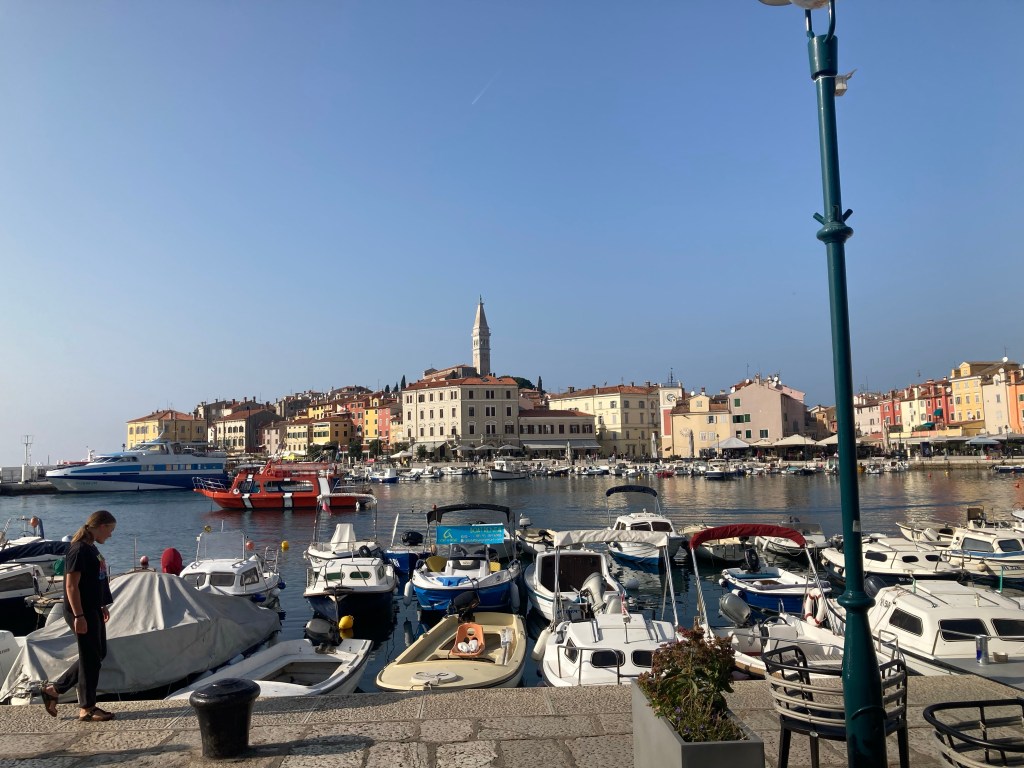
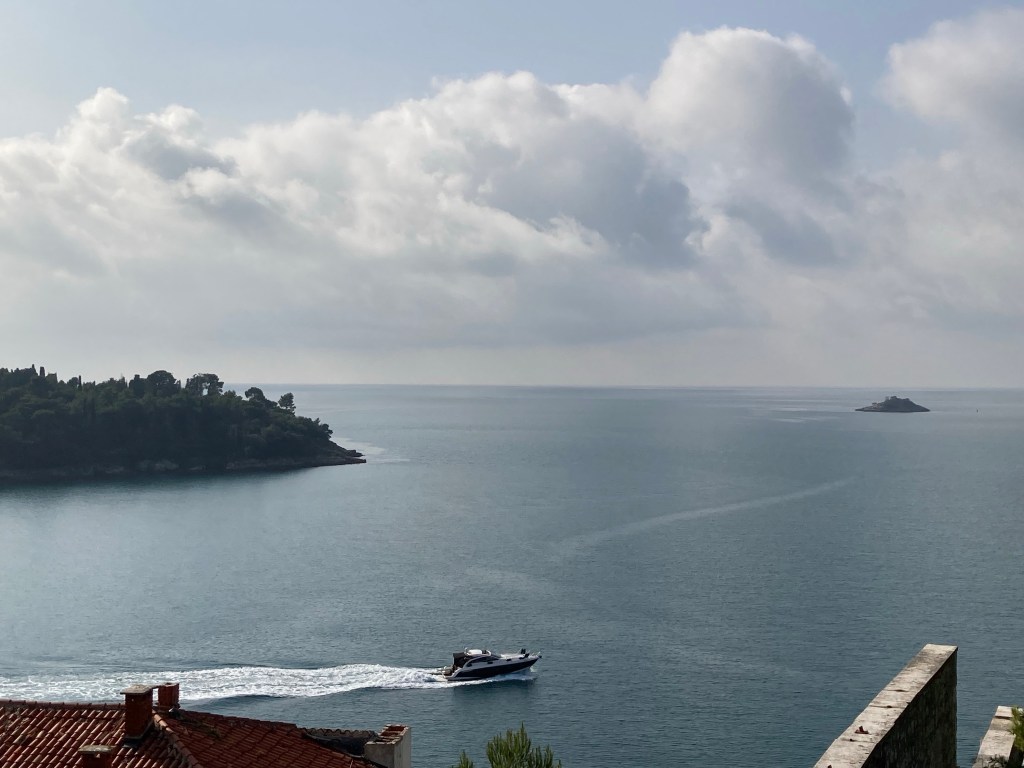
Back to being roadworthy we continued on our way to Rovinj which turned out to be a jewel of a town. The attraction was that it had retained the feel of being a working fishing village despite the influx of the tourist trade and its old town built on a hill with some of the buildings coming right down to the waters edge similar to Venice. It had retained it’s narrow streets and ancient buildings which gave it a real sense of history.



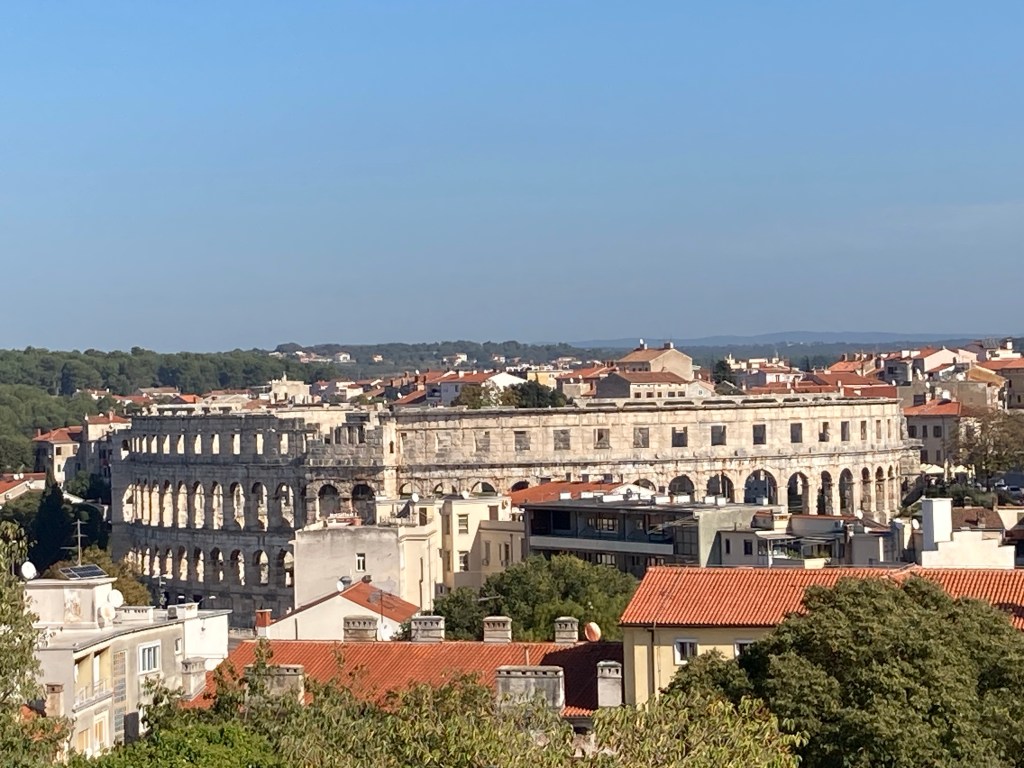
Our final town before leaving the Istrian peninsula was Pula its largest town by far with a thriving commercial area and tourist trade.
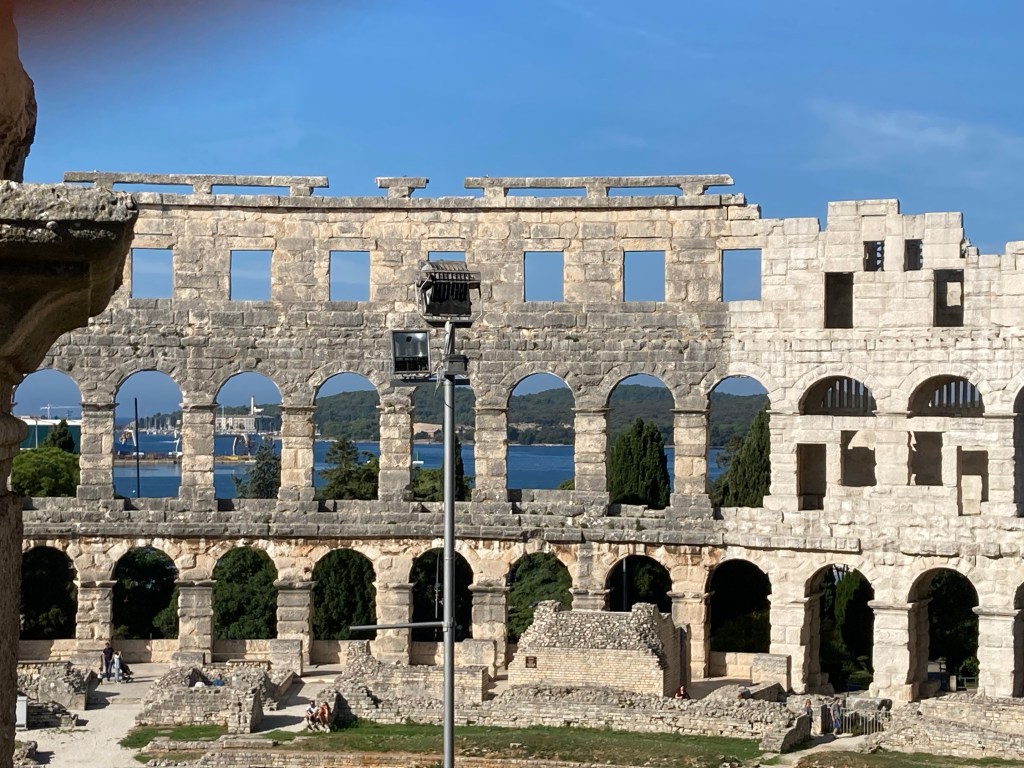
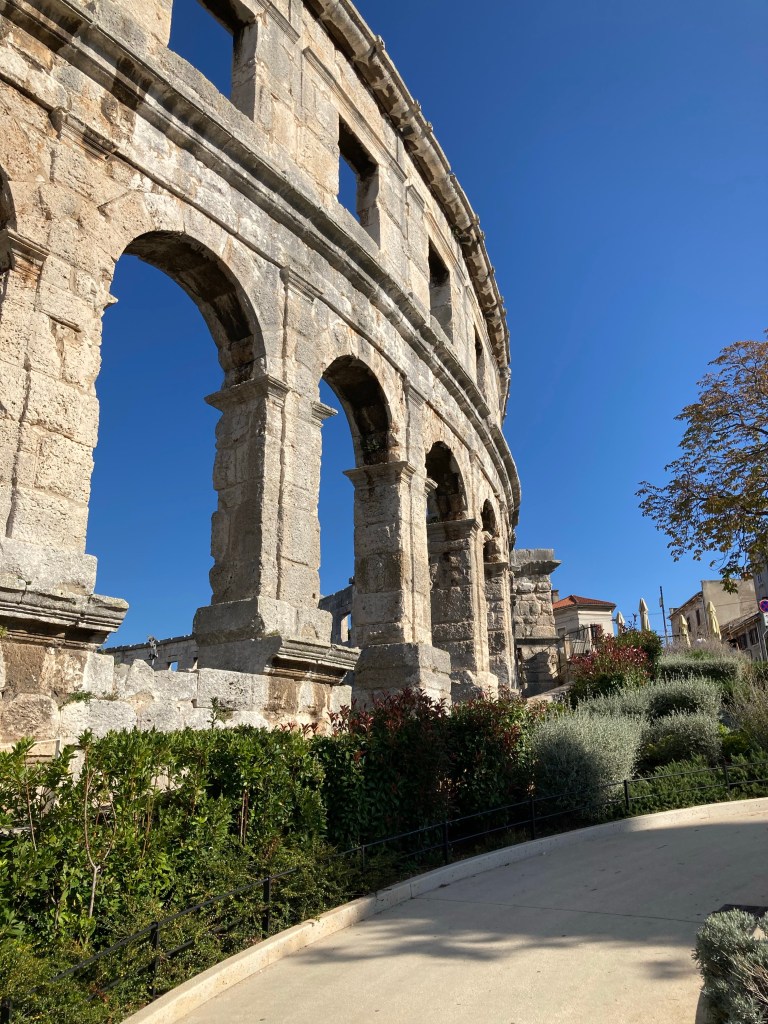
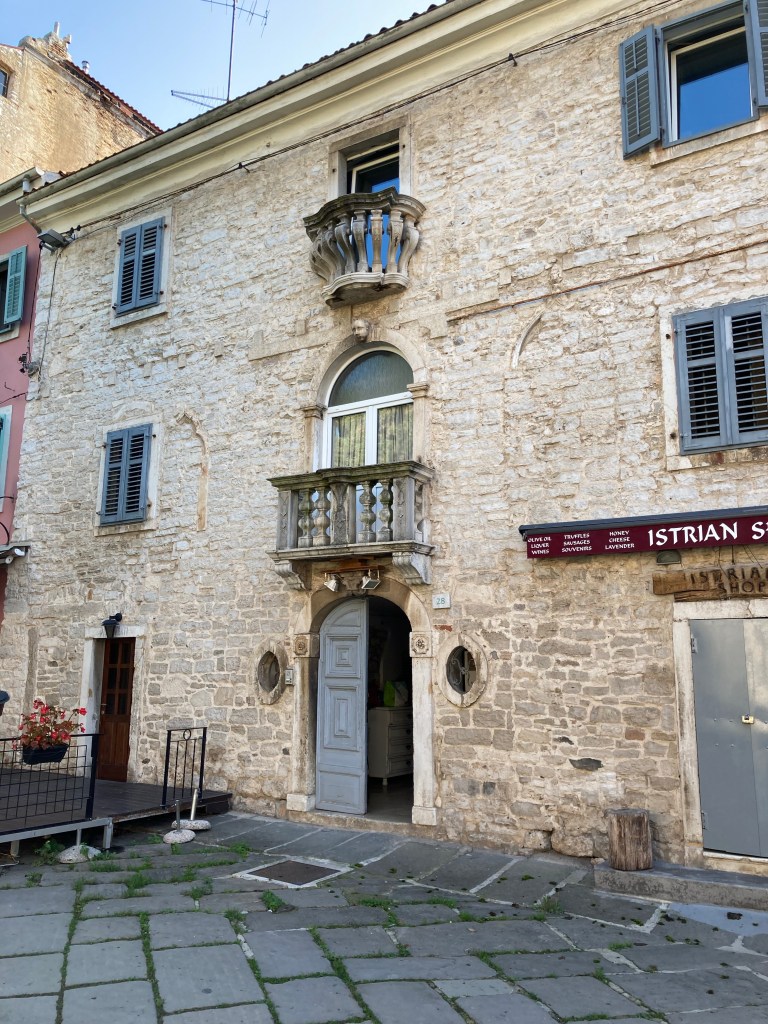
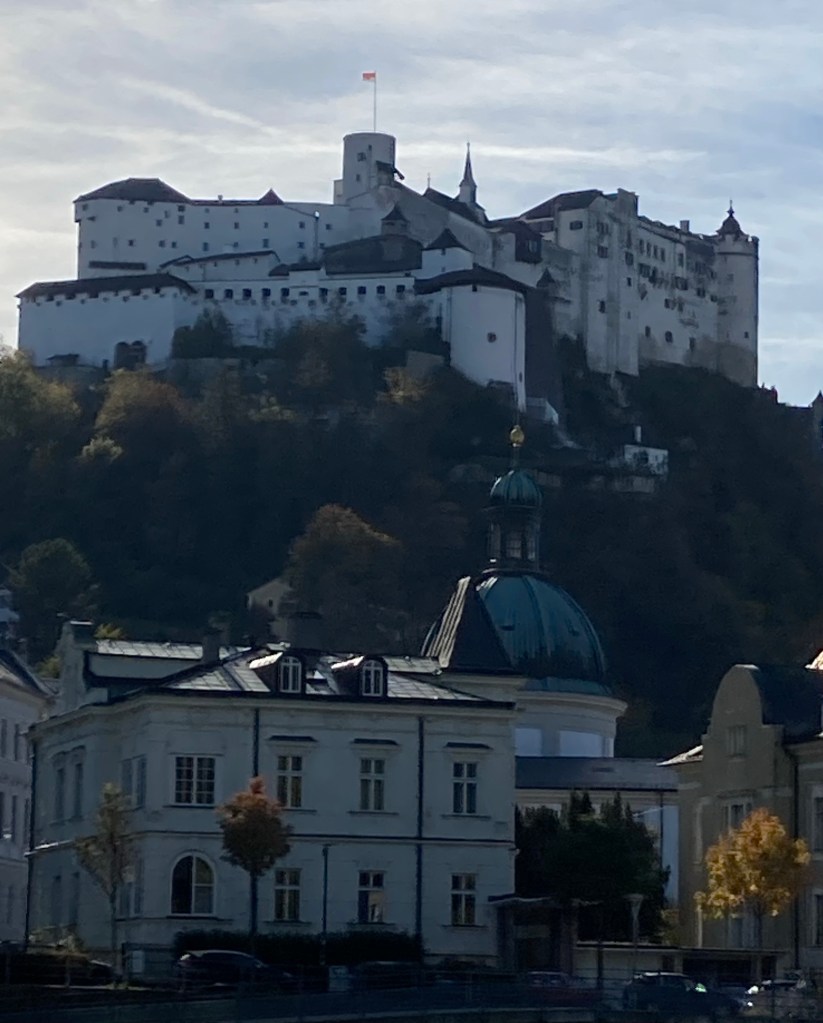
Parking next to the large Roman amphitheatre we took some photographs and continued through the narrow winding streets of the old town to the old fortified castle.


























































 Truman travels