Category Archives: Uncategorized

A Treaty A Tree and a Town

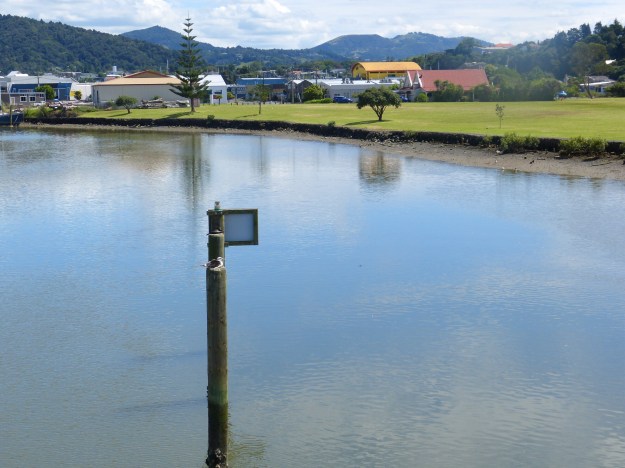
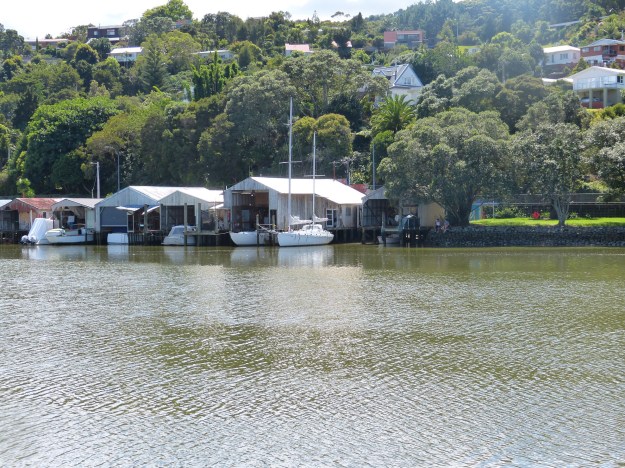
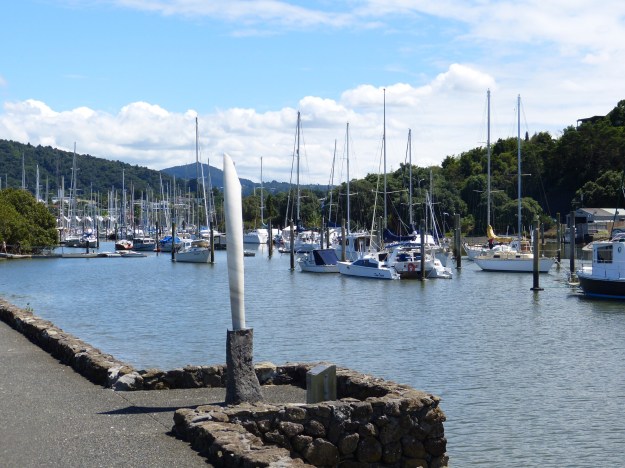
Whangerai delivered a pleasant surprise by way of its river setting and a spectacular garden created within a disused quarry. After strolling along the river bank into the harbour area and indulging in a massive ice cream

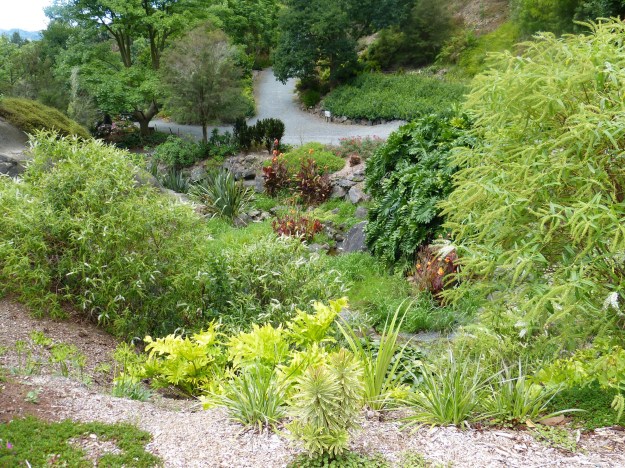
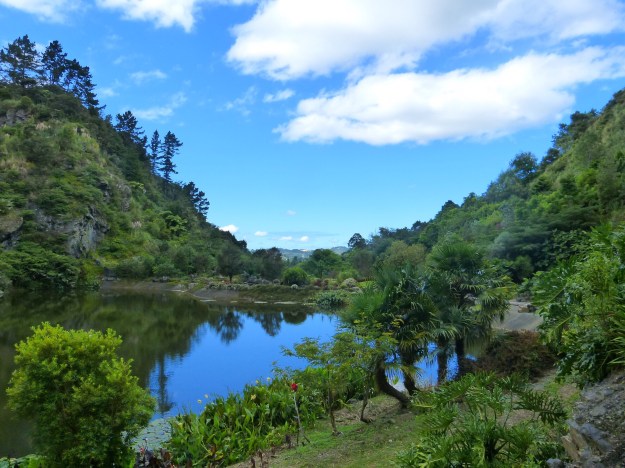
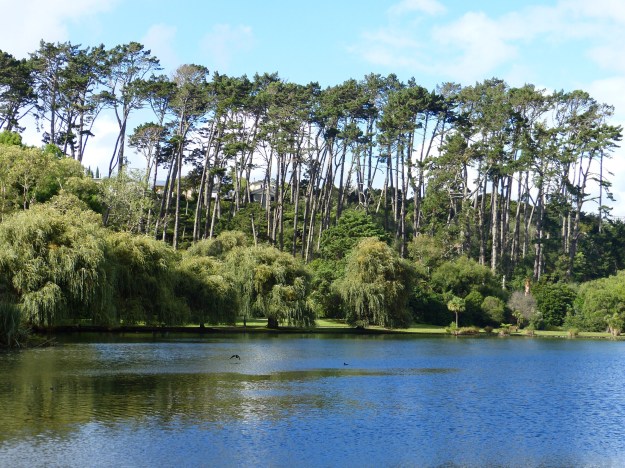
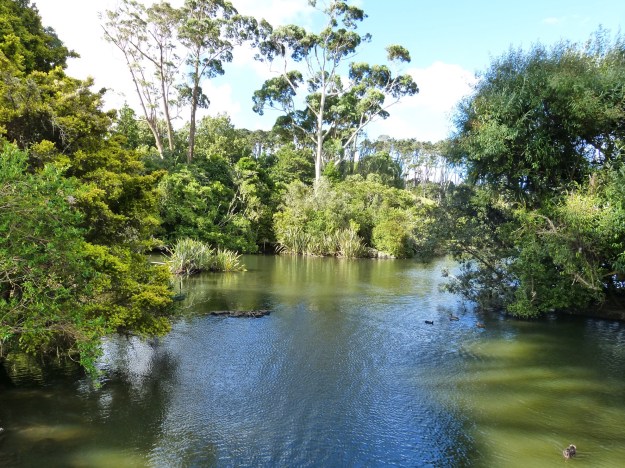
we made our way to the quarry garden located on the outskirts of town, a walk that proved longer than anticipated ( one of those where you hope your destination is just around the corner and your heart sinks to your boots when it is not) Soon forgot how tired we felt when we started to explore, plants that we would take home from the local garden centre and nurture lovingly growing naturally into trees and large shrubs paths weaving you here and there until you end up at a lake and small waterfall, BEAUTIFUL!

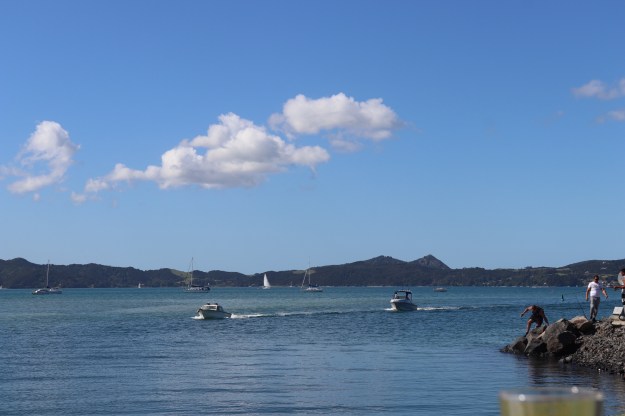
From Whangerei we headed to the Bay of Islands leaving the main highway to take the coast road to a small town called Russell. A spectacular drive up and down a mountainous rd that ran parallel to the sea the occasional bay coaxing us in to take a closer look finally arriving at our destination late afternoon. We took a stroll around the town and promenade which boasted a swish looking hotel and a fig tree approx 200 years old. There were no facilities for parking the camper van overnight so we found a quiet lay by on the ferry road parked and set up our table and chairs, turned out we were next to a conservation area and the start of a nature walk. Quietly sipping our wine we were joined by a small family of what we thought were long tail tits then low and behold as they alighted on the tree branches their tails spread up and out like fans, unfortunately we were to slow to get a photograph. But we did photo them another day and this is them.

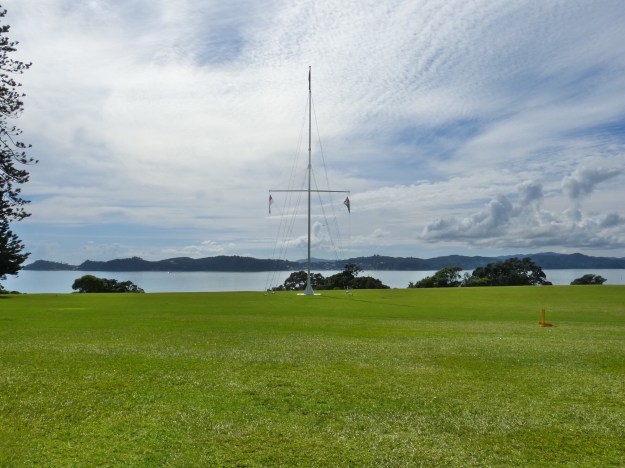
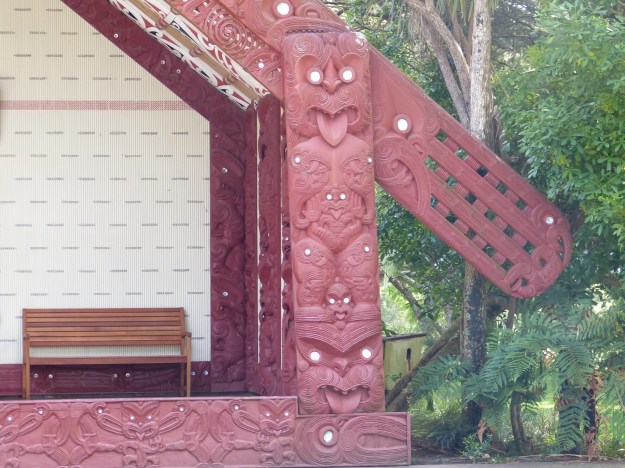
The ferry crossing next morning was really short as we were only crossing a small estuary which linked Russell and the main Bay of Islands town called Paihia which lacked the elegance of Russell and was obviously catering for the tourist trade. We made our way to the nearby Waitangi treaty grounds sited on a headland where the Treaty house was built in 1832 for a British resident and Crown Representative named James Busby and where forty three Maori chiefs signed the treaty of Waitangi with the British crown thus becoming part of the British empire. Across the lawn from the house a Maori meeting house was built in 1940 to mark the centenary of the treaty, the entrance and interior were beautifully carved. We and other visitors were treated to a typical Maori welcome and inside entertained with a Maori song and dance display.

ŵ

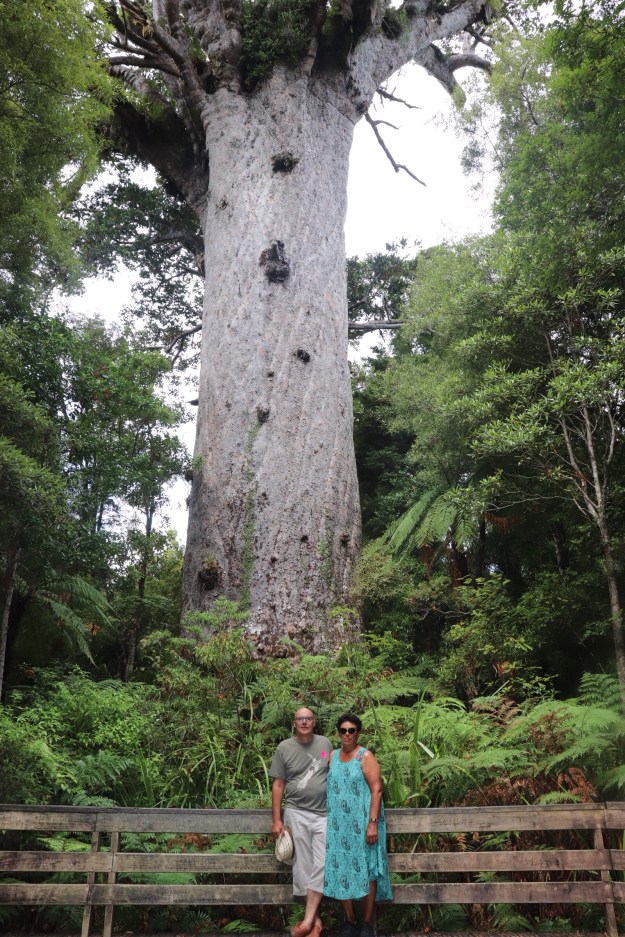
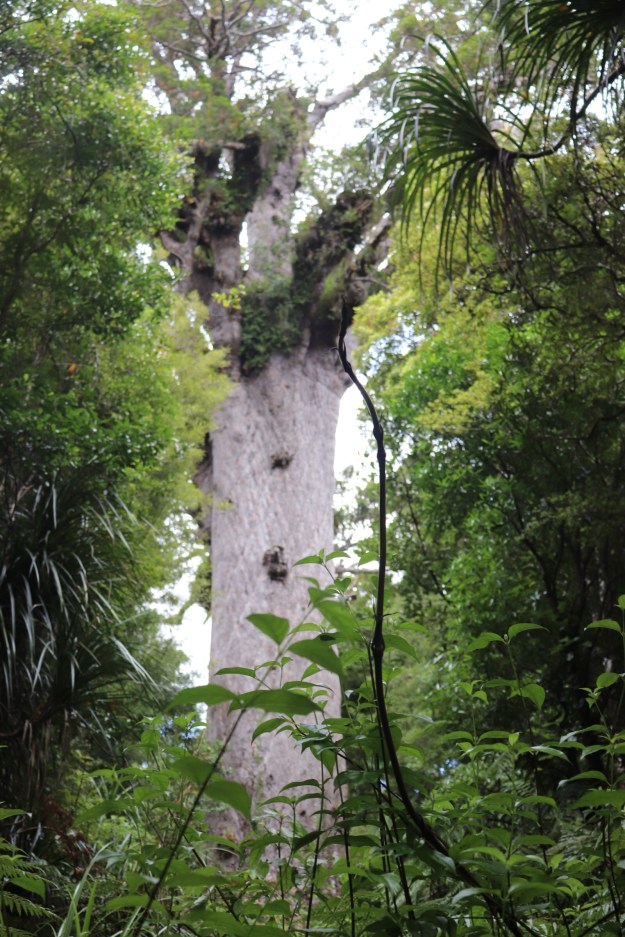
From Waitangi we headed for the lakes on the west coast but not before stopping to see Tane Mahuta ( the largest Kauri tree alive at 51.5 metres tall and a girth of 13.8 metres), this tree is estimated to be 2000 years old. The Kauri are an endangered species due to a disease that is decimating the forests, therefore the authorities are very strict on you cleansing your footwear before and after entering the forests and that you stay on the designated tracks. (On entering the country customs were very keen that anyone with hiking boots that had been hiking in foreign parts declared this as they went through or face a hefty fine, thankfully we passed muster. 😁

7

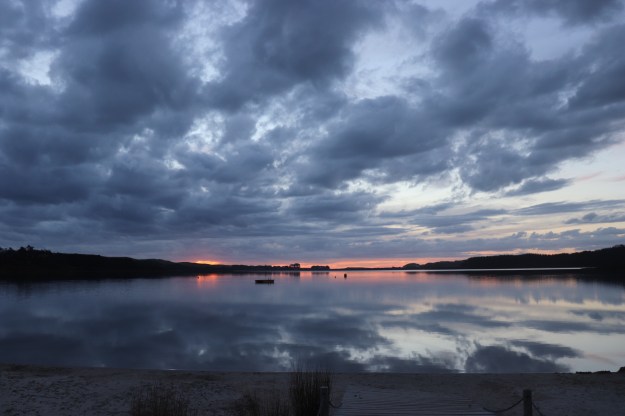
We arrived at the lakes in time to snap a fabulous sunset and engage in a friendly conversation with a fellow camper who gave us plenty of tips on places to visit on South Island. Not somewhere that enticed us to stay longer so headed across to Napier on the east coast.

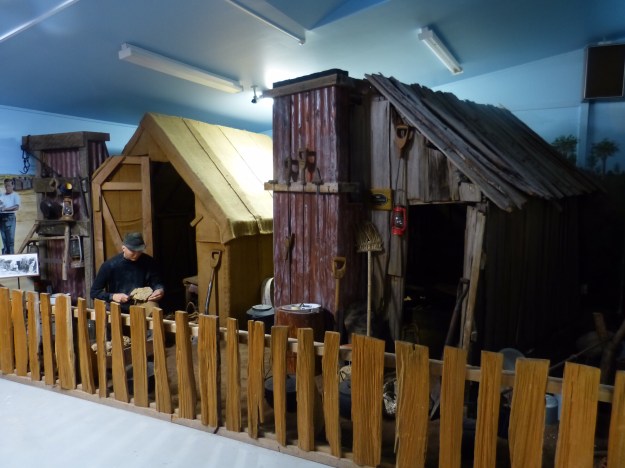
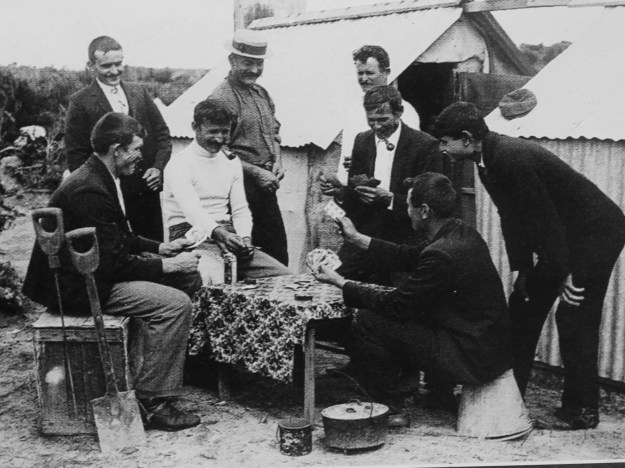
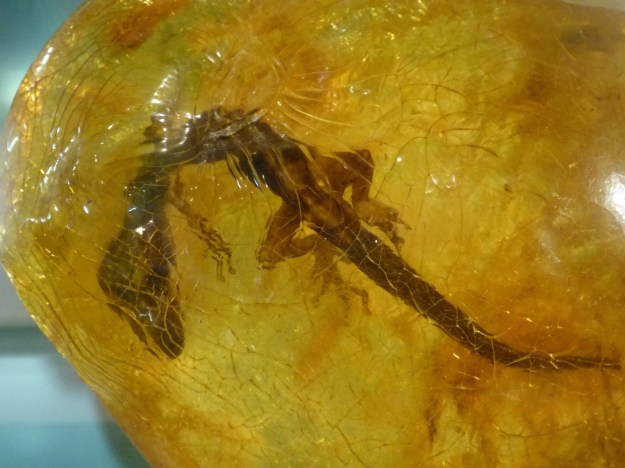
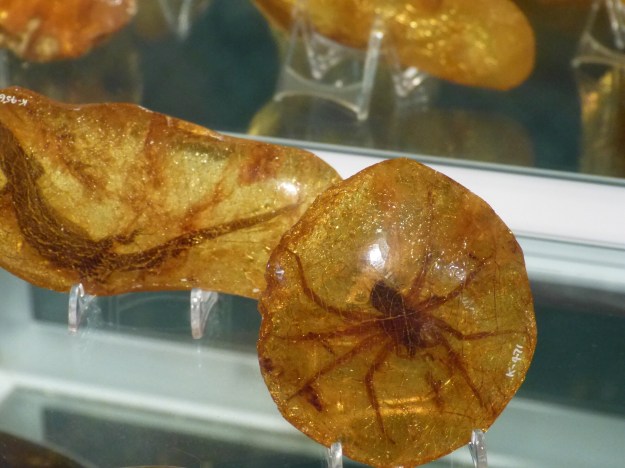
Stopping off on the way at a place called Dargaville as the local museum intrigued me. What a gem for a small museum it was jam packed with loads of interesting items all donated by local townsfolk. The highlight was the history of the gum diggers from which the town has grown. They were mainly immigrants from Dalmatia (now known as Croatia) and what a hard life it would have been. The gum was dug from the ground by hand then cleaned and sorted, some of the pieces on display looked very similar to amber.

Continue reading

Auckland and the Journey North

Hello New Zealand and so began the third leg of our vacation. What would we experience, would it live up to all the positive comments we had received, well it’s early days so let’s wait and see.

We had booked an AirBnB in Auckland and arrived with the country awaiting landfall of a small cyclone! Fortunately for us it hit land near Christchurch on the South Island although the north island got some heavy rain making our first 36 hours as if we had never left Moorea or Tahiti. It seems the storm was part of what we had on our last night in Polynesia and had followed us across the Pacific.

We took a shuttle taxi service from the airport and arrived at our accommodation address in mid afternoon. The accommodation turned out to be an excellent choice being on the bus routes into the city and was well fitted out as a self contained unit in the garden of the main house. The owner Grant was full of information on things to do and even took us to the supermarket for provisions on our arrival. We couldn’t have asked for a better host- thank you Grant

Thankfully we had long dry spells between the bursts of rain so we were able to explore Auckland.

Our first full day we set off into the city to explore. We had seen a walk described in the guide book highlighting an older part of the city leading down to the waterfront. We had also decided we would try and use the hairdressers, which for me is never a big thing as a) there’s not a lot of hair to cut and b) a number one razor does nicely thank you so a holiday trim in various countries of the world is my norm. But for Steph to brave letting a stranger loose was a big deal so we had agreed to go looking but Steph may opt out if the vibes were not good.

As we headed away from the bus stop we passed an entrance to an arcade with hairdressers signposted so in we went. Two immediately inside the entrance and opposite each other, the vibes were good Steph said. With nobody else in there we got a hairdresser each and 30 minutes later we had both been trimmed, hair washed and scalp massaged. Very good service, madam pleased with the result and all for @£24 for the two of us

Leaving the precinct looking a bit more well presented, we wandered a couple of streets away to a cut through staircase between streets that led to the Art gallery. The staircase landing had been decorated with a tiled mosaic to mark NZ women suffragettes movement securing the right to vote in 1893 It appears New Zealand maybe one of the youngest countries in the world but was ahead of the time in women’s equality.

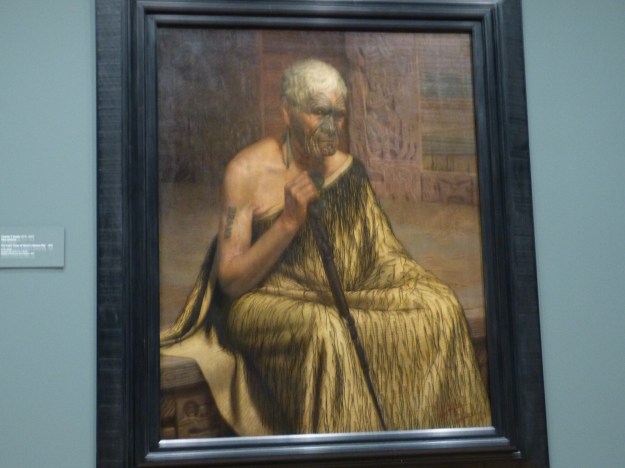
The Art gallery was fascinating, its displays covered a wide range of subjects and were an interesting mix of styles. The most traditional being portrait paintings of Maori leaders in their ceremonial outfits. The paintings were by a Scottish painter who had settled in New Zealand and lived in a Maori area at the turn of the 20th century the details he had captured were photographic like.

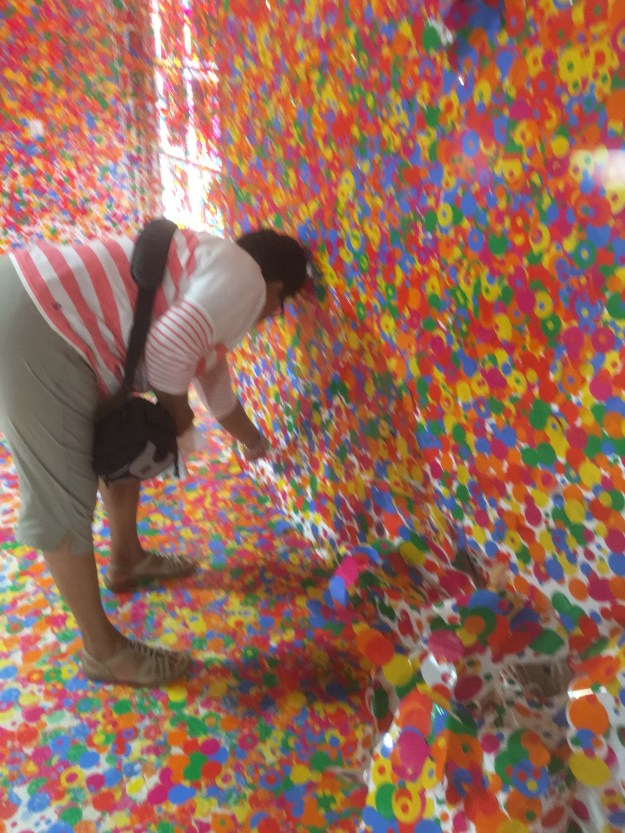
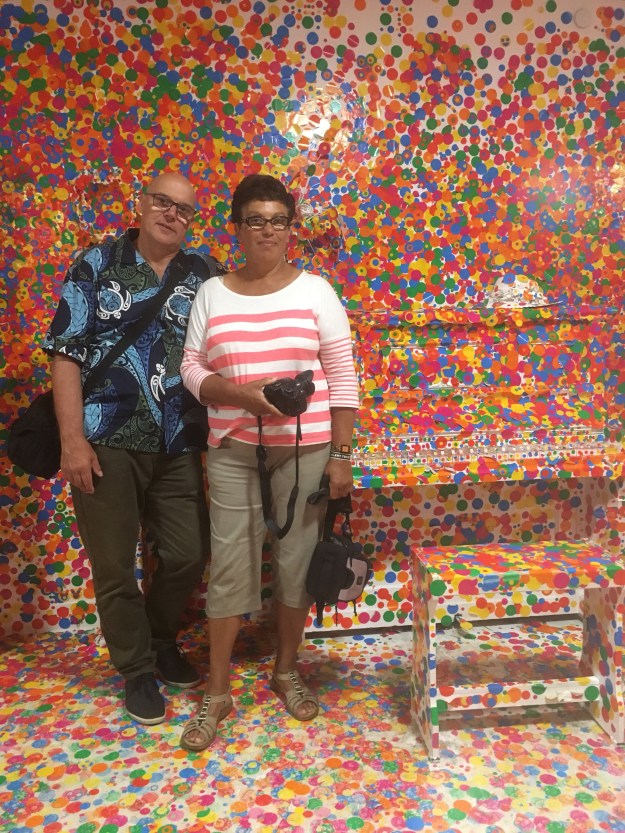
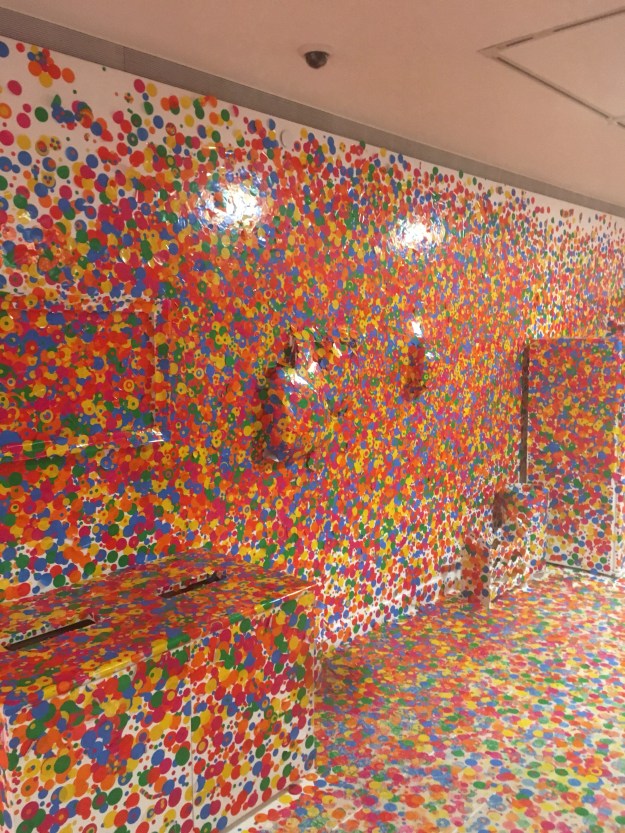
The most contemporary, fun and eccentric was a collaboration the gallery was holding with a Japanese contemporary artist called Yayoi Kusama. Her youth had been shaped by dreams where everything was covered in spots. This led her to surround herself by such imagery and into a world of Art! The collaboration was to create a white room with certain items of furniture and fittings and give all visitors a peel off sheet with various sized dots in many colours, the visitors were then encouraged to put the dots on any surface in the room, so achieving the artists aim of “Obliteration”. It sounds daft and at first when we wandered into the space it felt strange but within seconds the inner child had surfaced and a room full of adults was transforming the space into a riot of colour. Is it Art? The jury’s out on that but the artists ideas had been transferred to Auckland and hundreds of people without realising were becoming her hands to create her style in absence. It may not be Art but it made us smile and for a short period of time made us feel different so maybe that’s Art?

The gallery was not the largest we have been into but the pleasure from the quality of its exhibitions was second to none and is definitely a must do when in Auckland.

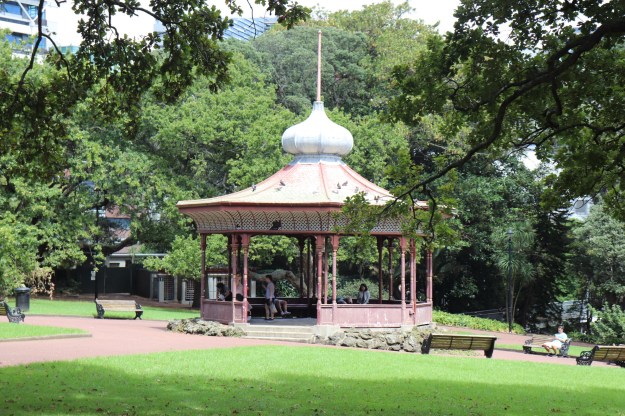
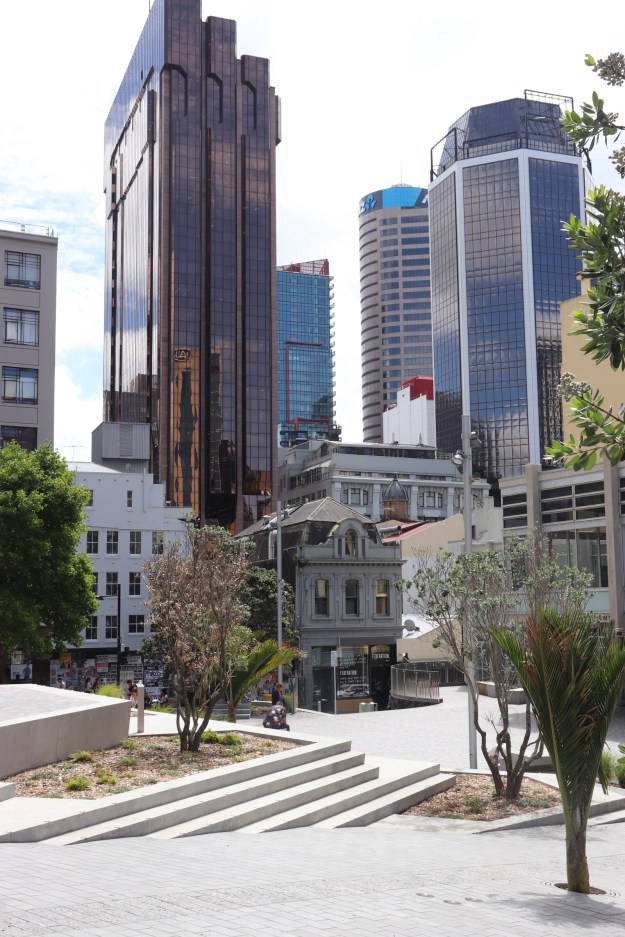
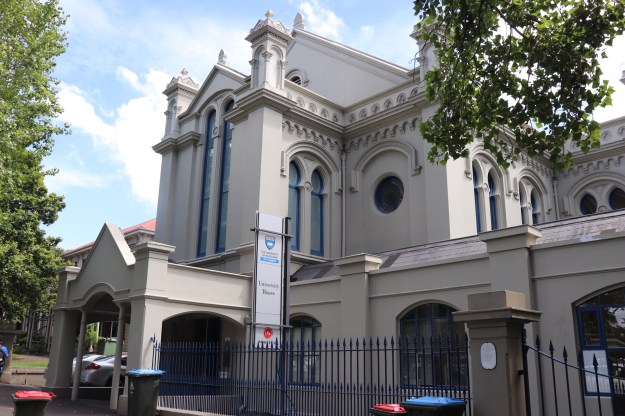
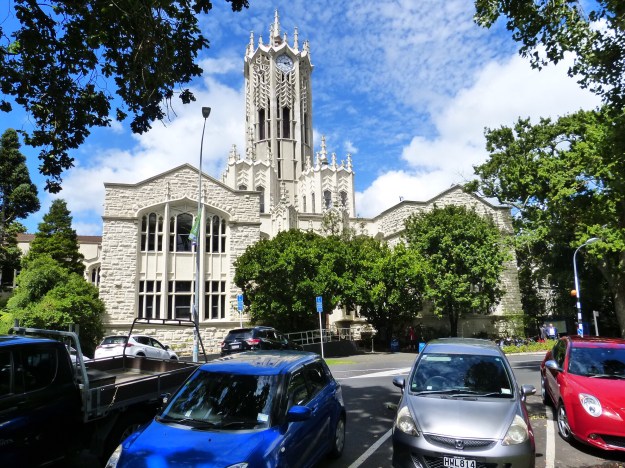
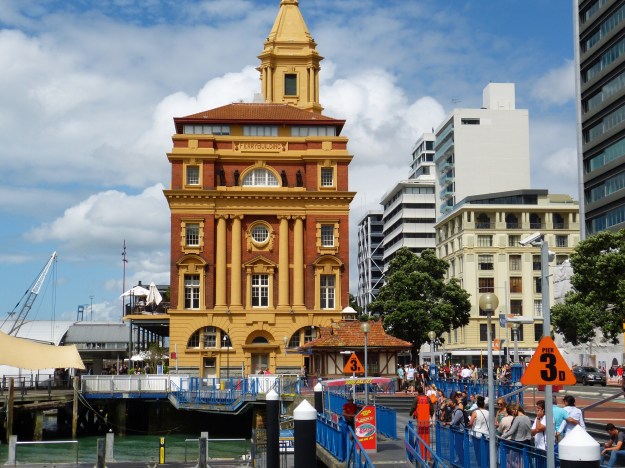
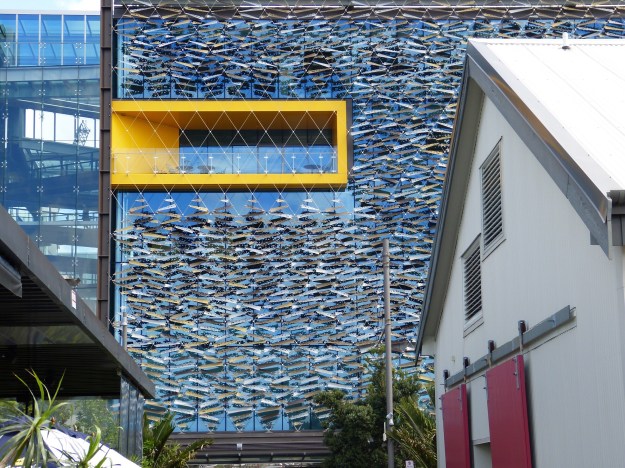
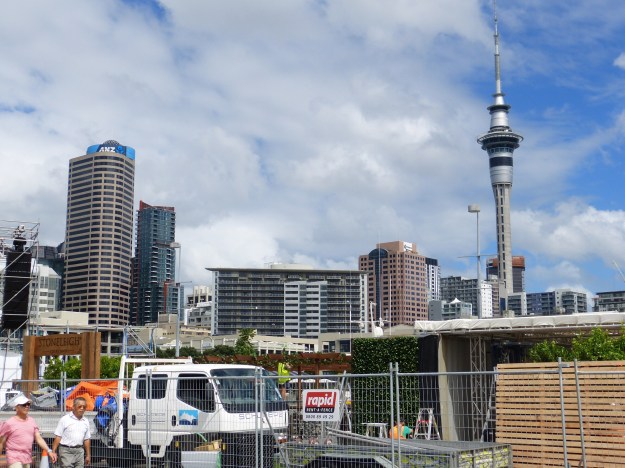
Our guide book walk was described as a city centre ramble showcasing hidden nooks and architectural gems so after the gallery we proceed to ramble and took in the Victorian Albert Park and merchants houses, the University clock tower and the original main synagogue. The view from this area was dominated by the city below in the lower town area which gave an outline of high rise tower blocks and new construction tower cranes all creating a jagged skyline like mountain peaks. We walked downhill amongst these giants and arrived at the waterfront and harbour.

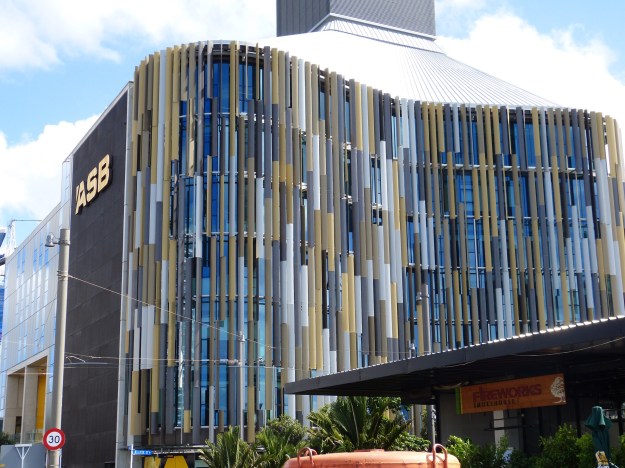
The city was busy preparing itself for the arrival the following week of the Volvo Round the World yachts and one area of the waterfront you walked along was a hive of workers creating the hospitality village around the marina.

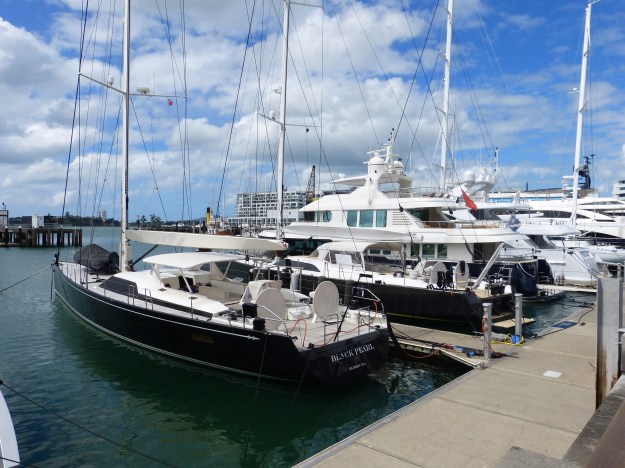
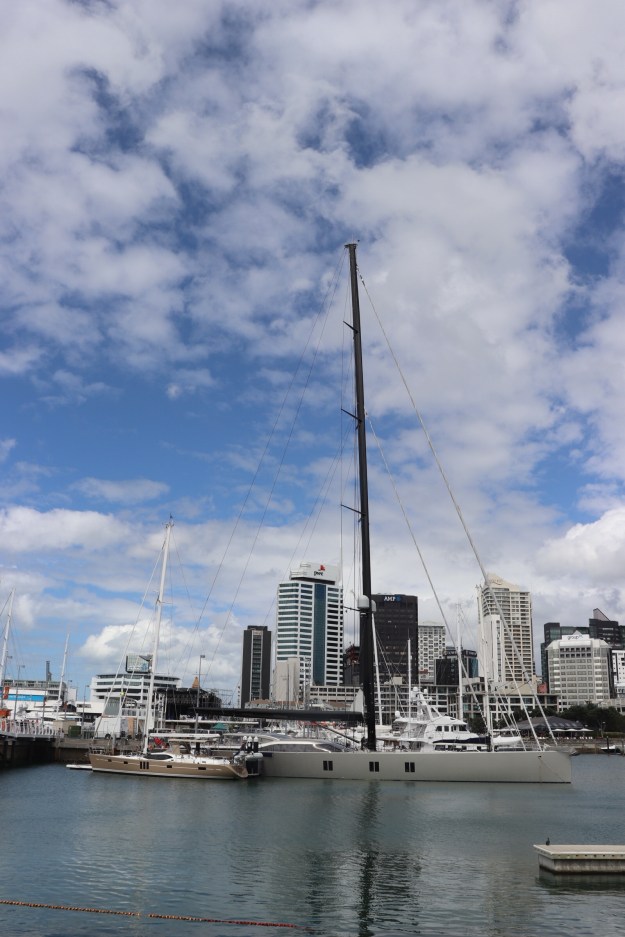
In fact some big catamarans and mono hulls were already in town and we were amazed by one beast of a sailing boat that went by the name of Skade. We researched online and it was two years old, in private ownership not charter, and 47m in length. A truly amazing piece of design and investment!

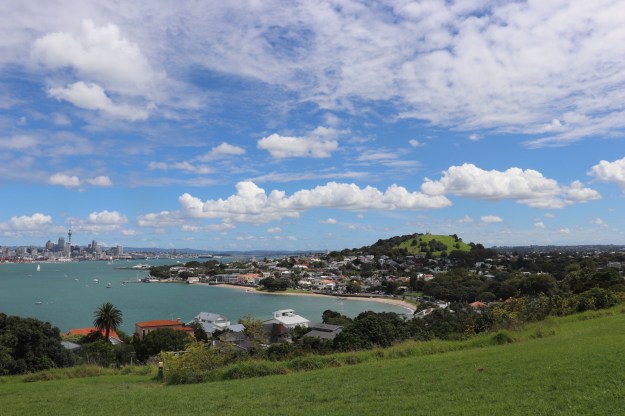
On another day we would revisit the harbour to catch the ferry across to the north shore and visit the suburb of Devonport. A very attractive town that has retained a large number of Victorian and Edwardian buildings with a thriving mix of shops, cafes, restaurants, bars, and even a chocolate maker that had to be sampled. The towns spectacular views of the city, des res location and a regular ferry service making it commuter heaven.

Coincidentally as we went to catch our ferry to Devonport on the adjacent wharf was none other than Cunards Queen Elizabeth last seen by us in Mo’orea a few days earlier and obviously followed us over the Pacific.

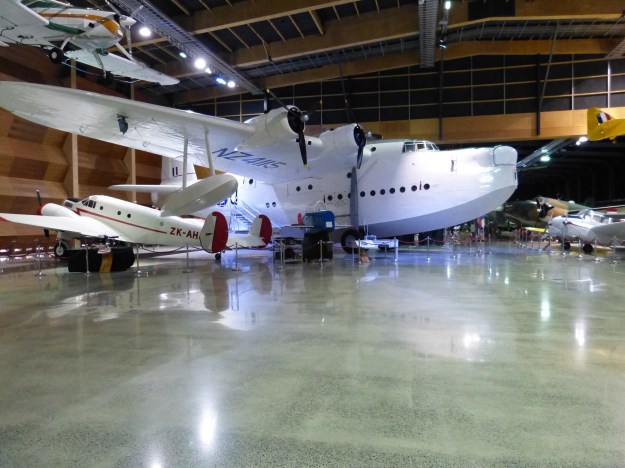
A more local day out we went to a place called Motat which was a museum of technology and transport. Fascinating day that introduced you in interactive displays to science, working examples of engines, pumps and other equipment, a mock up with actual exhibits from Edmund Hillary’s journey to the South Pole and amazing examples of aircraft. The site was adjacent Western Springs Park which at one time was Auckland’s water supply and today was a pleasure park. Amazing that 1.5 million gallons of water a day still bubbles up from below and feeds streams and ponds en route to the sea.

So thank you Auckland interesting but a city that lacked charisma.

Our final day we collected our camper van and struck North. The intention was to go to a place called Whangerai on the lower edge of the Bay of Islands and spend a couple of days. The journey up was estimated to be about a 3 hour drive and with plans to stop for shopping and explore coastlines we anticipated 5 hours.

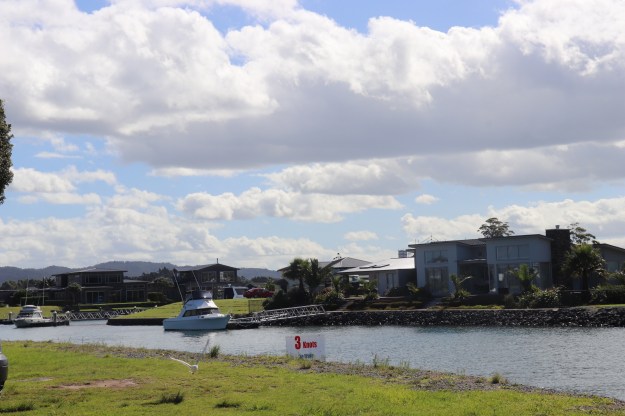
We looked for some wild camping spots along the coast south of Whangerai whilst we did enjoy an hour at a place called Marsden Cove with houses built onto the water with direct access to the highly regarded marlin fishing grounds

we had no luck with camp sites so headed into Whangerai and found a free Freedom parking set up that was perfect for walking into town.

Moorea

6BBA24CF-86AB-4968-8EB7-86AB1219A6A8

Our plane hit the tarmac with the rain lashing down around us, we had arrived in the rainy season!! It was 1am and we had nowhere to go until the ferries started running. So along with a few other bedraggled and weary passengers we hunkered down for a long wait.

It is interesting watching how people occupy that vacuum of time between travel connections. A few bodies catching up on lost sleep, baggage doubling as pillows or grasped securely by hands that slowly loosen their grip as relaxing sleep takes over, faces staring vacantly into space the mind a million miles away, restless souls trundling back and forth with baggage trolleys piled high. Then a hive of activity as the lights go on and the coffee shop bursts into action and like moths to a light we are all drawn towards it, coffee and croissants have never tasted so good.

We board the ferry with a warning from the captain that it is going to be a bumpy ride what an understatement! It is a long time since I have experienced anything as bad, the only way to deal with it was to fully recline the seat and take long deep breaths for the duration of the journey which thankfully was only around forty five minutes. Stepping off the ferry the rain still bouncing off the pavements low heavy cloud shrouded the mountains that dominated the island giving them a dark mysterious feel.

Charles went off in search of a car hire whilst I stayed with the bags. I watched as a woman set up an artistic display of fruit and struck up a conversation with a group of women who appeared to just be passing the time of day but whom it turned out were taxi drivers waiting for fares, they informed me that all the rain was normal for the time of year but it was expected to get better later in the week I hope.

We travelled along the one and only road that ran the thirty five mile circumference of the island flanked on one side by the lagoon and the other the densely covered mountains with evidence of the torrential rain all around, swathes of land under water and vegetation strewn across the road, so the rain continued into and throughout the night.

The following day the rain had become intermittent so we set off to explore the island stopping at various points that looked interesting. Wherever we drove the jagged tops of mountains were ever present a vivid contrast to the calm lagoon with its contrasting shades of blue.

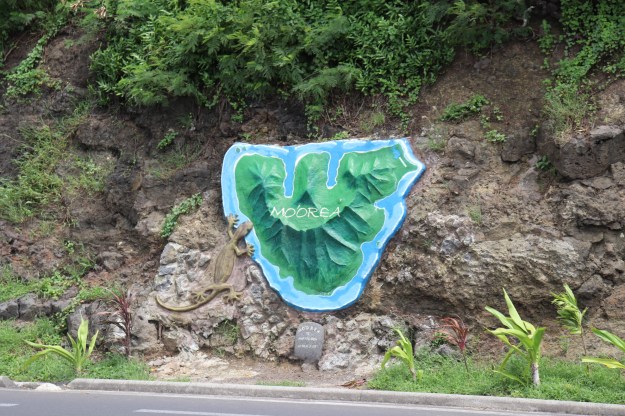
Moorea is a small island encircled by a coral reef over which the waves of the Pacific Ocean gently roll creating a vision of pure tranquility. There is no central hub to the island, retail outlets are situated around the many hotel complexes catering for the tourist trade with local crafts and the famous black Tahitian pearls and supermarkets can be found dotted along the road of the residential areas. The local economy obviously depends on the tourist trade through either the island hotels or many cruise ships such as Cunards flagship the Queen Elizabeth and Wind Spirit an automated four masted sailing ship.

There is evidence of a few small holdings raising a few cattle and a pineapple farm cut into the dense vegetation of the mountainside which supplies a juice making factory situated along the roadside that displays a large sign inviting visitors to view the process. Like a lot of beautiful small islands the big hotels have taken over the best of the beaches building large complexes that appear to be self sufficient offering guests all the amenities they could wish for so very few tourists are seen around the island other than those transported from the cruise ships or the more adventurous escapees from the hotel resorts on their mini mokes.

Off we went to explore the island in our hire car finding our way up the one road that veered off the coast road into the mountains up to the Belvedere viewing point that gave us a great view down onto Cooks bay and Opunohu bay the latter being the actual bay in which captain Cook moored many years ago. The two bays are separated by the volcanic peak of Mt Rotui, a single peak that rises out of the lowlands of the northern half of the island.

Back down we came and as the map indicated you could come down a different route we followed the map, well it was more a dirt track than a road and better suited to off road vehicles than a Dacia car but we bumped our way around potholes and ditches until we hit tarmac with a great sigh of relief.

The rain finally gave way to sunshine on our penultimate day so we headed for the beach finding some shade we settled in with beach mats and towels thoughtfully provided by our host. What a great day warm lagoon water to cool off in watching birds come and go on the remains of a mango tree growing out of the water, a wader nonchalantly fishing off the coral, a fleeting visit by a white egret and low and behold a single ray coming right up to the waters edge.

We watched with curiosity as a man came along the beach sat on the waters edge and proceeded to sharpen a knife then noisily clean something he had in a large plastic box, next he swims out into the lagoon and deposits the fruits of his labour into the lagoon??? All is revealed later when we see a dark fin in the lagoon and people leaving the water, yes a shark was in the water, we discovered later that the man had been cutting up a grouper fish.

Not only had we come here in the rainy season but also during a cyclone so more rain than was usual at this time of year and hence the really high winds. Thankfully we had rented a nice Airbnb bungalow set in the owners beautiful garden so we could come and go as we pleased. Now rested we are ready to continue the next and final leg of  our journey four weeks in a camper van around New Zealand.

BEB83B32-02D2-4C2E-BBEE-38DF2F24C92B

Rapa Nui a dream come true!

We all have dreams or aspirations and this particular dream came out of Charles childhood, as a child like now he would read anything that captured his imagination and amongst the many childhood classics he can remember reading at the age of eleven a magazine story about Thor Heyerdahl who had visited Easter Island to investigate the famous Easter island statues. The reason for Heyerdahl’s visit was to re assemble a fallen statue back upon its base proving techniques that the local oral history believed were first used around 700AD. The photos that accompanied this article showed oversized human like figures with dramatic facial features towering over Thor and his fellow workers. Charles childhood dream at that time was to one day visit and see these statues for himself. Fifty years later his dream has come true and here We are on the island learning a lot more about these enigmatic figures.

Interestingly although he was 11 when He read the article, the visit of Heyerdahl had taken place in 1956 the year of his birth, that surely was destiny in action.

In the seventeen hundreds European explorers came across this uncharted but populated island and decided as their arrival coincided with easter it should be called Easter Island choosing to overlook that the island already had a name – Rapa Nui.

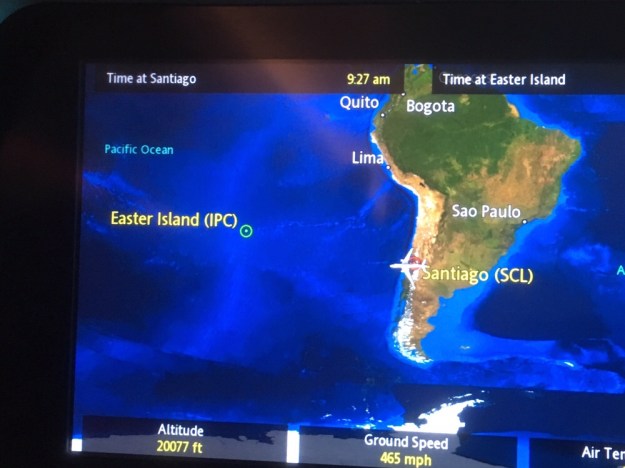
After a 6 hour flight across the Pacific Ocean from mainland Chile and a warm welcome from our hosts at the airport
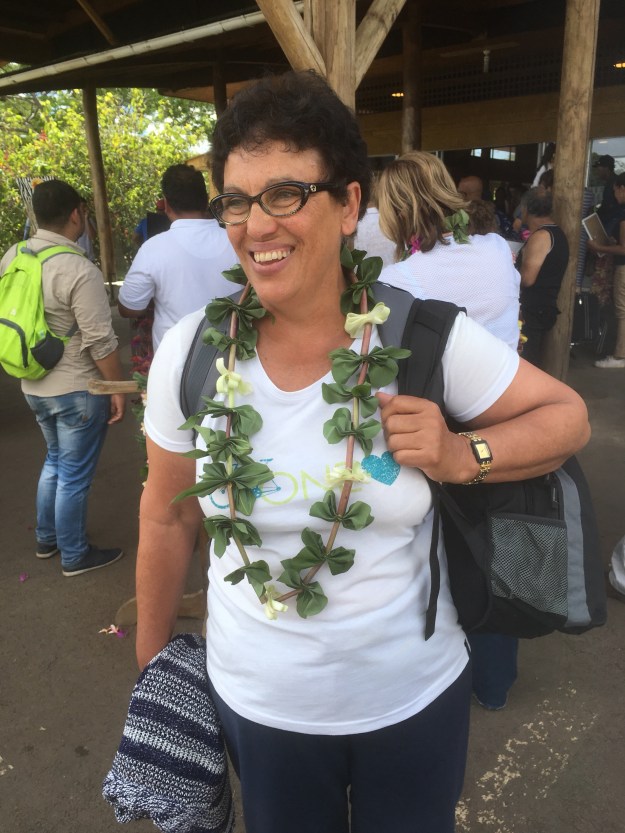
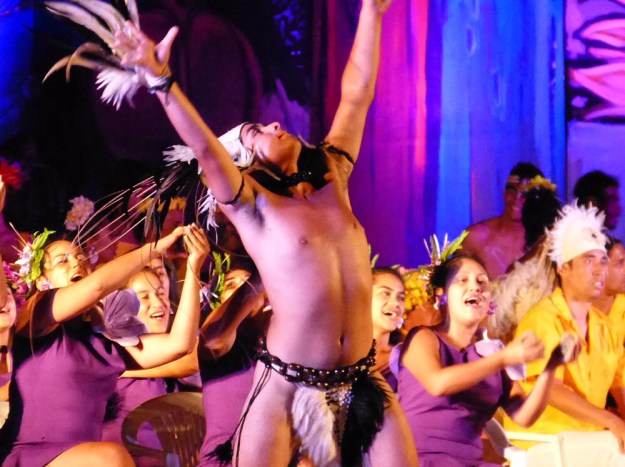
We had arrived and our arrival coincided with the annual festival known as Tapati. During the Tapati celebration, the town is divided in two, each part constituting an “alliance” or clan representing the ancient races of the island. Each clan chooses a queen to represent and “lead” them during the competitions and the winner will have the right to the title of “Queen of the Island” for that year. It’s not a beauty contest, but rather a peaceful confrontation between the two clans that will compete through the days and night; where each participant will be able to express their physical and artistic skills to earn points for each candidate. The queen of the clan with the most points will win the crown. skills to earn points for each candidate. The queen of the clan with the most points will win the crown.

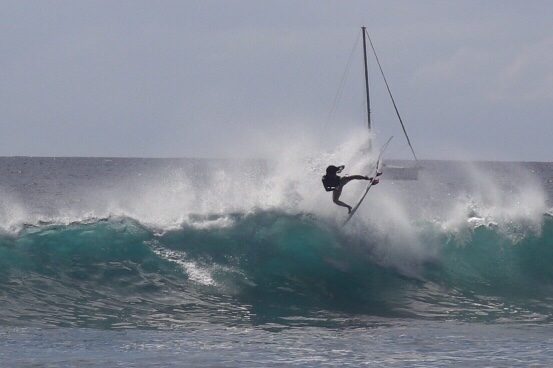
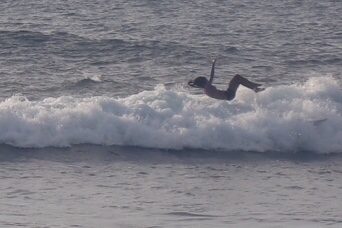
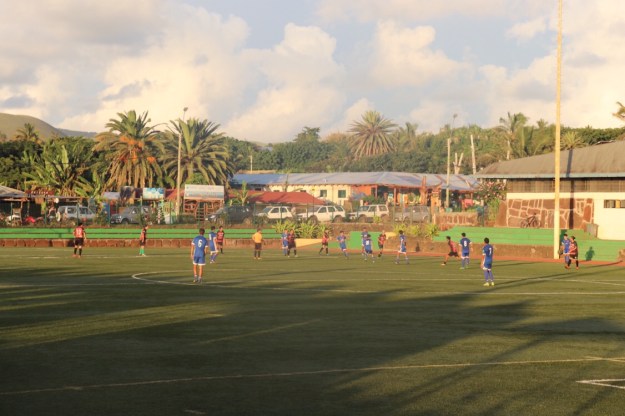
We enjoyed an early evening drink overlooking the local main bay full of surfers, body boarders and surf canoeists whilst behind us a football match on the small stadium pitch was in progress.
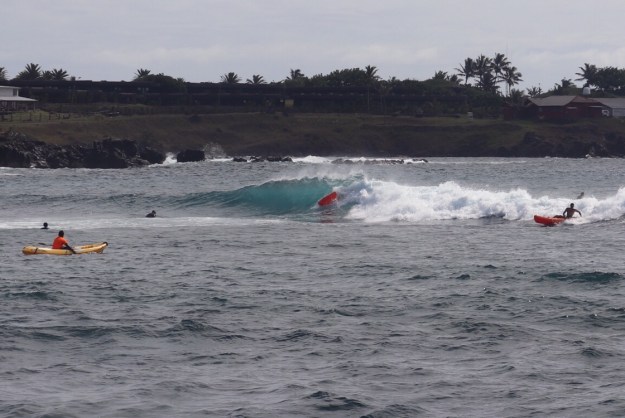
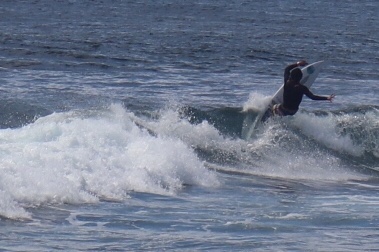
Afterwards we followed the crowds to a park area with stage and stalls and we found ourselves at the front of a standing area behind the main seating and took up position centre stage. We could see a darkened stage full of people and the sound of musicians, it soon became clear the entertainment was warming up and we awaited the beginning of the show
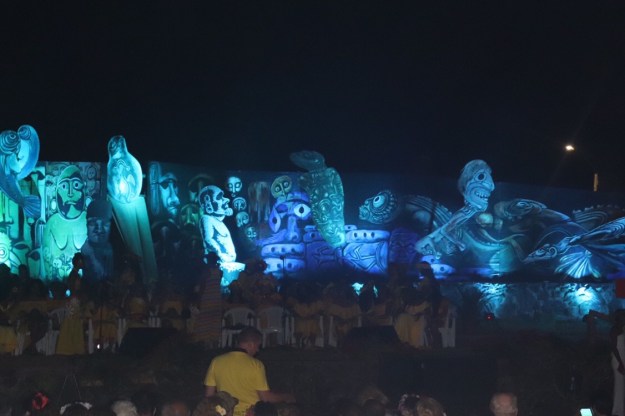
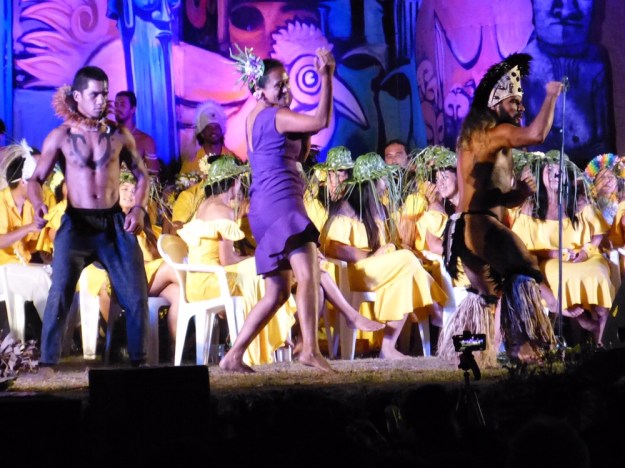
About 10.00pm the stage lights came on and a brief introduction began. The only part in English was hello welcome and enjoy the show. The rest in local dialect was lost upon us but we soon realised that the event was a competition of 2 groups and was one of the Tapati events

The 2 groups of about 150 people in total were spread across the stage with the left side all dressed in a purple costume and the right side in yellow. They took it in turns to sing and dance to songs with each group having their own musicians sat amongst them.
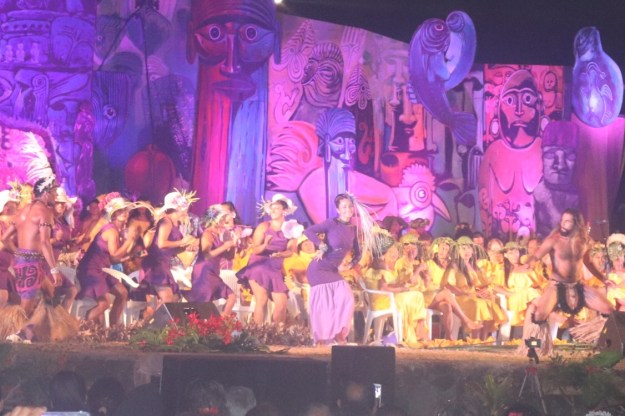
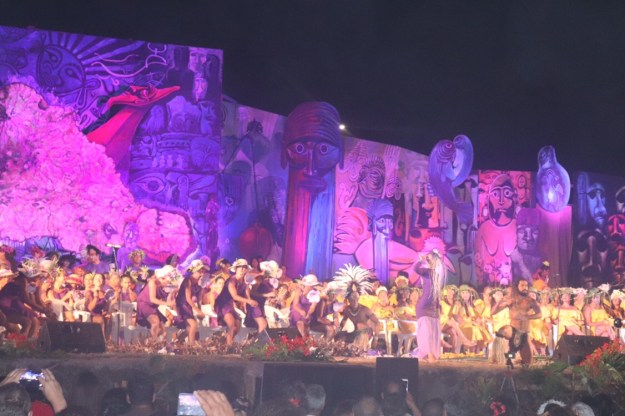
The stage was a riot of colour from costumes and outfits including headdresses with waves of sound leading the different troupes into their songs. Mostly the dancers only came forward to front of stage for their own troupe but occasionally a dancer would get up to dance with the other troupe and sometimes the opposition would invite a dancer to join them.
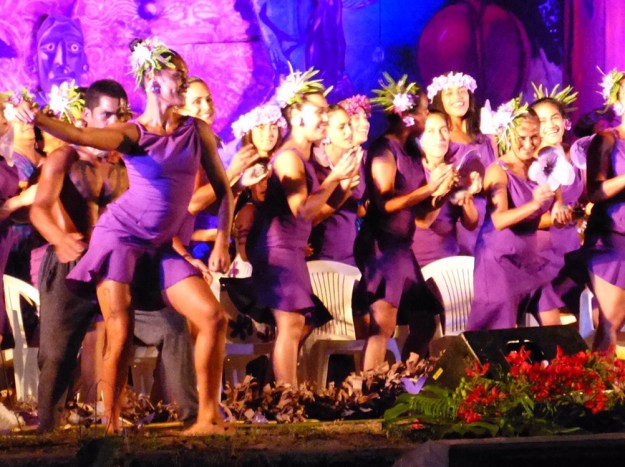
The songs and dances were telling the groups interpretation of a given theme and it was this that the judges at a table front centre stage seemed to be noting down as they marked.
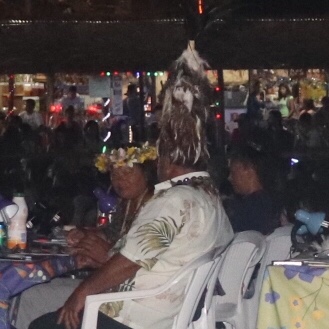
It was an amazing spectacle and the enjoyment that their energy, skill and musicianship provided was something we will never forget. We left the show just before 1.00am and the sounds followed us all the way back to our hotel 1/2 a mile away. We learnt the next day the purple team had won and the event continued until about 3.00 am! Stamina indeed

For our second day we had booked a guided tour of the statue sites across the island. Our email confirmation for the 9.30 am tour had said we would be picked up around 10.00 so we were in the middle of getting up and ready when the hotel staff were knocking on our room telling us the tour had arrived. When we got down to reception we were informed they had gone to collect other guests and would be back. Explaining to our Guide “Rodriguez” the misunderstanding he apologised and said don’t worry we go by island time meaning whenever.

The schedule for the full day tour was to visit 5 different sites including the quarry where all the statues had been carved and transported from so we set off to begin our introduction to the world of the Moai (Mo-eye) to give the statues their symbolic name

In setting the scene for our tour three things we learnt were;

Family groups formed village like settlements wherever they found sources of fresh water. Being an island of no rivers due to the porous geology they sought out natural springs and settled nearby

Chickens were a sacred animal and would only be eaten at the annual sacred day

At some time in the history of the Rapa Nui the old ways had been challenged and Statue sites demolished. This led to a dark period as our guide called it where villages would raid other settlements and slaughter each other.

Our first site was Tahai near to the main town and we learnt as the day went on it was a site that gave the most informative introduction into the ancient ways of the first Rapa Nui settlers. This was a small cove giving access to the sea for the outrigger canoes they use and good level land with a small cave like outcrop. The families had created a village settlement of stone chicken coops and defensive shelters, sacred plinths and statues and dwellings they called boat houses.
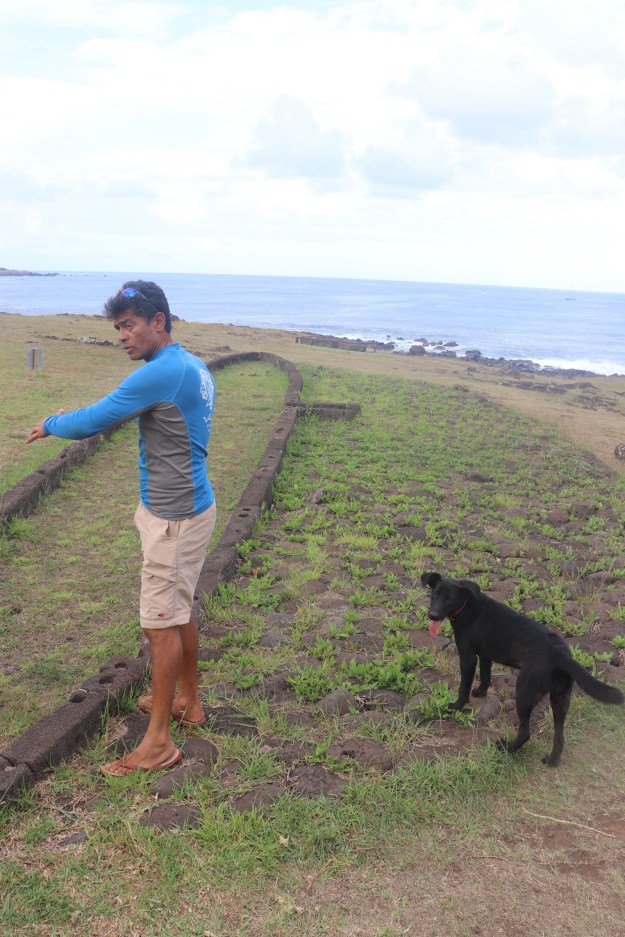
You will notice the chicken coops have no obvious door and the entrance hole when filled with a special stone would be invisible to strangers
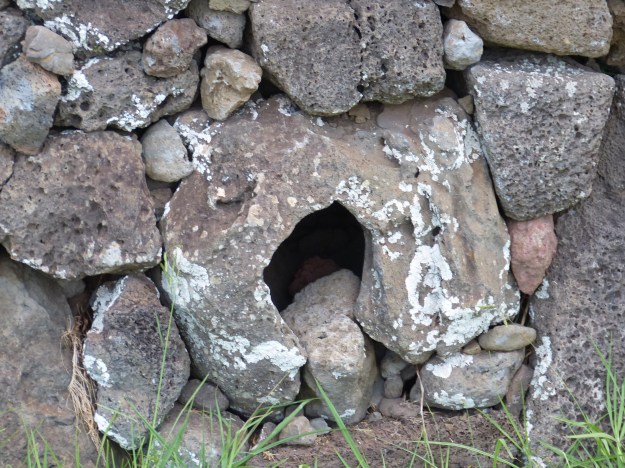
The defensive shelters were formed by enclosing the cave outcrops to give protection from any outsiders attacking the village.
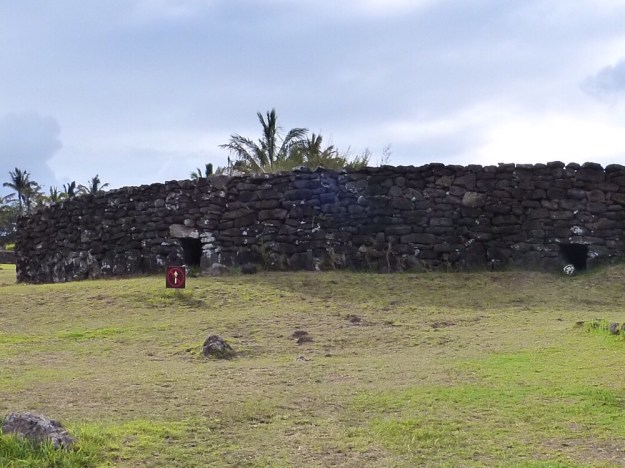
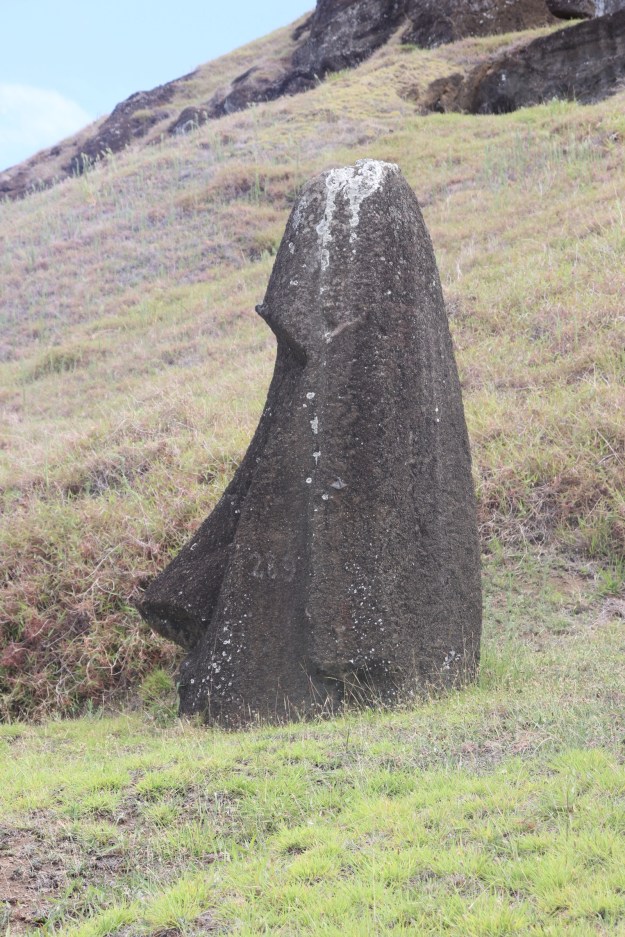
In time the village would construct a sacred area with Moai statues. Those members of the village who were respected for their wisdom and ability would often be honoured by the carving of a Moai. The purpose being to allow that persons spirit to continue to guide over years to come. This was effected by placing certain skeletal remains into a depression on the Ahu (the stone plinth platform) onto which the Moai were placed. The idea being the Moai absorbs the spirit from the remains and transmits into the village through its eyes This is also why the Moai are facing into the village even in coastal settings

.

We then travelled onto Rano Raraku the site of the ancient quarry where all the Moai on the island came from. The site is one of the many volcanic cones on the island and an eruption back in the mists of time had blown off the cone forming a summit caldera and lake.
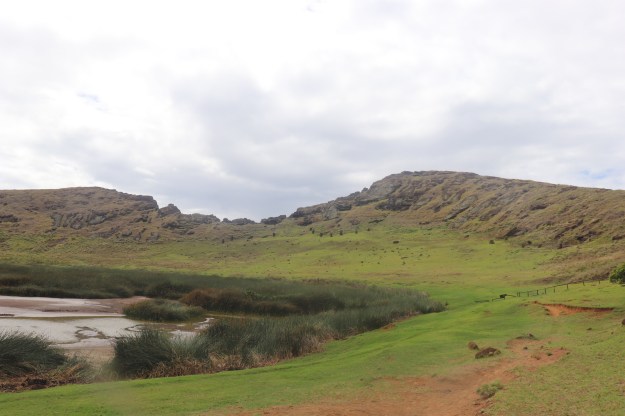
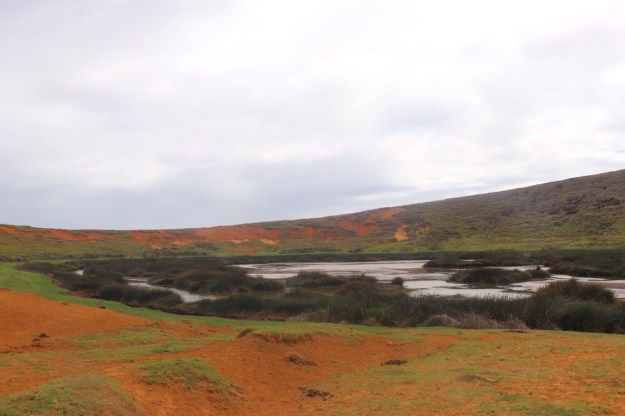
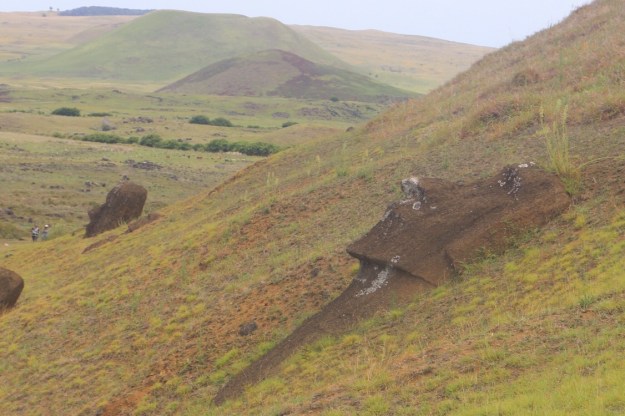
The quarry is in the outer cliff face of the volcano and is dotted with Moai in various positions standing, laying down and partially buried as well as partially carved and still attached to the cliff face. One unusual Moai still on the side of the quarry complete but not moved down the cliff face is a kneeling position Moai. The only one of its kind for reasons unknown?

The most contentious subject for years is how were these statues moved. The largest is 10m tall and estimated to weigh 80 tonnes. But oral tradition and scientific tests have shown that they were moved in an upright position and through the use of manpower and ropes they would rock the moai on their base and use that movement to give a forward momentum that made the statues literally walk across the island

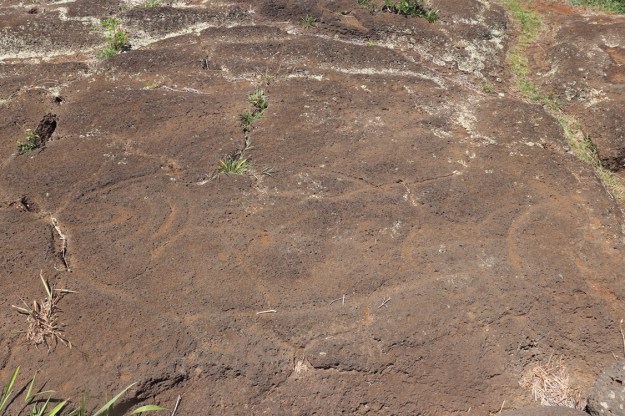
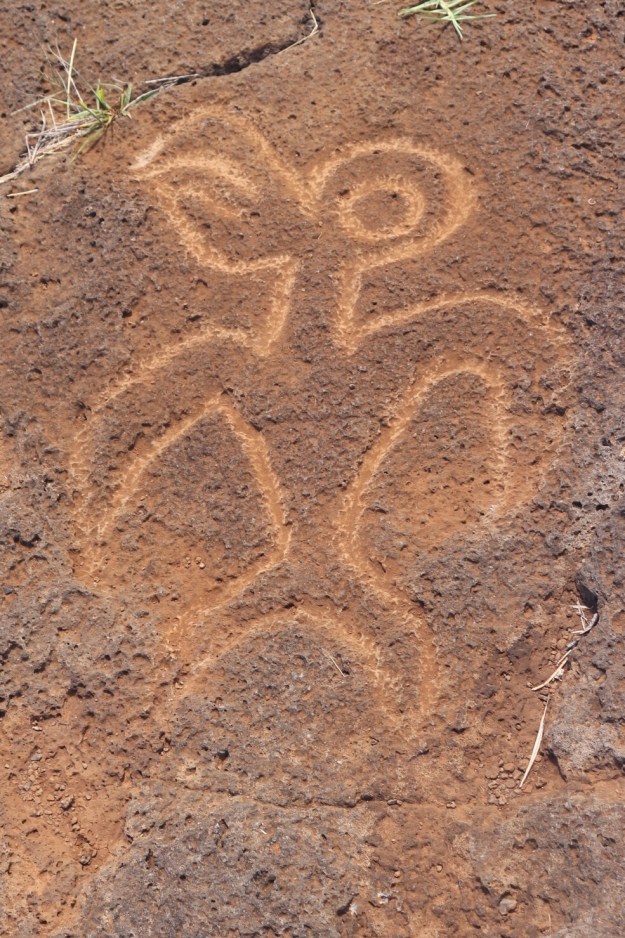
Near to the quarry is one of the most impressive village sites containing 15 Moai. as well as numerous boat house remains. stone greenhouses and artistic impressions (or petroglyphs to give them their name) of sacred images. It is no coincidence it was such a major settlement as being in the shadows of Rano Raraku it was home to many of the stone carvers and quarry workers

The petroglyphs record images of importance. Below you can see a face with a protruding tongue which is a threatening sign of warning to outsiders (Hoko it is called similar to the Maori Haka), a large image of a yellow fin tuna considered valuable as a great source of protein and which based on size of image would have been about 150kg and an image representing the bird man culture which was part of the changing beliefs in the dark period.
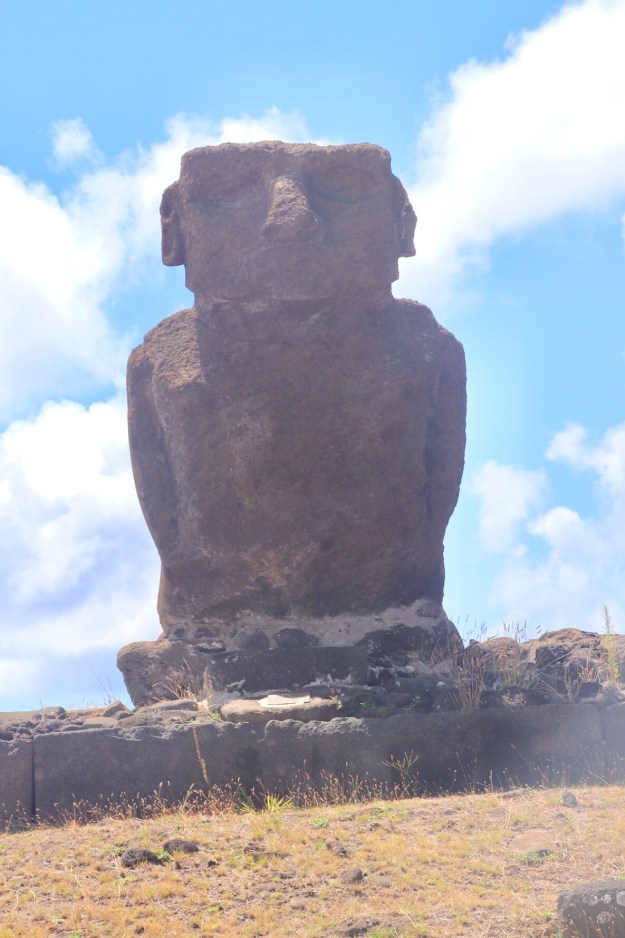
After visiting a couple of other sites we finished our tour at Akahena beach, this is the site were the first Rapa Nui travellers landed in their outrigger canoes and began to settle this uninhabited island. The oral history says they came from an island in the Marquesas chain of Polynesian islands and had sought new lands because there home was disappearing (probably due to volcanic activity)

It was interesting to see the first settlement and my point of destination, as this is where Thor Heyerdahl visited all those years ago. Unfortunately the sunlight as wrong for a great picture but it still was an impressive vision.
Our final day was going to be a long one as our flight was set for midnight and yet we were checking out of our room for 11.00am! The hotel said leave your luggage and use the lounge areas and pool showers later on to freshen up before they took us to the airport about 10.30pm

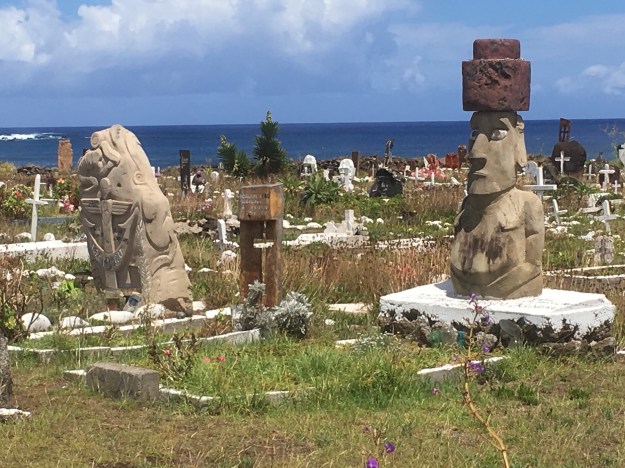
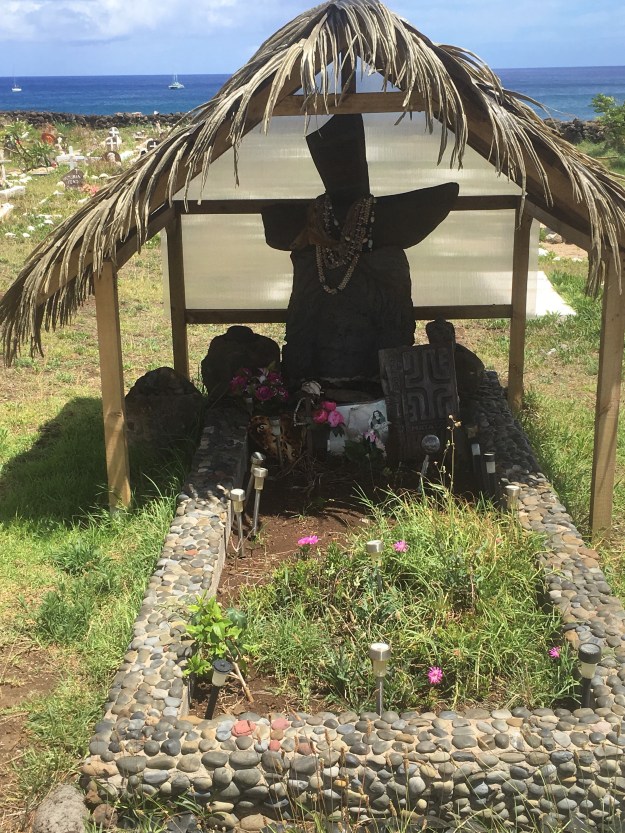
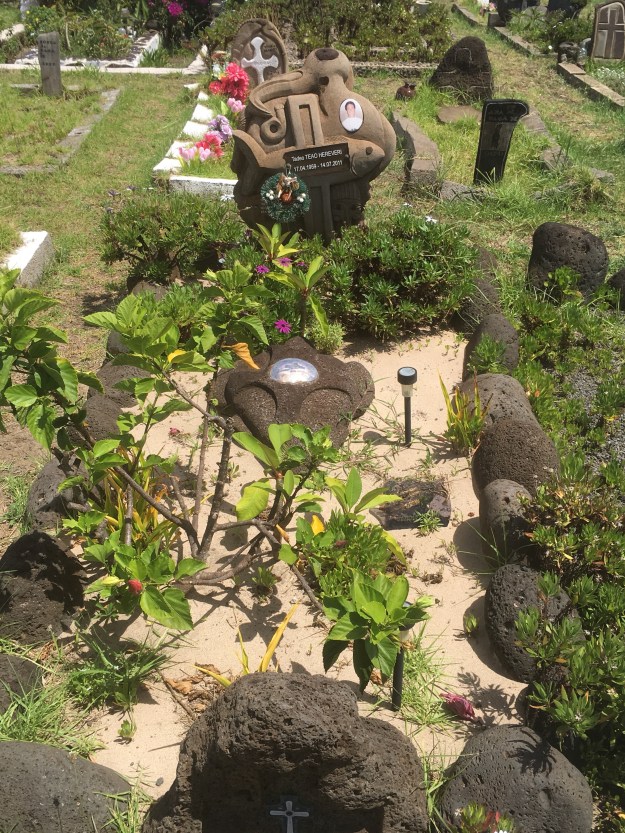
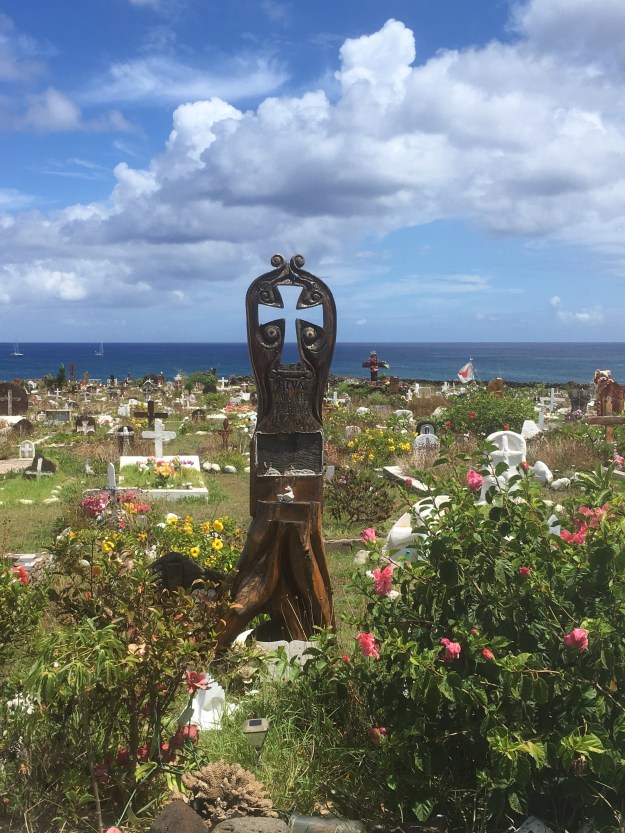
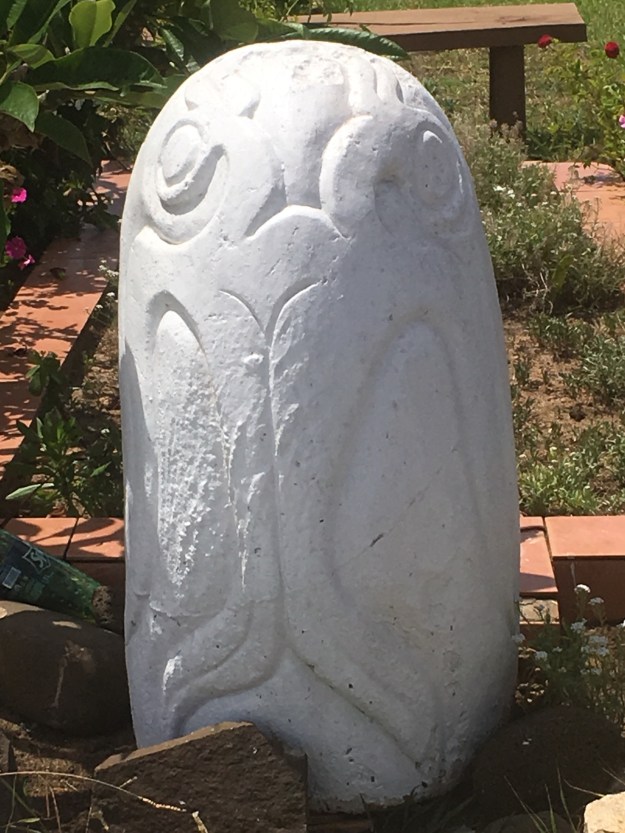
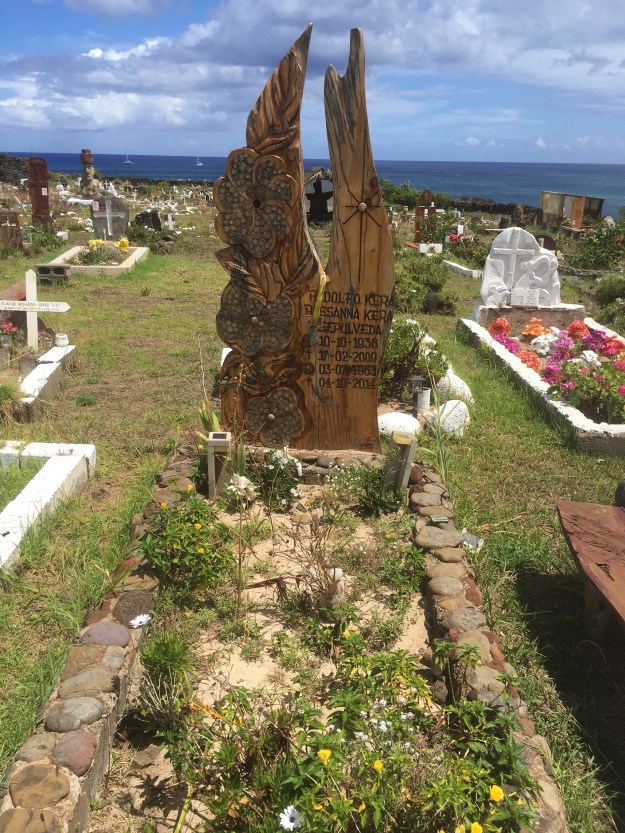
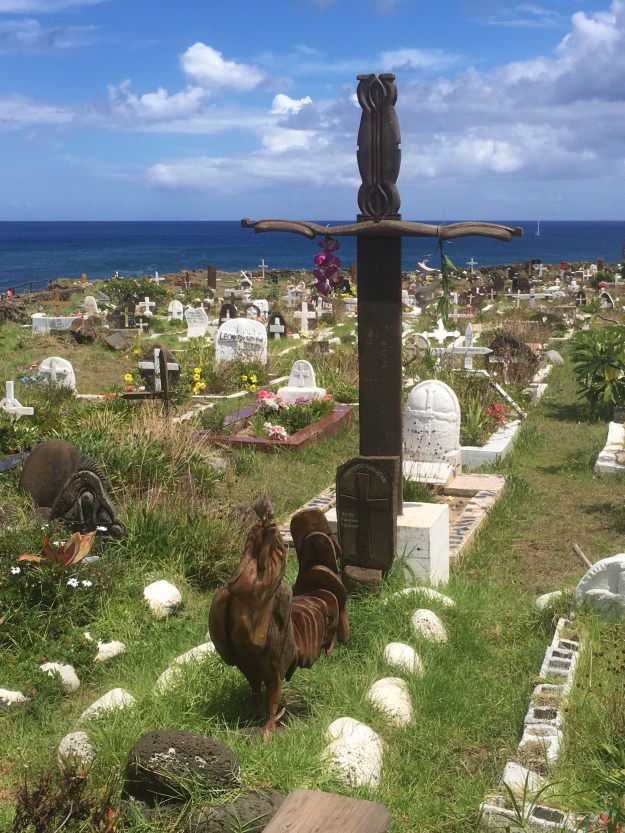
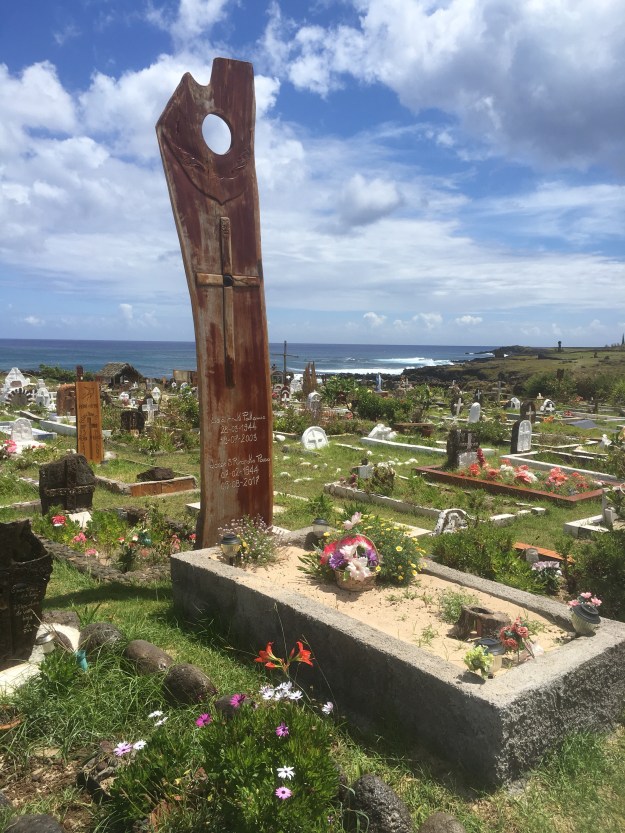
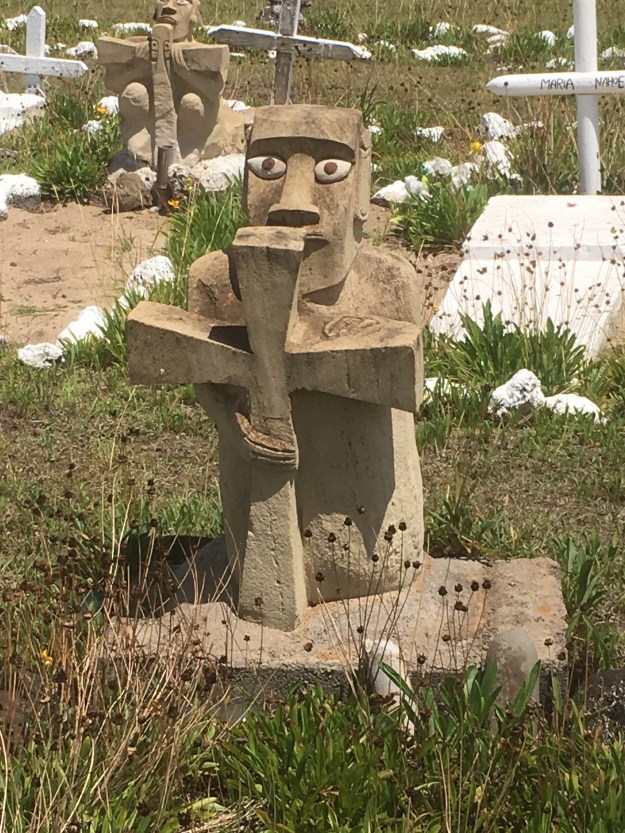
So we decided to wander into town for a breakfast which was very nice salmon cheese bagels and waffles with fruit and then go for a walk through the north side of town visiting the cemetery as the gravestones were reported to be very unusual and walked along the coast to and beyond our first site Tahai.

The cemetery was colourful and different to what we are used to.
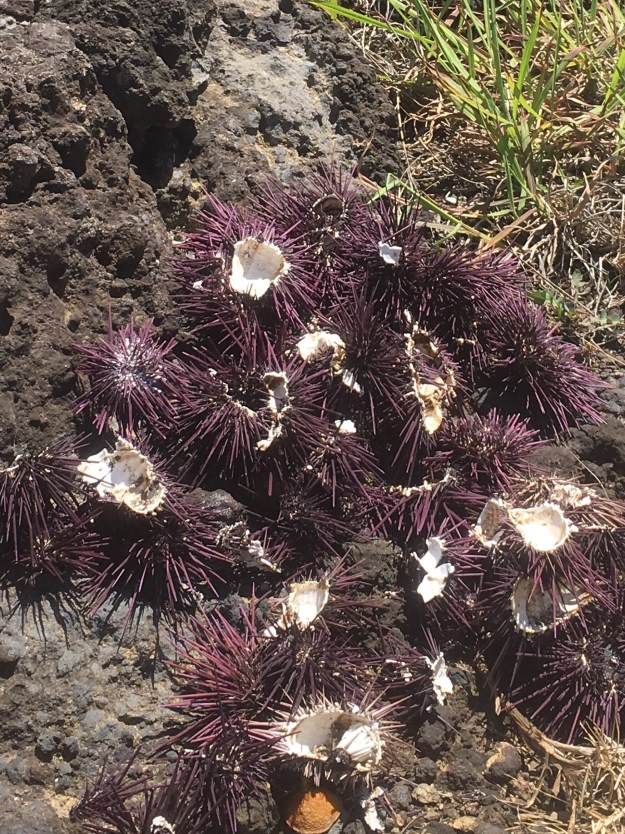
After waking the coastline and going to the next bay after Tahai we found a nice rocky cove with dramatic surf on the incoming tide and spotted the remains of an impromptu ceviche picnic of lime juice cooked sea urchins. All that remained were lime husks and sea urchin spiny shells
And so our brief visit to Easter Island/Rapa Nui came to an end. We packed a lot into our time and were exhausted after the grand tour but as an island it was enjoyable, entertaining and welcoming.

Thank you Thor Heyerdahl for the dream and thank you people of Rapa Nui for everything you shared and the memories you have given us

Lorana (goodbye)
Santiago 2nd time around

Spending a few days in Santiago prior to saying goodbye to mainland Chile and flying onto Easter island gave us the opportunity to catch up on things we had missed first time around when the time we had planned was curtailed due to our flight to Santiago being delayed for a few days leaving us stranded in Madrid.

Our first task was to return the spare set of keys to our previous landlord which somehow had found their way into Charles’s bag?We then headed for the main park area where a vernacular railway took you to the highest point in the city from which you had great views over Santiago. En route we came across the museum of art so popped in to have a look. What a great building, you enter into a large open space dominated by a glass atrium with the various galleries leading off, they housed a mix of modern and traditional artwork as well as some amazing sculptures. Having had a dose of culture we stopped off in Santiago’s famous Belles des Artes area for a coffee and the best chocolate cheesecake ever before making our way to the park and joining the back of the queue for the vernacular railway.

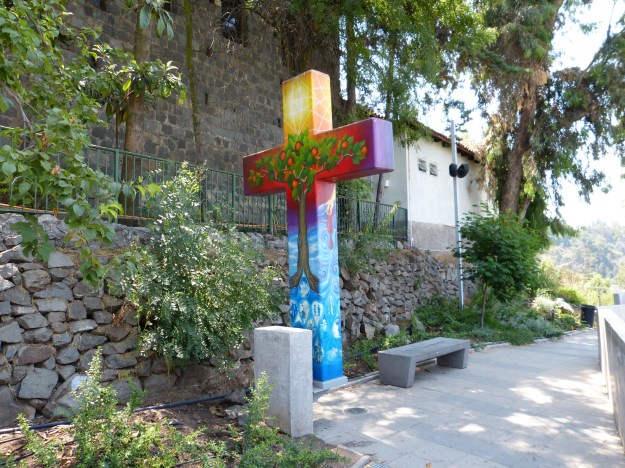
It was a long way up and I was glad to step onto good old terra firma but the view was worth it as the city sprawled out below dominated by the mountains acting as a backdrop. At the highest point was a chapel which was used when the pope visited Santiago and the way into the chapel area was flanked by a number of crosses bearing some interesting art work.

ED93CBD0-272C-4E17-9926-967C40A5A09E

We had decided to walk back down through the park as we wanted to visit the Japanese garden that was advertised at the same time experiencing what the park had to offer, big mistake. This was not a park as we know them instead a busy park road wound it’s way back down with the occasional sign directing you to an allocated area that had been cultivated to grow various types of planting. Eventually after a long arduous trek we saw the sign for the Japanese garden, great, as we approached out came the cameras and after taking a few shots of the external landscaping headed for the gate, it was locked! Could you believe it. Taking respite on the nearby wall excitement loomed as the gate opened but no the worker that emerged explained it was closed to the public as it was being renovated. Somehow with the bit of Spanish that he knew Charles explained that we were members of the Japanese garden society and had come especially to see the garden and take photos for an intended article for the society’s magazine.It worked we went through the gate and yes it was definitely undergoing some major change. The architect responsible came to greet us and explained what the original layout looked like and how they were planning to expand it with some hard landscaping and new planting, his biggest difficulty he said was the planting as Chileans like to touch and feel where as the beauty of a Japanese garden is absorbed through the eyes.

On our second day we decided to have a lazy one as we were exhausted from the day before so we walked to the Cultural centre which was only a few blocks from our apartment. It had originally been built to house a Latin American conference but was now a community space housing works of art, a restaurant and cafe but was mainly used by young artistes as a drop in space in which to freely practise their various talents. We watched as a couple practised the Argentine tango without music next to a group of hip hop dancers with music on full blast, in another space a girl dancing with a pyramid made of metal tubes and a modern dance group practised side by side all seemingly lost in their own art.

Our final day and I was on a mission to return to the main square and locate the old man I had seen previously that created pieces of art by painstakingly hammering patterns into pieces of copper, I had promised myself that I would return and buy one. As we entered the square the inevitable sound of music could be heard a Samba band was in full swing inspiring people to get up and dance. We took some time to sit and enjoy the music before resuming my quest. I found my man in his original spot and he took great pride  in explaining which each piece represented. With my chosen piece carefully wrapped and under my arm we went on to visit the cultural history museum where Charles found his own personal guide having struck up a conversation with a man who had worked for a number of years in Edinburgh as an accountant.

Our final visit of the day was to Pinochets secret police headquarters renowned for its imprisonment and torture of people who opposed his regime. An innocuous building on one of the two prettiest streets in the city it looked like any other residential building that surrounded it. Inside there was very little information regarding its history and apart from a desk for the receptionist it was just a shell of a building leaving your own imaginings to conjure up what it must have been like in its day.

Back to the apartment to pack our bags for the last time on mainland Chile. What a spectacular time we have had, it’s had it’s highs and lows but mainly highs and a lesson learnt ie investing time in planning can save time and money but hey

C’est la vie onwards we go.

North or south?


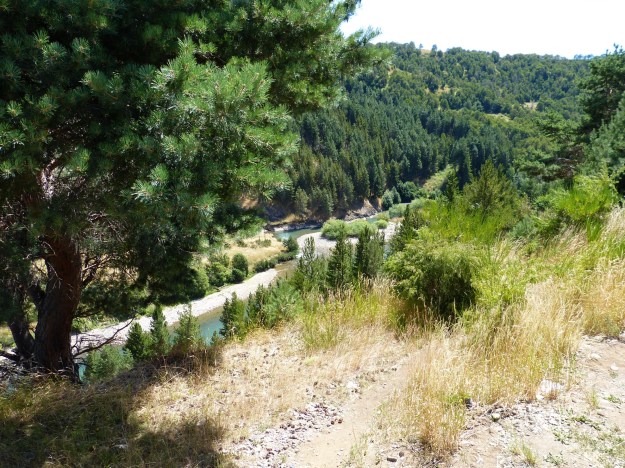
Choices to be made, do we meander our way back to Santiago through the vineyards of Southern Chile or head south into Northern Patagonia? The latter won out and we headed south to the town of Coyhaique, although we quickly learnt not the best place for 60+ year olds whose bodies don’t bounce and bend as well as they used to.

Not being in to white water rafting, kayaking and mountain trekking we struggled to find a tour that would get us out and about although our enquiries did discover a half day tour of 7 lakes and small villages (more fitting to our capabilities) but alas no one was running that tour for the days we were there, the only tour on offer was a fourteen hour trip to see a hanging glacier but as It only gave us two hours in the National Park where the glacier was we decided against it.

So we had to entertain ourselves which meant exploring the town and its perimeter taking in the views from a purpose built path.

6F5C79A6-F0A3-409F-9AB0-1B45247968F9


We had flown into the region arriving at the nearby airport on the Argentinian border at Balmaceda. If we had been able to get a boat reservation we would have sailed down the coastline from Chiloé and enjoyed an 18 hour sailing down past rugged coast and fjords and wide river estuaries aplenty. The boat sailed into a port 50 miles from Coyhaique and we decided to travel on the local bus down to one of the ports to get a taste of the coastal area.

Taking a bus to Port Aysen we bumped our way over a part made road passing through a lush green valley that appeared to have carved its way through the mountain.The bus deposited us in town and we wandered down to the estuary edge and followed it as far as we could before cutting our way back through the town to the square where we spent a pleasant half hour watching a group of teenagers playing tag football before making our way back to the bus.

Back in Coyhaique for our final day and no public transport to places nearby, so we joined the locals in the main square where we passed a pleasant afternoon soaking up the sun laying on our backs cloud watching and people watching, whilst being entertained by a band playing to raise funds for a child with cancer.

It once again highlighted how important public spaces are to communities across Chile and how they as a family and community make use without any misuse or intolerant behaviour. In our experiences over the years this is not peculiar to Chile but a common legacy across the Spanish influenced world and reinforces how they shaped their settlements with public space in every community they established.

With hindsight we should have done our homework better and perhaps given more time to explore this area of Chile using the buses to travel down to Coyhaique stopping to explore on the way, a lesson learned.

Ancud

So farewell Chiloé. Gracias por los recuerdos

Our recent blog titled “Chiloé” shares how we found Castro the main town on the island was full of energy and character whilst being surrounded by broken coastline and cute villages. But to explore the north of the island from Castro involved long journeys so we decided to 2 centre our stay and we relocated to the islands second town of Ancud for our final few days. We were lucky to have found ourselves a nice hotel set on a promitory which gave us a great view of the coastline and from our room a fabulous sea view.

Basing the end of our stay here gave us an easy connection to the mainland and airport when the time came to say our Chiloé goodbyes.

Historically Ancud is a part of so many Chiloé events over the years and yet it has become a quiet corner of the tourism boom.

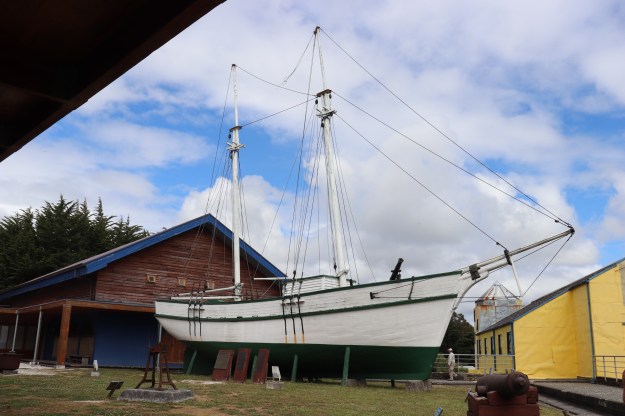
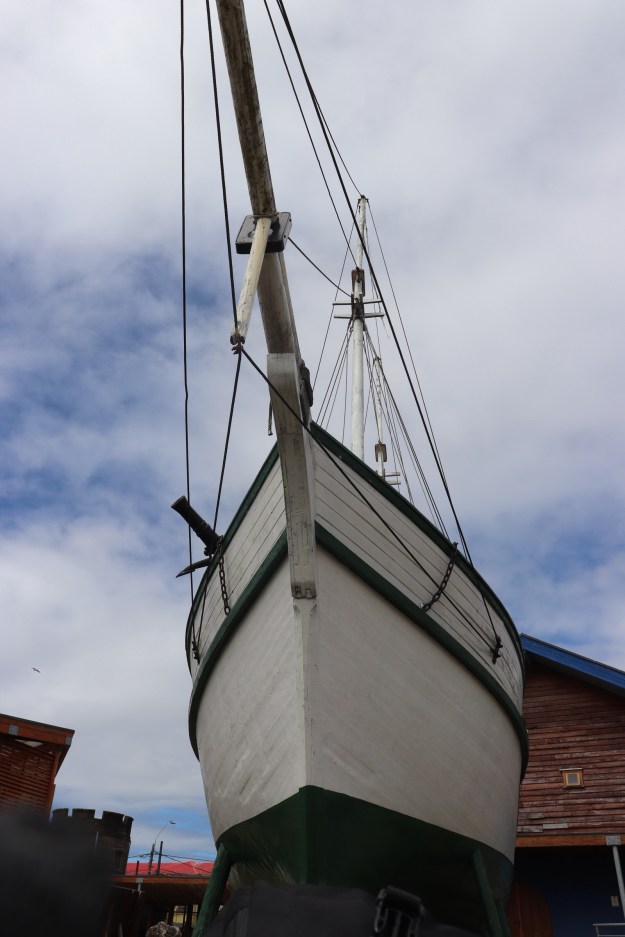
The Spanish suffered the final defeat of their Chilean empire in 1826 in heavily fortified Ancud, in 1843 the schooner Ancud full of Chiloé islanders sailed for 4 months south towards the Magellan strait at the bottom of Sth America and laid claim to the Magellanes lands known today as Chilean Patagonia and built vast wool and ranching booms across the south

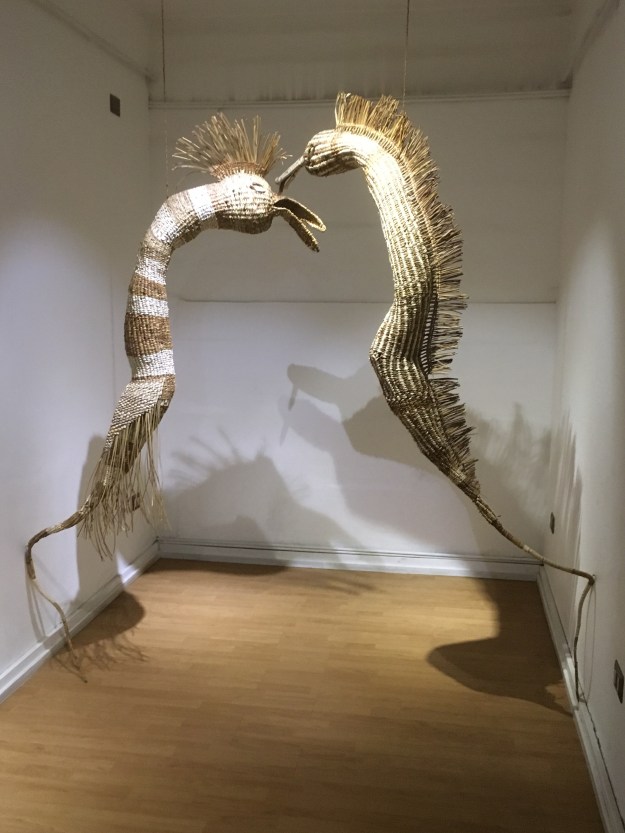
the above photos show a full size model of the Ancud schooner located in The small but interesting Museo Chilote. This also had some interesting photos of the earthquake after effects as well as some interesting historical local crafts

The earthquake was one of the largest ever recorded in excess of 9.0 on the Richter scale and hit Ancud in 1960 and decimated the town.

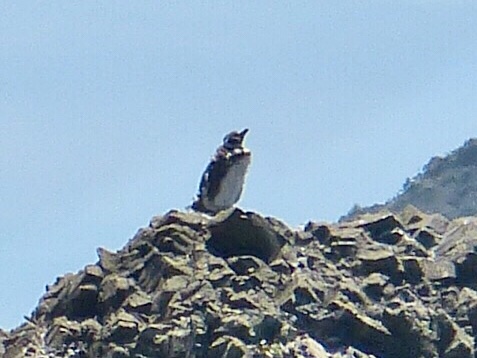
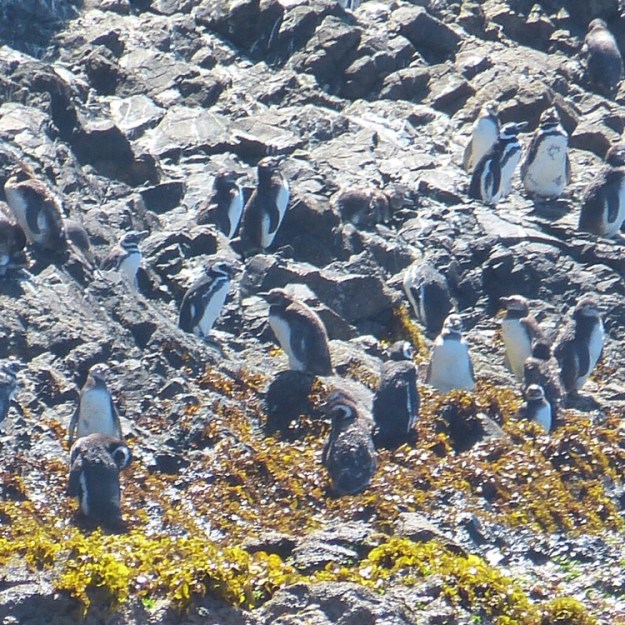
But the Northwest corner of Chiloé has spectacular coastline and is a key habitat for the Magellanic and near extinct Humboldt penguins and is a haven and birthing ground for the blue whale. One of our reasons for visiting this part of the island was to hopefully go out on a whale tour but alas we were unsuccessful as they were not running during our time on the island. The trips are subject to weather and wildlife body Conafs assessment. So not this time I’m afraid. We did get to the Penguin reserve as it is on 2 islands within 50 metres of the main beach so thanks to our zoom lens we got a few shots.

we had a lunch on the beach and walked the length of the bay with opportunities to capture some interesting photos

for our final outing in the north of the island we took a local bus to a small port village called Quemchi which is located on the north east side of the island and faces the expanse of water between Chiloé and the Chilean mainland. This has the effect of creating large tides and at times the harbour can experience 7m tides leaving boats stranded on the sea bed at low tide.

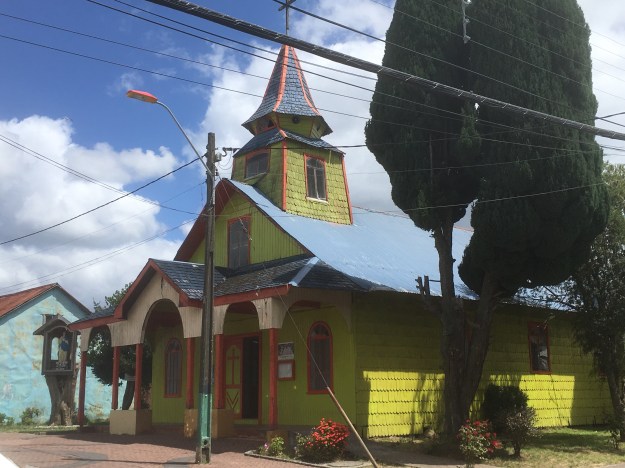
The area is one of the countries major shellfish and salmon farming centres with the bay being populated with farm beds and a number of processing factories.Along with the usual discreetly coloured church.

And so we come to the end of our Chiloé experience. You were different to the mainland as only island communities can be and we have memories and photos galore.

Adios

Chiloé

We continue our journey along Route5 to catch the ferry to the isle of Chiloé then along the Panamericana to the islands main town of Castro. a bustling town where like most South American towns the main square acts as a magnet drawing everyone in. Impromptu stalls appear selling anything and everything, entertainment on tap, we sat and listened to one band for nearly a couple of hours and they were still playing when we passed by a few hours later (Amerikantu check them out on Facebook,Charles has posted a short video or YouTube)

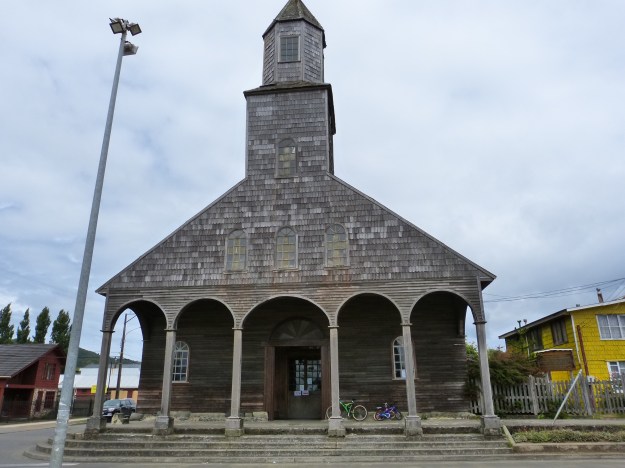
The main attraction for visiting Chiloé  are the UNESCO listed wooden churches which I have to say are awesome when you step inside and admire the detailing of the carvings and inner structure. The other attraction are the palafitos which are wooden houses where the back is built on stilts that overhang the water and act as piers when the tide is in.

8CC7C8C4-D82F-47F3-A256-C6D2FD2D36C4.jpeg

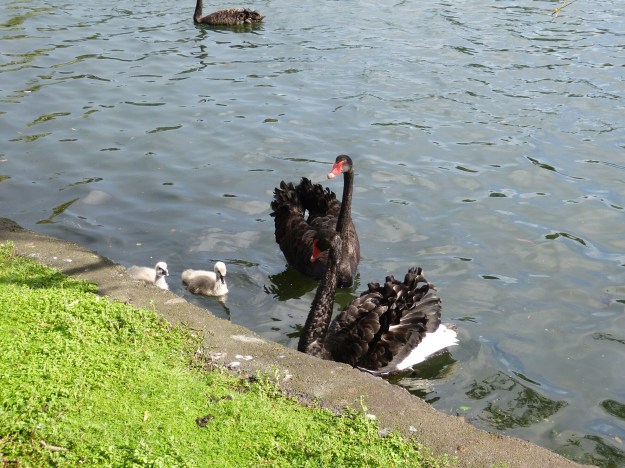
Strolling back from visiting the Palafitos we watched the fisherman tending their mussel beds and caught sight of a flock of black headed swans obviously unique to the area or migratory birds.

The Lake District anyone?

I bet your thinking Kendal, Keswick, Beatrix Potter, Borrowgates and Lake Windermere

Well you would be wrong we are talking Los Lagos in Chile and whilst it does have a similar feel it is different.

Looking out of the window of the mini bus taking us from the airport to Puerto Varas I thought we had returned to the U.K. green fields, trees and herds of cows merrily munching the lush grass, then as we entered the town and dropped down towards the lake there they were, two snow topped volcanoes as a backdrop to the sparkling water reminding me we were still in Chile.

Lago Llanquihue was our lake of choice and in Puerto Varas we had found a nice guest house in an area of the town known as the Monumentos Nacionales area where a refurbishment project is currently underway to restore the original buildings and as you walk around you get a sense of being in a German alpine town.

The lakes are numerous small settlements established about 120 years ago by an influx of Austrian/German immigrants who were obviously reminded of their Alpine homelands and began recreating home, their architectural heritage can still be seen in the buildings around the town and the number of German restaurants.

We took a walk along the lakeside and discovered an artisans tent full of stalls selling the usual local crafts, jams, knitted products ranging from socks to ponchos but the stall I fell in love with was selling a range of quality wooden products for pennies, back home they would cost a fortune unfortunately all to big and heavy to carry in a case. We also came across what I thought was a plastic bag on the shore line, zooming in with my camera I realised that it was a bedraggled looking egret whom  I managed later to catch admiring his reflection in the water. In the evening we sauntered into town where the crowds were gathered to watch what appeared to be the emergency services march by, later we were treated to a band entertaining everyone in the main square, they had a good sound and gave a full on performance.

Taking advantage of the local buses we visited two of the towns further around the lake, Frutillar was our first day trip and we found a very smart beach type lakeside resort. With a curious blend of local housing, schools, churches and businesses mixed in with tourist hotels, restaurants, coffee and gift shops. Frutillars big claim for being modern is they had built themselves a concert hall, the Teatro del LagoSur, right on the lakeside for an annual season of classical music festivities. A big statement of wealth and culture.

Puerto Octay was the second lakeside town we visited. Arriving in a quiet sleepy main square we found a local restaurant where we had lunch then set off to explore the lakeside. A very pretty place, Puerto Octay has somehow ( thankfully) been overlooked by the tourist trade, the people we met were locals just going about their daily lives pottering in their gardens or soaking up the sun by the lake. We did come across a strange looking bird and some great graffiti which i just had to photograph.

All Toured Out

After taking the overnight bus from San Pedro we arrived at La Serena and leaving our bags at the bus depot headed into town to get some breakfast and find an Internet cafe. We needed to organise our onward journey from the Elqui valley as I was under the impression there would not be internet access where we were going. Turns out I was wrong we had a days extremely slow access so thankfully we did book a flight to Puerto Montt and accommodation for our next leg before heading to our pre booked accommodation on the outskirts of Vicuna.

For  some unknown reason we were under the impression that our accomodation was based in Pisce Elqui and not Vicuna so we took the bus and only when we arrived at Pisce Elqui took out the paperwork to check the address and found we should have got off in Vicuna so across the road we went and back on the bus. Having added a further hour onto our journey we finally arrived at our accommodation (Elqui Terra ) tired and bedraggled.

What an oasis of peace and tranquility Elqui Terra is. Set in a secluded spot surrounded by mountains it offers four spacious comfortable rooms with use of a communal area that contained a kitchen and dining space  where our hosts served a delicious breakfast every morning, and a lounge area all looking out large openings onto the gardens and pool area. Our hosts Roberto and Alejandra provide a great breakfast sourcing their products from the local community, jams full of fruit, avocados from a neighbour, grapes and watermelon from their garden. If you need a taxi Roberto is there to book it,we wanted to do a night visit to an observatory, I wanted a massage no sooner said than done what great hosts.
The Elqui valley is famous for its production of Pisco which has a similar taste to brandy. The grapes from which it is made can be seen growing all around the valley and spreading their way up the mountainside to heights that make you wonder how the vines are tended and the fruit harvested. Obviously we had to visit a Pisco distillery of which there were many in the valley, we opted for the one on the road to Vicuna. First was a tour of the museum area with exhibits of the original equipment used followed by a tour of the factory with its modern hi tec equipment. At one point the door of the barrel storage area was opened Wow the alcoholic fumes knocked you back, I am convinced you could get drunk just standing there and inhaling .

Following our distillery visit we headed into Vicuna stopping at an Artesan village on the way for a browse around the shops and a delicious coffee based drink topped with ice cream and cream yummy.

On our second day we decided on a walk into the village located in the opposite direction to Vicuna for lunch at a vegetarian restaurant recommended by Roberto.Setting off we walked down the track next to Elqui Terra along the side of the river  then up onto the road towards Daiguista, where we found a small artisan shop selling a mixture of ceramics and painted hessian wall hangings. Saw and purchased two of the hangings which we thought will look great above our bed at home and fit nicely into our cases.

It was an 8 km walk to the village and feeling lazy after our lunch we decided to take a taxi back. A quick dip in the pool, shower and then a massage which was done outside in a quiet part of the garden, a slight breeze lifting the white gauze sides of the massage tent while all around birds were singing what bliss and what a perfect end to our last day.

Thank you Roberto and Alejandra for making us feel at home and giving us a perfect two days, just what was needed after our busy time in San Pedro.

Jason, if you are reading this we hope you make it to Putre and enjoy it as much as we did. Stay focused and you are sure to achieve whatever you set out to do, just don’t lose your sense of adventure.