Category Archives: Uncategorized

Oranges and Lemons

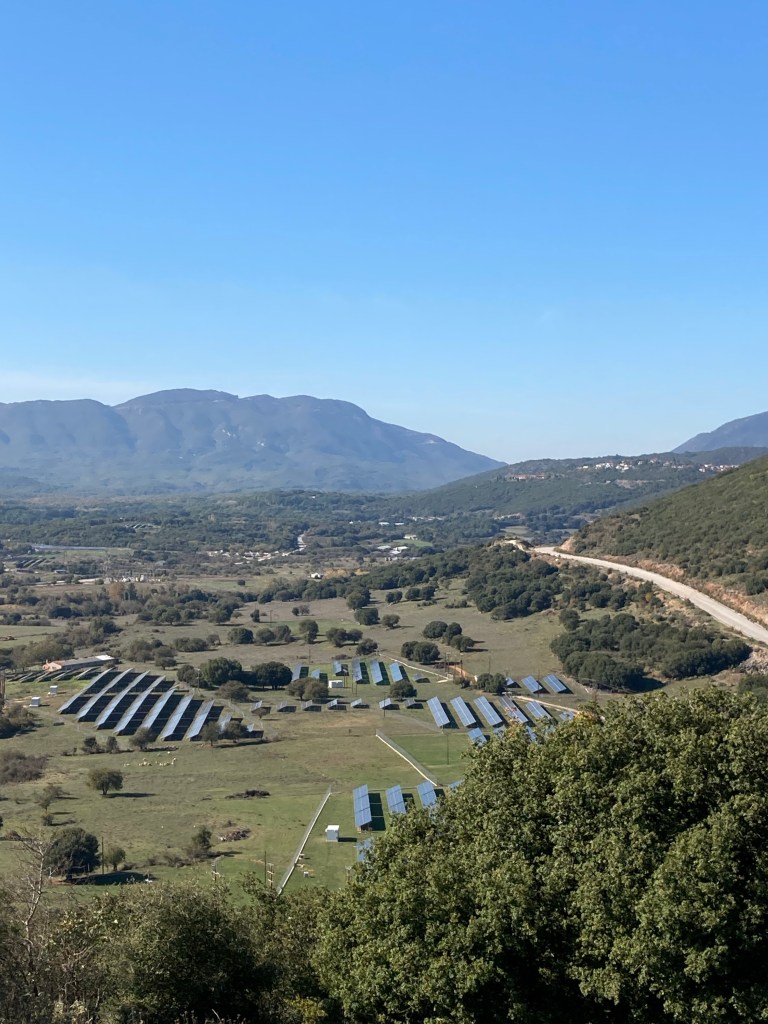
The expectation of visiting Greece is that there will be olive trees everywhere. And it’s true there are miles and miles of them as this photo shows quite clearly

But I was a little surprised that they also grow vast quantities of Citrus. Not just Oranges and Lemons citrus but Grapefruit, Limes, Mandarins, Satsumas and Clementines. They are everywhere and not just in fruit farms or among the olives or in their gardens or on camp sites or growing in the street as pavement trees.

So we began to fill our Motorhome fruit bowl with a few of each as we came across them.
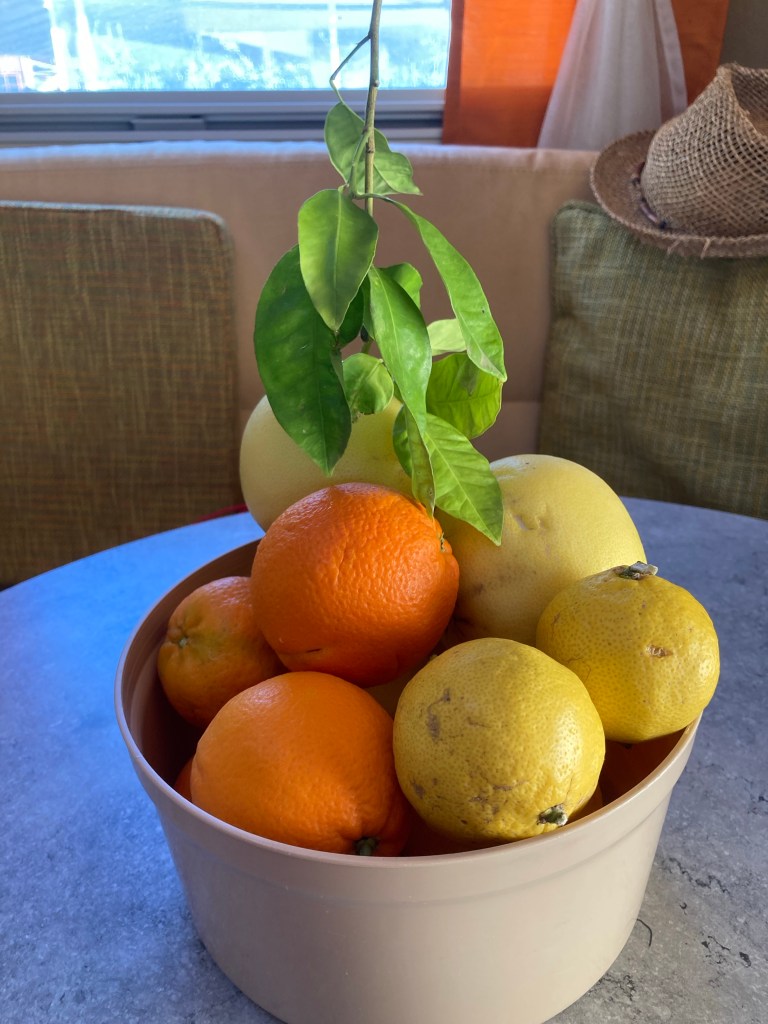
Not satisfied with picking for our fruit bowl I began to wonder how difficult would it be to make Marmalade. You see we had used our pot of marmalade that was brought with us in our initial supplies and there was none to be seen in supermarkets. Good old google found me a couple of recipes both professing to be easy marmalade recipes but one had more stages in the process so I opted for the other version. It was an instant pot recipe, which we had in our garage area for use when on a site with electric hook up. And after less than an hour later I had 4No jars of home made on the road marmalade.

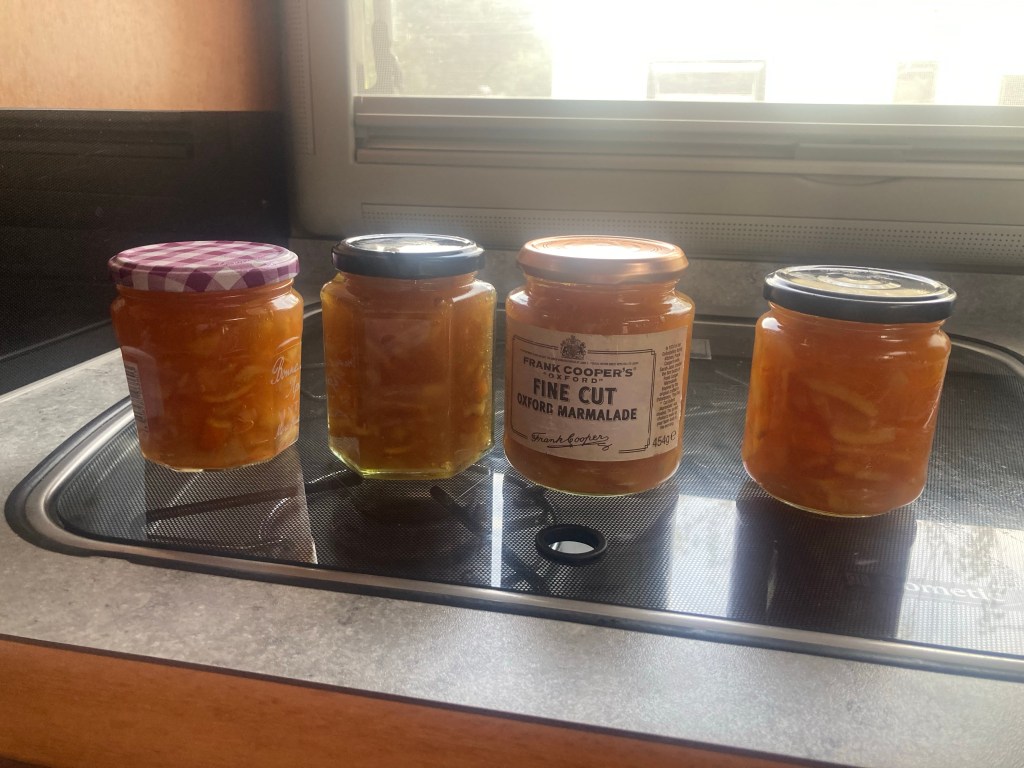
They say the proof is in the eating and it got a thumbs up from us both so I can recommend it.

Olympic Gold and bye bye Greece

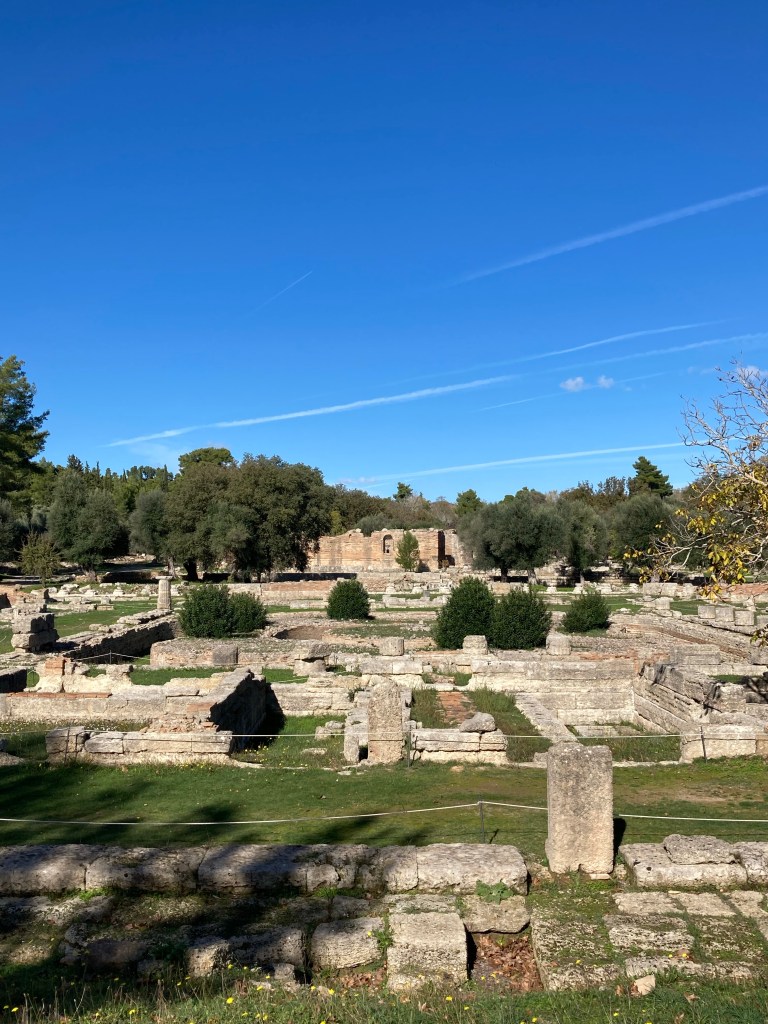
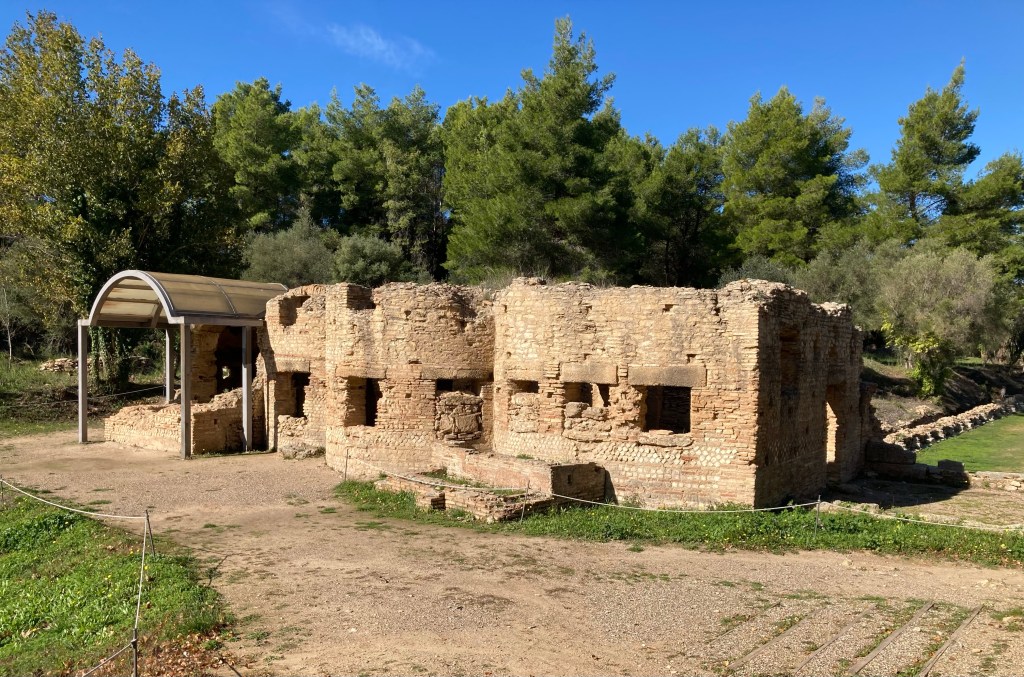
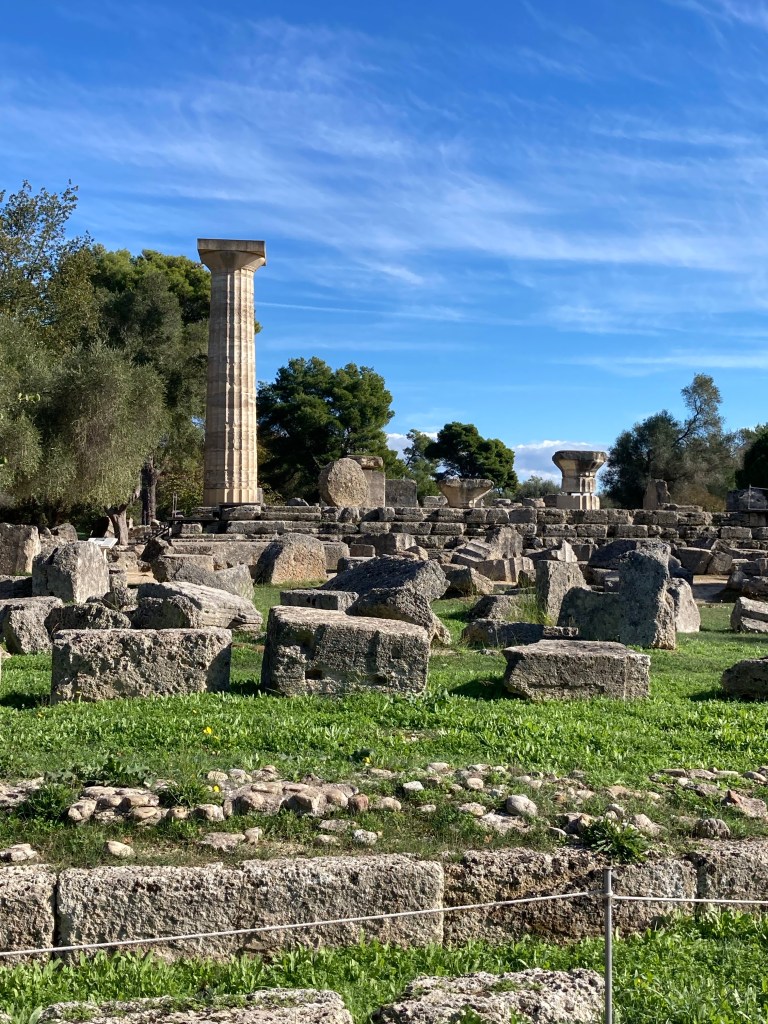
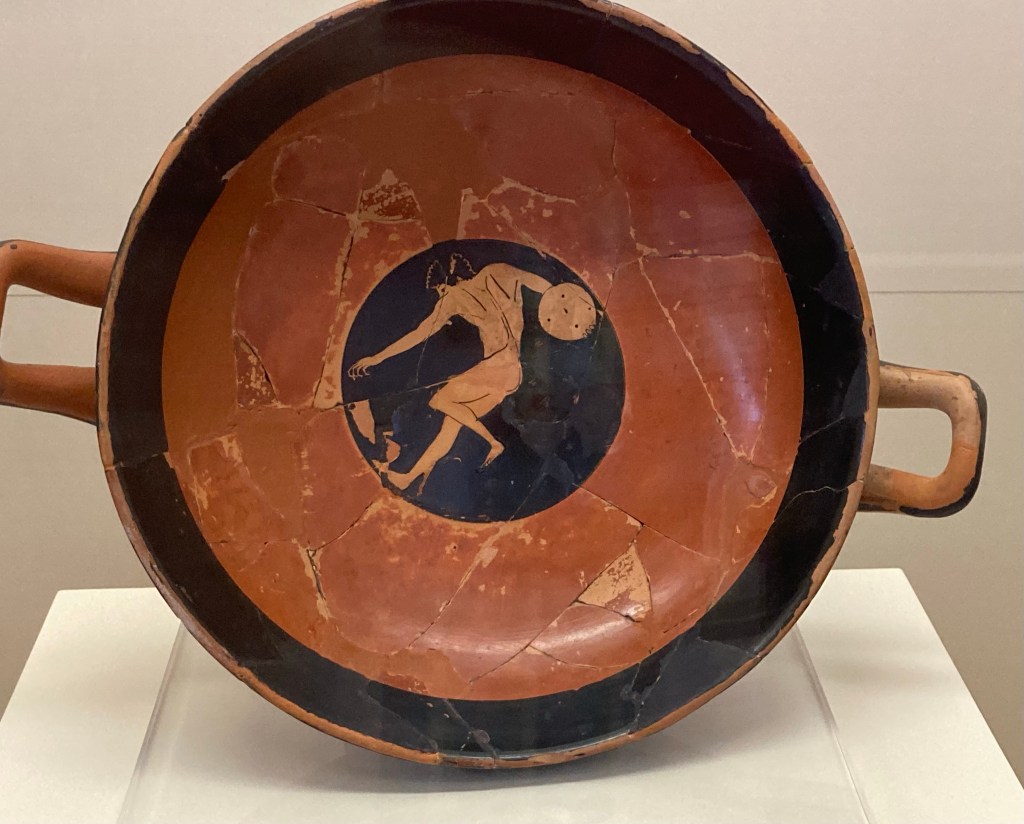
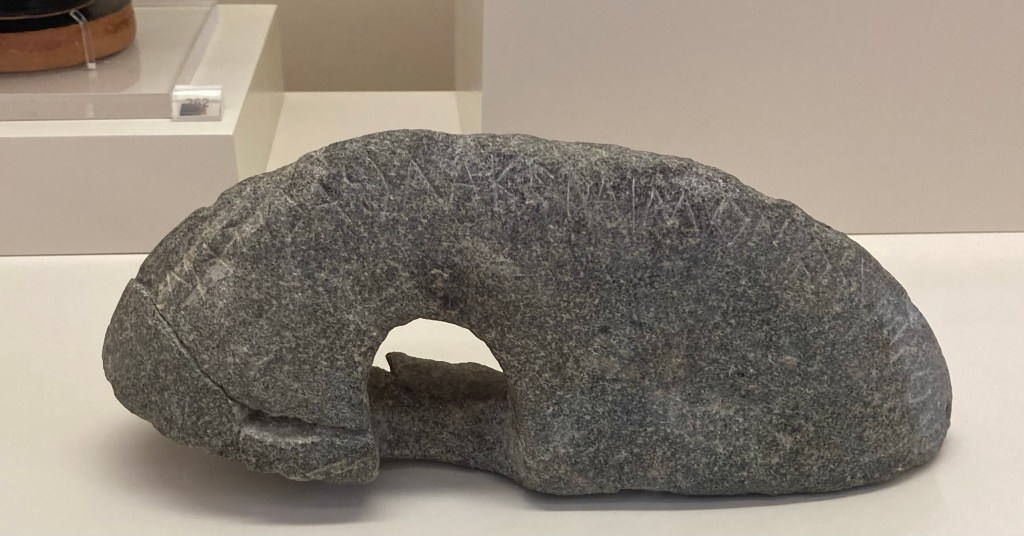
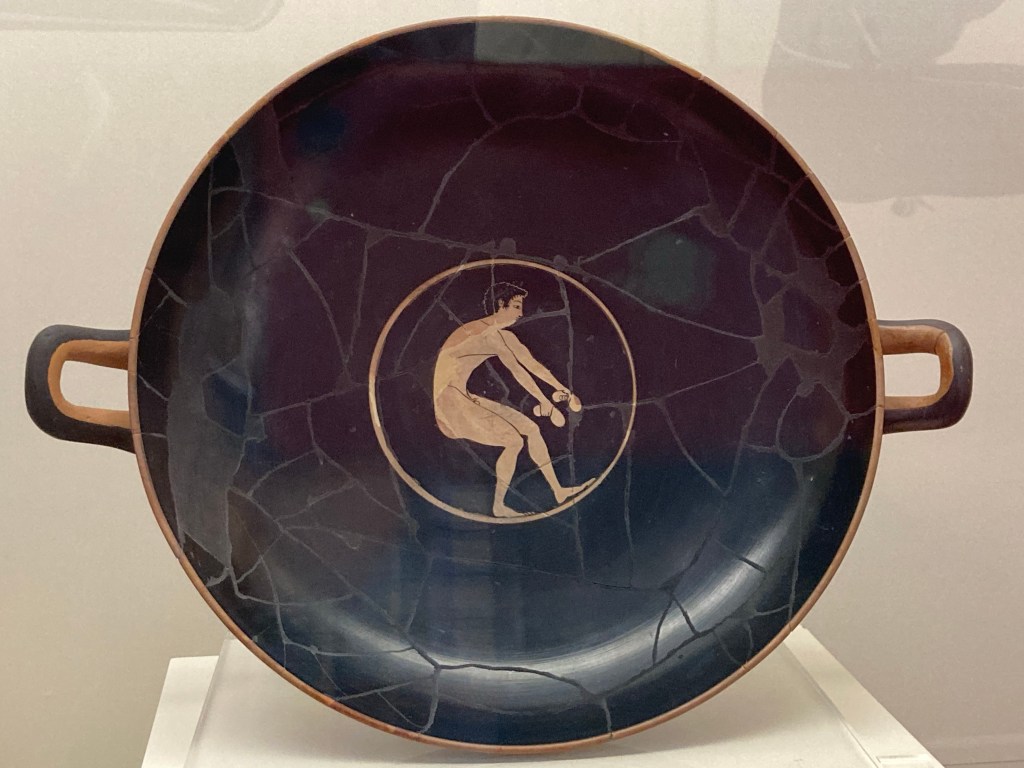
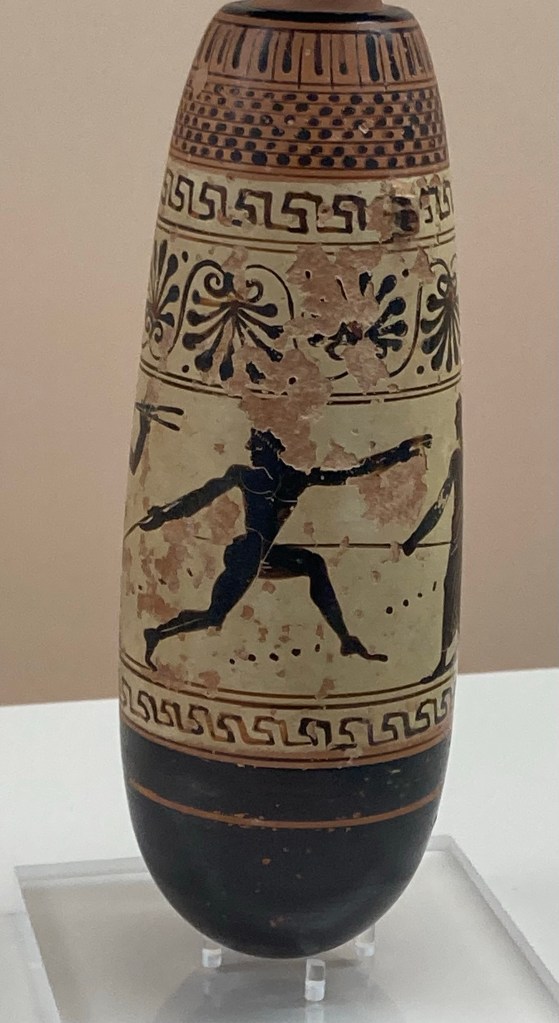
Everyone knows of the Olympic Games but may not know that they originated at a site called Olympia in the northern Peloponnese which happened to be on our route to Patros port to catch the ferry to Italy.

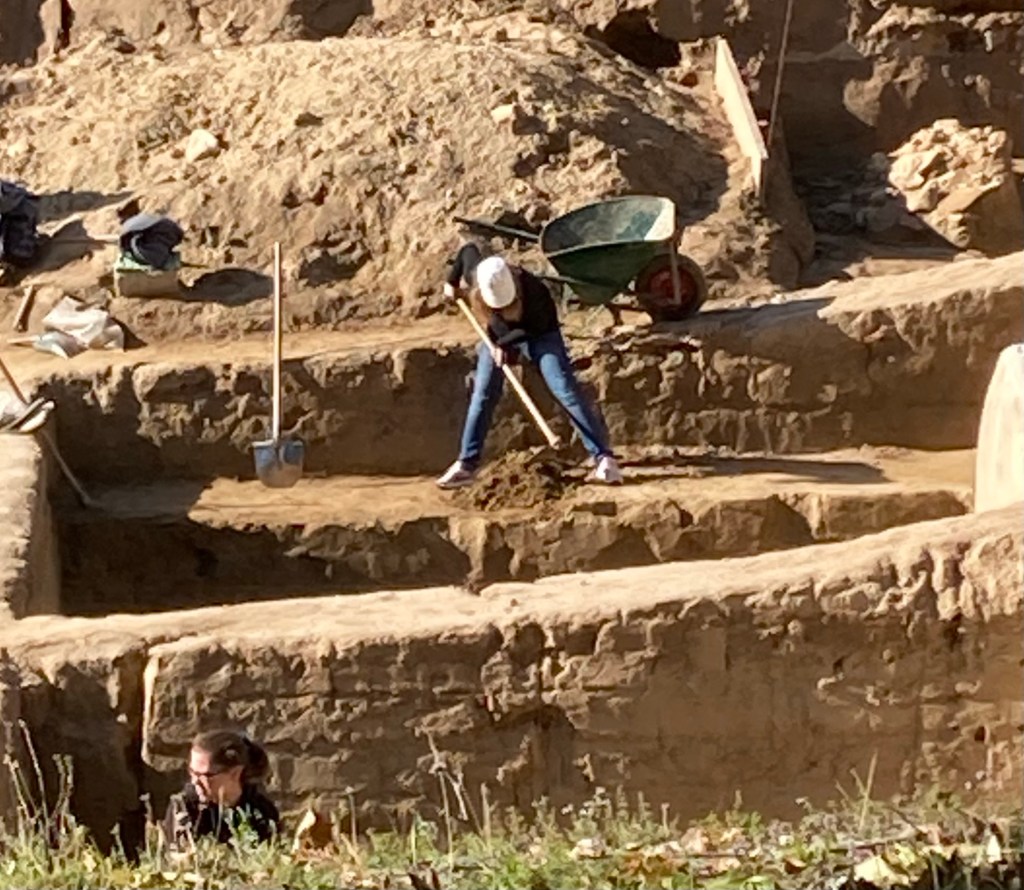
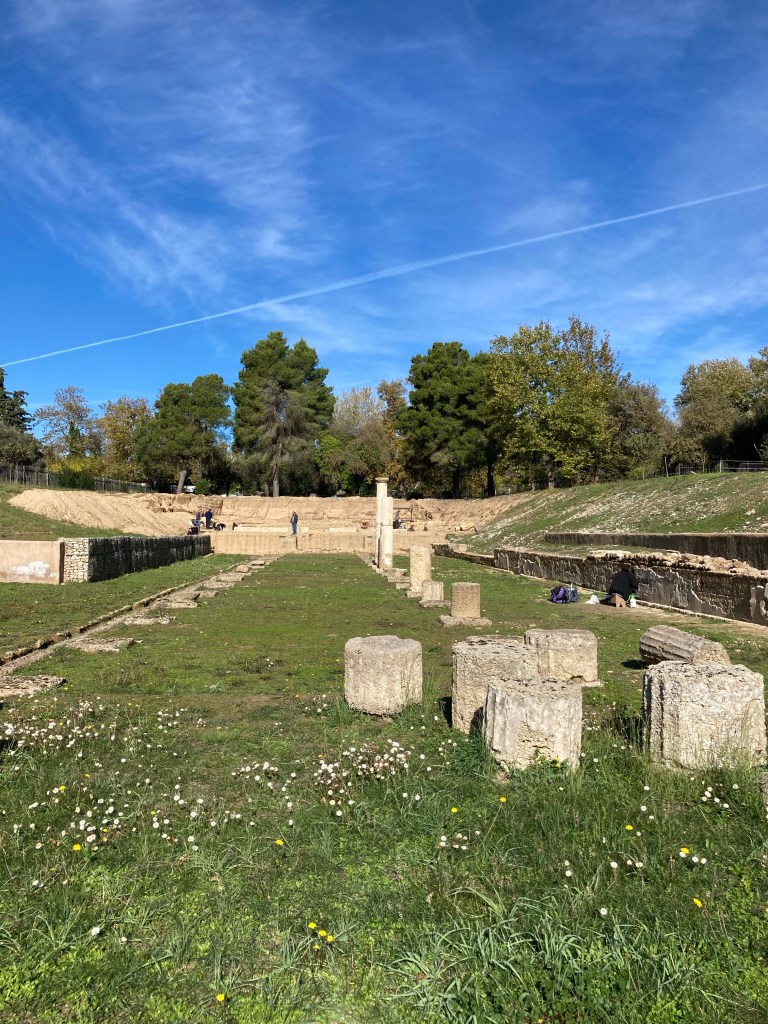
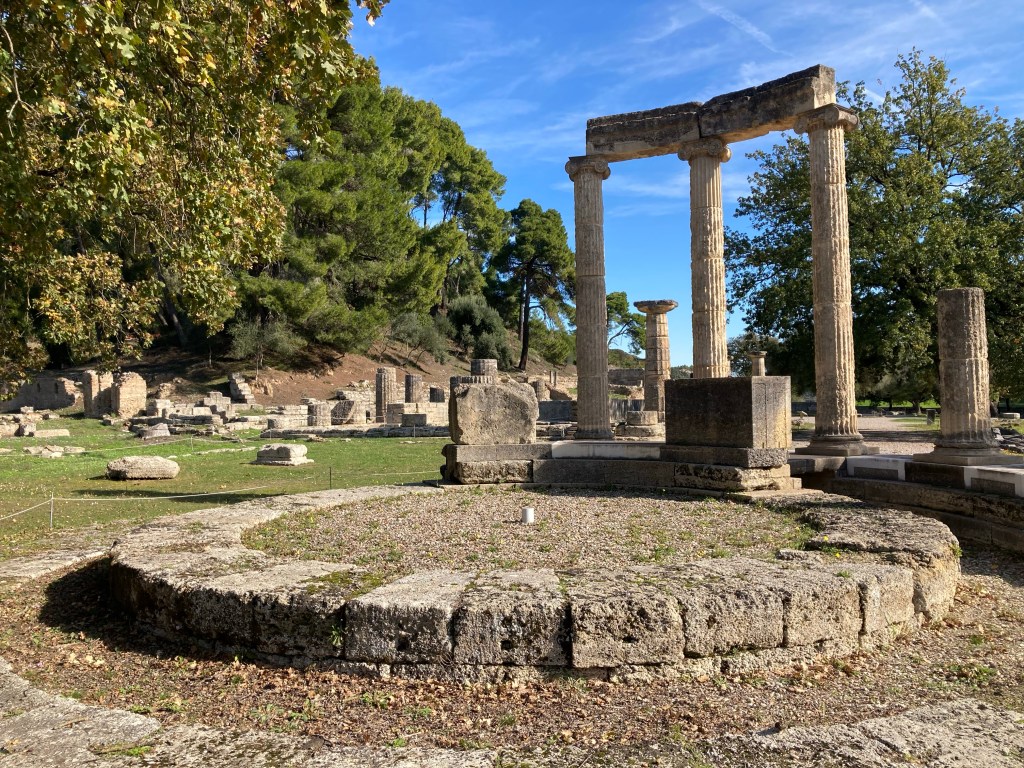
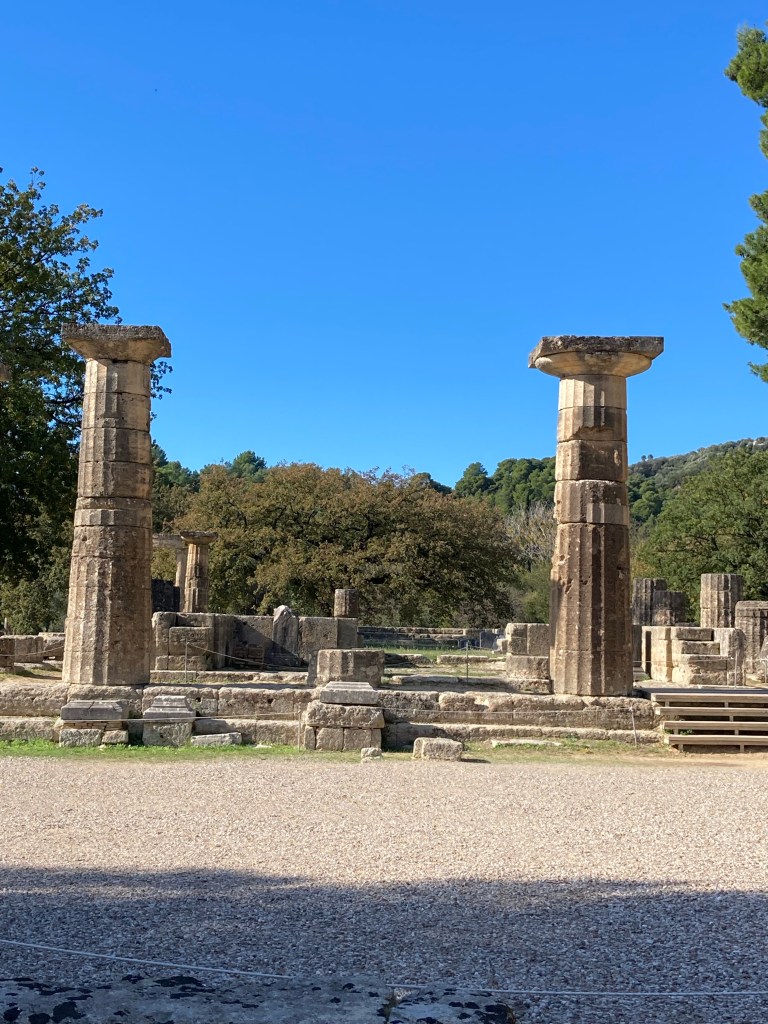
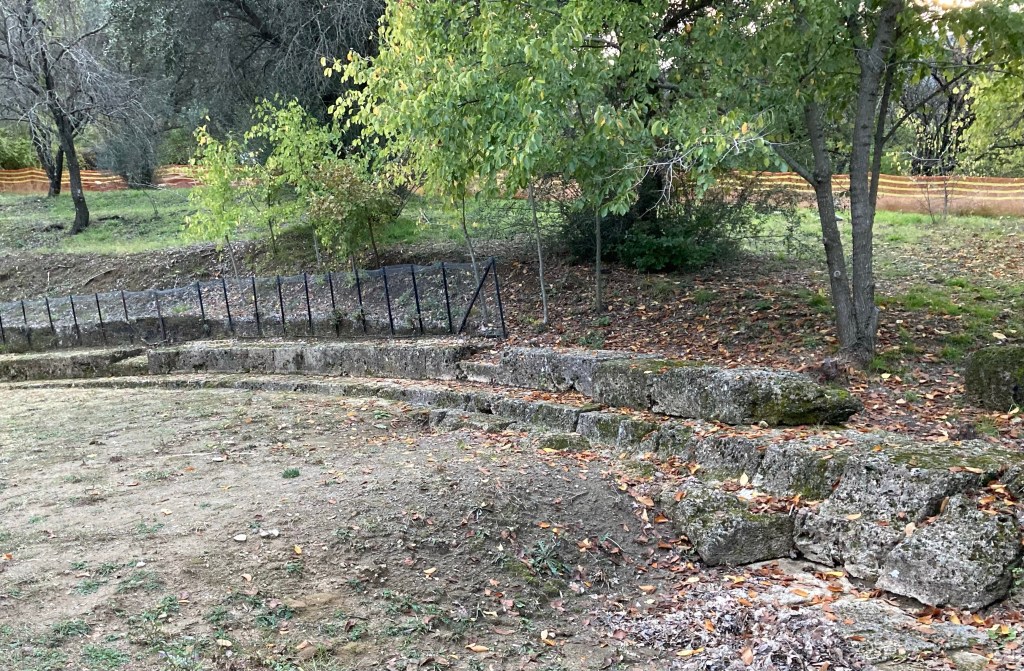
We were surprised at how large the site was with some excavations still ongoing and although none of the original buildings were intact you still got a sense of walking around a small town.

The original games were founded by a man called Herakles to celebrate his victory against the king of Elis setting a four year cycle in honour of his four brothers.He declared that all disputes should cease for the duration of the games which was honoured for almost 1200 years when the Roman emperor Theodosios1 put a stop to the games.

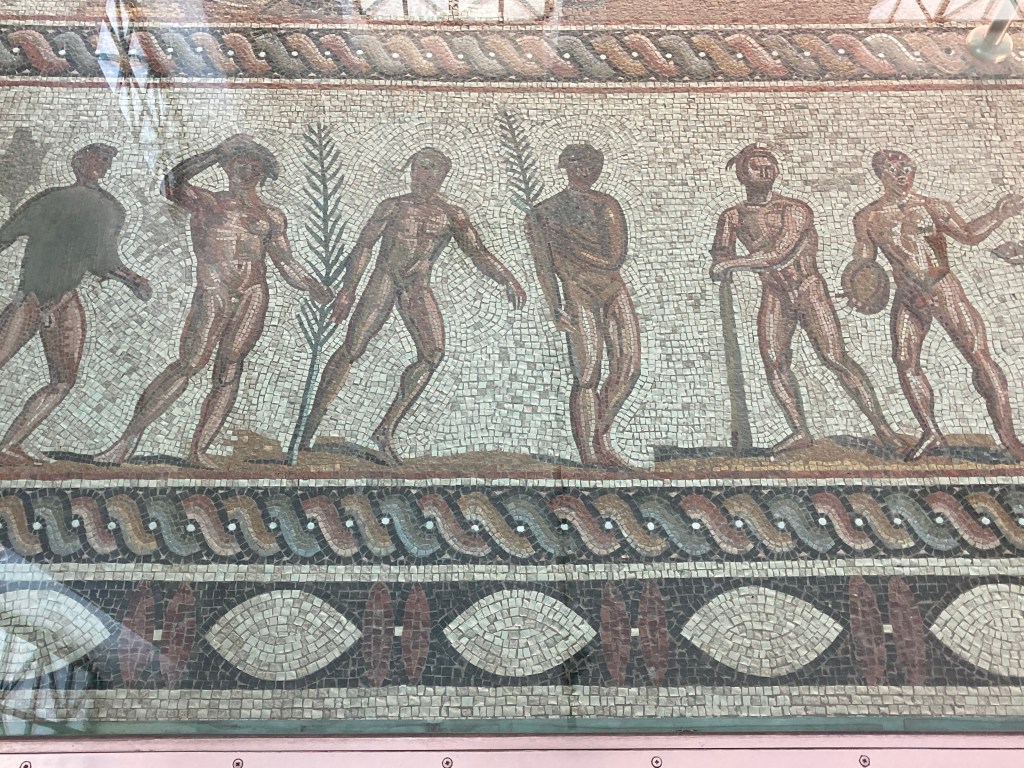
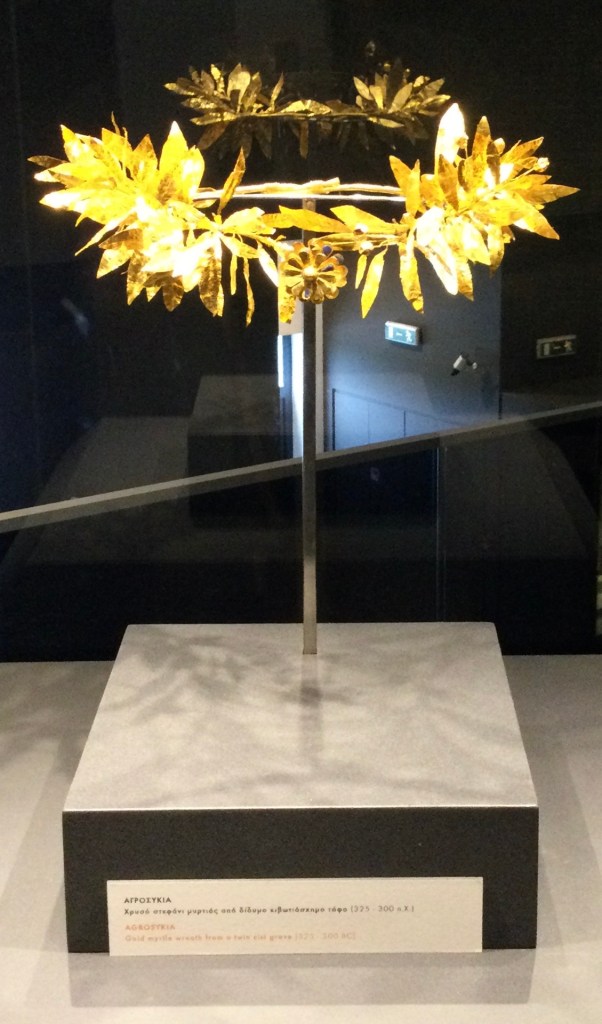
To be eligible to compete you had to be a Greek male and a free person, women were not allowed to compete or attend as spectators. Competitors would come to Olympia a month before the games to train and have their fitness levels tested to ensure they were suitable to participate, many were excluded as unfit. The glory and fame to be an Olympic champion was seen as a great blessing and to be crowned with the Kotinos (the wreath of the wild olive) was the highest honour that could befall a mortal. The key events of boxing, wrestling, bull jumping and kybistisis (which was acrobatic somersaulting over swords in the ground) originated from the Minoan’s later Herakles added track and chariot racing.
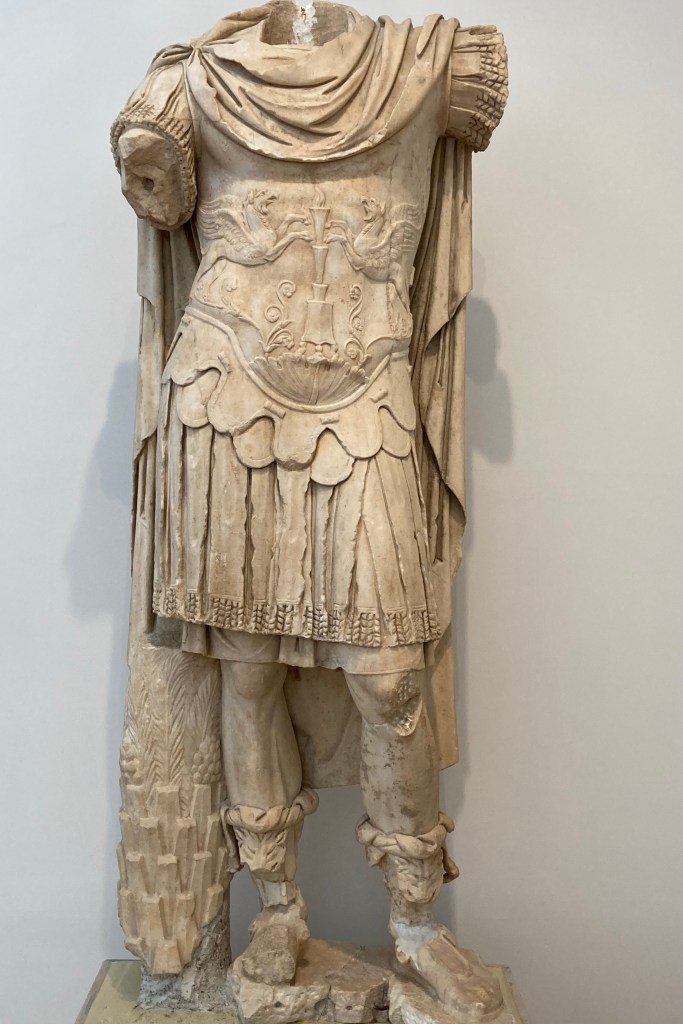
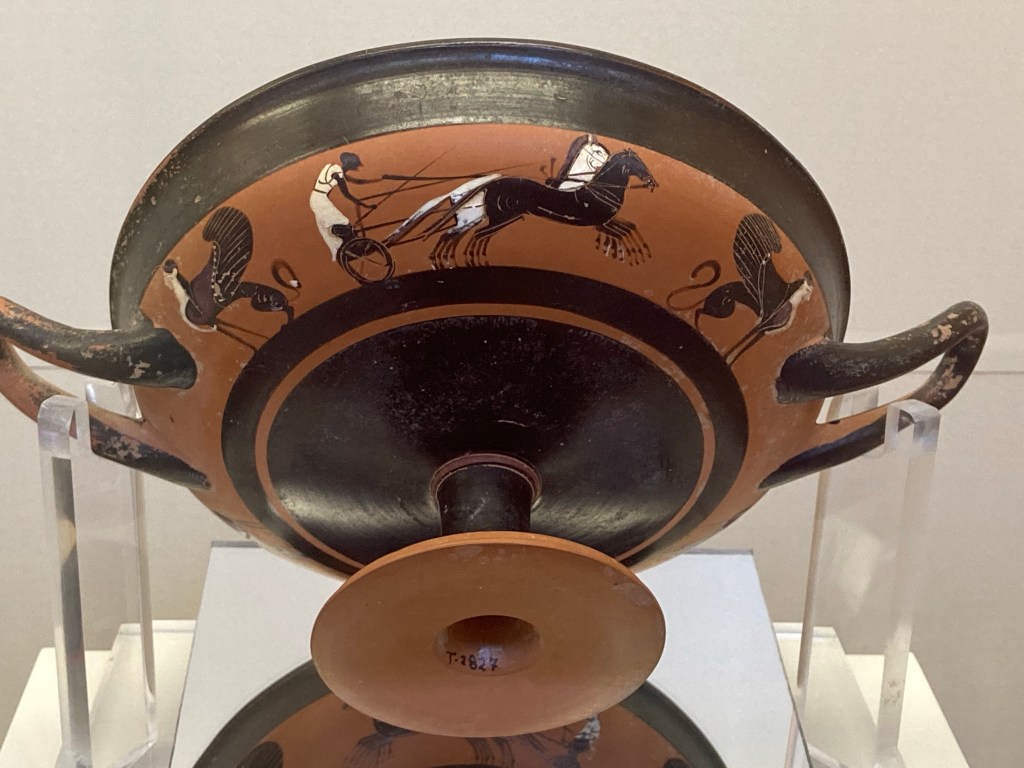
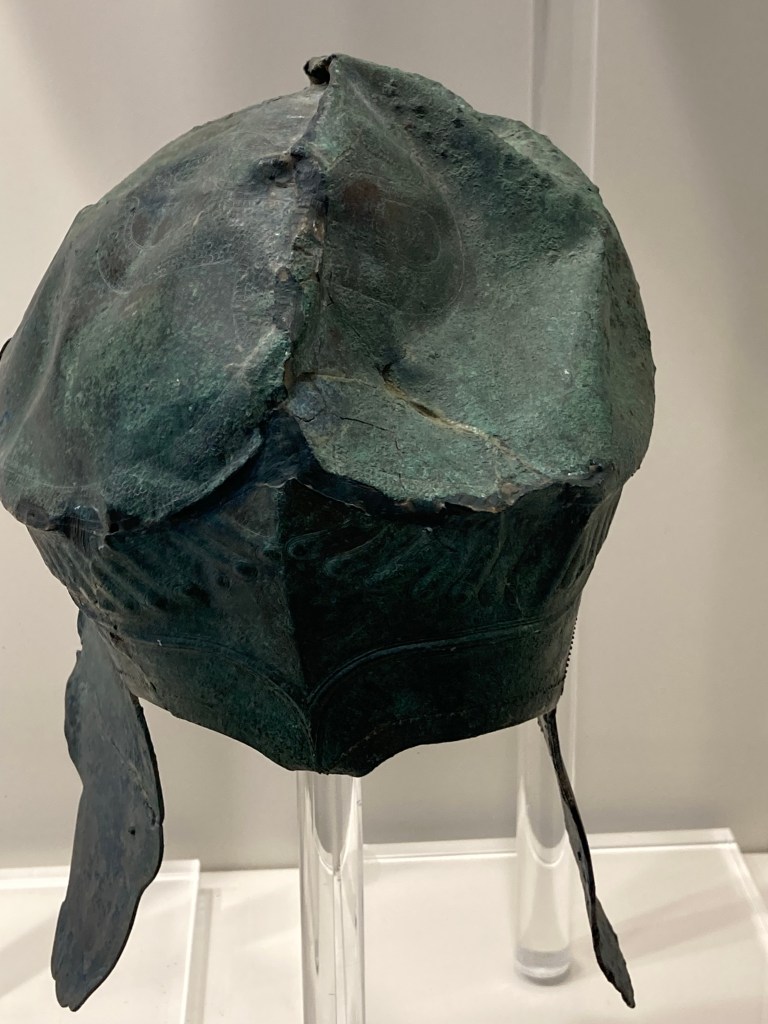
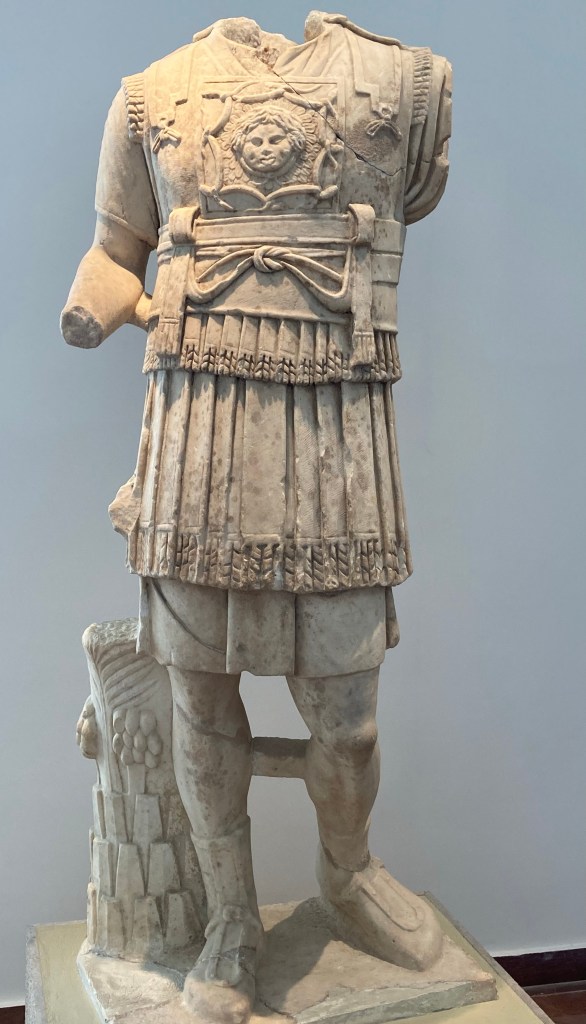
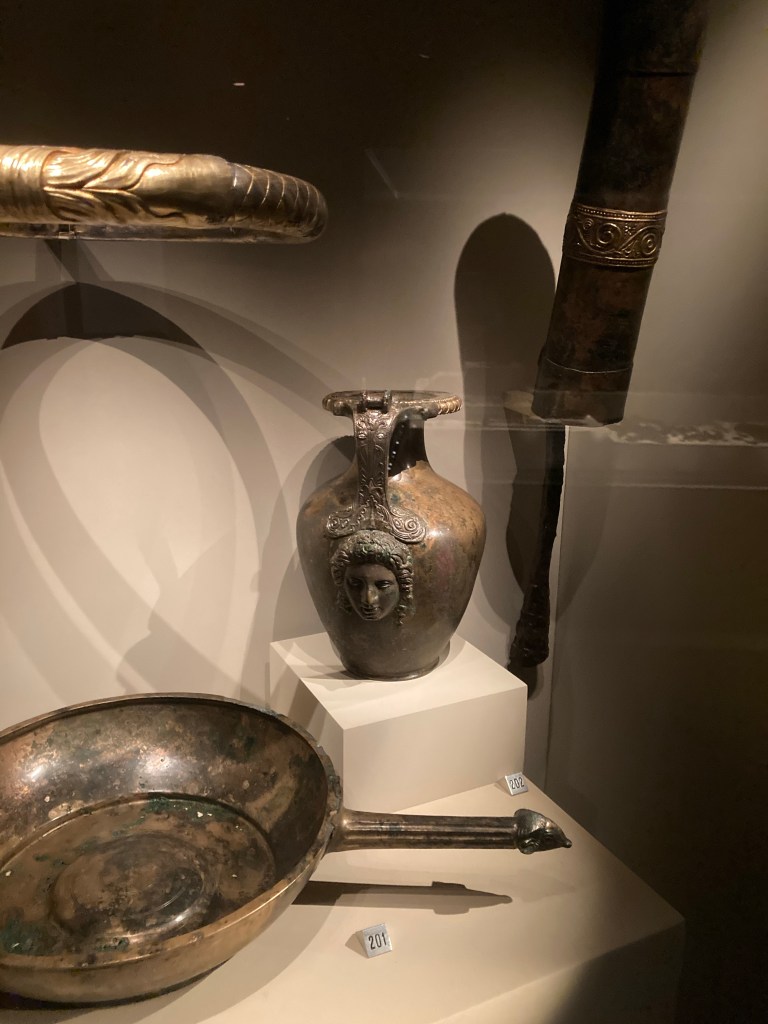
A museum had been built on the site to house the many excavated artefacts which included statues and athletic equipment of the day.

Bye Bye Greece next stop Italy.

Pelopponese and The Corinth Canal

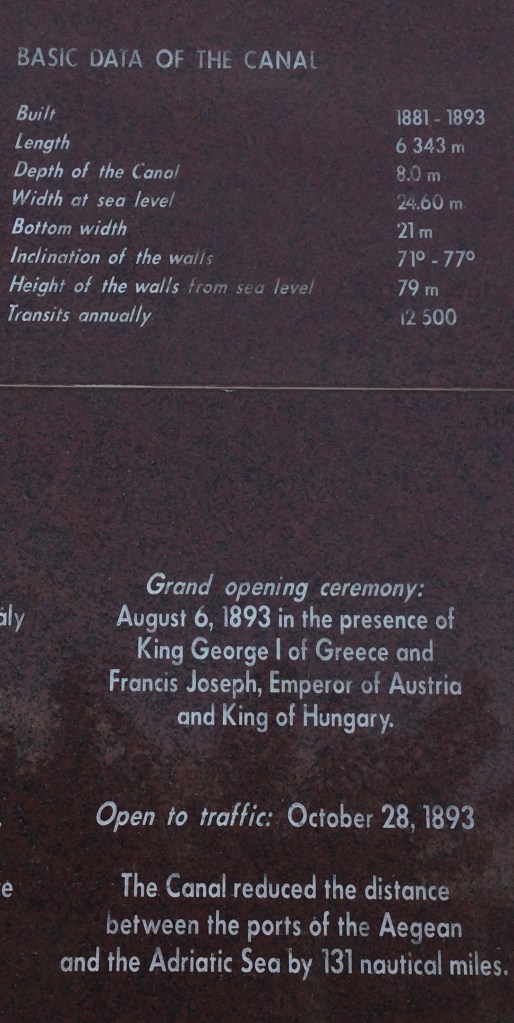
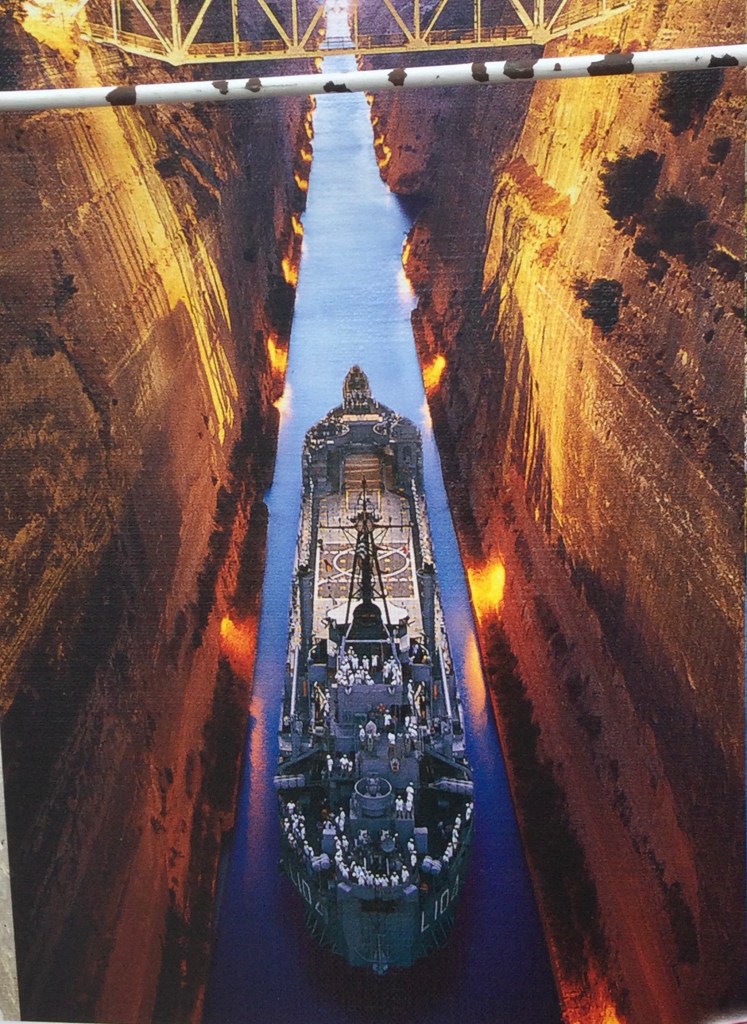
As stated at the end of our last blog we felt the need to have some chill time so headed to the coast but not before visiting the Corinth canal. It is an artificial canal which links the Gulf of Corinth in the Ionian Sea with the Saronic Gulf in the Aegean Sea. It is four miles long but only twenty five metres wide at sea level making it impassable for many modern ships it is currently of very little economic importance and is mainly a tourist attraction.

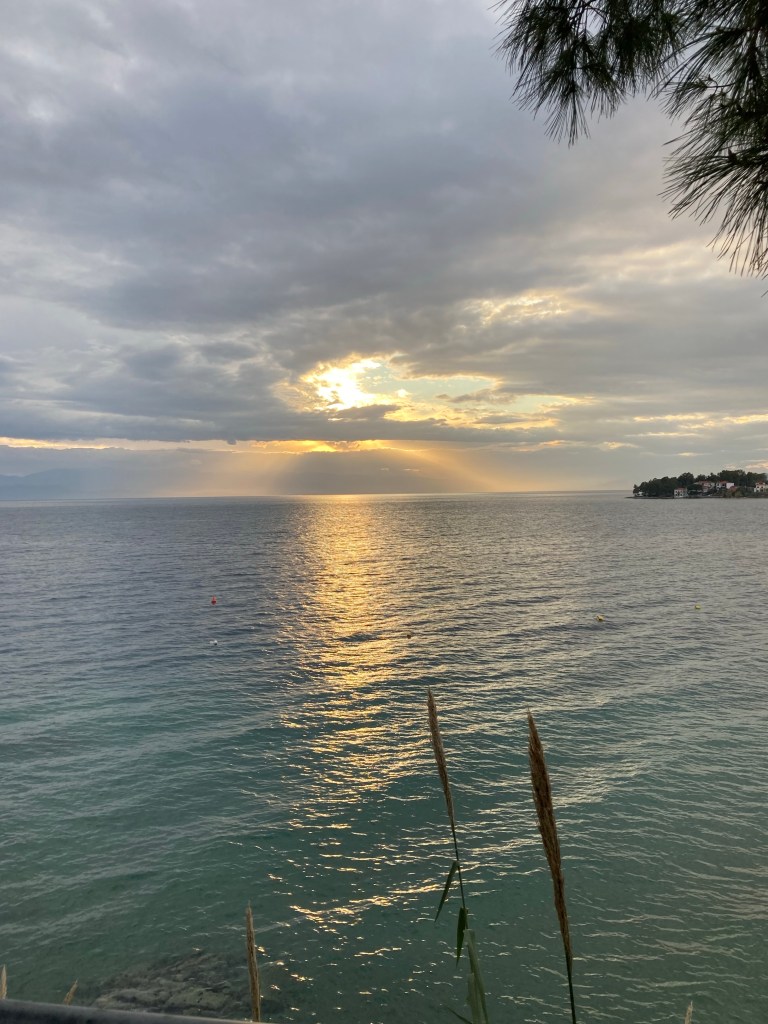
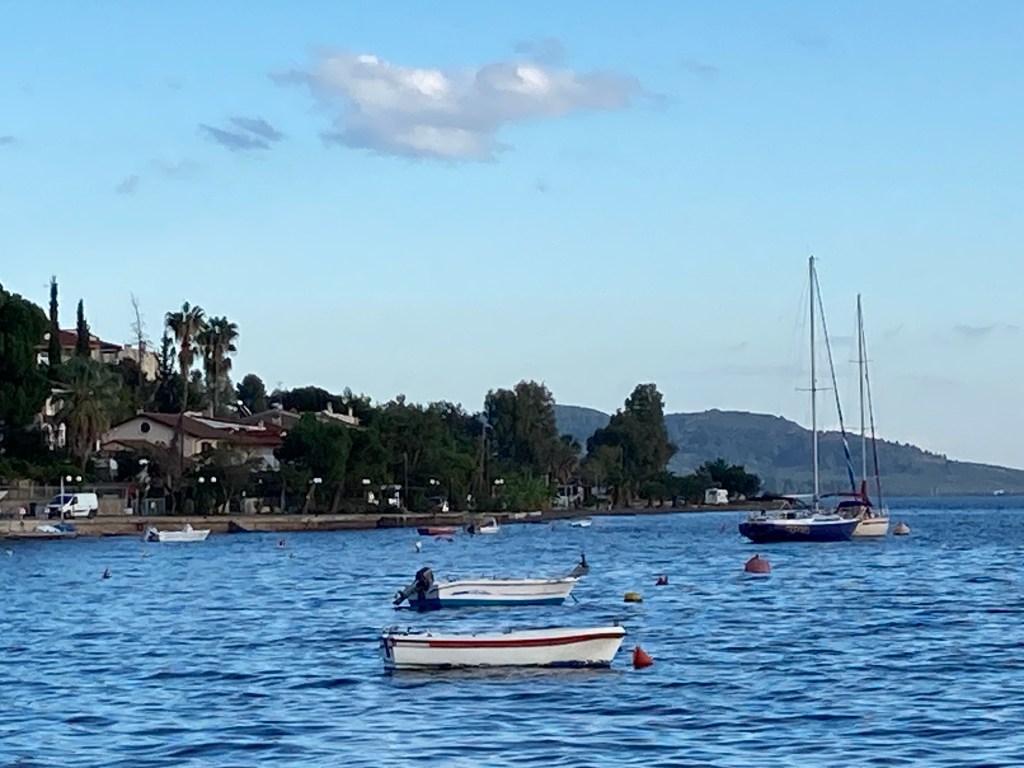
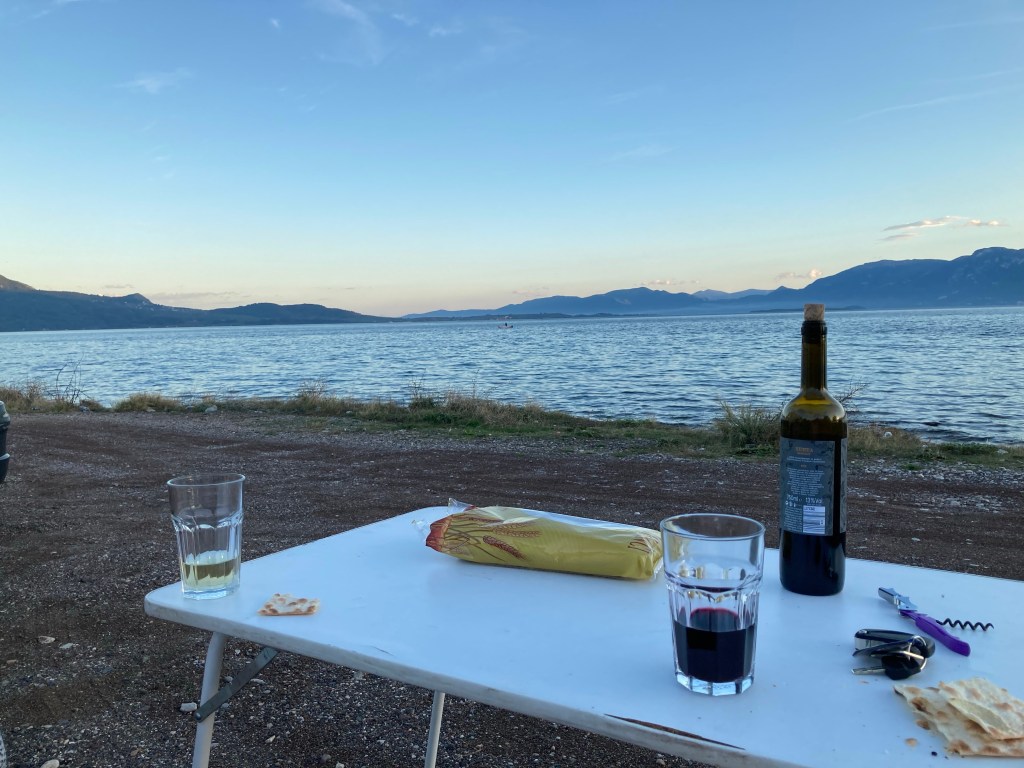
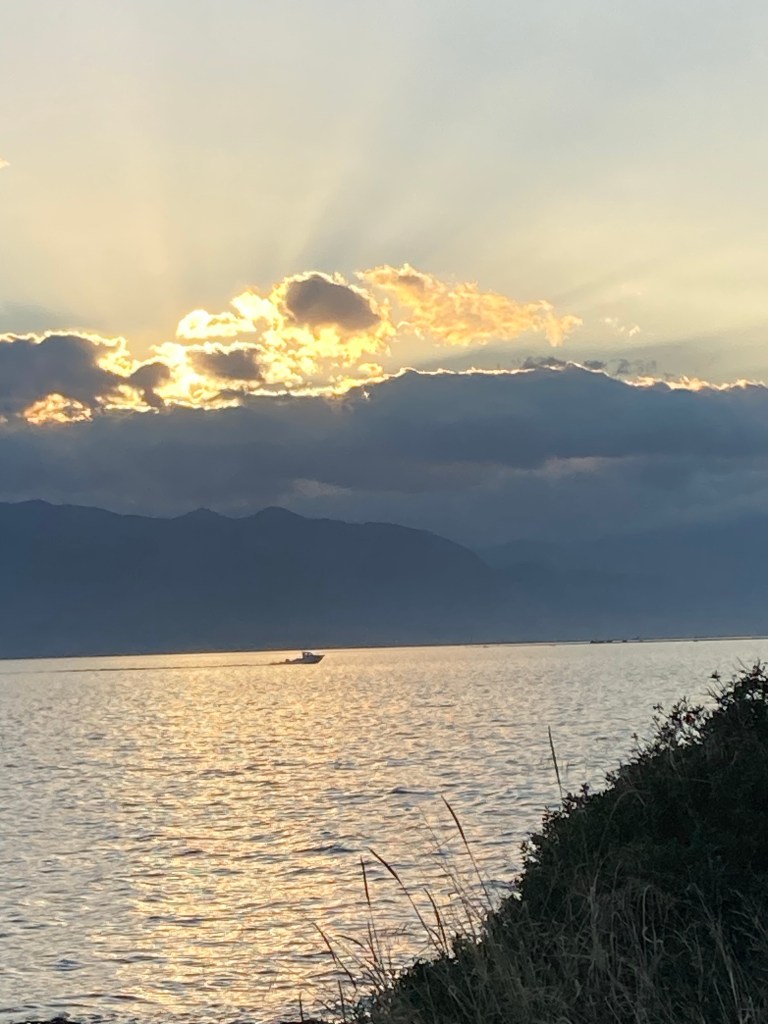
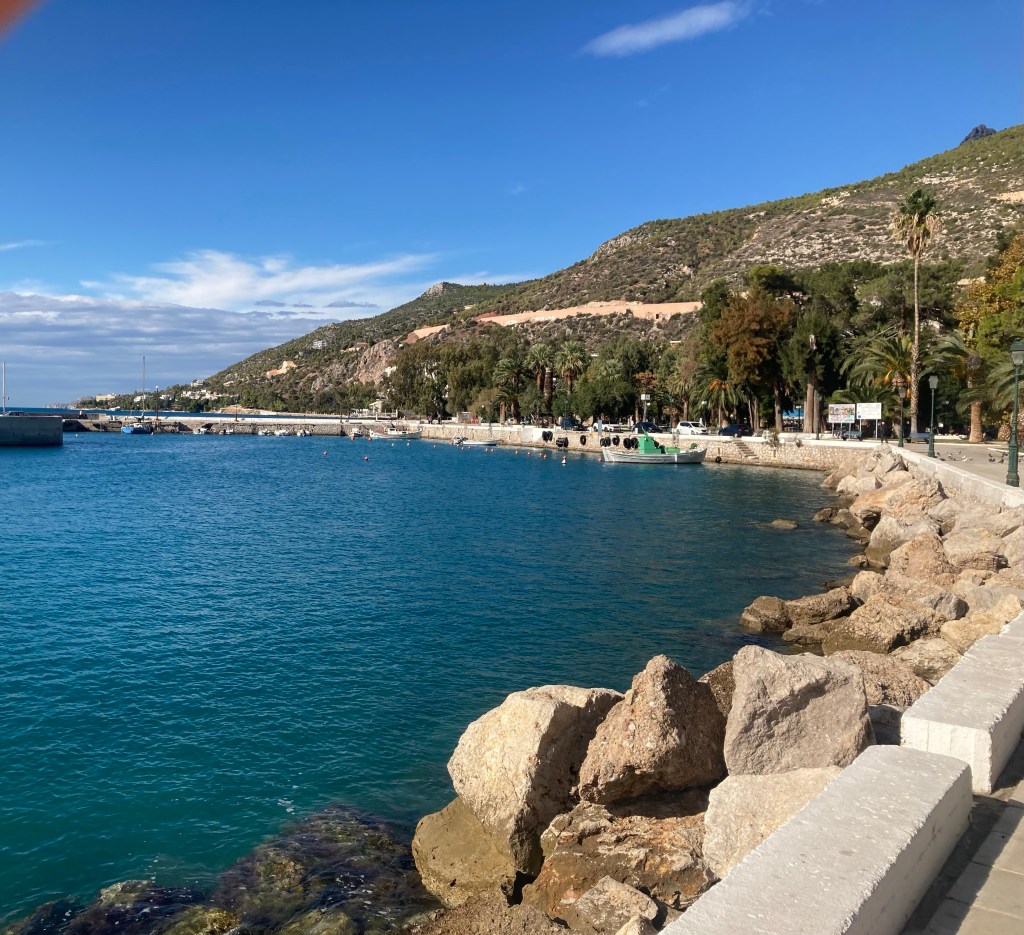
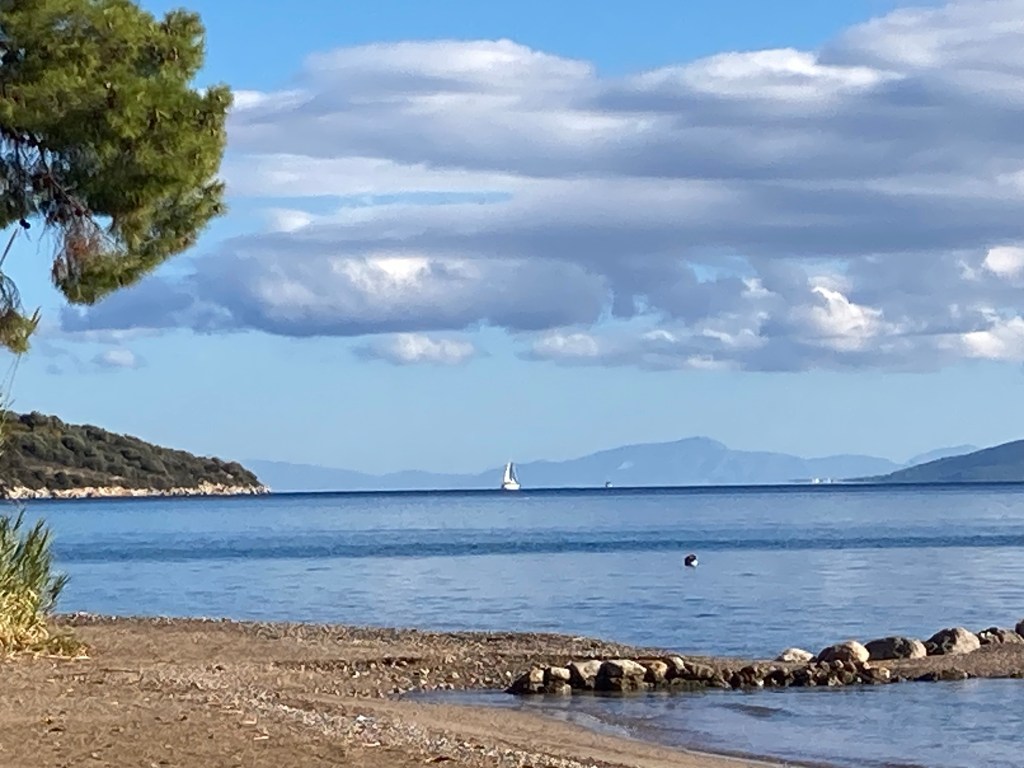
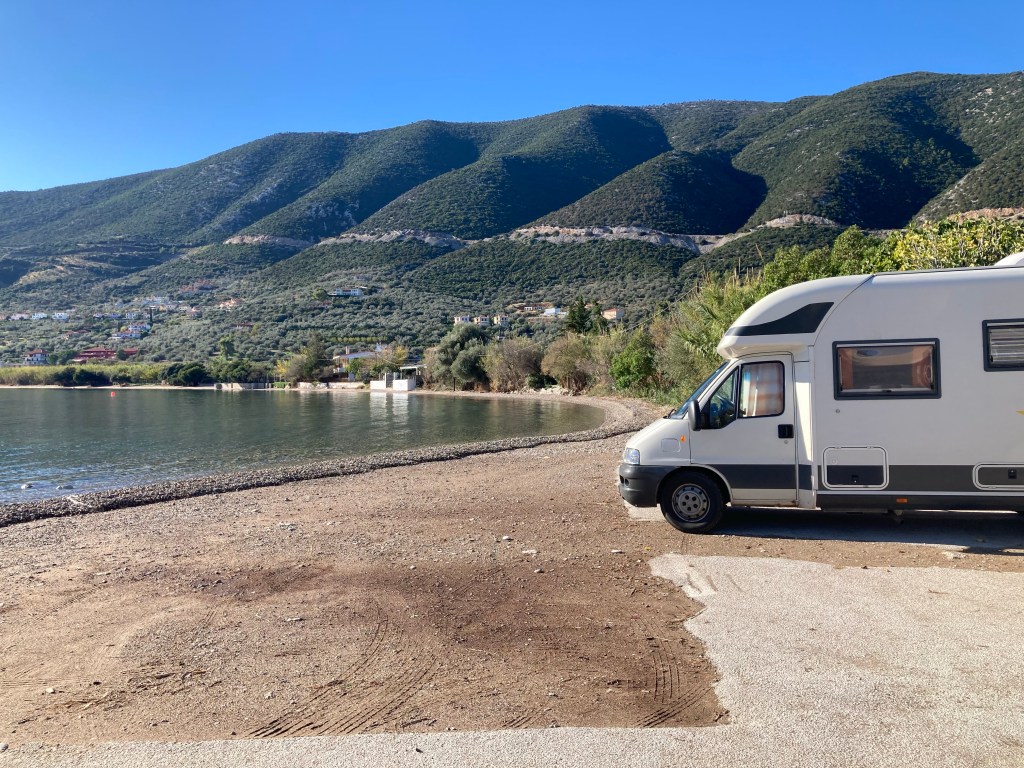
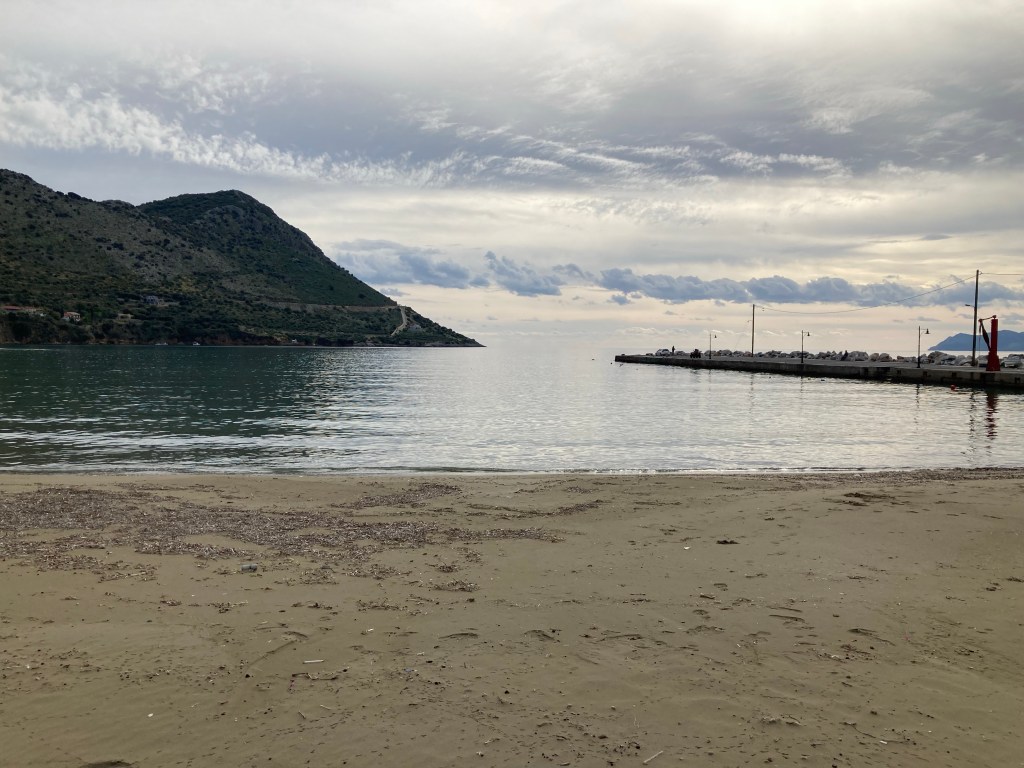
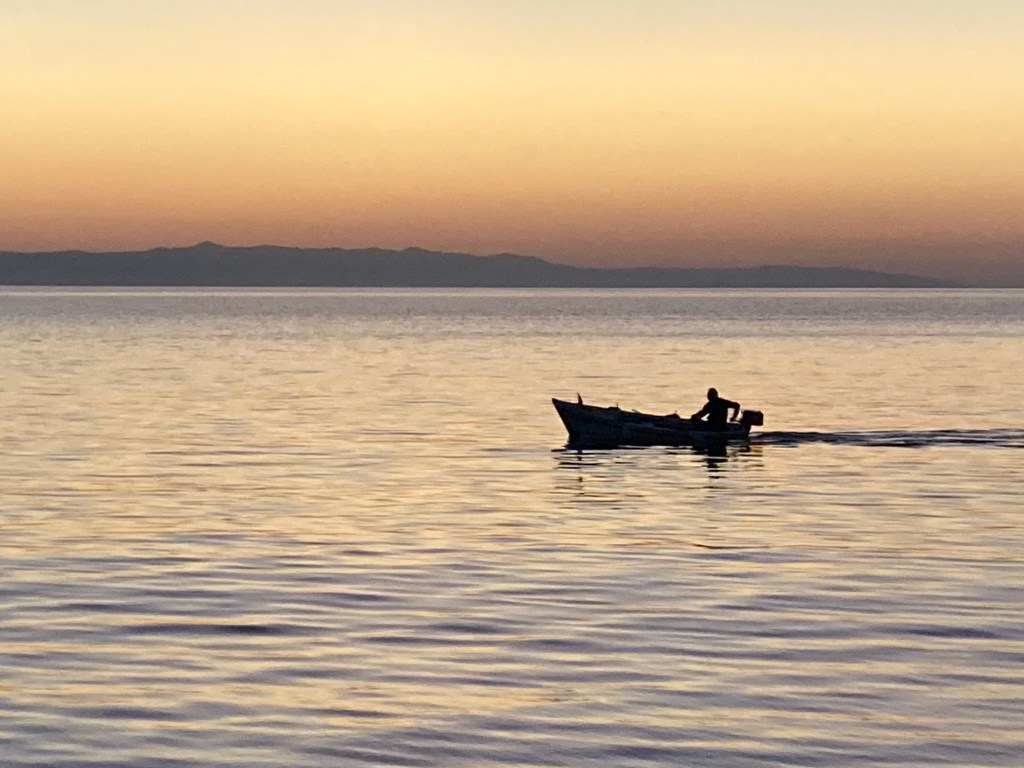
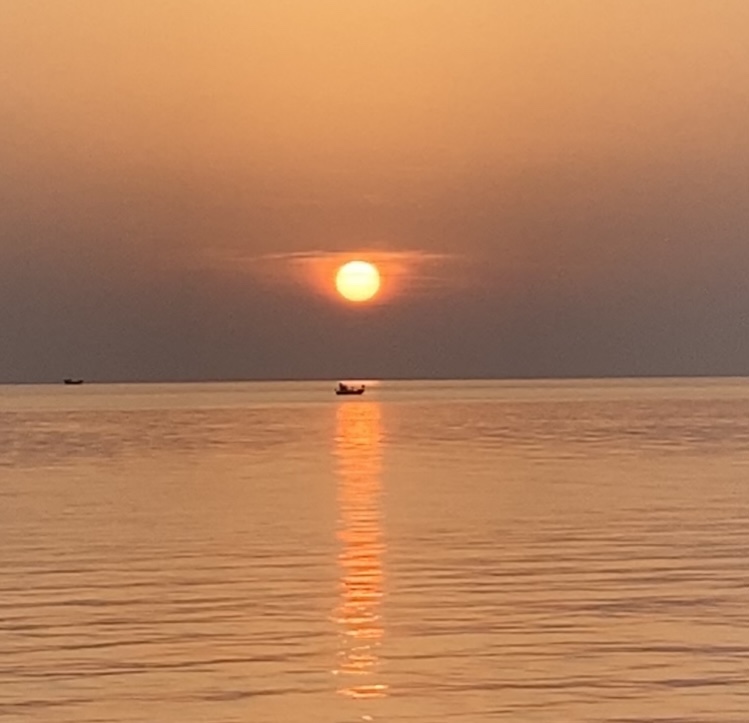
Having camped in numerous beach locations we were lucky to have experienced some wonderful sunsets and relaxed to the sound of crashing waves on the beaches which were either rocky or made of fine grit. We hope the following selection of photos helps share our experience.

The Jewish museum,Ataturk house and The archeological museum of Thessaloniki

The history of the Jews in Thessaloniki goes back 2000 years. The Jewish community until the early twentieth century formed the majority of the city’s inhabitants, whilst todays population numbers fewer than a thousand who are mainly Sephardic Jews that had emigrated to the city having been expelled from Spain by catholic rulers in 1492. A huge fire in 1917 destroyed 32% of the city rendering 52000 Jews homeless and eventually nearly half the city’s Jews emigrated to France and America. The remaining community thrived over the following years until the Nazi invasion when 90% of the Jewish inhabitants were deported and murdered. The museum had dedicated a whole floor in memory of the Jewish children who perished in the holocaust of the twenty thousand children under the age of seventeen only five hundred survived. A quote at the beginning of the exhibition I thought was very apt “Murdering children is akin to destroying the future”

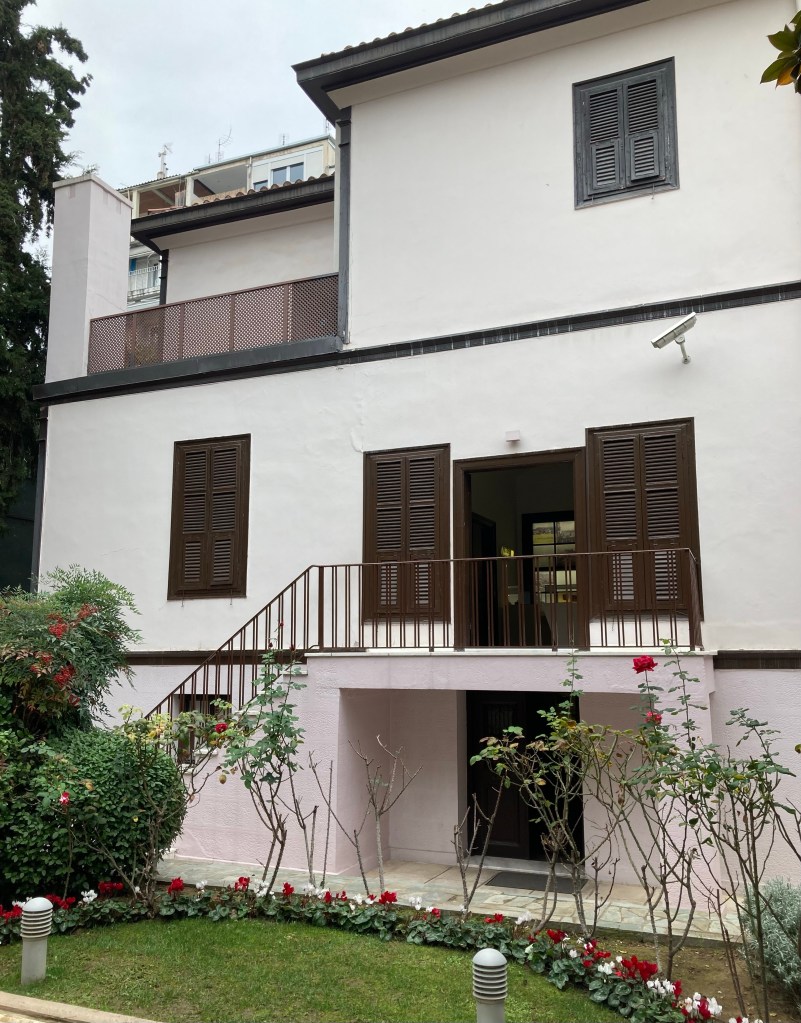
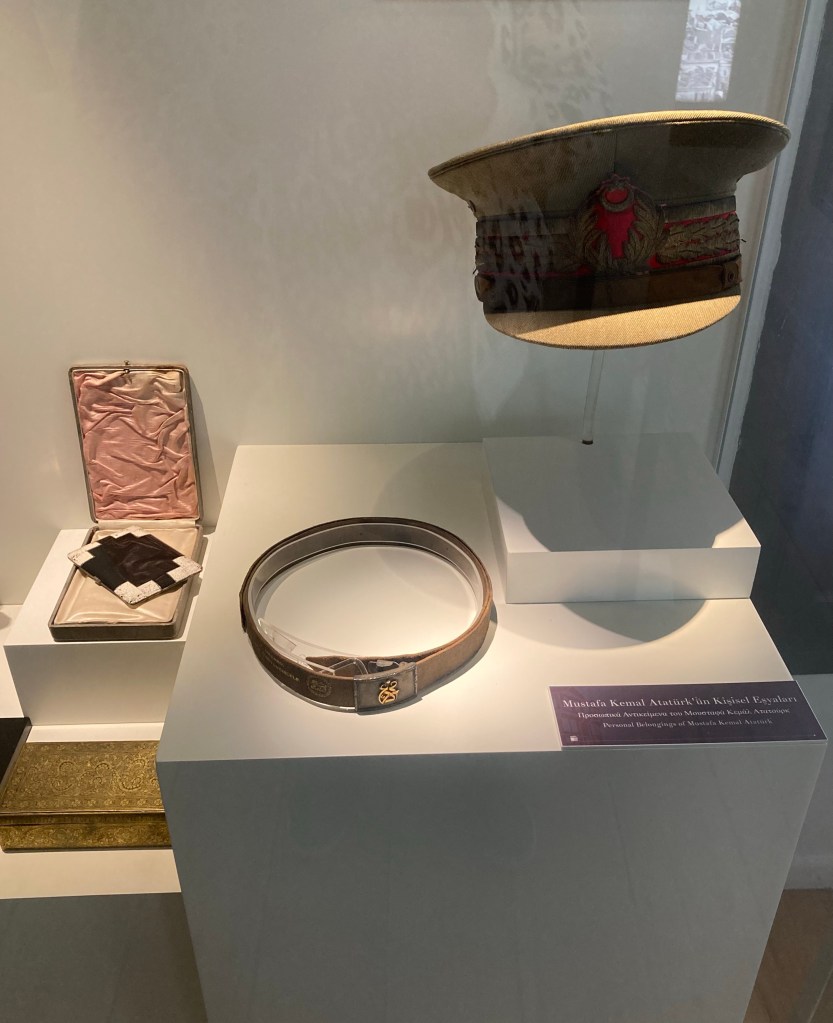
The birthplace of Mustafa Kemal ( better known as Kemal Ataturk) is a very simple house that has been turned into a museum that tells how an ordinary young man became a great statesman.

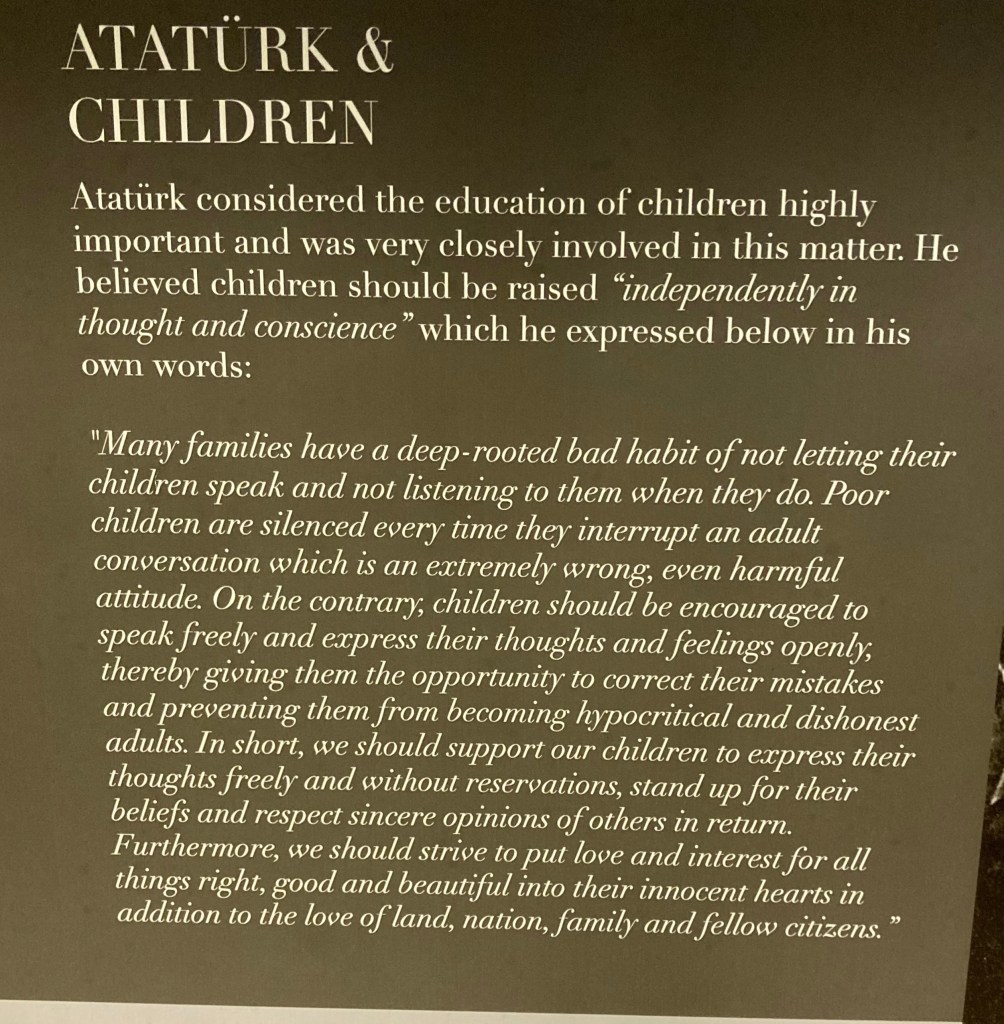
Against his mothers wishes his father who wanted his son to be a moderniser sent him to a secular school rather than the religious school his mother preferred. Paving the way for him to follow in his father’s footsteps and pursue a military career and later to enrol into a military school for his secondary education followed by the war college. His educational background shaped his approach to leadership which was based on persuasion not fear.

Following the end of the First World War the allied forces began claiming Ottoman territory including parts of Istanbul.Ataturk and a group of friends began to plan a nationalist movement centred on the Ottoman region of Anatolia. The allies fearing an uprising urged the sultan to restore order Ataturk was chosen to fulfil that role instead he gathered support for the nationalist movement forming a congress to represent the people and was elected head. This ultimately led to the downfall of the Ottoman Empire and the forming of a new National Assembly who elected Ataturk as the first president of the republic of Turkey, his goal was to reform and bring it into the twentieth century. His greatest legacy was how he reformed education and encouraged equal rights for women.

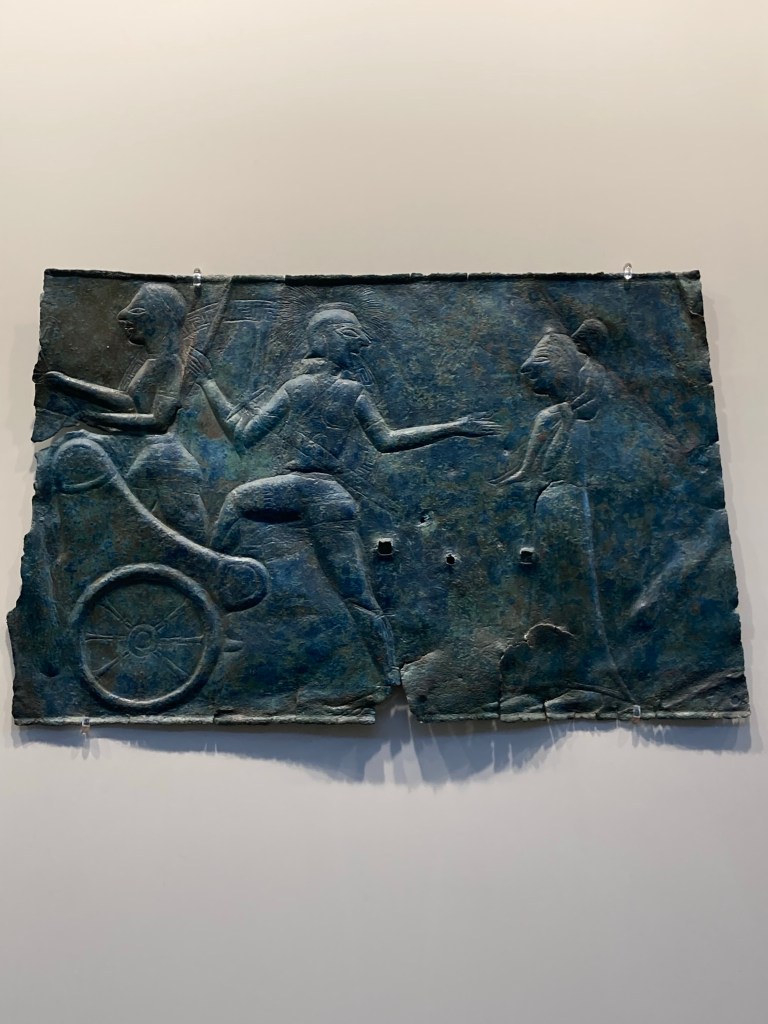
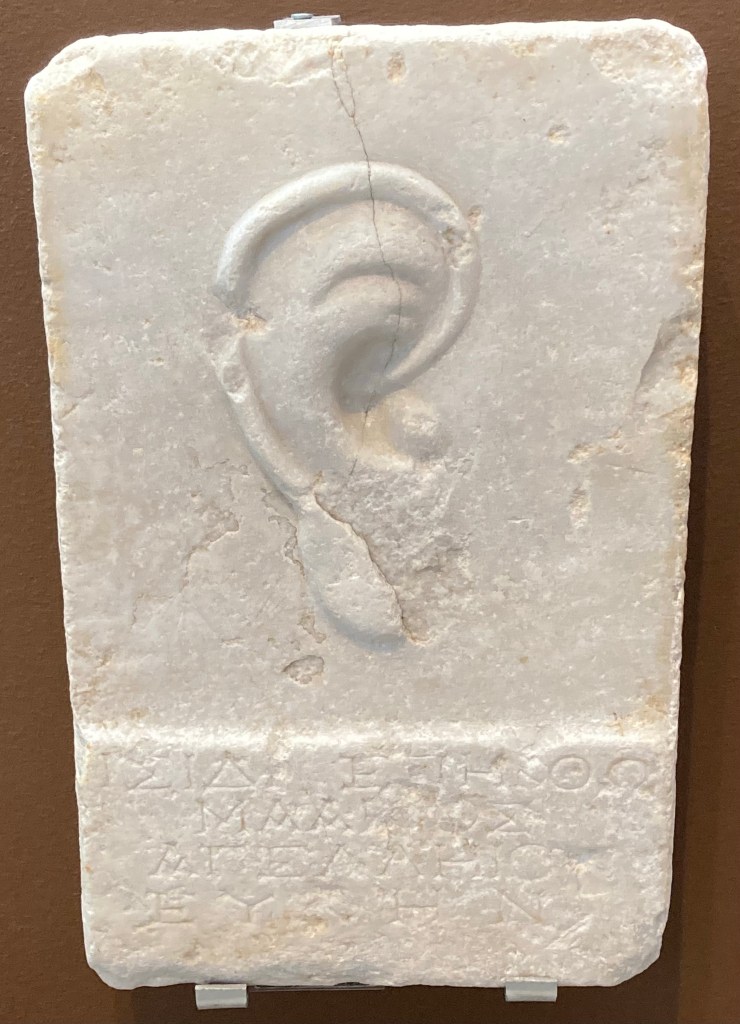
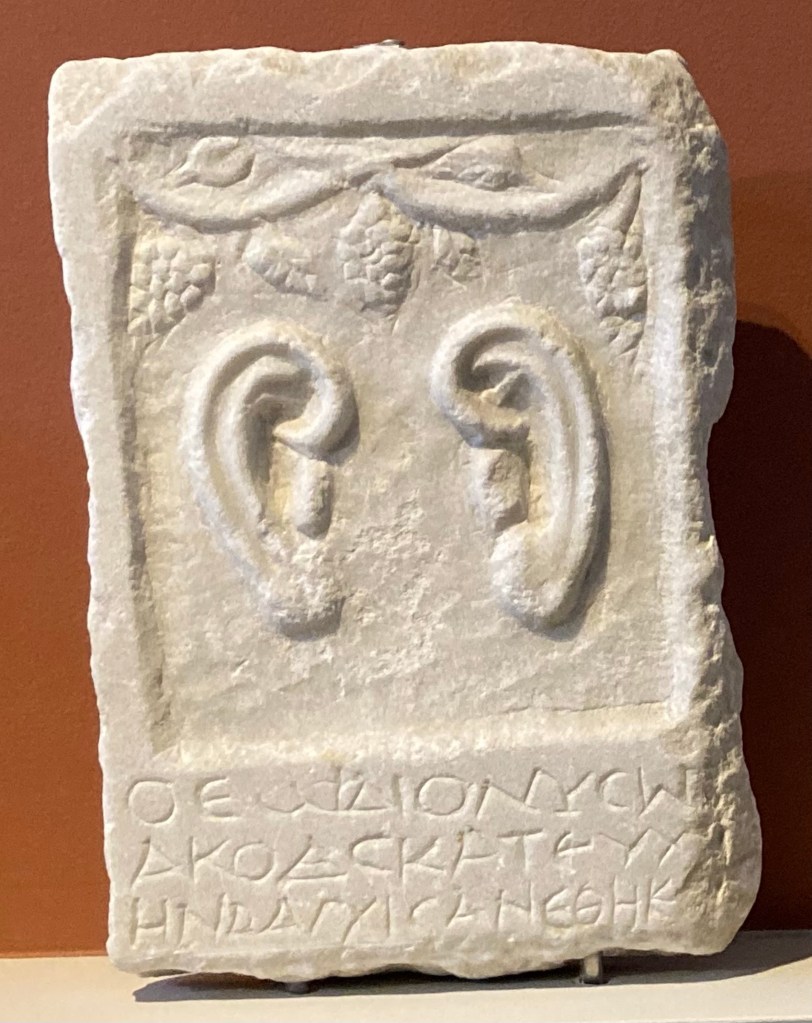
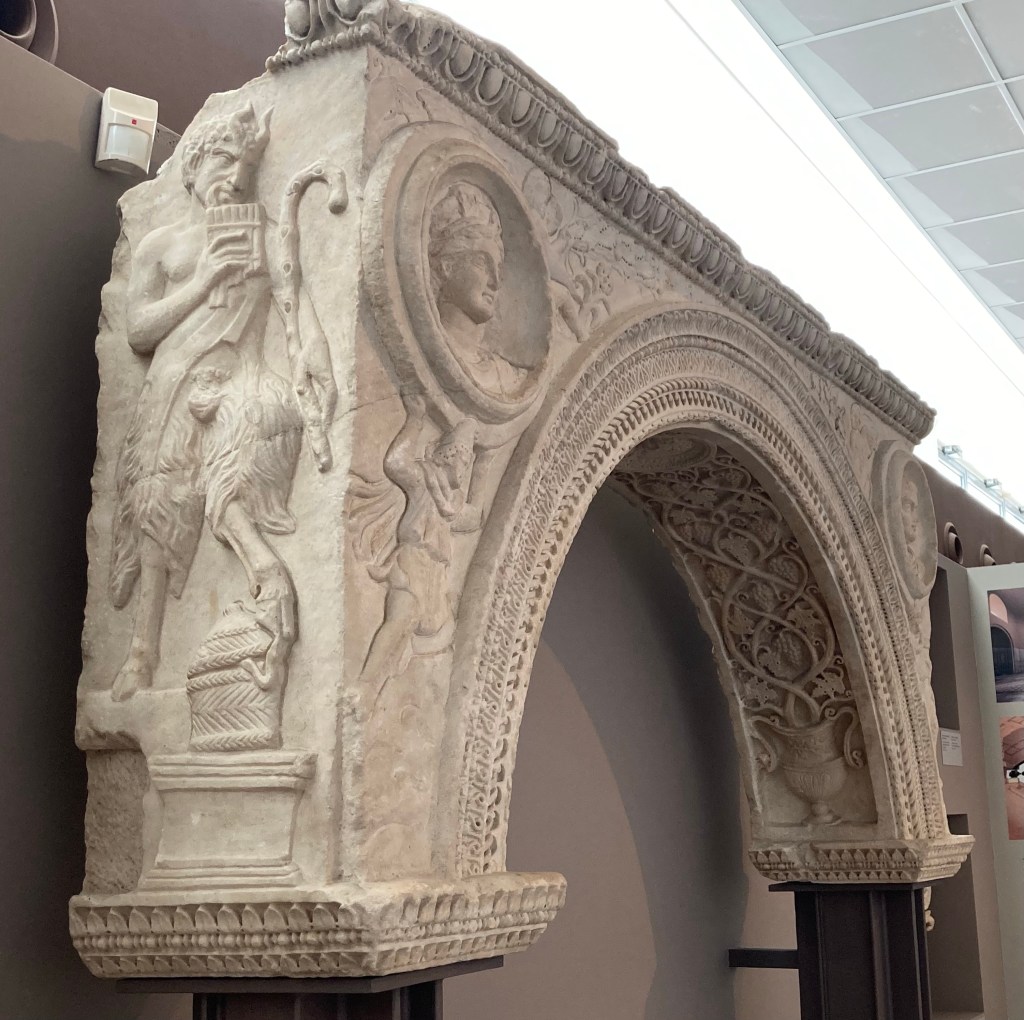
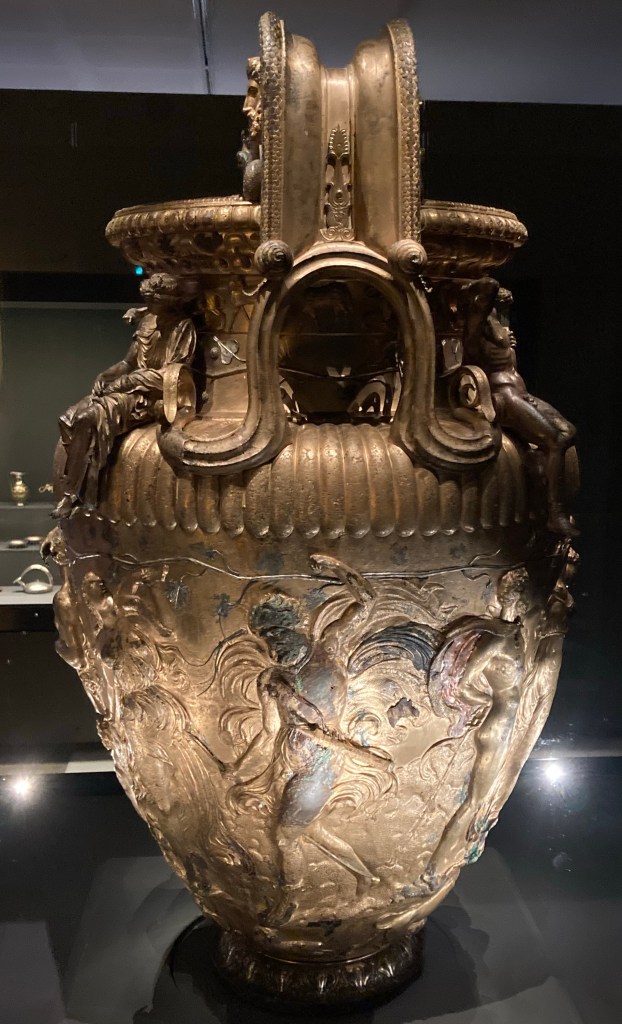
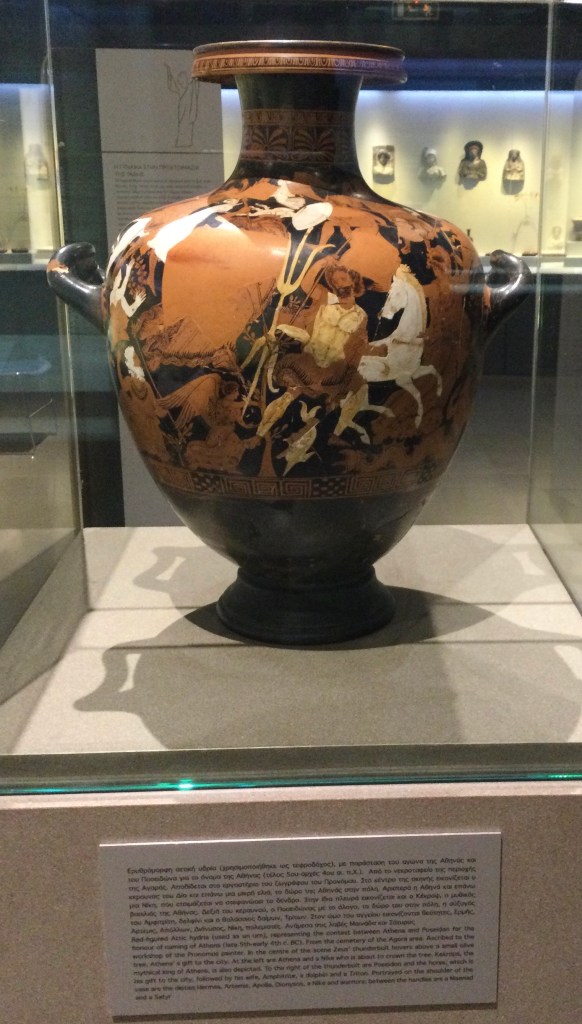
One of the finest collections of Greek artefacts is housed within the Thessaloniki museum the majority of which goes back to the sixth century BC.

Tombs and Alexander the Great

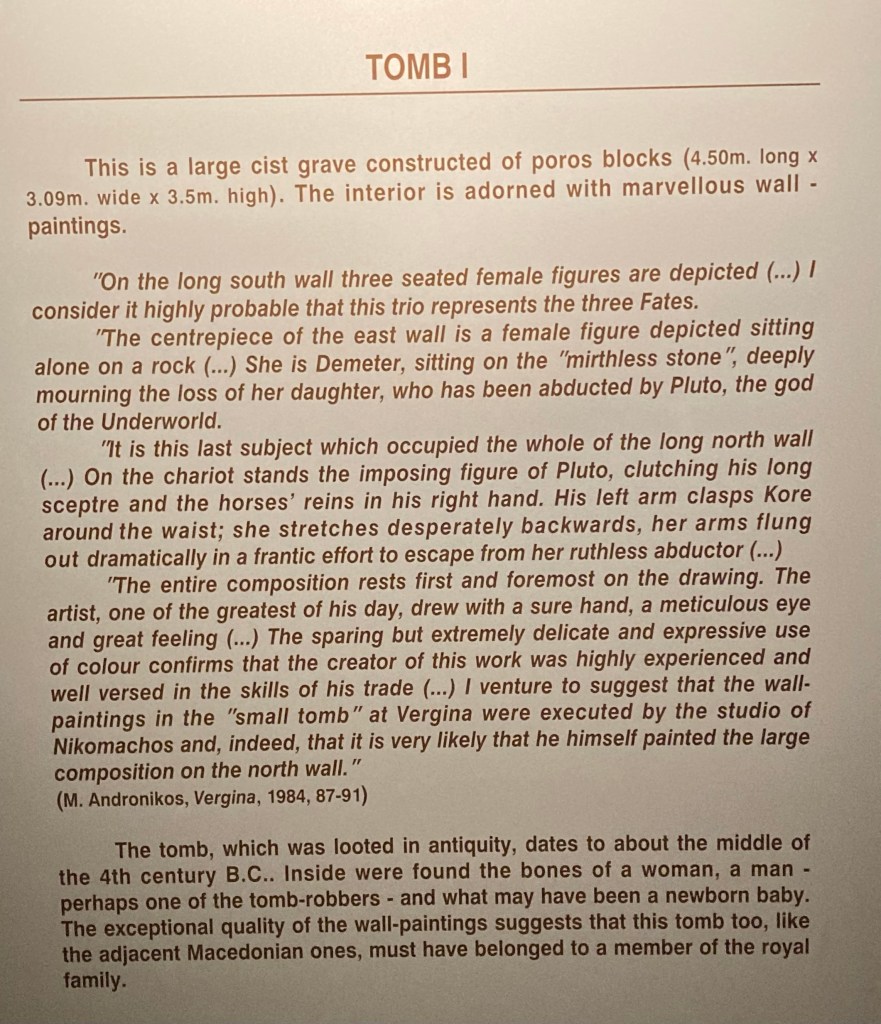
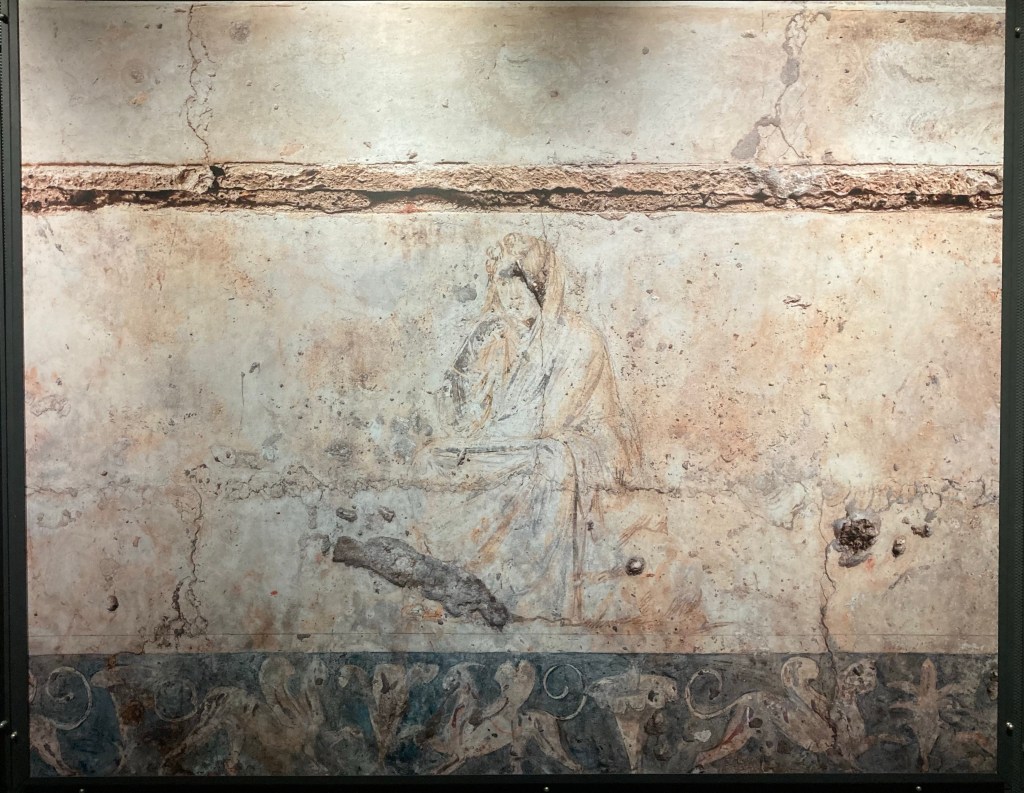
Vergina home to the tombs of the Macedon kings is a small rural village and one of the least likely places to find such a wealth of history. It’s ancient name was Aigia the first capital of Macedon although the capital was later transferred to Pella.

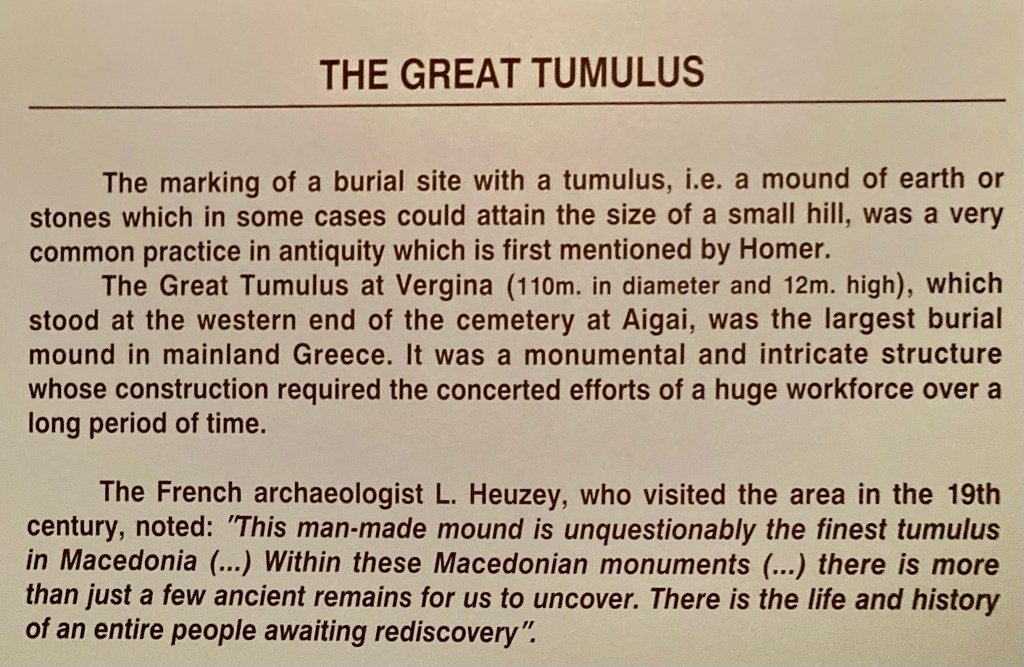
The practice of the Macedons was to bury their dead within elaborate tomb structures covered by mounds of earth resembling small hills along with artefacts both personal and practical for use in the afterlife.

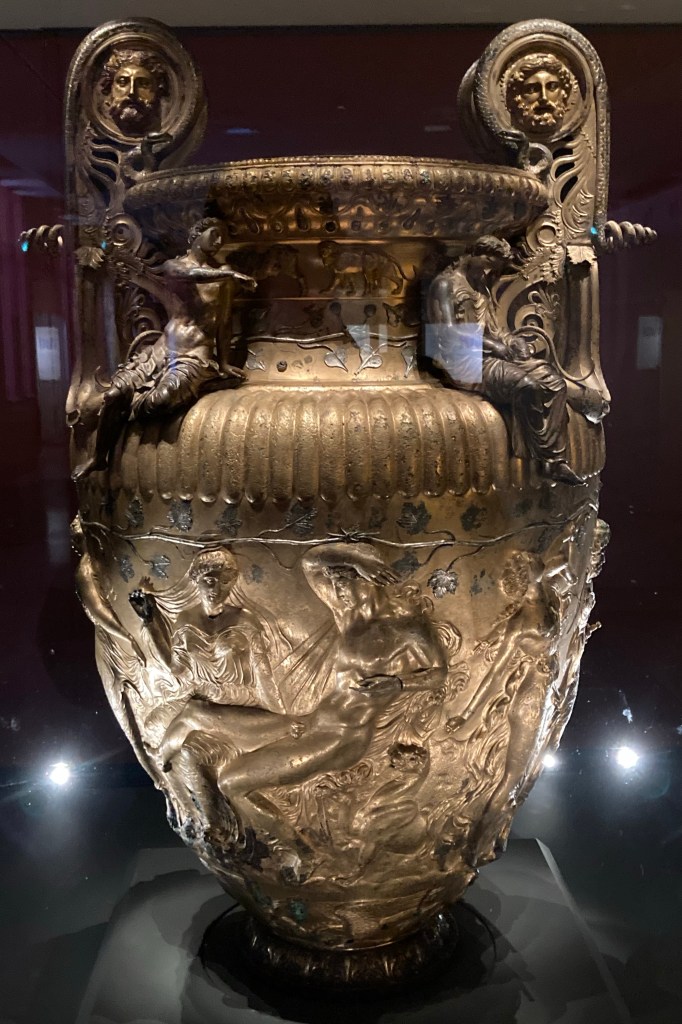
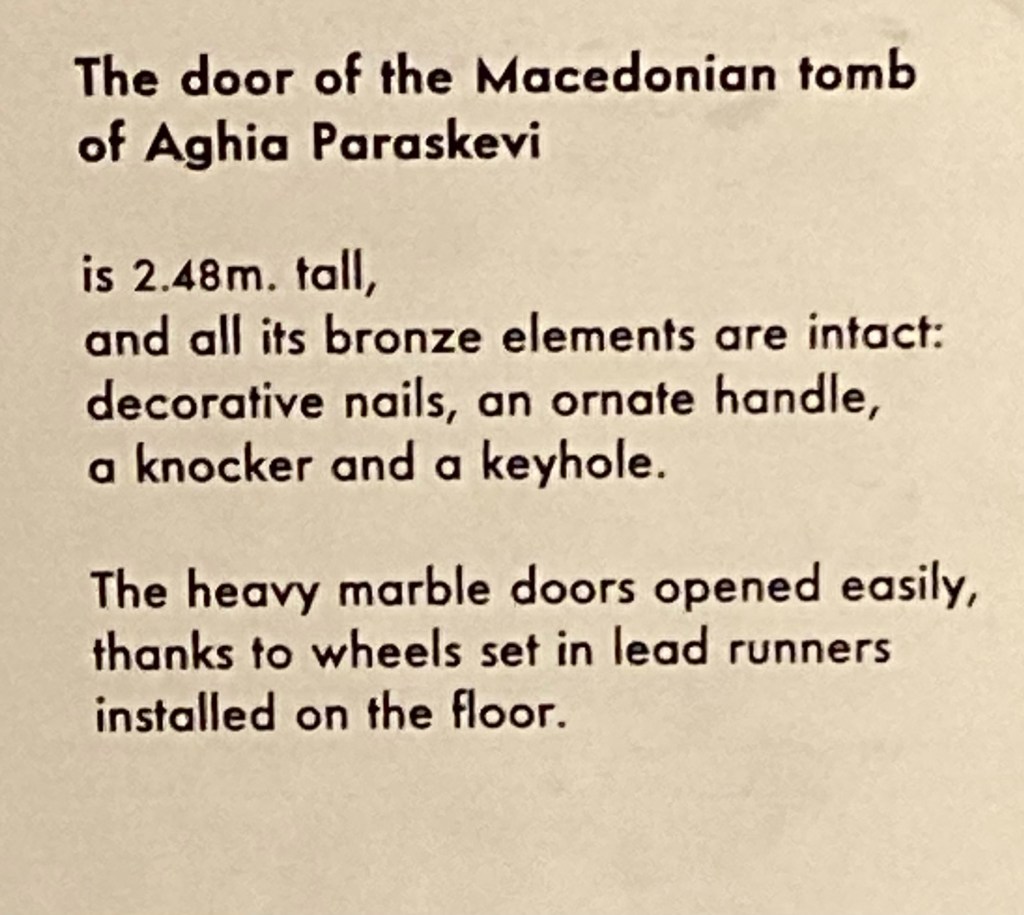
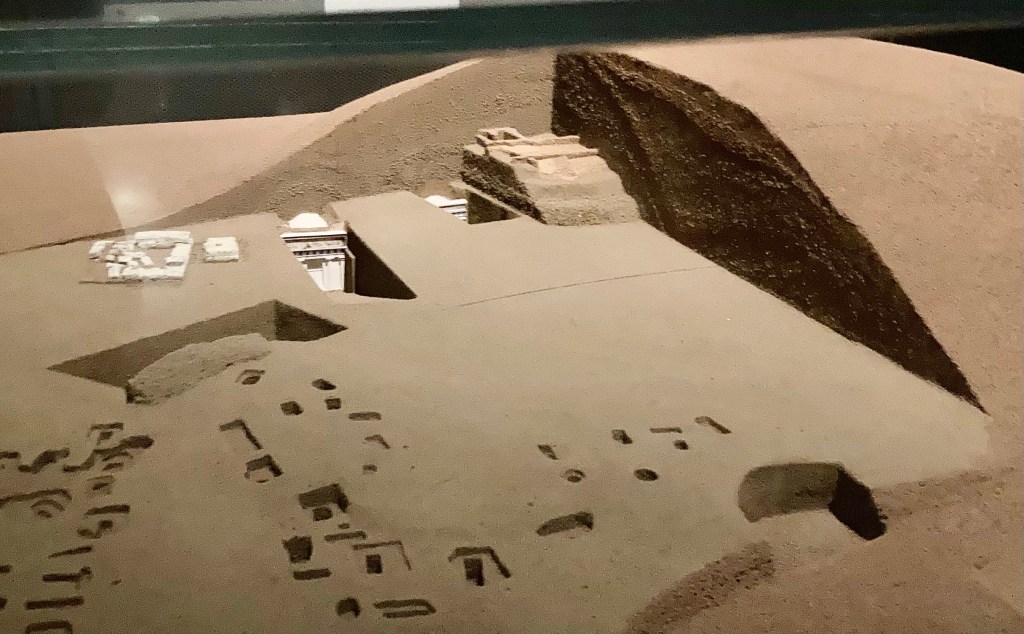
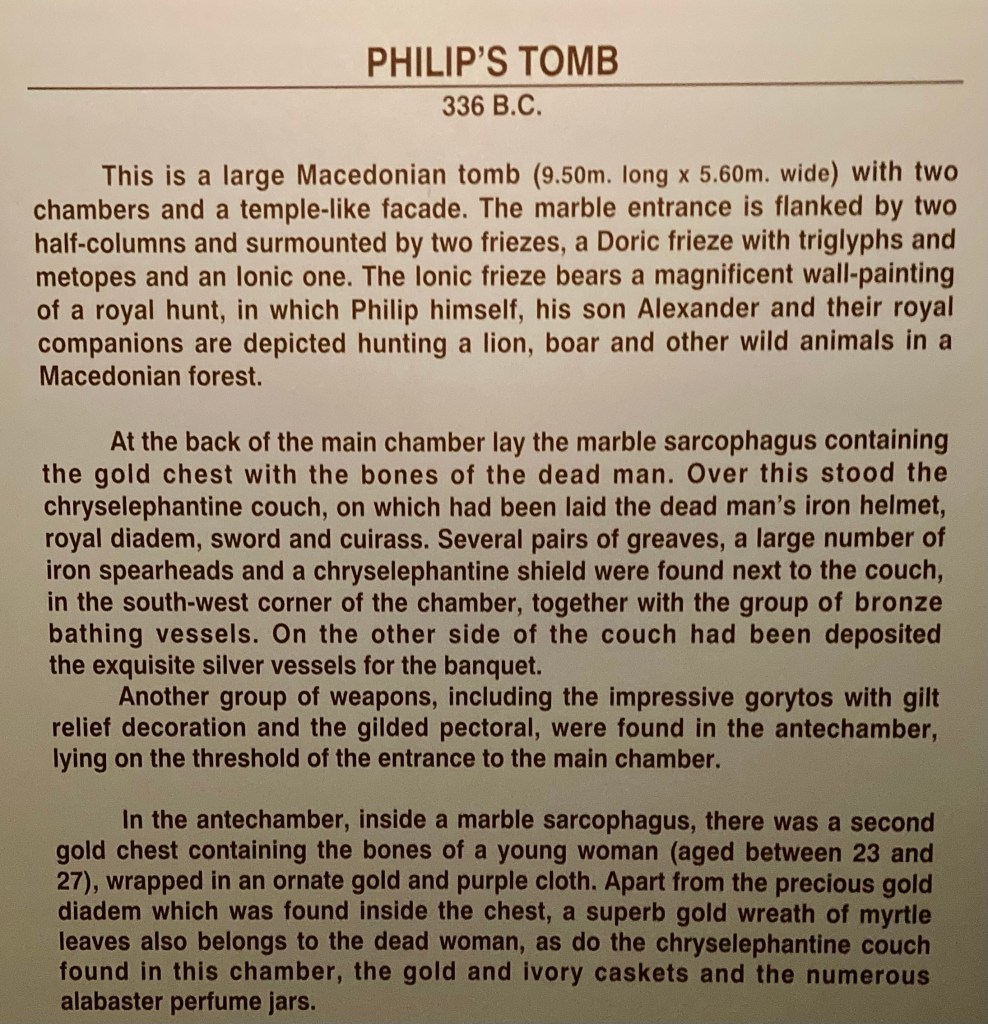
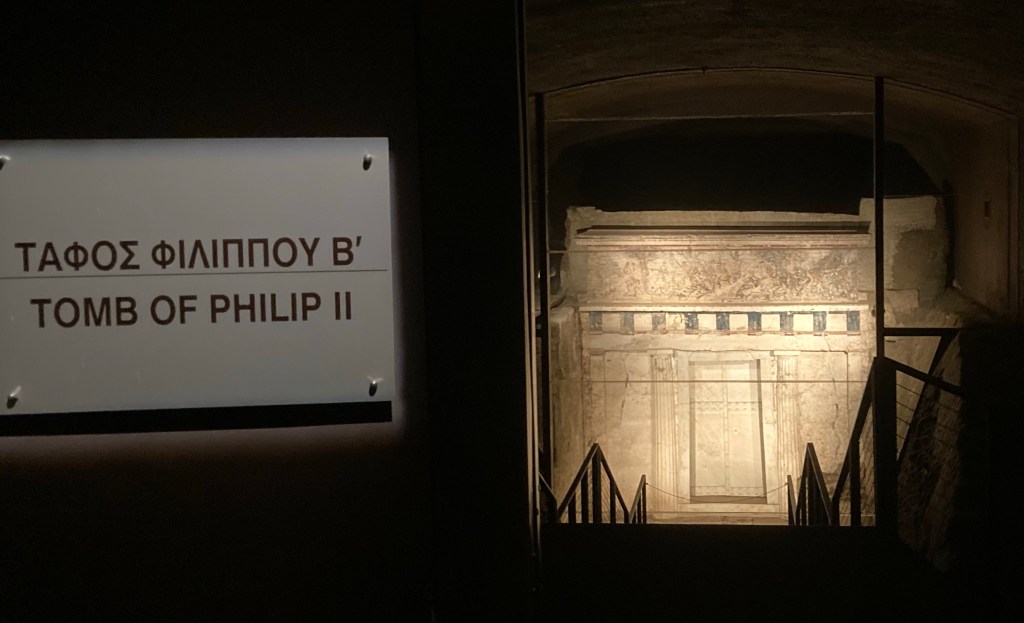
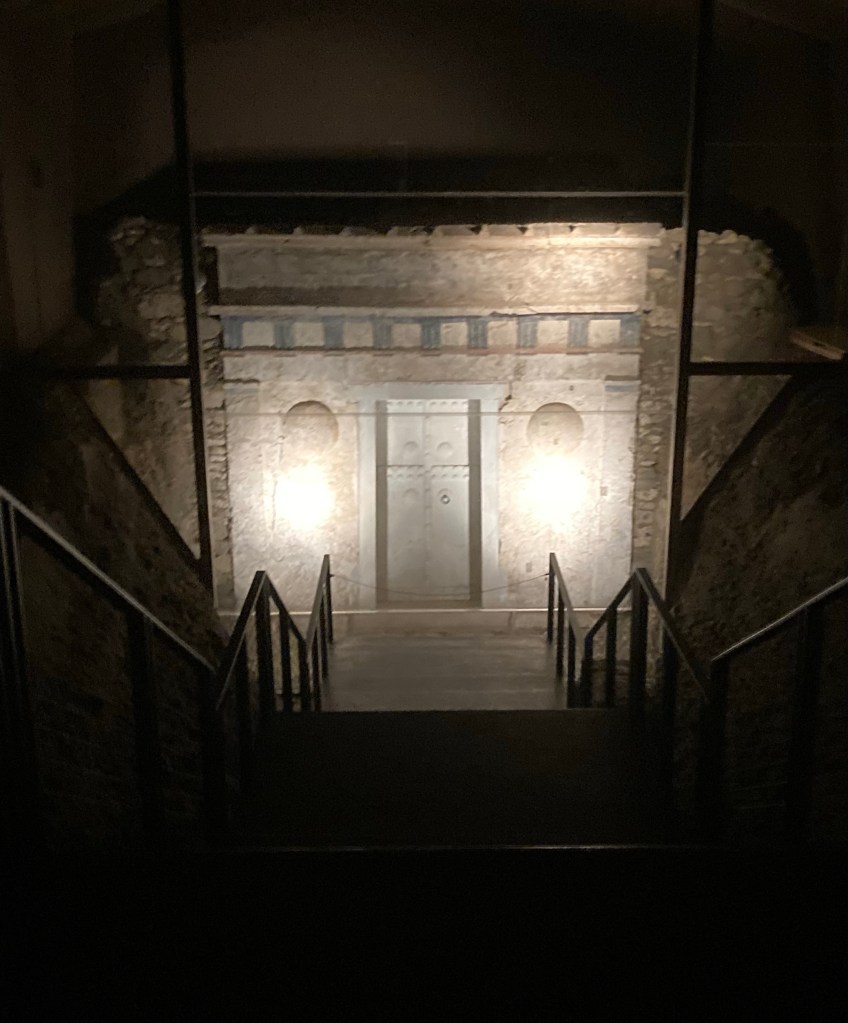
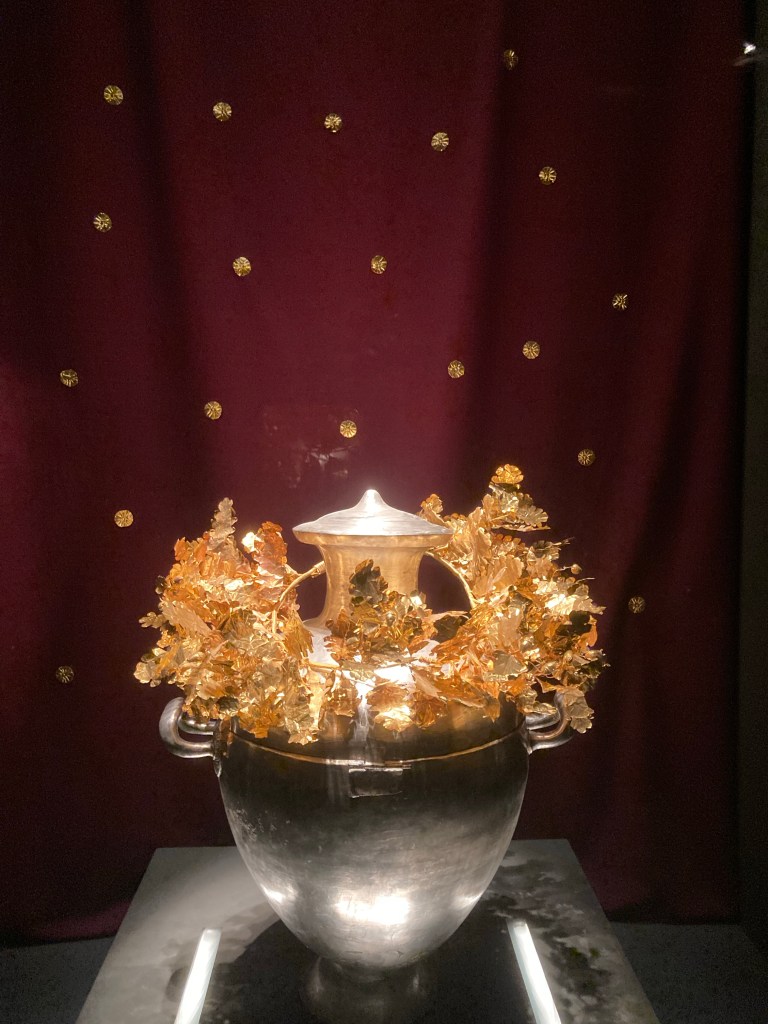
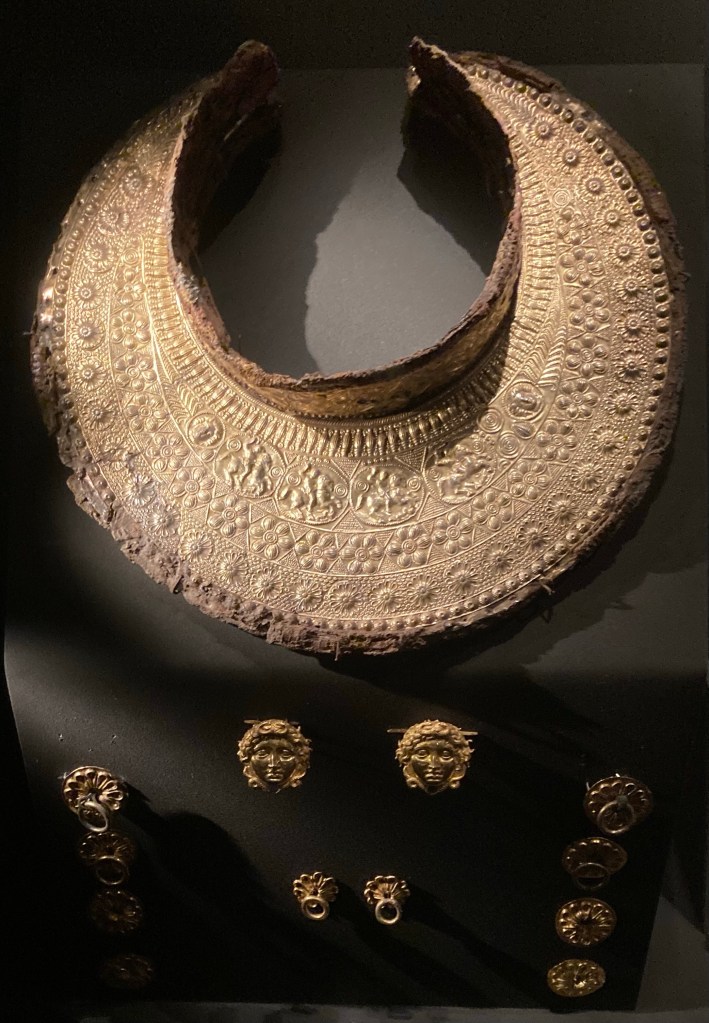
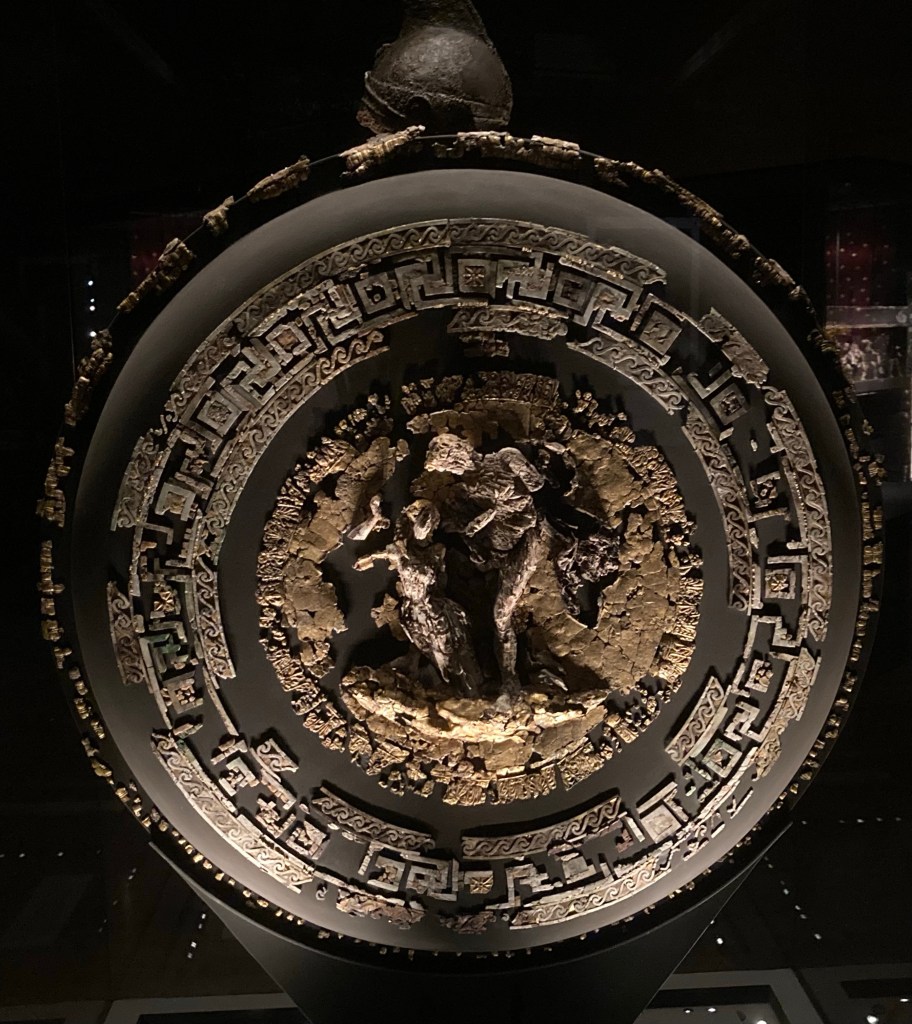
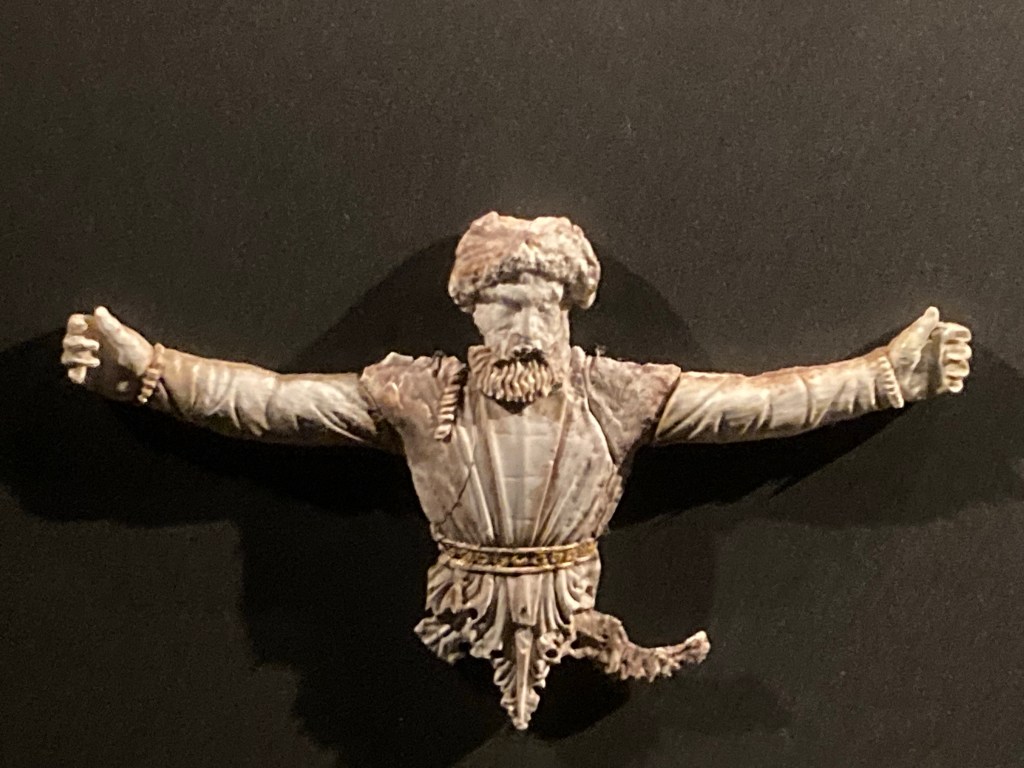
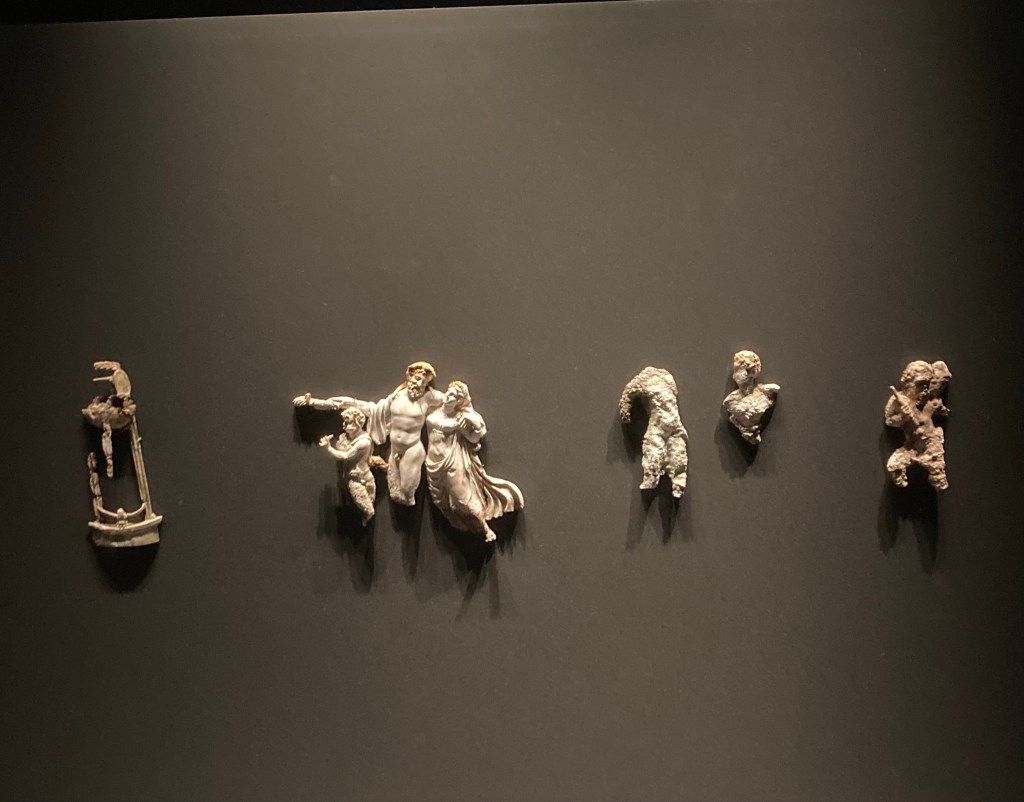
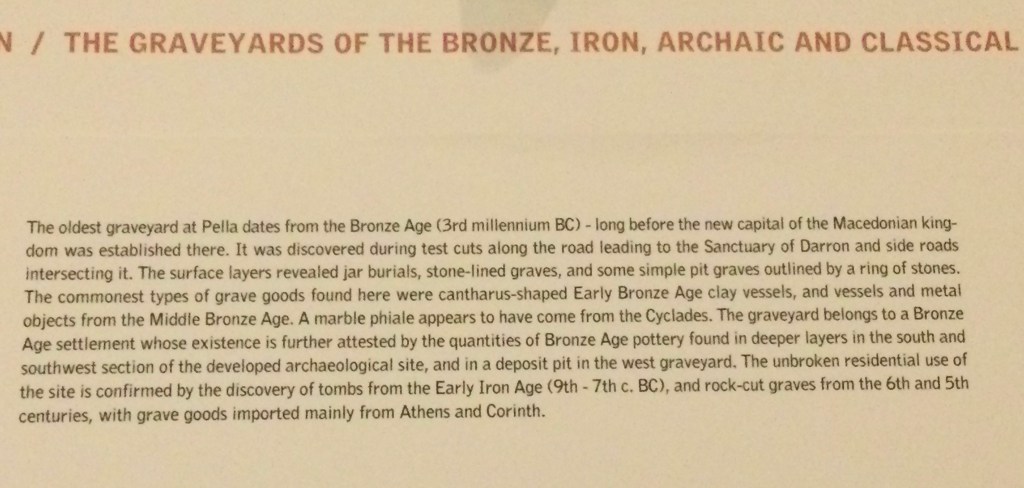
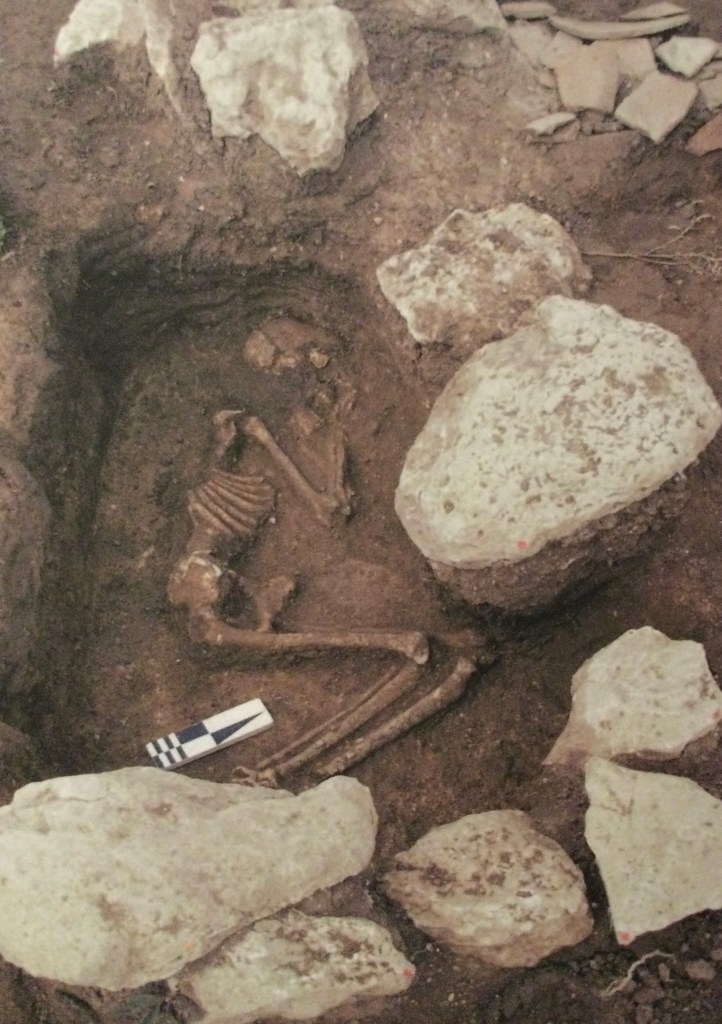
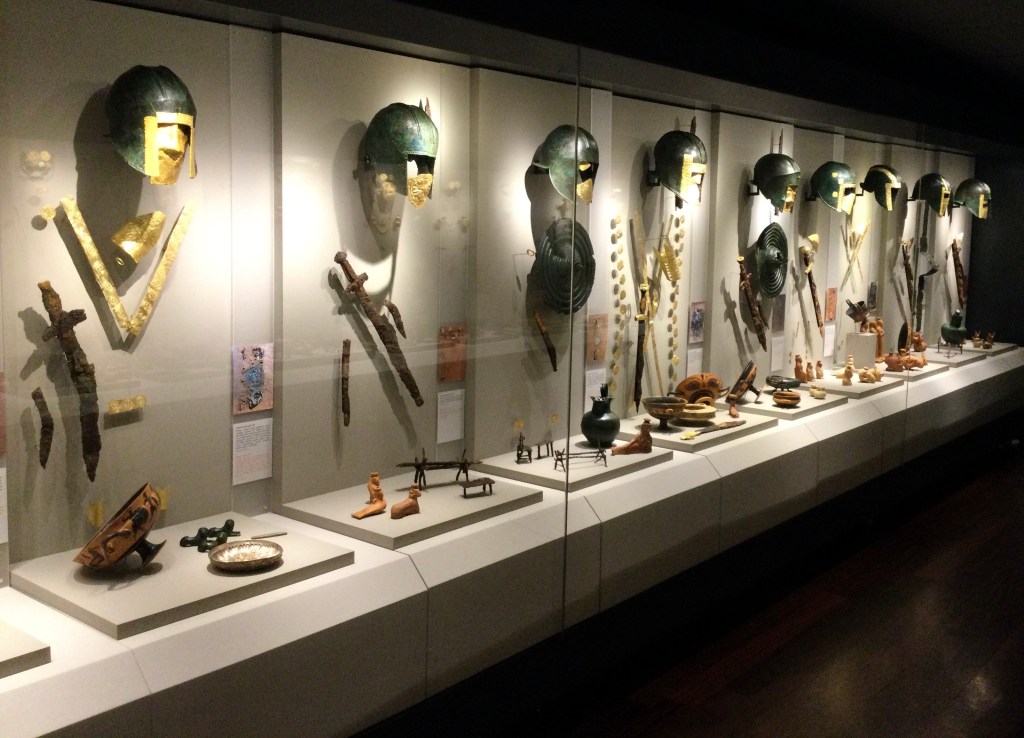
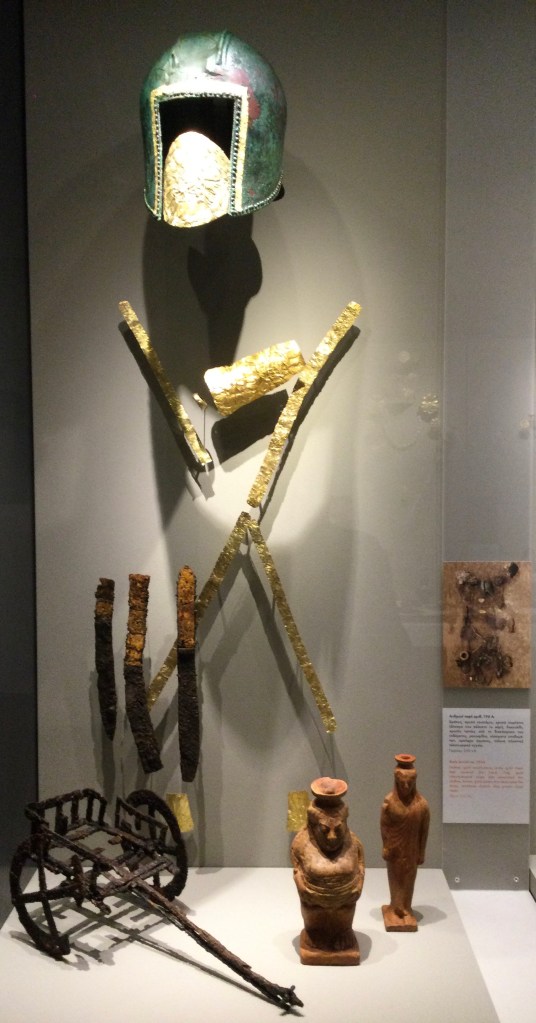
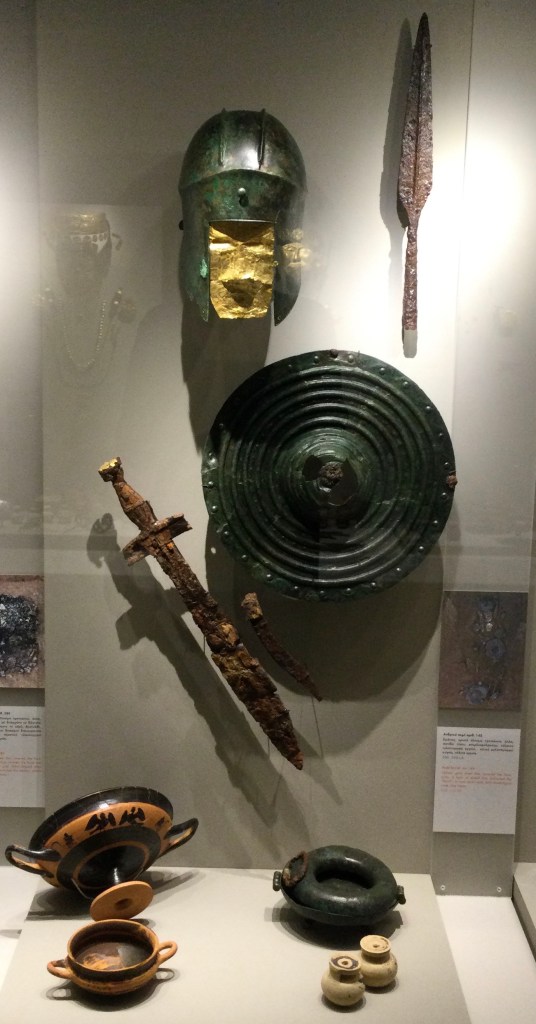
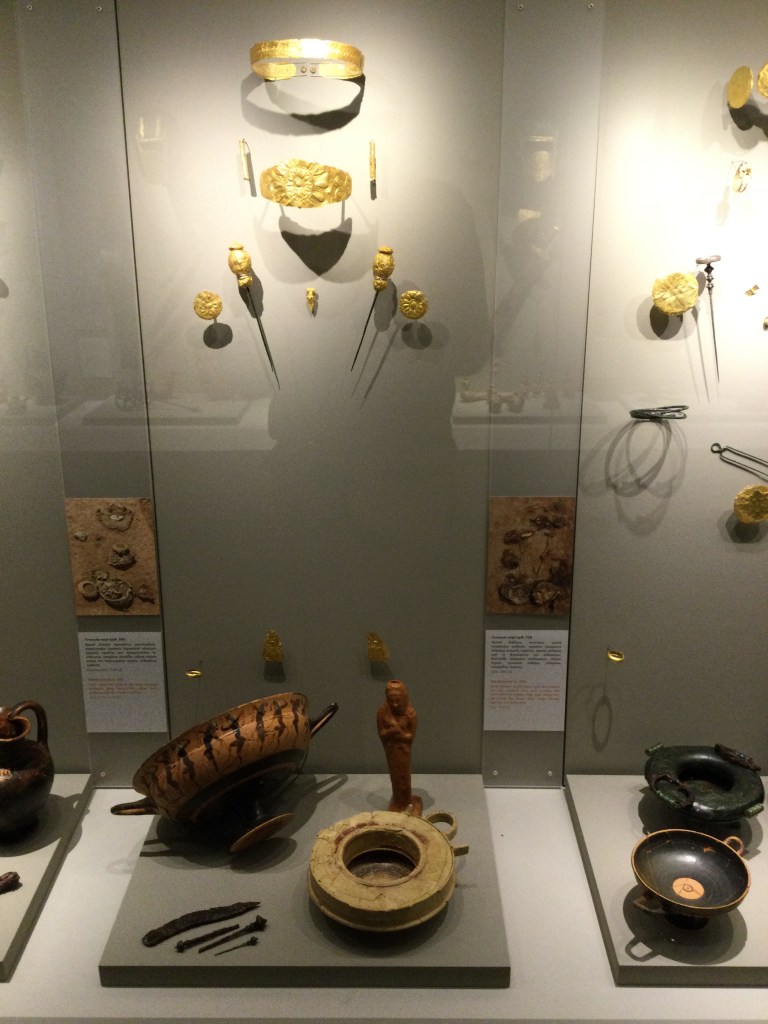
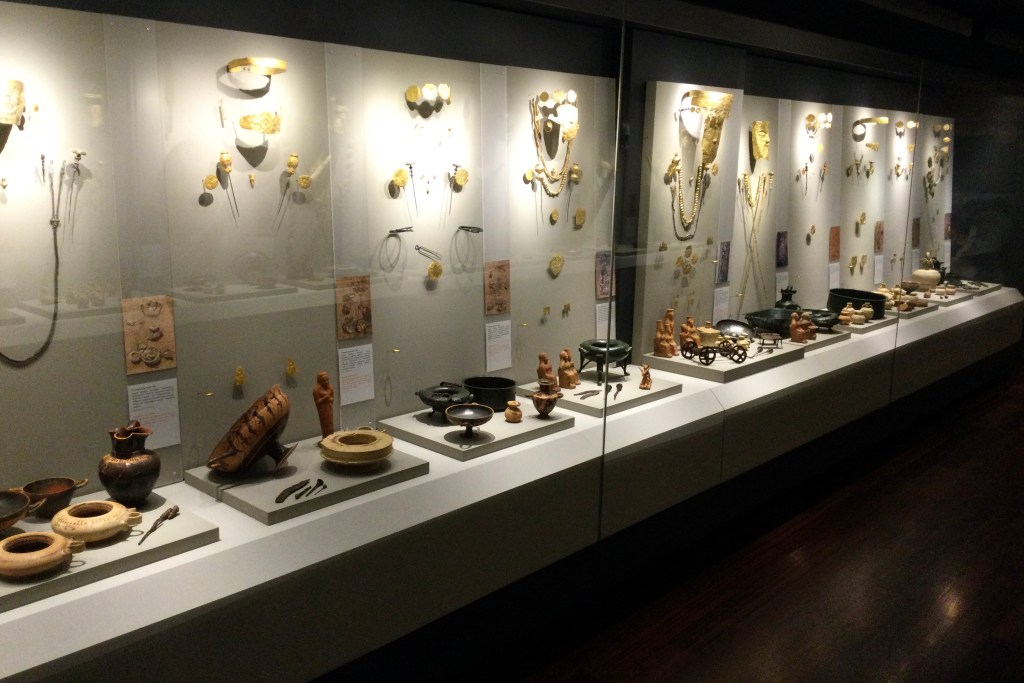
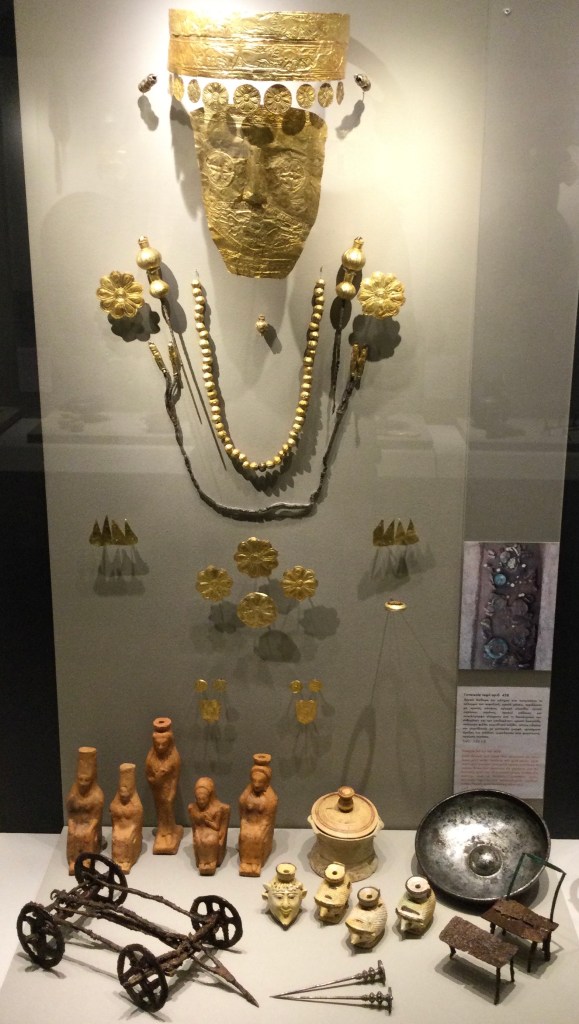
The tomb was that of Philip the second and his son Alexander the Great reconstructed as a museum that mimics the original mound prior to its excavation.The artefacts discovered were in pristine condition and included the elaborate gateways to the individual burial chambers, their armour and individual items buried with them.Other discoveries excavated within the local area were also on display and these included individual headstones, skeletal remains and items found within the graves all of which contributed to the awe inspiring display. Ongoing archaeological excavations have discovered over a thousand graves including burial clusters of royal women, earlier kings and commoners dating back to the Iron Age, revealing the extent of the ancient capital which had covered some 6,500 hectares.

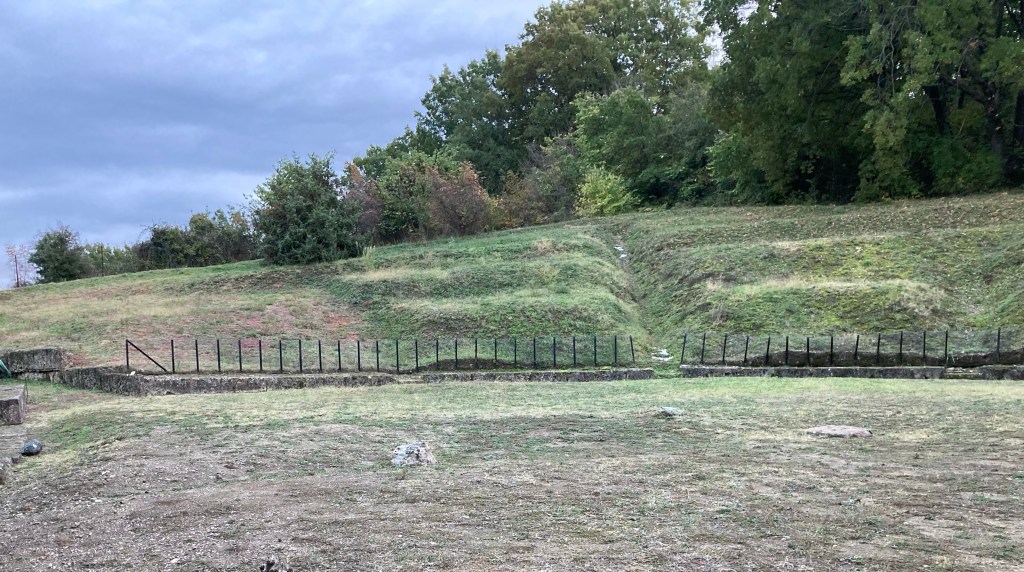
After visiting the museum we walked to the surrounding archaeological sites which included the small theatre arena where Philip was assassinated at his daughters wedding by one of his bodyguards hence making way for Alexander’s kingship. Alexander went on to conquer the Persian empire within eleven years but died in mysterious circumstances aged thirty two. Unfortunately King Philip’s palace was still under excavation and therefore closed to the public.

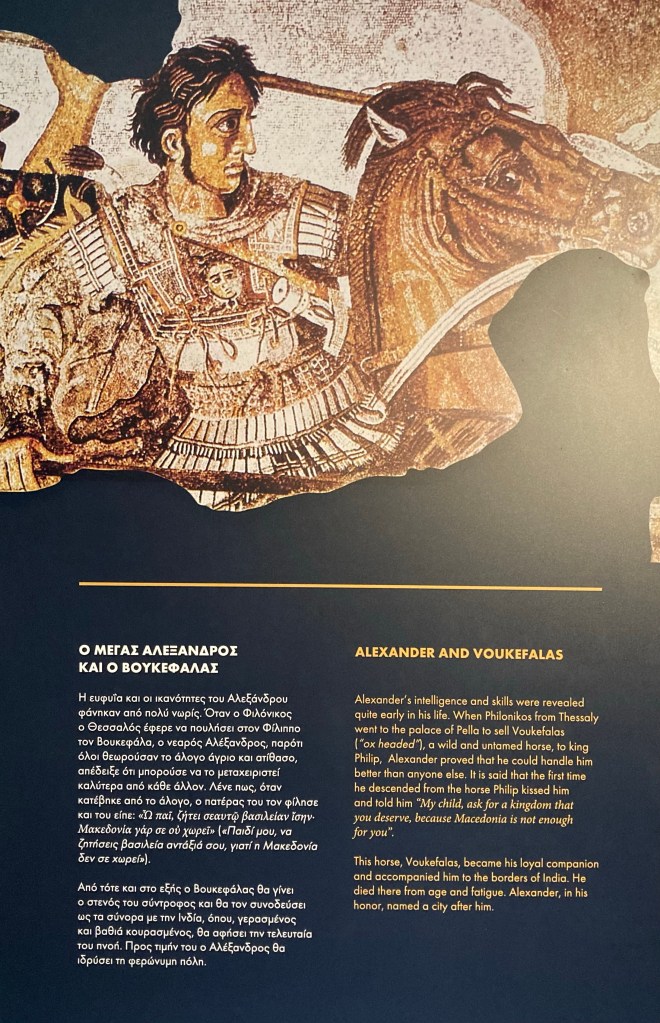
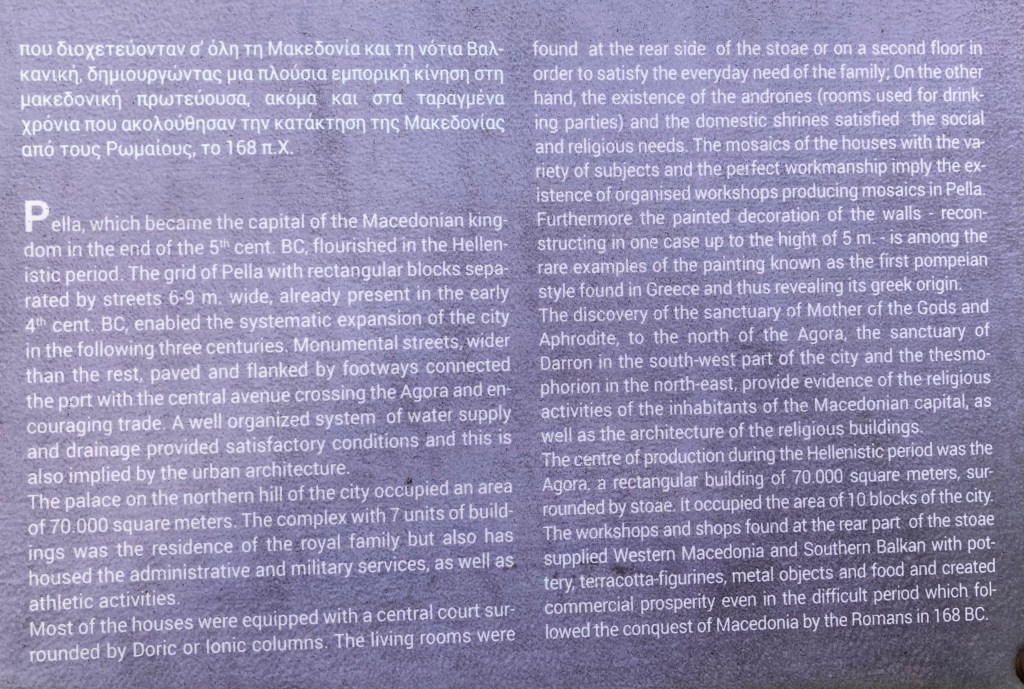
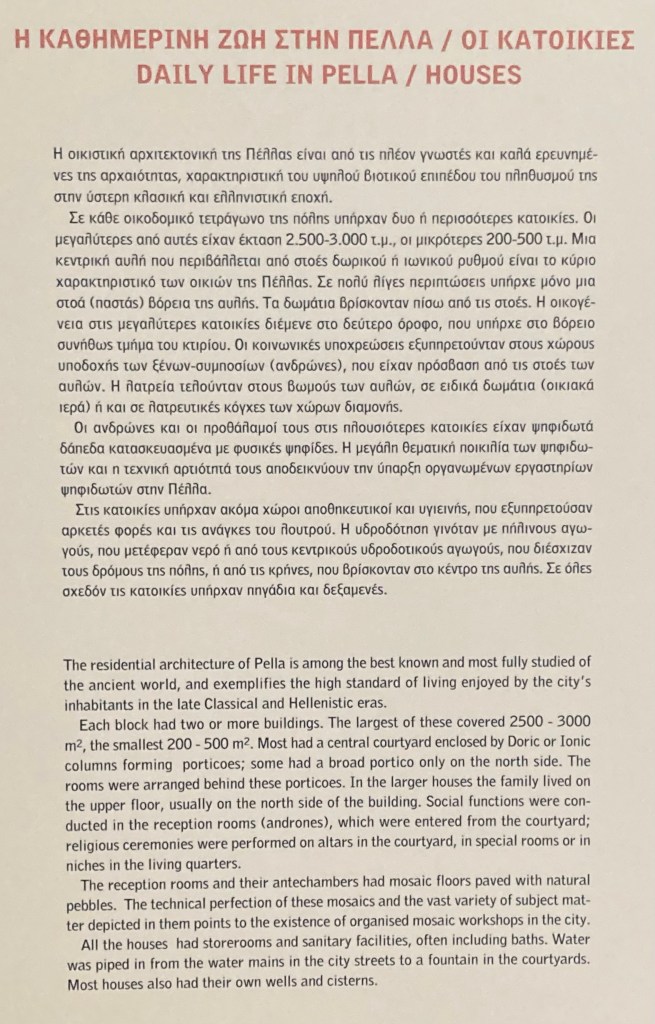
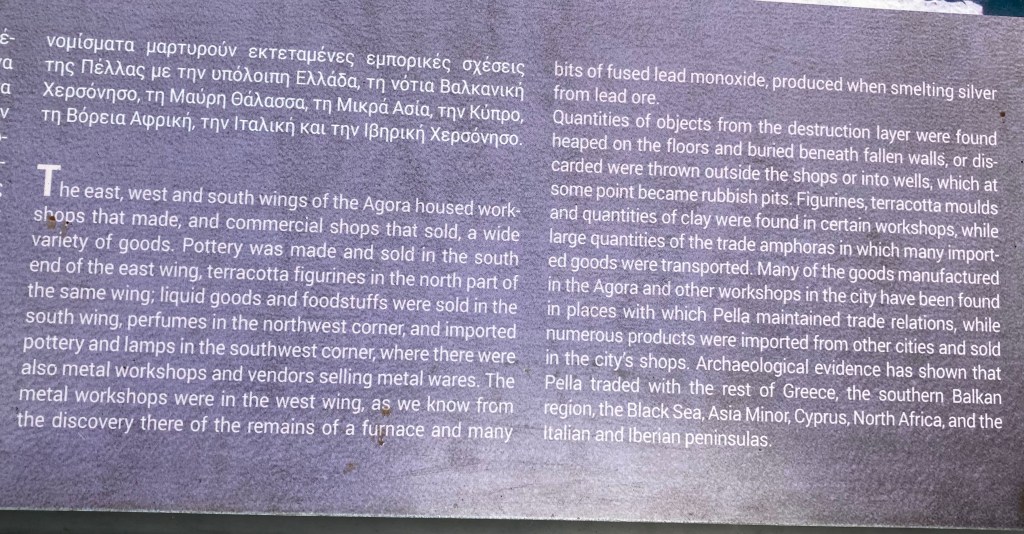
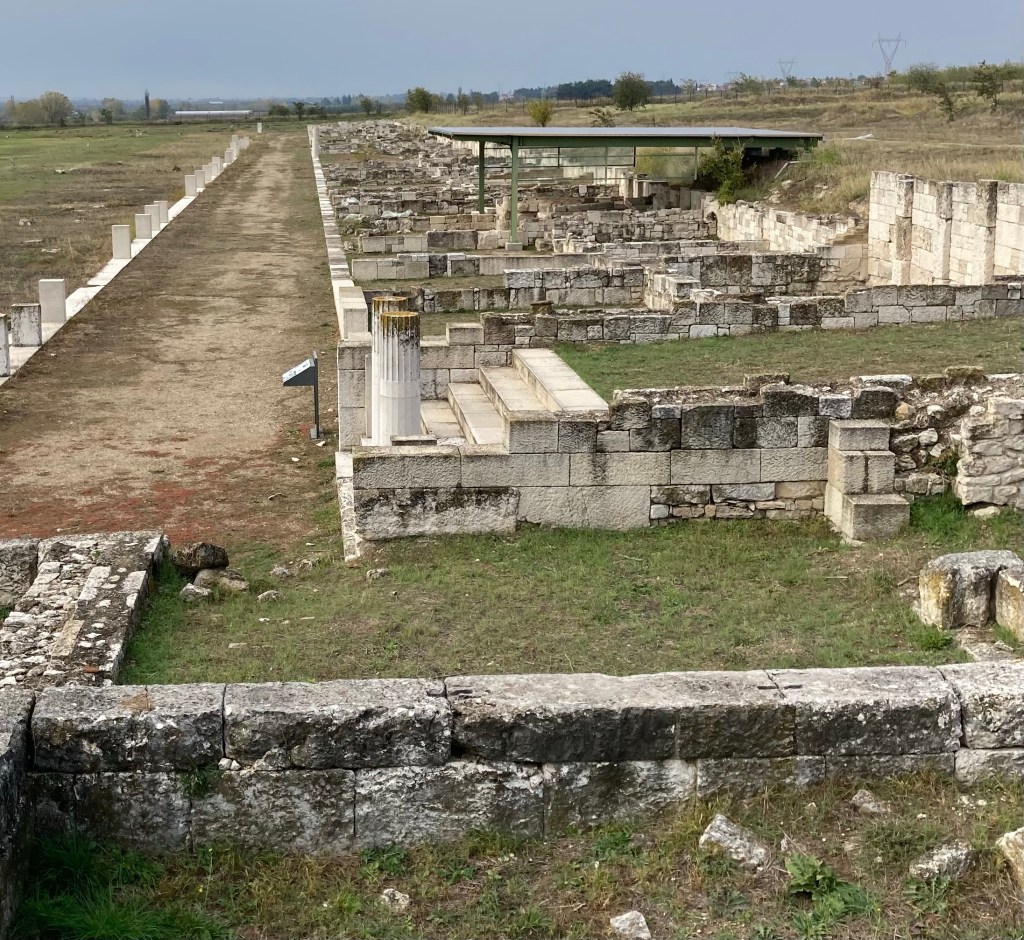
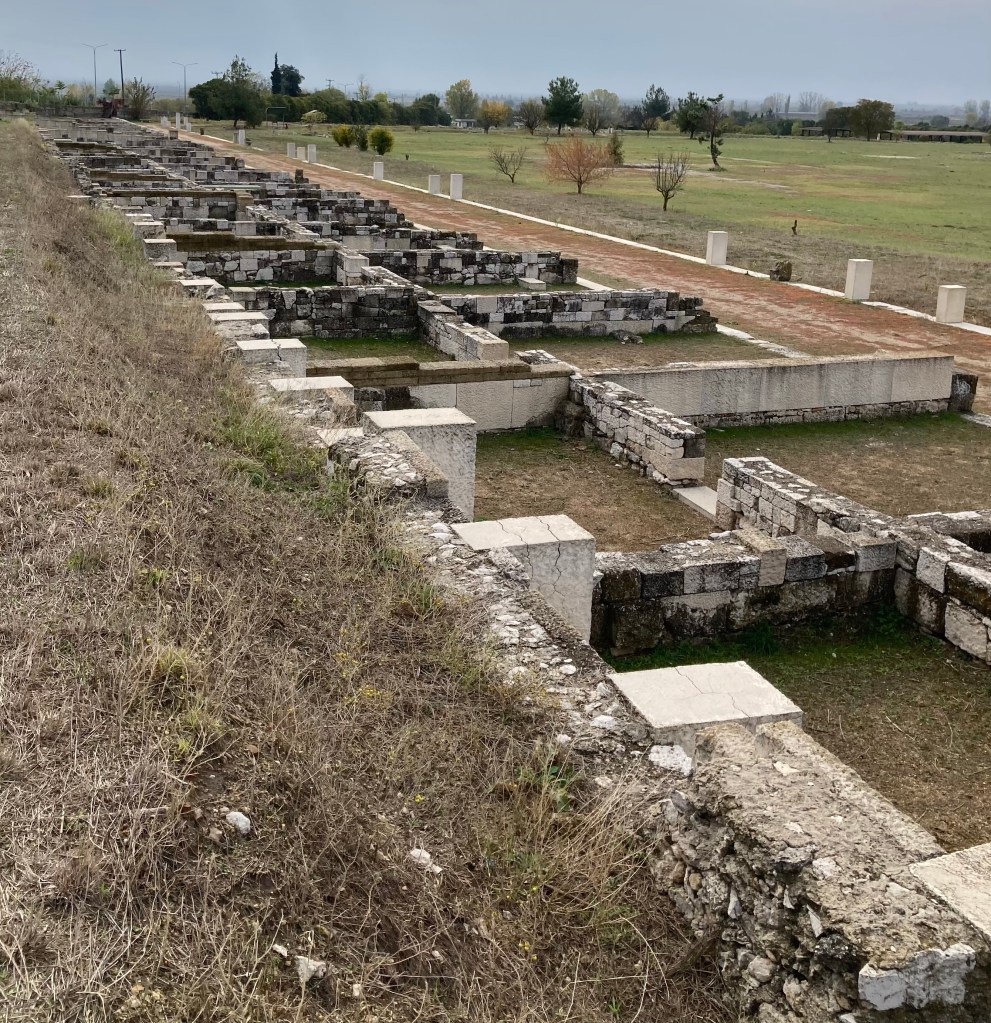
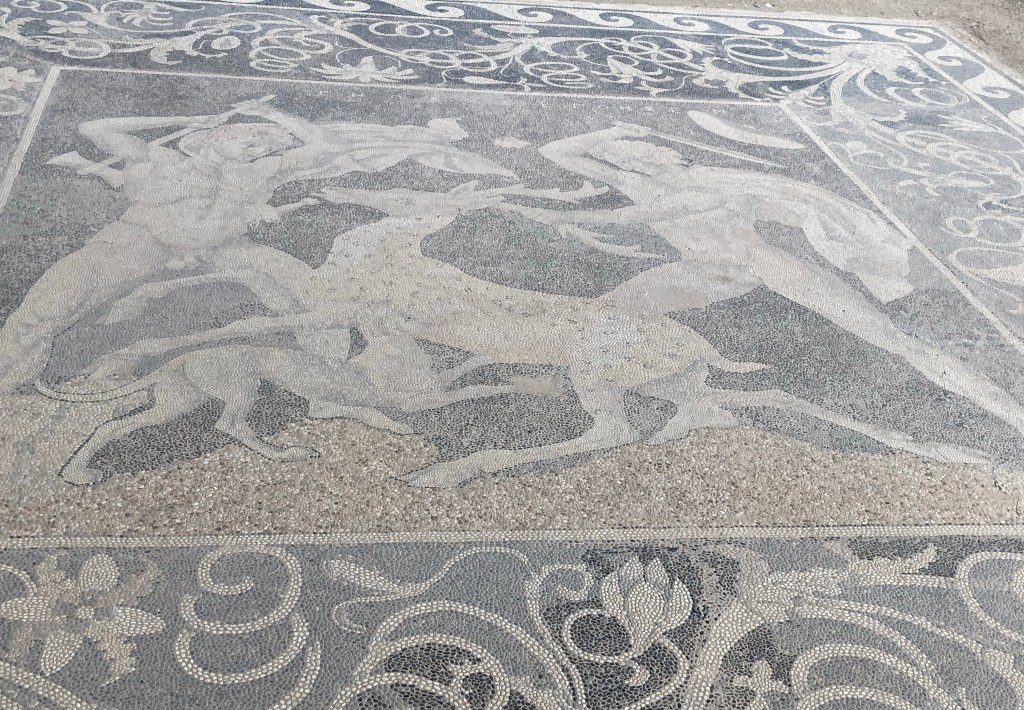
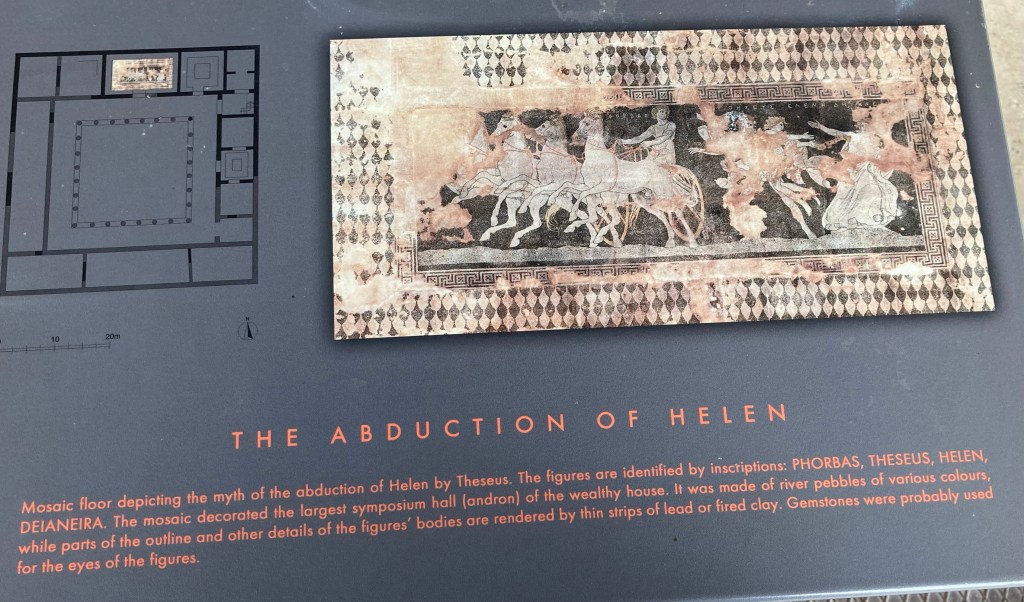
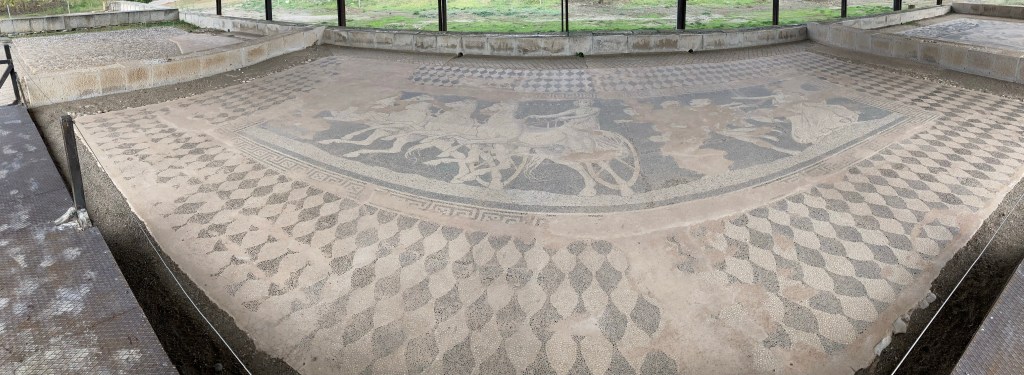
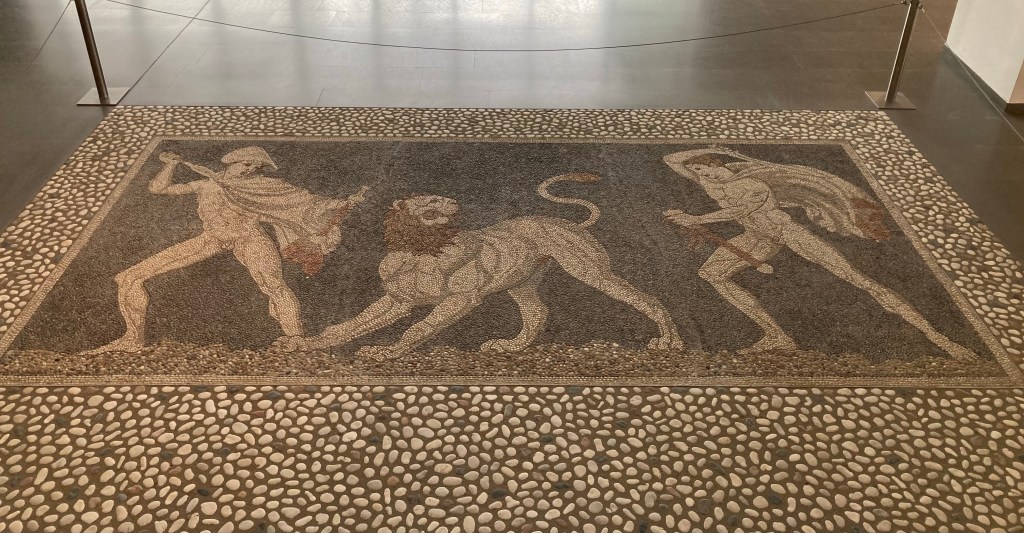
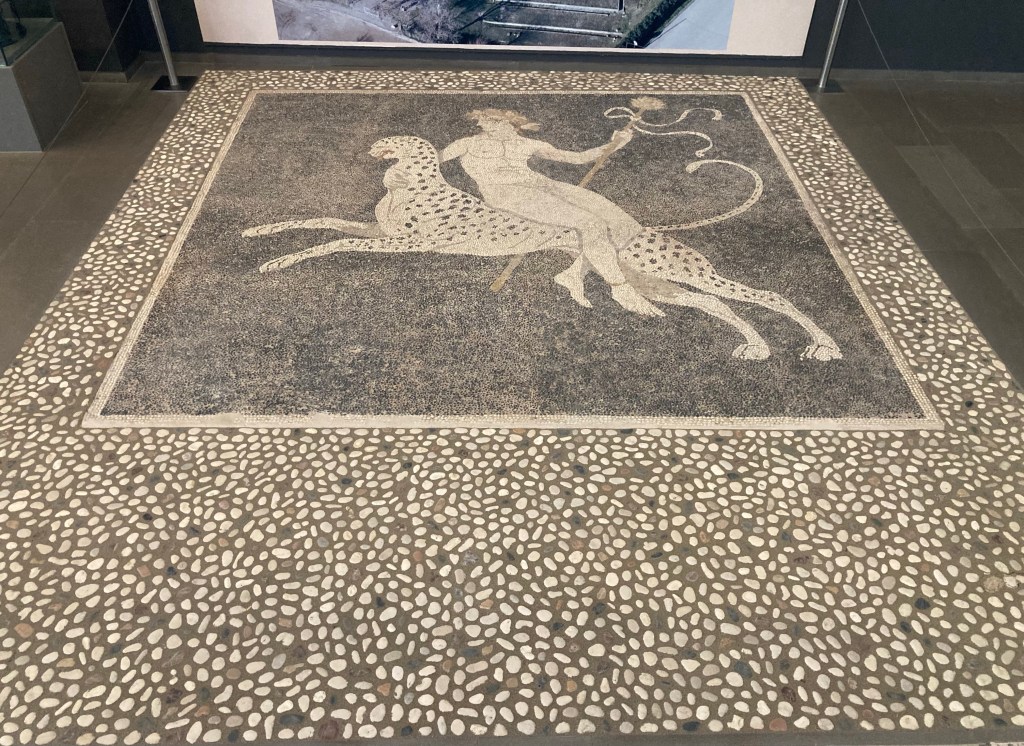
Having learnt about Alexander at Vergina we decided to visit the place of his birth and site of his royal capital at Pella thirty four miles away. The excavations at Pella had revealed the layout of the major buildings of the ancient city which included the commercial centre known as the Agora, key temples and major houses which included large areas of intact mosaic flooring.

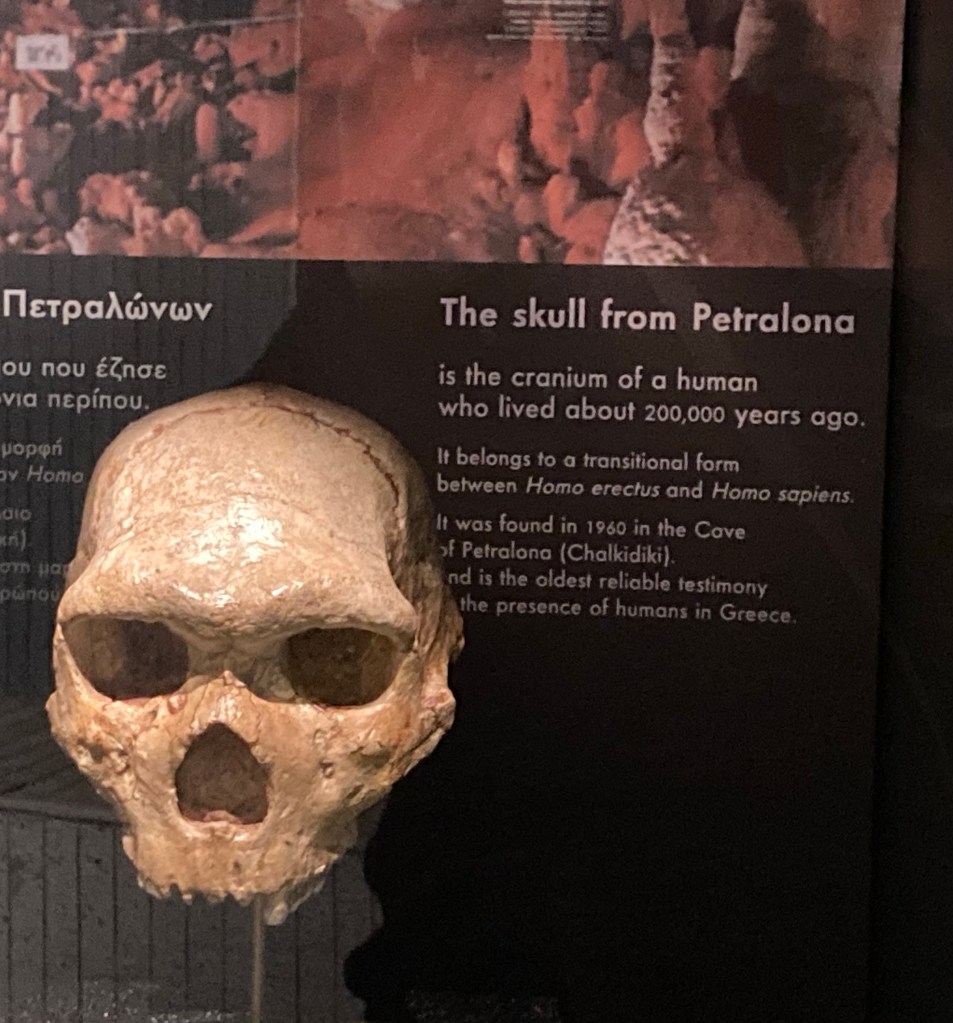
The museum next to the site displayed a wide range of artefacts found within the Pella region.As well as more information on burial rituals and displays showing the typical grave contents.

Northern Greece

Border monastery, ionnina, metsovo and reservoir overnight

Having gone through the most rigorous customs check at the Albanian border since setting off on our travels (which included an X-ray of Vinnie) it was early evening so we decided to overnight in the small town of Kalpaki approx an hour from the border. Before leaving the next morning we took a pleasant walk to a local monastery and then visited the war memorial overlooking the town erected in remembrance of the resistance of the local people against the Italian forces in October/November 1940.

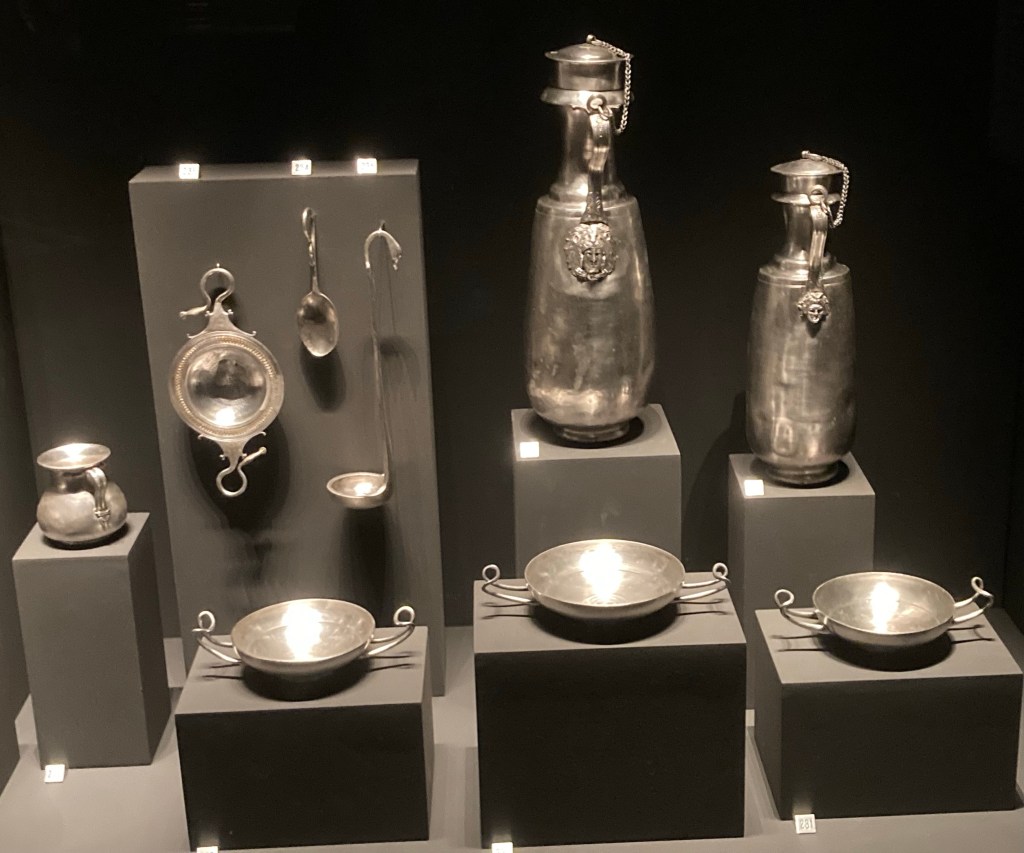
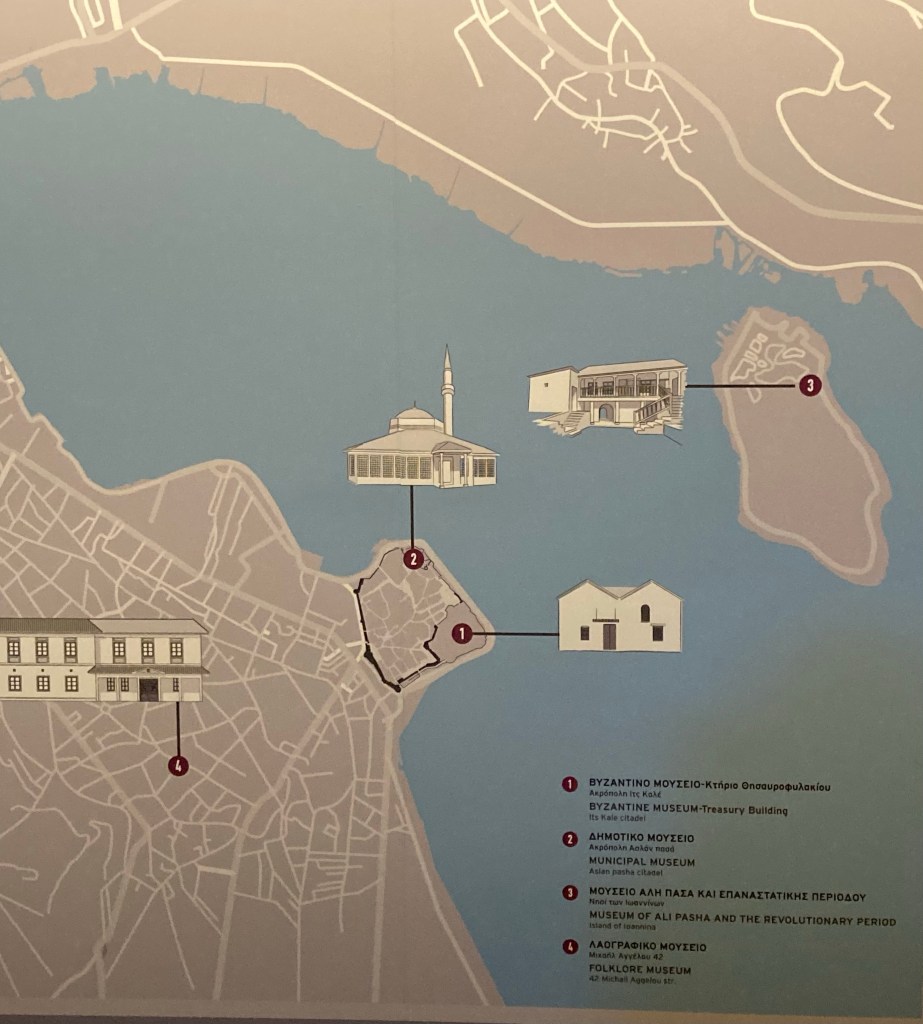
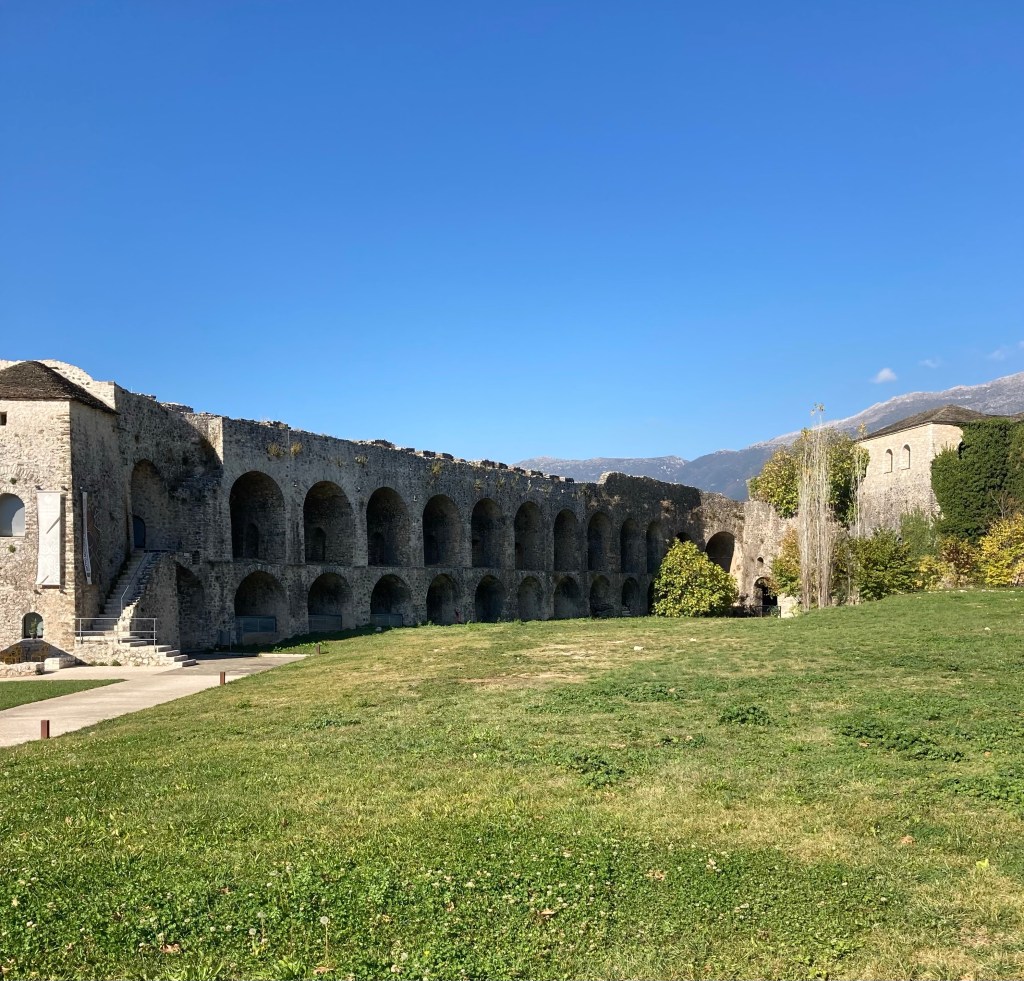
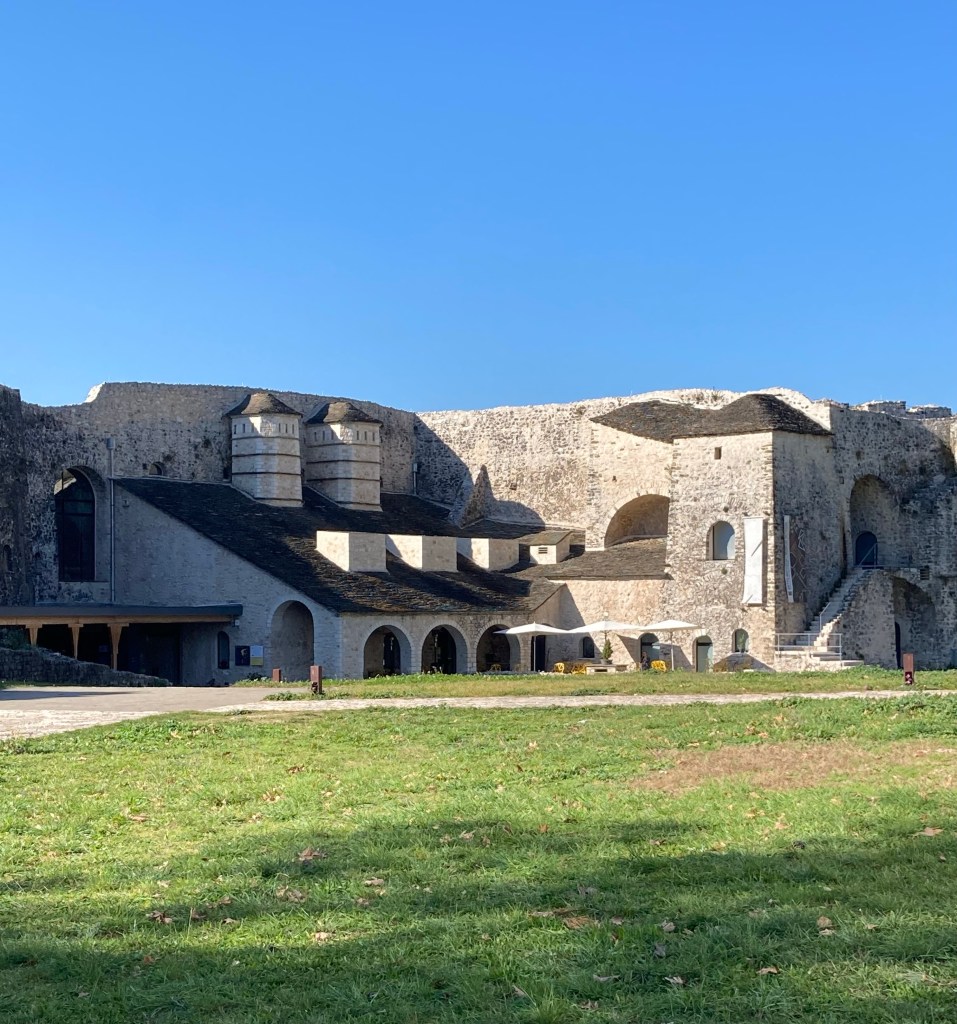
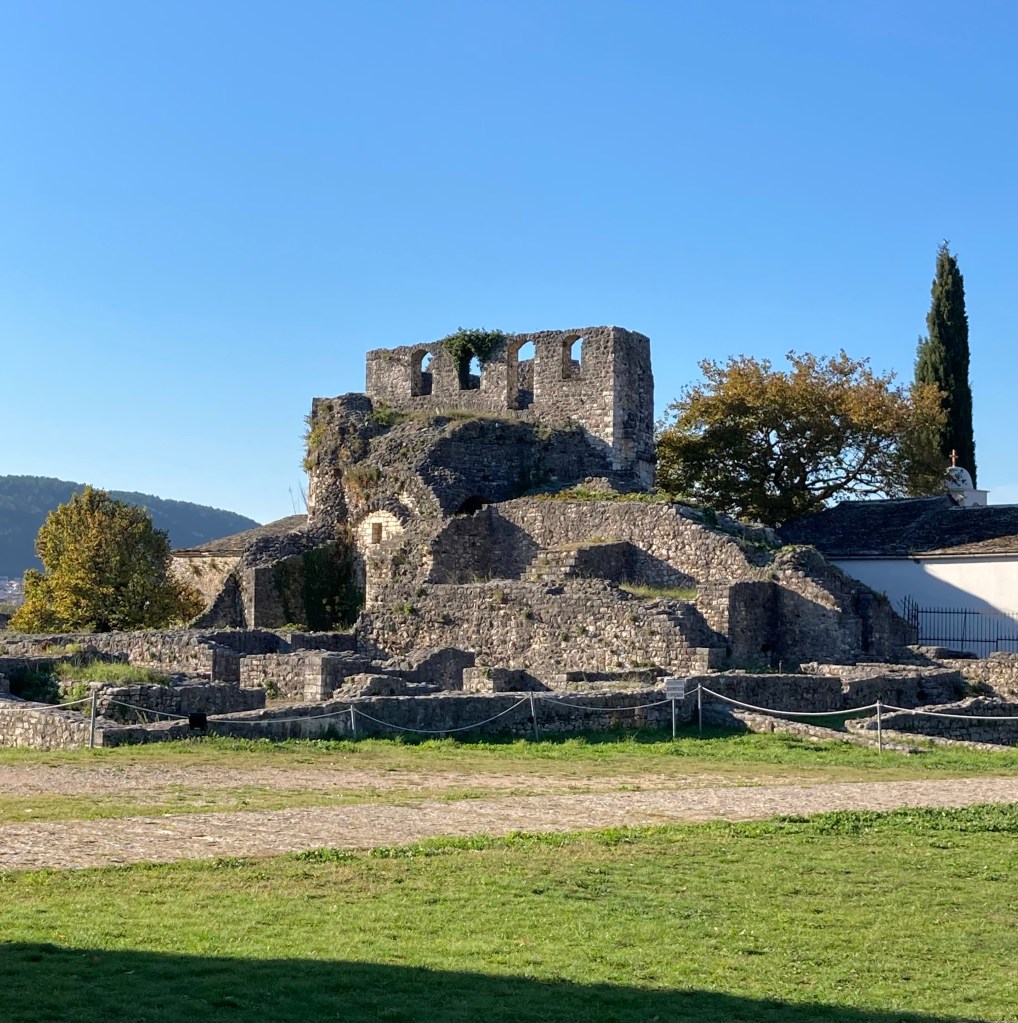
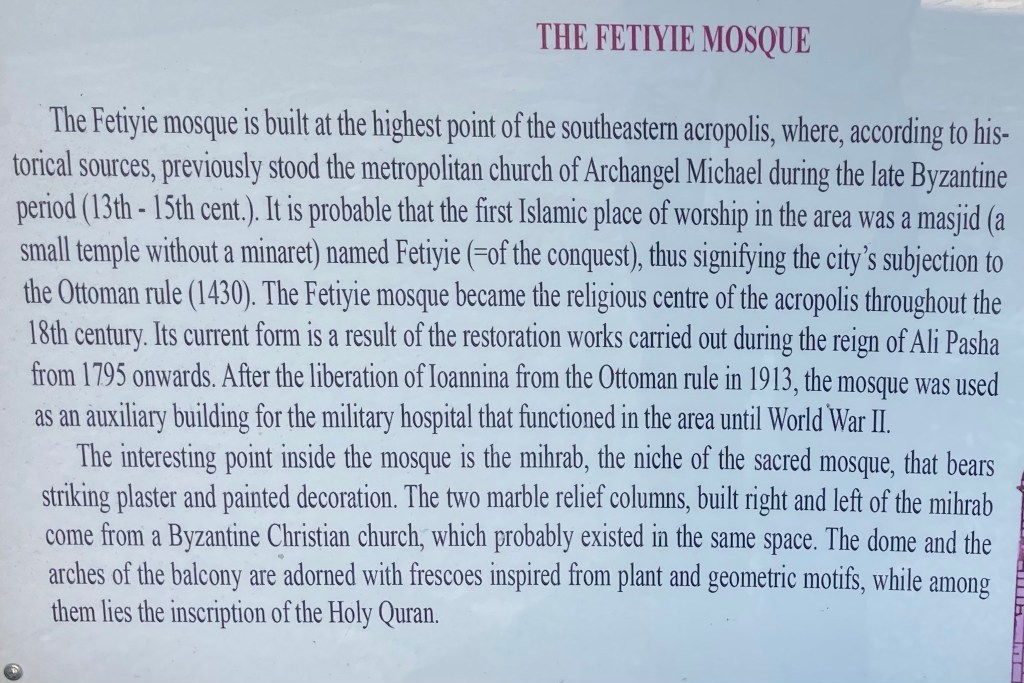
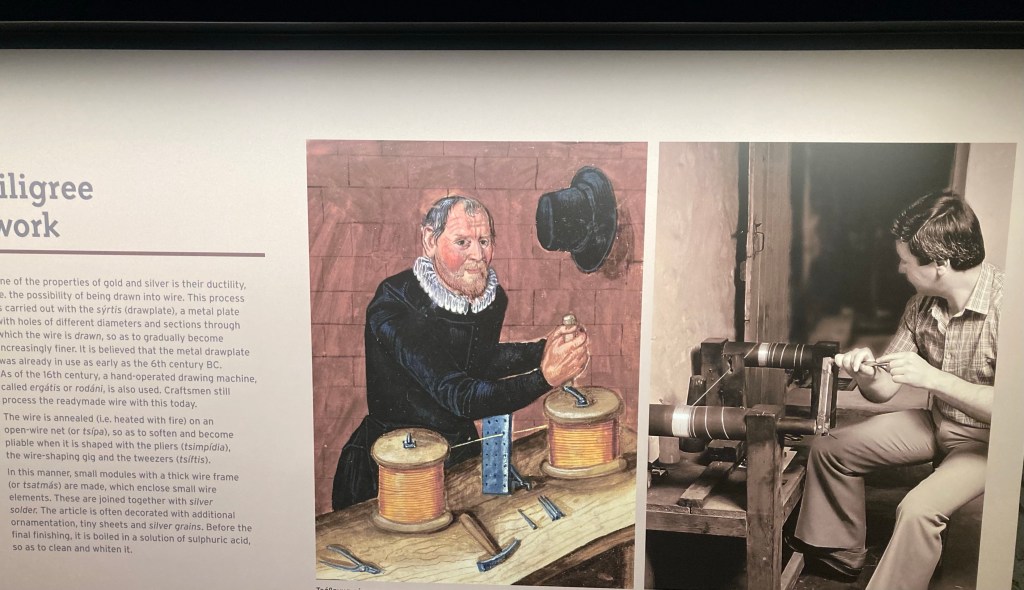
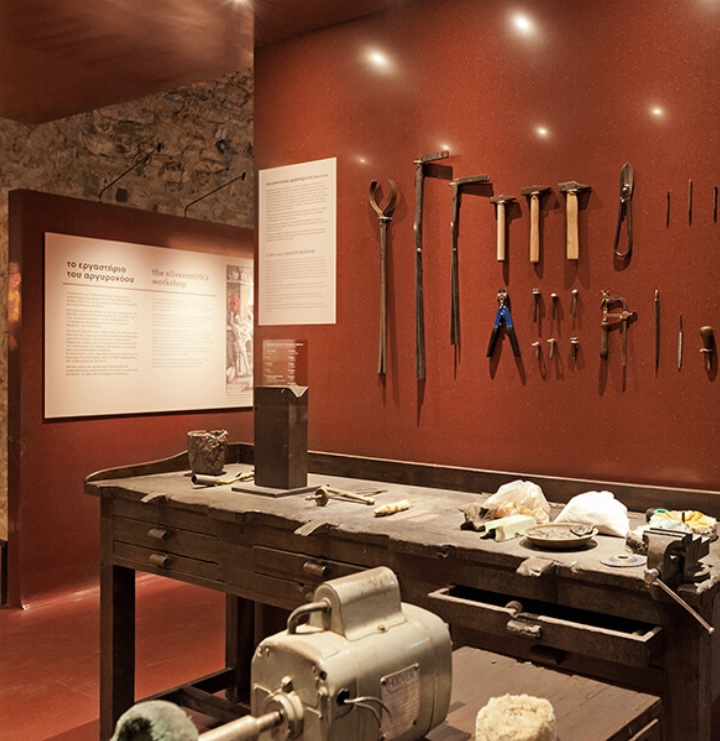
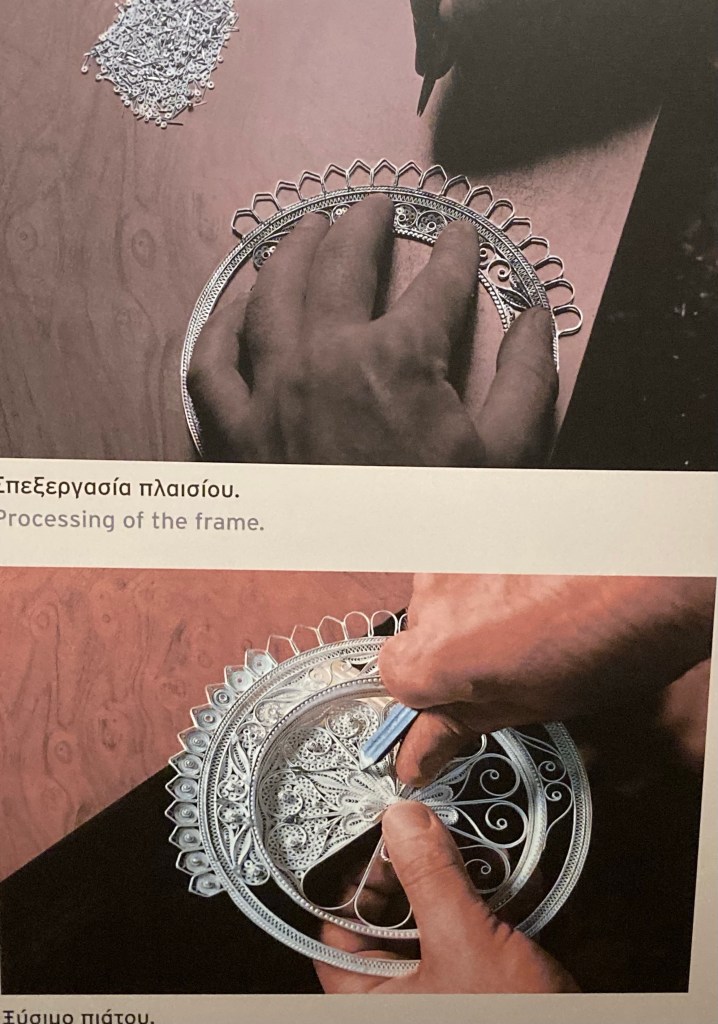
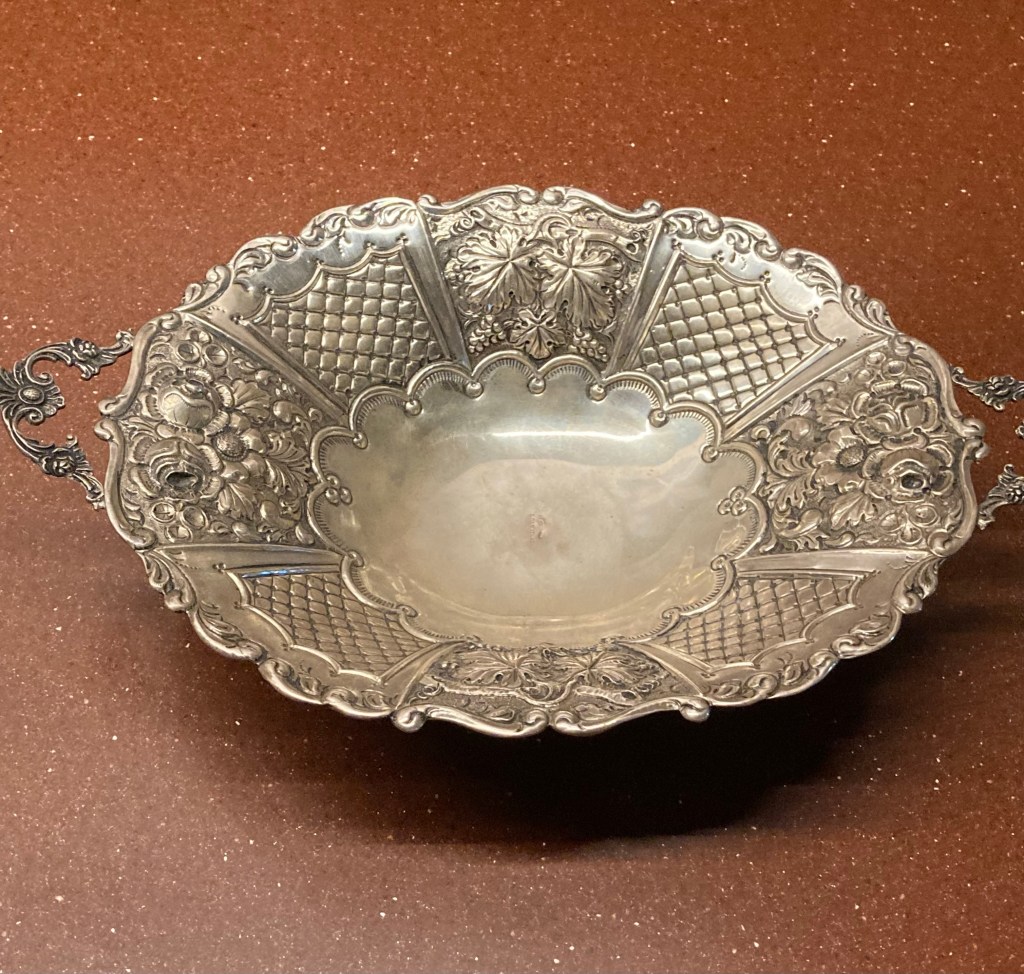
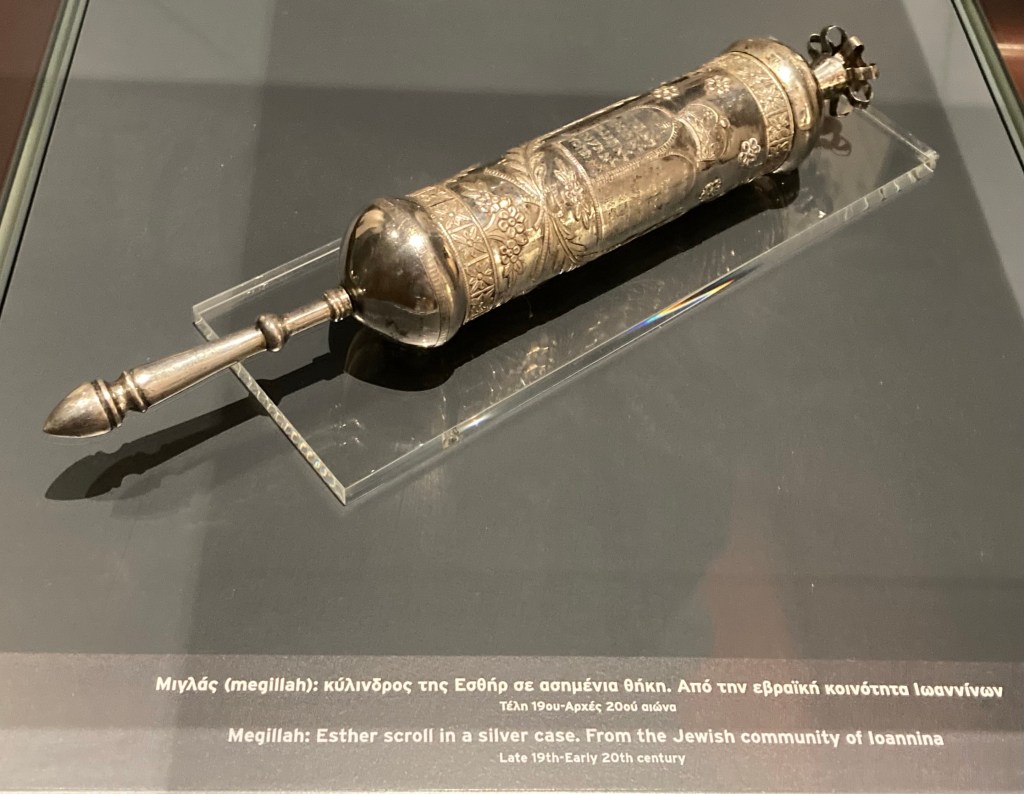
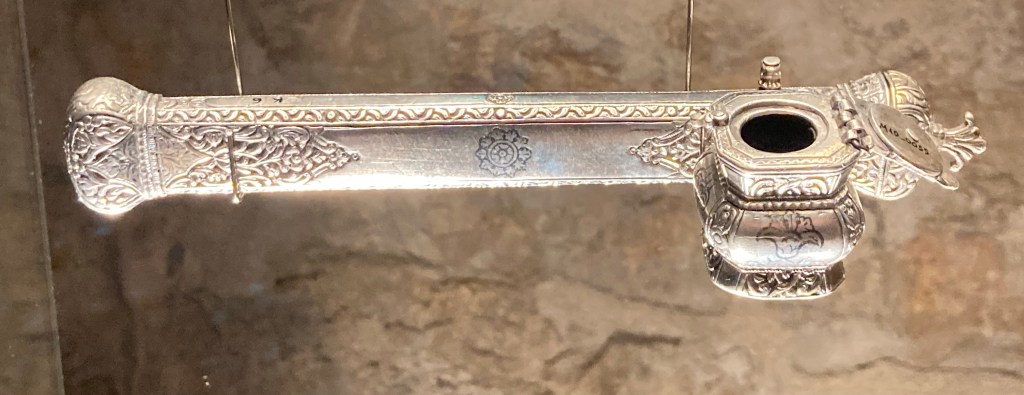
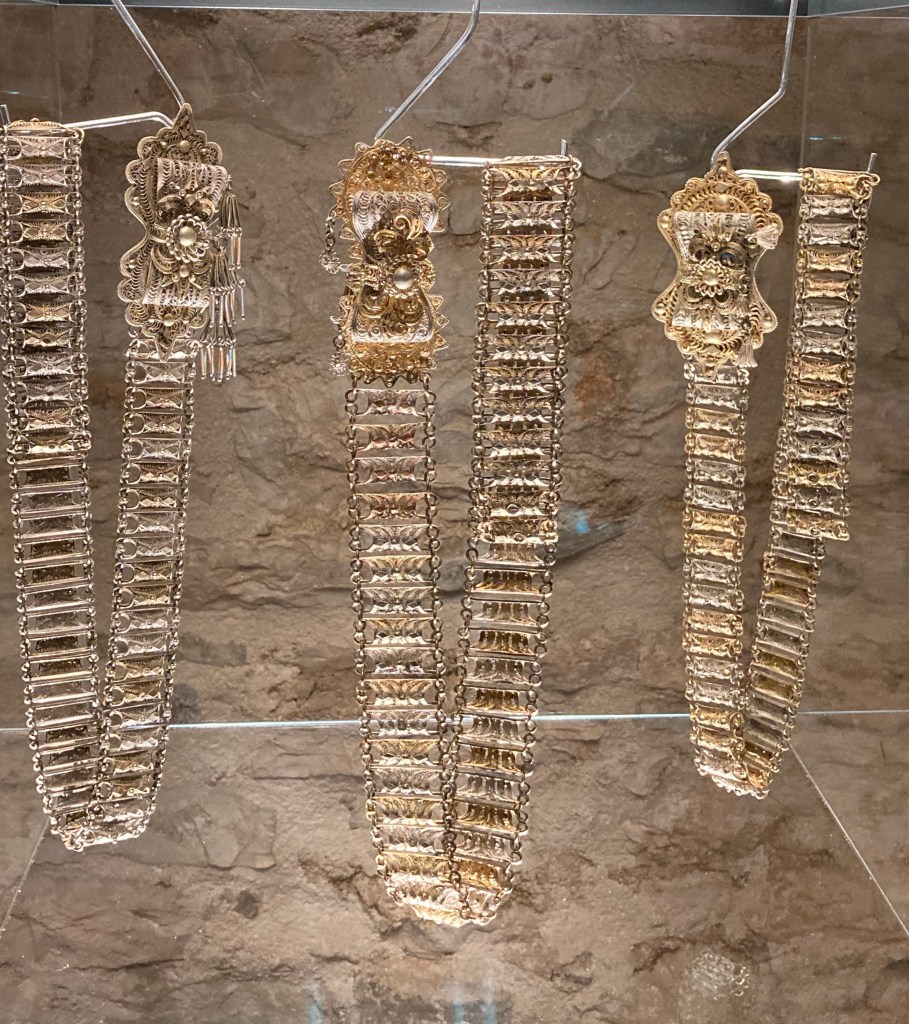
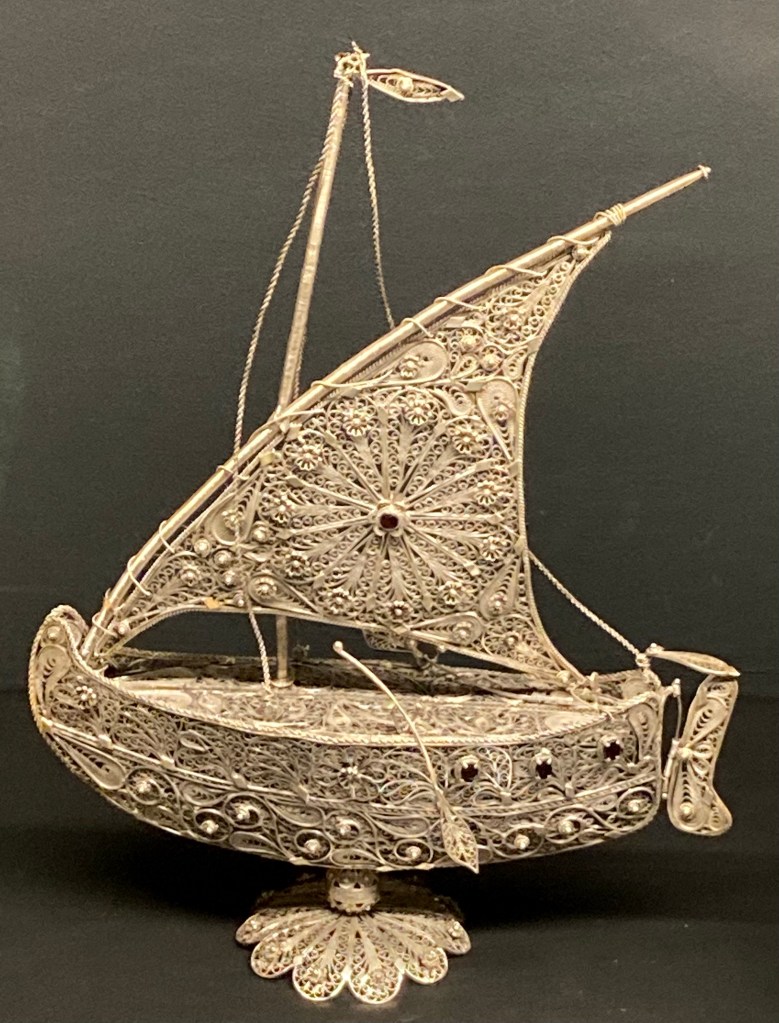
Our next stop took us to Ionnina with its old fortified city containing a number of museums, a mosque and the grave of Ali Pasha who had ruled from Ionnina which in his time had included an area that covered the entire north western part of Greece, southern Albania, Thessaly and the northern parts of the Peloponnese for forty years. His court influenced many leaders of the time including the major figures of the revolution which bought about Greek independence. Arriving late in the day we were unable to visit all the museums but did get to go around the Silver museum which historically had been a school for silversmiths. What made this visit interesting is the museum through it’s exhibits explained the historical development of the methods and tools used in the process of the Silversmiths work alongside some interesting and intricate pieces.

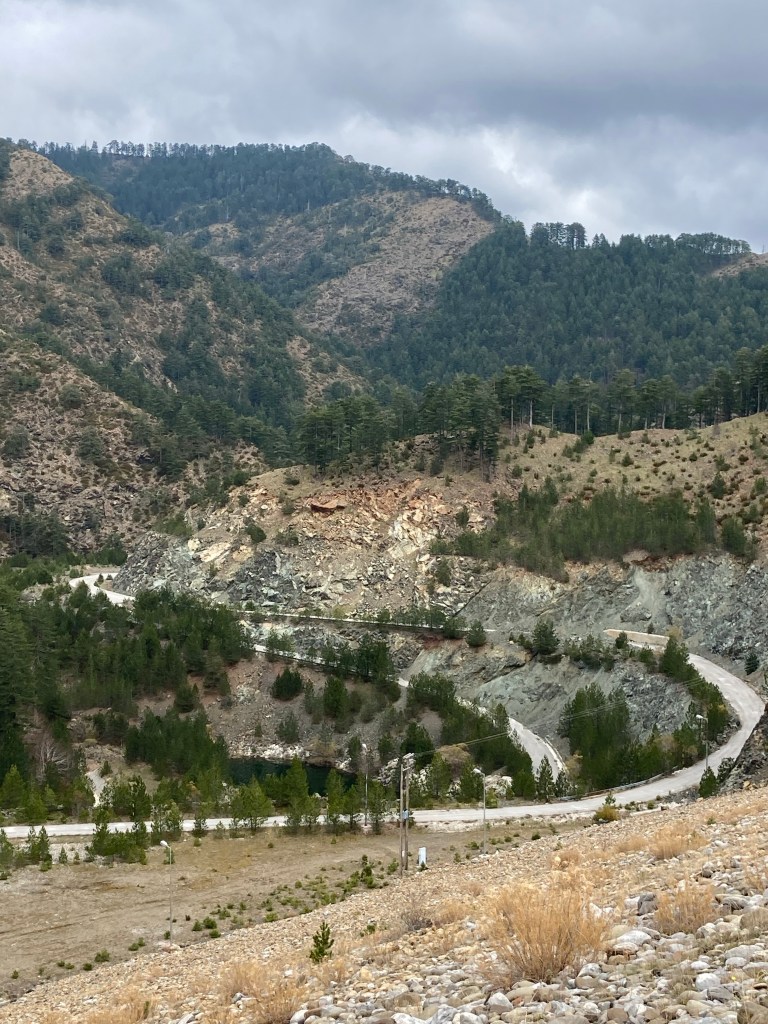
Whilst searching for a stopover we had read a recommendation about a wild camping site high up in the Pindos mountains overlooking a reservoir so decided to investigate and make it our next stop. Our planned route took us via the town of Metsovo which was known for its local cheeses, wine and woodworking and is also a popular winter sports destination. The local population have their own language called Aromanian or Vlach originating from the southern Balkans.

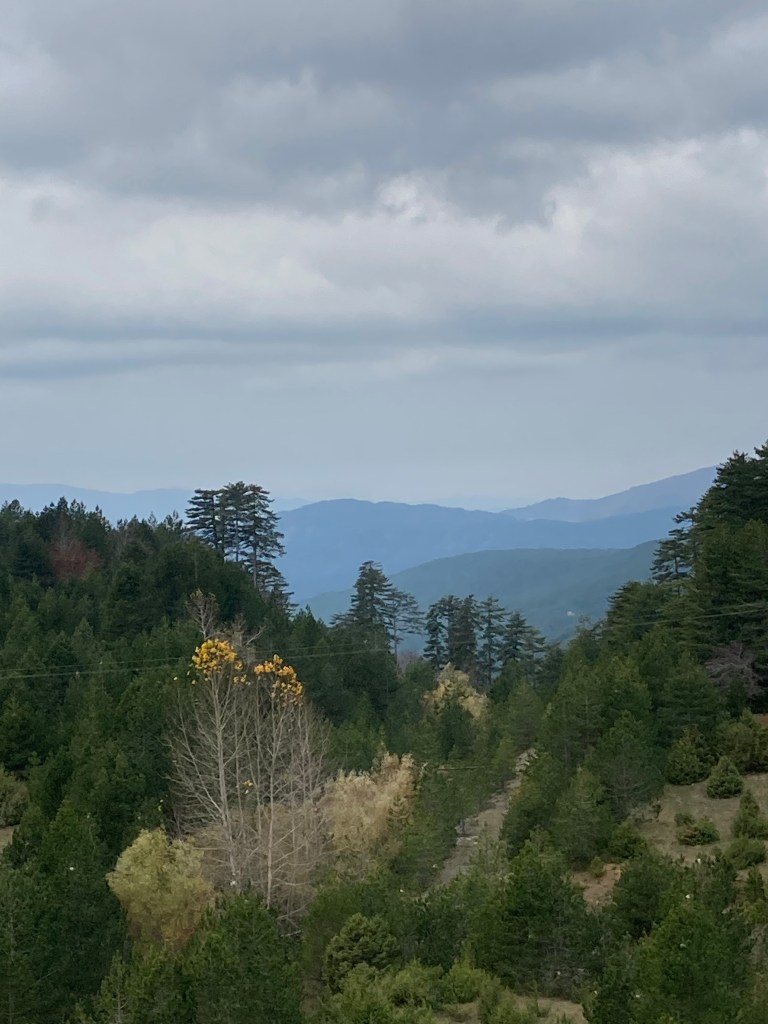
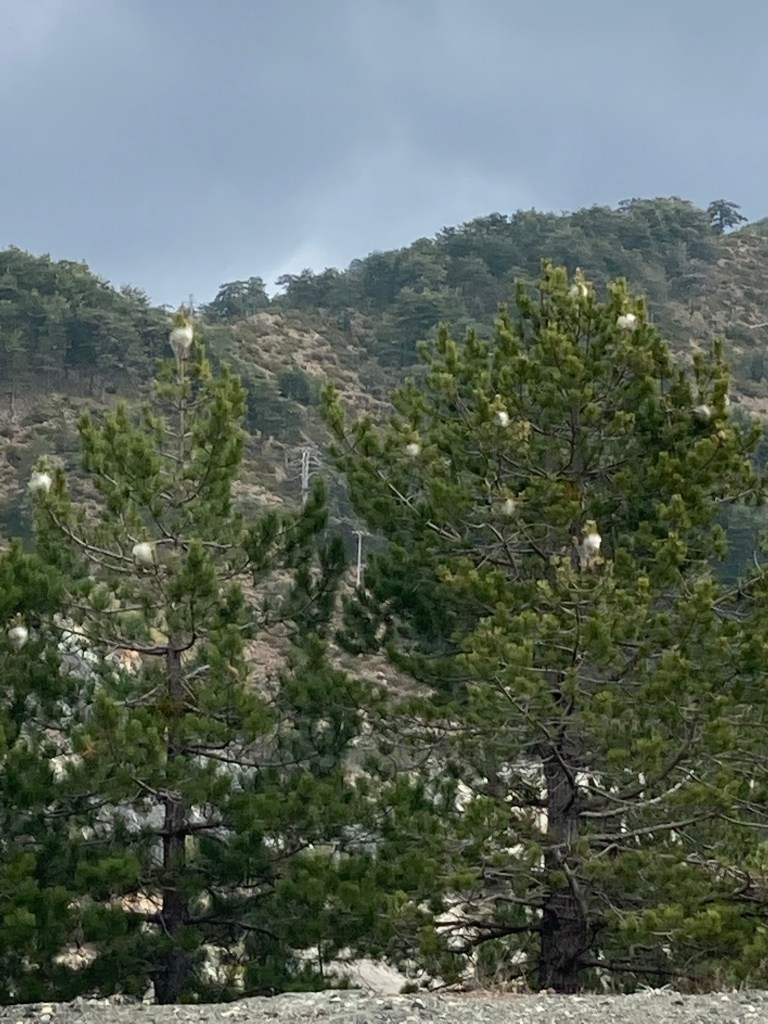
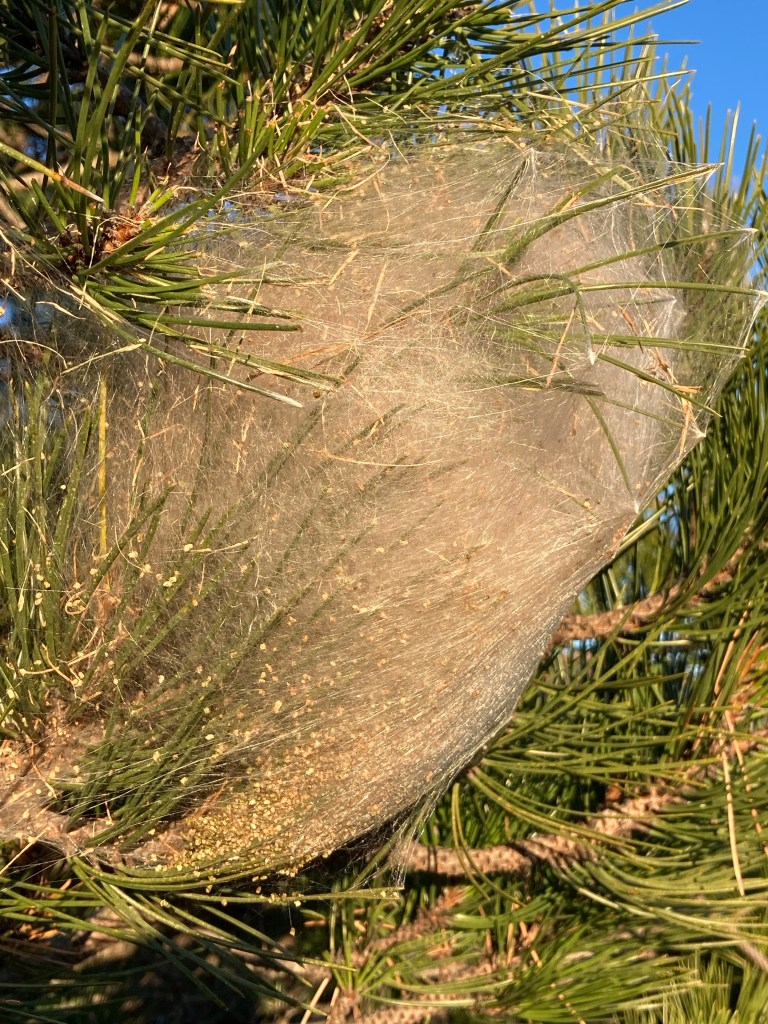
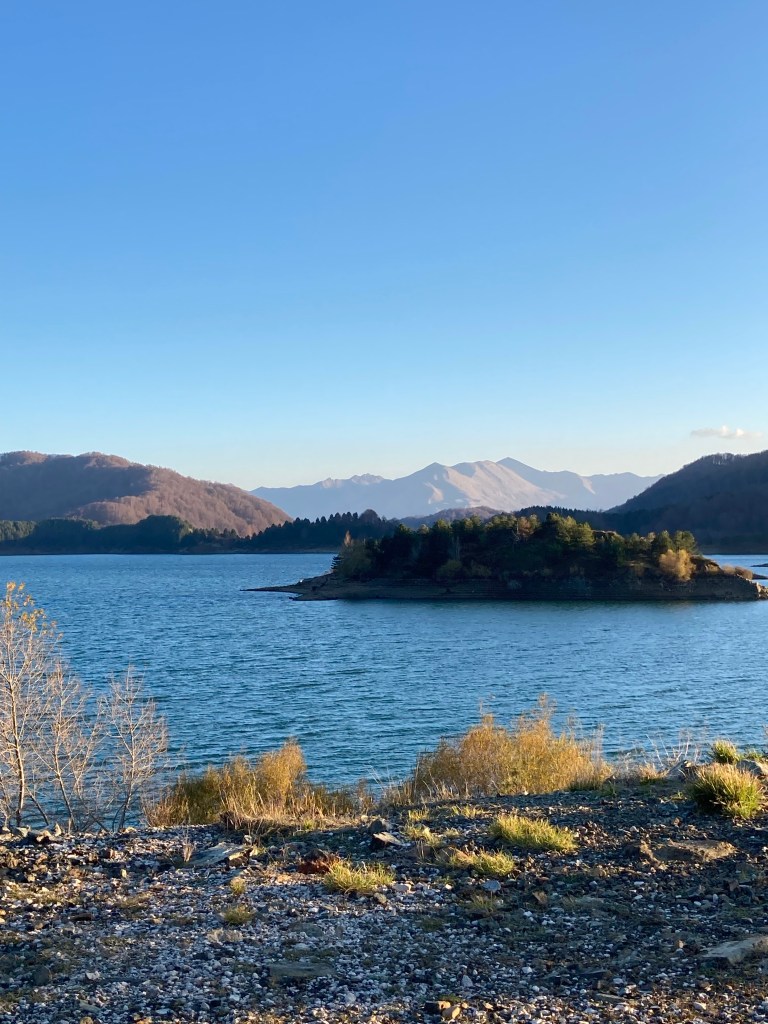
After purchasing a variety of cheeses,wine made in the local monastery and sitting down in the local square for coffee and cake we started the climb upwards to the reservoir. Twisting and winding our way up some very steep mountain roads with spectacular views (which was terrifying for myself as I do not like heights) we suddenly found ourselves on this amazing plateau which contained not only the reservoir, shepherds and their flocks of goats but also acres of market gardening poly tunnels. It was an amazing wild camping night with pitch black dark skies but incredibly cold. My interest was aroused by what looked like large clumps of cotton wool on the tips of some of the surrounding conifers, on investigation it turned out to be massive webs of either some giant spider or an insect of unknown origin. On our way back across the plateau we stopped to say hello to a local shepherd who spoke a little English and who’s main thread of conversation was Boris Johnson! Whom he appeared to find exceedingly amusing.

Goodbye Croatia

Our final destination was Dubrovnik having paid a fleeting visit to Split. The intention as we made our journey from Zadar to the Montenegro border was to spend a few days in and around both these towns enjoying their history as fortified old towns

Split in reality was built at the turn of the 4th century AD as the retirement palace of the Roman Emporer Diocletian, not as a conventional palace as its area was large enough to house a small community and military garrison. But it’s recent history as a venue for the blockbuster TV drama Game of Thrones has resulted in an over commercialism of the old town with the majority of shops becoming GoT merchandise venues turning it into a themed shopping mall.

Walking in to the old town of Split we found the narrow streets far to crowded for our liking and the historical area lost behind restaurants and market stalls, deciding this was not for us we abandoned Split and continued on our way.

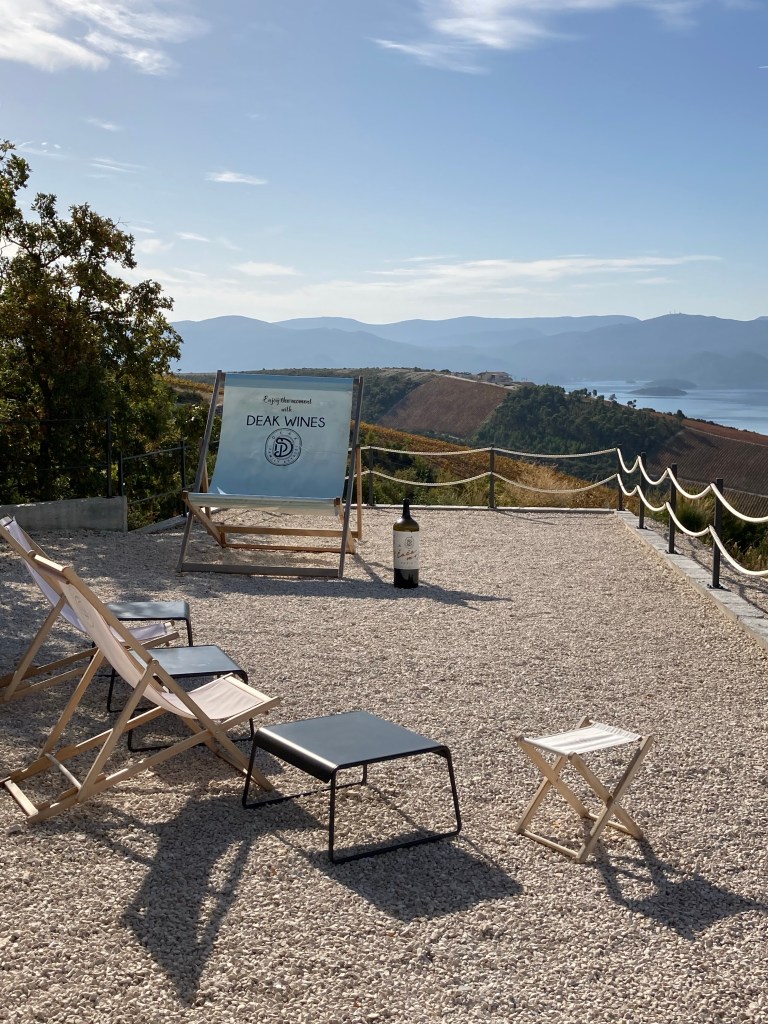
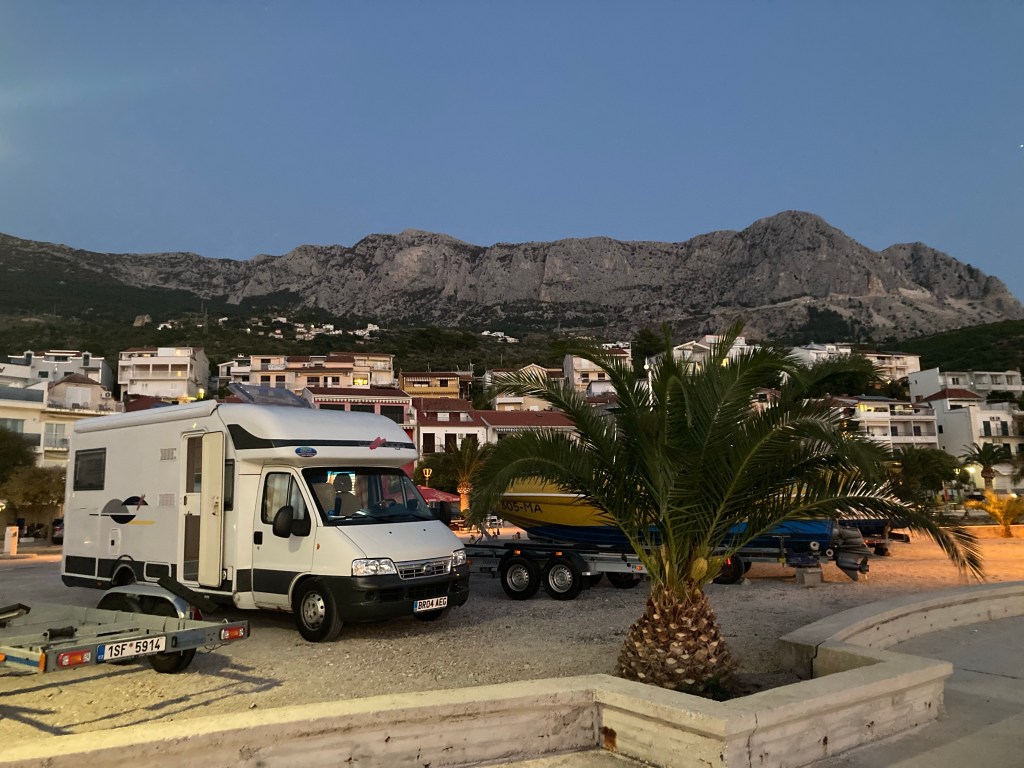
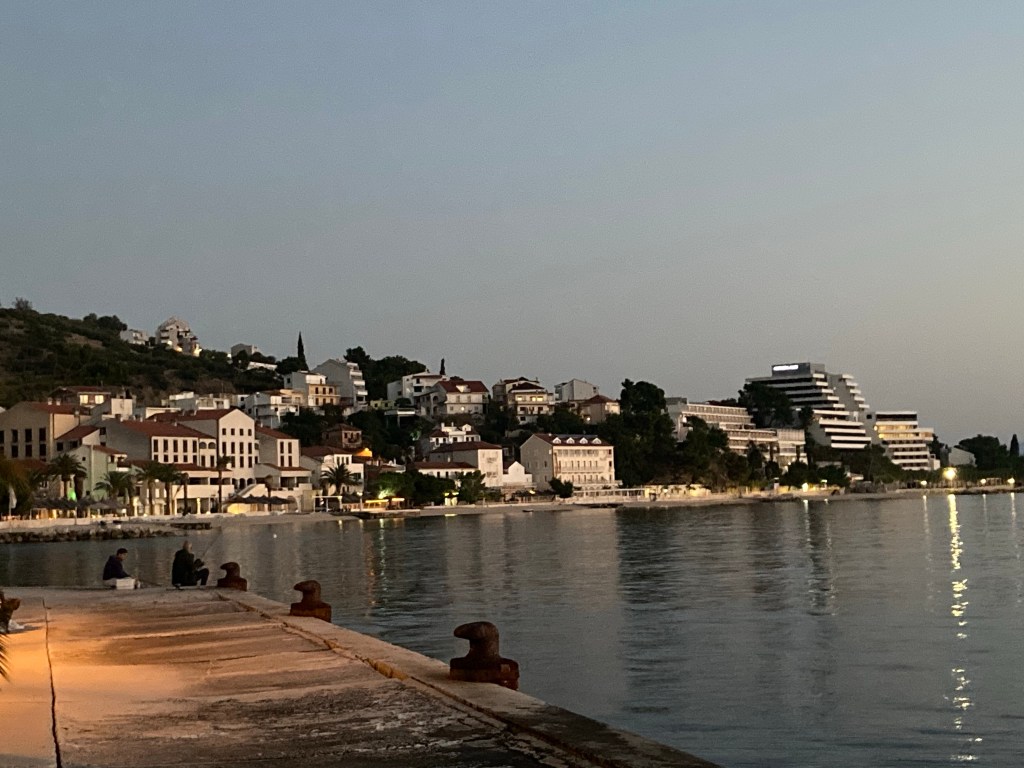
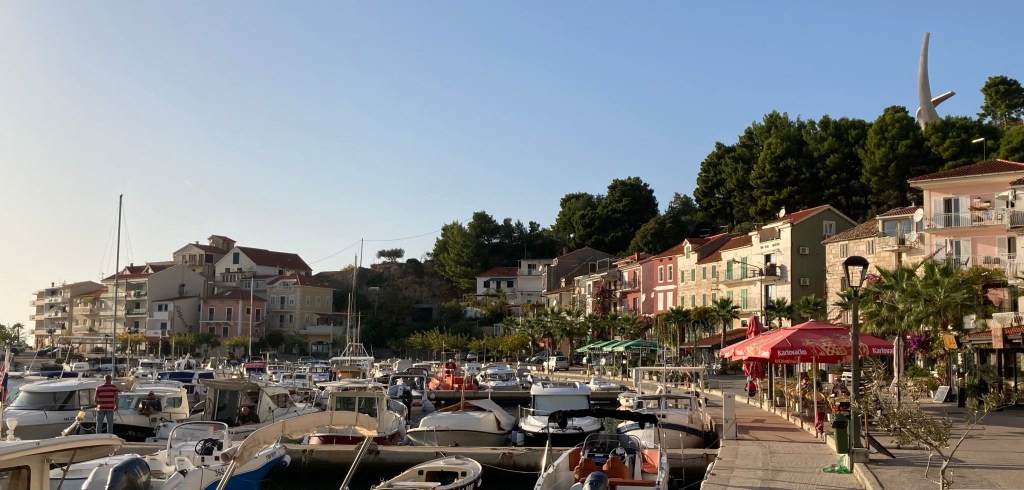
Driving down the scenic coastal road we came across a small wine tasting bar so obviously had to pull in for a taster or two. Continuing on our way three samples later we came across a small bay with a harbour and a couple of hotels at one end. Driving down into the village centre we found a free parking site adjacent the working harbour perfect for a couple of nights wild camping

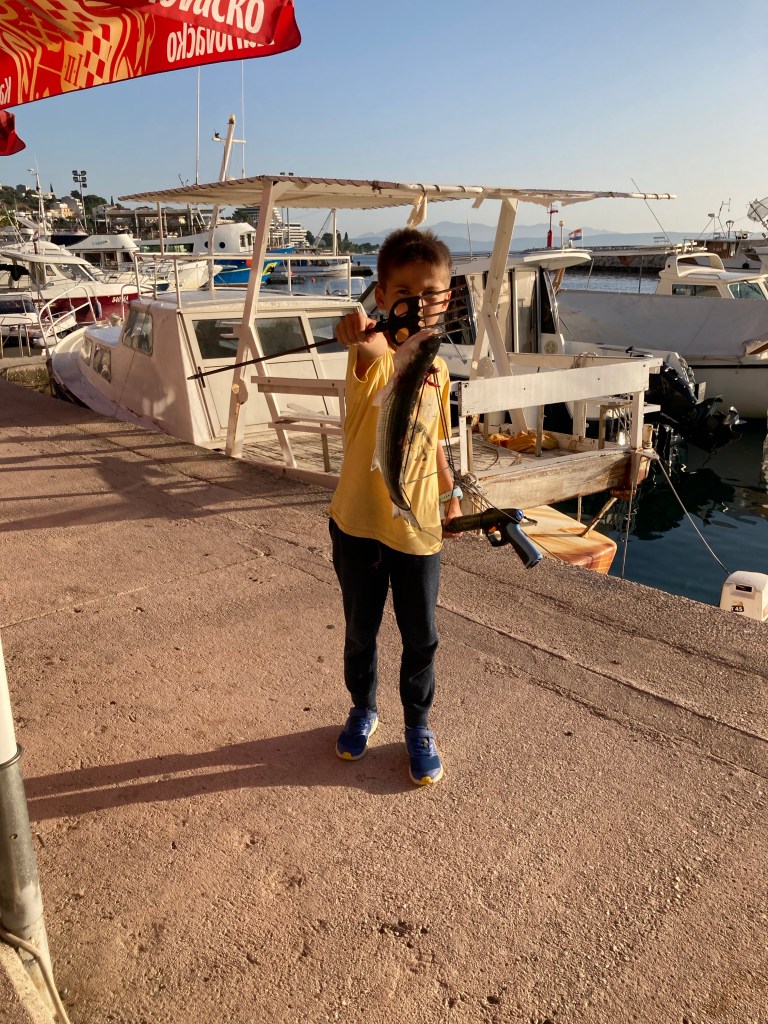
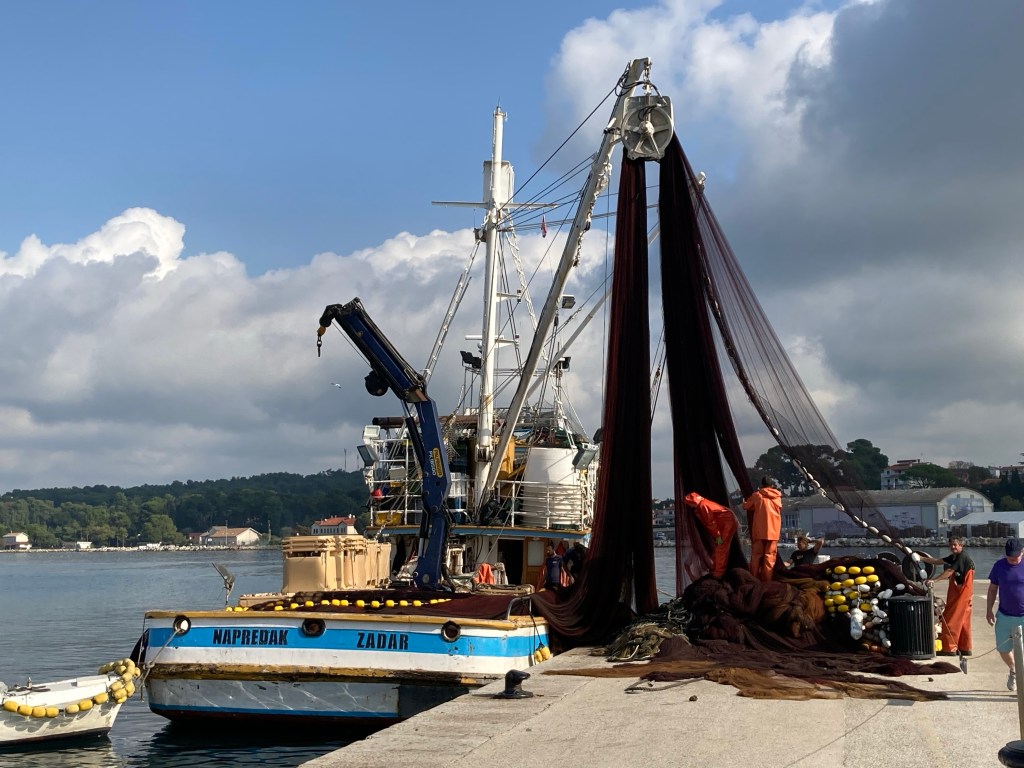
Our first night was spent with a drink at a harbour bar where locals were gathering before they set off to do their evening fishing. As we sat having our drinks a young lad came walking past our table speargun in hand. Within minutes he was back showing his grandad his prize catch. The next day we walked the length of the bay and around a headland into a picturesque collection of seafront houses before returning for a fish lunch and an afternoon on the beach. This time in Podgora was one of our best memories of Croatia.

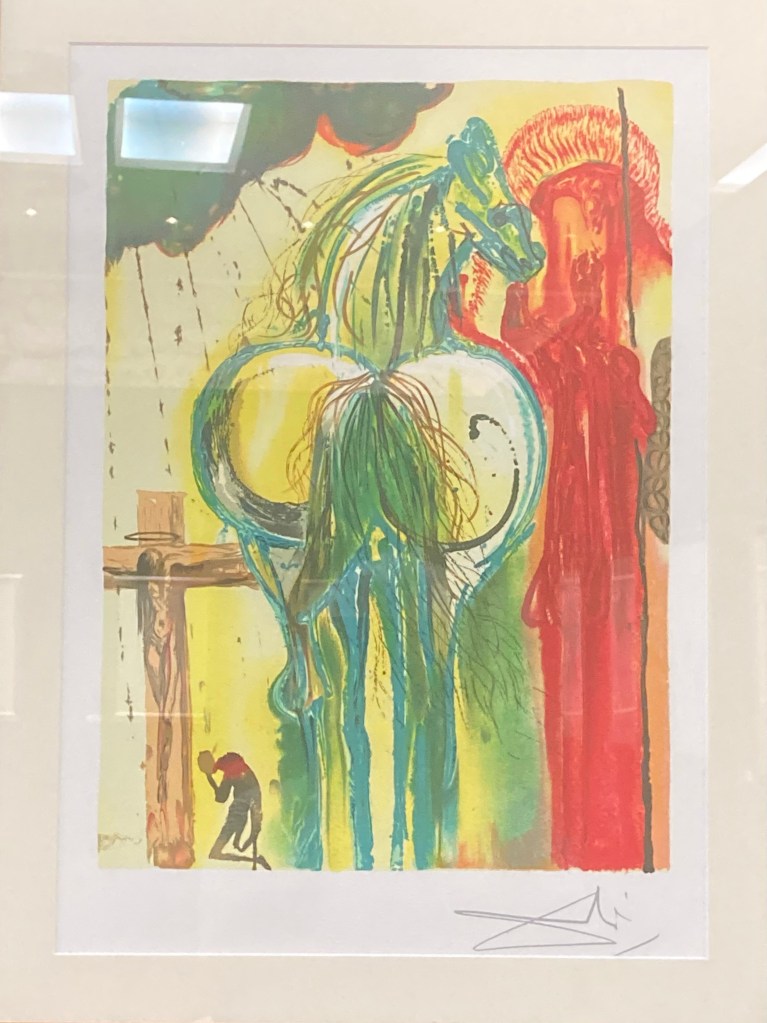
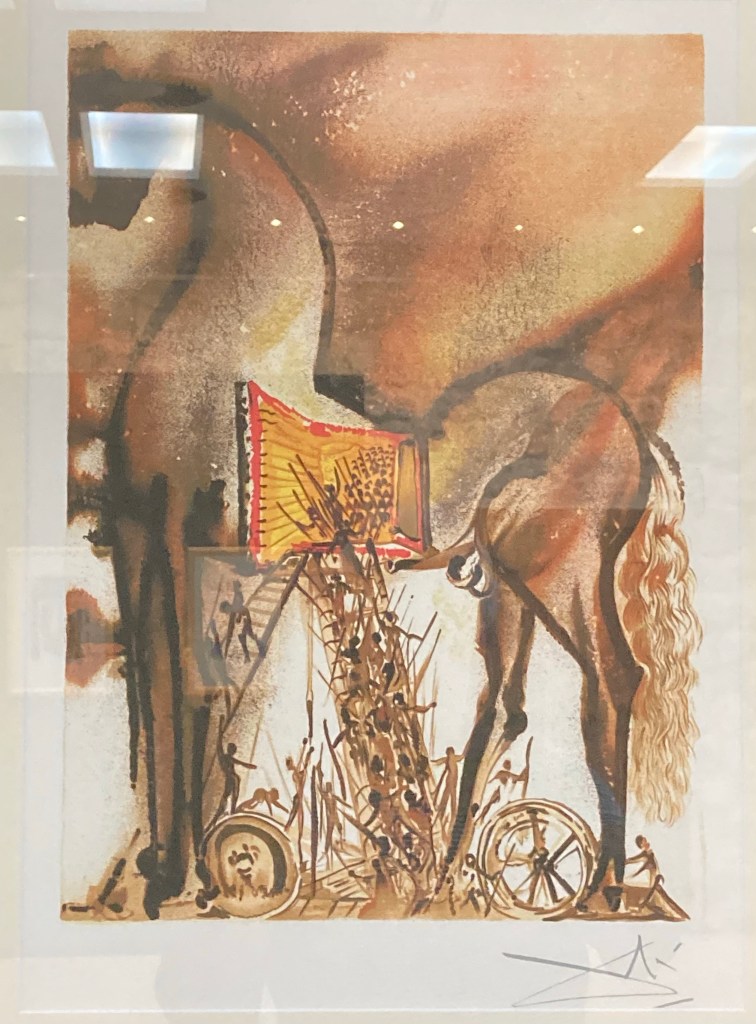
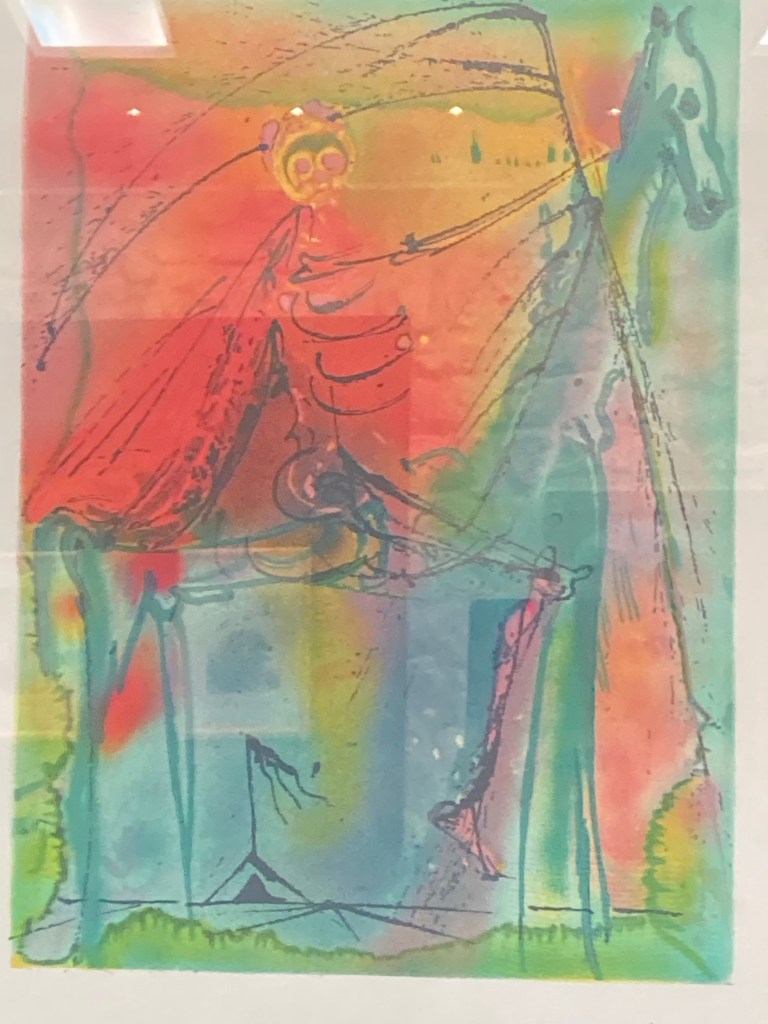
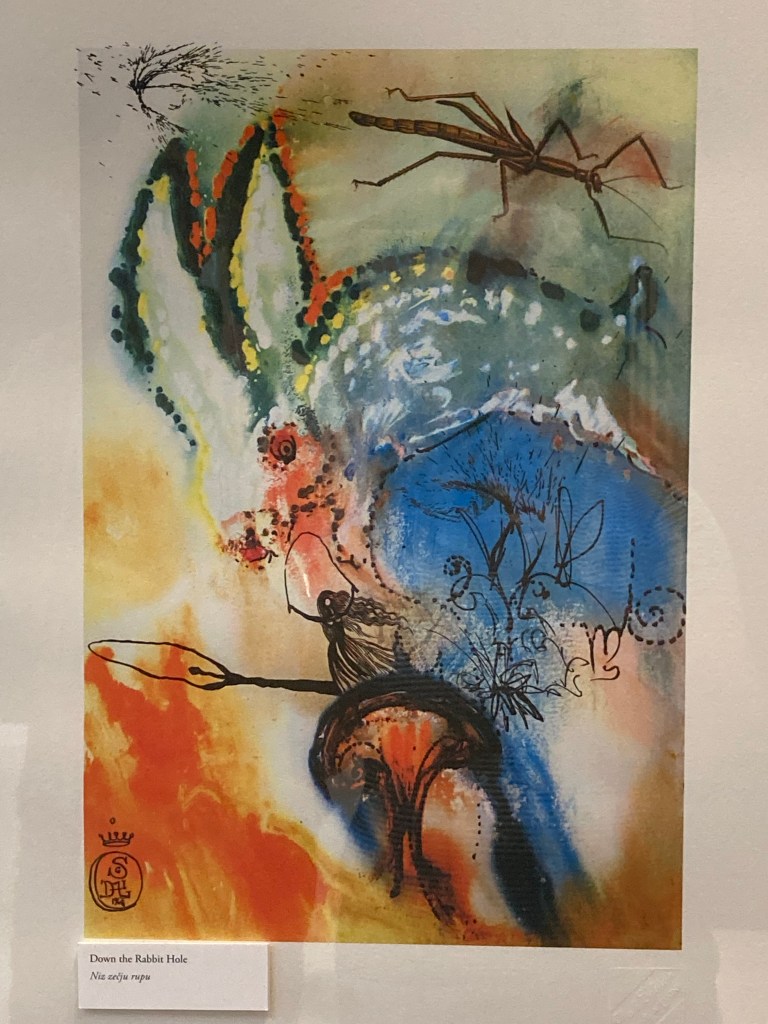
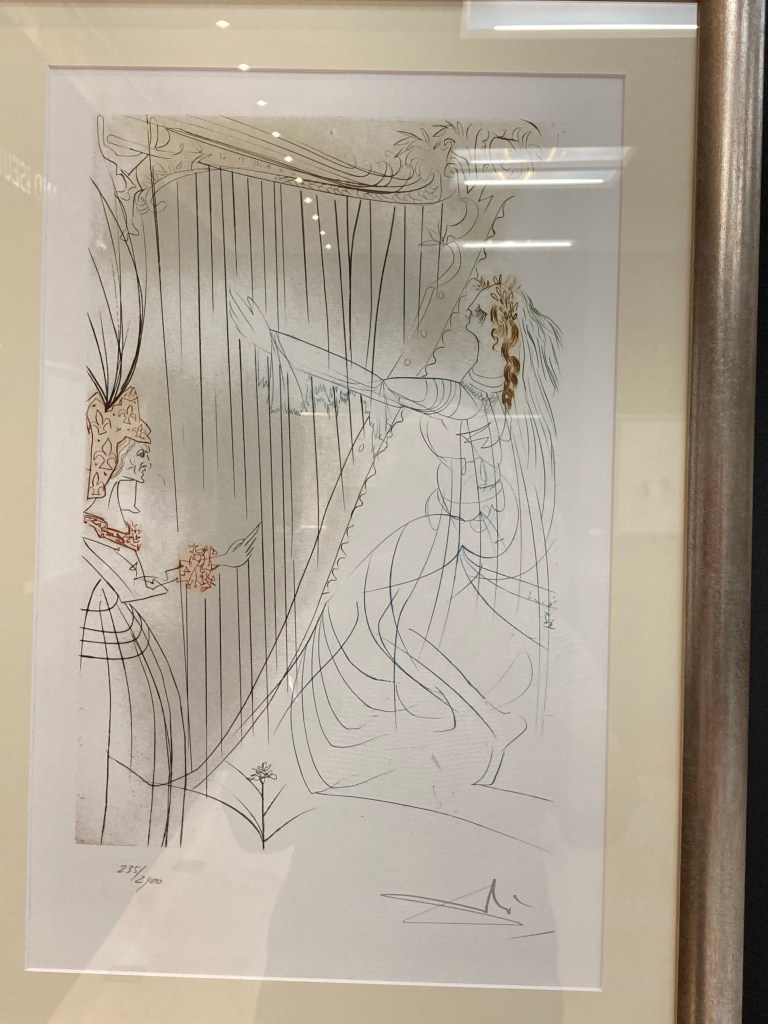
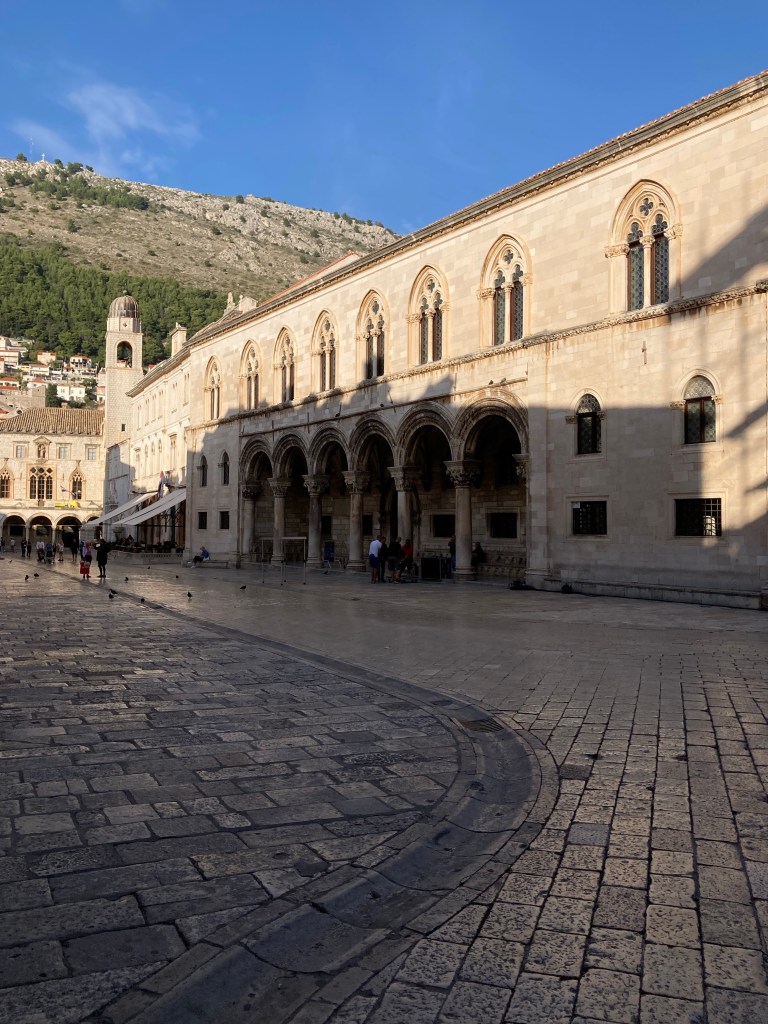
The old city of Dubrovnik is a fully intact walled town. Entering through the main gate you come upon a large plaza with a central fountain leading to a wide limestone paved avenue with typical narrower side streets on both sides. In the entrance area we were pleasantly surprised to come upon an exhibition of some of Salvador Dali’s work.

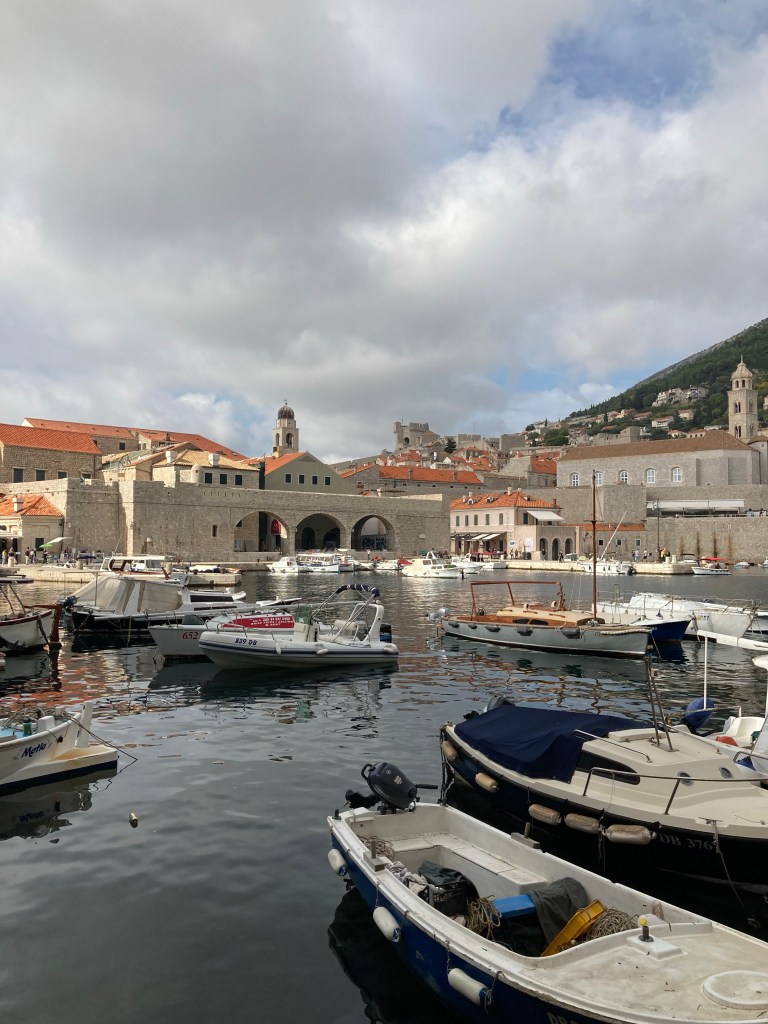
Dubrovnik like Split was also a major location venue for the Game of Thrones and yet the GoT commercial ventures was a small part of what the town had to offer making it a more pleasant experience. At the far end of town from the entrance was an Archway leading to the protected harbour

A Pathway through to Greece

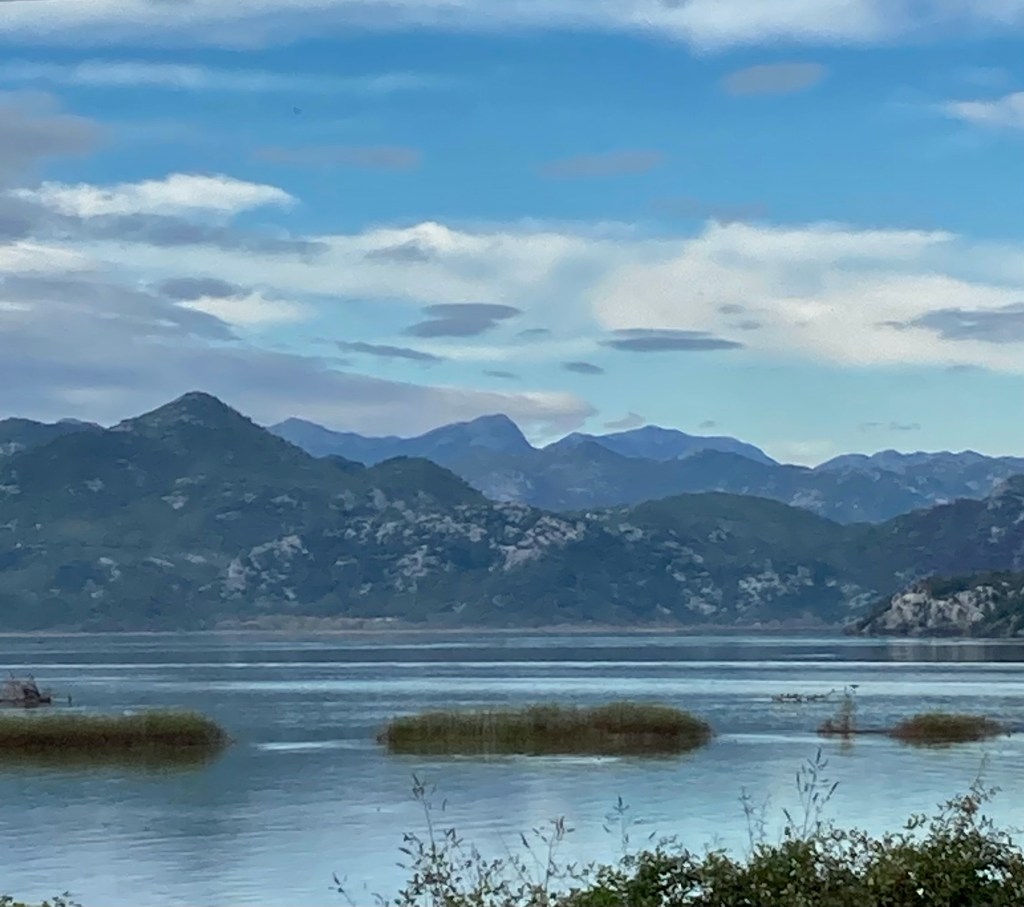
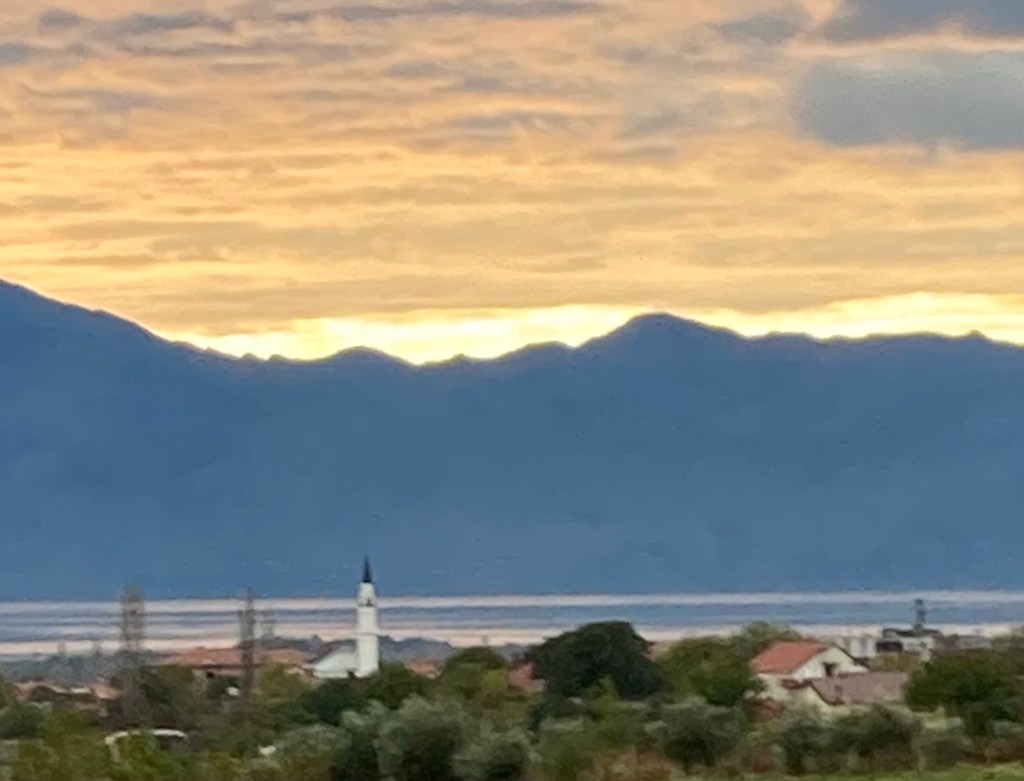
Montenegro greeted us with a severe weather warning and boy did we have a thunder and lightning spectacular throughout the night followed by a day of rain,.Greeted the next day by bright sunshine we hoped to enjoy a day birdwatching around lake Shkoder National park area sadly driving around the lake we could see no obvious footpaths. The border with Albania runs through the lake so being that close to the border we decided to cross and see if we would fair better on the Albanian side, however it soon became clear that we would need to hire a boat if we wanted to see any wildlife and being out of season that was not going to be easy so gave it up as a bad idea.

On a personal note we found driving through Albania very frustrating, the main road networks are in poor condition and local side roads are nothing but potholed dirt tracks. The lack of road sense by both drivers and pedestrians adds to the difficulty of a safe journey. The places of interest and historical sites seemed to have been consumed by the sprawl of locations getting bigger resulting in chaos around markets and shops with poor street parking making access in a motorhome difficult at best and otherwise impossible

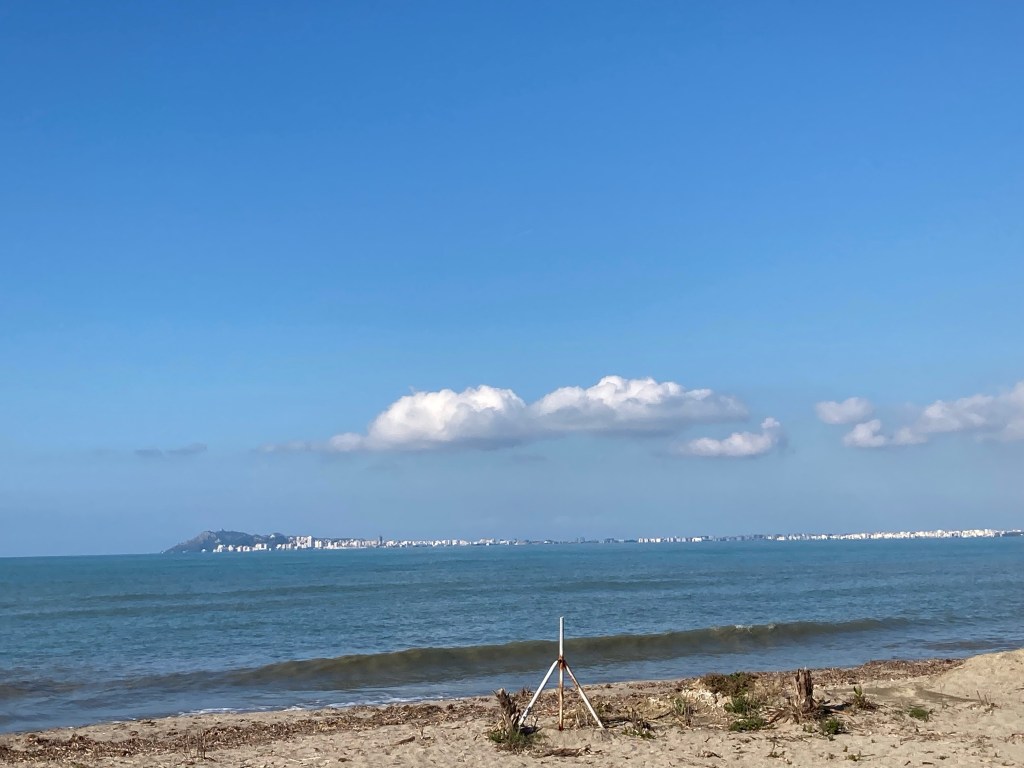
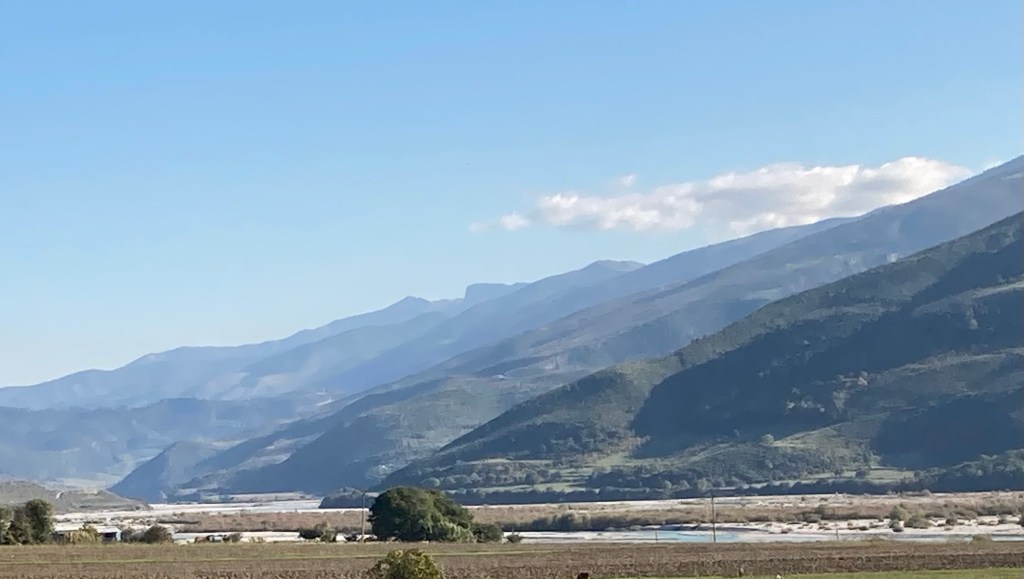
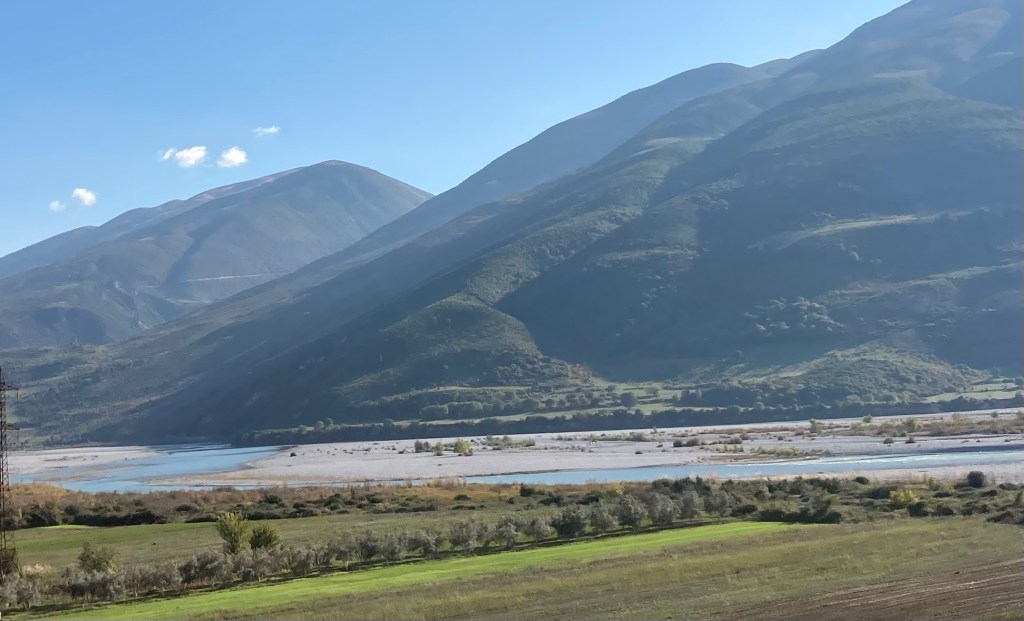
Albania as a country has so much to offer. The potential activities range from the miles of beach front and clear turquoise waters on the Adriatic coast, large areas of wilderness in the form of lakes, forests and coastal wetlands teaming with wildlife from bears, wolves, large wild cats pelicans and migratory flocks of birds, mountain ranges running the length of the country soaring skywards, not quite as tall or dramatic as the Alps but daunting and a challenge for any climber or hiker and wide rivers in the south with clear mountain water flowing deep after rains and full of trout that the fly fishing community would adopt immediately.

We appreciate their entry into the modern world is as recent as the late 1990s and adjustment takes time hopefully they can learn from the development mistakes of others where locations have been spoilt like Budva in Montenegro and Split in Croatia. Our final comment is that Albania is worth experiencing but is for travellers not holidaymakers at present.
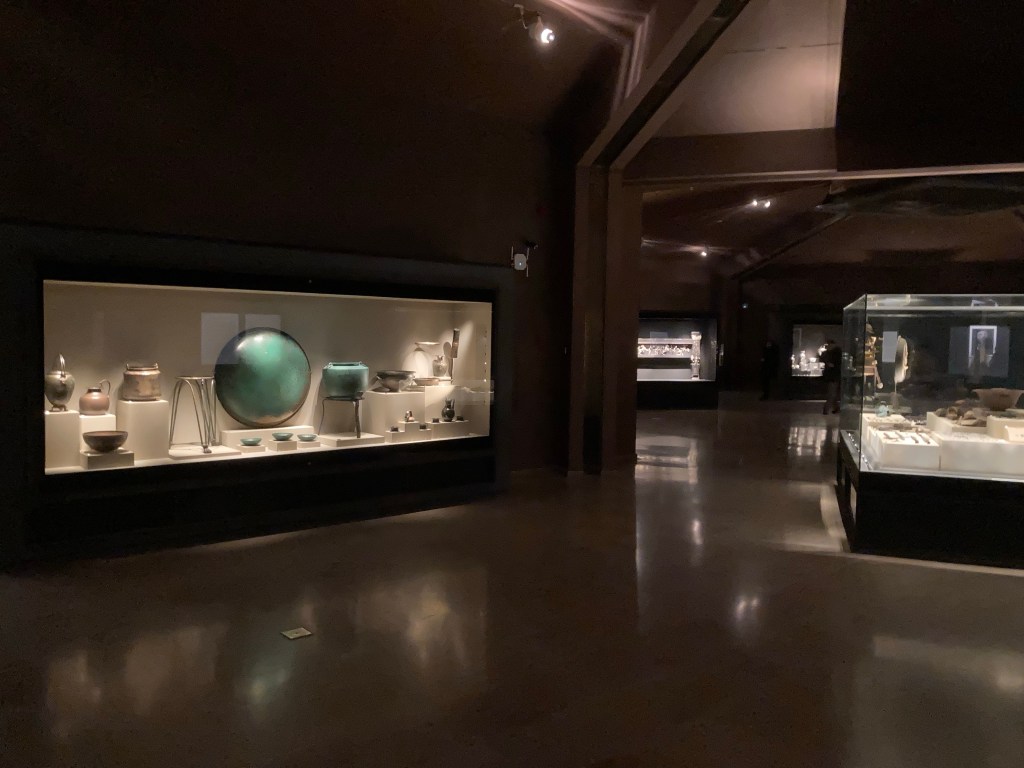
Zadar

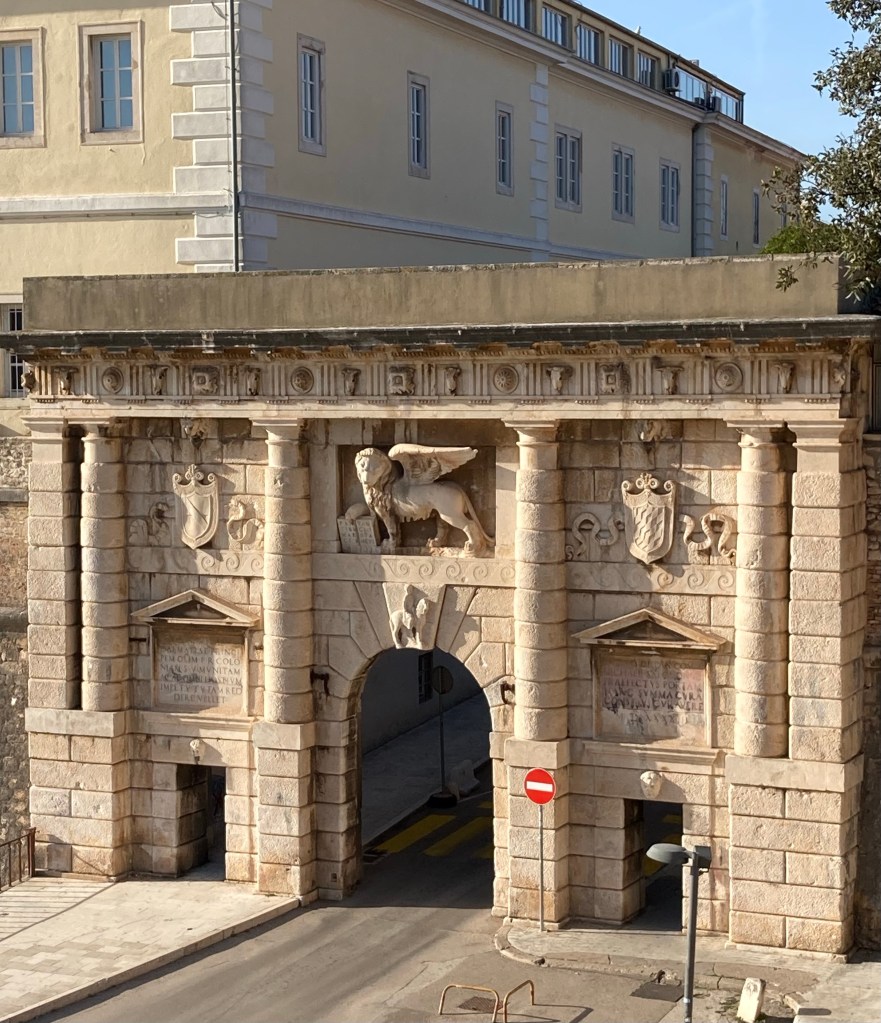
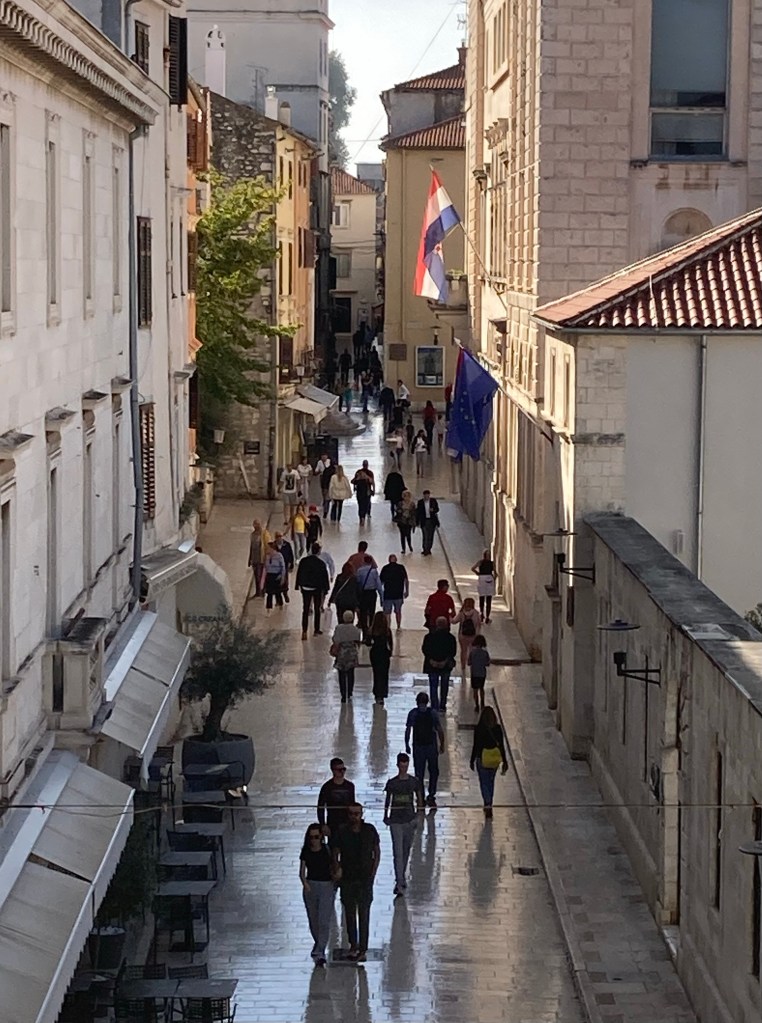
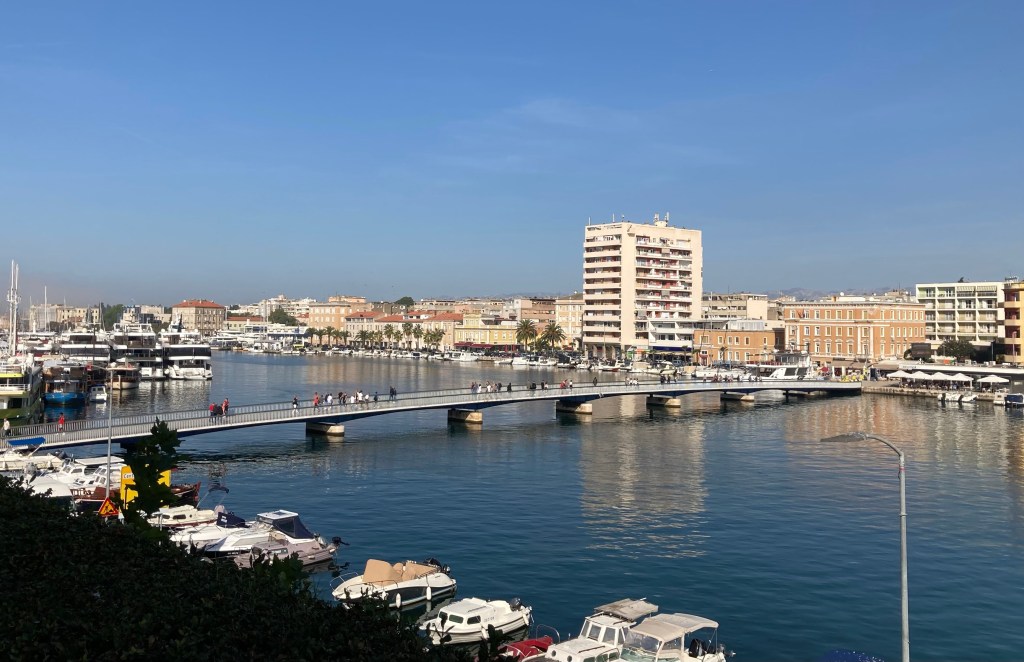
The oldest continuously inhabited Croatian city to which we were drawn to for its archeological museum. We were parked twenty minutes from the historical centre which initially gave the appearance of being an island accessed by an expansive footbridge that took you through the historical gate it was only at the end of the day having traversed the city and part of the historical wall we realised there was land access. The layout of the city was influenced by Roman rule and organised according to the typical Roman street system with a rectangular street plan, a forum, therme and a sewage and water pipe system in the form of a forty kilometre aqua duct. Despite having been heavily bombed during the Second World War and hit by Yugoslav rockets in 1991 it has been rebuilt and restored and is now a very attractive traffic free city.
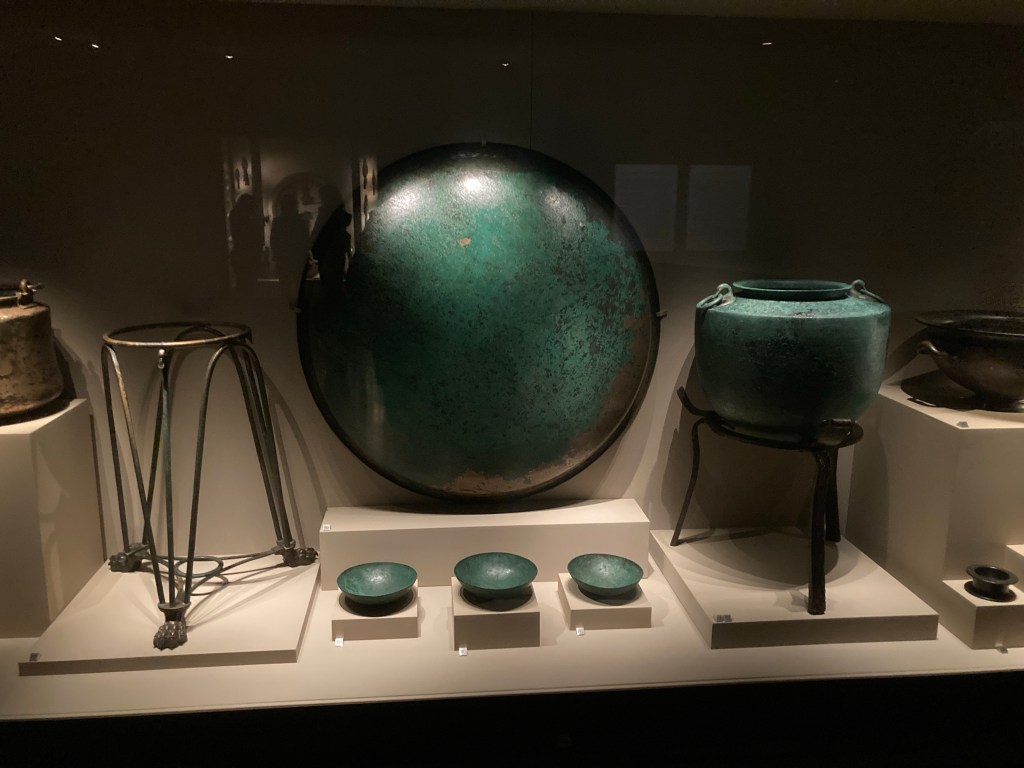
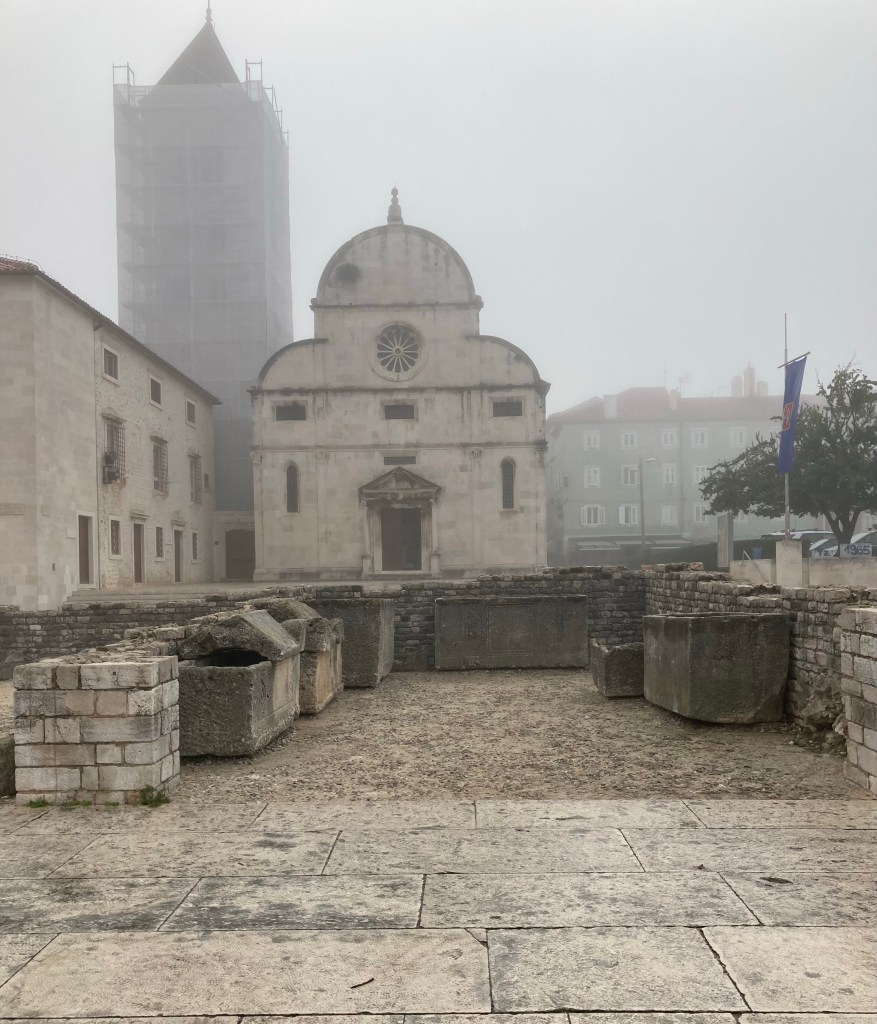
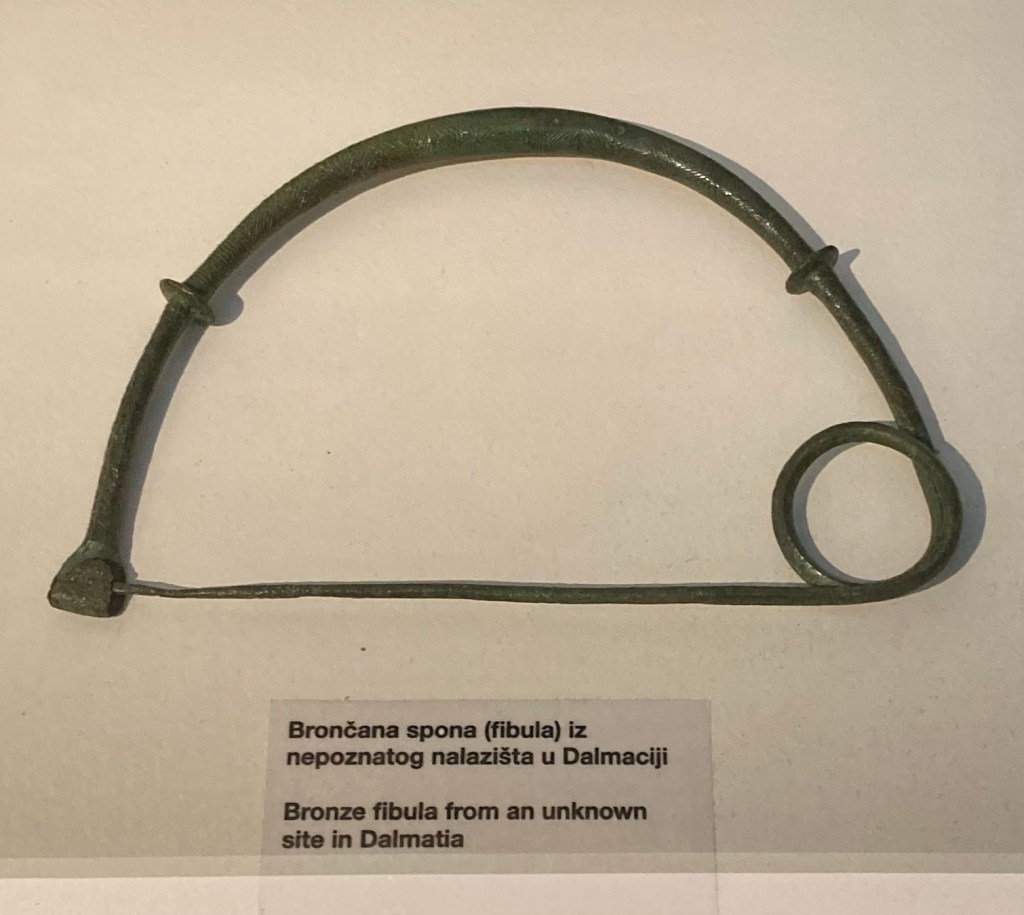
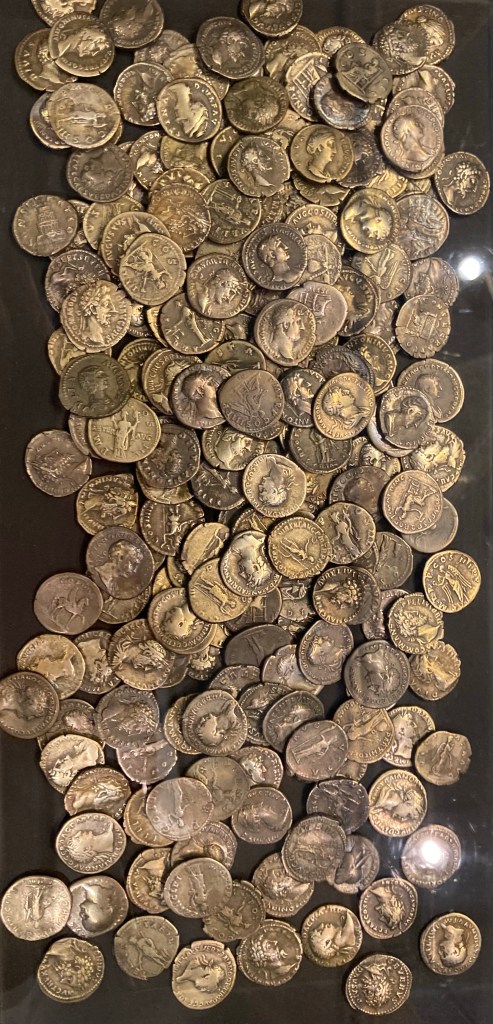
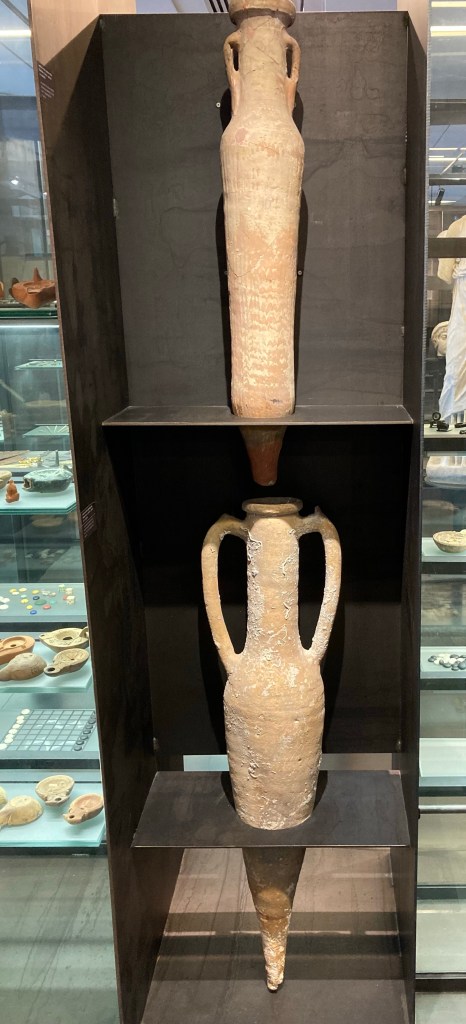
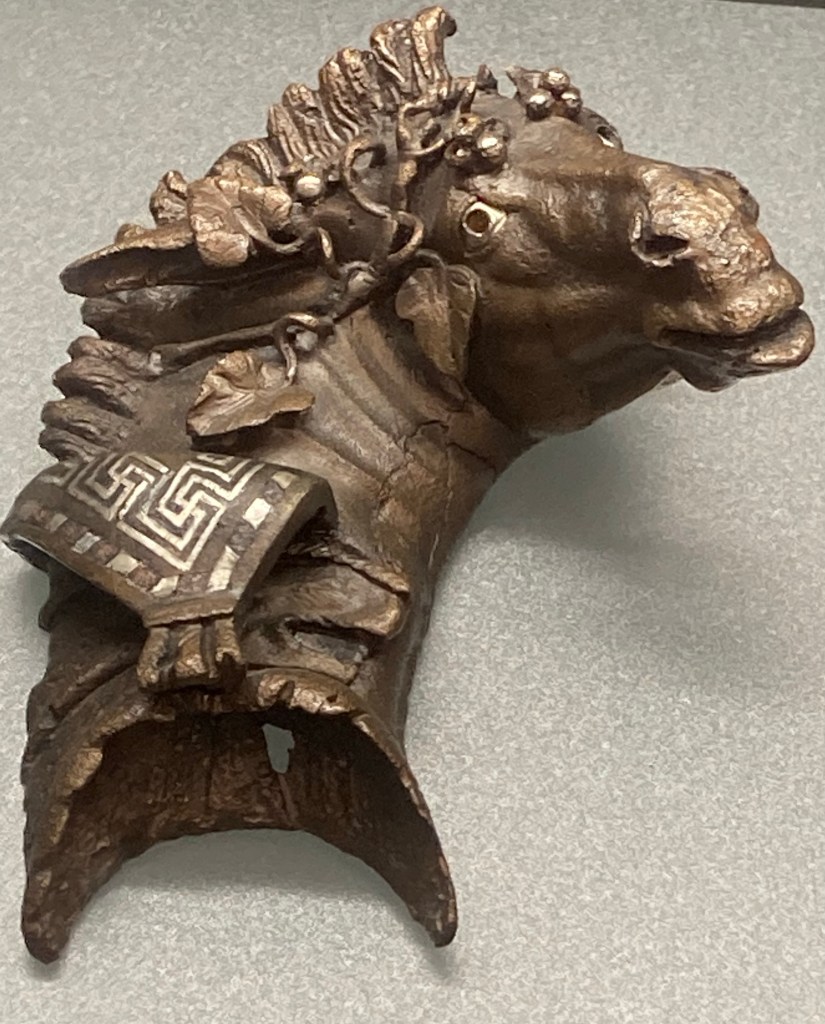
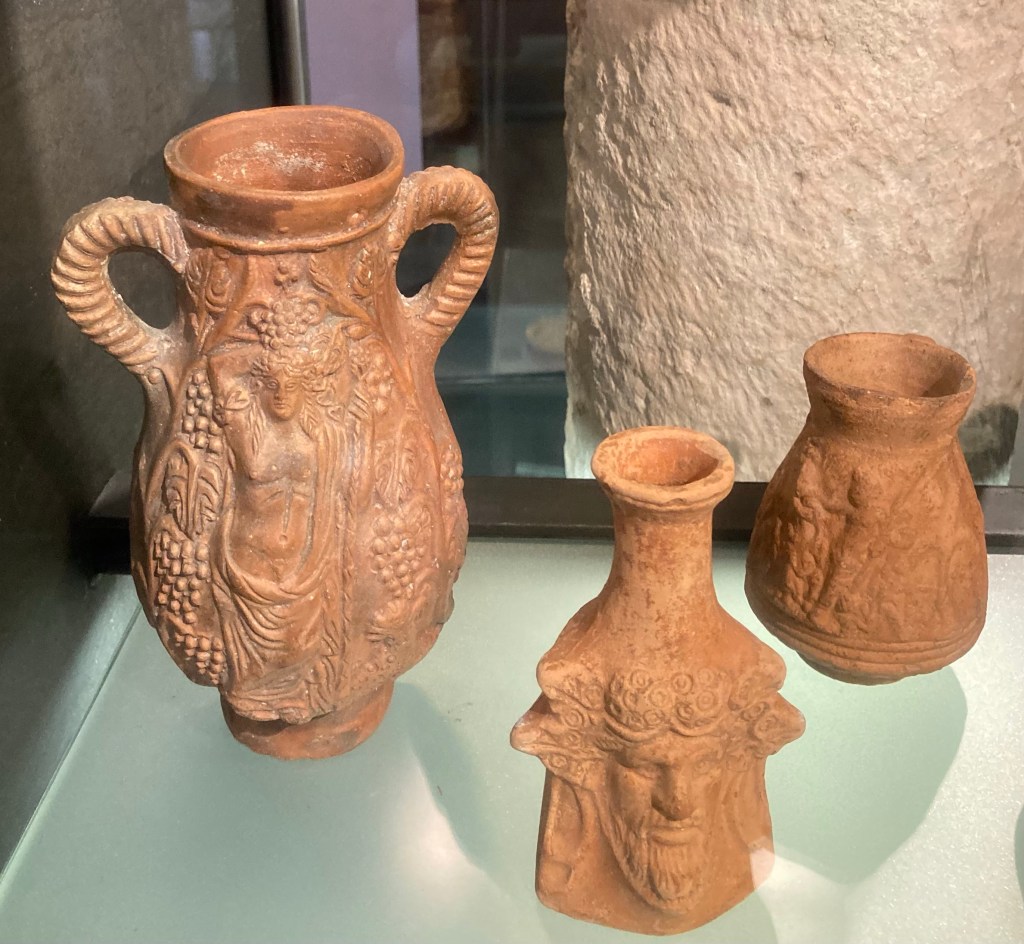
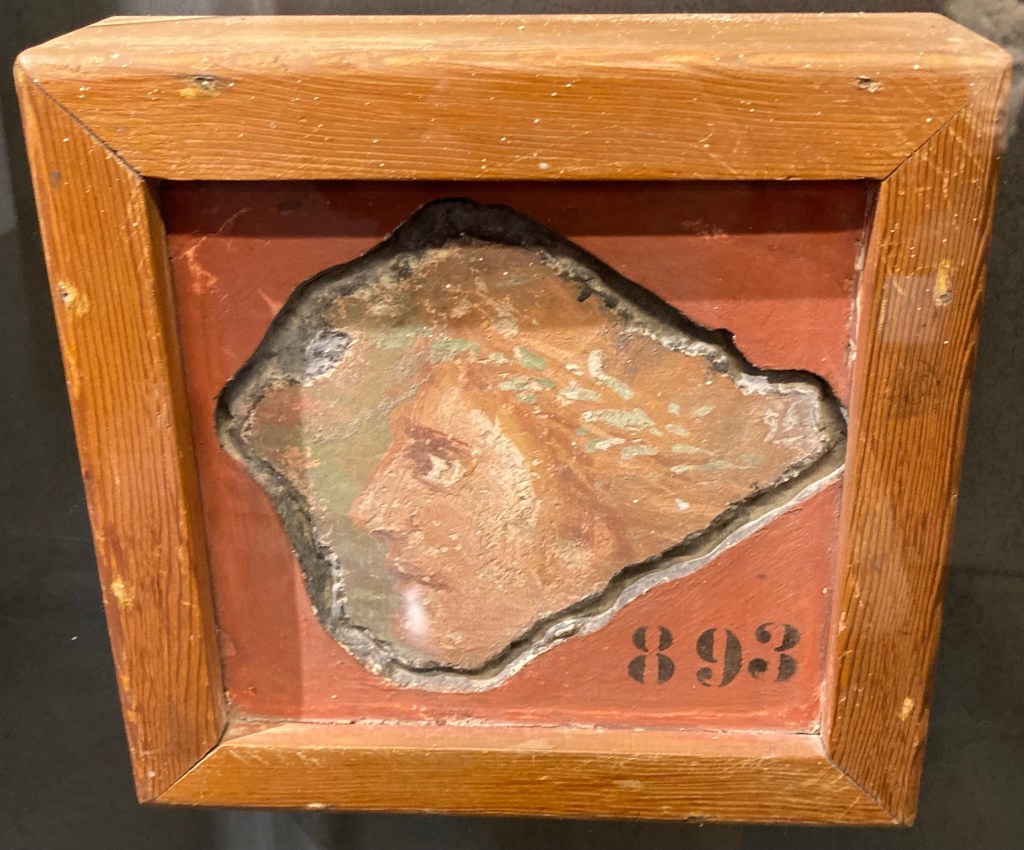
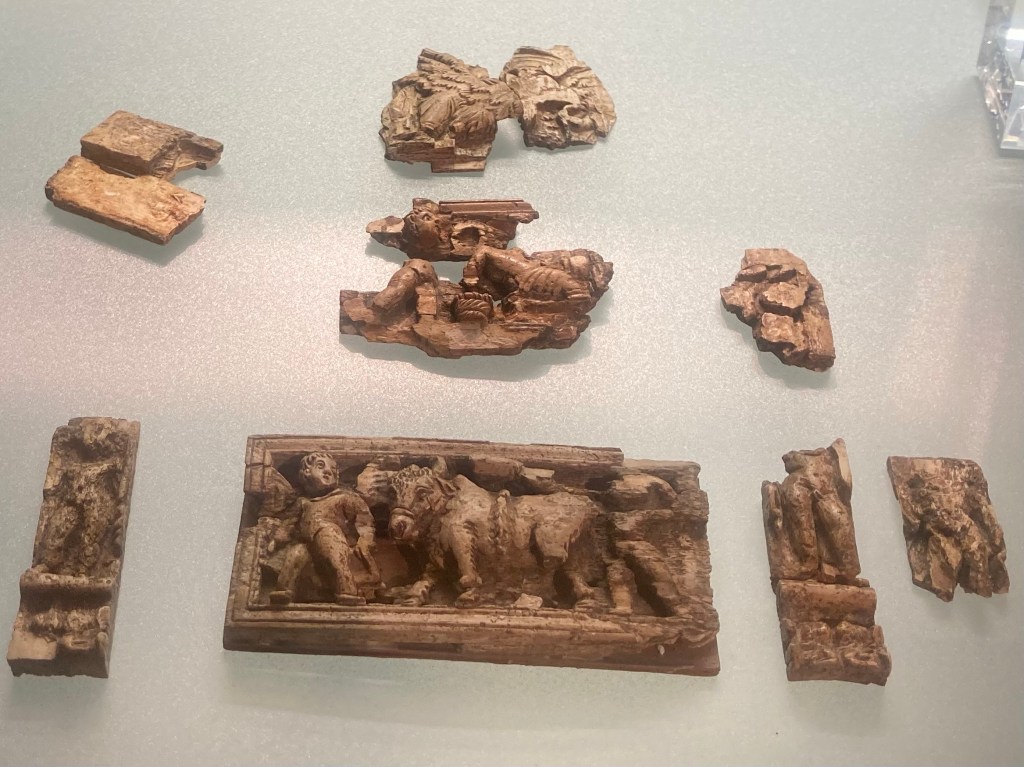
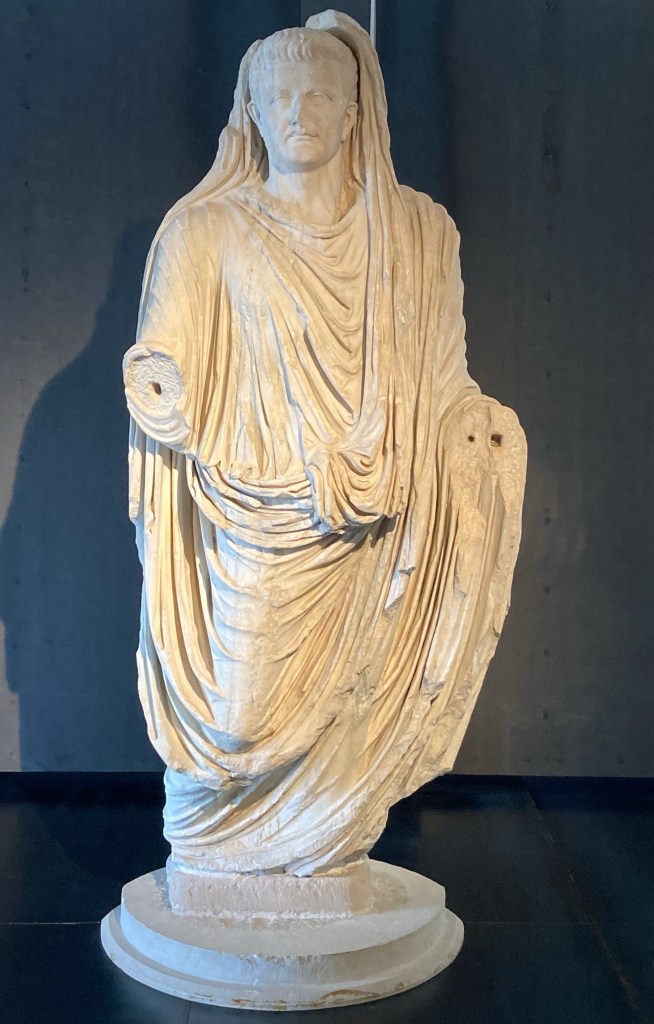
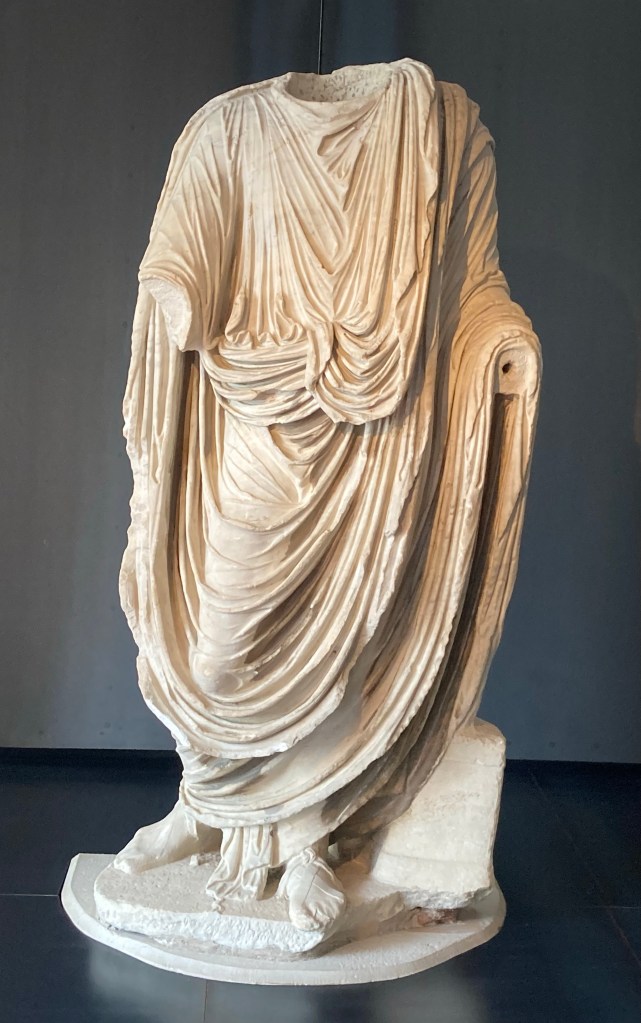
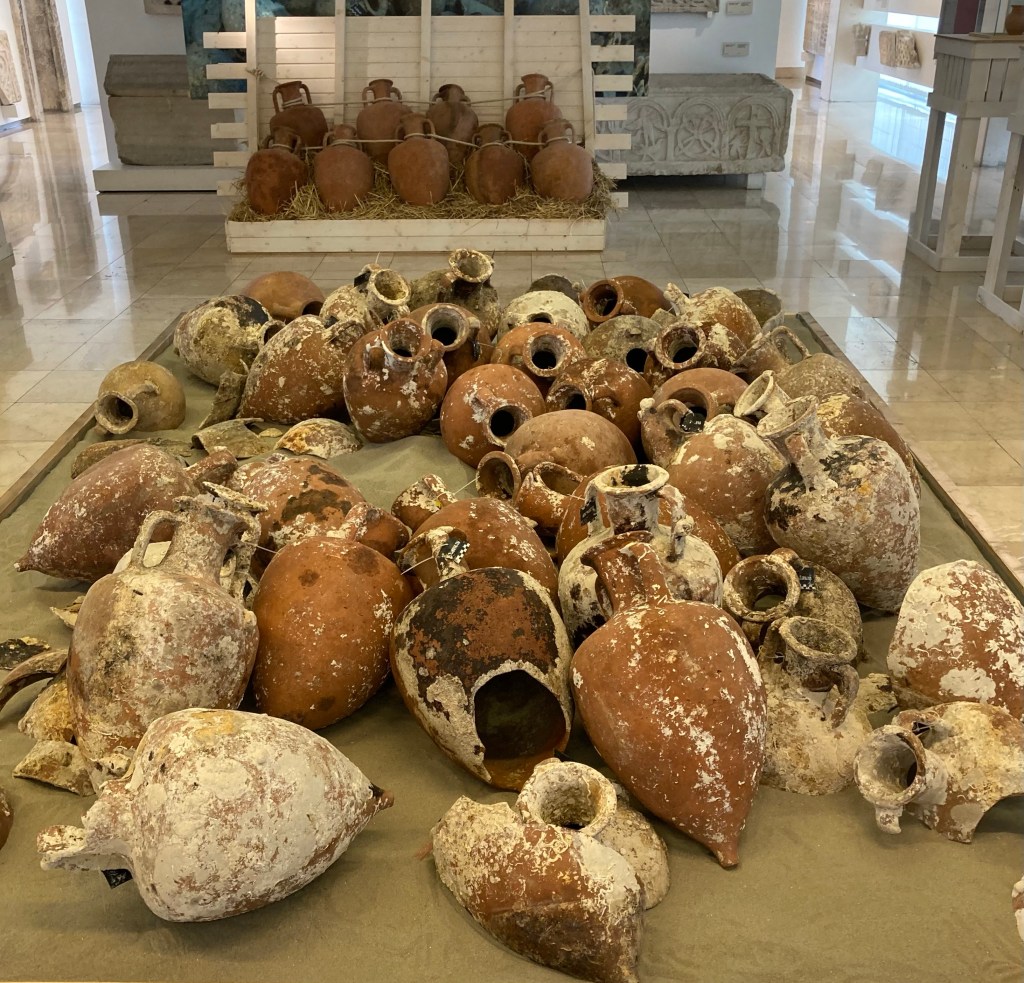
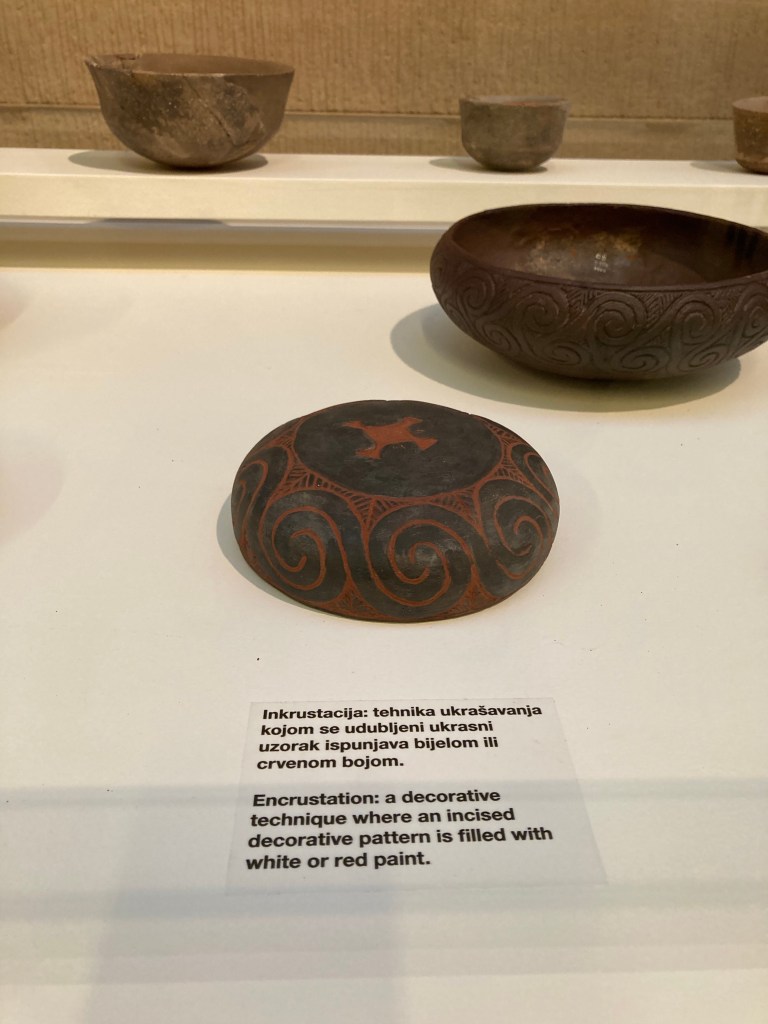
The archaeological museum was sited in a modern building occupying one side of the ancient forum. Spread over three floors was an extensive collection from the Neolithic period through the Roman occupation to the development of Croatian culture under the Byzantines. But it was the way the artefacts were chronologically laid out that made it easy to follow the historical journey also helped by the spacious display of the exhibits.It was one of the best museums we have visited and a must see for anyone visiting Zadar.

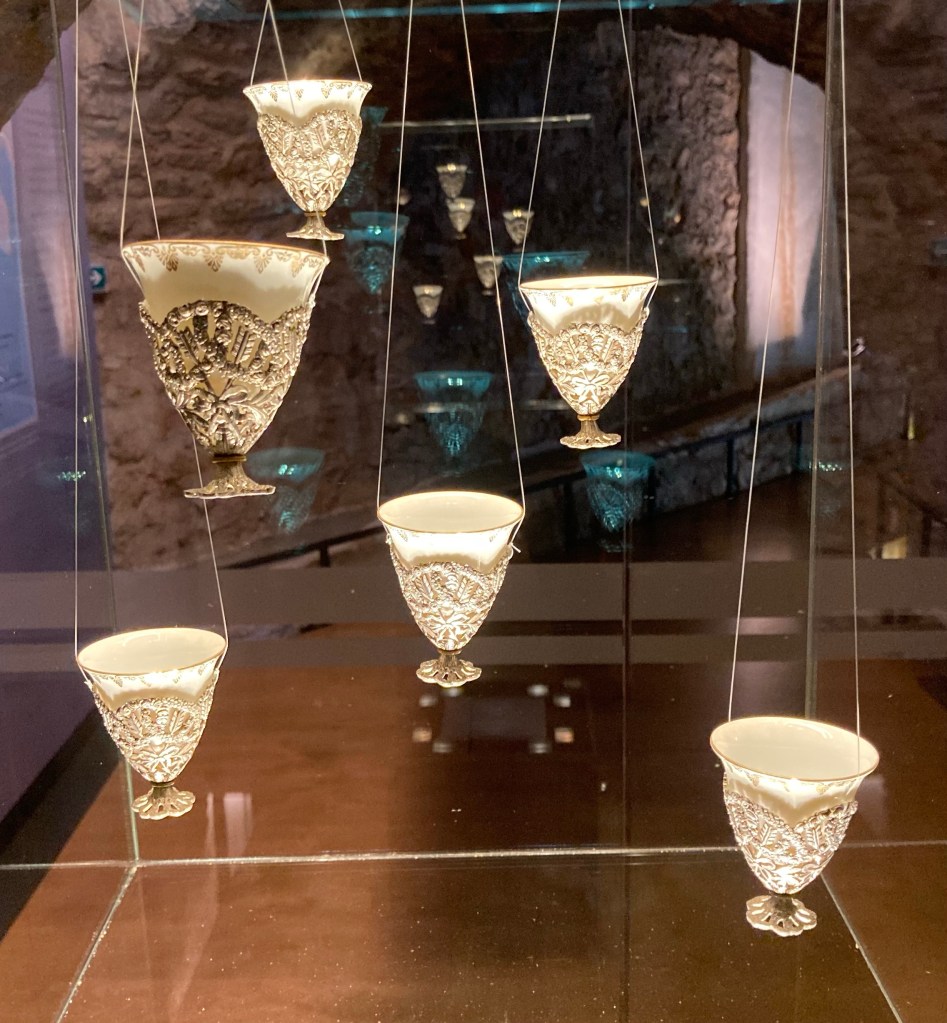
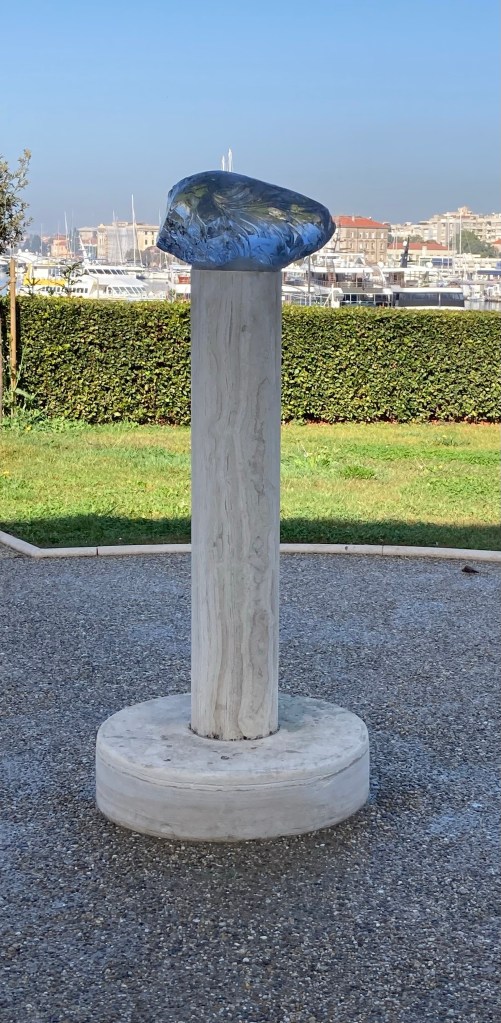
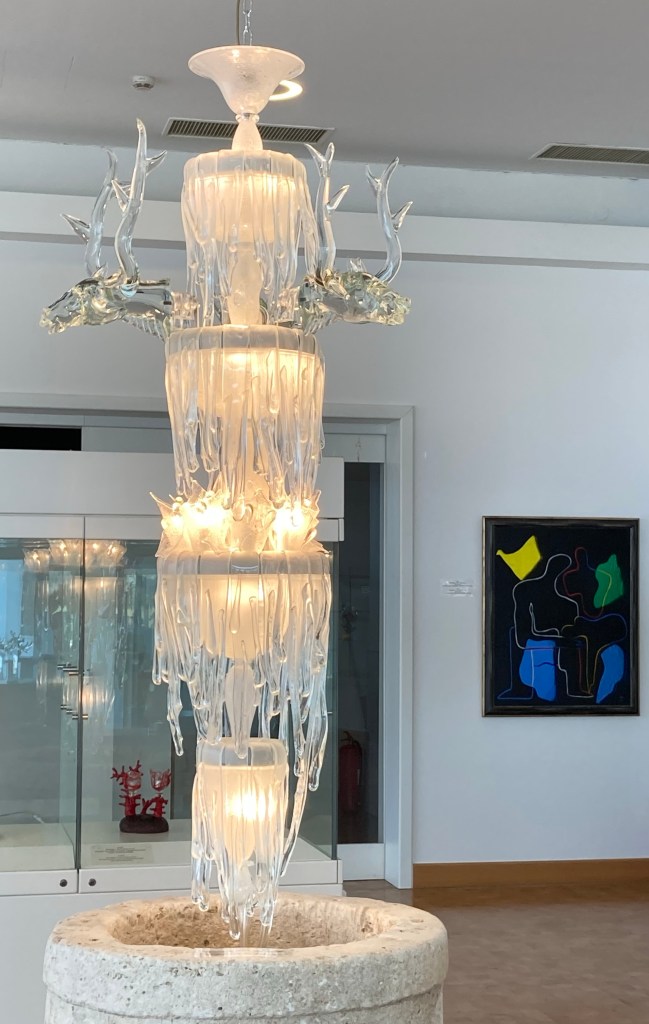
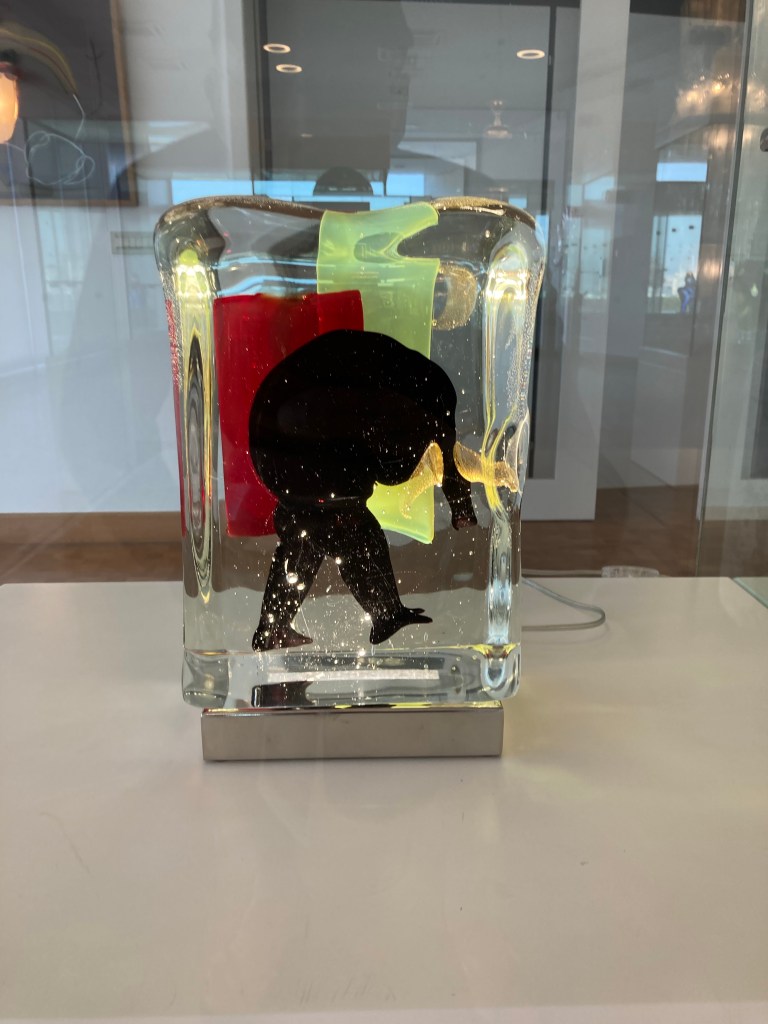
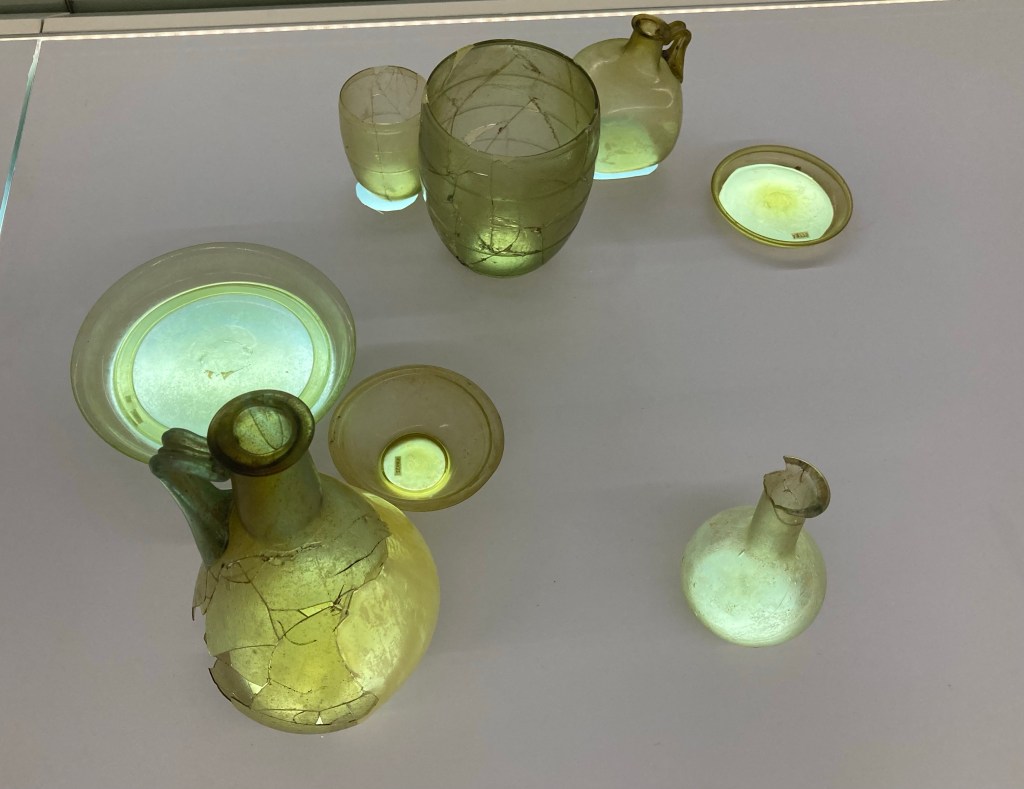
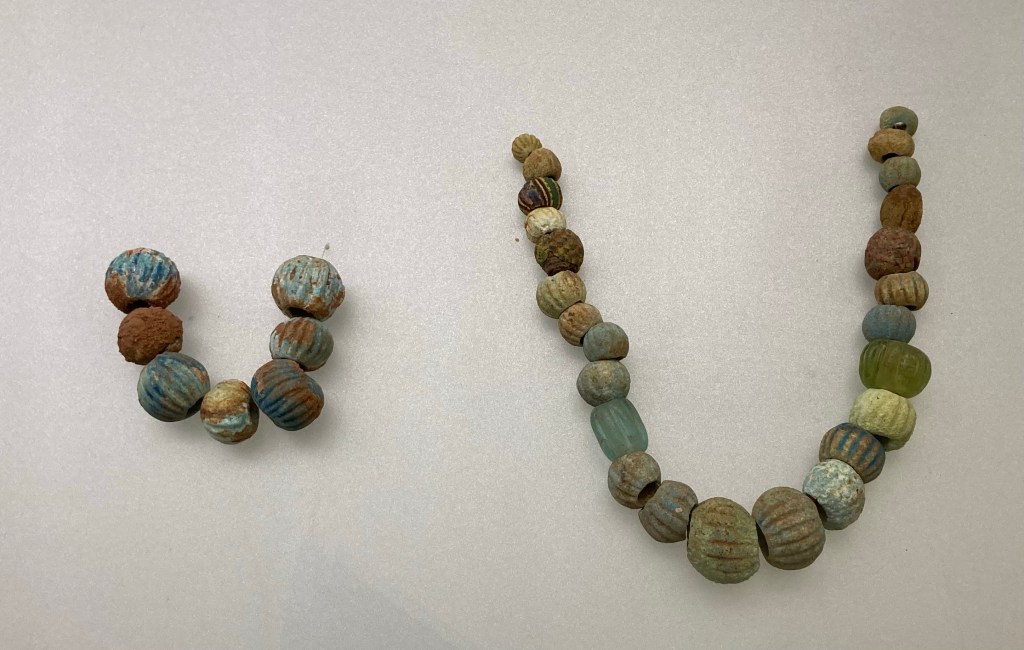
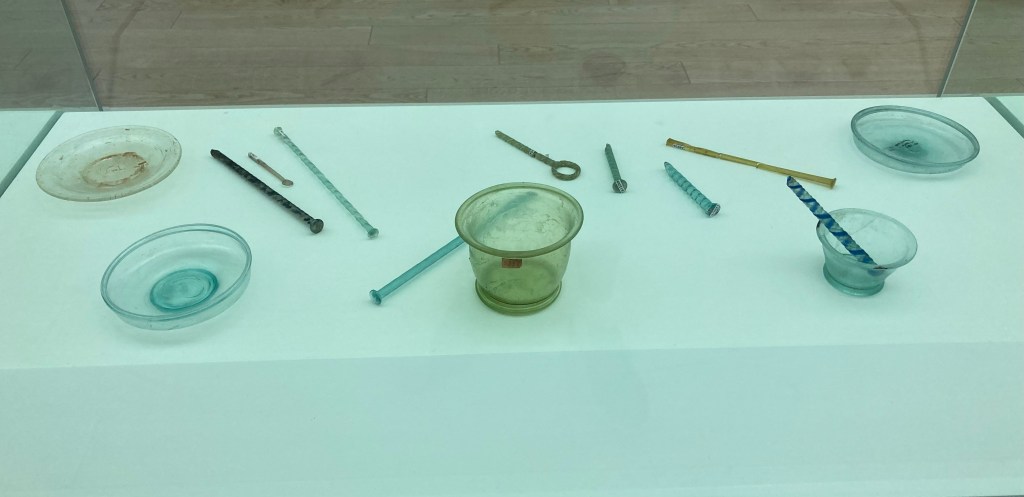
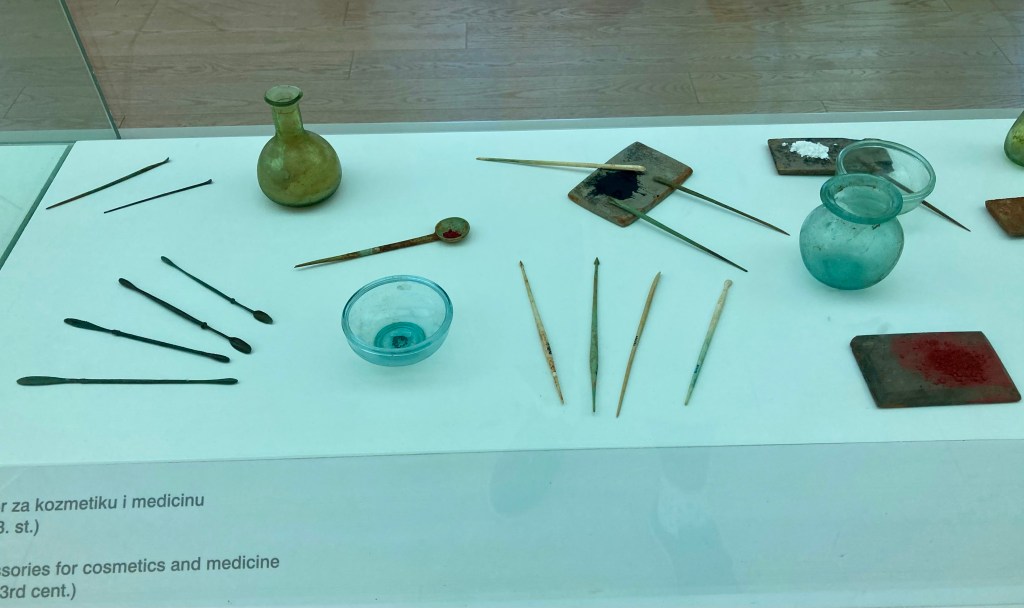
We also visited the museum of ancient glass which we came across by chance. It housed both ancient and modern glass, the oldest pieces going back as far as the 1st century BC.

For some light hearted entertainment we then went to a museum of illusions? where the exhibits aim to trick your confidences in your own senses as nothing is what it seems. The original concept was launched in Croatia in 2015 and has expanded to thirty cities across the world. It certainly achieved what it set out to do.

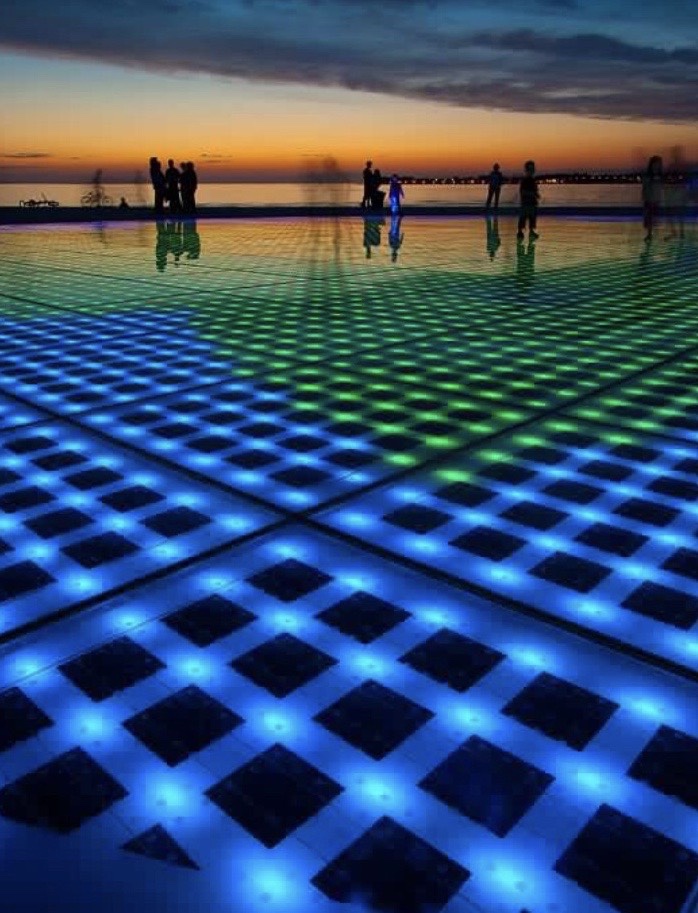
Part of our walk took us along the harbour where a large cruise ship was at anchor resting our weary feet we decided to sit and spend some time people watching. We then noticed a twenty two metre wide circle of glass set into the dock pavement which we initially thought were solar panels but could not fathom what they feeding. After some research we found that the panels contain three hundred coloured light modules to give a fantastic light show from sunset to sunrise and it collects enough energy during the day to power not only the light show but the entire harbour front lighting system. Wow!

The Istrian coast

There is a strong Italian influence in this area as at one time it was ruled by Italy between the two world wars and Italian is the second language for most Istrians . It’s landscape is very similar to the Tuscan hills of Italy dominated by Olive trees and Vineyards. It’s coastline broken with small islands and inlets provides seafood in abundance and a holiday Mecca for all types of water sports.

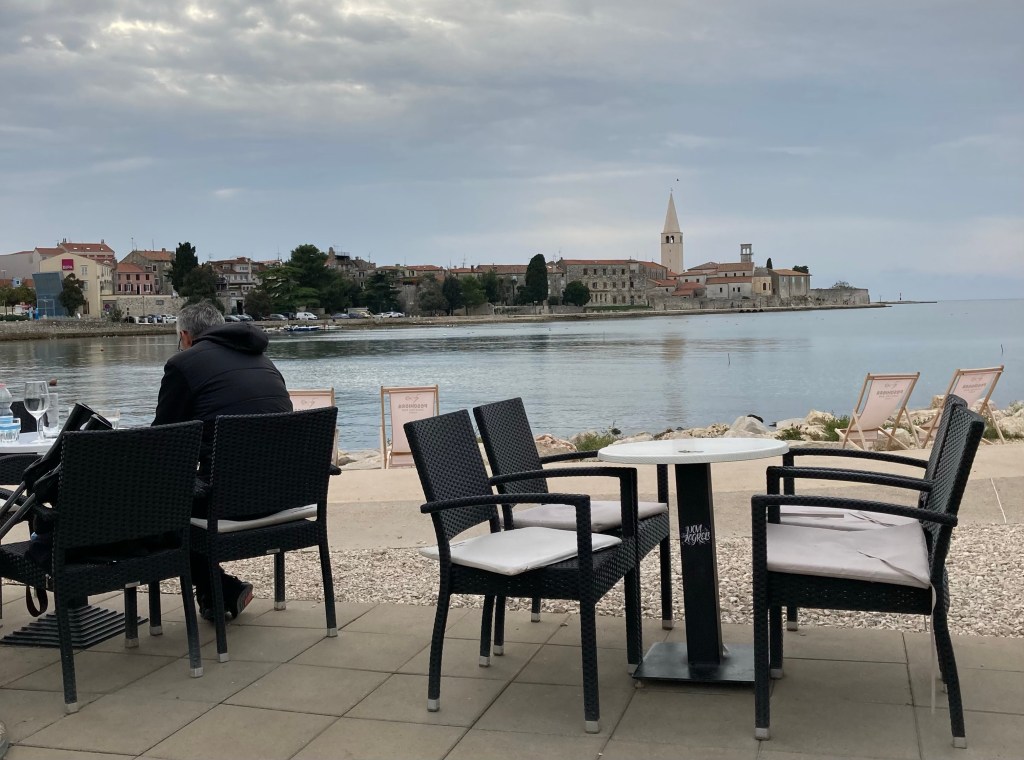
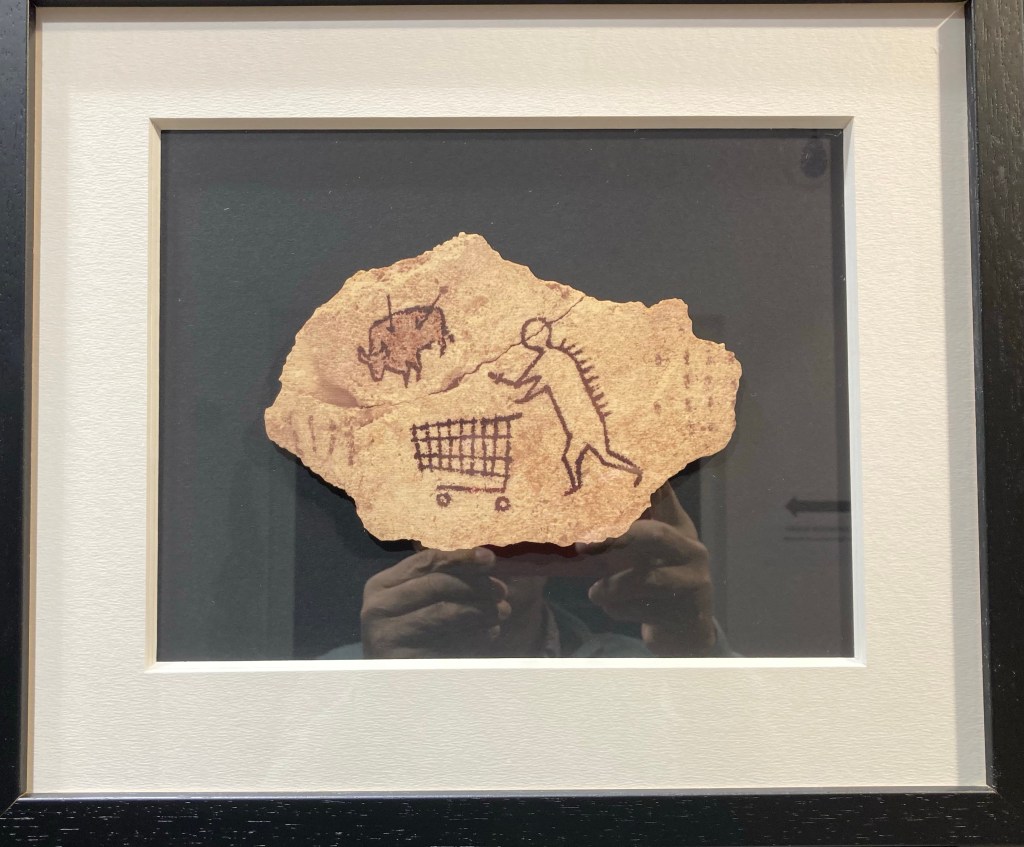
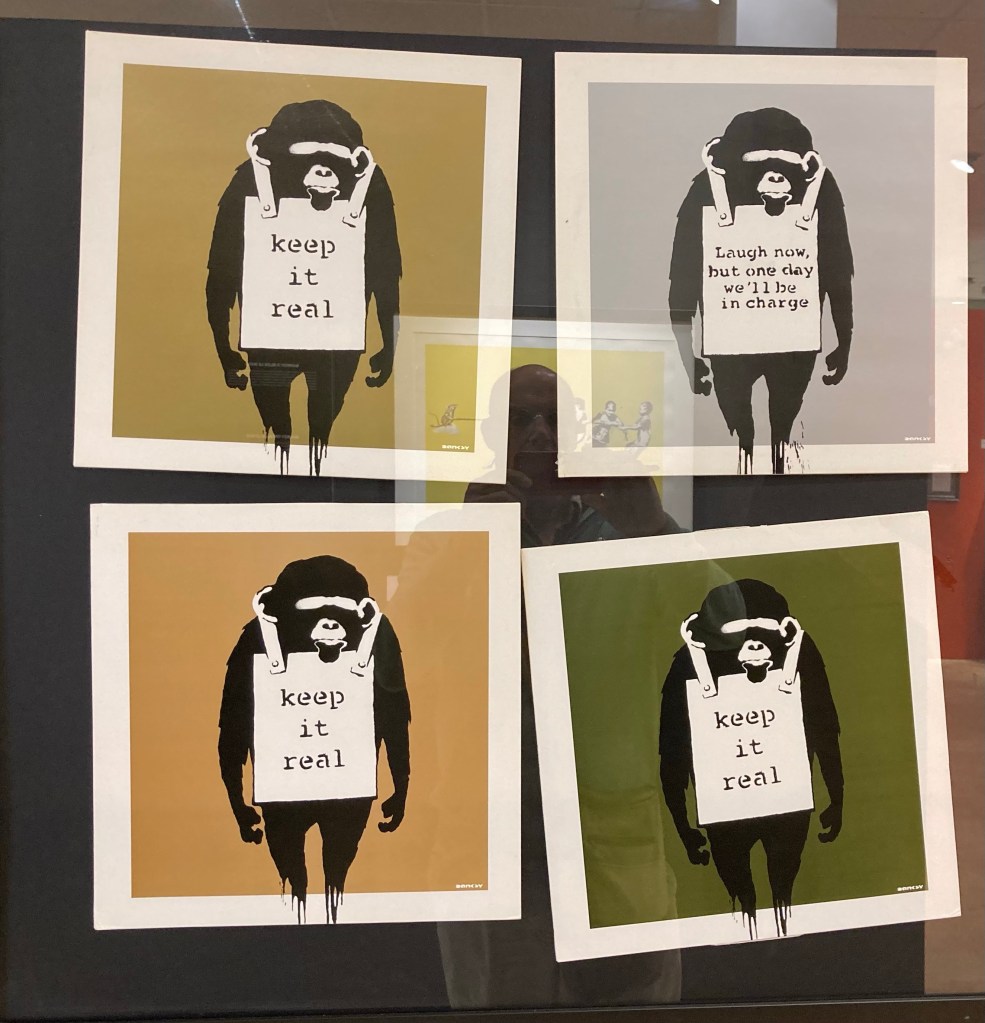
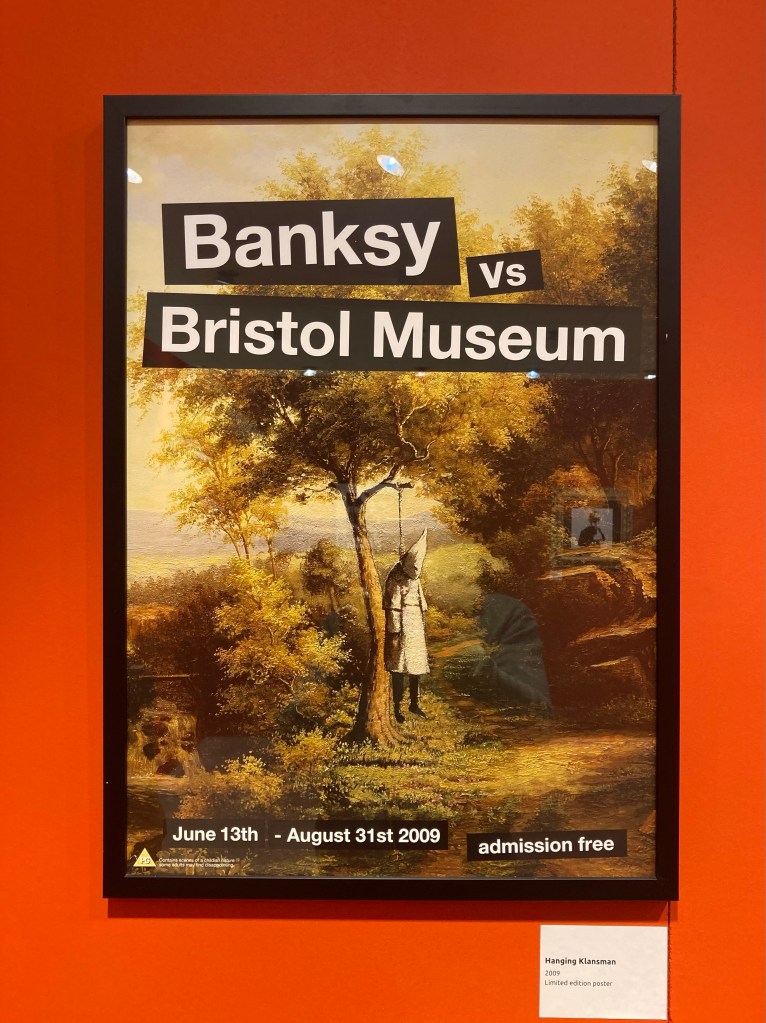
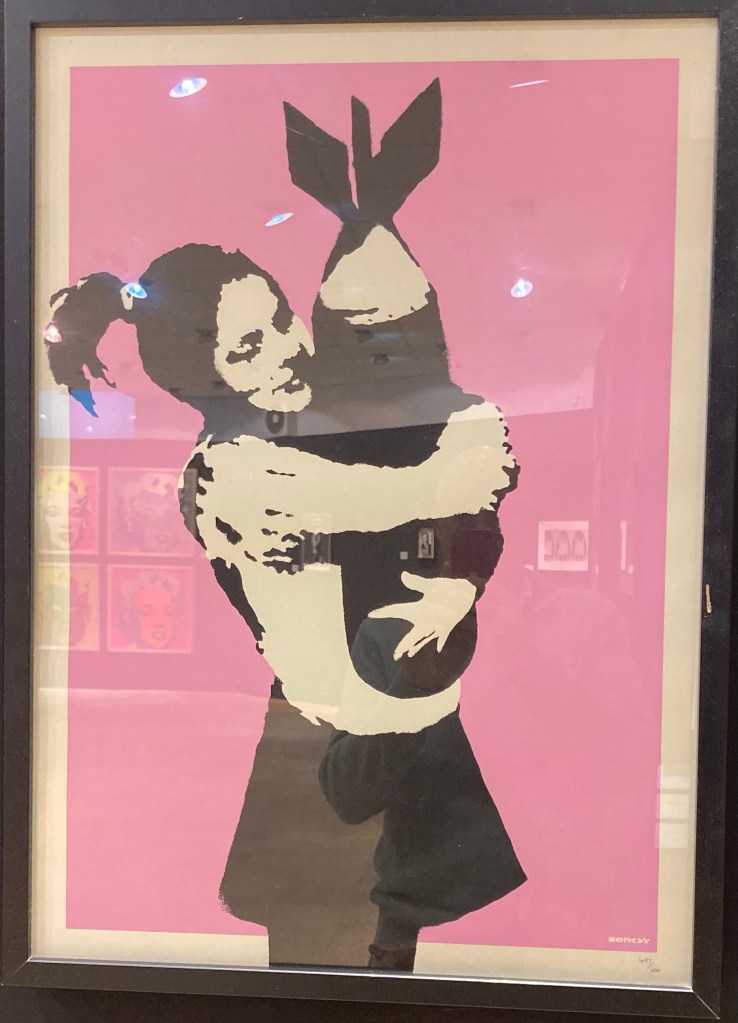
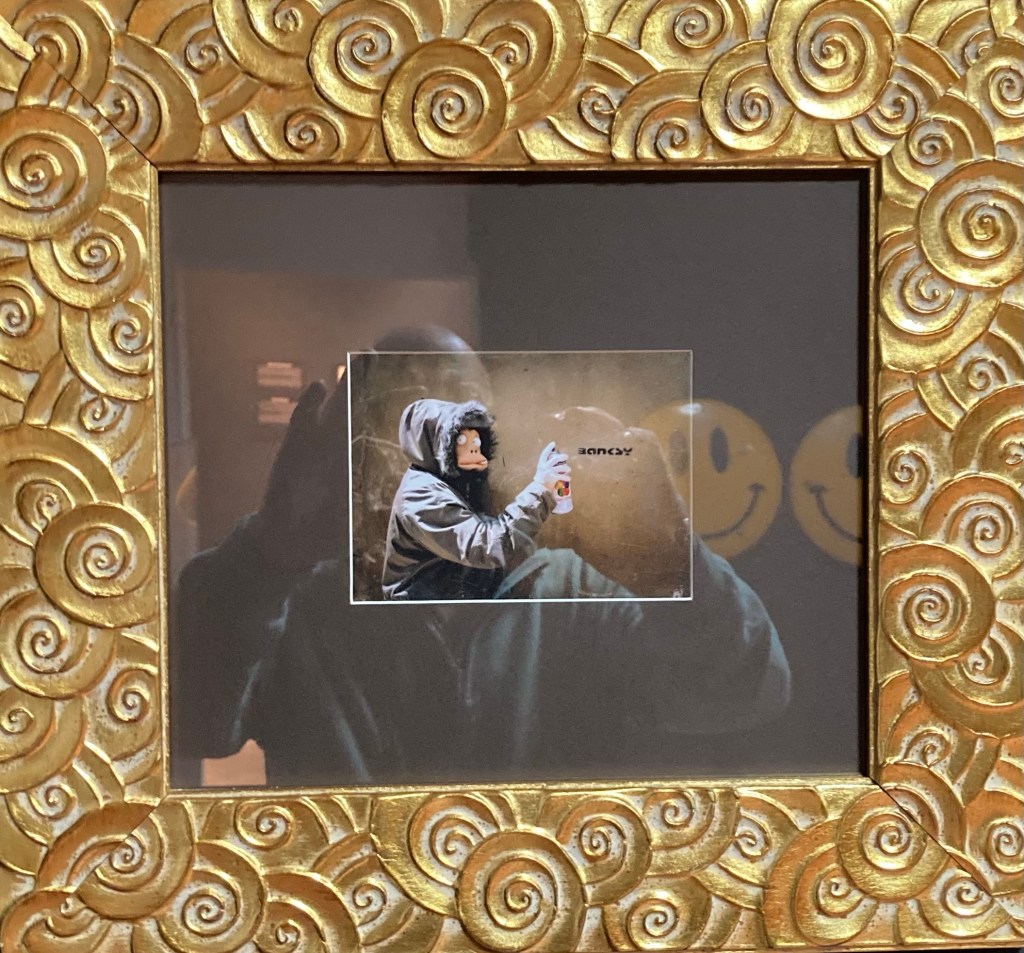
Our first evening in Porec we were parked on the outskirts of town and after a 20minute walk were sitting having cocktails and beers at a beach bar looking across the bay towards the old town. Feeling hungry we walked along the promenade and to our surprise stumbled upon a Banksy exhibition so obviously had to check it out.

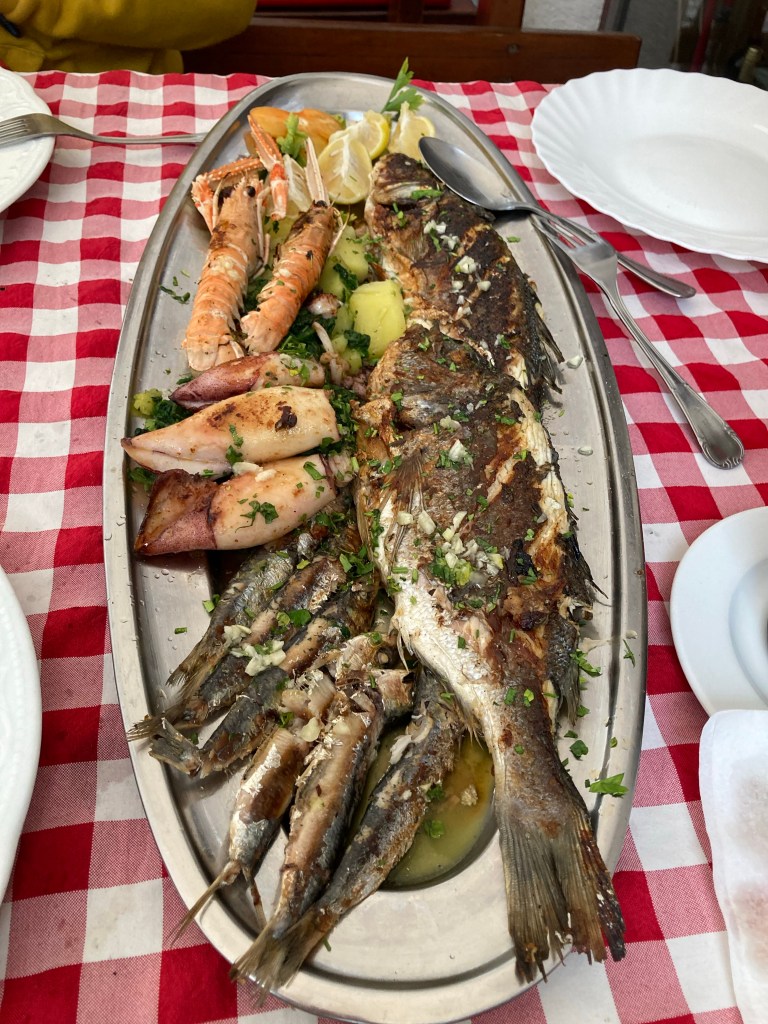
Afterwards we deliberately sought out a side street restaurant away from the mainstream tourist areas and found a little jewel of a restaurant with just one person doing the cooking and serving. Our mixed seafood platter for two was an excellent dish that showcased the Seafood of the Adriatic perfectly. Satiated we walked back through the quieter streets of the town getting slightly lost on the way.

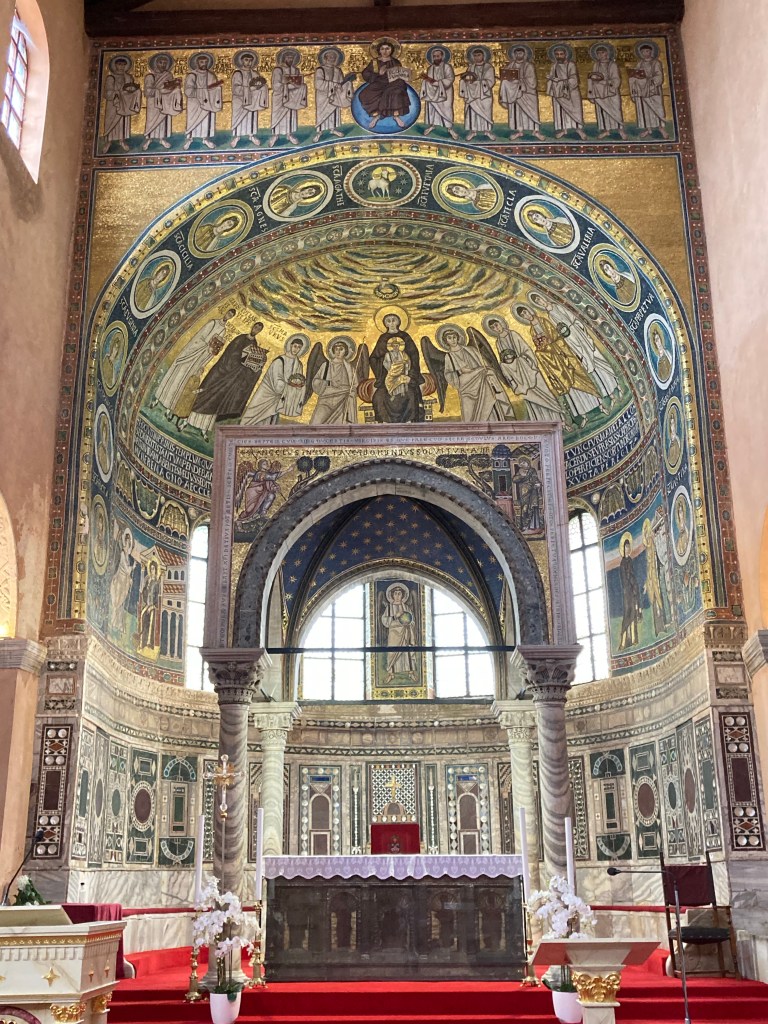
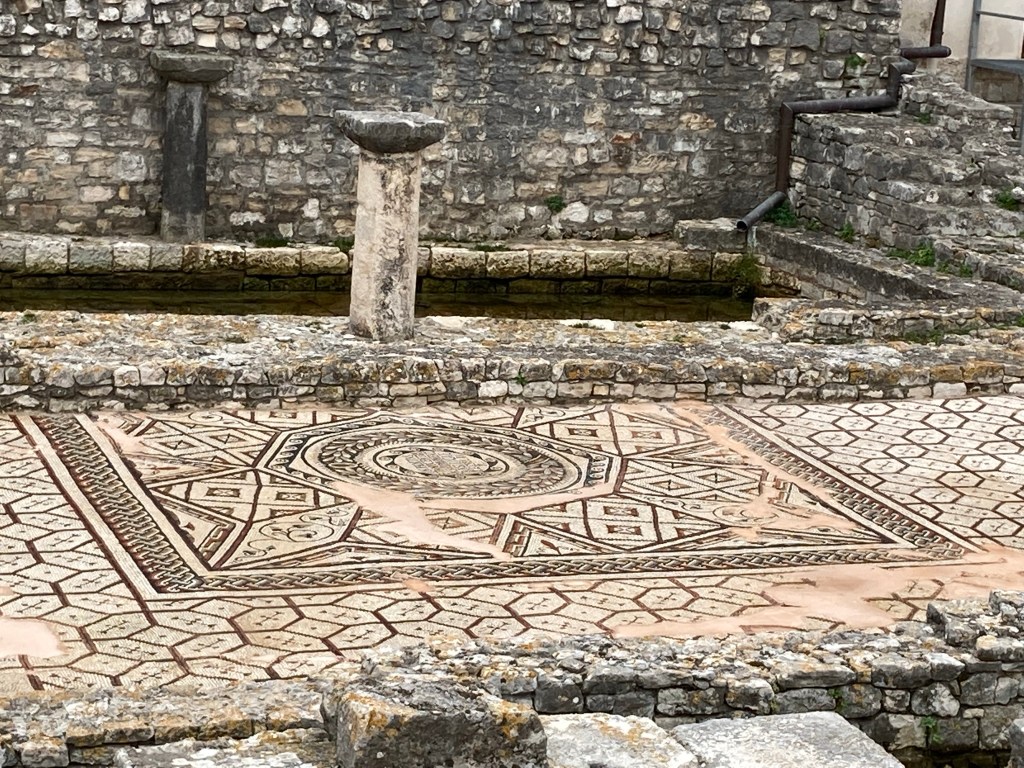
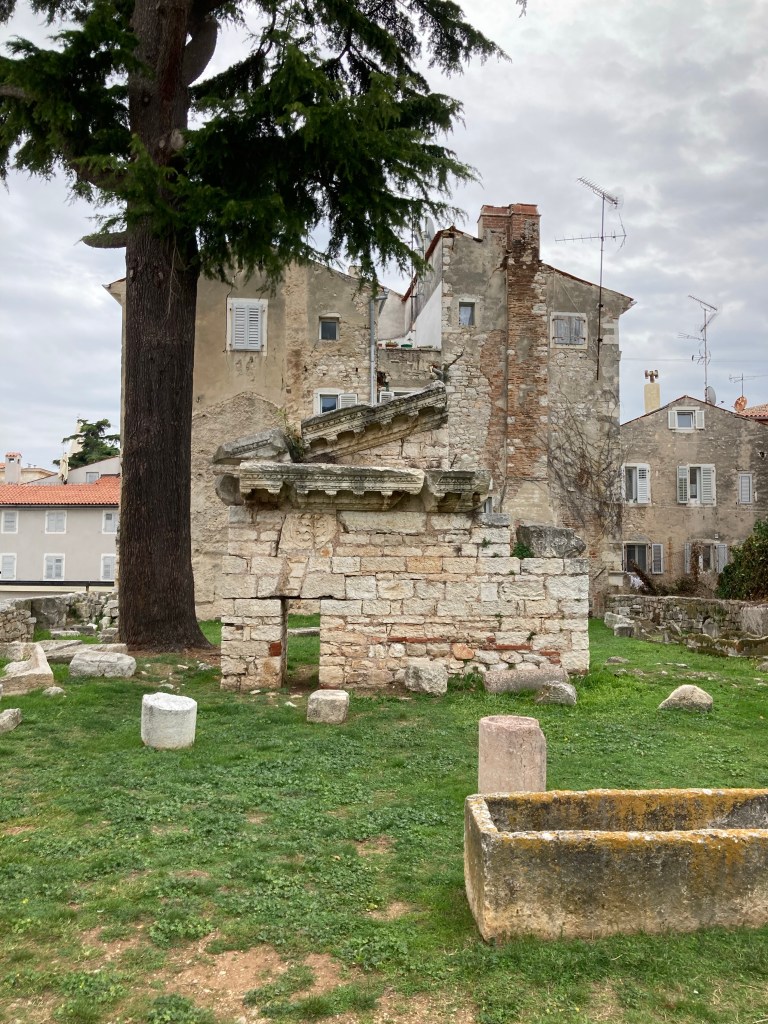
Next day returning to the old town we did the tourist trail taking in the Basilica and the Roman temples.

Our next destination was going to be Rovinj but some fellow travellers had mentioned a town called Vrsar was worth a visit so decided to visit on our way. Unfortunately three quarters of the way there we heard a scraping noise and thinking one of our stabilisers had dropped down we pulled over at the first opportunity. Only to discover the rear half of the exhaust had cracked and dropped. Luckily we had pulled off the road onto a private parking area for a restaurant which was closed for the season and as it was a Sunday with no garages open until the following day they allowed us to stay overnight. Monday morning saw the arrival of the local breakdown service who removed the dropped parts and organised a garage who could undertake the work of replacing the exhaust.

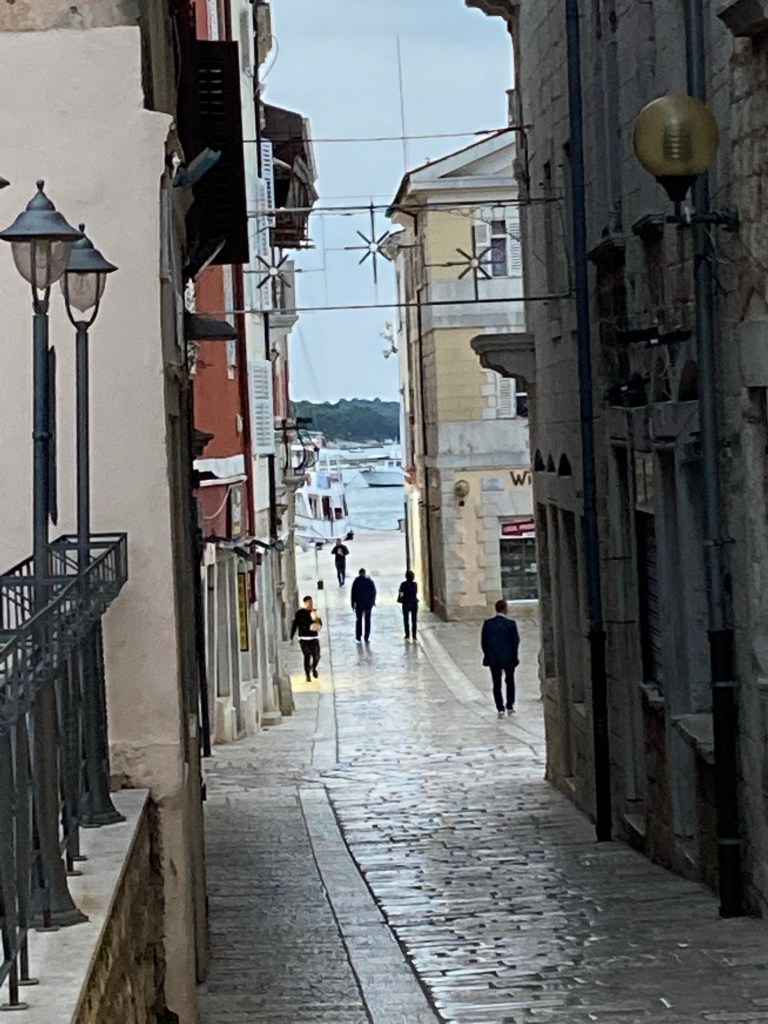
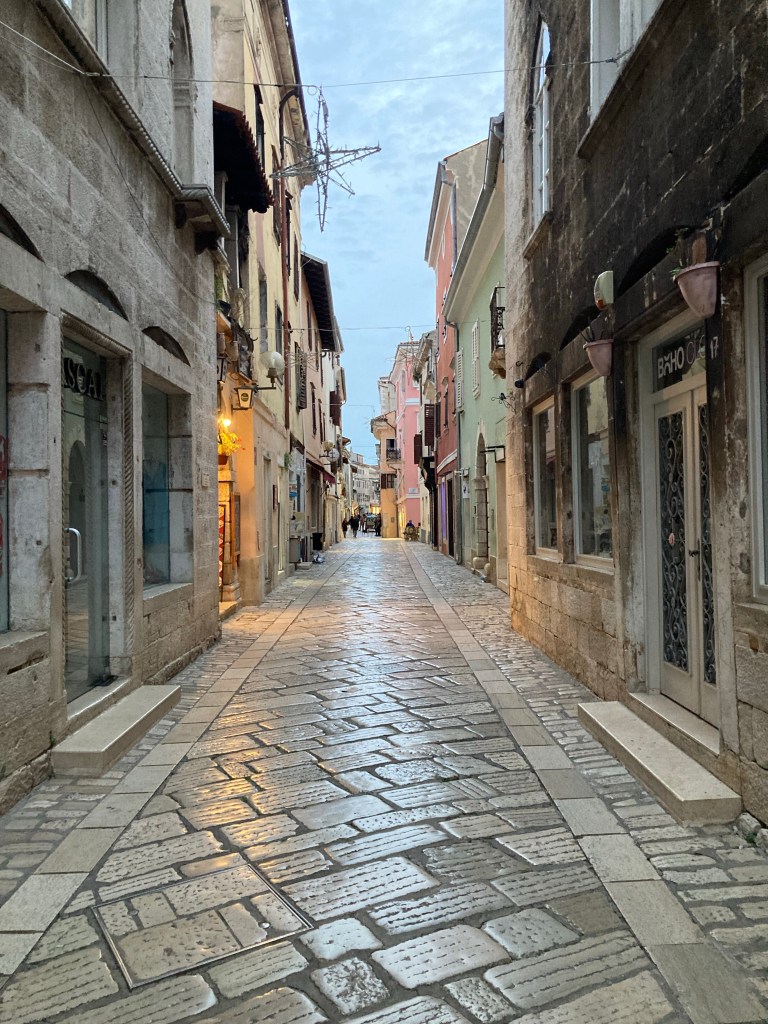
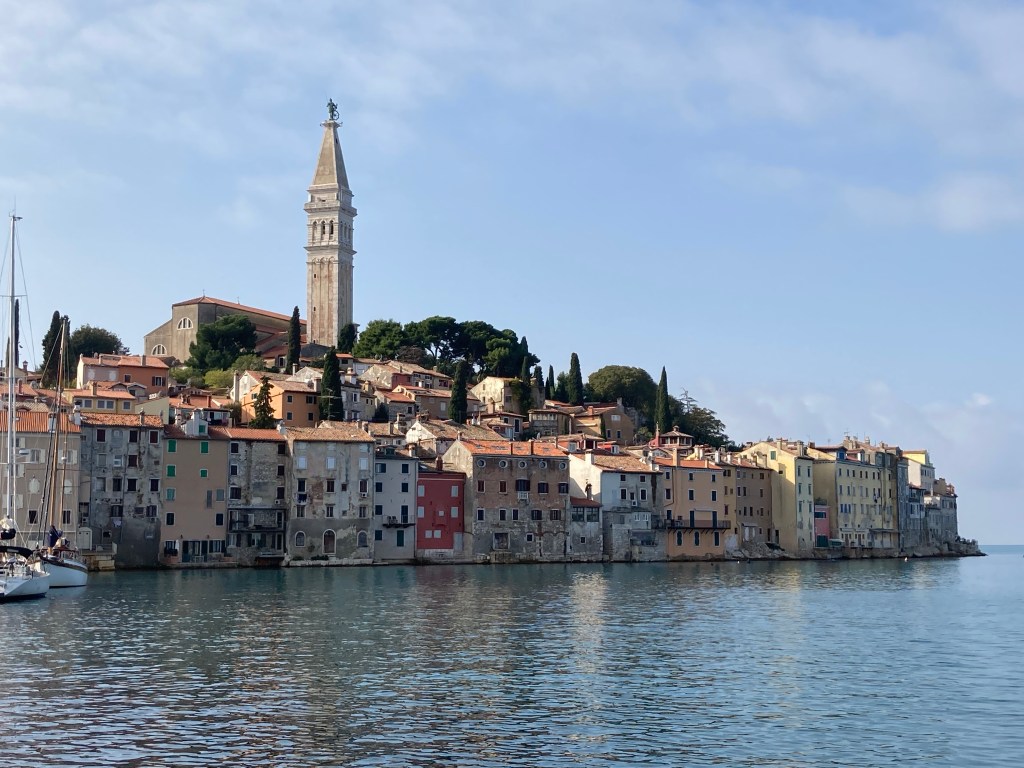
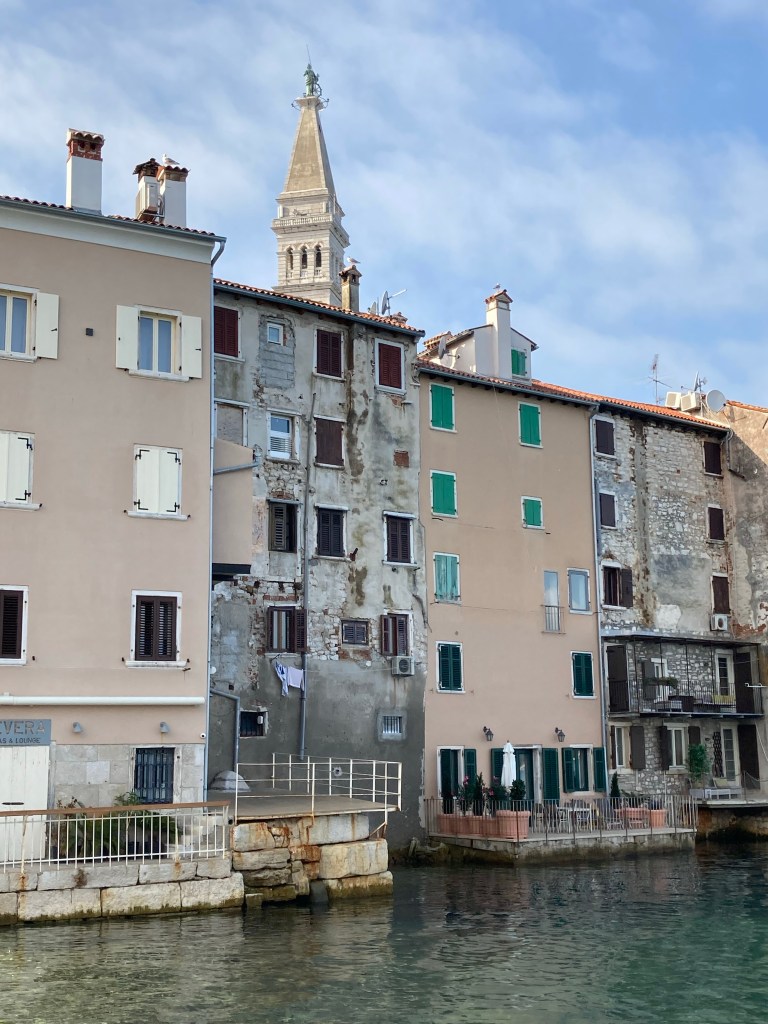
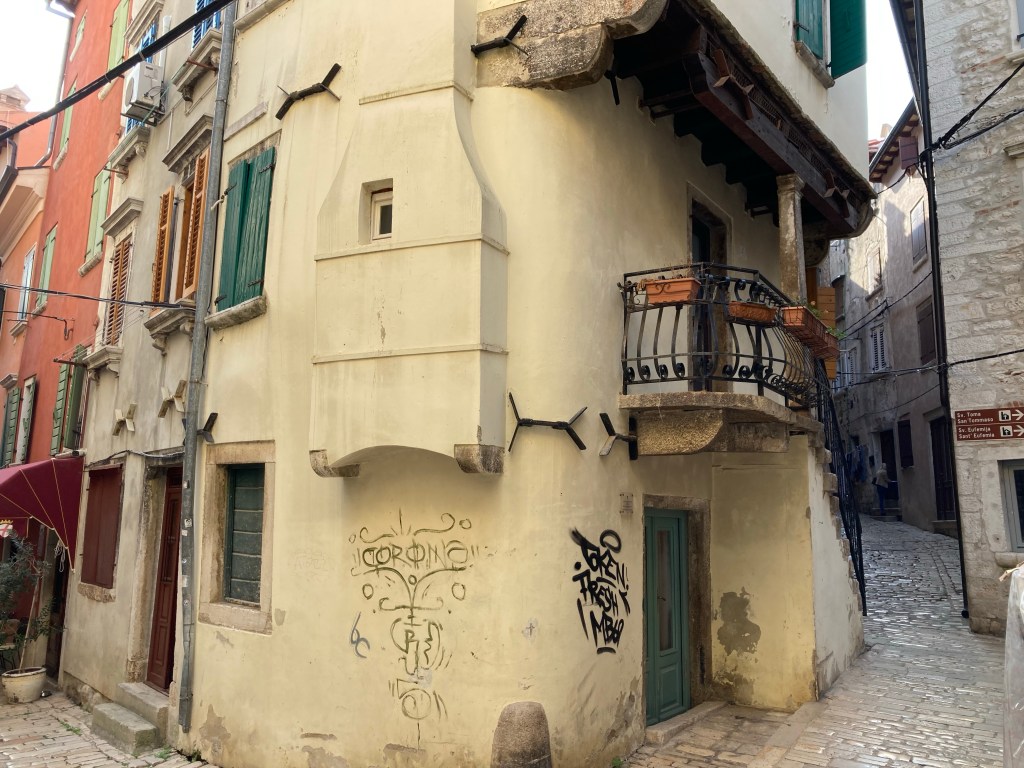
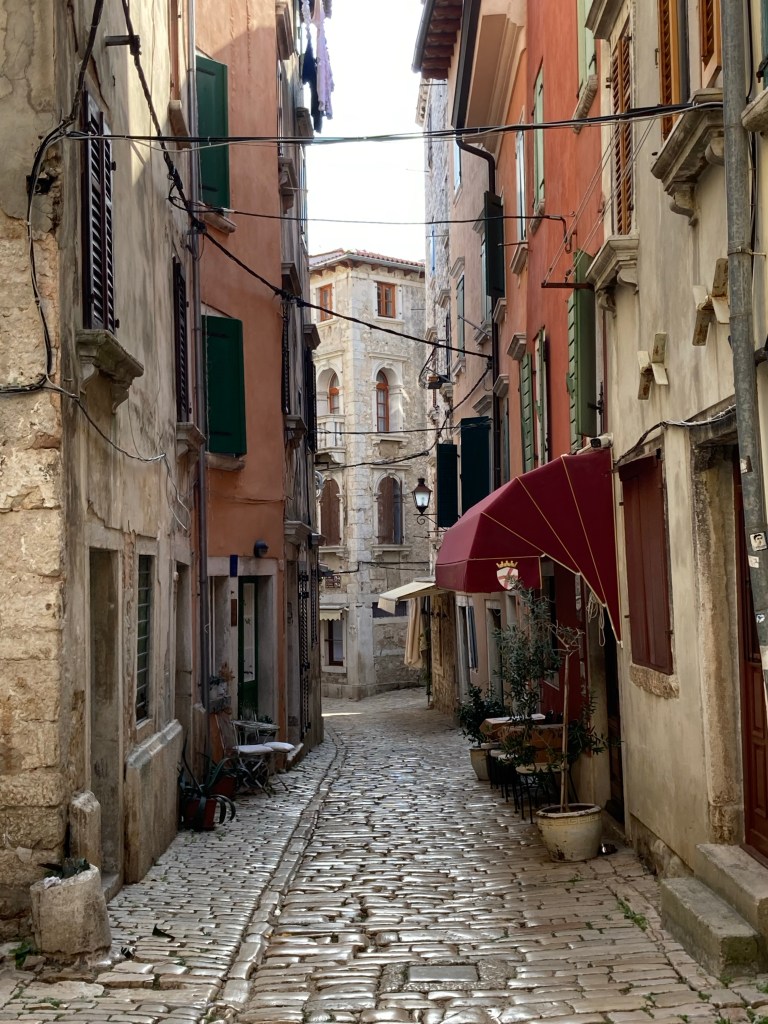
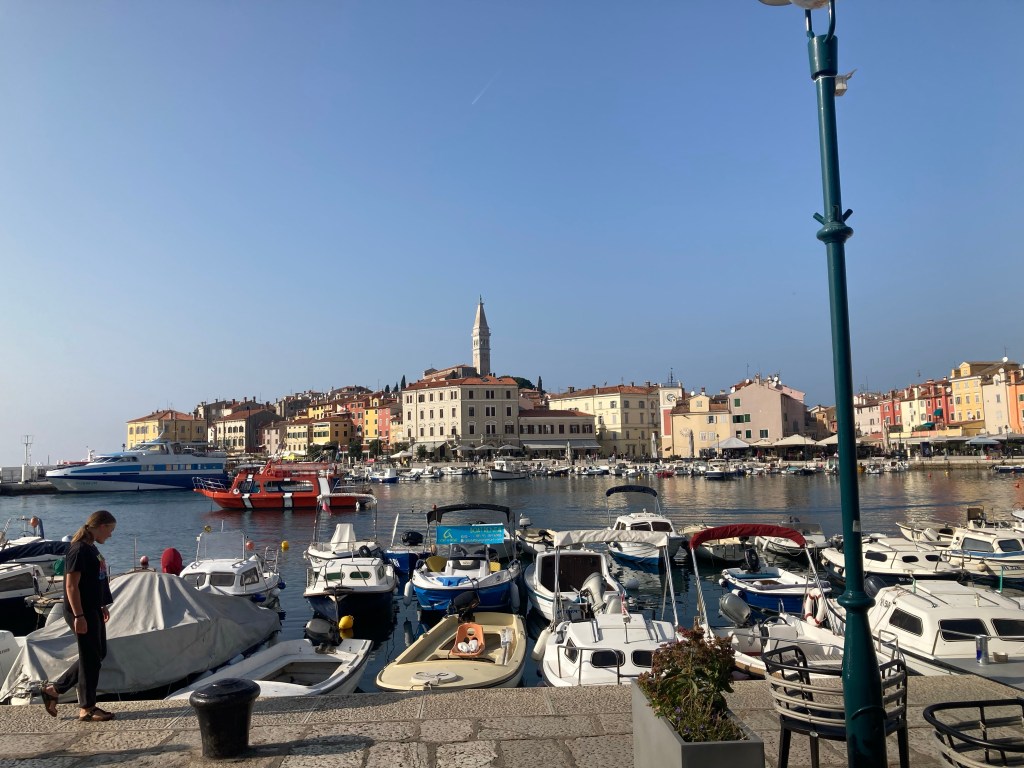
Back to being roadworthy we continued on our way to Rovinj which turned out to be a jewel of a town. The attraction was that it had retained the feel of being a working fishing village despite the influx of the tourist trade and its old town built on a hill with some of the buildings coming right down to the waters edge similar to Venice. It had retained it’s narrow streets and ancient buildings which gave it a real sense of history.

Our final town before leaving the Istrian peninsula was Pula its largest town by far with a thriving commercial area and tourist trade.

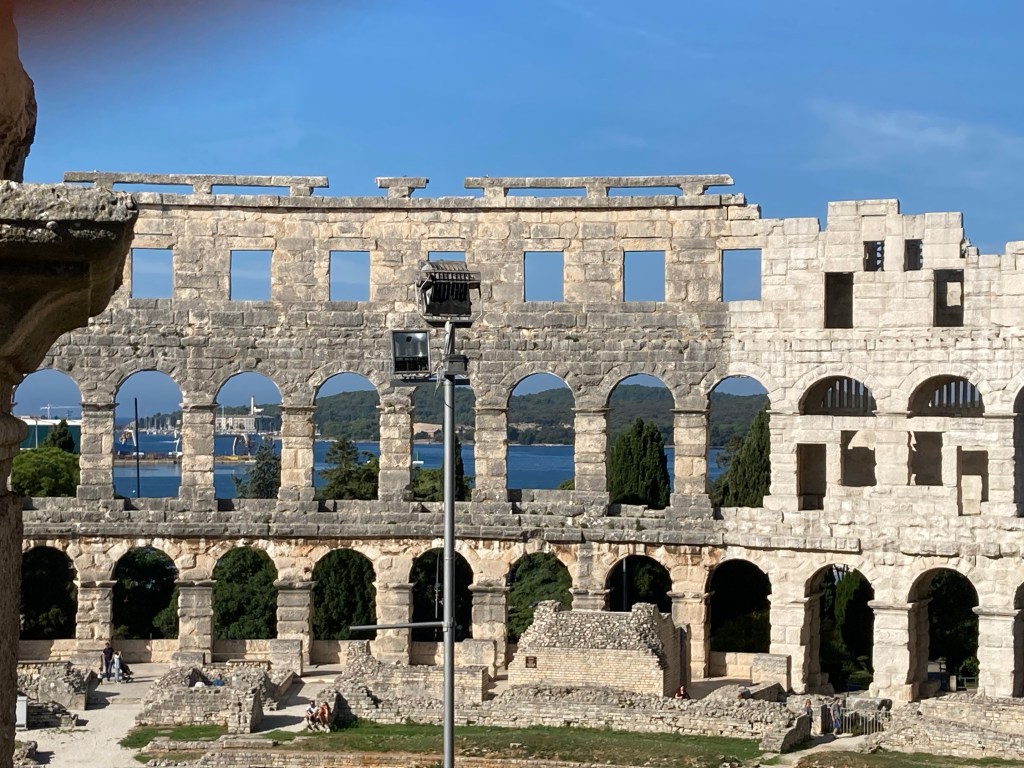
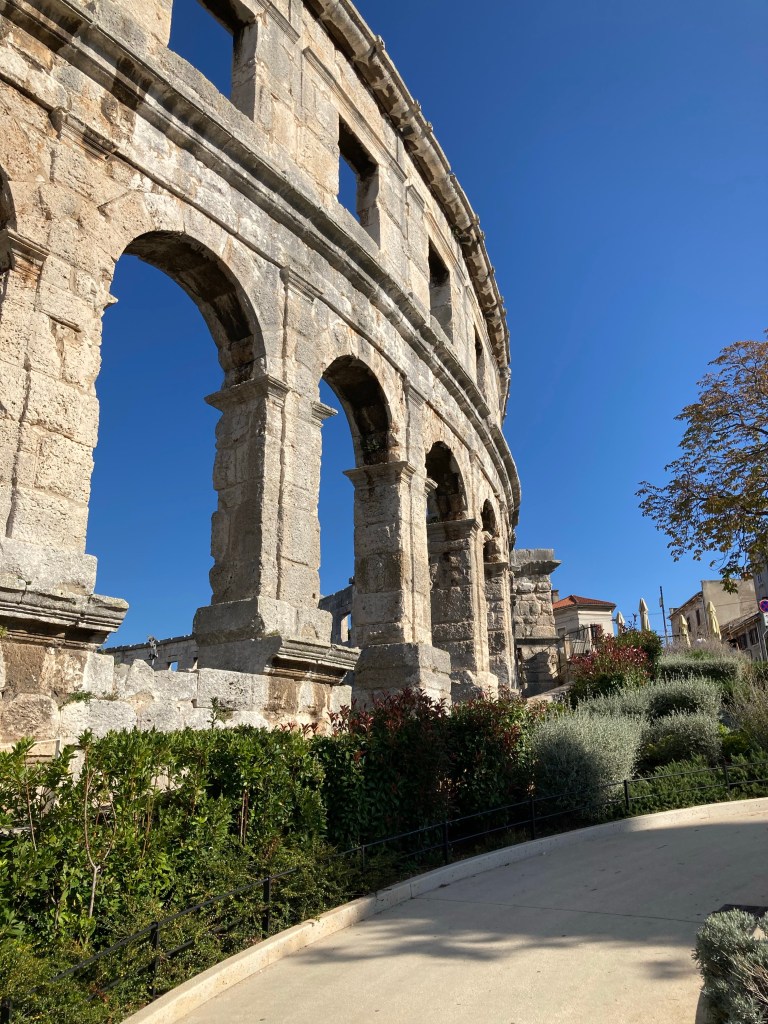
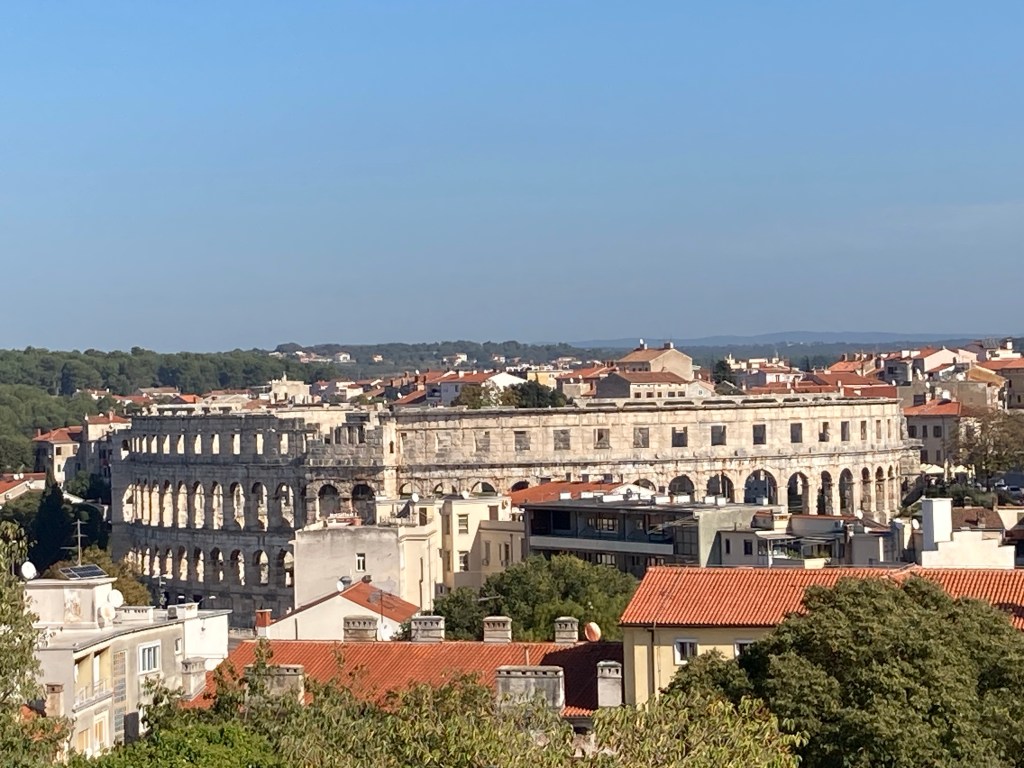
Parking next to the large Roman amphitheatre we took some photographs and continued through the narrow winding streets of the old town to the old fortified castle.