Author Archives: stephtruman1

A little bit of Italy

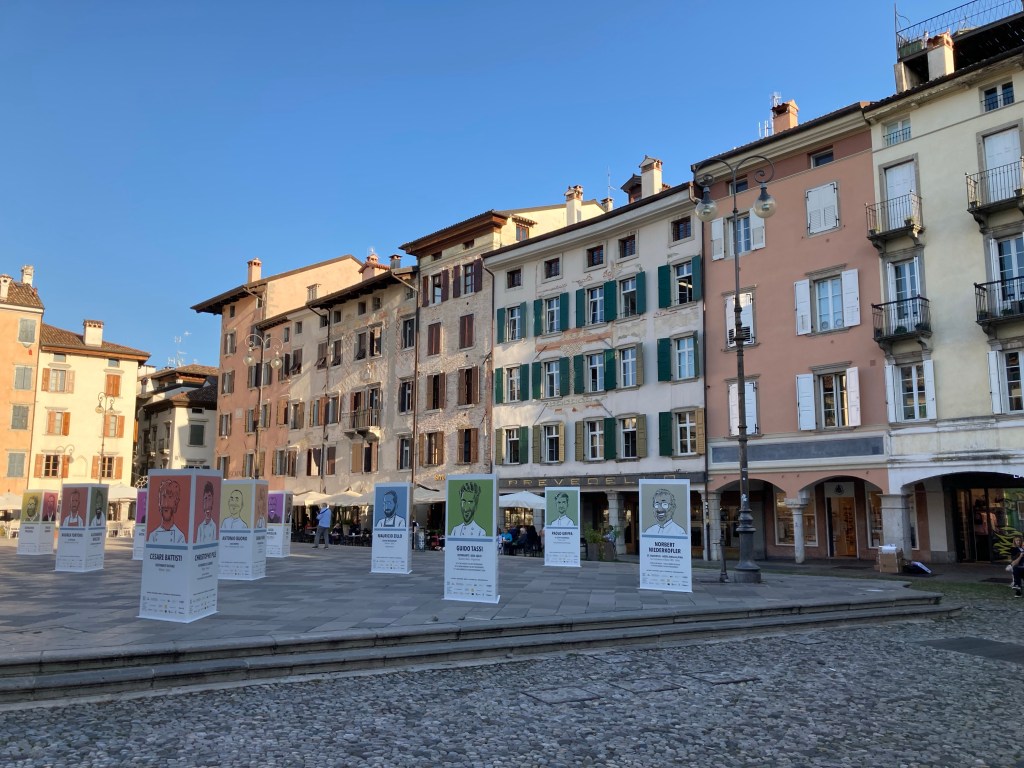
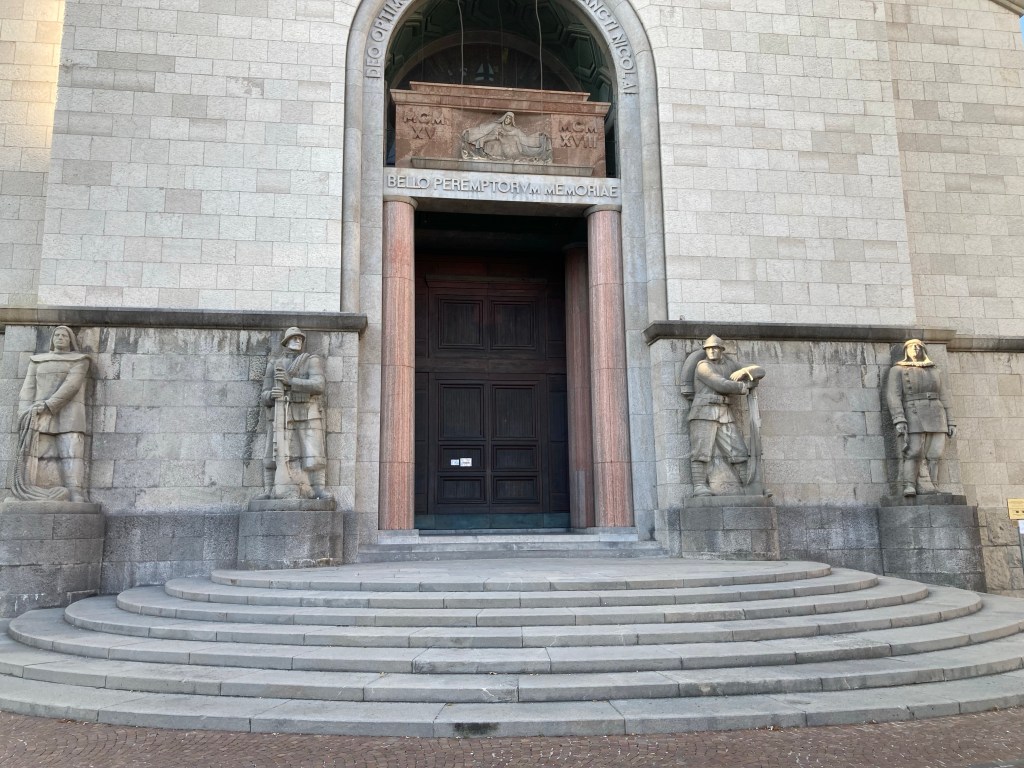
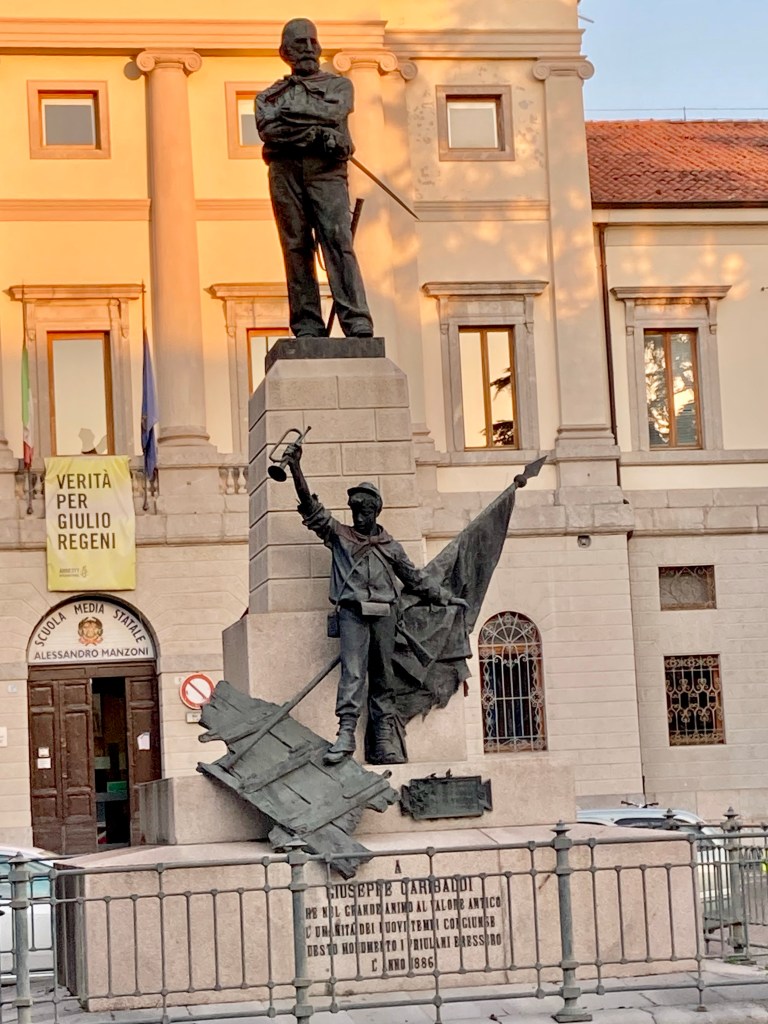
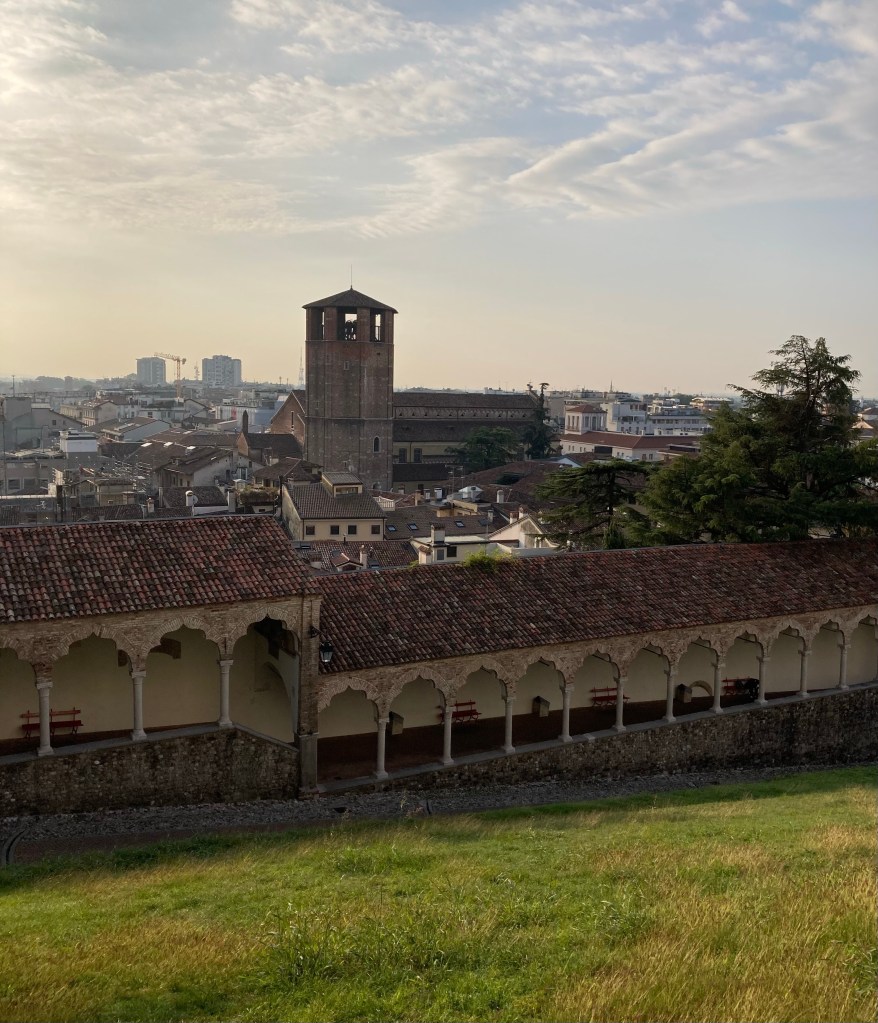
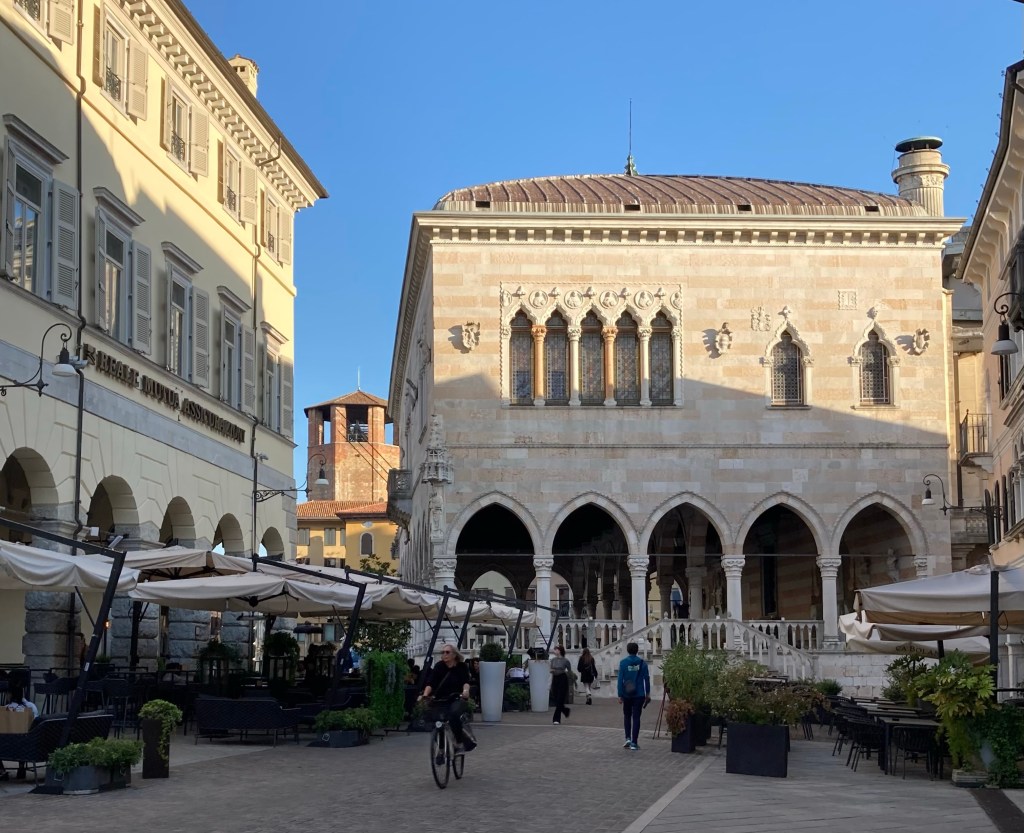
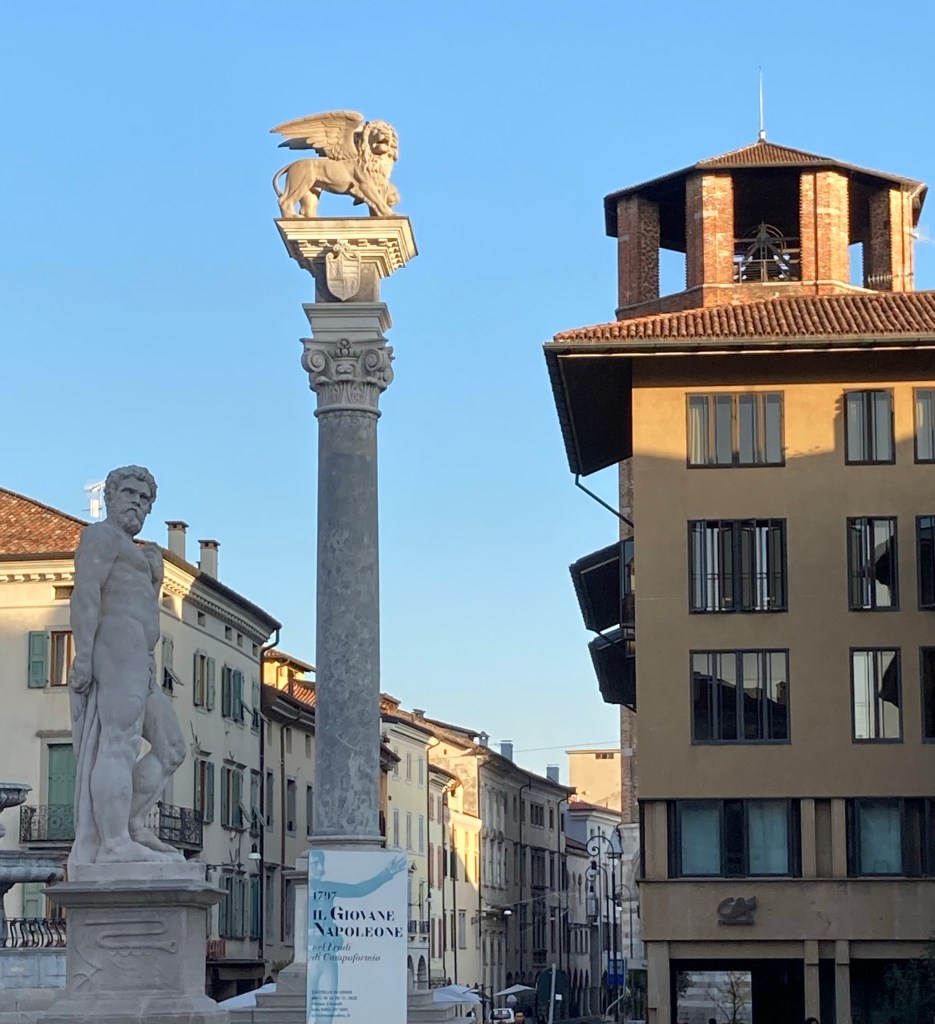
The very top east corner of Italy occupies the top of the Adriatic giving a very small land route between Austria and Croatia. There are two major cities Udine and Trieste, we chose to visit Udine for it’s historical interest.

Arriving in Udine late afternoon on a lovely warm day we walked into town for a drink. After a cold beer we meandered through the back streets and was tempted by a small courtyard restaurant so taking a seat we asked for a menu, excitedly we chose our starters and main course only to be disappointed when the waiter said they did not serve main courses until the chef came on at 7pm but we could order small tapas style starters 😪 choosing not to wait we decided to return to Vinnie and make a meal.
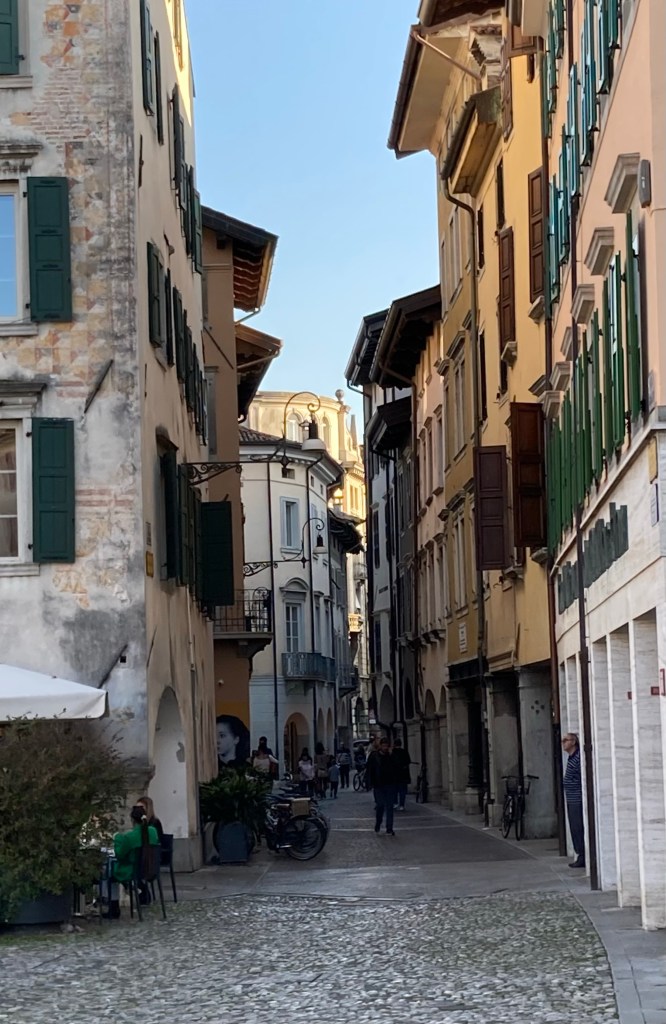
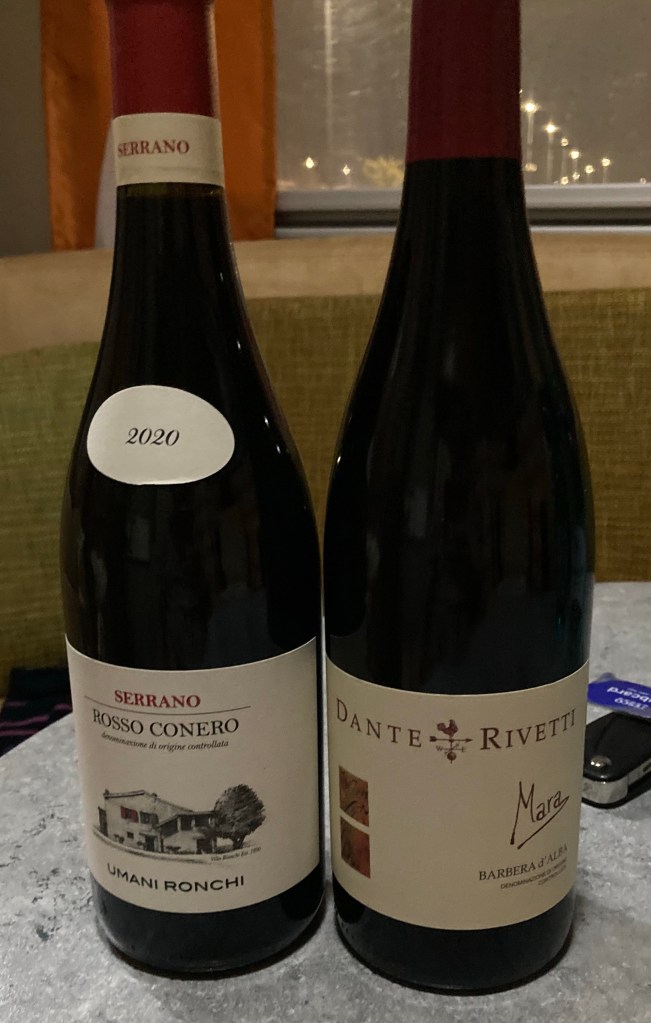
On route we found a small independent wine shop where Charles treated himself to two nice Italian red wines. Coincidentally there was a barbers next door so Charles nipped in for his obligatory travel haircut and I indulged in a Pakistani sweet donut that was offered to me whilst I waited (I got the better deal)
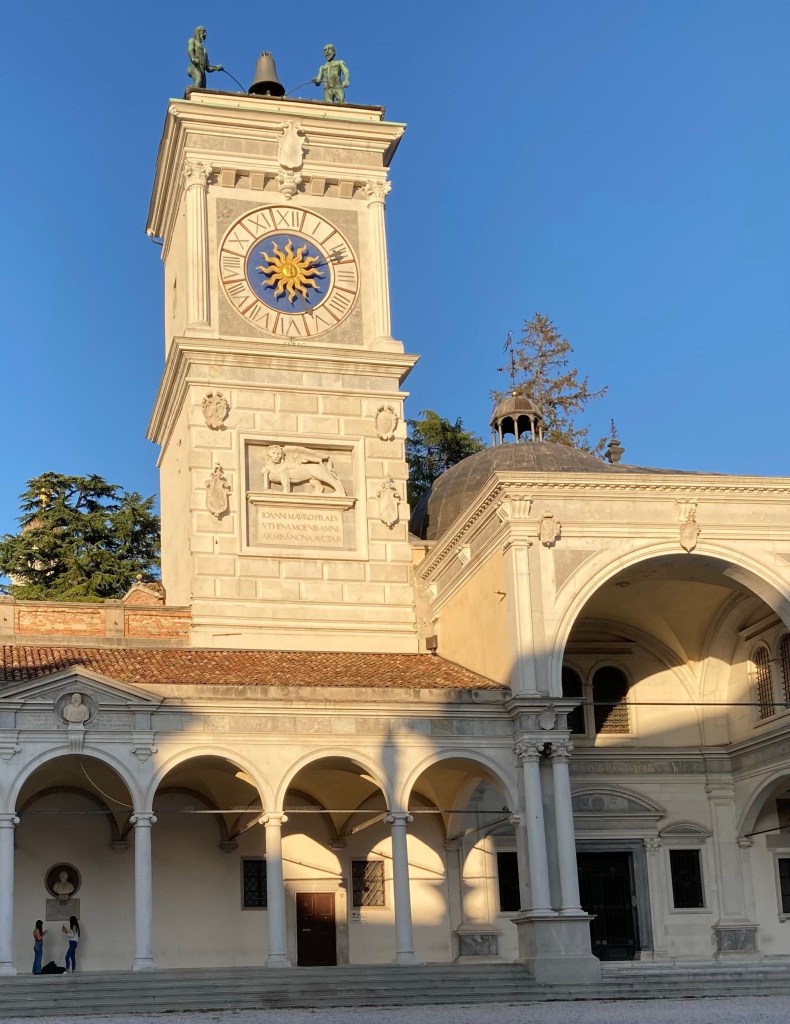
Returning into town early the next morning for an advertised 9am opening of certain parts of the castle museum (and after a long hike up a steep hill) we found it did not actually open until 10am. So back into town for coffee and pastries, some window shopping and an almost clothing purchase by Charles. We decided against a return to the museum and instead took Vinnie for a long overdue car wash and gas fill before continuing to Croatia.
A land of rugged peaks and crystal blue waters

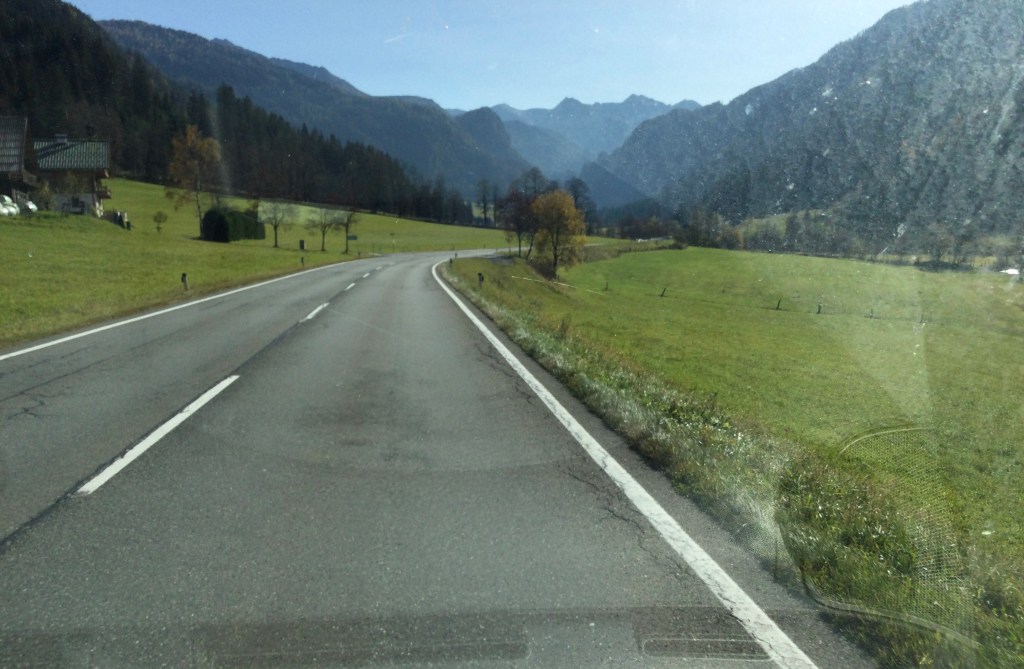
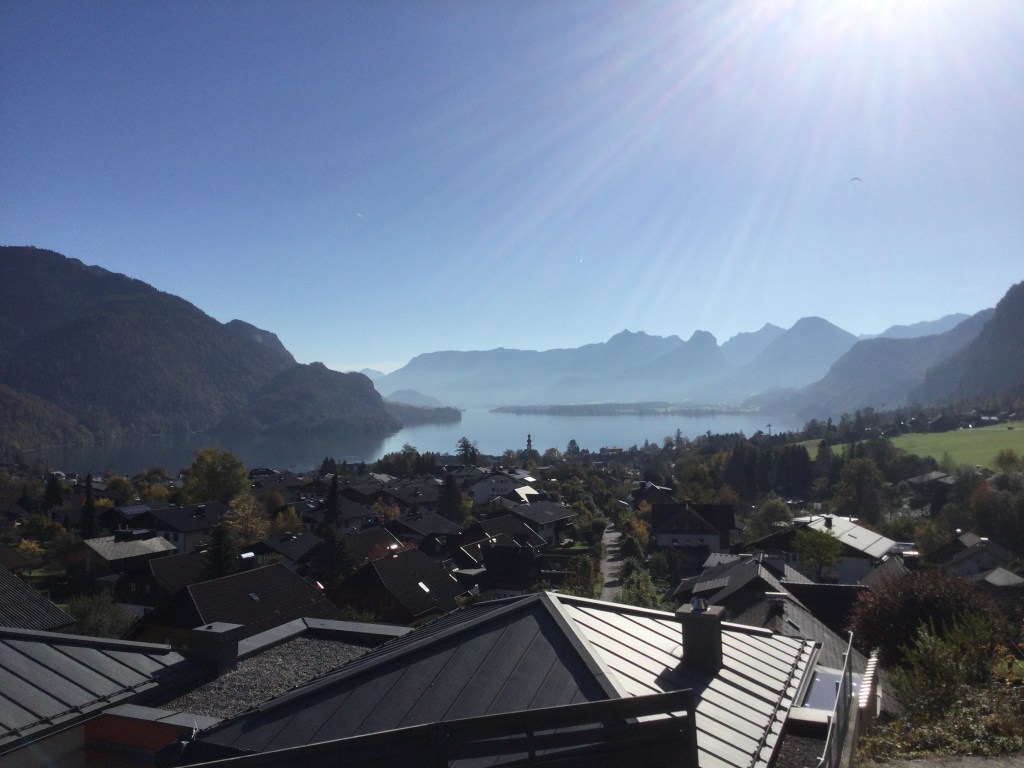
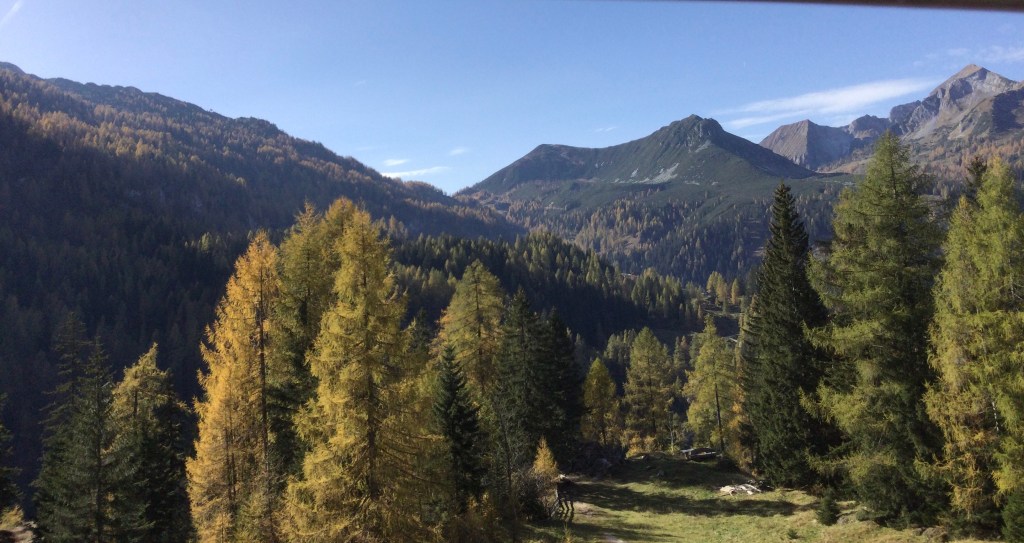
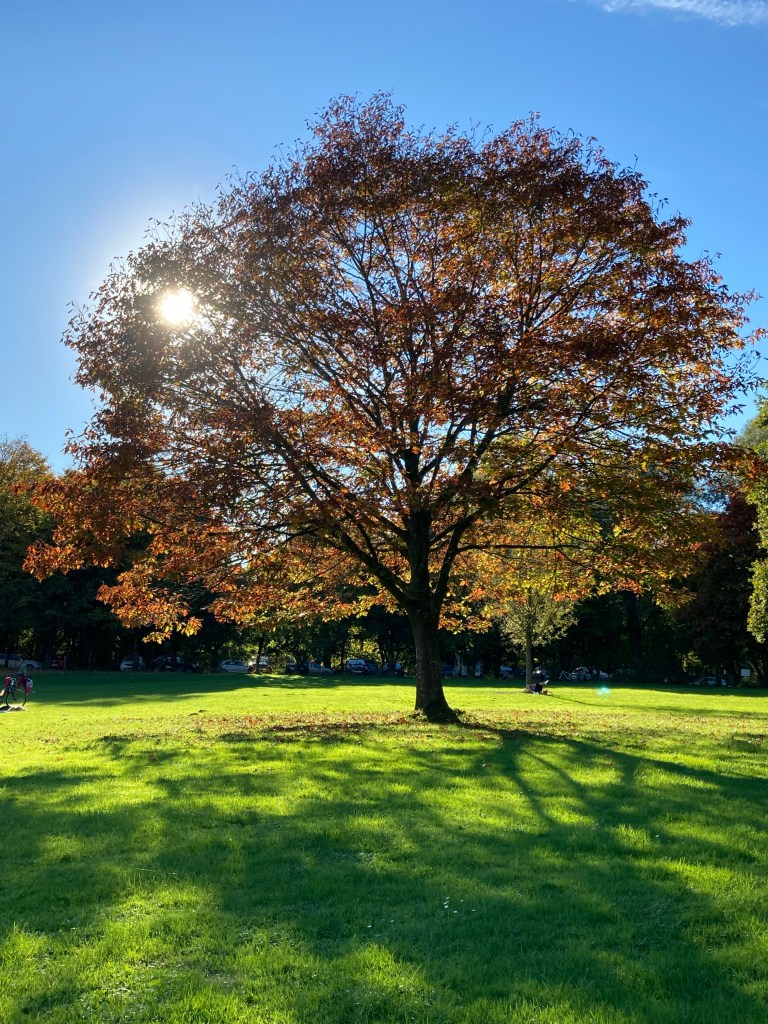
The autumnal colours were spectacular as we drove through Germany into Austria. The heading describes perfectly the landscape, mountains, water and wide vibrant green valleys it has to be one of my favourite places.
Salzburg

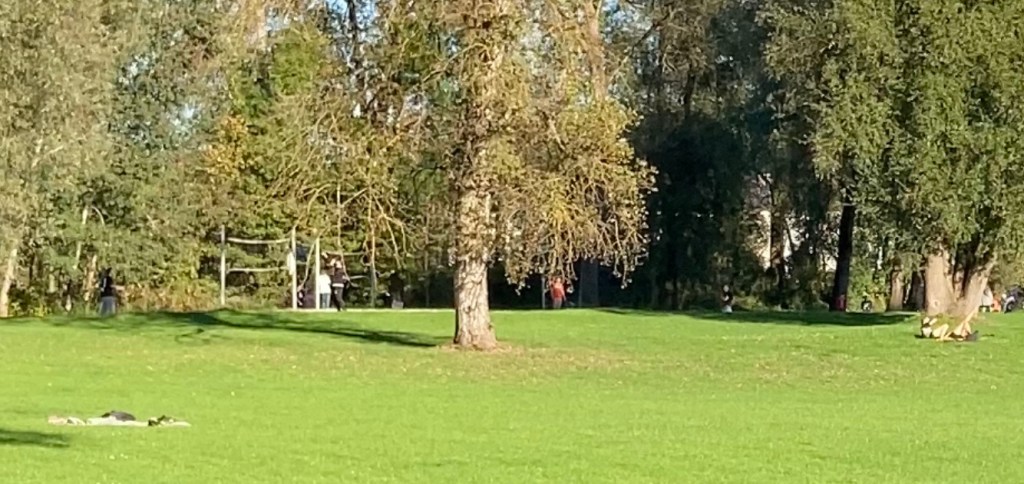
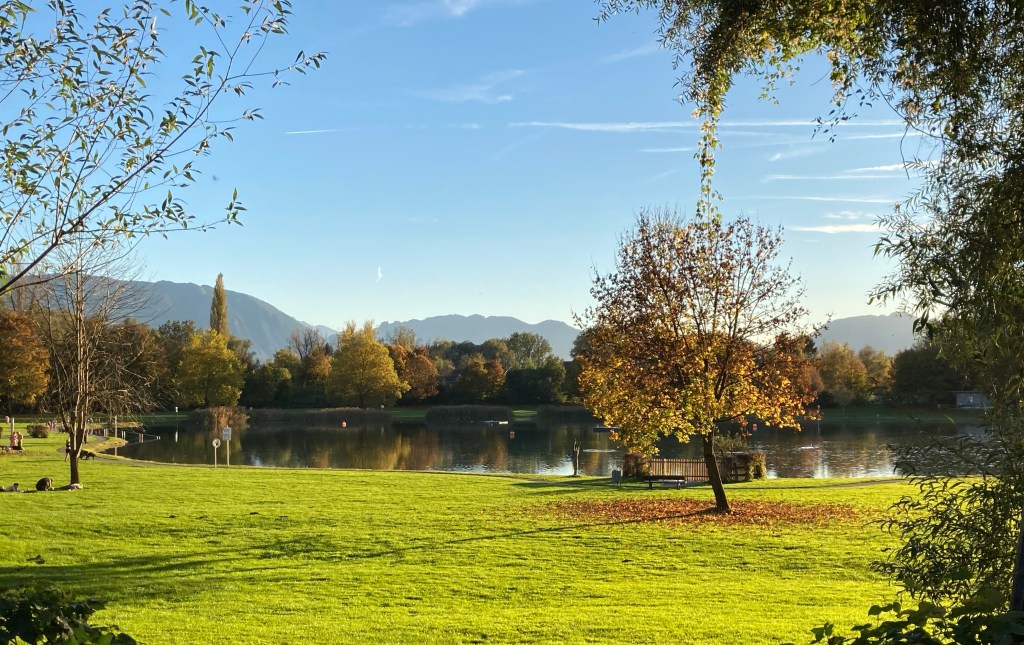
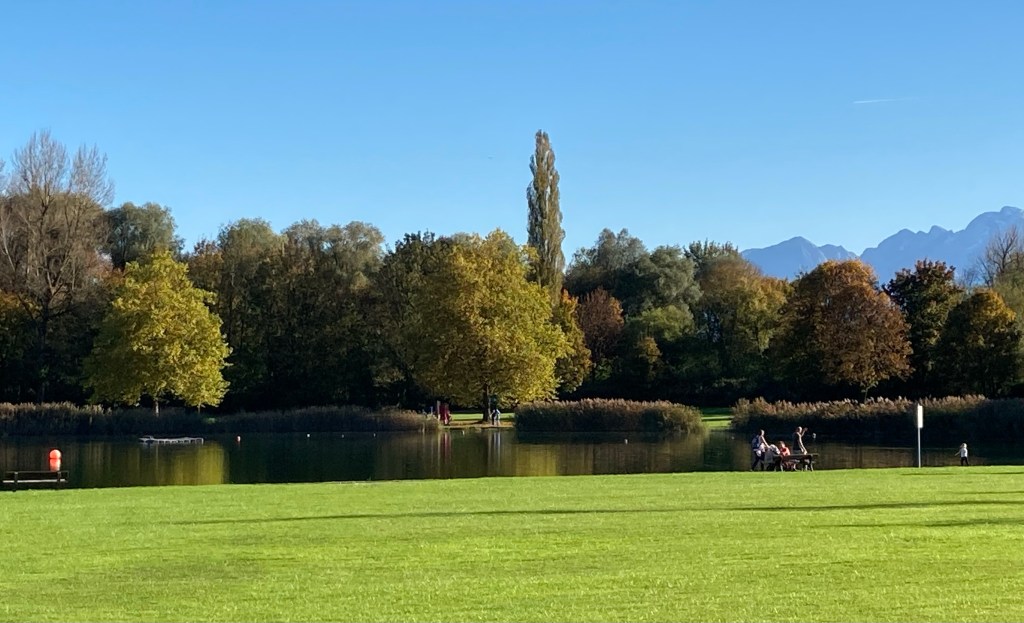
After a long drive we wild camped next to a public park with a swimming lake twenty minutes on the tram from the city. We arrived on a sunny afternoon so decided to leave the city centre to the next day. Carrying our chairs into the park we settled down to watching the locals who were swimming.walking leisurely around the lake, sitting chatting and children playing volleyball and enjoying the organised playground.

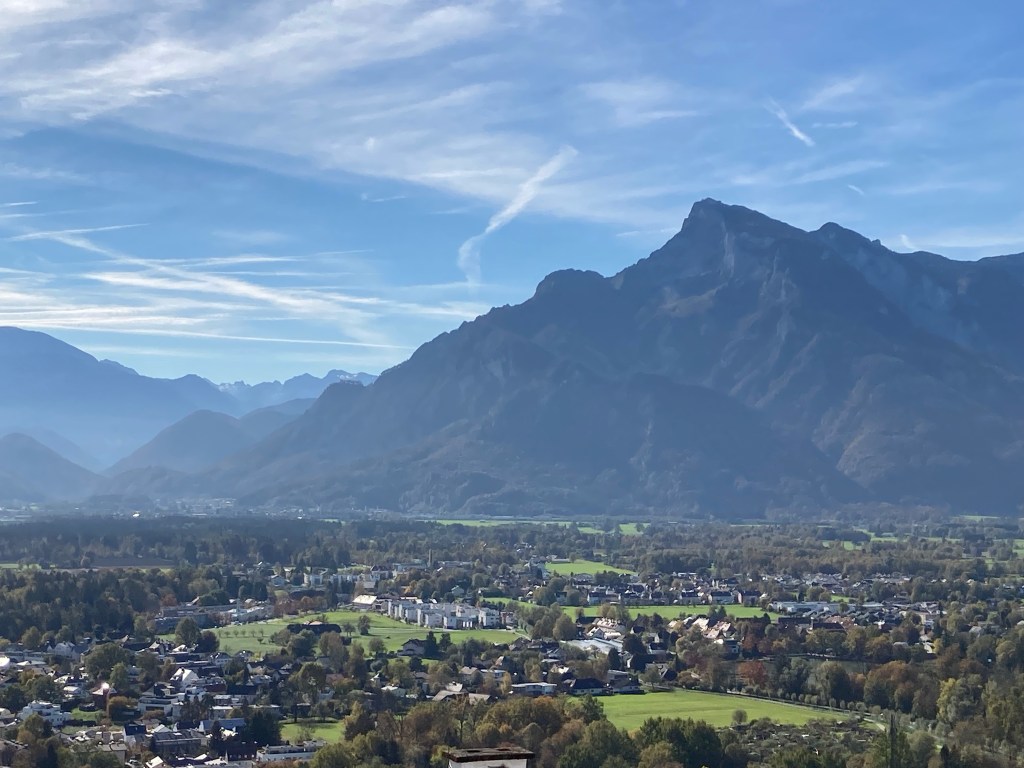
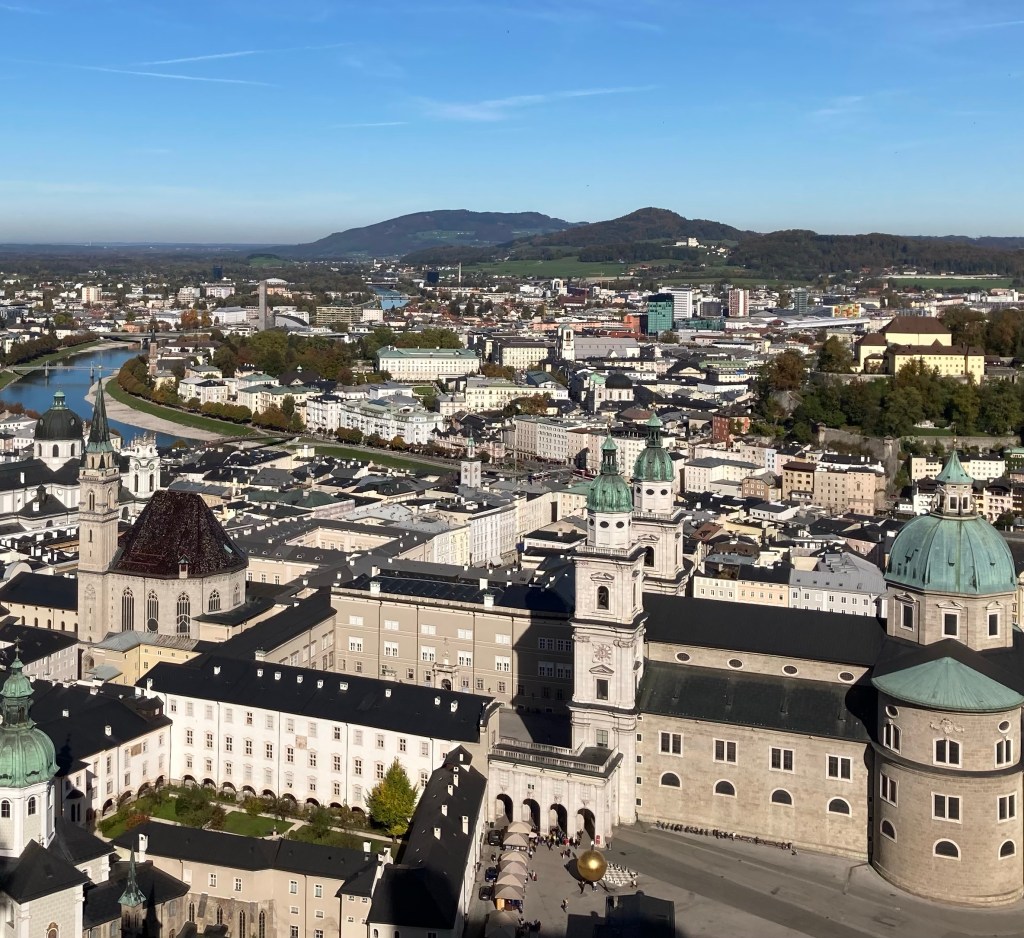
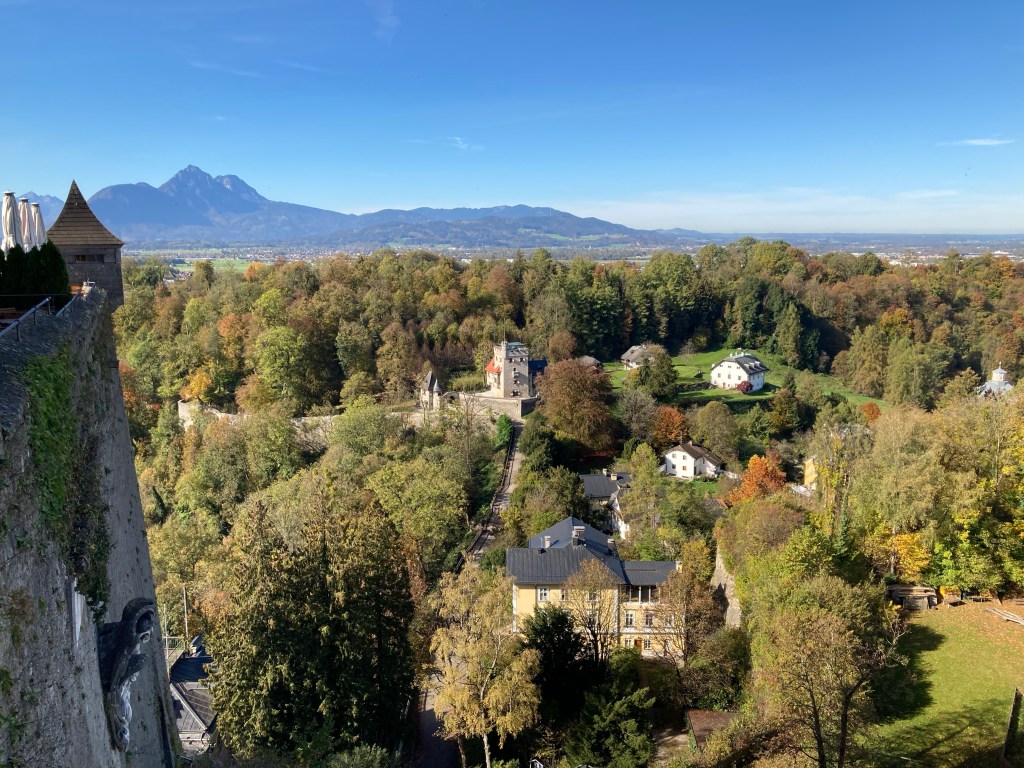
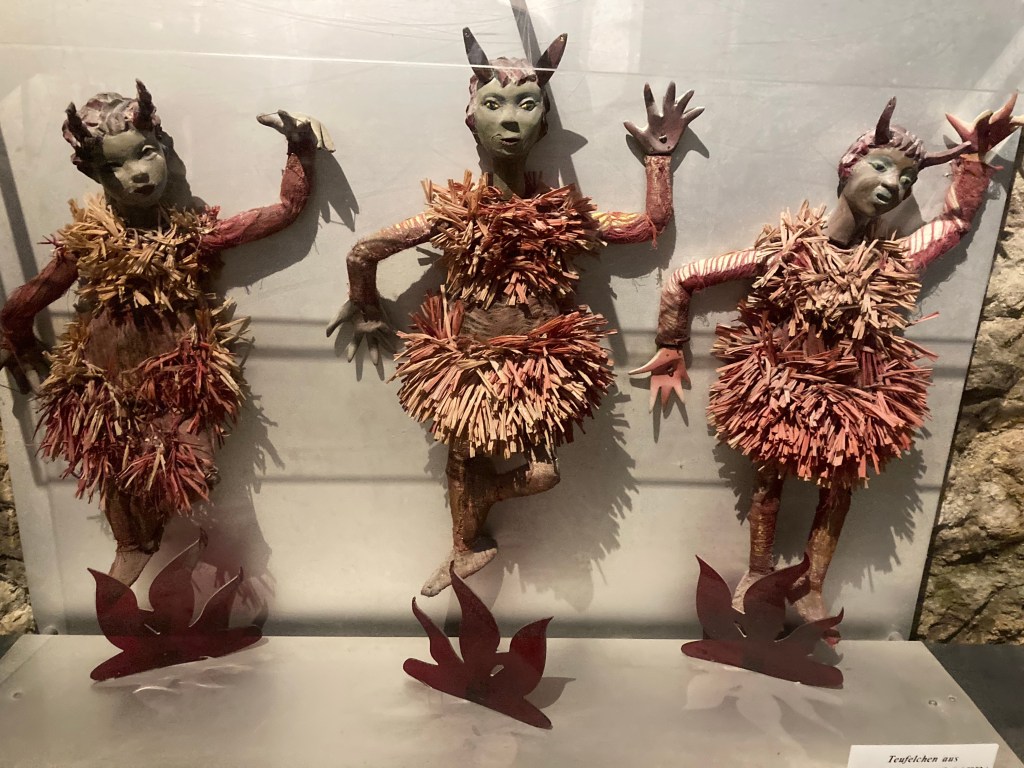
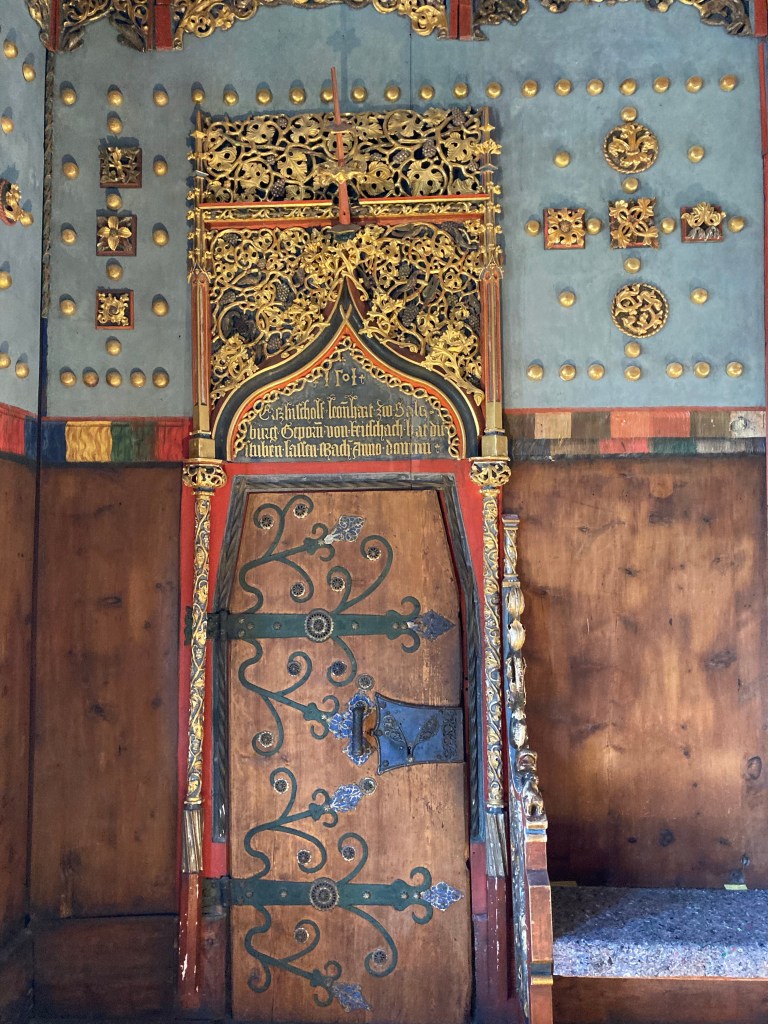
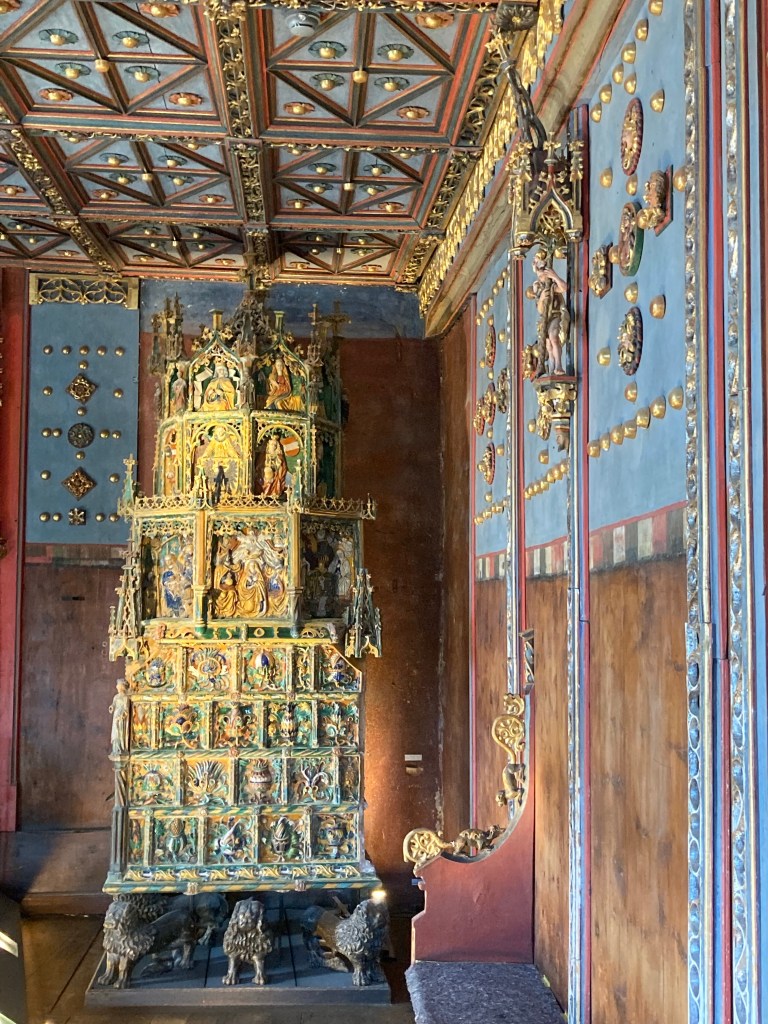
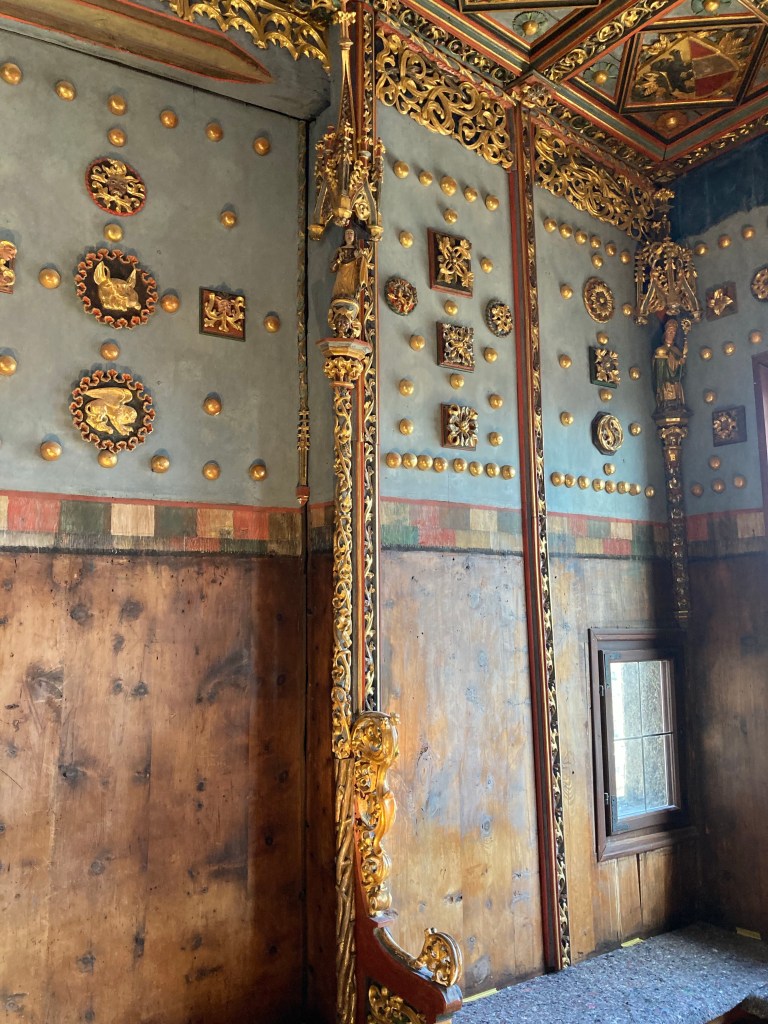
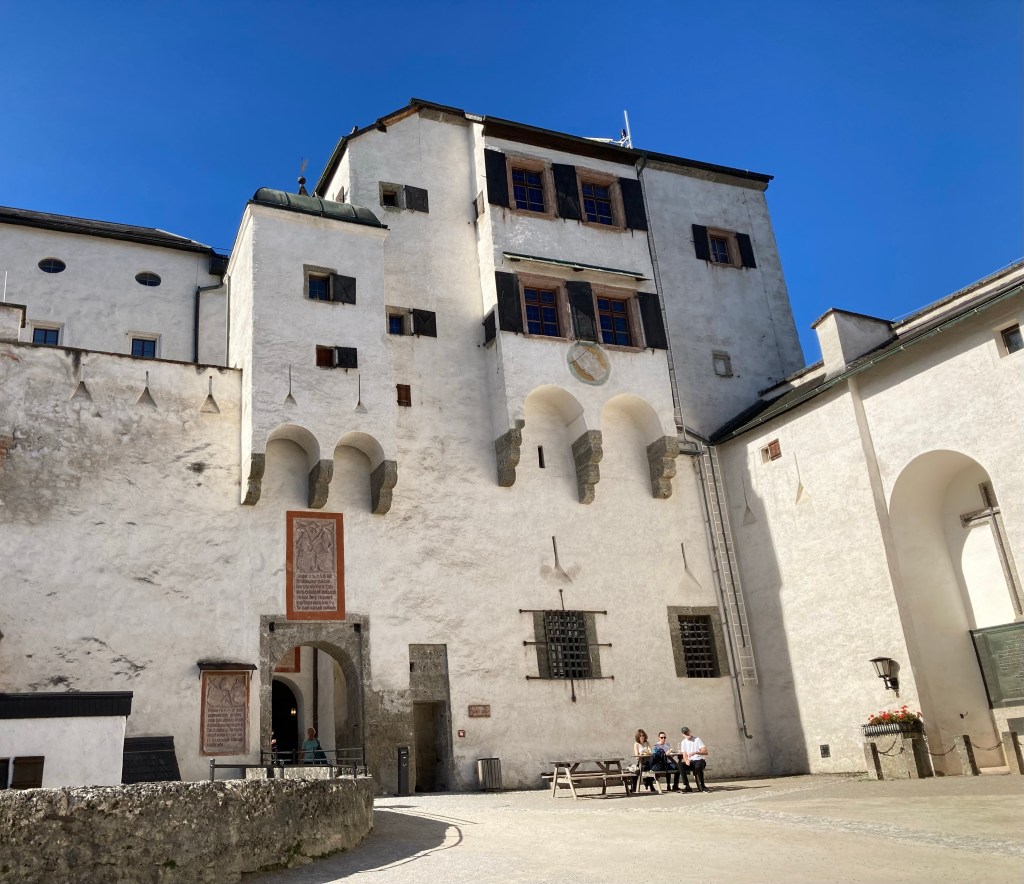
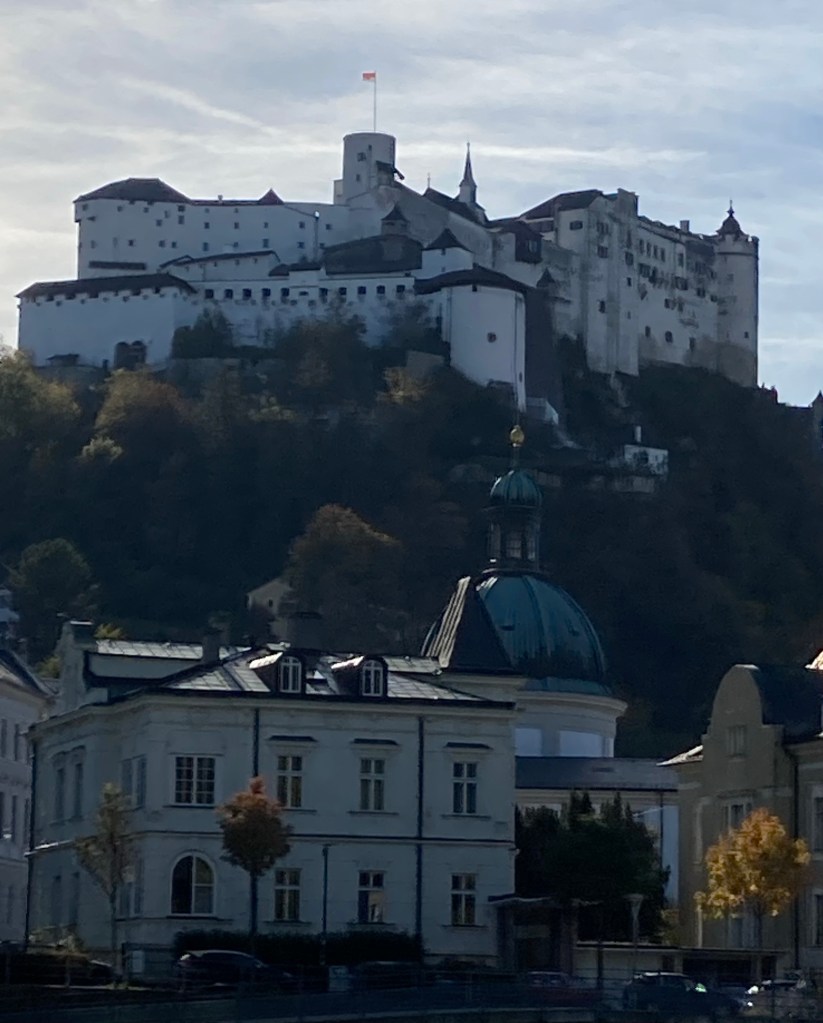
The following day we took the tram into town making our way into the main square where we took the funicular railway up to Hohensalzburg fortress which is a nine hundred year old cliff top castle sitting high above the rooftops of the Baroque city centre and is considered to be the best preserved of it kind in Central Europe. The views were spectacular and the inner courtyard gave a sense of history. Also housed there was a collection of puppets from when the castle had its own theatre.

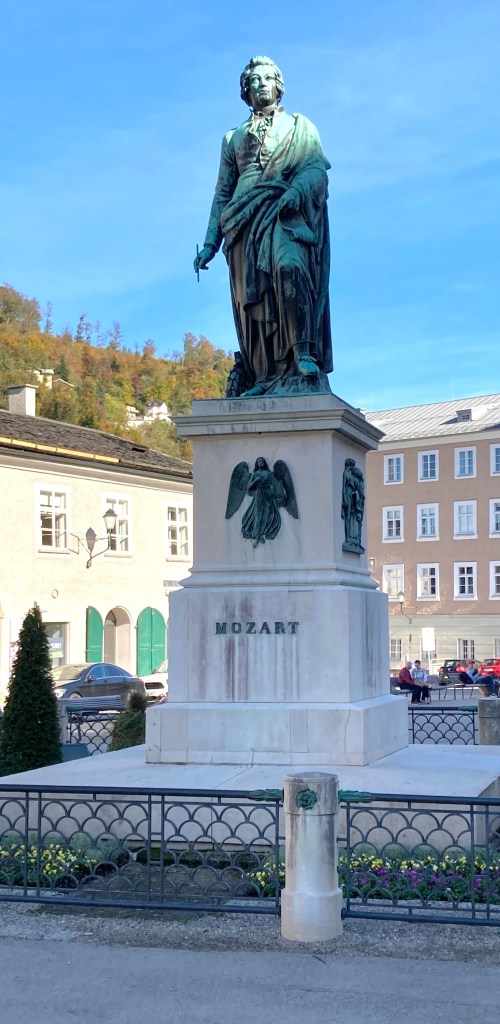
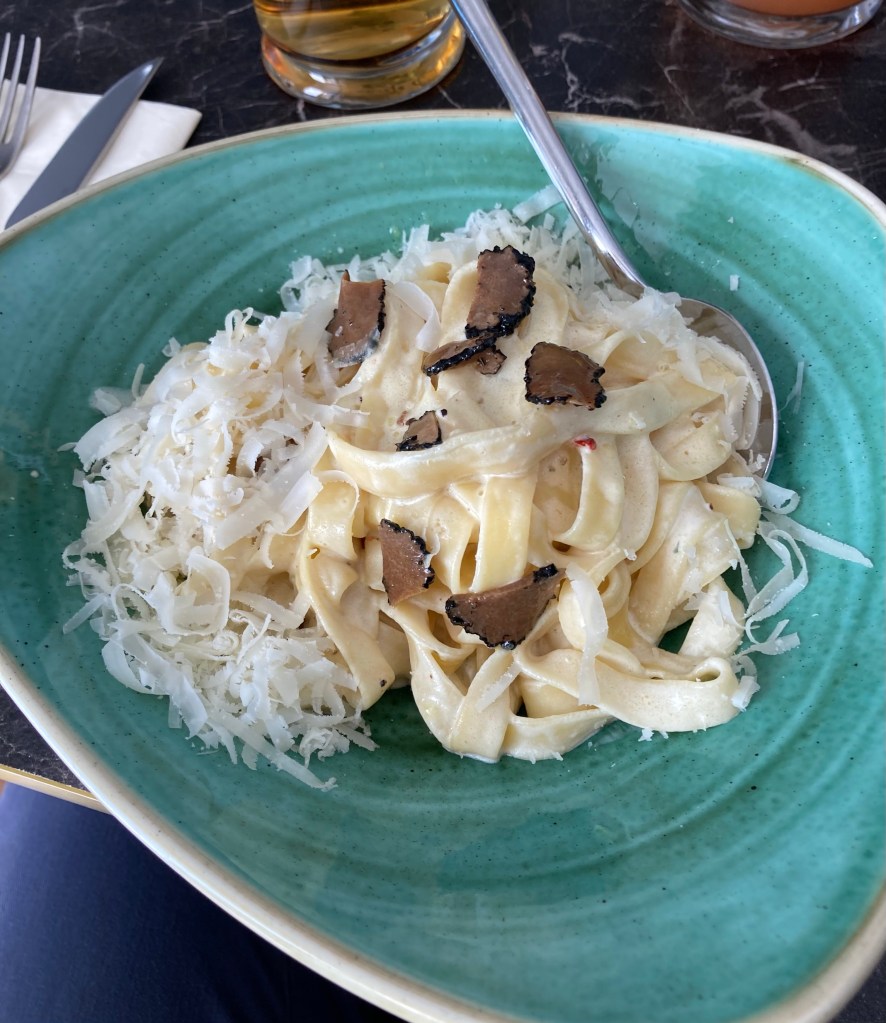
Returning to ground level we decided to find somewhere for lunch and explore the old towns backstreets and intimate courtyards for somewhere suitable. Heading towards Mozartplatz we came across a small cellar restaurant called Sto Bene where we had our best ever Italian meal outside of Italy cooked by an Indian chef !

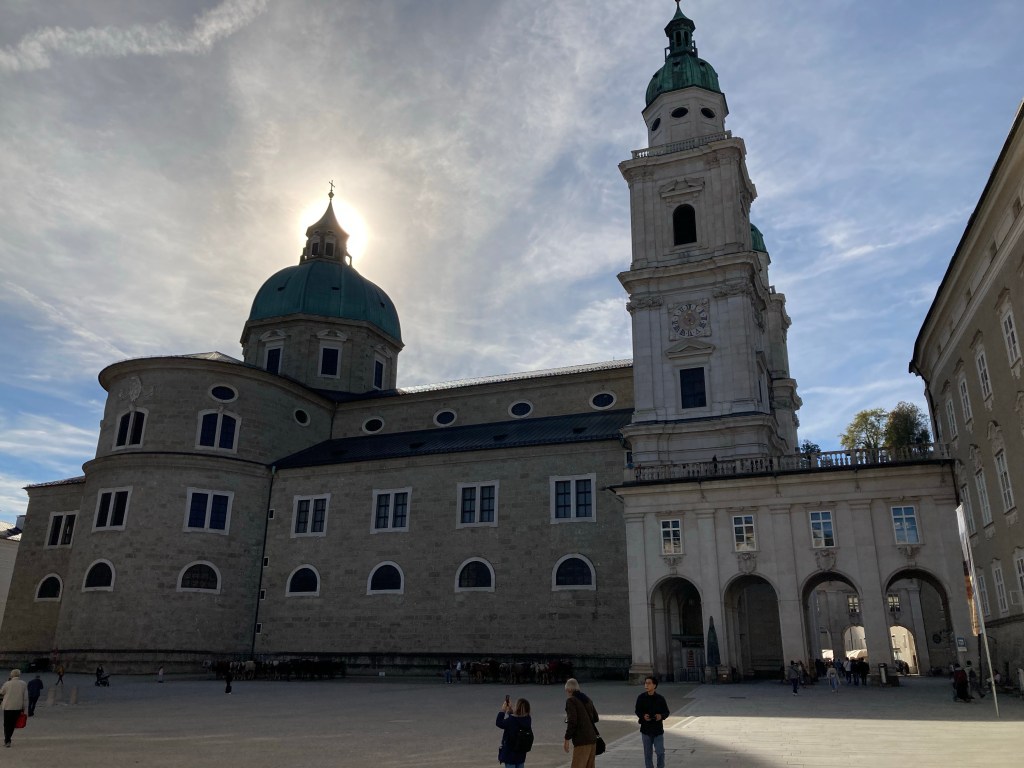
Taking a leisurely stroll along the river we returned to the tram terminus for our return journey and looking back at the fortress on the city skyline we took our last photo of Salzburg. Returning to where we had parked Vinnie we were entertained by a group of what was obviously dog owners arriving for dog training classes??

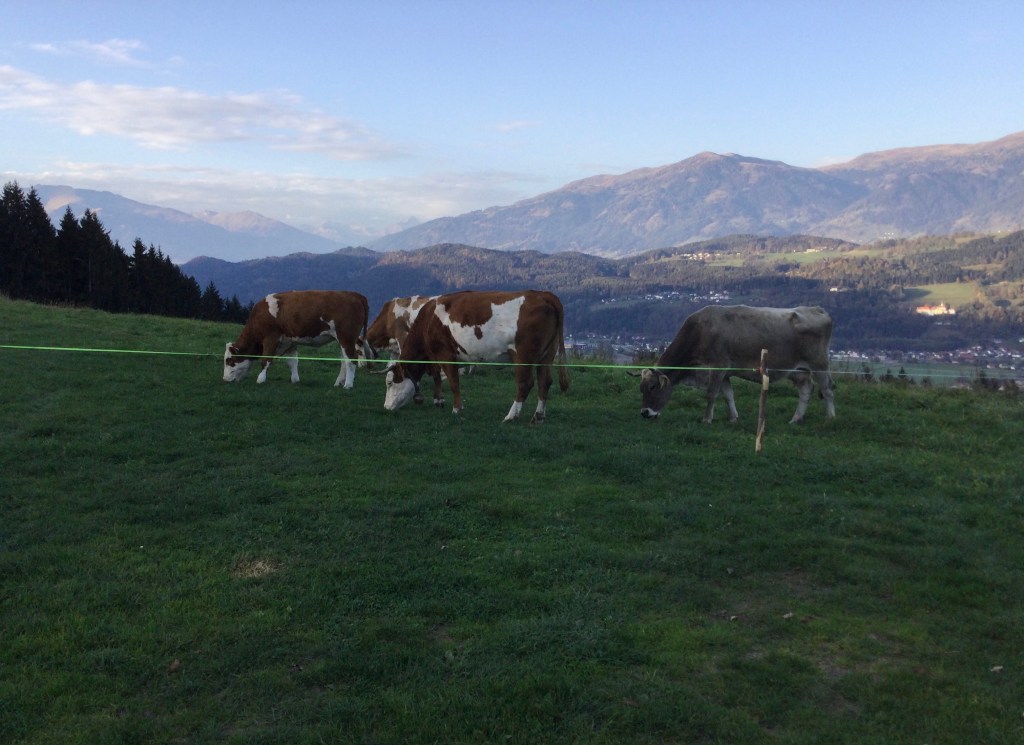
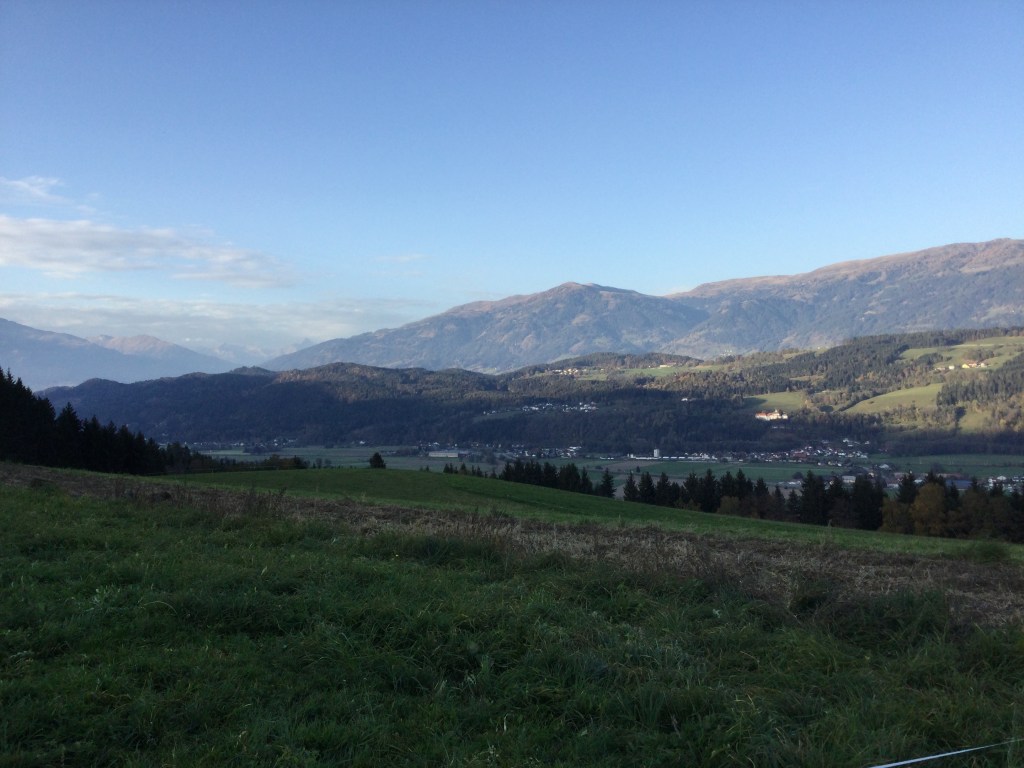
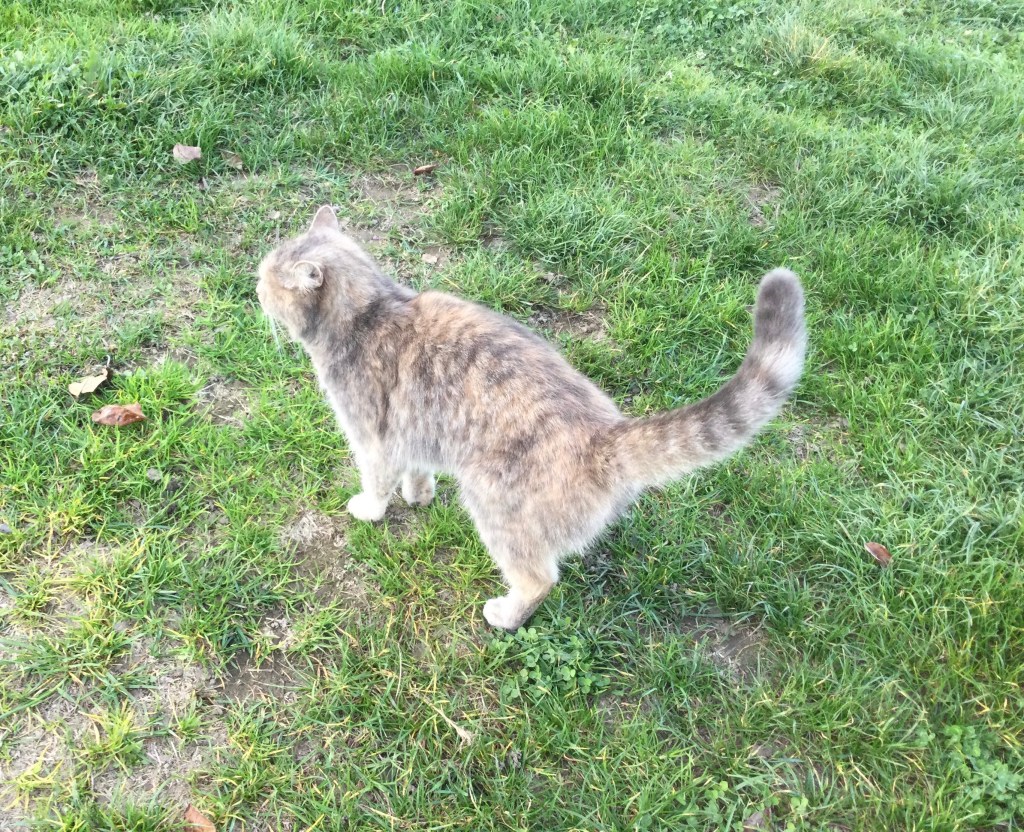
Breaking our journey towards Italy we found a lovely little campsite outside Ziebl based on a working farm with commanding views of the Alps over the river valley below (and two very friendly cats.)

A Tale of Four German Towns

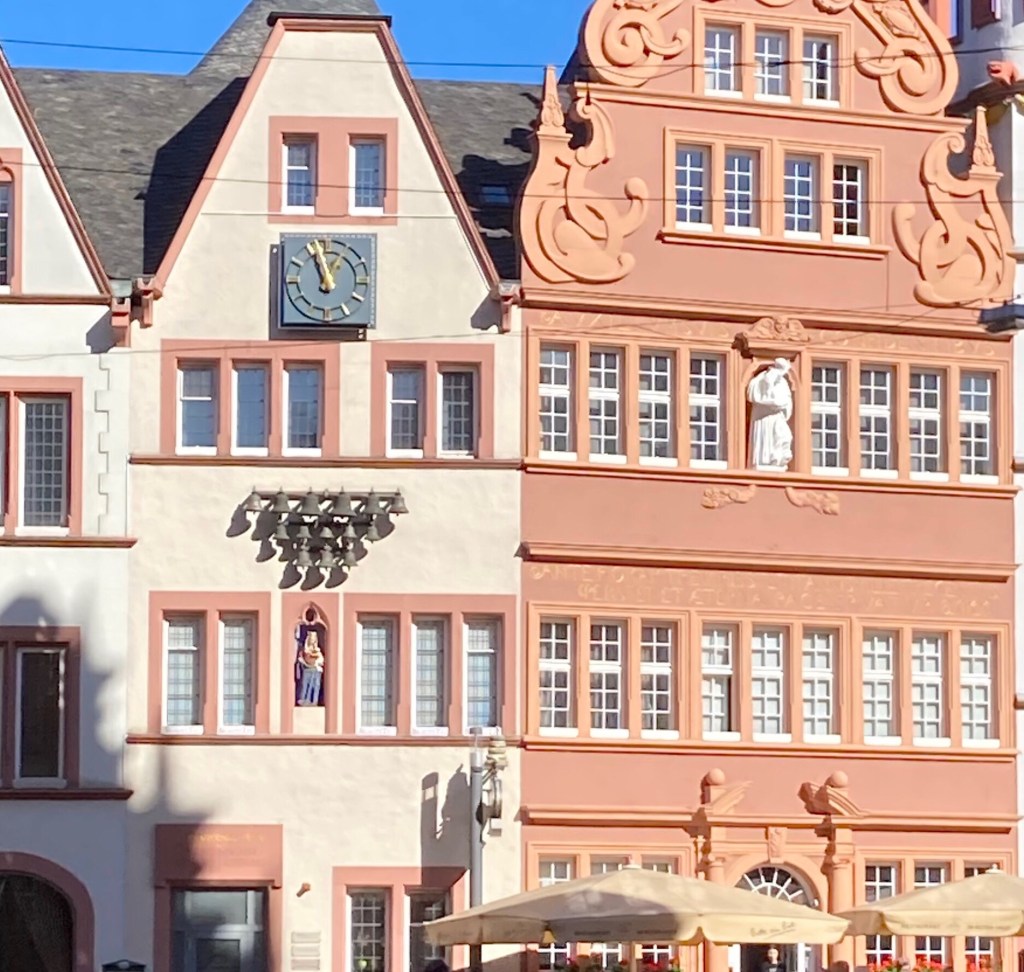
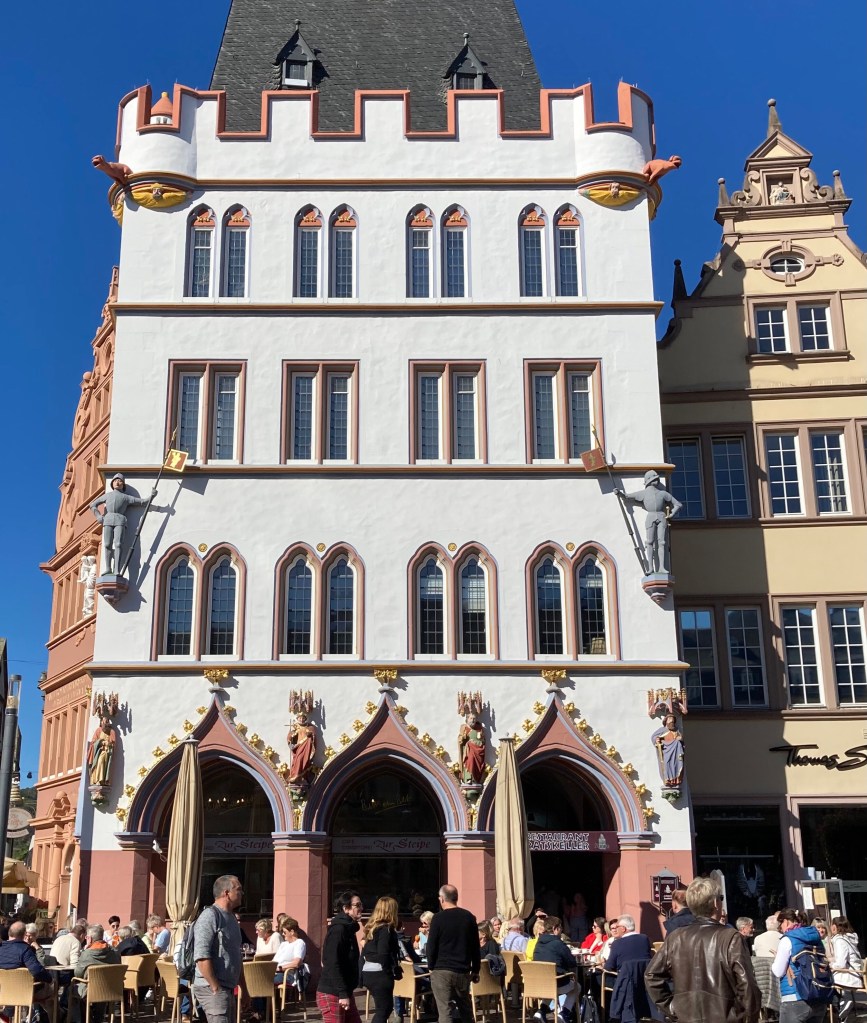
Leaving Belgium we headed in to South West Germany our first stop being in Trier parking next to the Moselle river. Walking into town on the Sunday morning we stopped off for coffee and cake at a delightful coffee shop called Maria’s Kaffeestubchen the service was first class and the coffee and cake was to die for.

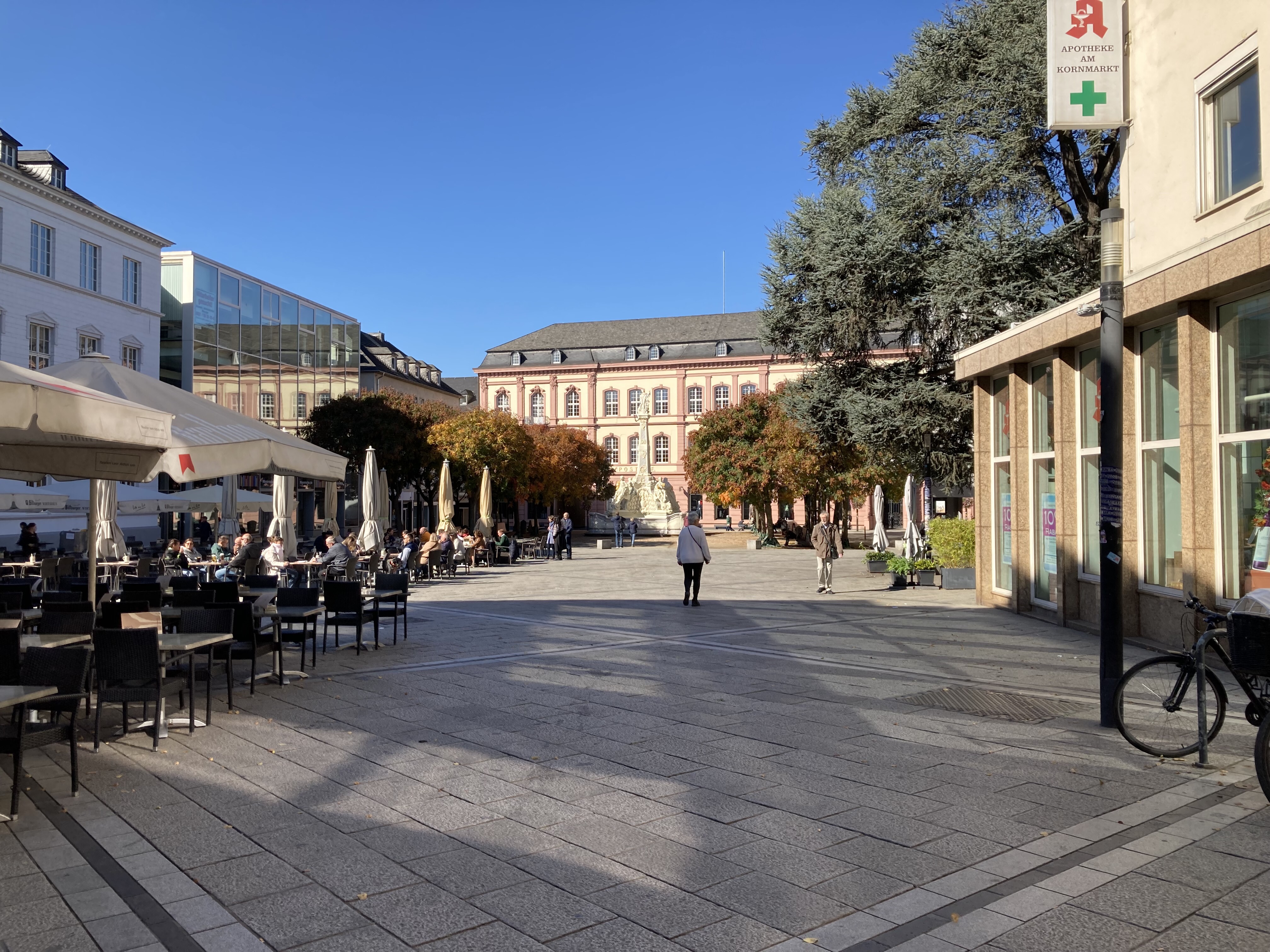
Continuing our walk into the town centre there was an obvious mix of tourists and locals, the tourists obviously on the circuit around the town and the locals socialising with friends and family in the coffee houses, wine bars and restaurants creating a relaxed atmosphere.

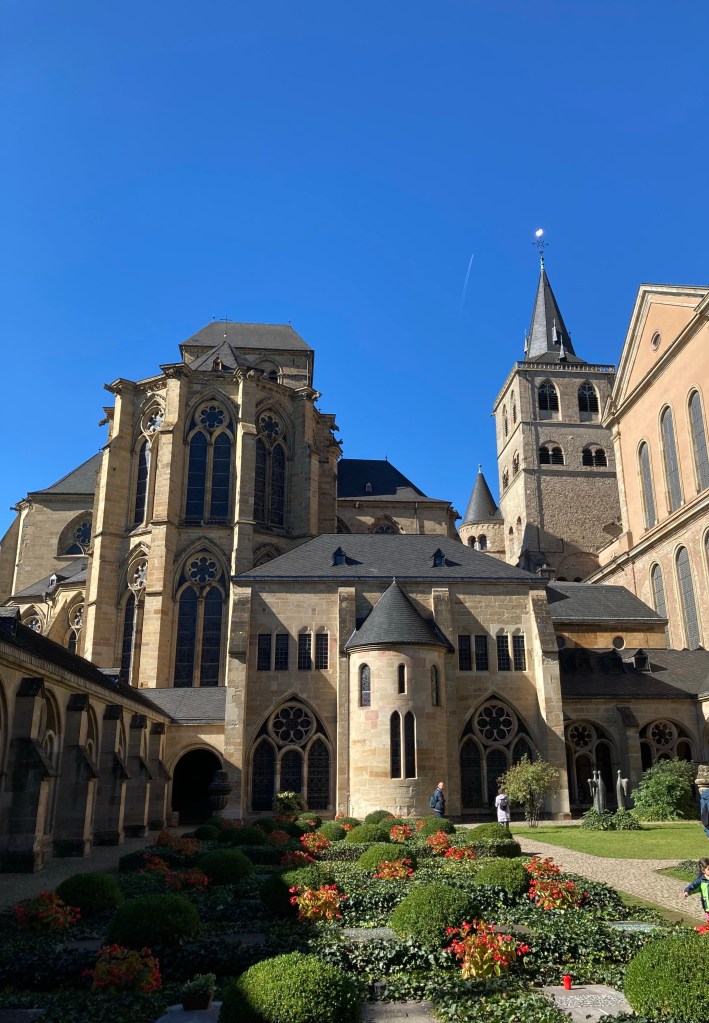
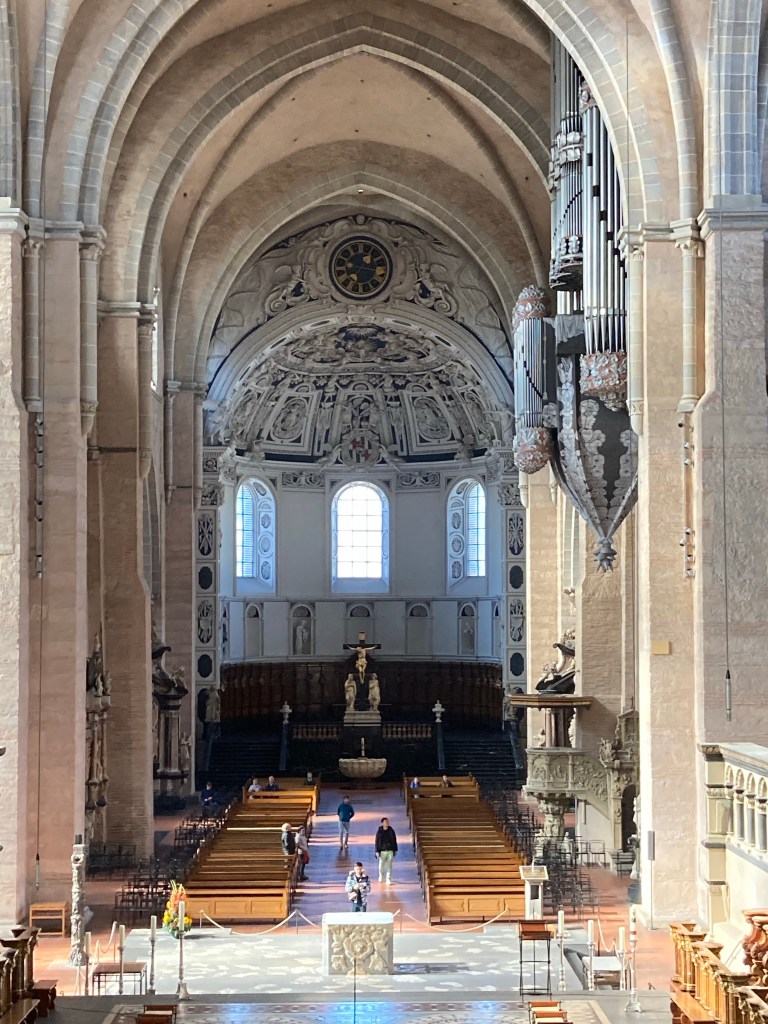
As tourists we chose to visit the main cathedral Domstadt St Peter and the adjacent museum. The cathedral is a UNESCO world heritage site being the oldest cathedral in Germany built upon the foundation’s of a group of ancient Roman buildings called Augusta Treverorum. The artefacts discovered during numerous archaeological excavations of the site were housed in the museum.

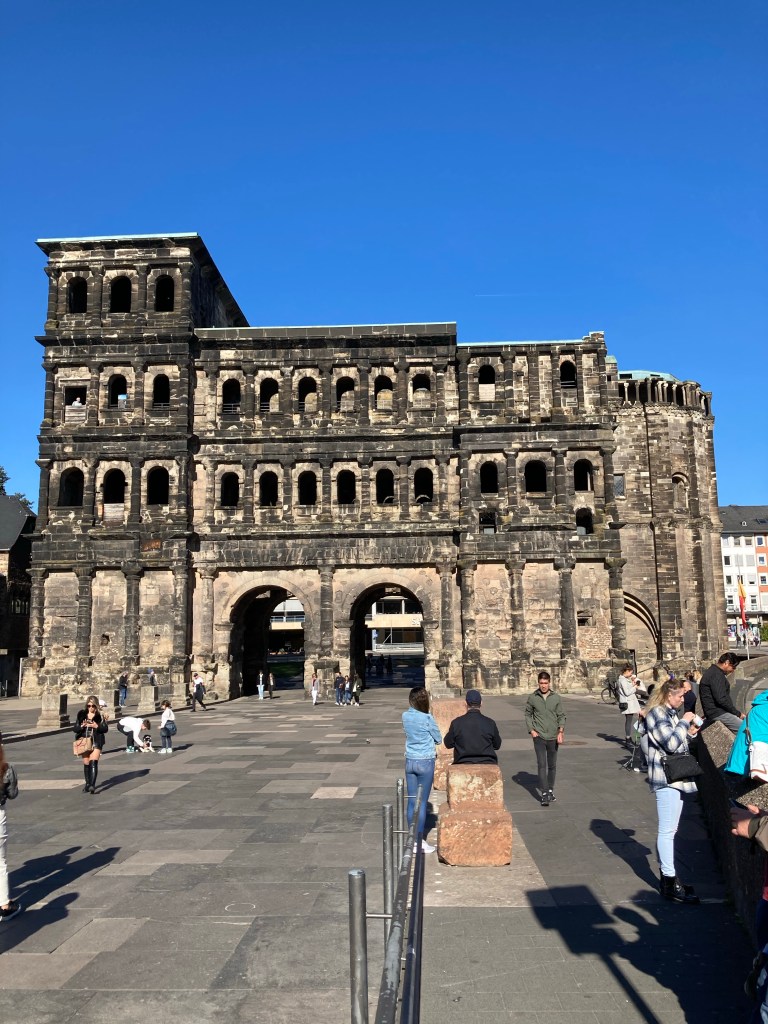
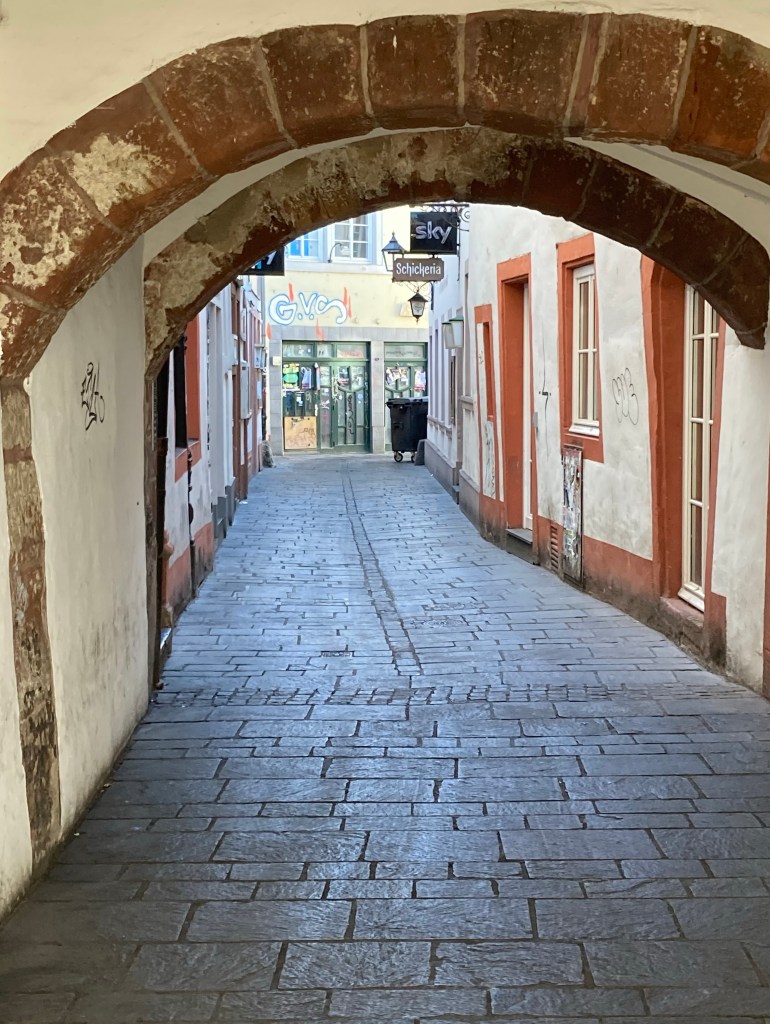
We also visited the site of Porta Nigra the original Roman gate to the city and walking back into the town centre we diverted through the original archway to what remained of the old Jewish quarter.

Jewish gate

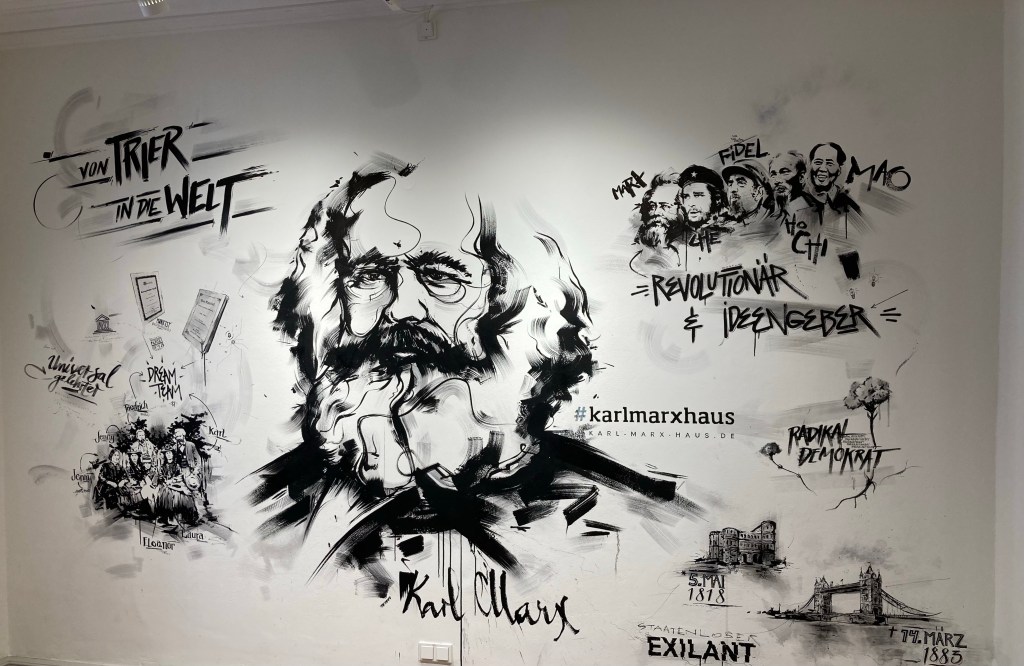
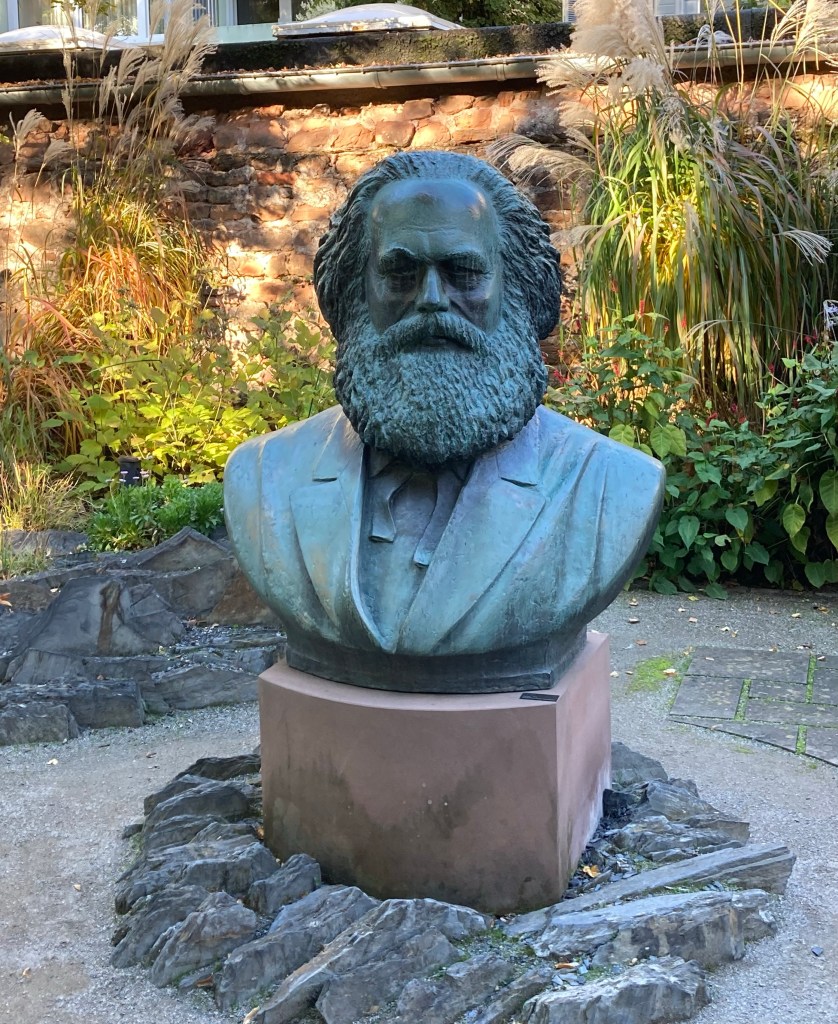
After stopping for a well deserved drink at an on street cafe we proceeded to Karl Marx birthplace which had been converted to a museum of his life. The exhibition was revealing in having always thought of him as the sole author of Das Kapital we discovered that others had contributed and that two of the three volumes were published posthumously after being edited and completed by his colleague and friend Friedrich Engels. The museum information claims that Marx thought his work as not being a finished theory and it begs the question as to would he have published the final volumes as we have come to know them or would he have developed his theories further? Is the Das Kapital we know his work or Engels?

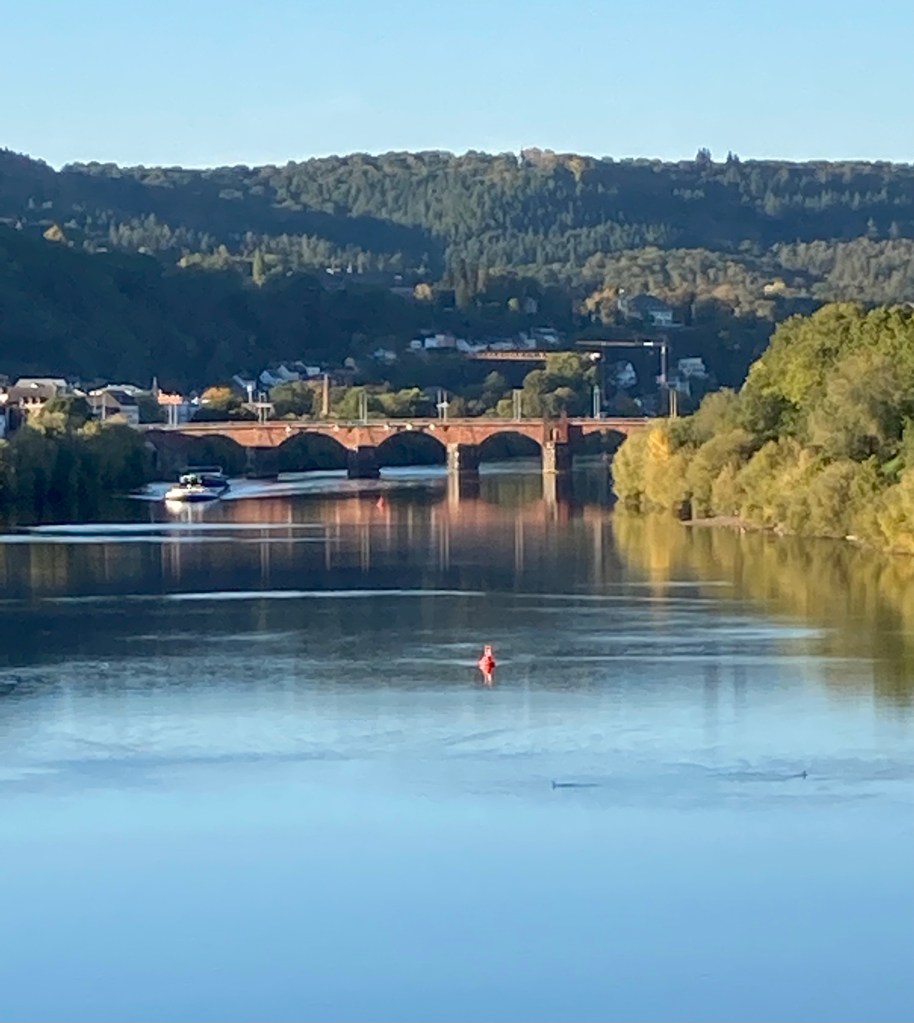
To end the day a final walk along the river back to camp looking back at the original Roman bridge which is still in use today. Wow those Romans!

Neustadt an der Weinstrabe

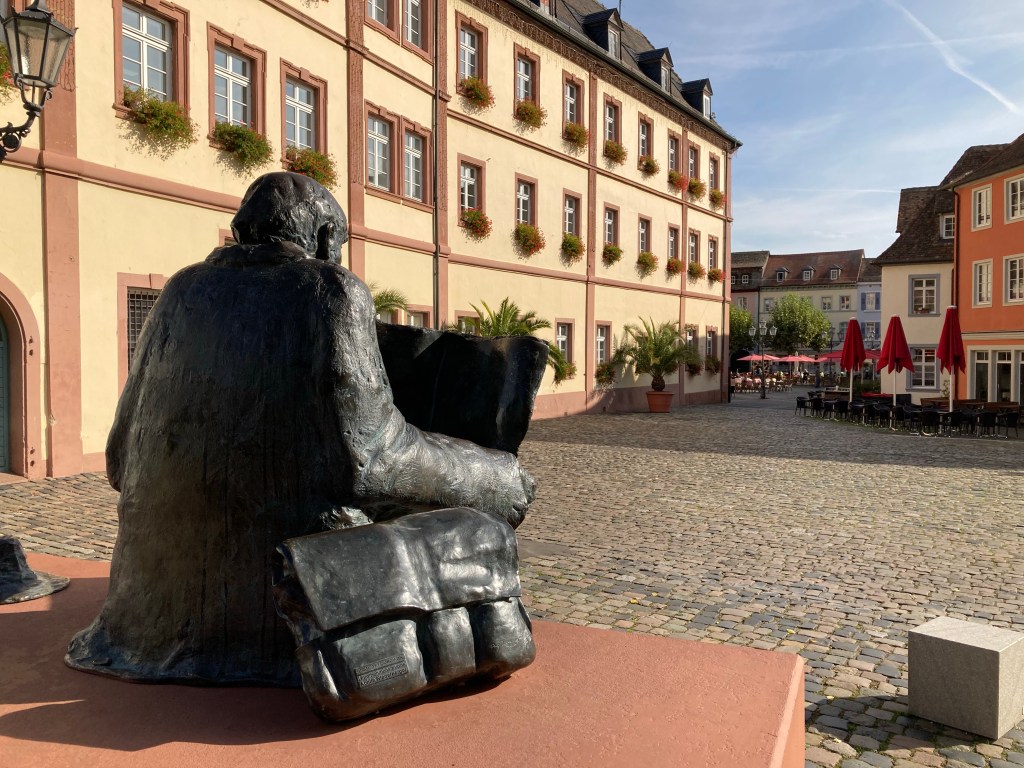
Next morning we set off for the wine growing region of the Rhineland Palatine arriving around teatime we decided to walk into town and do a reccy for the following day. Having meandered around and discovered there was a historical walking route which we could do we wandered into the main square and decided to dine out. We chose an outside table at one of the many restaurants and ordered some food and wine.Well the wine was divine so with his limited German Charles discovered the wines origin which was a vineyard en route for us so we scheduled a visit into our itinerary.

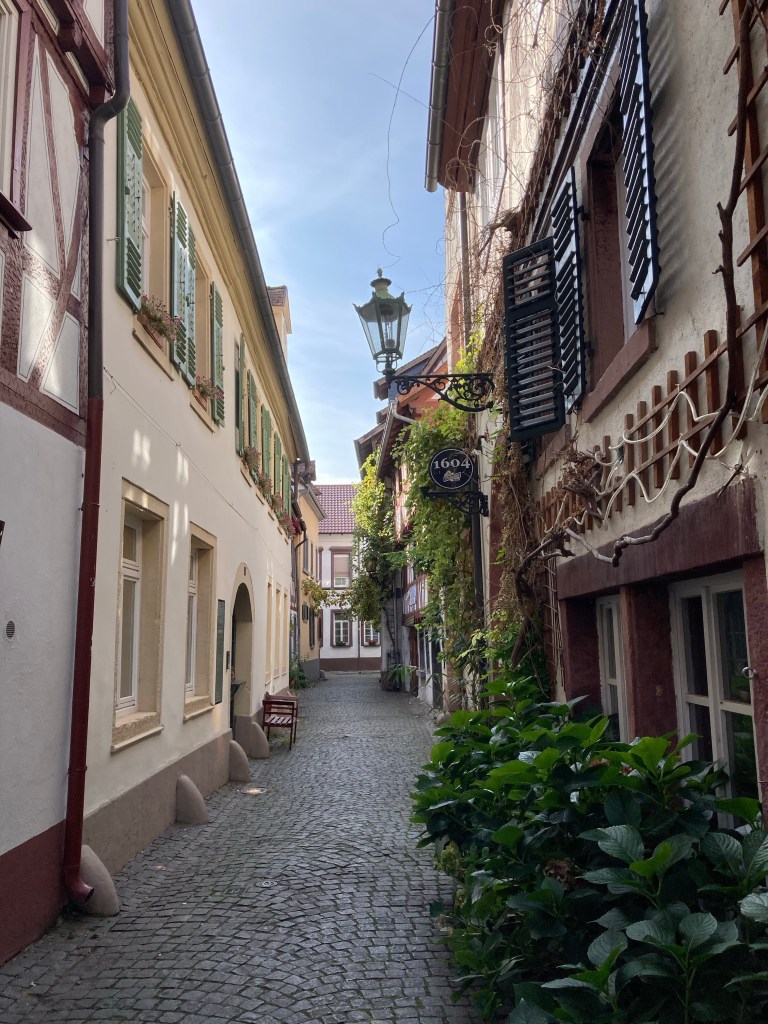
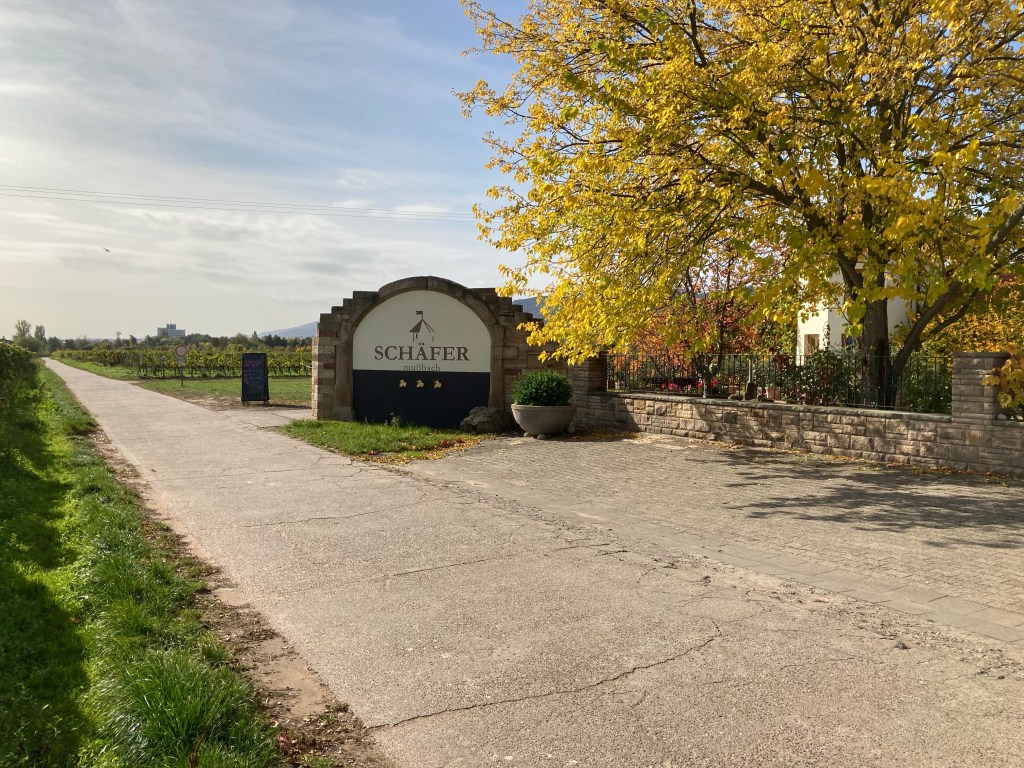
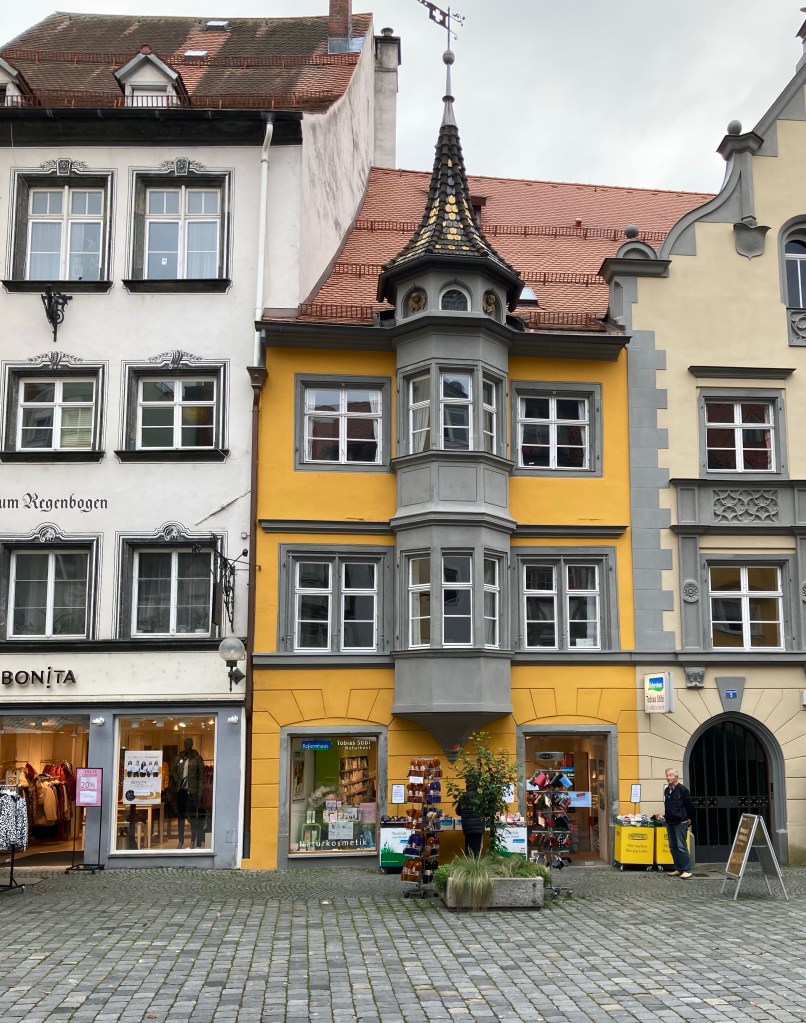
The following morning we went back into town to do the historical walk but gave up after finding ourselves walking in circles and getting frustrated, however we did find an ancient street called Metzgergasse alley as described in the pictures below. A visit to the vineyard sounded more welcoming so off we went, two cases of wine later we departed for Baden-Baden.

Baden-Baden

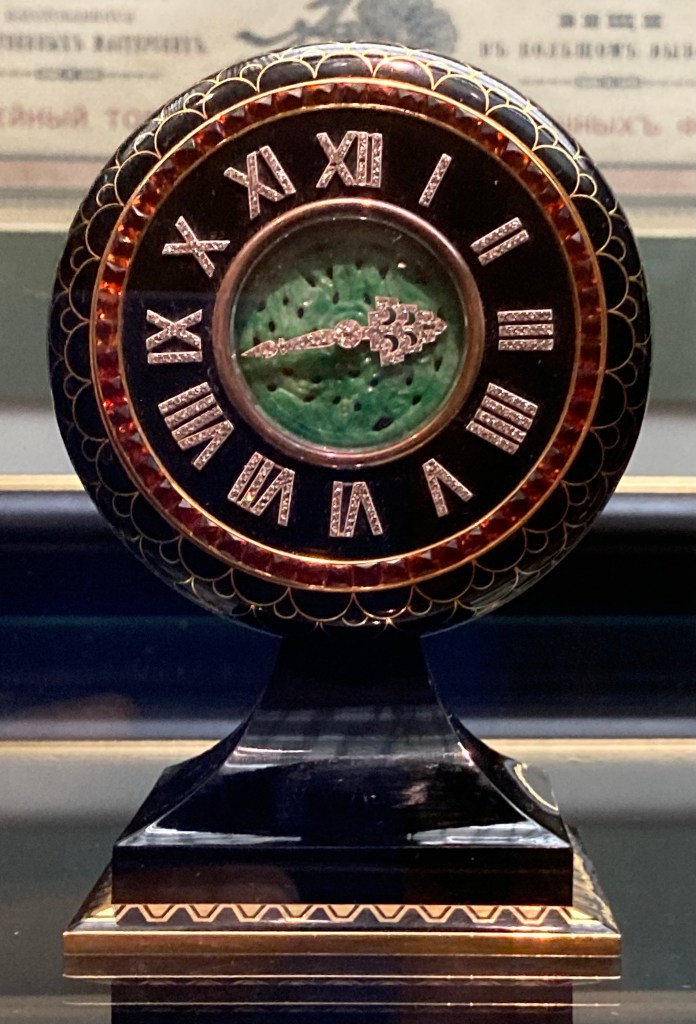
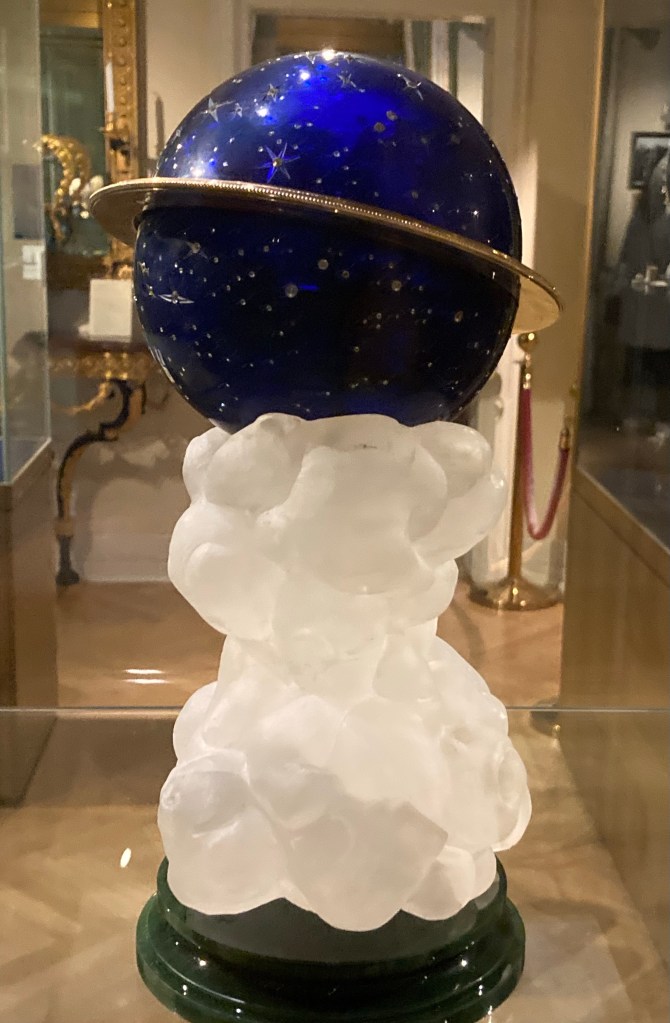
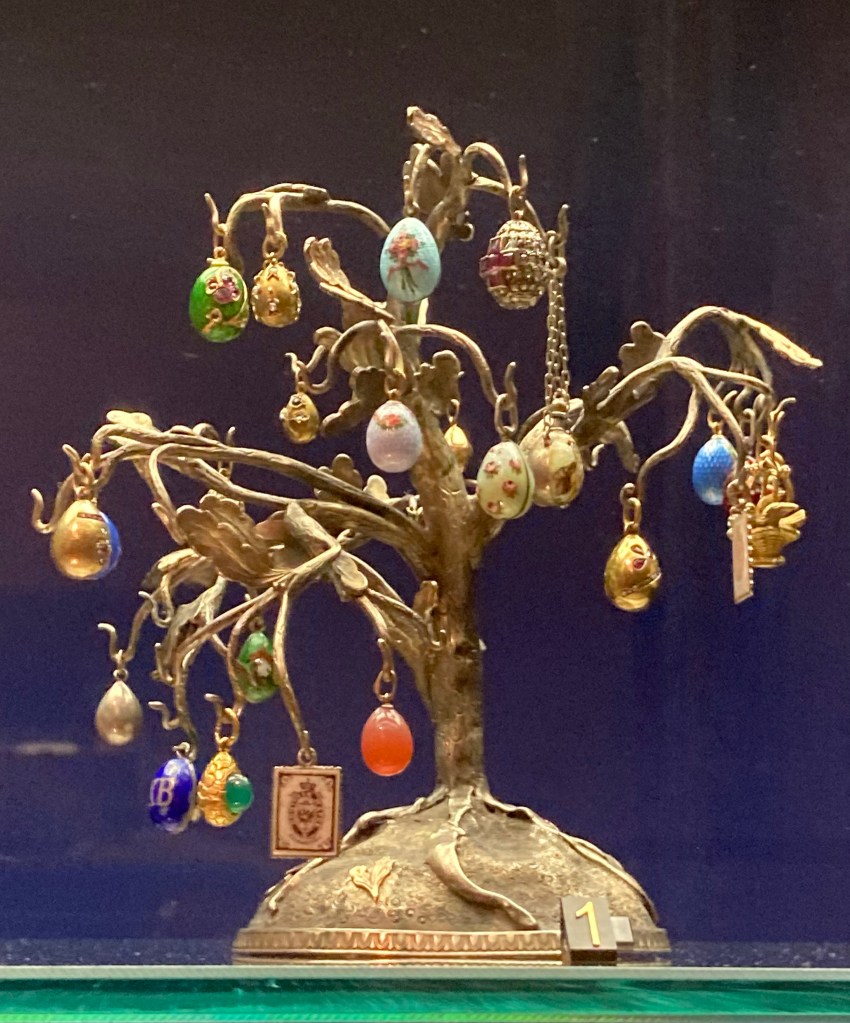
A town famous for its mineral waters in the same way in Britain we think of Bath and Buxton.The main spa attraction is built on the site of the original Roman baths, we chose not to visit the baths instead we visited the Faberge museum. The museum was set up by a Russian emigre who had amassed one of the largest private collections of Faberge artefacts. We learned that Faberge did not spend his time bent over a jewellers work bench but his job was to design and manage a very skilled workforce who made his reputation.

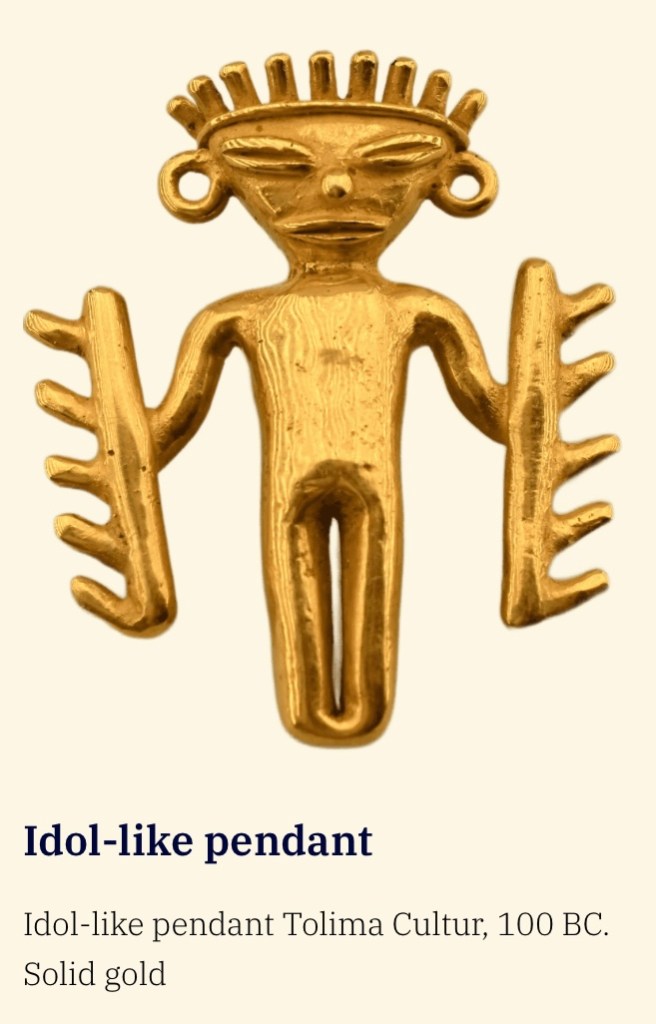
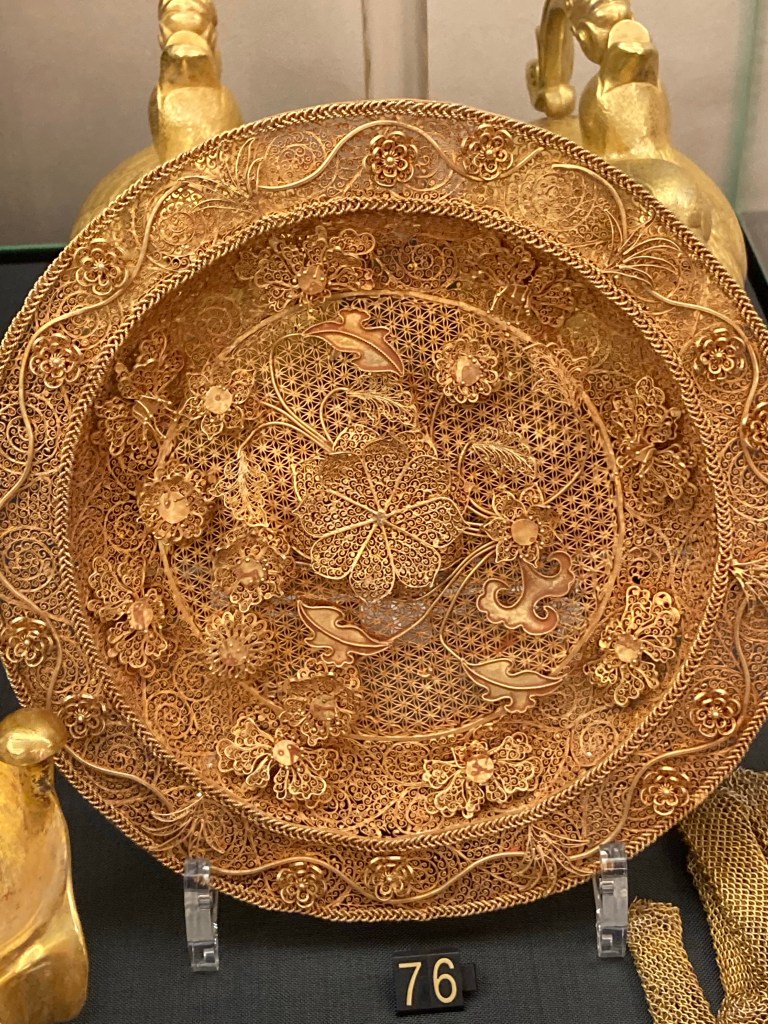
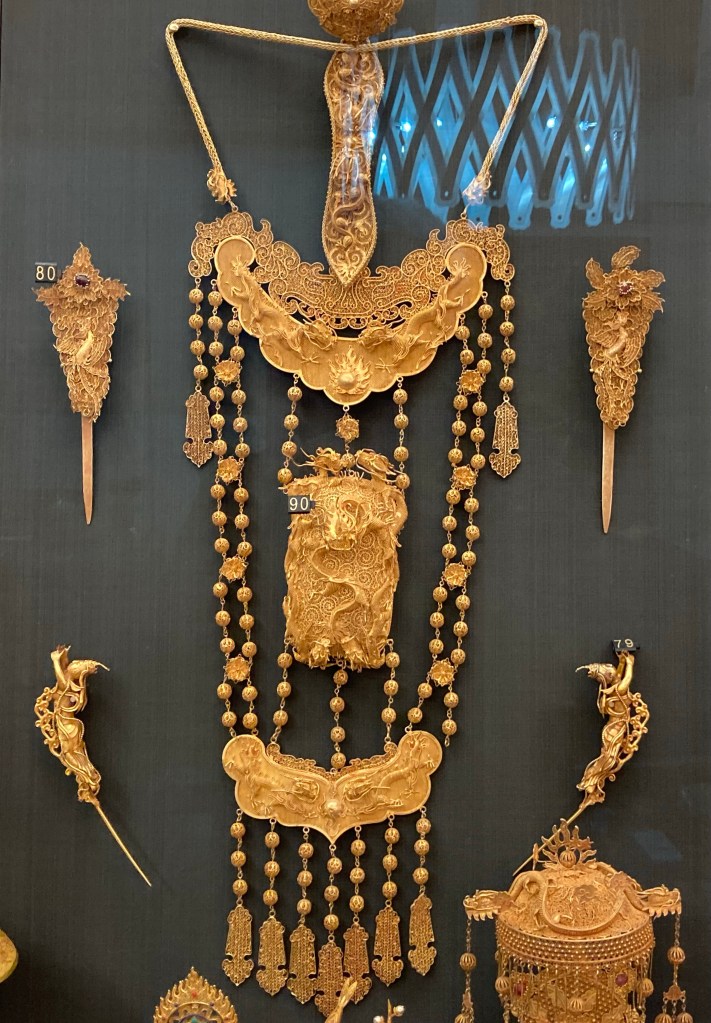
Amongst the collection there was a display of early Colombian gold which was absolutely exquisite for its variety of very simple but fine and ornate objects. There was also a book of photographs that captured the horrendous conditions of the work force that mined the gold.

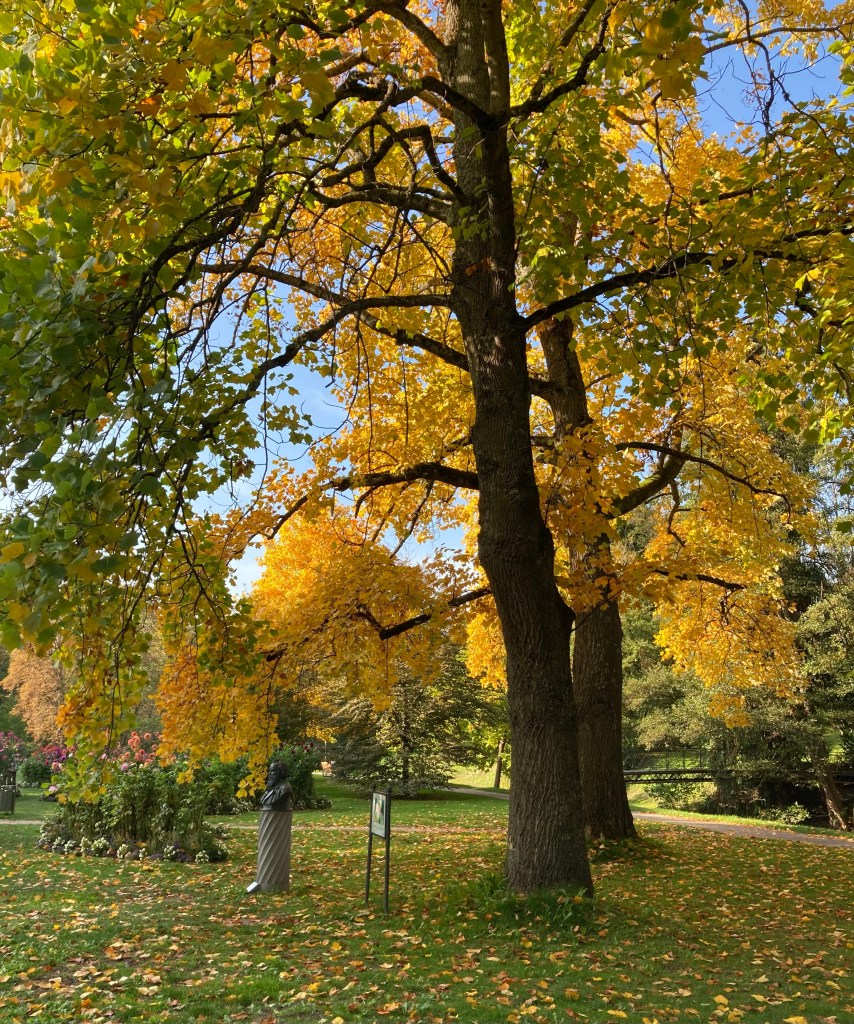
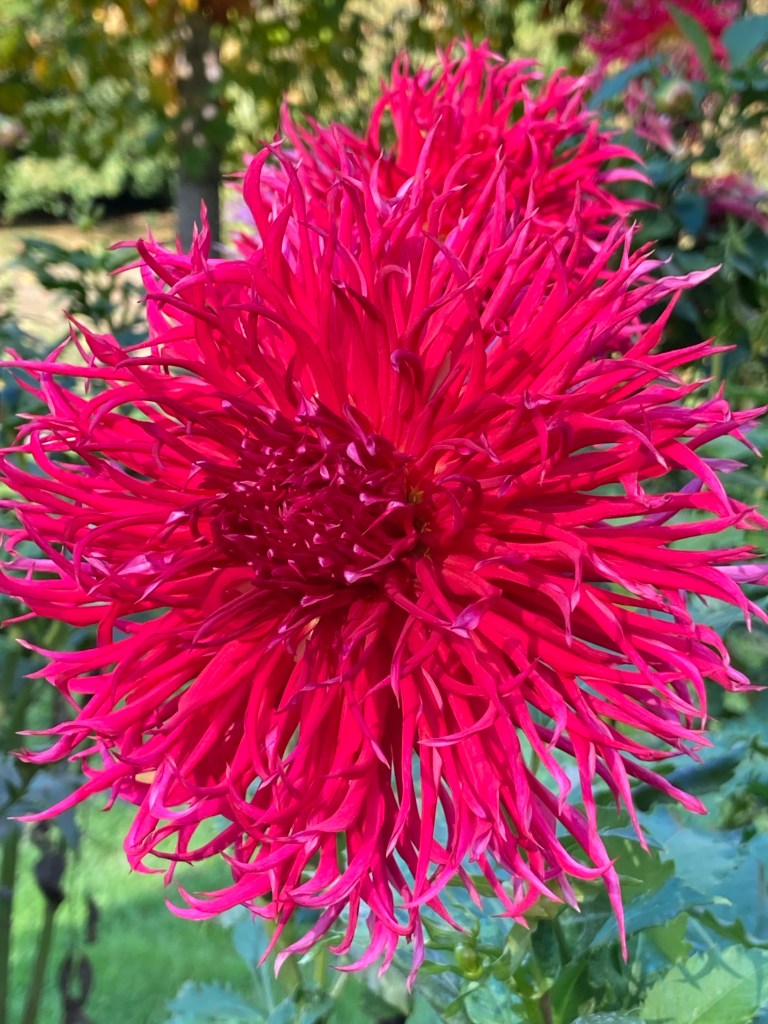
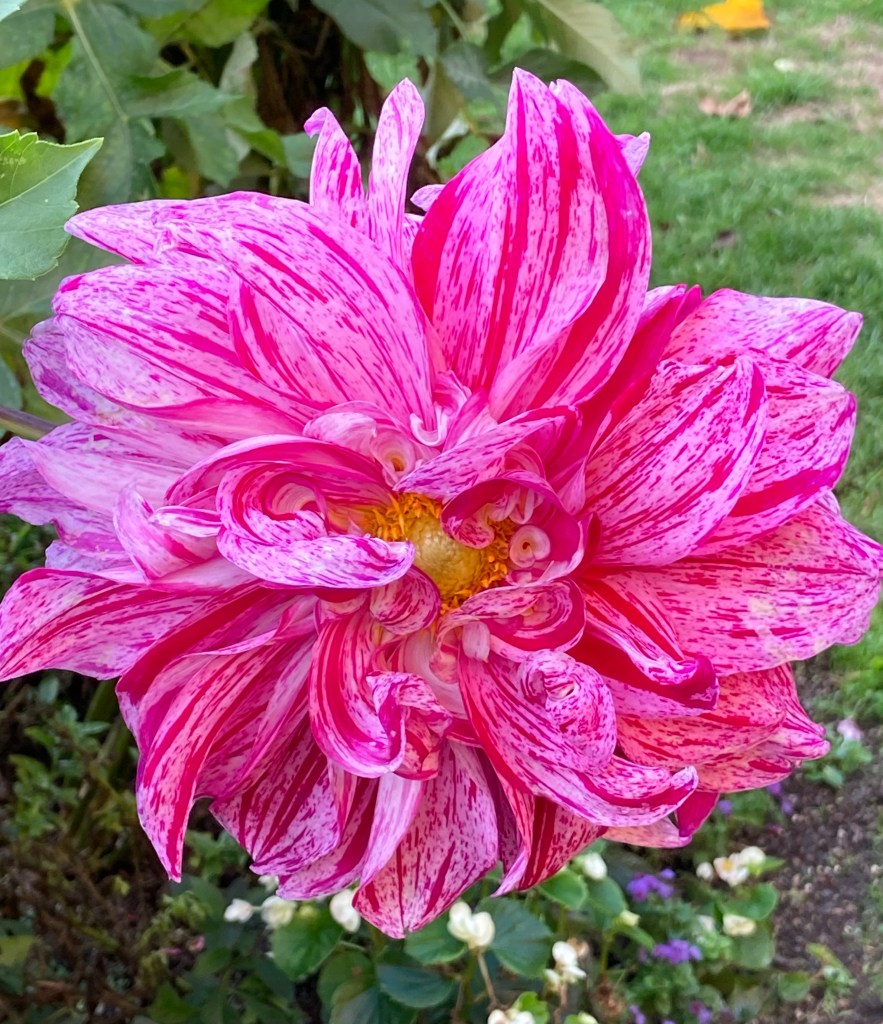
After the museum we decided to walk the famous Lichtentaler Allee which is a 2.5 kilometre long footpath dating back to the mid 1600s. Originally this path led from the Cistercian Abbey on the outskirts of town into the heart of the city centre. It was a delightful stroll along the river Oos with 300 variety of trees, and separate rose and dahlia gardens. The walk was flanked by very large spa hotels and private houses whose grounds came down to the riverbank.

Bodensee

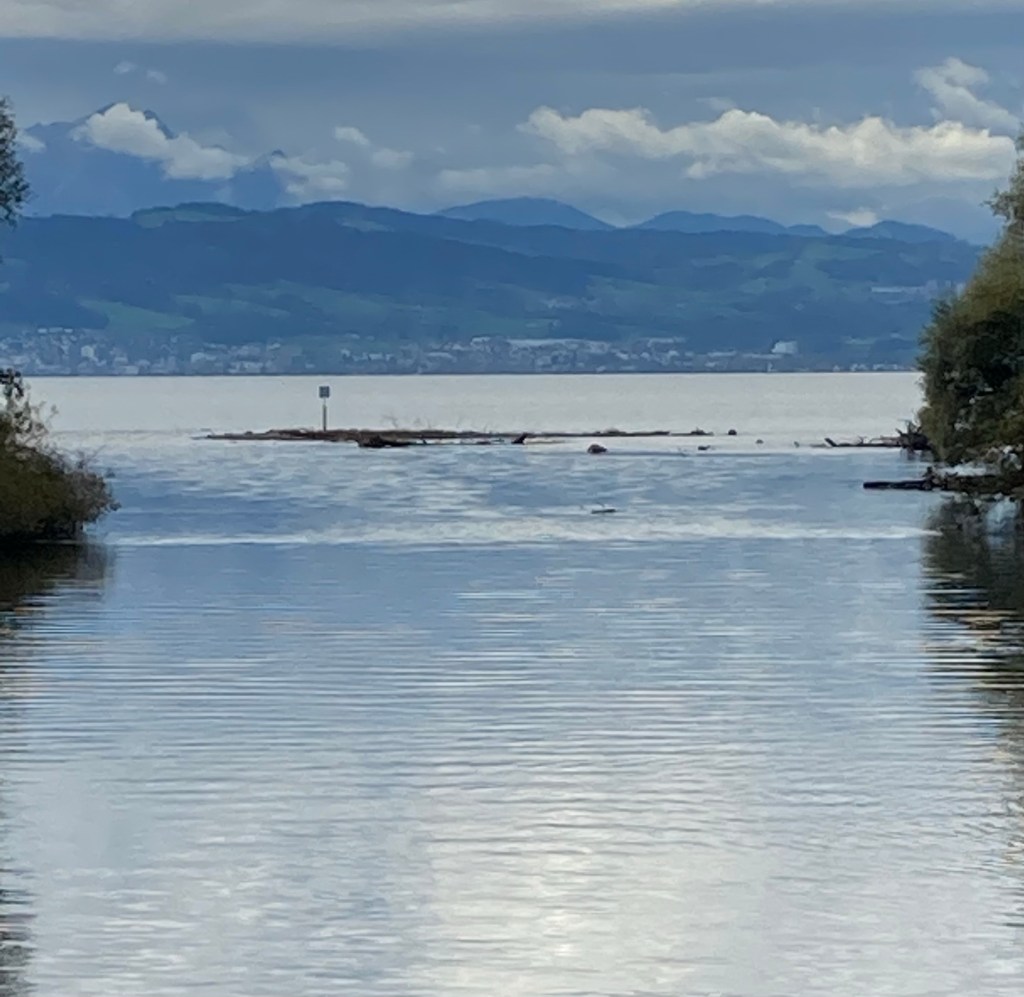
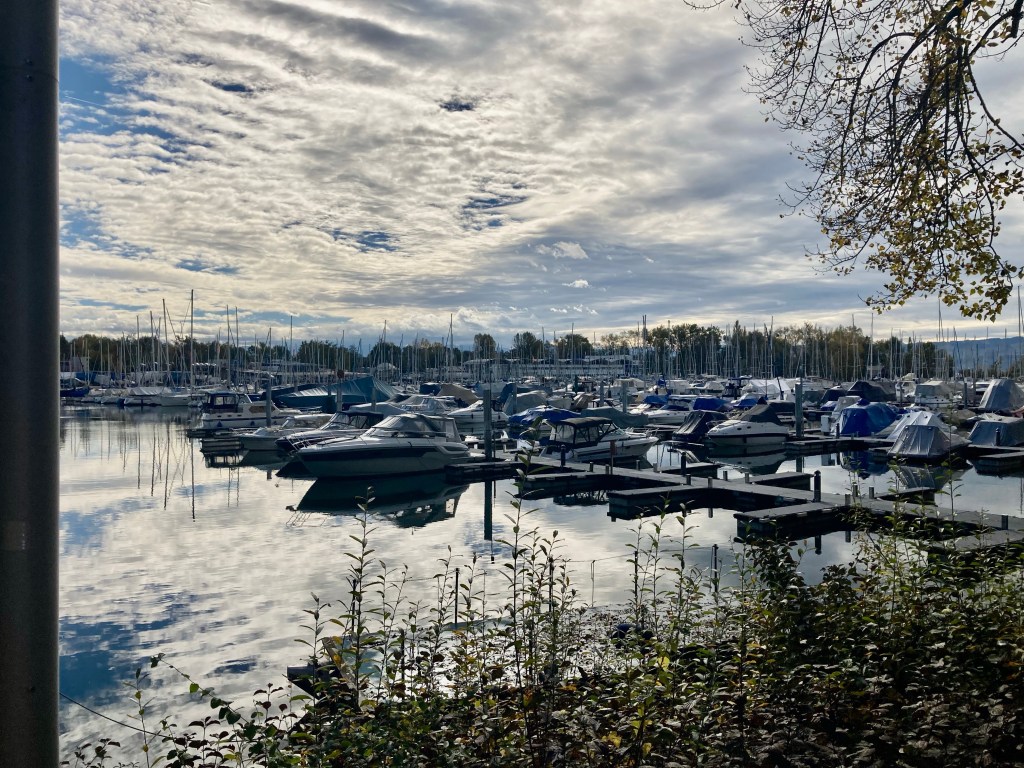
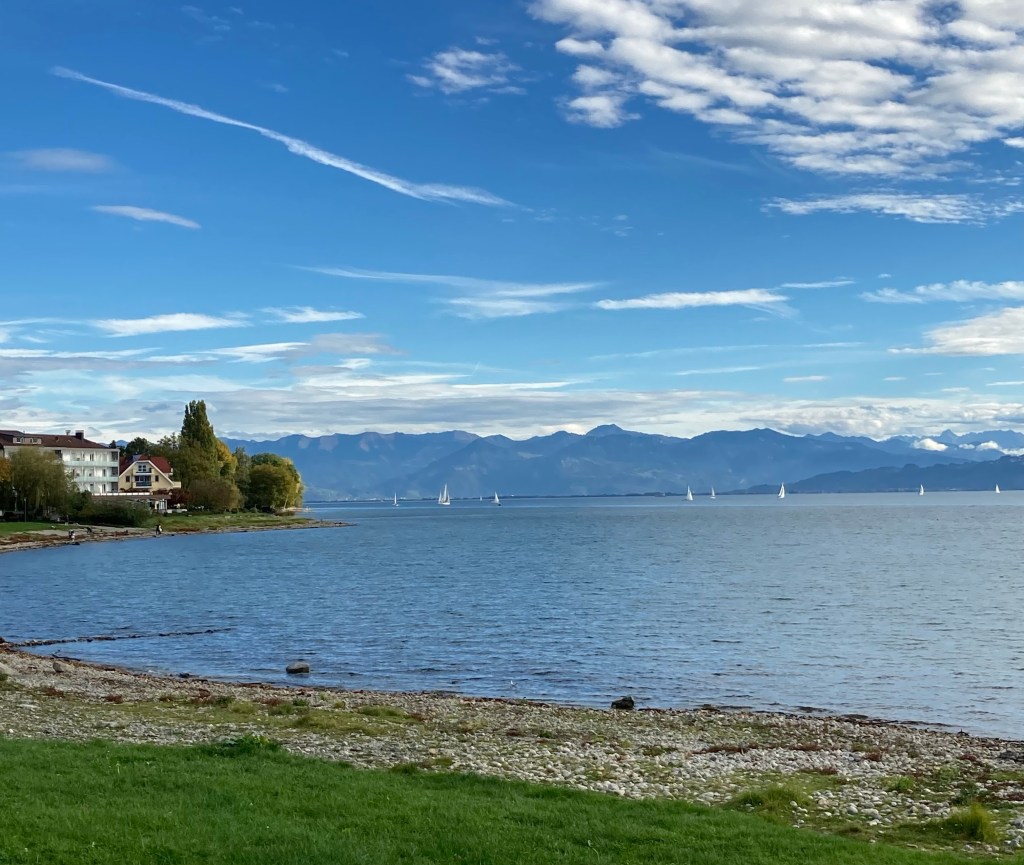
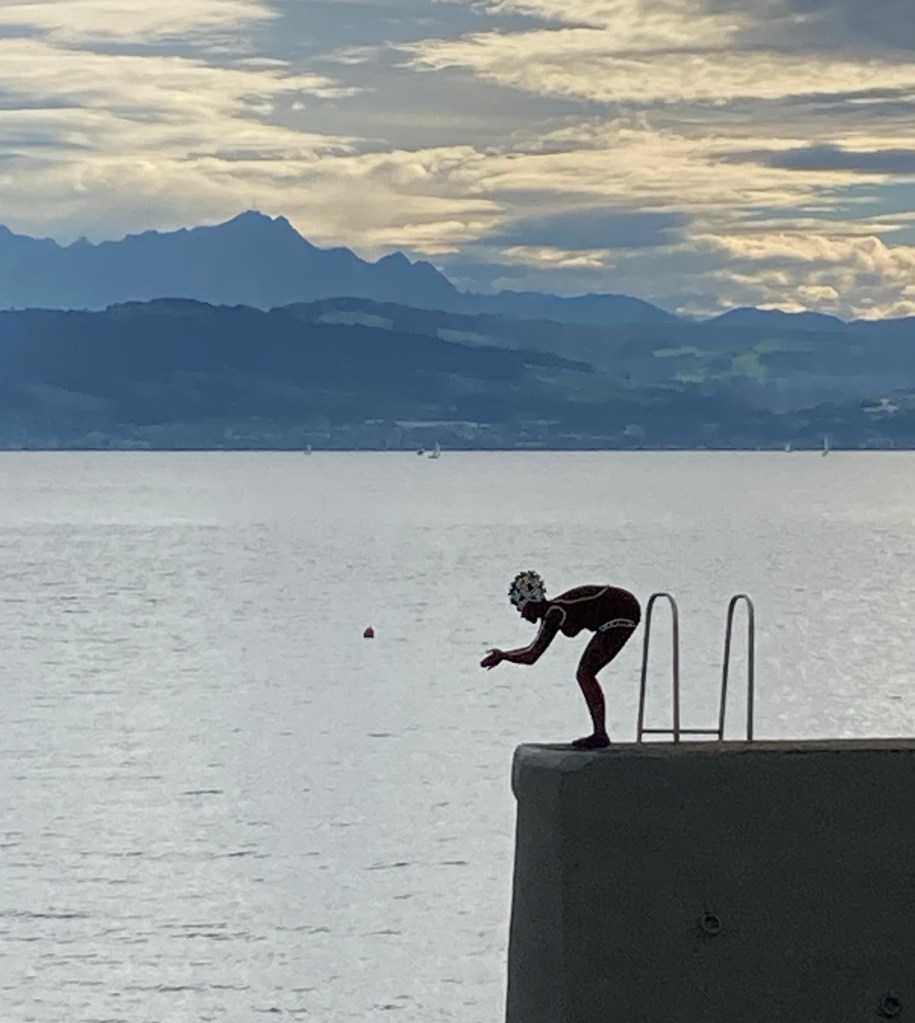
Bodensee is a very large lake bordering Switzerland and very popular as a holiday area.After two weeks on the road we felt this would be an ideal area to take time out to catch up with some domestics and have a break from travelling. We based ourselves just outside a small town called Langenargen to which we could walk within half an hour along the lakeside marina to take a train to Lindau island where we enjoyed a circular walk from the harbour around the old town window shopping and stopping for coffee and cake.

Besides being a lakeside holiday area the whole Bodensee region was one of vineyards and commercial fruit farms (apples, pears, cherries, and strawberries.)

Mons

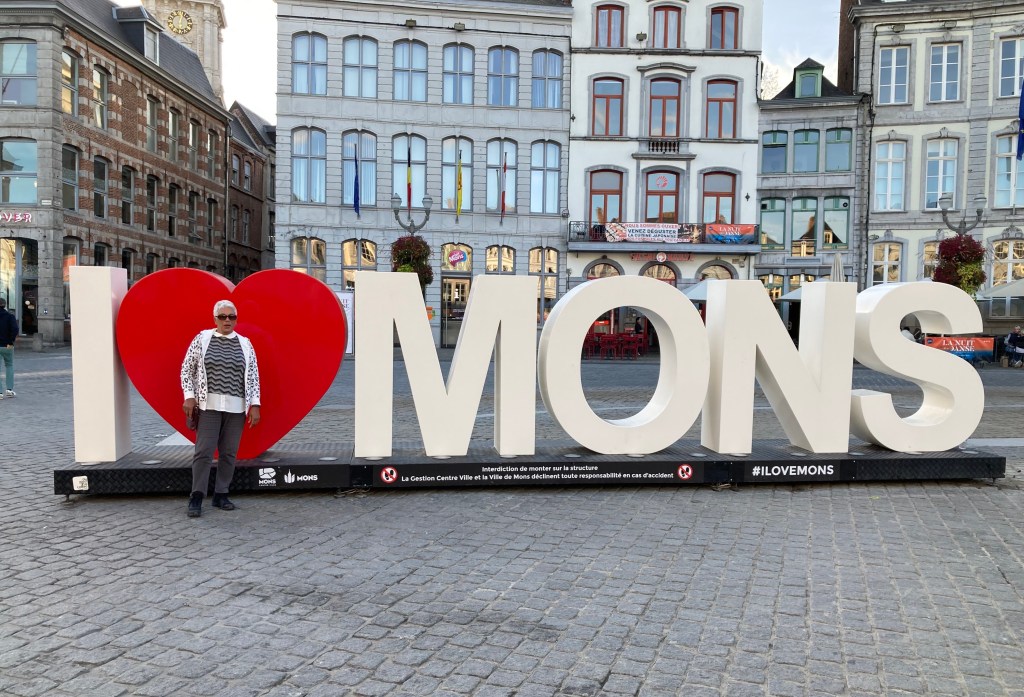
After our short time in France surrounded by war graves and sites we decided that before continuing southwards we should visit a war cemetery and Mons being so famous and close by we decided to stopover for a couple of nights. It was a good choice as we later learned that Mons is where the British entered the war and the first British bullet was fired.

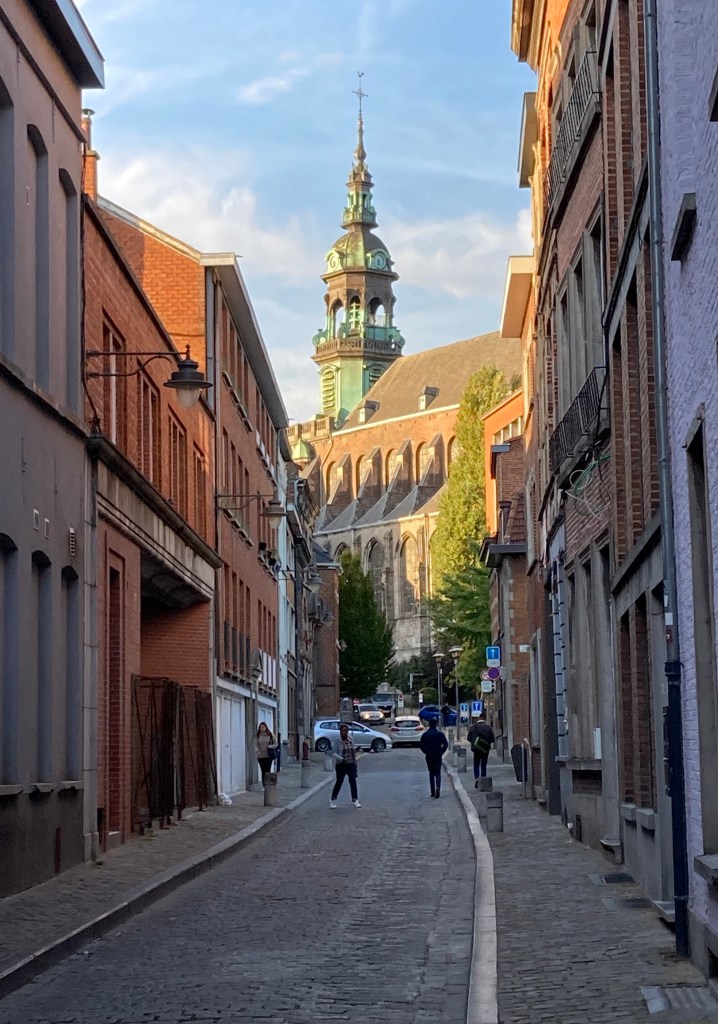
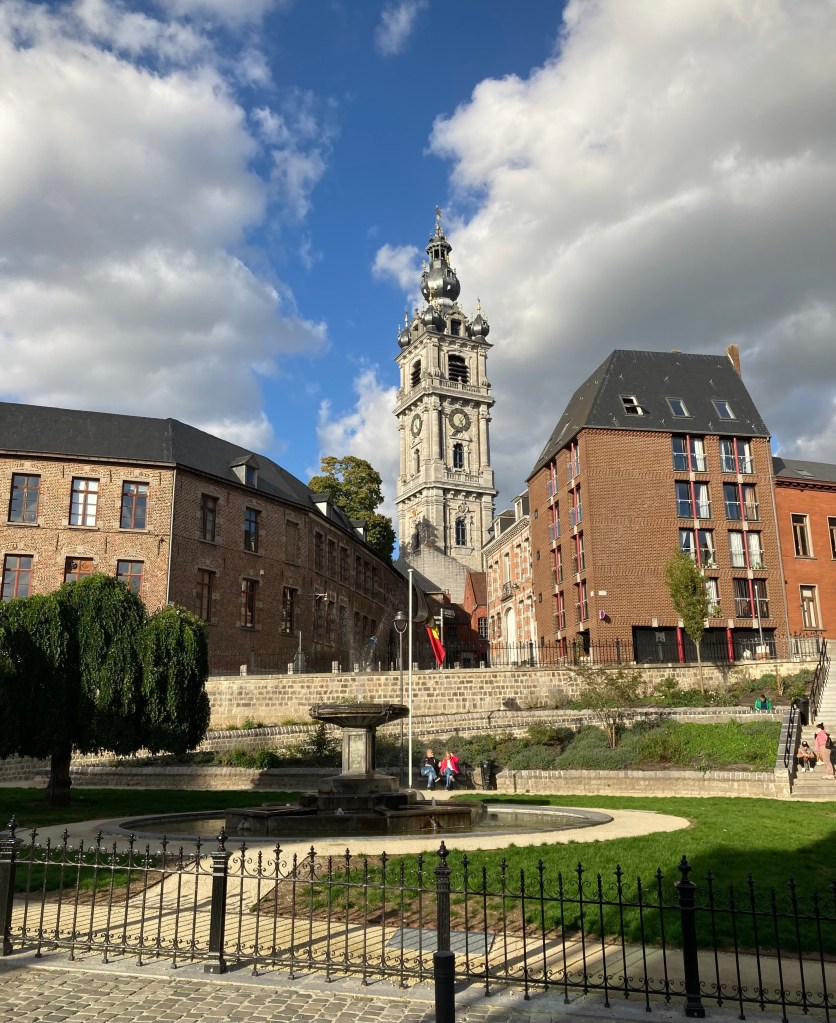
On arriving we realised that Mons had more to offer in the shape of numerous museums of interest, a cathedral and a very attractive town centre.

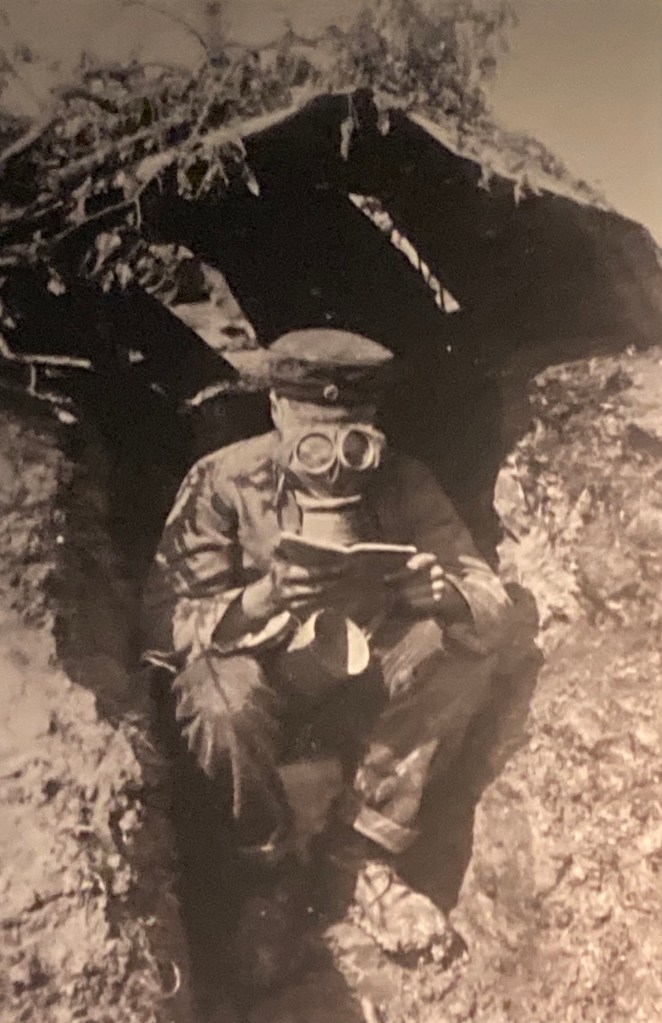
Our first visit was to the Mons military museum which was very informative as it not only covered both world wars it described the numerous historical battles for the control of Mons itself going as far back as the Middle Ages.

It had a very good visual display showing the moving lines of battle and how the allies were encircled and pushed back resulting in the evacuation at Dunkirk and an insight on the planning of the evacuation. A small exploratory force had been sent to test that the sand would take the weight of the vehicles and a group of soldiers were practising for the evacuation on the Welsh coast. They were spotted by German submarines subsequently attacked and many died, not something you learn in history books.

Sadly the other two places that interested us were not accessible to us, the Francois Duesberg clock museum was closed though it was published as being open and the Bam museum was restricted to members of the press only for a pre show viewing.

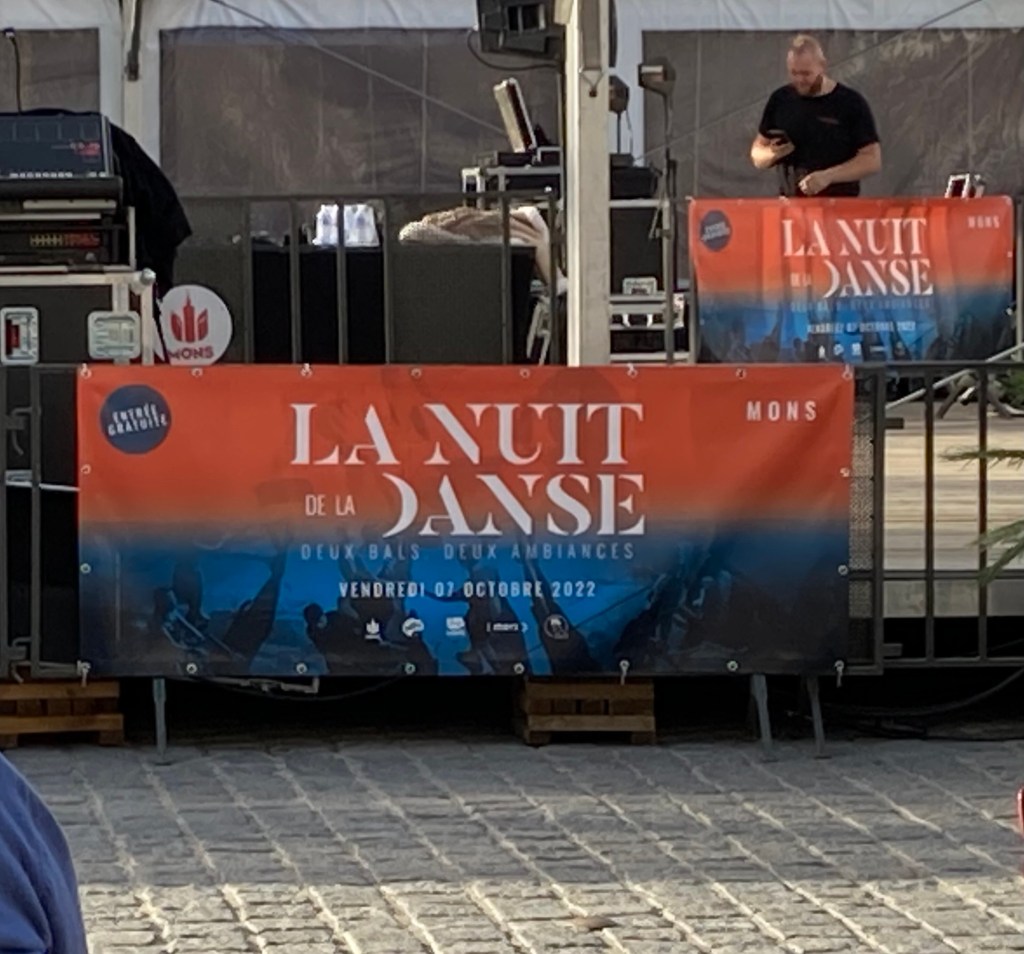
We had noticed there was an event called The night of dance in the main square that evening so to salve our disappointment we grabbed a pavement table for a few drinks and a meal whilst we watched the first couple of hours of the show before heading back to Vinnie.

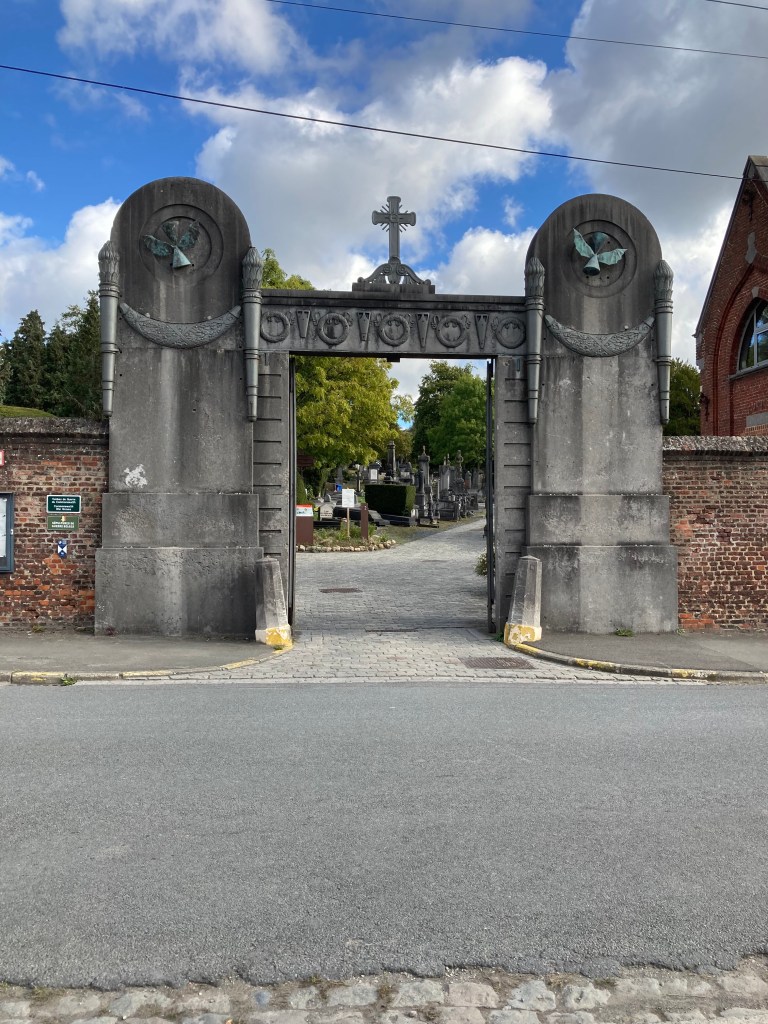
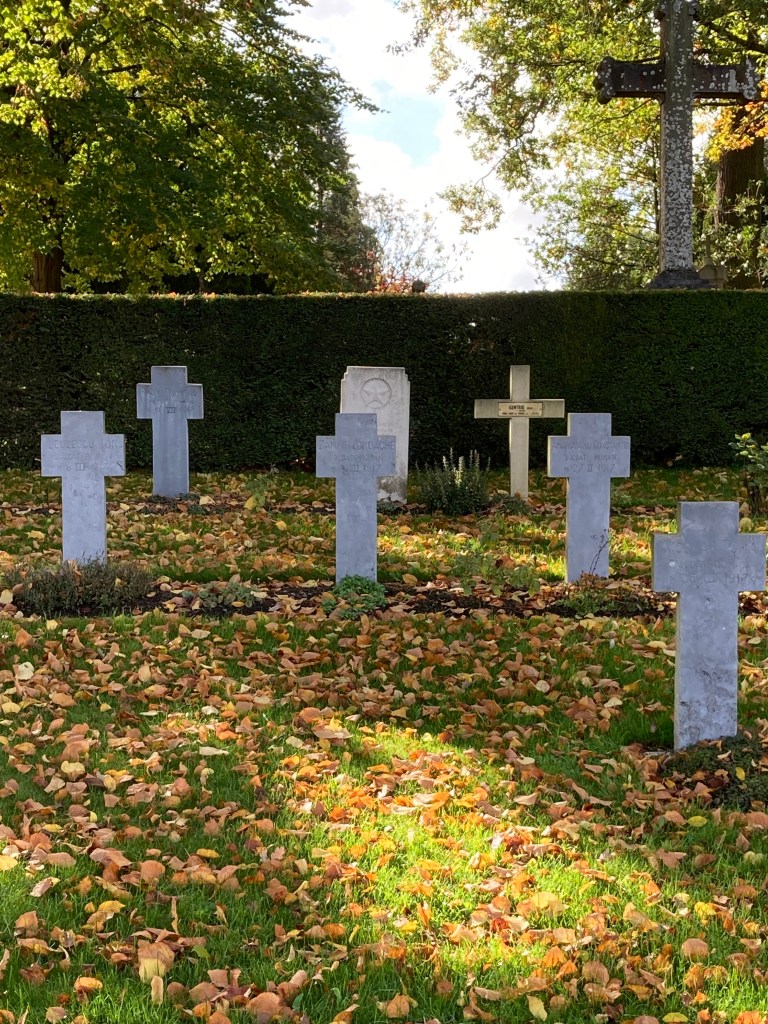
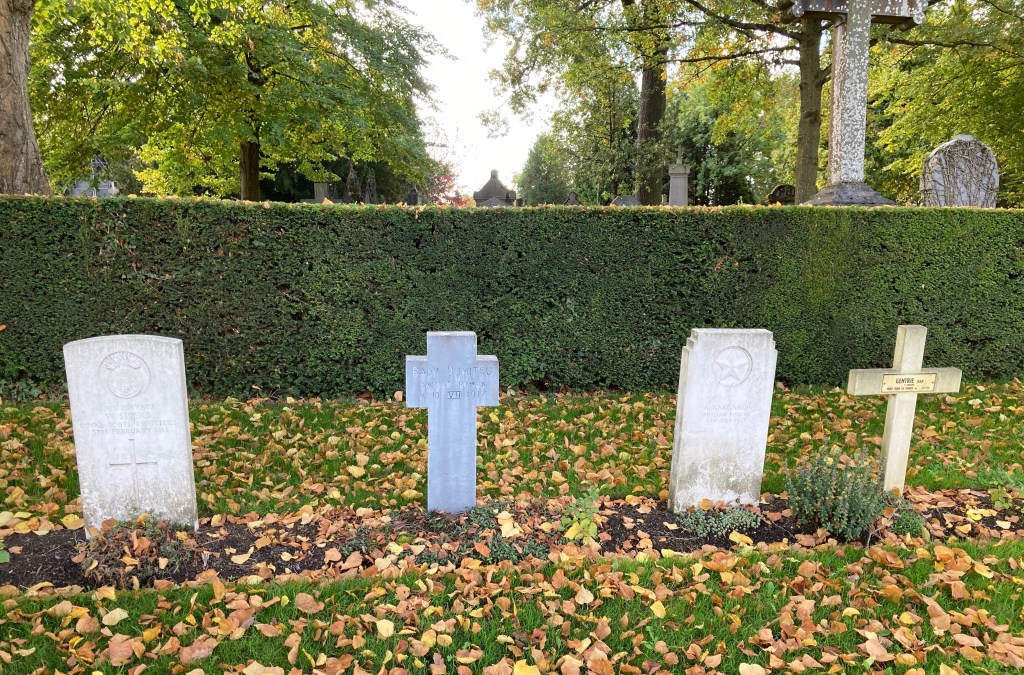
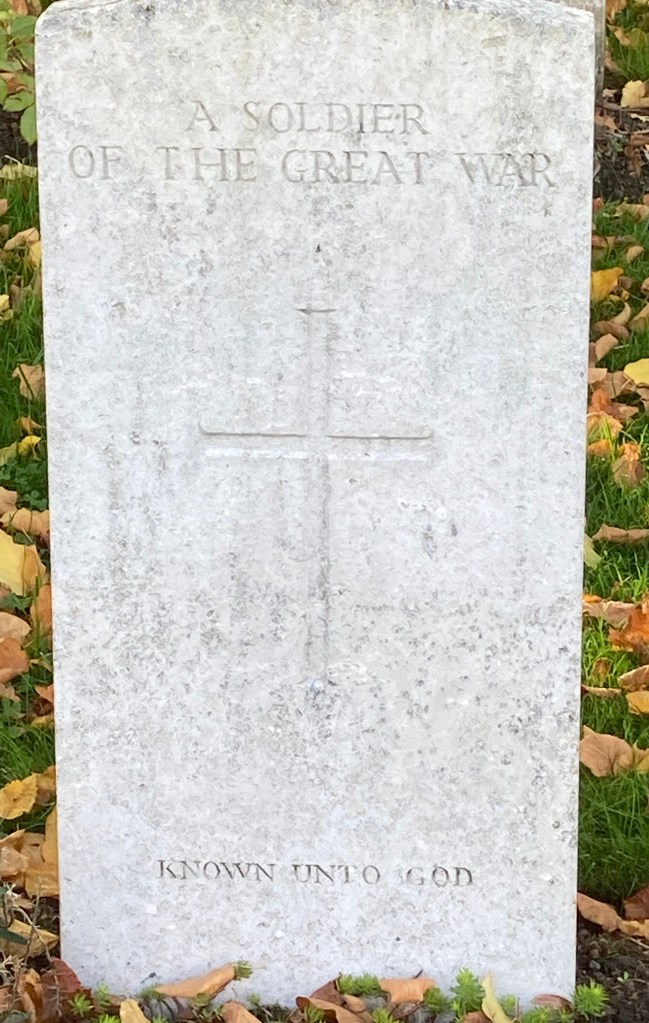
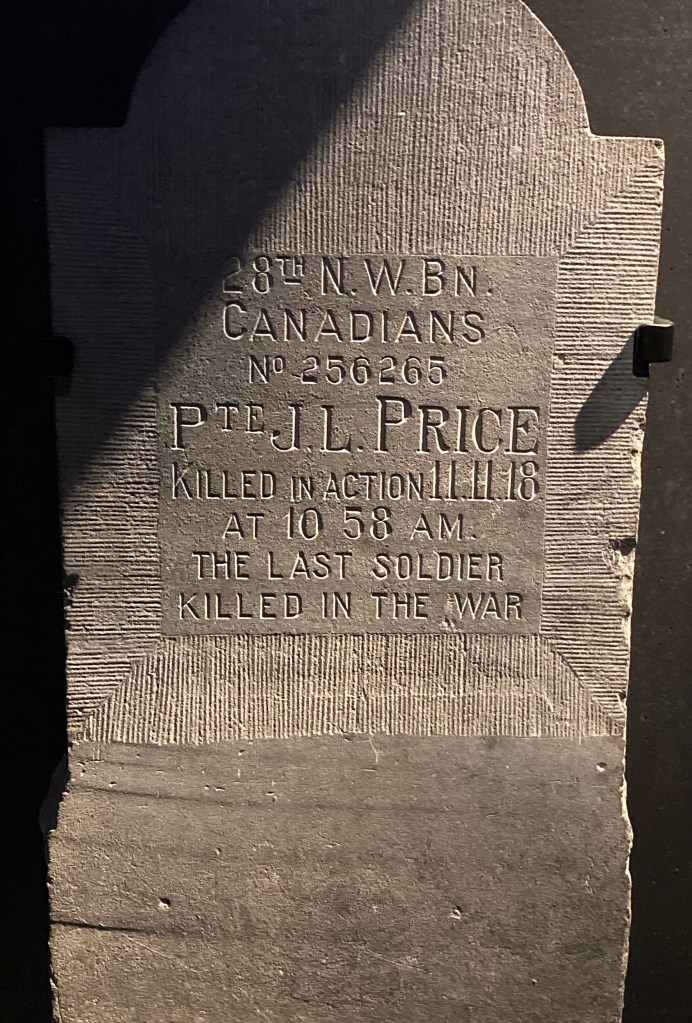
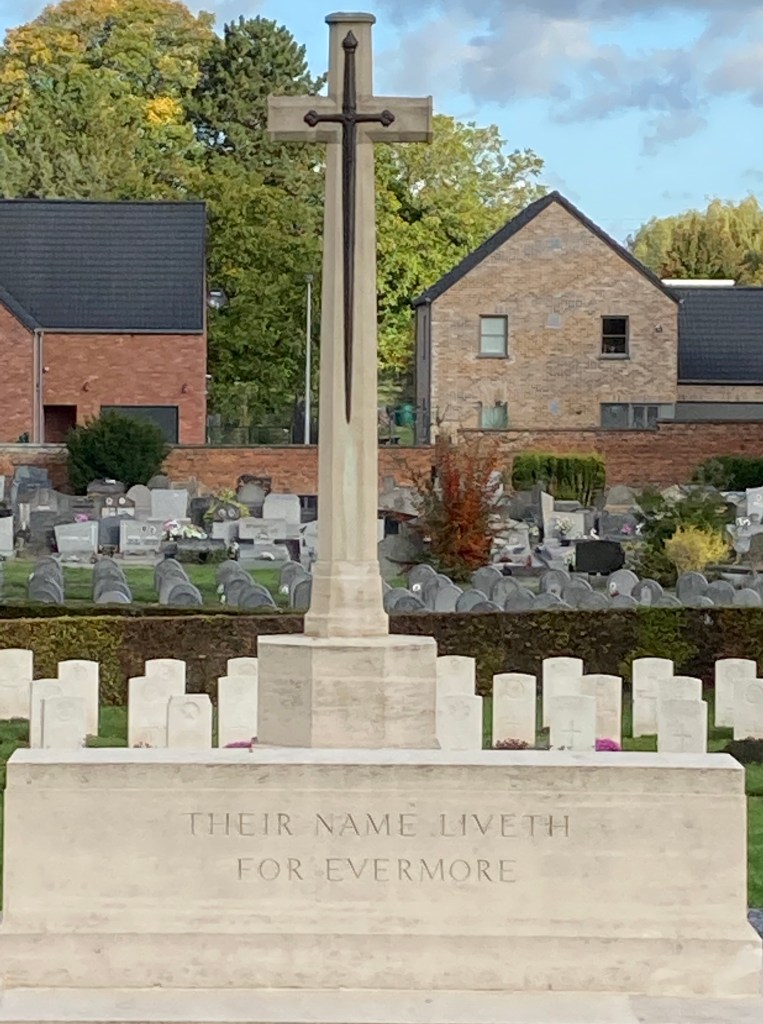
Before leaving the next morning we visited the Commonwealth war cemetery which also included other members of the allied forces ie: Polish, Russian, Romanian and American. It also contained the grave of Pte J.L.Price of the 28th Canadian regiment, the last soldier recorded as killed in the Great War a tragic two minutes before the Armistice surrender.

ON THE ROAD AGAIN

After a number of years here we are “on the road again” aiming for Greece via Croatia, with no predetermined route to guide our journey allowing ourselves the freedom to explore.

Our first stop after disembarking the ferry at Calais was a small town named St Omer with a population of 15000. We drove into the main square in the early afternoon just as everywhere closed for lunch, so we had a quick wander around intending to come back and explore the following day. Unfortunately we woke up to torrential rain which was forecast to continue throughout the day so decided to decamp and move on.

Our intention had been to head towards an area of National forest at Le Quesnoy but had noted on the maps the existence of a Matisse museum at Le Cateau.

Le Cateau- Cambresis

The journey to Le Cateau was through vast areas of farmland very similar to that of Lincolnshire but on a much grander scale. It was a very poignant journey due to the numerous war graves and monuments relating to both world wars which were in evidence along the route and were a sobering reminder of what had taken place and the lives that had been lost.
The Matisse museum was a disappointment to us, having gone with little knowledge of his work we found his art did not capture our imagination. However the work of Genevieve Claisse we found dramatic, bold and interesting.
Our curiosity satisfied we completed our journey to Le Quesnoy

Le Quesnoy

This location being on the edge of a large National forest had seemed an ideal spot to begin a walking and cycling holiday in an area of natural beauty. However we found the available information lacked detail and when combined with the poor location signing as we drove through the forest points of interest became impossible to find.

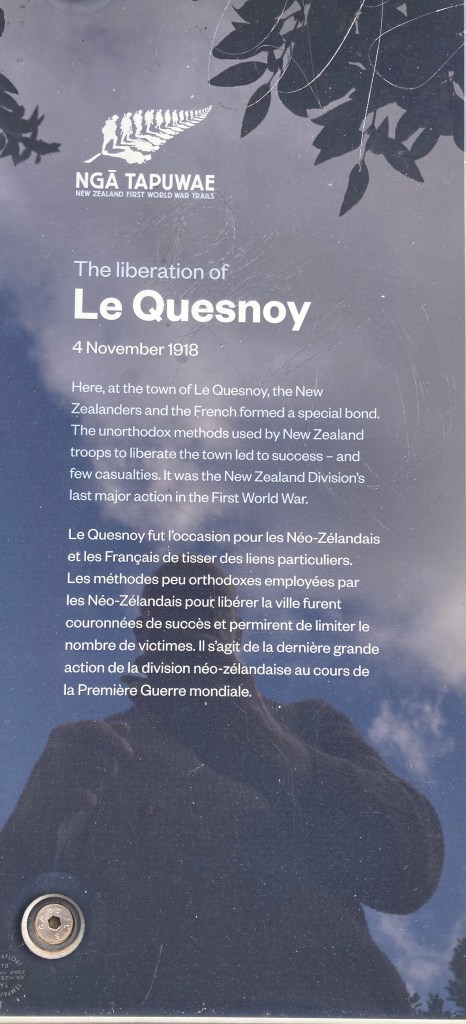
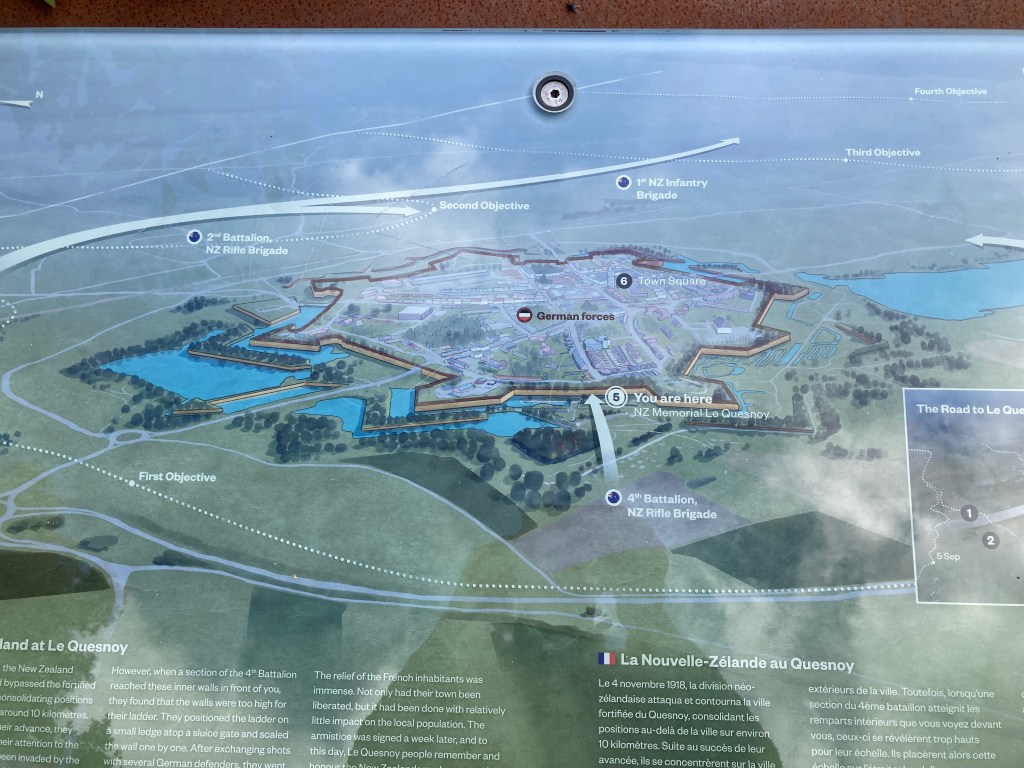
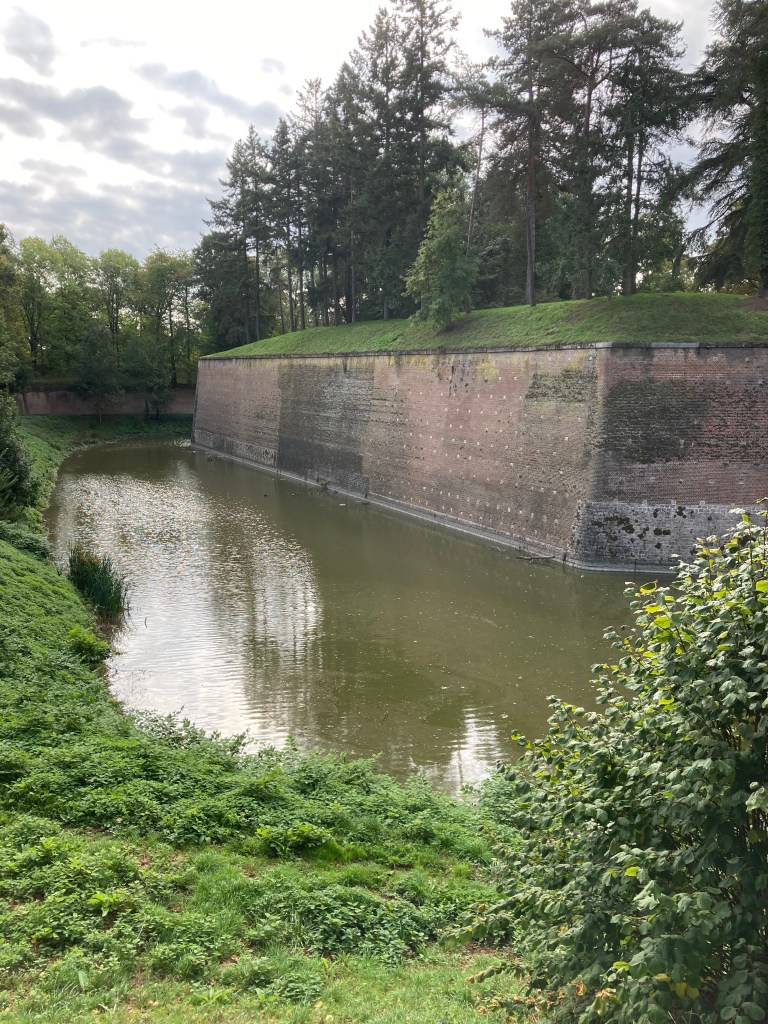
The city itself turned out to be very interesting with the history behind its fortifications ( dating back to the 12th century ) and its part as an occupied city in WW1 and its amazing liberation by New Zealand forces a week before the Armistice.

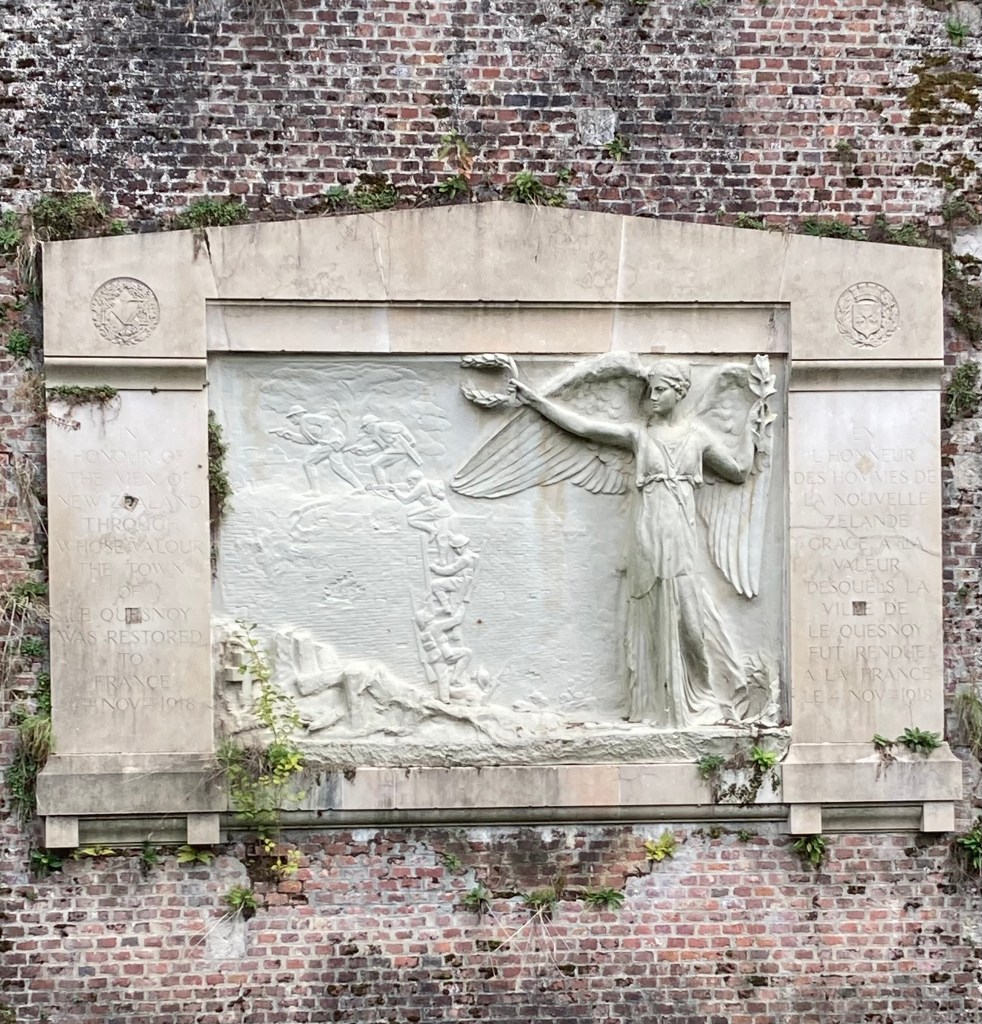
To understand why a special bond has formed between the city and New Zealand the act of liberation needs to be explained. For four years 1500 German soldiers had controlled the city and being a fortified city with stone and brick embankments some 10metres high in places defence had seemed relevantly easy. What the New Zealanders did was find the point of weakness that allowed a small detachment using ladders to scale the wall and create a secure access point for the rest of the regiment to follow.

This heroic act came at the cost to the New Zealand division of 114 deaths and 464 casualties. The city in thanks have created a series of tributes including a memorial, a gate of honour and a garden of remembrance and continue to hold ceremonies on Anzac Day.

Lincolnshire into Norfolk

After meandering our way through the Lincolnshire Wolds in Vinnie (our treasured motor home) we found ourselves wild camping at an RSPB reserve called Frieston shore just north of Boston.

What a find! It is a mixture of coastal lagoon and wetland area with easily accessible walks along footpaths flanked by hawthorn hedgerows and sea defence grassed banks.

Our parking spot gave us a clear view over the coastal lagoon and its inhabitants which were many and varied, swans, egrets, goosanders , pink footed geese, black bellied ducks, oyster catchers, and the inevitable Canada geese and mallards.

Walking between the lagoon and the wetlands we enjoyed the company of blue and great tits, robin and Jenny wren but the delight was sighting a family of goldcrests a yellow browed warbler and a pair of stonechats.

Our early morning walk the following day took us around the complete perimeter of the wetland area which consisted of large grassed meadows, fields full of sunflowers and drainage ditches which created an amazing habitat for wildlife. We were accompanied throughout our walk by several large flocks of goldfinches feeding off the hawthorn berries and sunflower heads in a quiet corner sitting on top of a spray of hawthorn we spotted a yellowhammer who after a lot of calling was joined by his mate. At the furthest outward point of our walk we turned towards the coast and sea defence embankment by walking alongside the tree lined boundary of the North Sea prison out of which flew a sparrow hawk. As we walked back along the embankment we spotted flocks of field fare on the shore side and on the wetland side we had egret mallards and at one point a marsh harrier and kestrel flew in together.

The one bird we have not mentioned is the endangered tree sparrow which thankfully is thriving here in great numbers .

After a night wild camping in a lay by outside Burnham Overy Staithe, a place renowned for its mussels, we visited Pensthorpe Waterfowl Park known as the natural centre of Norfolk.

Well worth a visit if you are a lover of nature, conservation, wildlife and the outdoors. There are easy to follow footpaths around numerous lakes, meadows and woodlands giving you the opportunity to see a large variety of waterfowl in their natural habitat, as well as nationally important conservation pens housing red squirrels, cranes, bearded tits, avocets and corncrakes.

The wildlife areas are complemented by formal gardens designed by Chelsea gold medal winners and a wooded area housing a sculpture park.

The weather on the day of our visit was overcast and wet but this did not detract from our enjoyment of the day.

The end of the road

So here we are back at home desperately trying to overcome the jet lag and feeling the need to finish chronicling our travels.

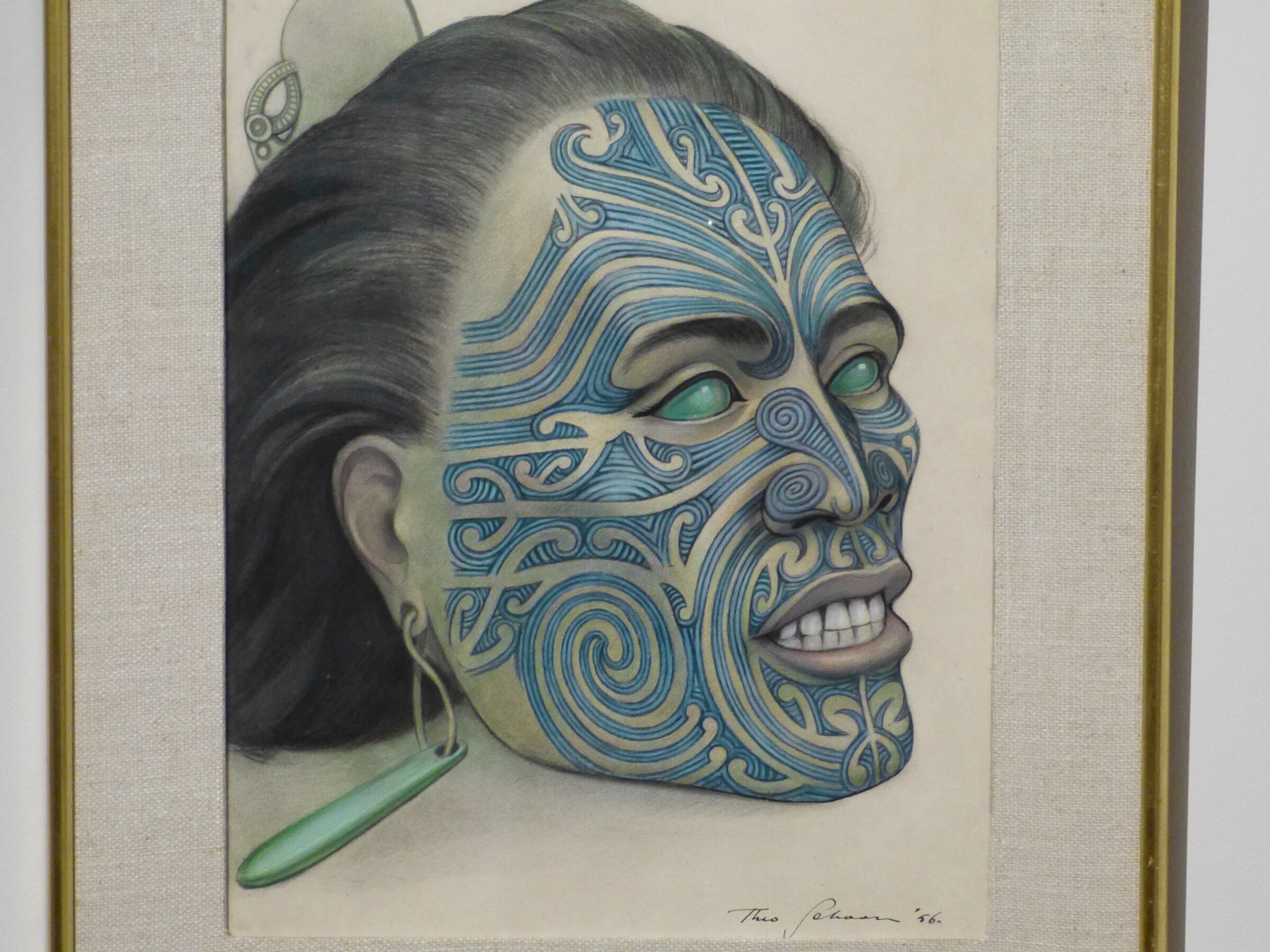
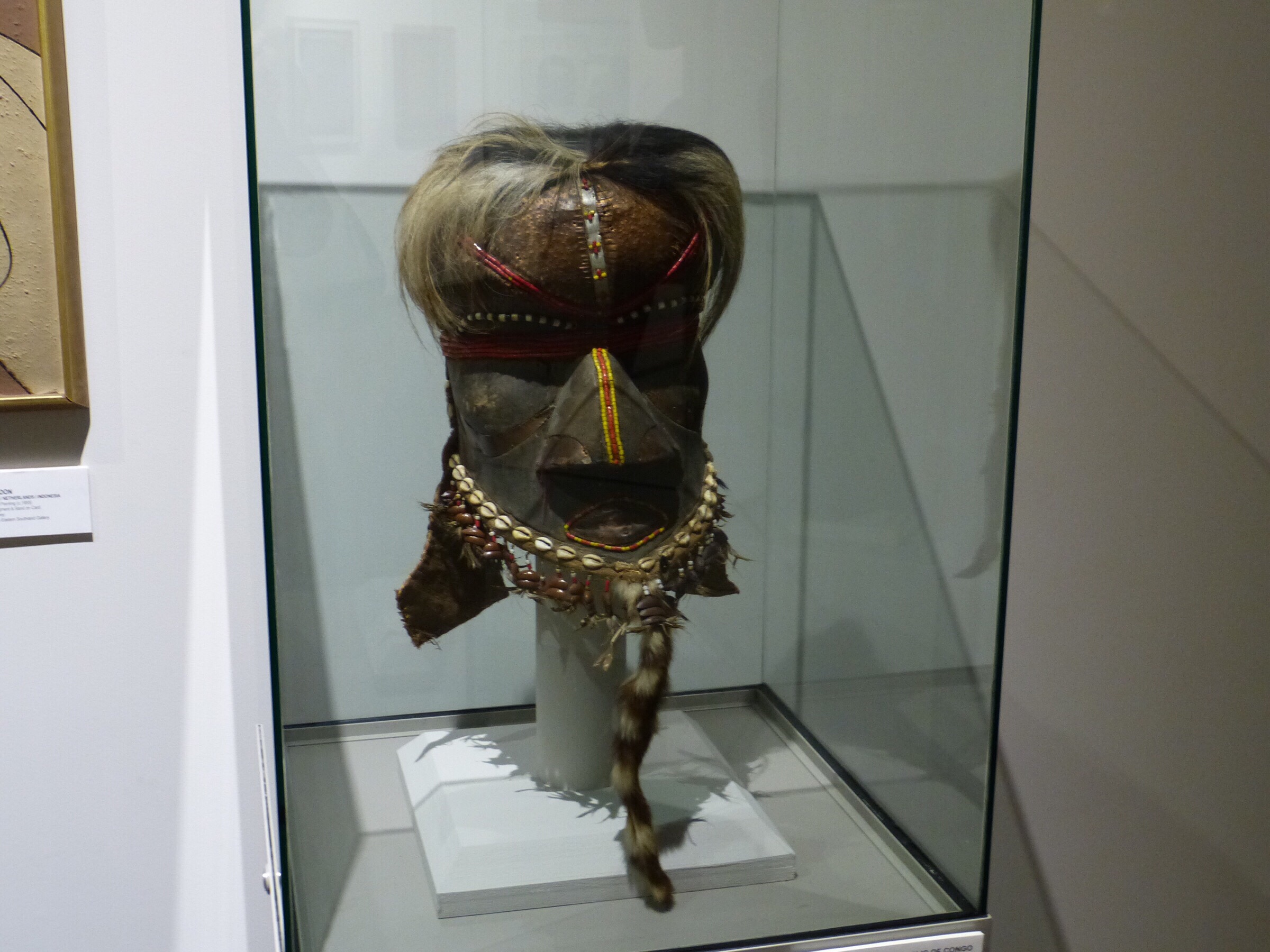
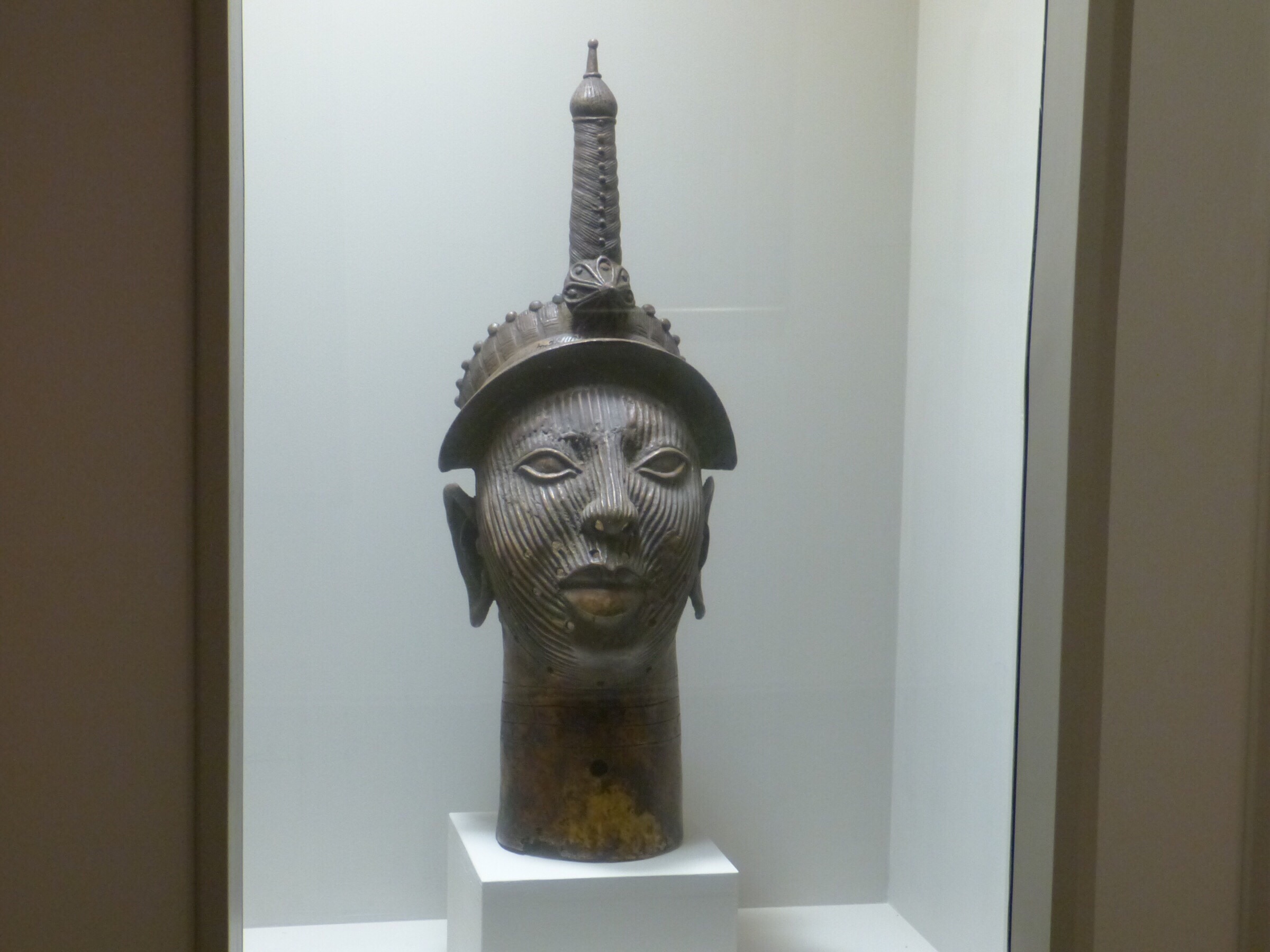
We had hoped to get as far south as Stewart island but time was against us so we headed to Dunedin on the east coast and not to far from Christchurch our final destination.Stopping overnight at a place called Gore, not a planned stop but tiredness got the better of us so we just headed for the next convenient place. A lucky choice as the following morning we visited the local gallery which happened to be the home of the John Money collection (the name meant nothing to us at the time) Money was born in Morrinsville , studied education and psychology and ended up as a research fellow at the John Hopkins university in Baltimore. He always maintained an interest in the arts and was an avid collector he befriended the artists Theo Schoon and Rita Angus who’s work featured largely in the display as well as his own collection of African art and carvings.

We eventually arrived in Dunedin (which is Maori for Edinburgh) and instantly liked it, everything appeared to span out from the main square on which sat the Cathedral, Art gallery and a great choice of eateries. Having lunched we headed towards the Chinese garden but were drawn in to the Otago settlement museum so had to give the gardens a miss until the following morning.

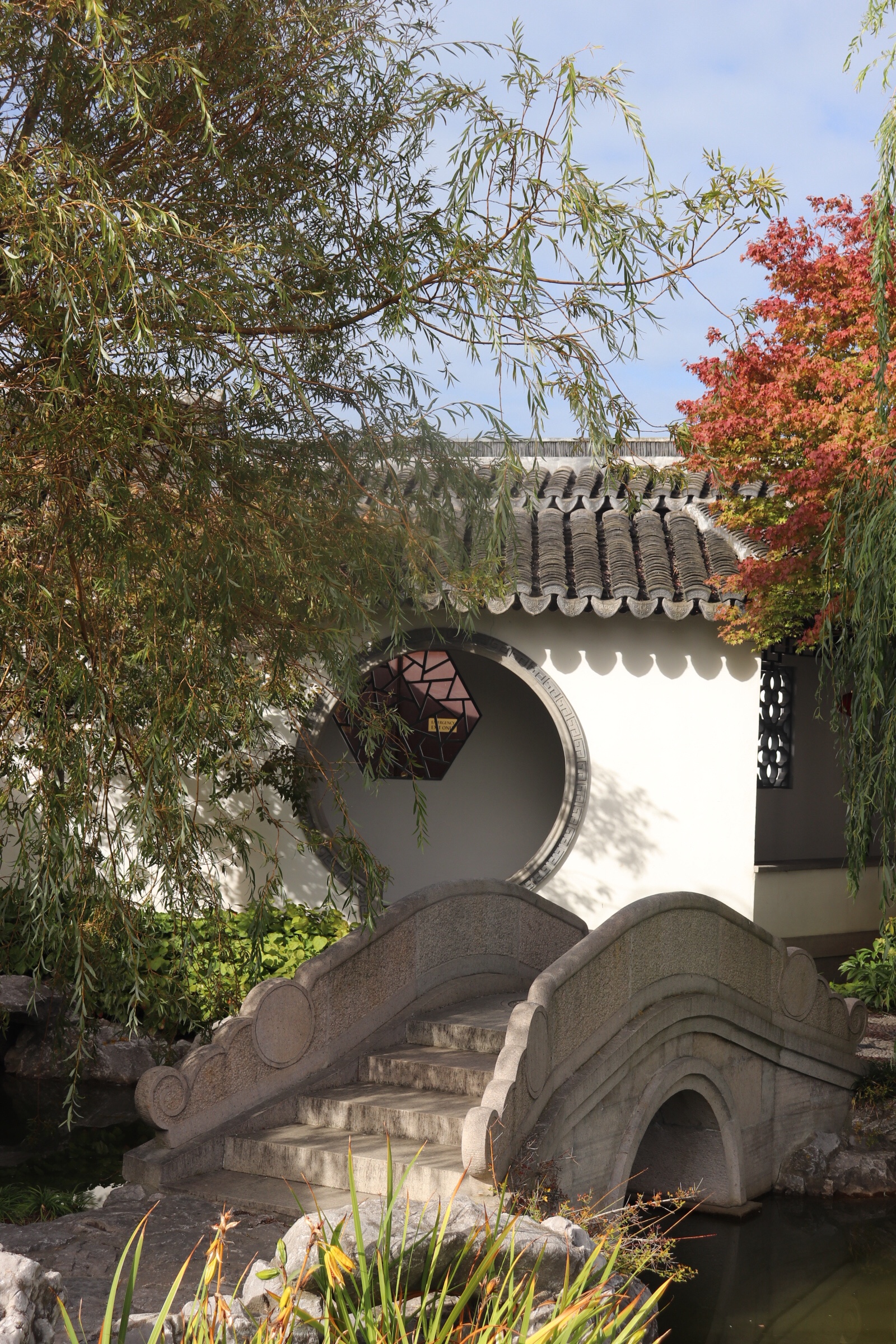
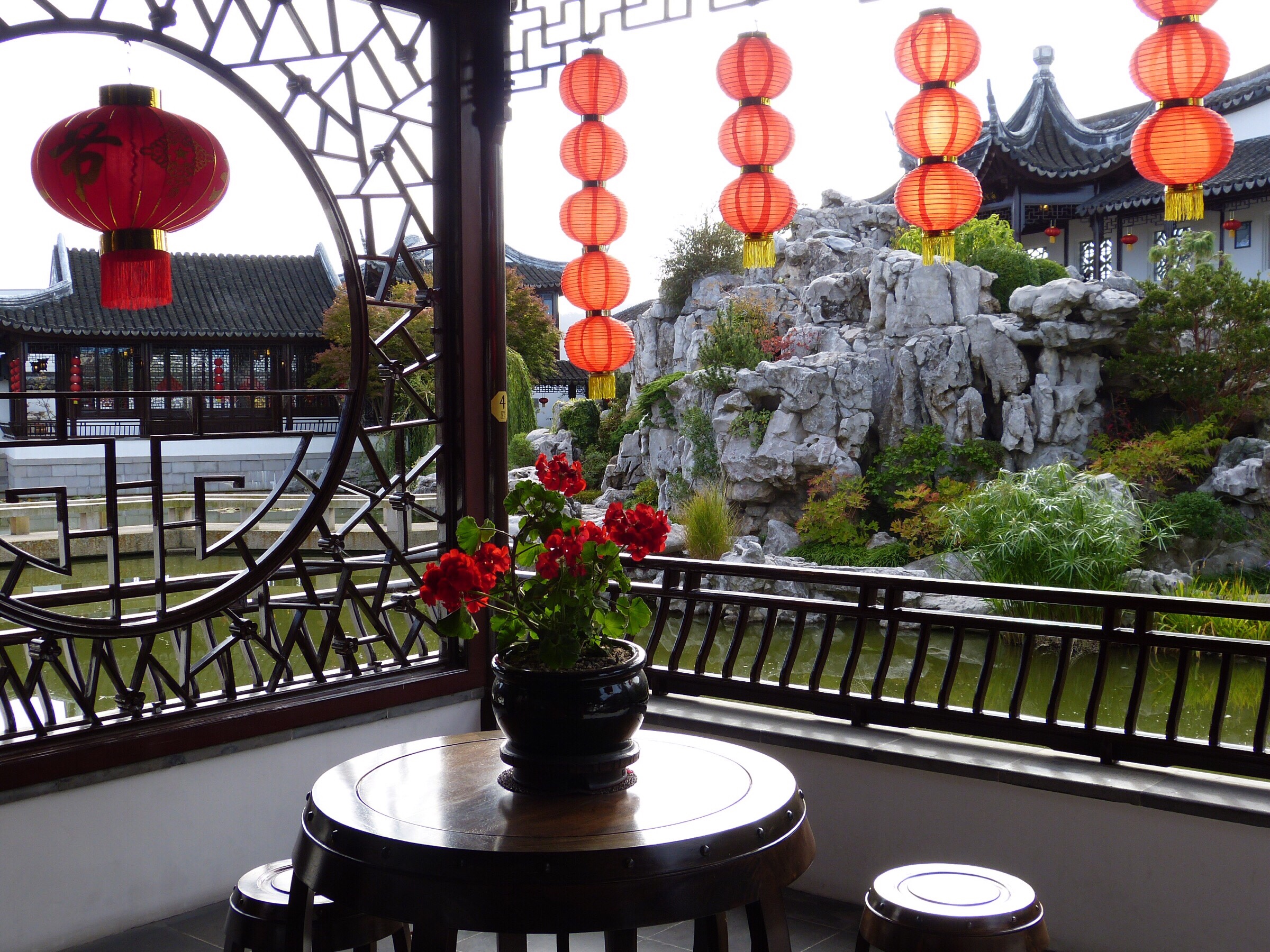
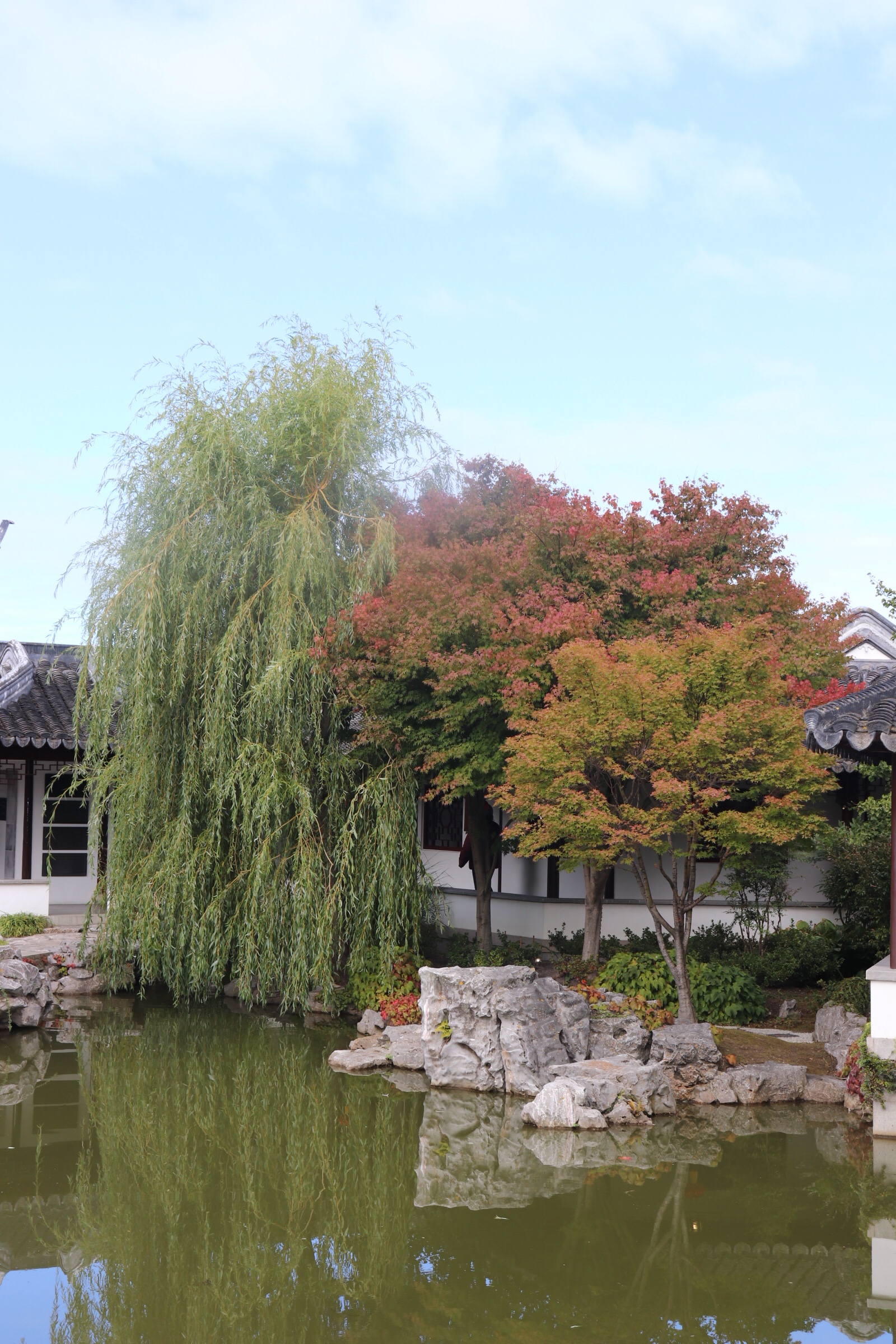
The gardens were built in recognition of the contribution to the town by the Chinese settlers who had originally come as gold miners diversifying into market gardening when the gold ran out and eventually into fruit selling and laundering. The garden had been prefabricated in Shanghai dismantled and then reassembled in Dunedin.

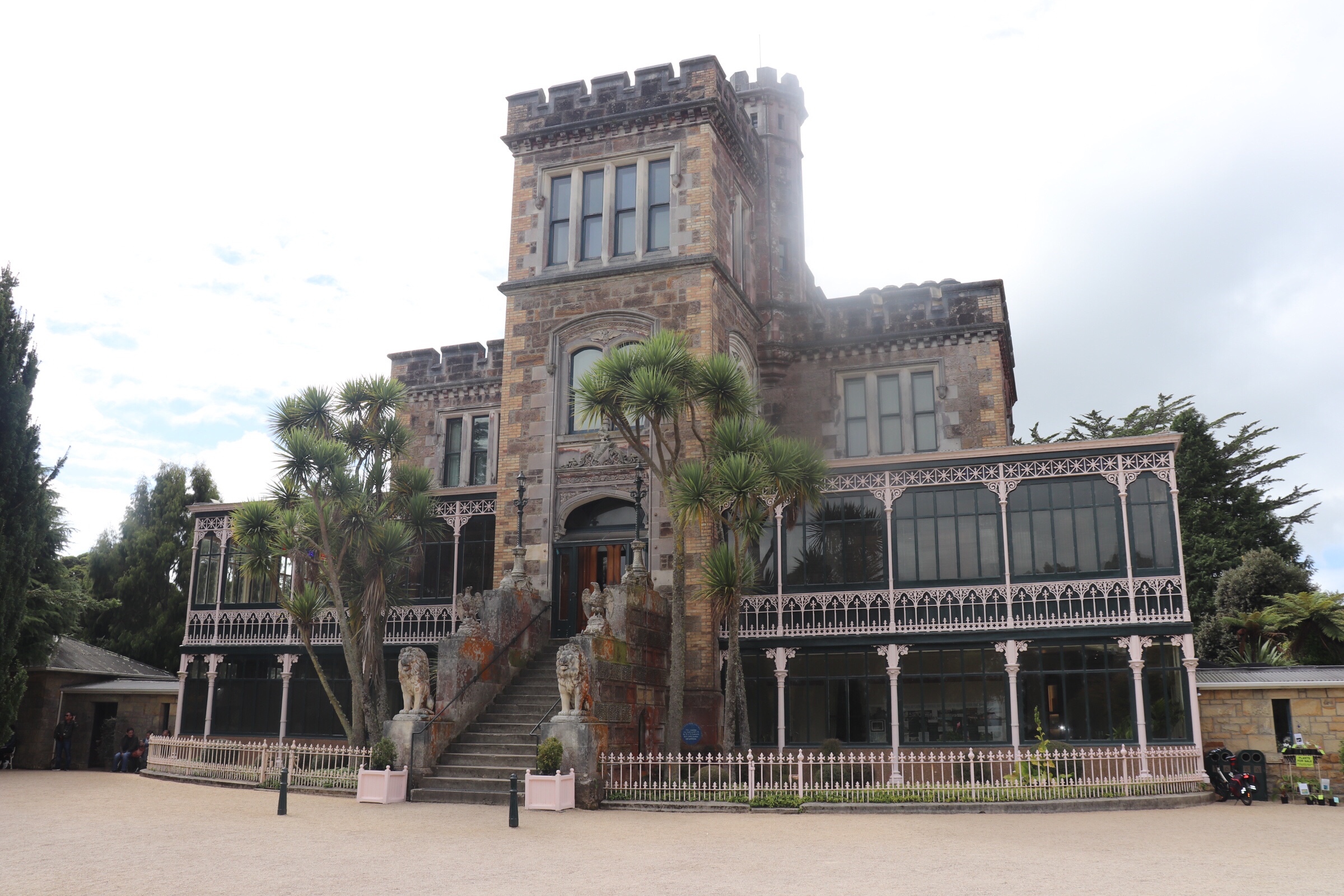
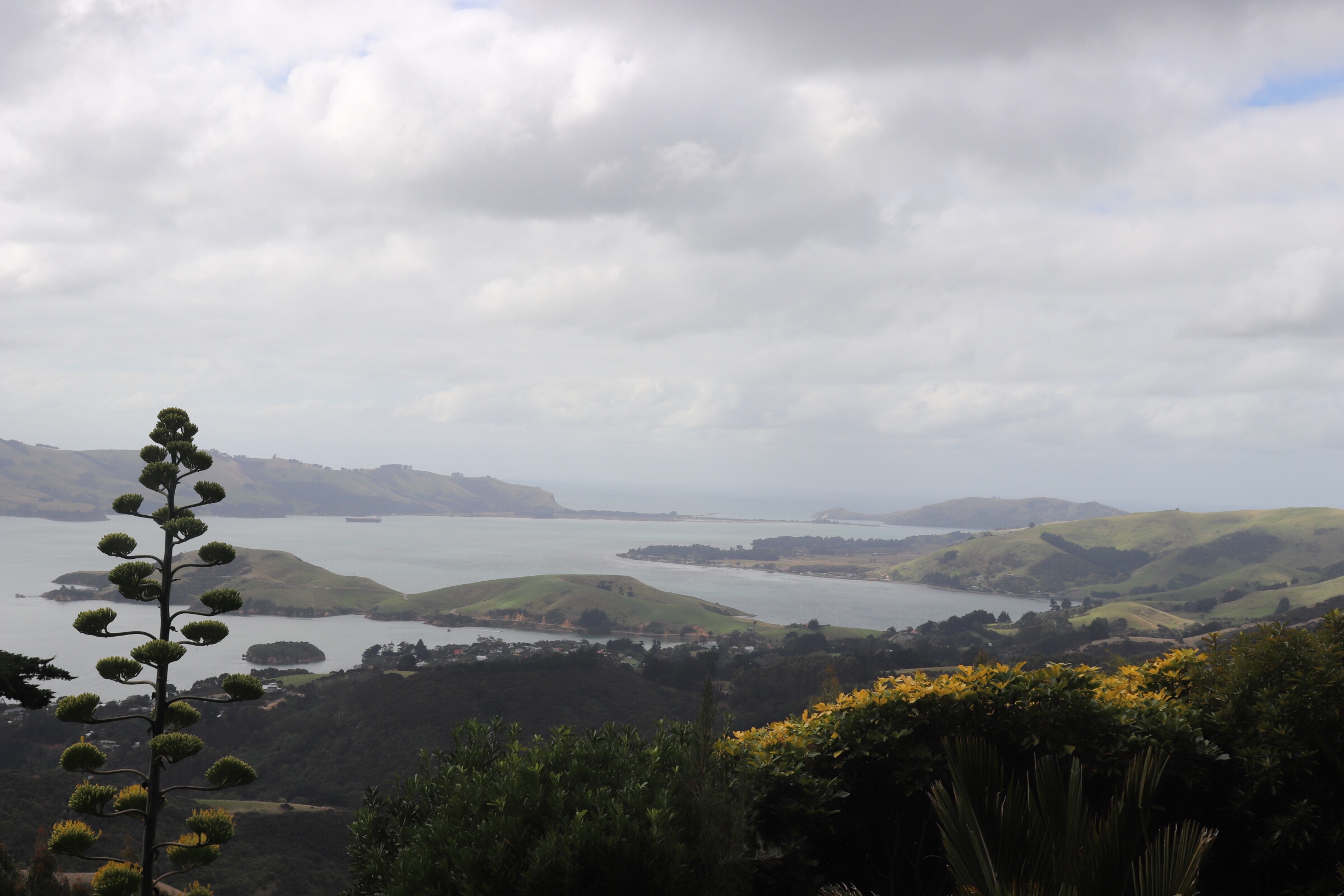
After a leisurely stroll around the garden we headed to the Otago Peninsula to visit Larnach castle built in 1871 by William Larnach a wealthy banker and member of parliament for his wife, set on a hill it had great views of the Peninsula.
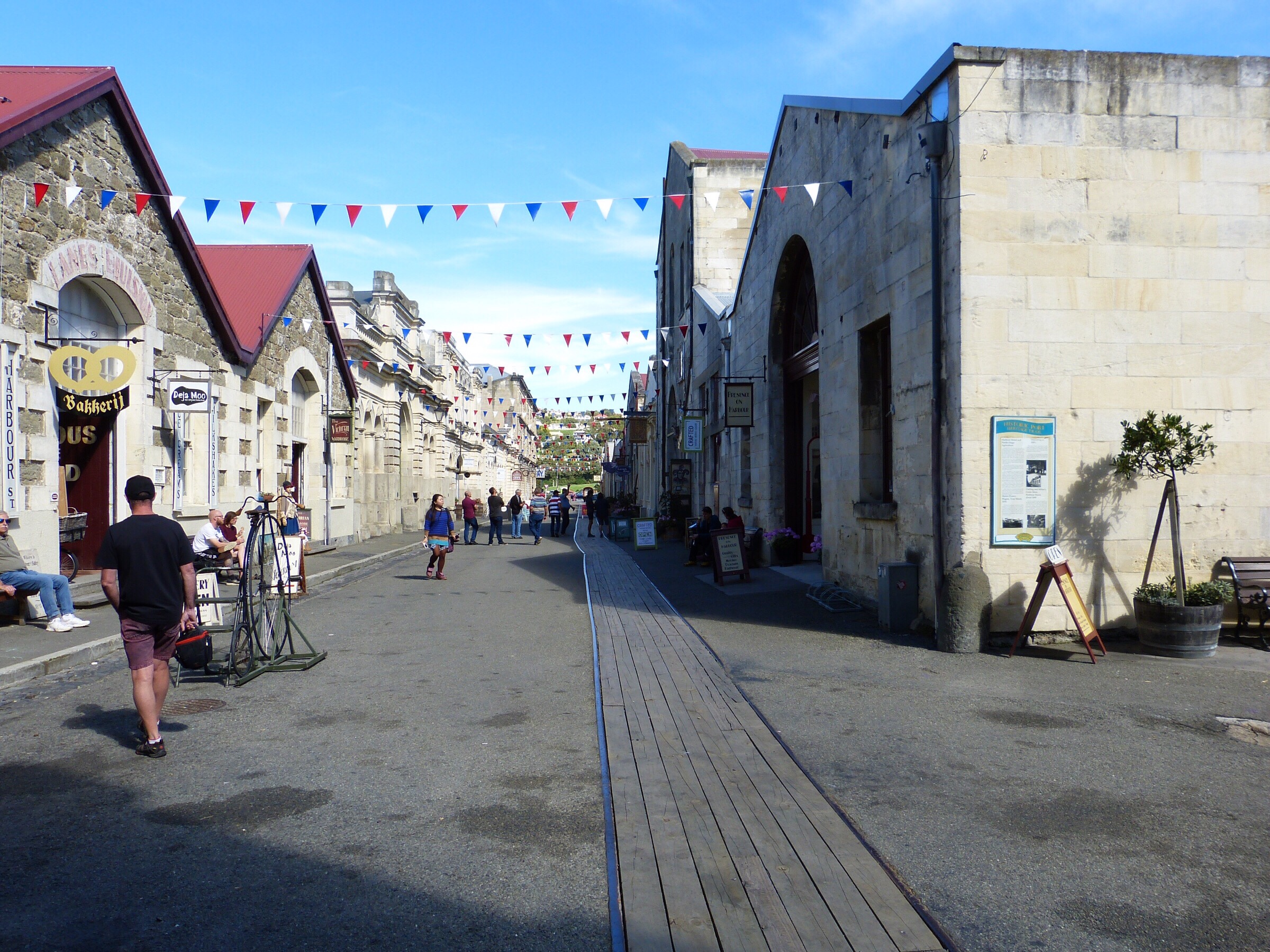
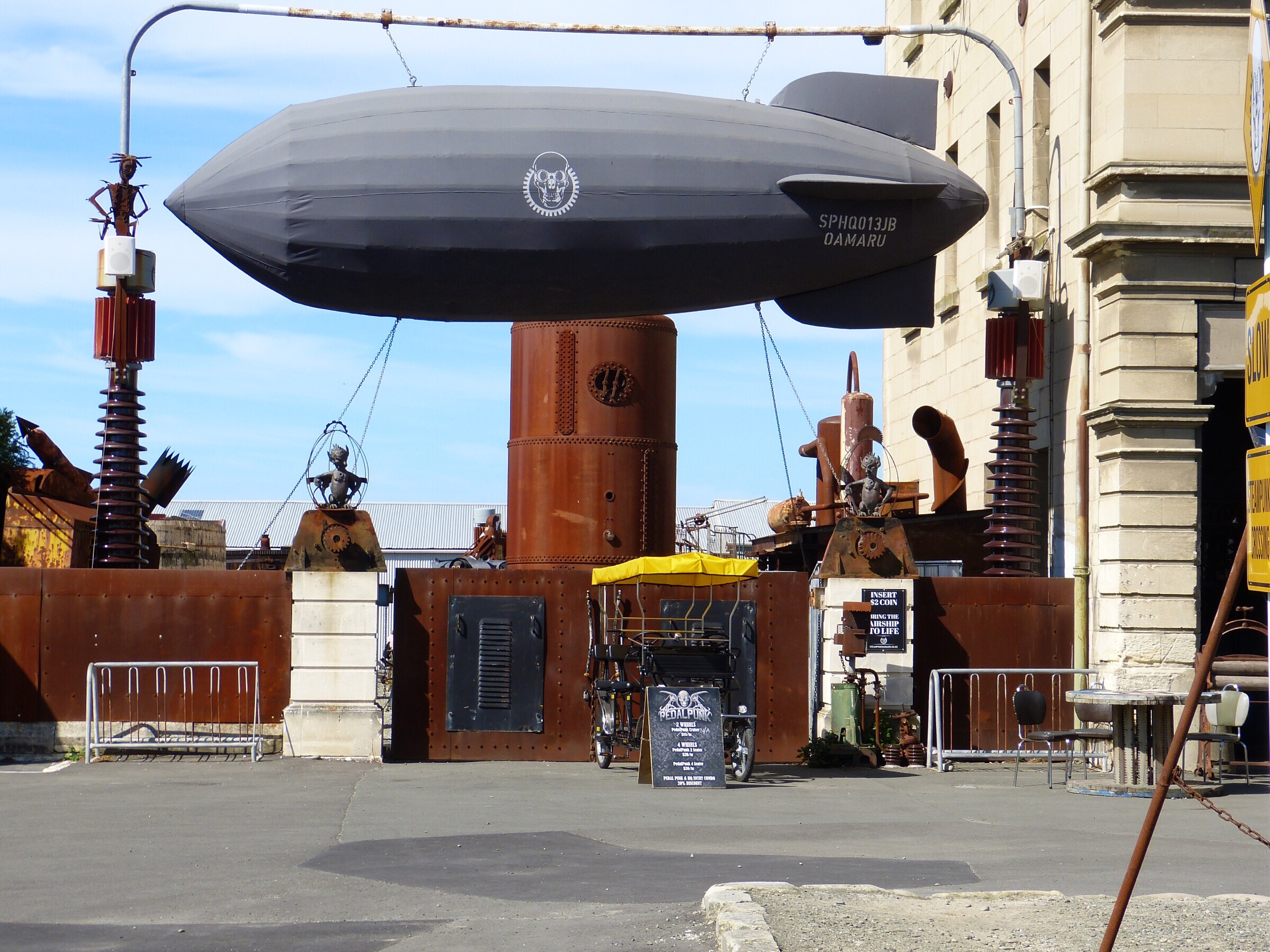
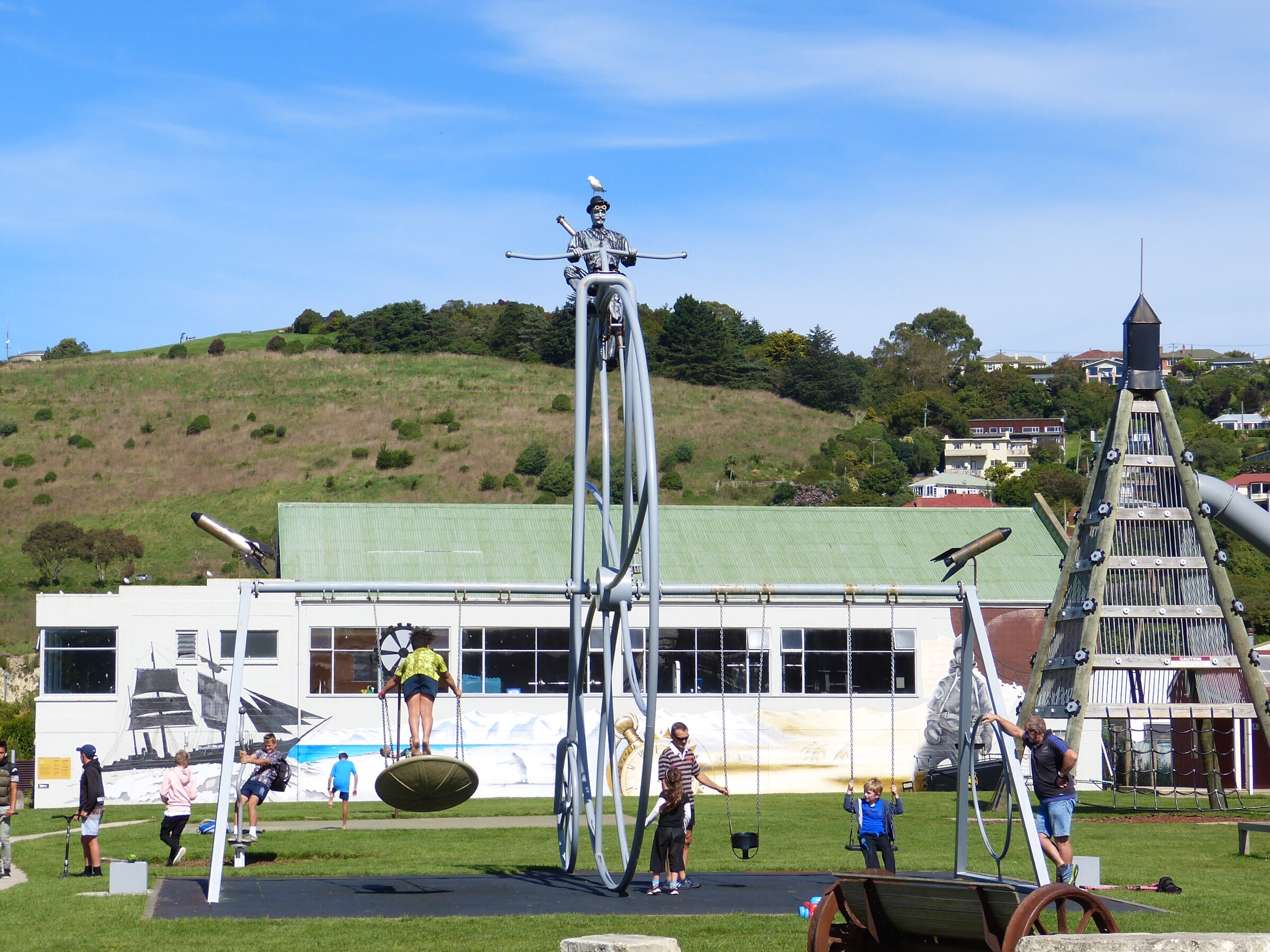
Our last stop before heading to the airport was the coastal town of Oamuru known as the Steam Punk capital, what a funky place all happening around a couple of blocks of preserved Victorian commercial buildings we lost ourselves in the quirky shops for the afternoon.
Later in the evening we strolled along the promenade to the Little Blue Penguin colony, which is a conservation centre where you pay to sit in stands from which you can watch the penguins come ashore. They spend the day about 15 kilometres off shore feeding then at dusk come ashore to spend the night. They arrive in small groups known as rafts, no more than a foot tall first one little head pops up between the rocks followed by another and another, after cleaning and oiling themselves they waddle their way across the grass to the enclosure where the centre has provided individual shelters for them, one of the cutest things I have seen and a highlight of the holiday. Unfortunately no photos as cameras and phones are banned.

So that is it folks our adventure has come to an end 😢 what a great time we have had crossing at least four time zones, meeting some great people en route and taking in some spectacular scenery, our only regret is we did not give it more time.

Now to planning the next one. 🤔 Watch this space.

Glaciers and fiords

Next stop on our list was Franz Joseph glacier, we arrived early afternoon so visited the West Coast Wildlife centre leaving the forty five minute walk to the glacier for early evening.

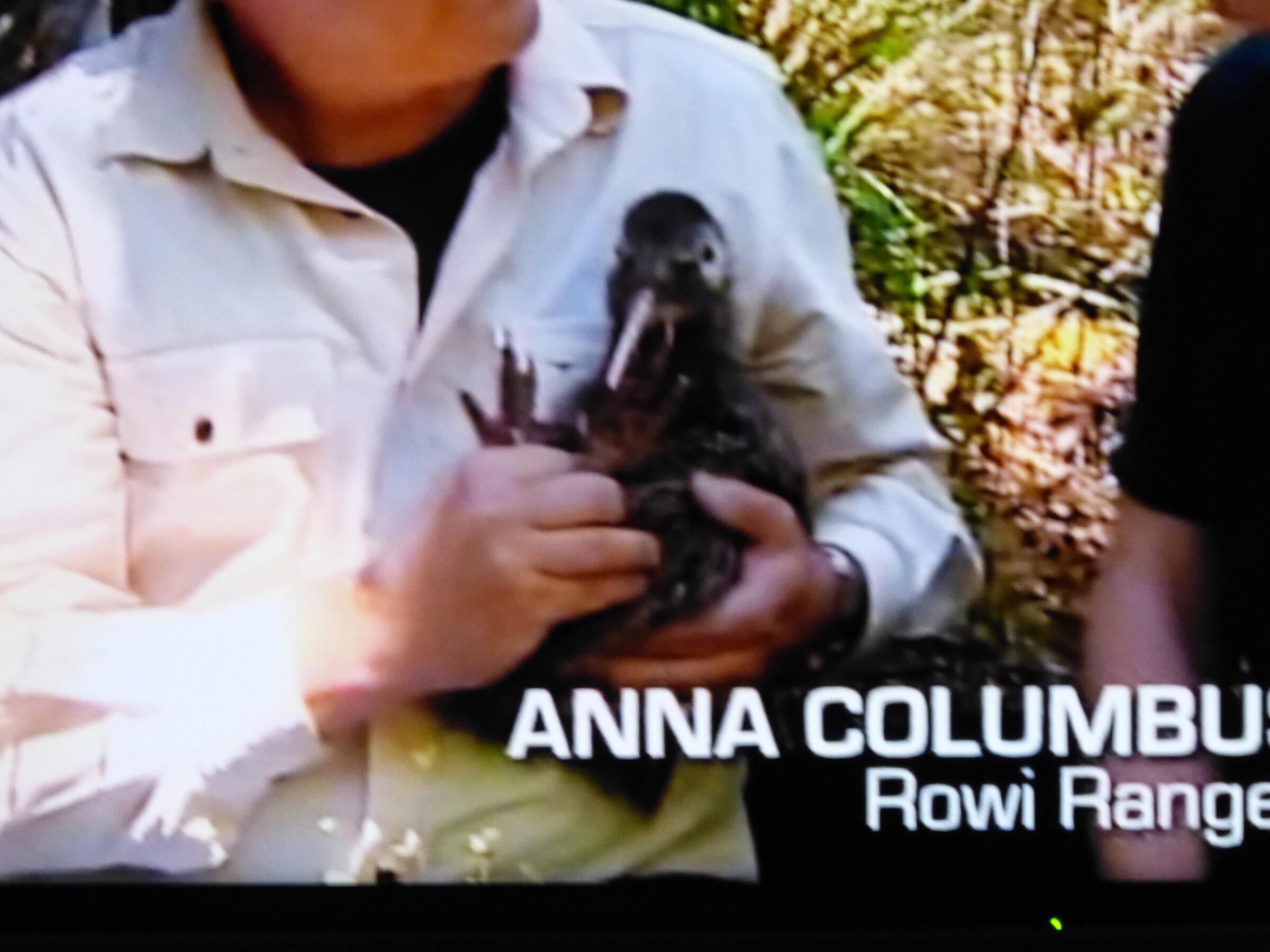
The centre breeds two of the world’s rarest kiwi, the Rowi and Haast tokoeka it also has a good heritage, conservation and glacier display. The Kiwi can actually be viewed in a darkened enclosure which mimics their natural habitat, they are a very timid bird so silence and good night time vision is required. There were only two chicks in the enclosure and difficult to make out not helped by a child having a tantrum then a man coughing which sent them scurrying back into the nesting box so we went round a second time and had a great view.

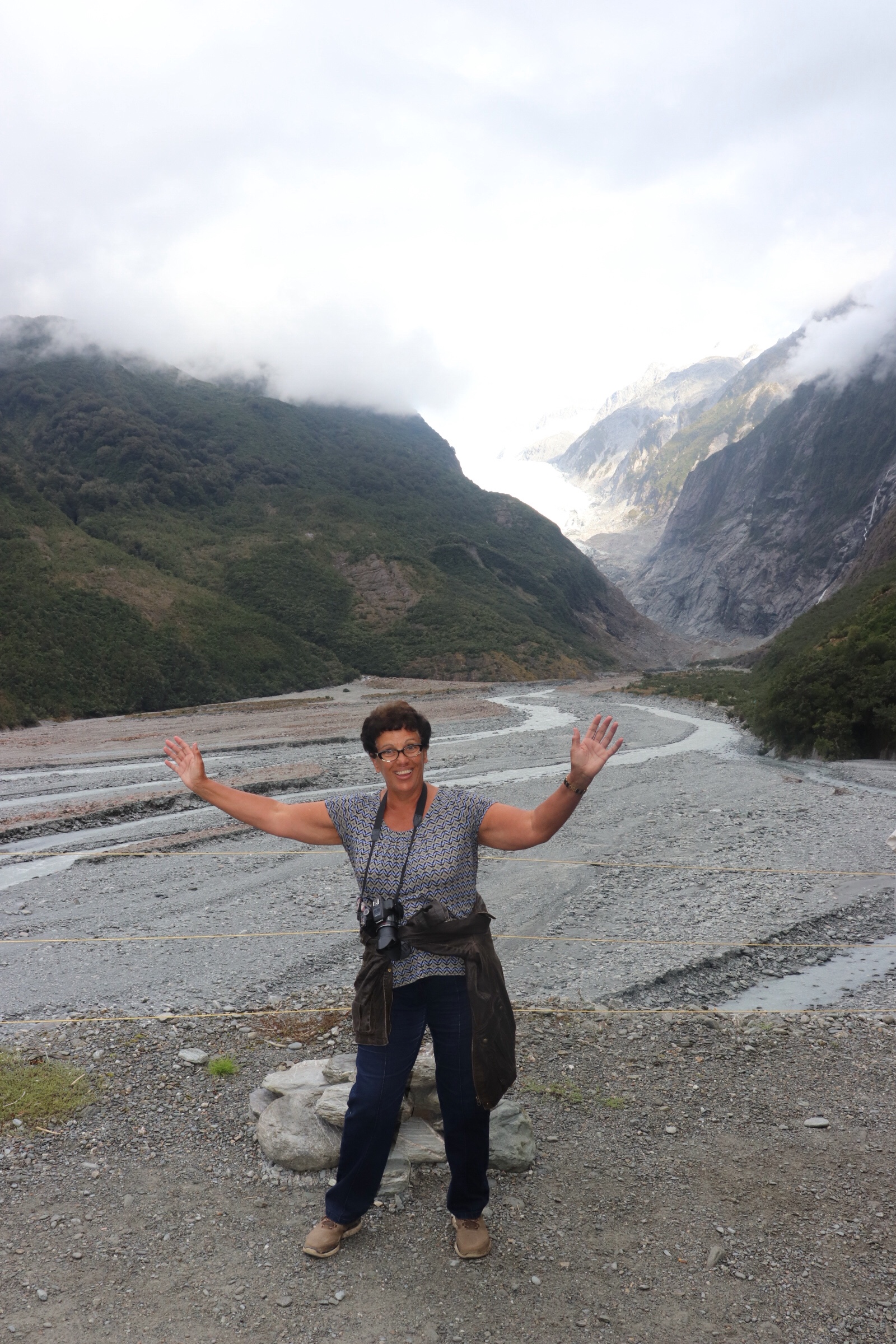
Later we walked along a very stony pathway to the edge of the glacier which was not as spectacular as we thought it was going to be. During the last ice age both Franz Joseph and Fox glacier reached the sea unfortunately climate change has seen them recede to where they are today. I met a lady on the campsite who had been here 22 years ago and at that time she said you could walk up to and on them which really bought home the devastating affect of climate change.

The walk to the glacier was enjoyable following the river and enjoying the many waterfalls cascading down the rock face which made up for the disappointing end.

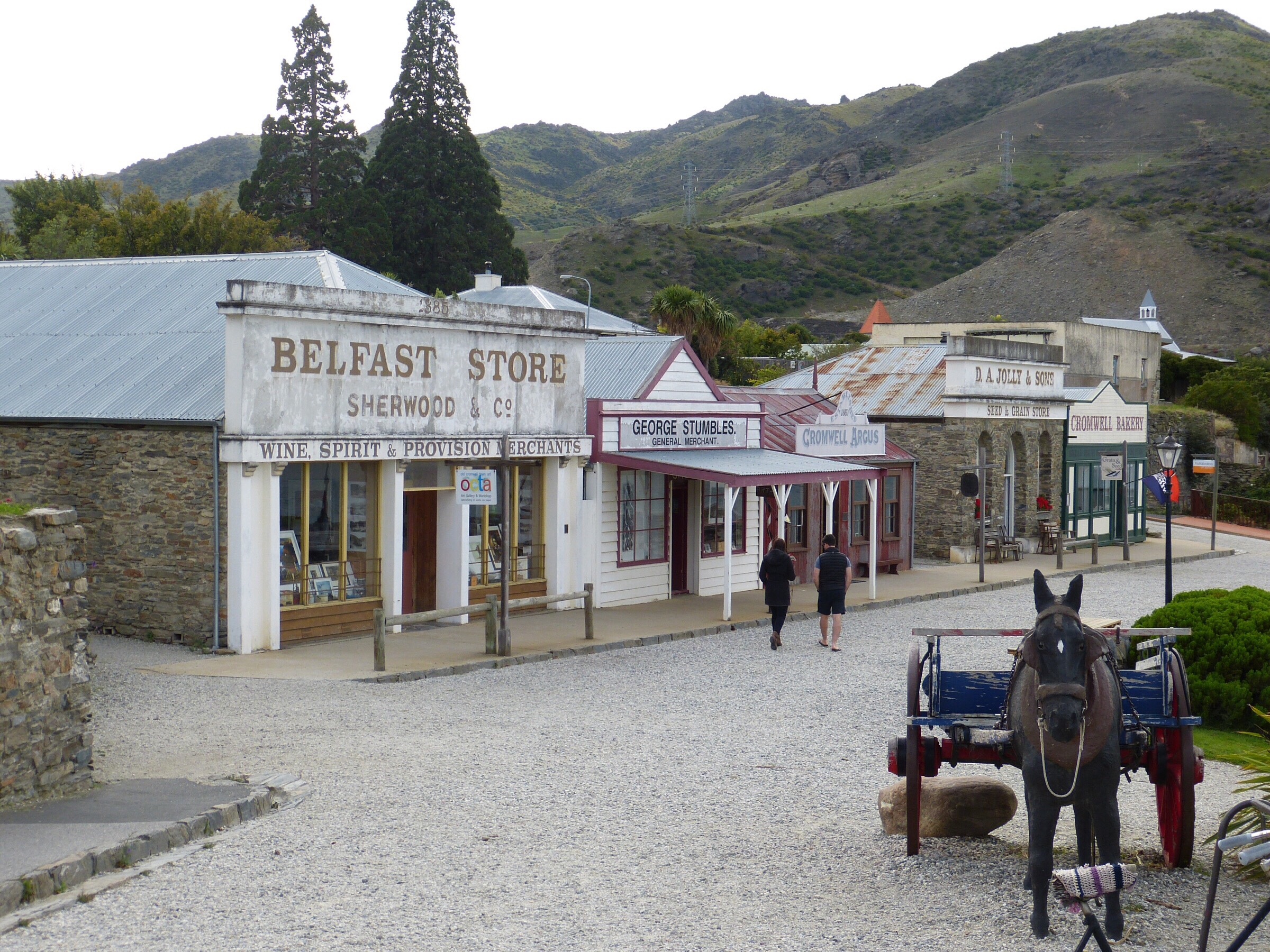
En route to Fiordland we stopped overnight at a place called Cromwell which had an interesting history, in 1992 they built a dam which flooded the historic town centre as well as homes and surrounding farms. To preserve some of the historic buildings they were disassembled and rebuilt in a pedestrianised area next to the river. It is also situated at the centre of the prestigious Otago wine region so after visiting the historic area we called in at one of the wineries for a tasting session and some lunch. I am normally a Sauvignon drinker whilst Charles will drink whatever is on offer but does enjoy a good Rioja, so I was surprised when I opted for a reisling which normally is to sweet but this had a nice citric back taste and Charles found a nice Pinot noir needless to say we left with a few bottles tucked safely in the van.

Further down the road we called in at Queenstown to find someone who could fix the World Wide Web device that kept playing up. After numerous circuits of the town we finally found a car park where I sat in the van whilst Charles did his business, I had seen enough to ascertain it was just one mass tourist attraction extremely busy and not for me. Then on to Fiordland to try and get on to a trip around Doubtful sound, most people head for Milford sound but our friendly Kiwi back at the lakes said Doubtful was better and he had visited three times. We headed straight for the quayside at Manapouri and booked on to the eight o’clock sailing next morning so as it was late it was straight to site eat and bed.

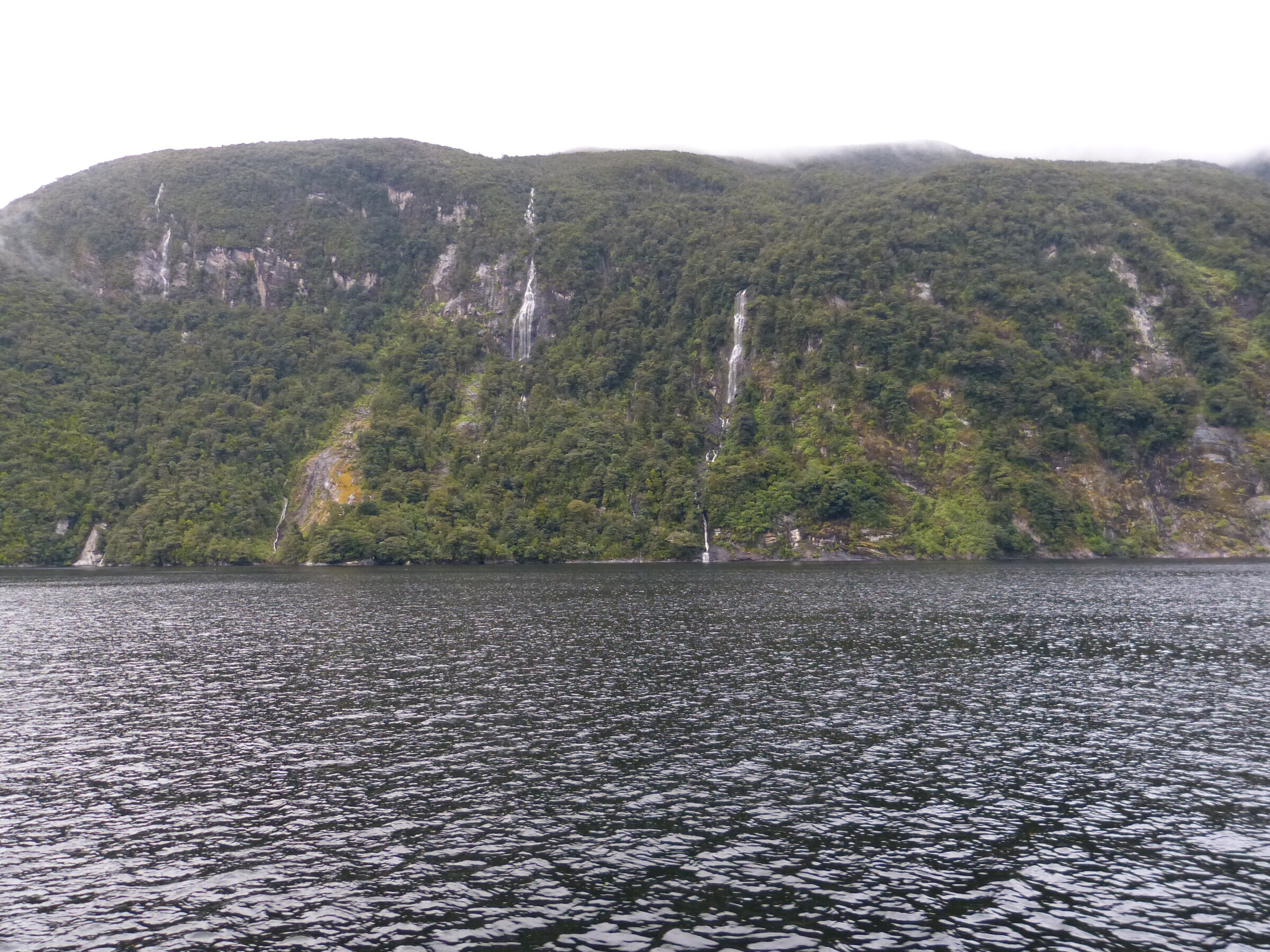
Photographs do not always do justice to your surroundings as they only capture a snippet of what the eye sees and I feel that our photographs do not do the Sound justice. To be on this great expanse of water dwarfed by the surrounding mountains with their many waterfalls was surreal.

A wild food festival

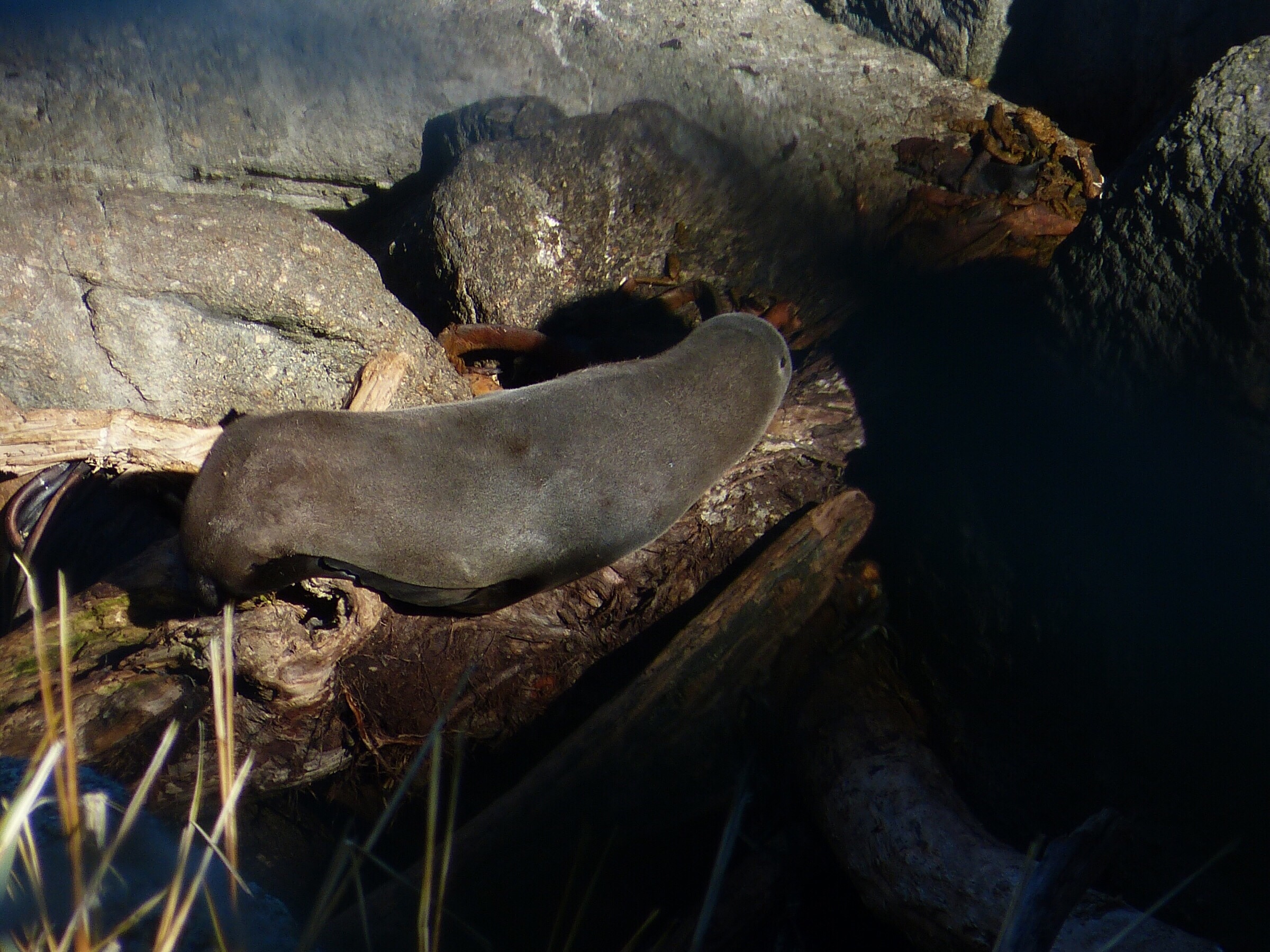
On leaving Karamea We headed to the Wild Food festival at a place called Hokitika but first we had to visit the grey fur seal colony at Cape Foulmouth on the outskirts of Westport. Well worth the effort as there were many adults and pups soaking up the sun on the rocks and in small pool many of the pups were splashing and frolicking around.

We pulled in at a campsite opposite a glow worm dell and with access to a beach renowned for the little blue penguins. Dusk found us sitting on the beach in the hope of spotting the odd penguin coming ashore, out of luck we headed to the glow worm dell and yes they were in residence. Unfortunately photographs do not reflect the flashes of small light that you see with your eyes, you would need a very long exposure and tripod to capture this display. Apparently they are not worms at all but a native fungus gnat larvae with luminescent organs that produces a greenish light attractive to insects which they feed on, the glow worms that shine the brightest are the hungriest.

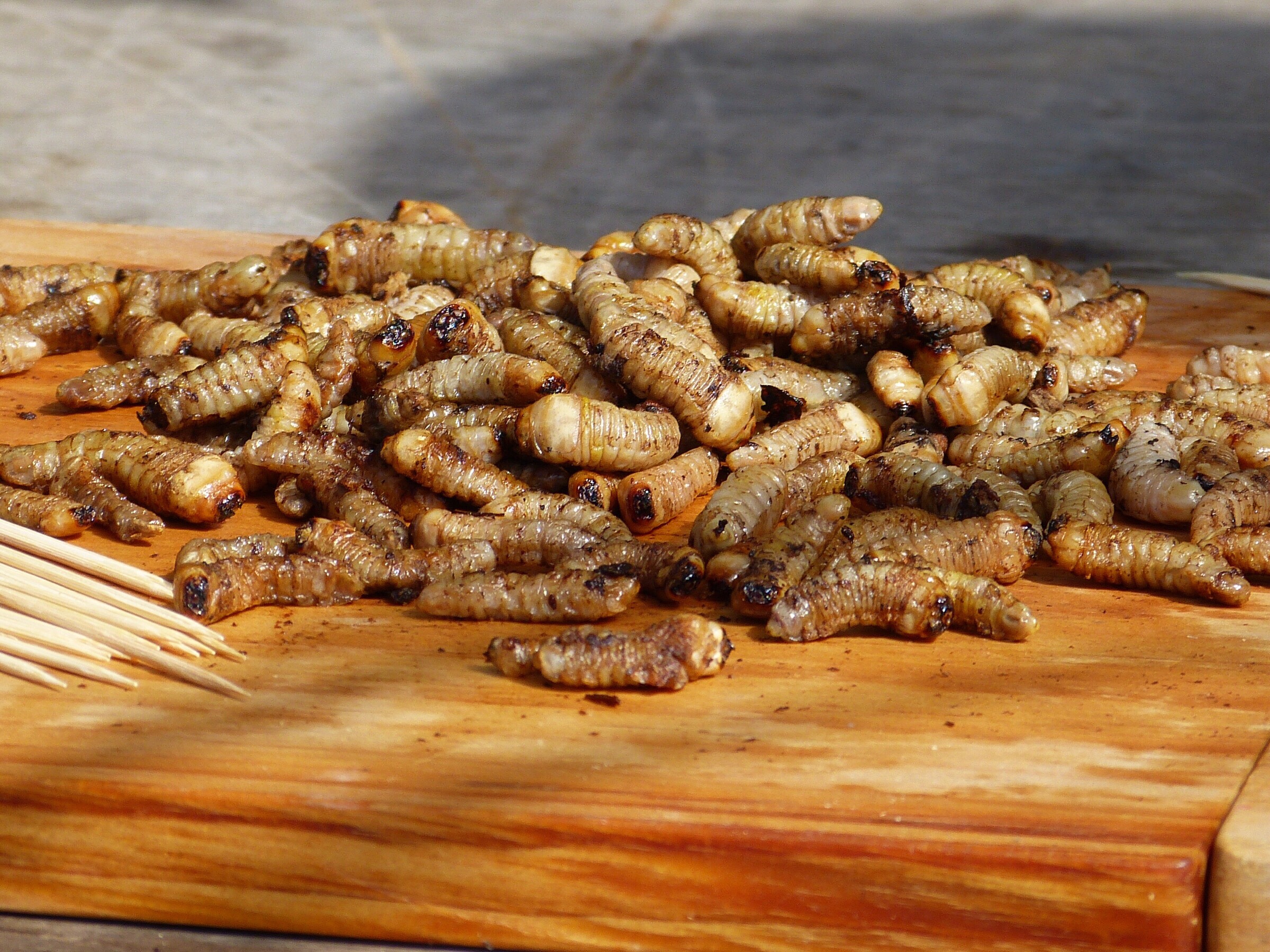
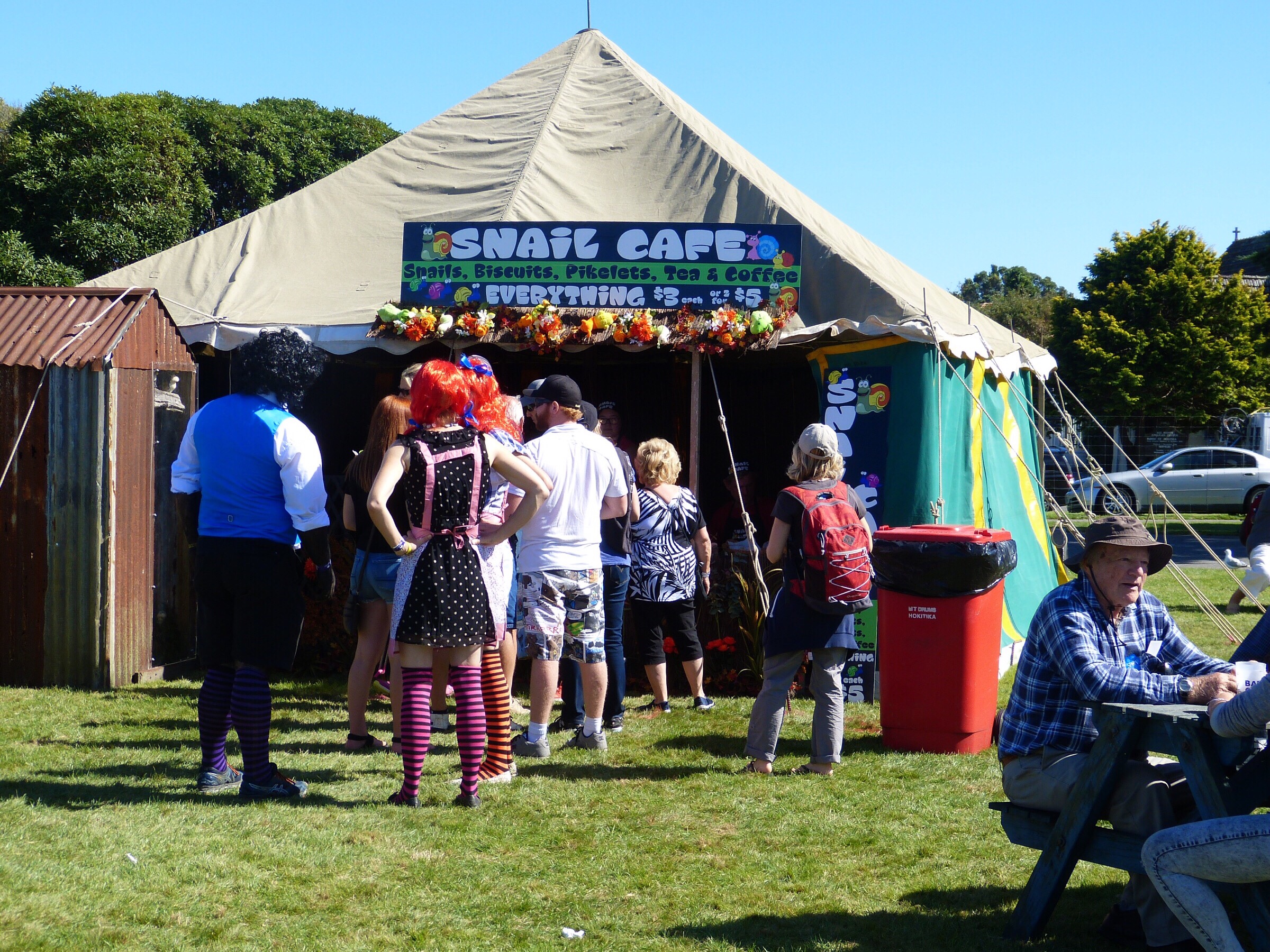
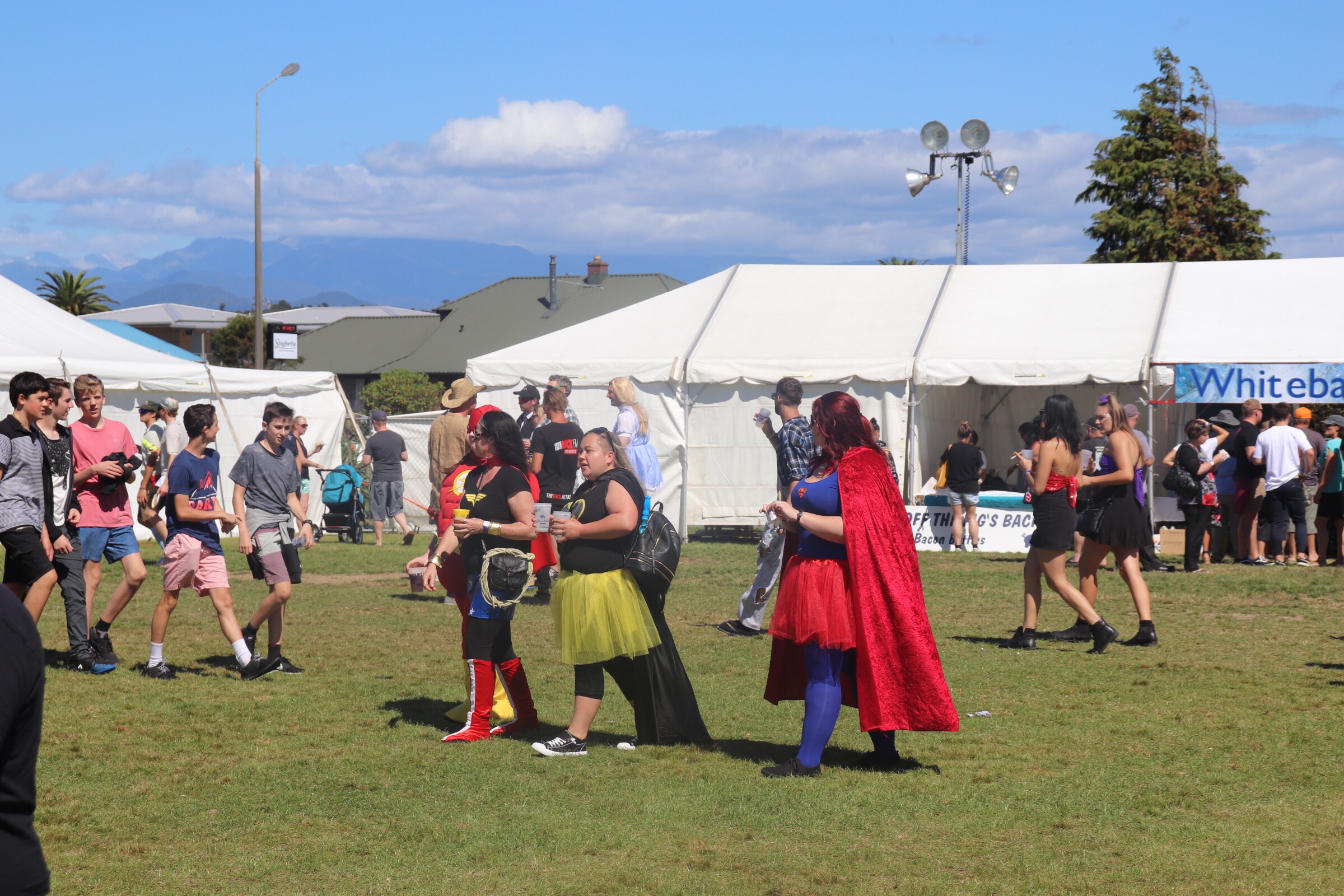
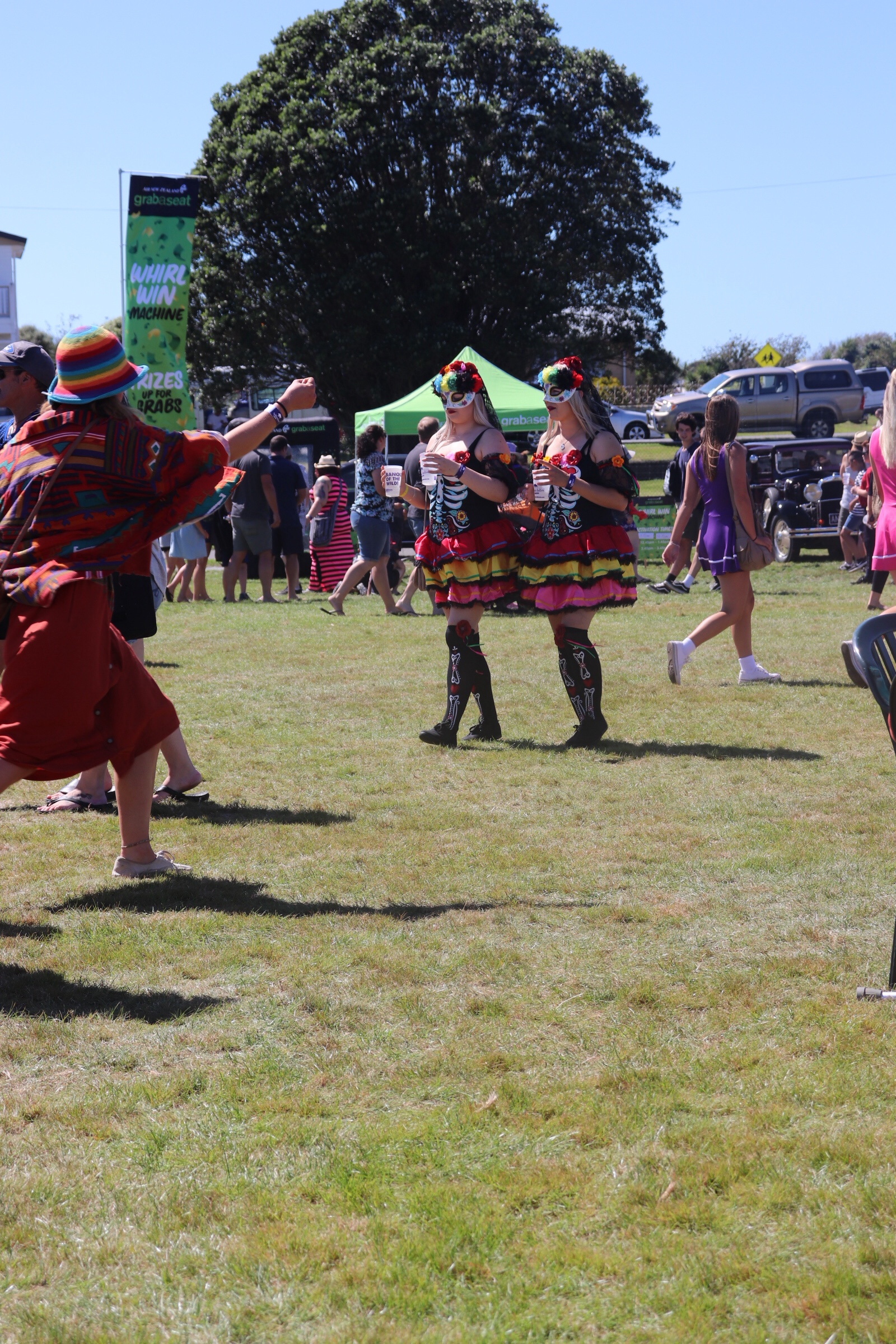
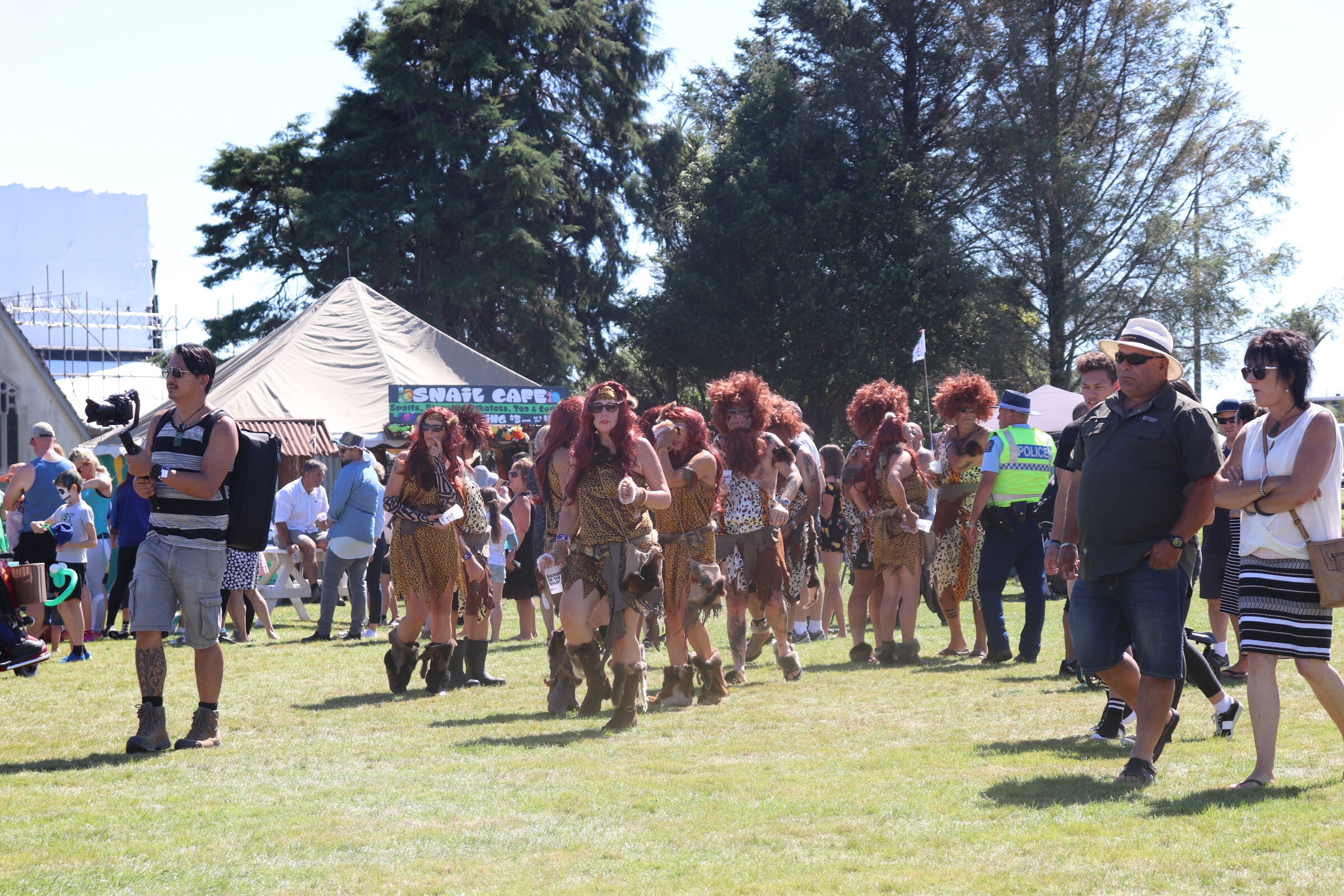
The following day found us in town at the food festival which is the annual highlight of Hokitika drawing people in from all over the country. It has been going for nearly thirty years and attracts the adventurous eater that wants to try the weird and unusual. Whilst there were some unusual foods on offer ie: huhu grubs both alive and cooked, mountain oysters (sheeps testicles) and gulls eggs but most of it was very ordinary. What was entertaining were the people themselves that had taken this opportunity to dress up weird and wacky either individually or collectively.

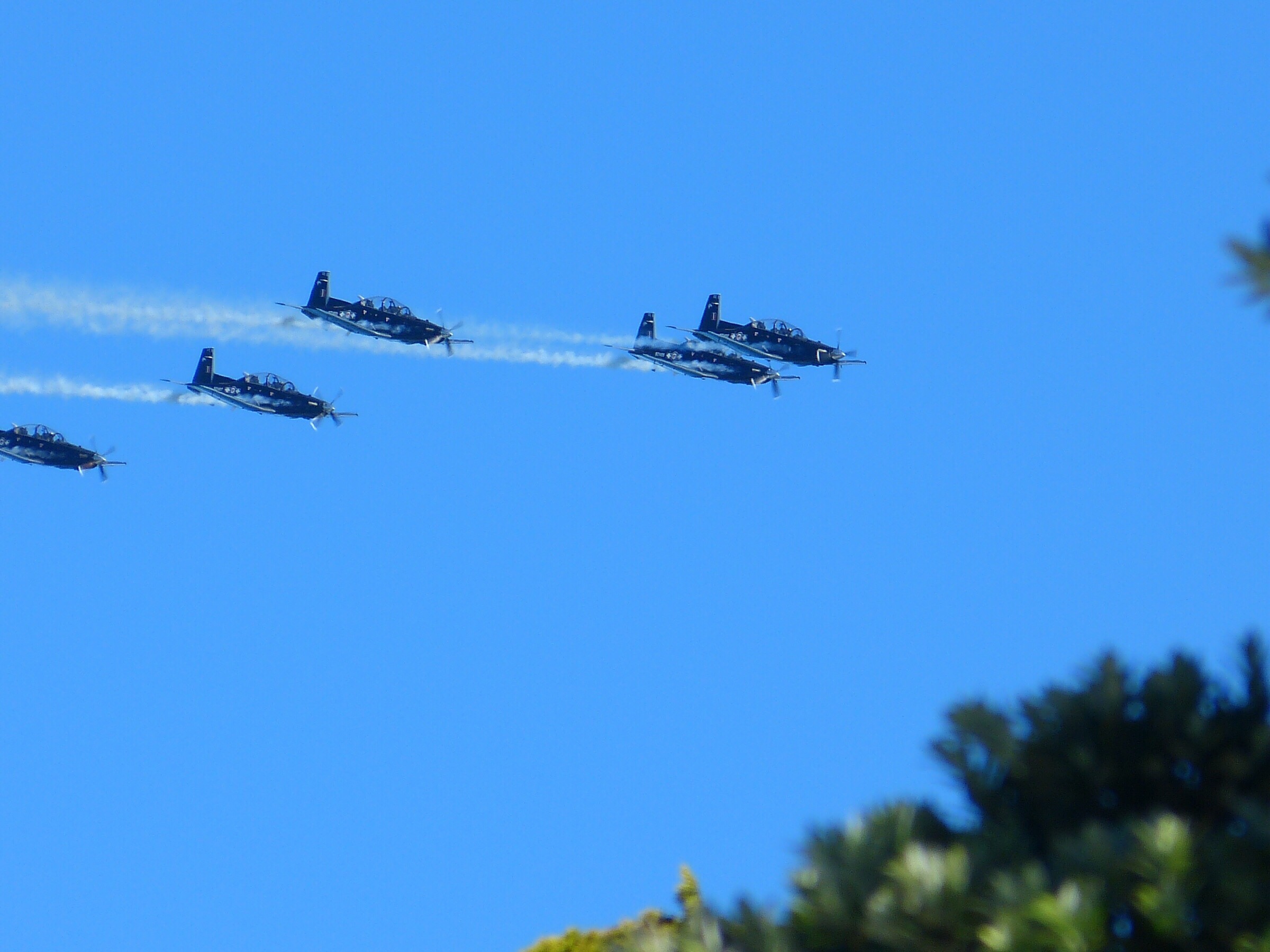
Throughout the day we were entertained by a variety of musicians and an air display by the New Zealand Air Force.

The beginning of the end😨

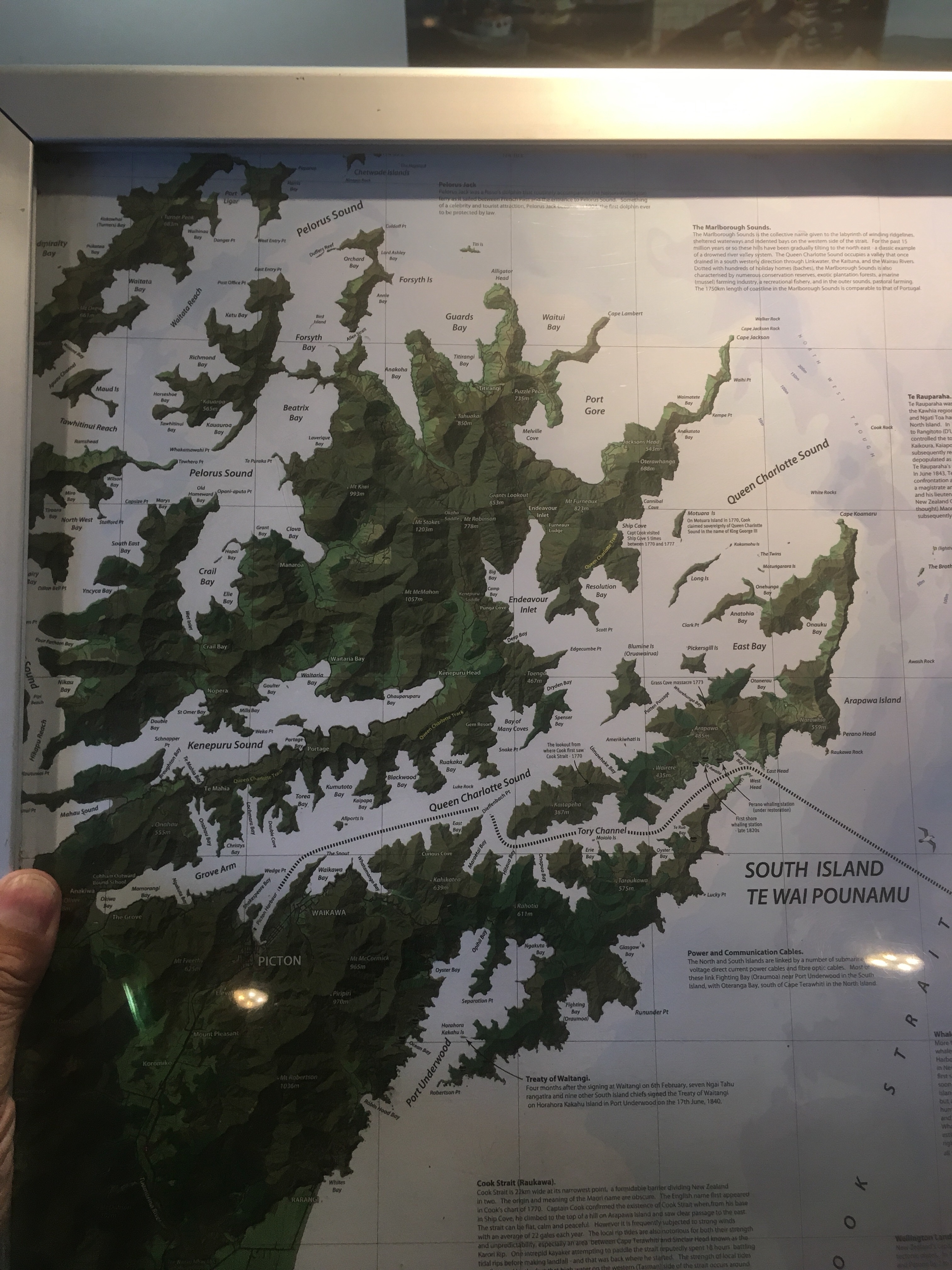
An early starts sees us boarding the ferry for South Island, unfortunately I missed the dolphins swimming across the bow of the ferry and the sailing through Marlborough sound as I was engrossed in my book for the whole crossing. Charles says Marlborough sound was stunning its beauty being the combination of sailing through a meandering gorge whilst surrounded by steep heavily forested landscape into which was built the odd isolated dwelling with no sign of road access. Boats rule ok!

Once off the ferry we had decided to head straight for the west coast,everybody had been telling us “West was best” so we thought we would check for ourselves. We had read that a beautiful but off the track area was the West’s most northern town of Karamea, this place was literally at the end of the road where the famous 80km Heaphy trail began (or ended depending your direction of travel) The Heaphy is considered THE wilderness walk and is a 4 day walk minimum, we don’t have any photos unfortunately as surprise we gave it a miss on this occasion!

So Karamea bound we were and our journey took us through the Famous Marlborough vineyards, amazing to see such an expanse of vines but we were glad when the scenery changed ( sorry Mr V you can have too much). Our Satnav slowly took us away from Marlborough and we headed into farming country ( sheep, beef and deer) and into and over the Buller gorge and pass, where (although for me with my fear of heights was a nail biting experience) the views were awesome.Karamea was no more than a small settlement of five hundred people with a real sense of remoteness yet we have both voted it our favourite place and we would defy anyone not to love the area and landscape. The camp site was part of the old Rugby ground at the back of the town school and run by a local committee who had provided some of the best facilities we have encountered on our travels.

We needed to hire a car to visit the wilderness highlight of the Oparara basin through which ran the access road to the Oparara arch. Our site manager Doug told it was not accessible by campervan and he pointed us in the direction of a local family that not only did car hire but also delivered the mail, ran the school bus and a weekly bus service over the mountain road into Westport.We walked into the “town” which was no more than a handful of shops and having organised the car hire via the information centre went for a coffee at what transpired was the epicentre of Karamea.
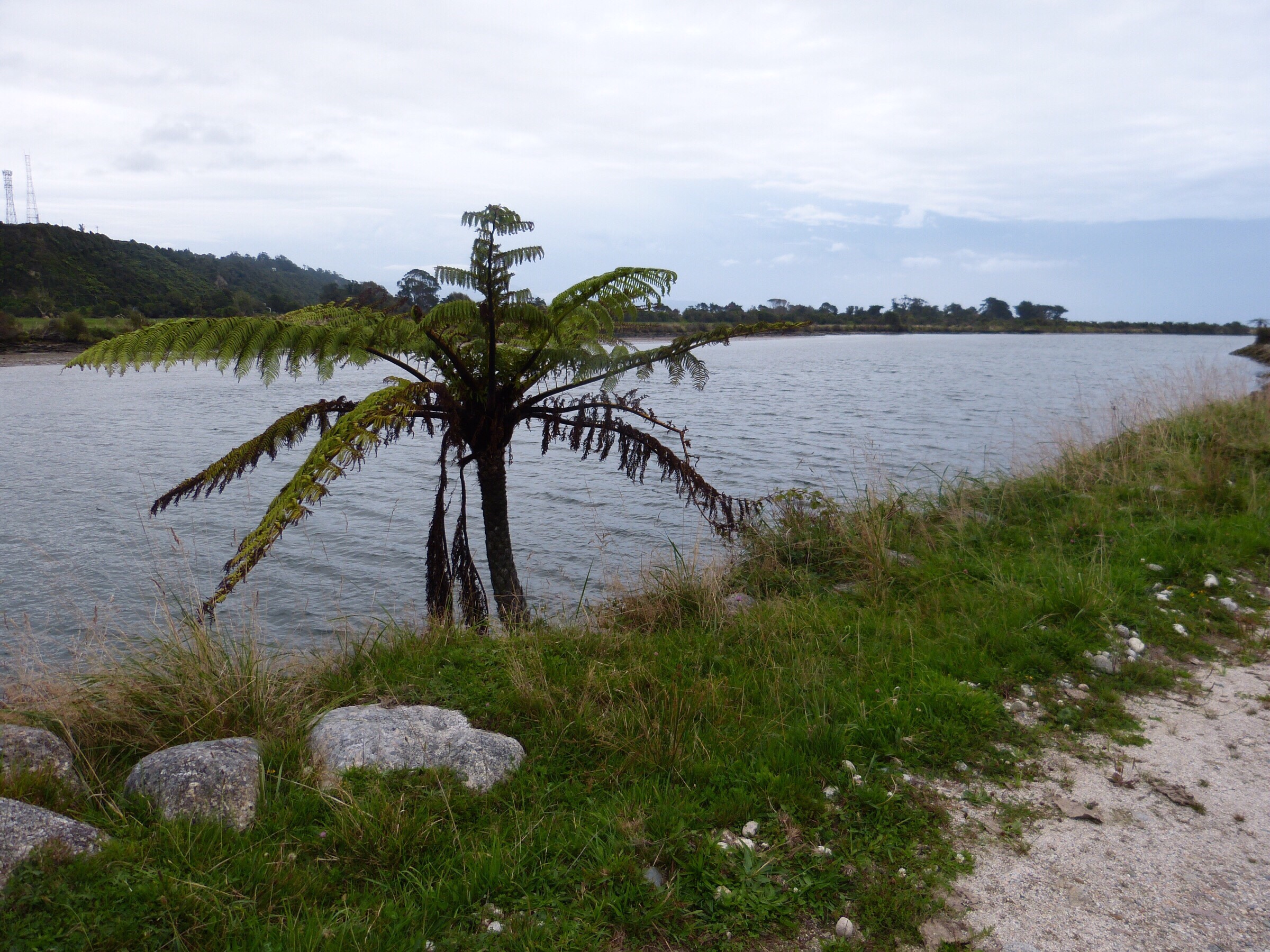
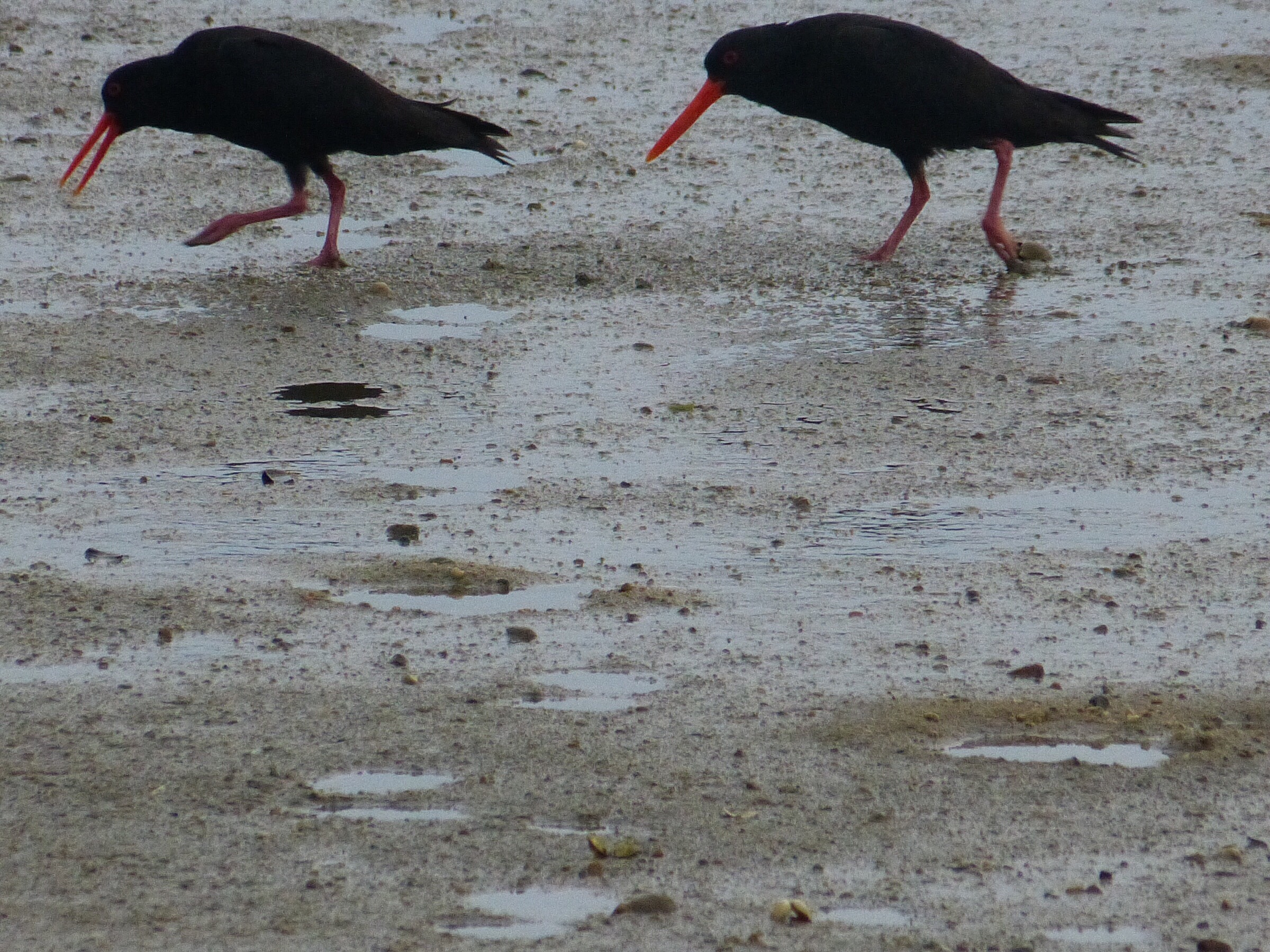
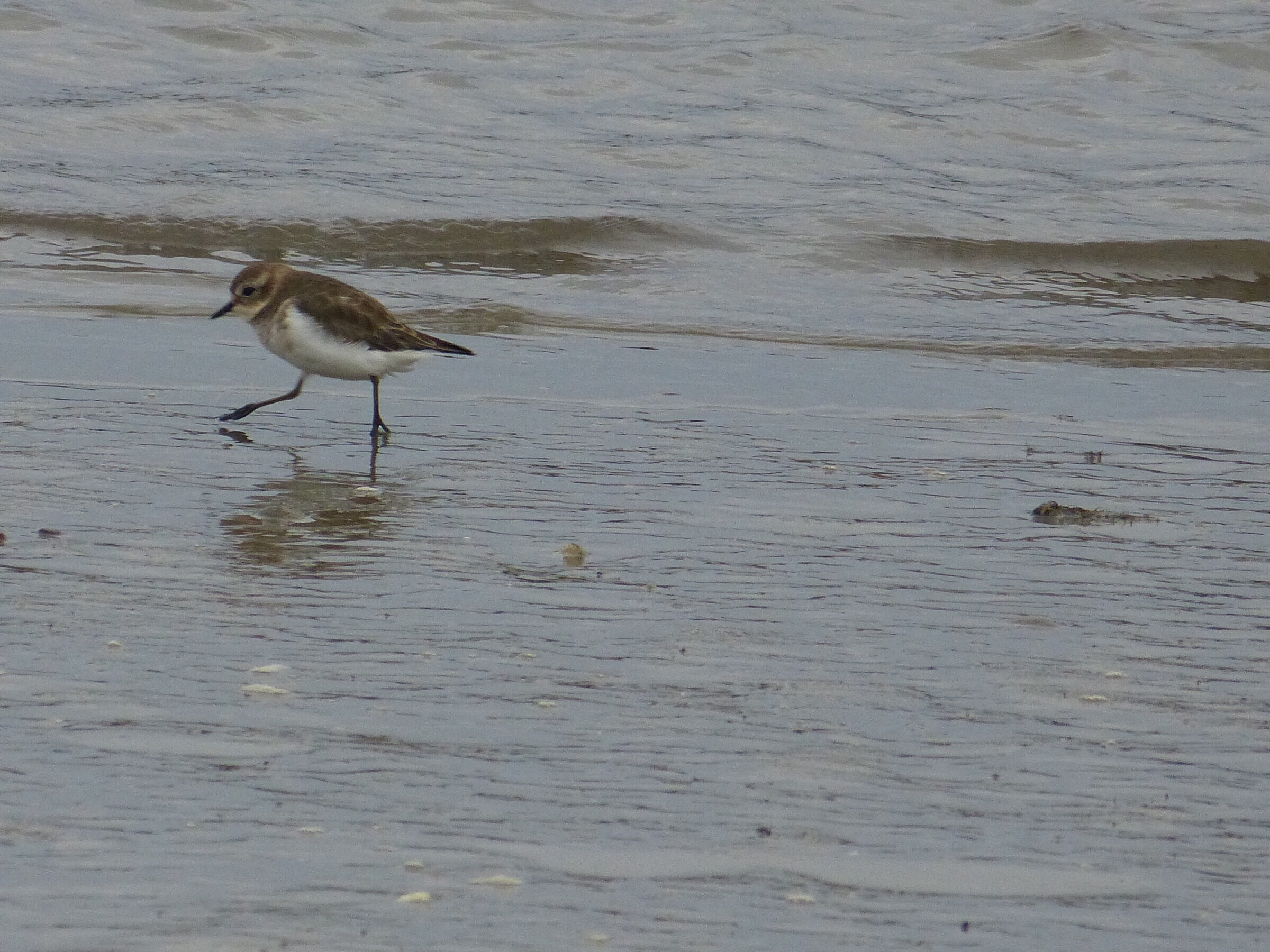
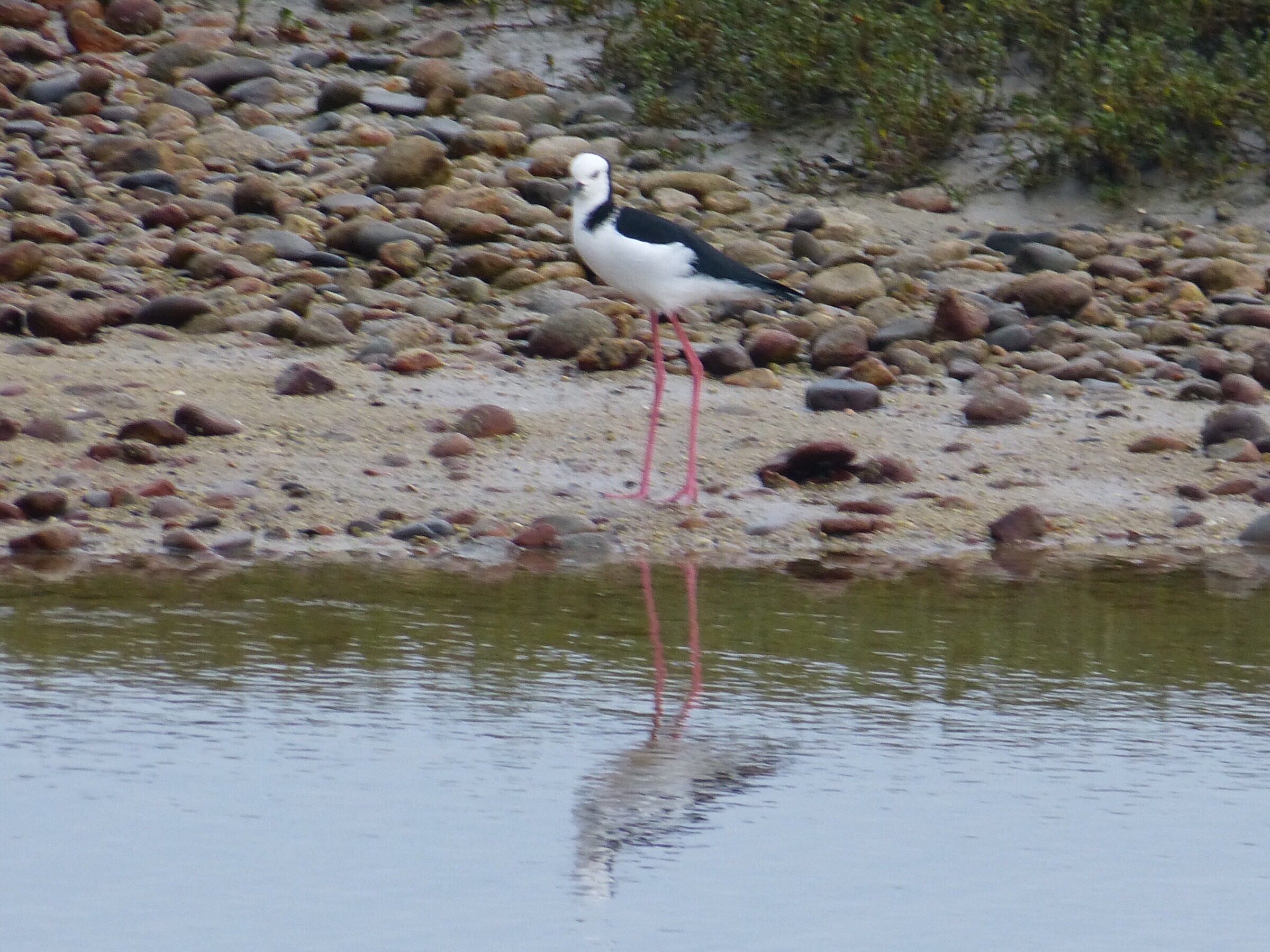
That evening we took a walk along the riverside to the mouth of the estuary and on to the beach which we shared with a diverse number of wading birds and not a human in sight.The river is popular for large trout fishing and in season the area is overrun by whitebait fisherman (no wonder at $80 dollars a kilo)

9am and the hired car arrived and after Charles returned from taking the driver back to base we set off. After twisting our way up a steep stony track we arrived at the car park from which the track to the arches started but before heading off we were intrigued by movements in the trees and spotted the rare Tui bird sitting on a branch singing its heart out. A plain black bird that looks like it has cotton wool balls either side of its neck of course we snapped a photo, we were also lucky enough to spot the rare blue duck during our walk.

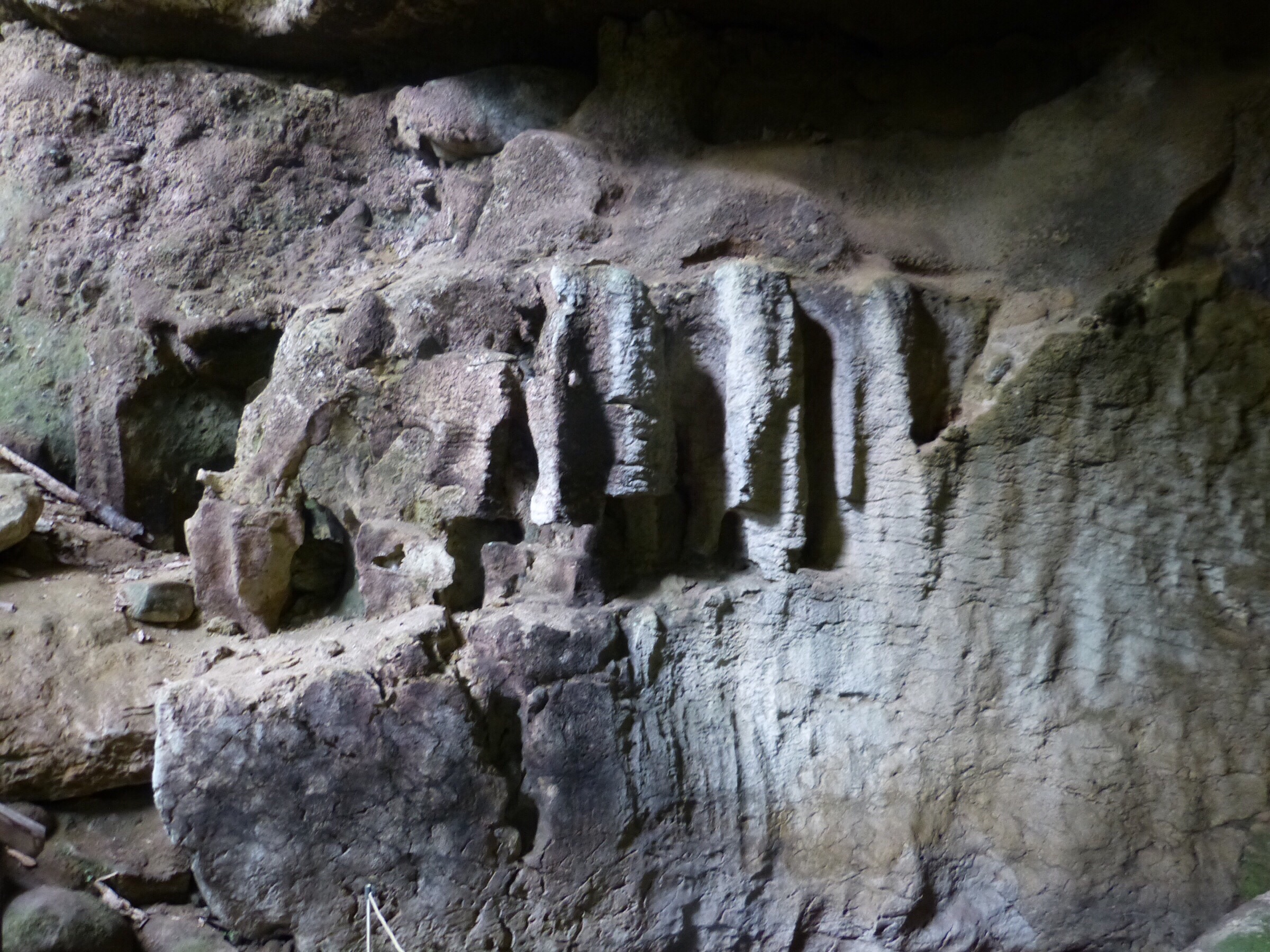
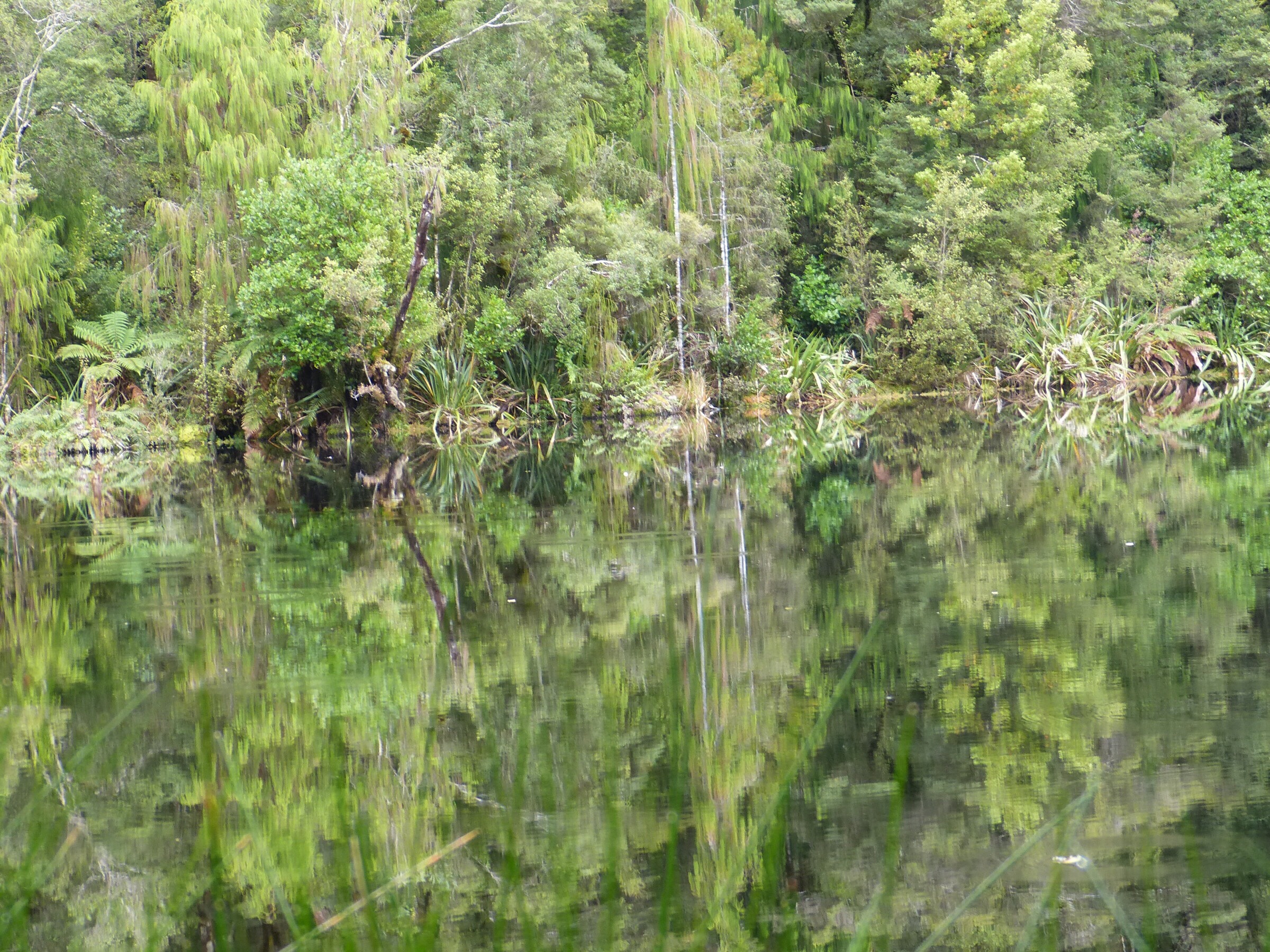
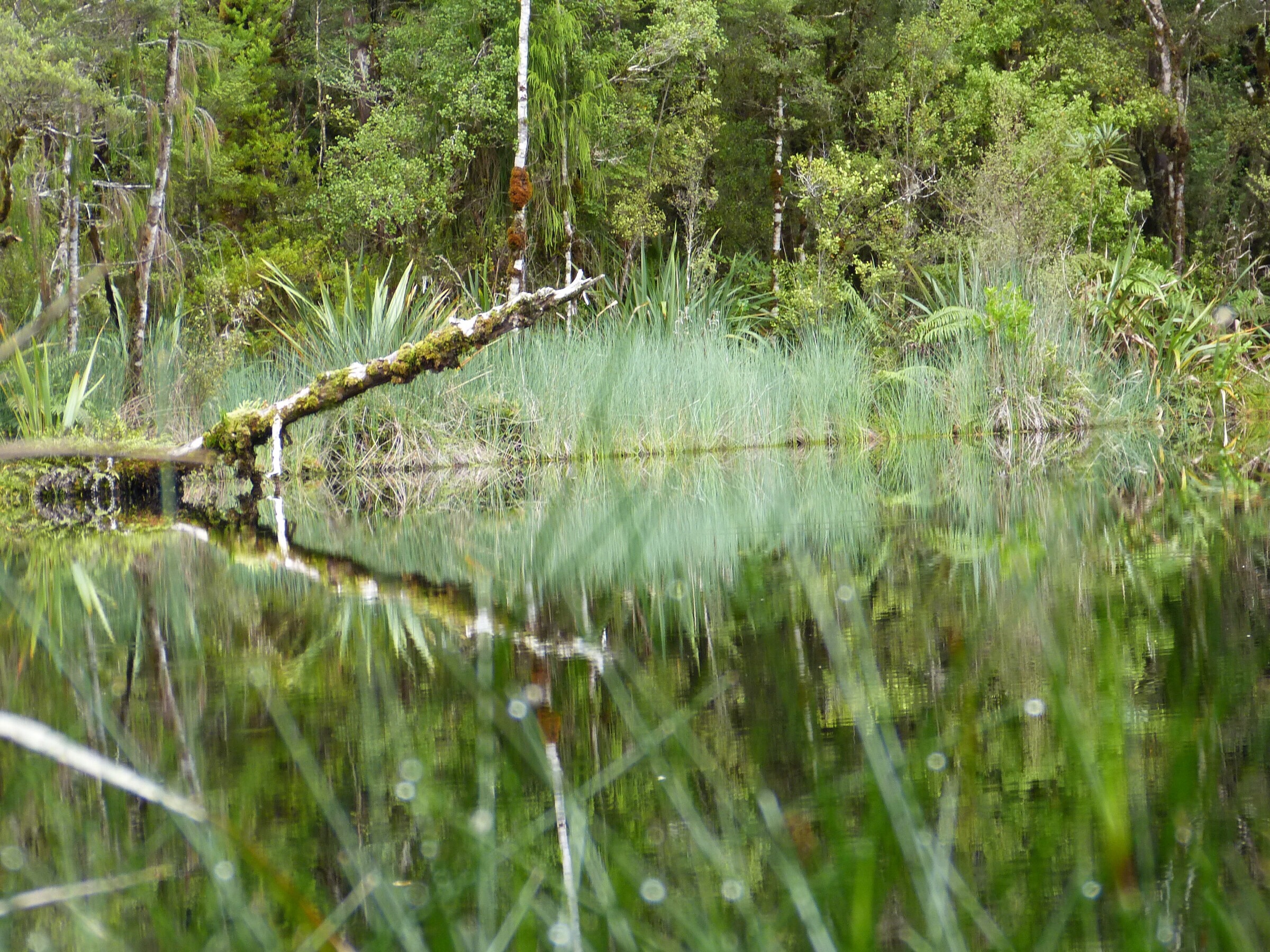
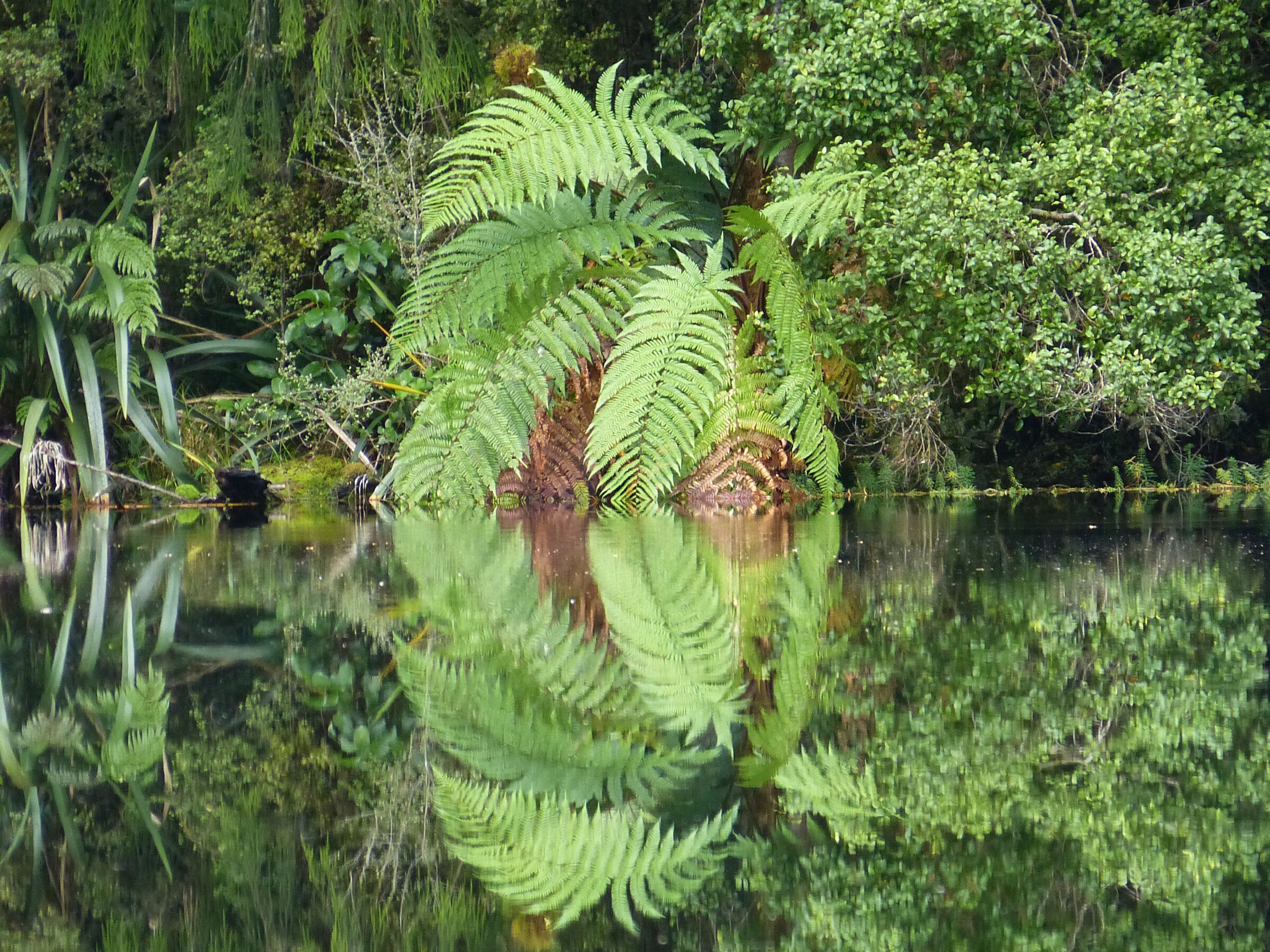
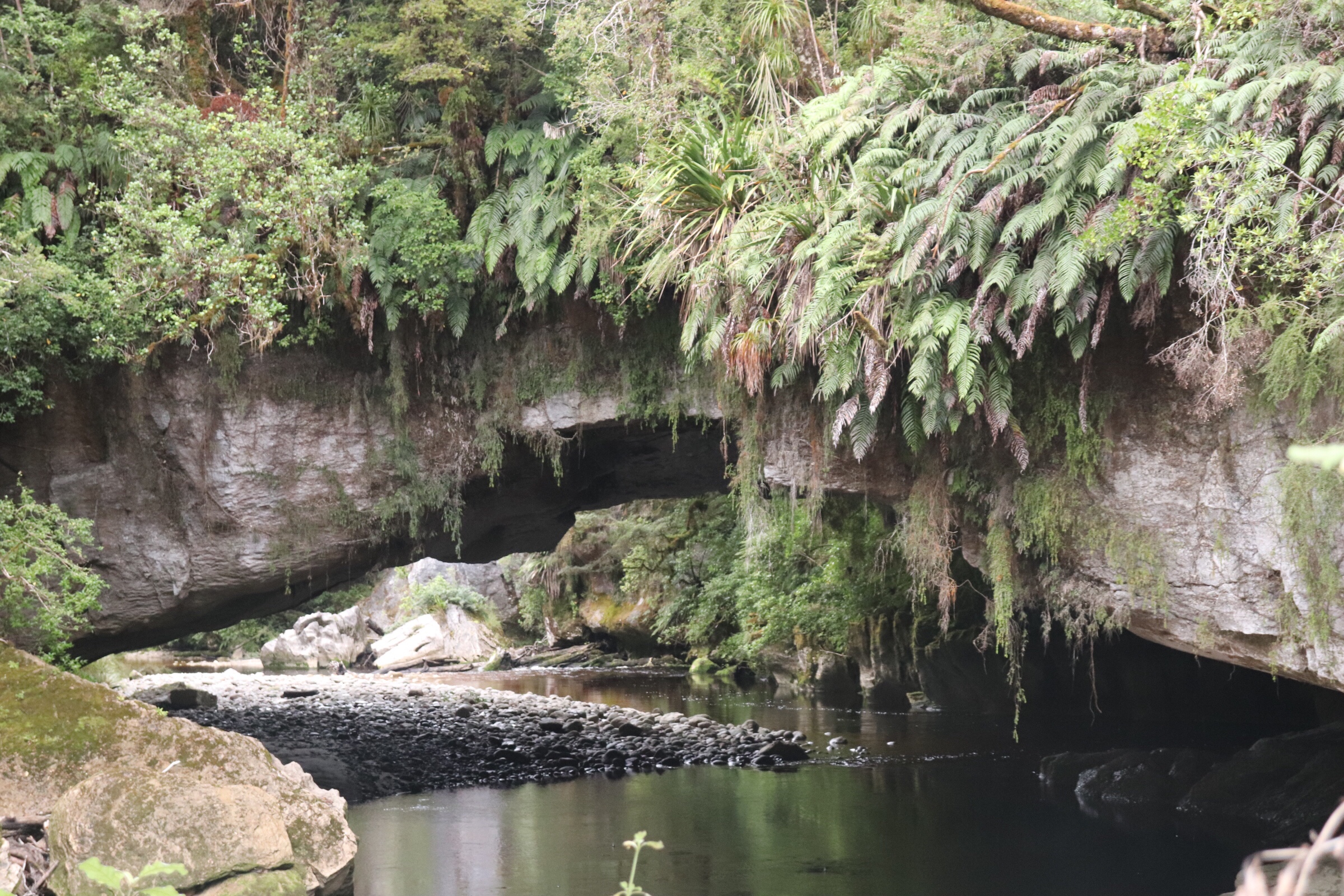
The walk to the arch was interesting but the arch which was formed by the the water of the river interacting with the limestone and washing a hole through was itself disappointing. It was only a short walk so returning to the car park we took an alternative track to the mirror tarn which did in fact reflect all the surrounding vegetation, a quiet contemplative spot in which to quietly sit and enjoy nature. Further along we came across the Moria Gate arch much smaller than the Oparara arch which because of its setting we preferred. With all our meandering off track we had used up most of the day so our plans to also complete a walk through a palm forest was put off till the following day.

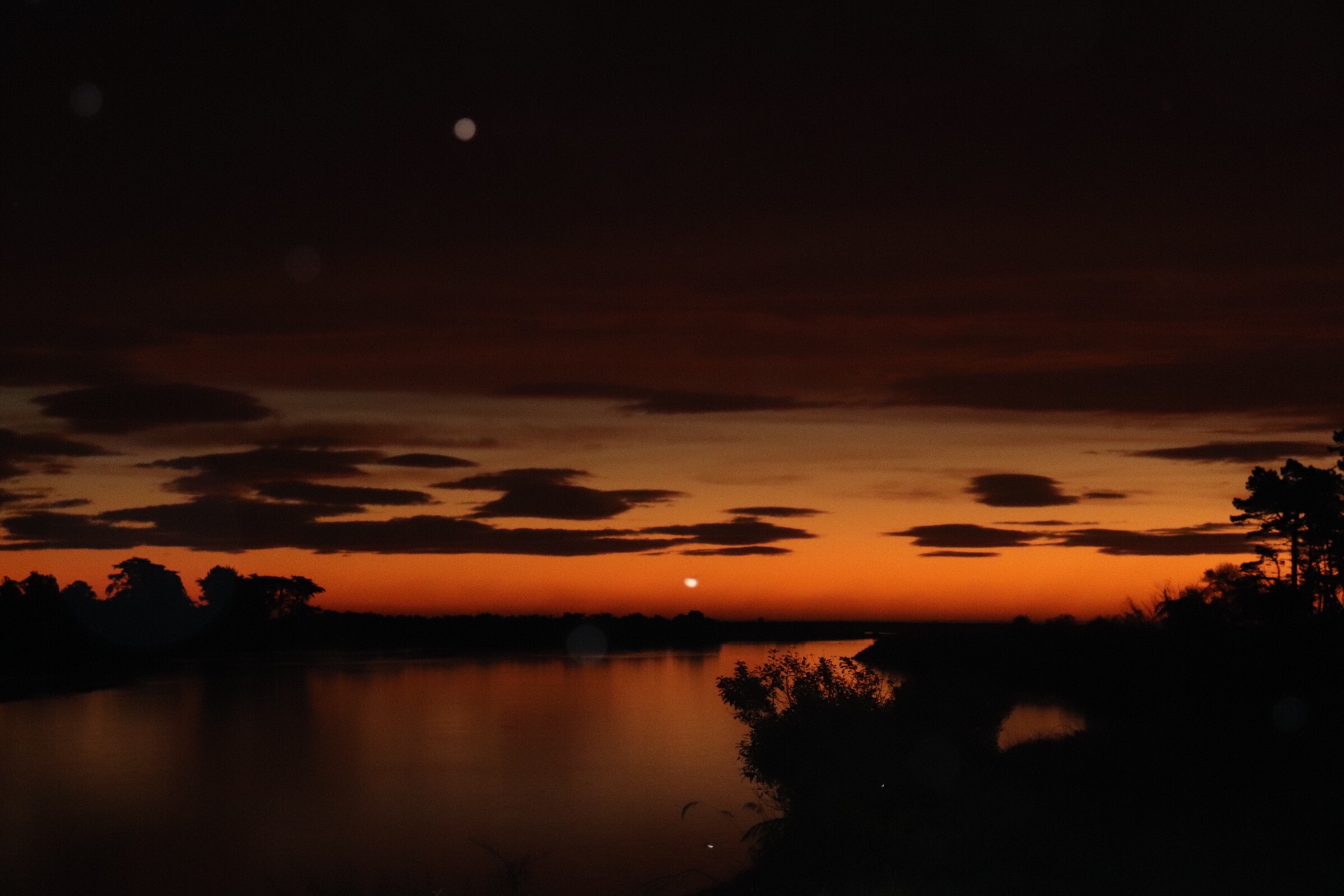
A perfect end to a perfect day was a beautiful double rainbow followed by yet another amazing sunset that we sat and watched until it had totally disappeared over the horizon.

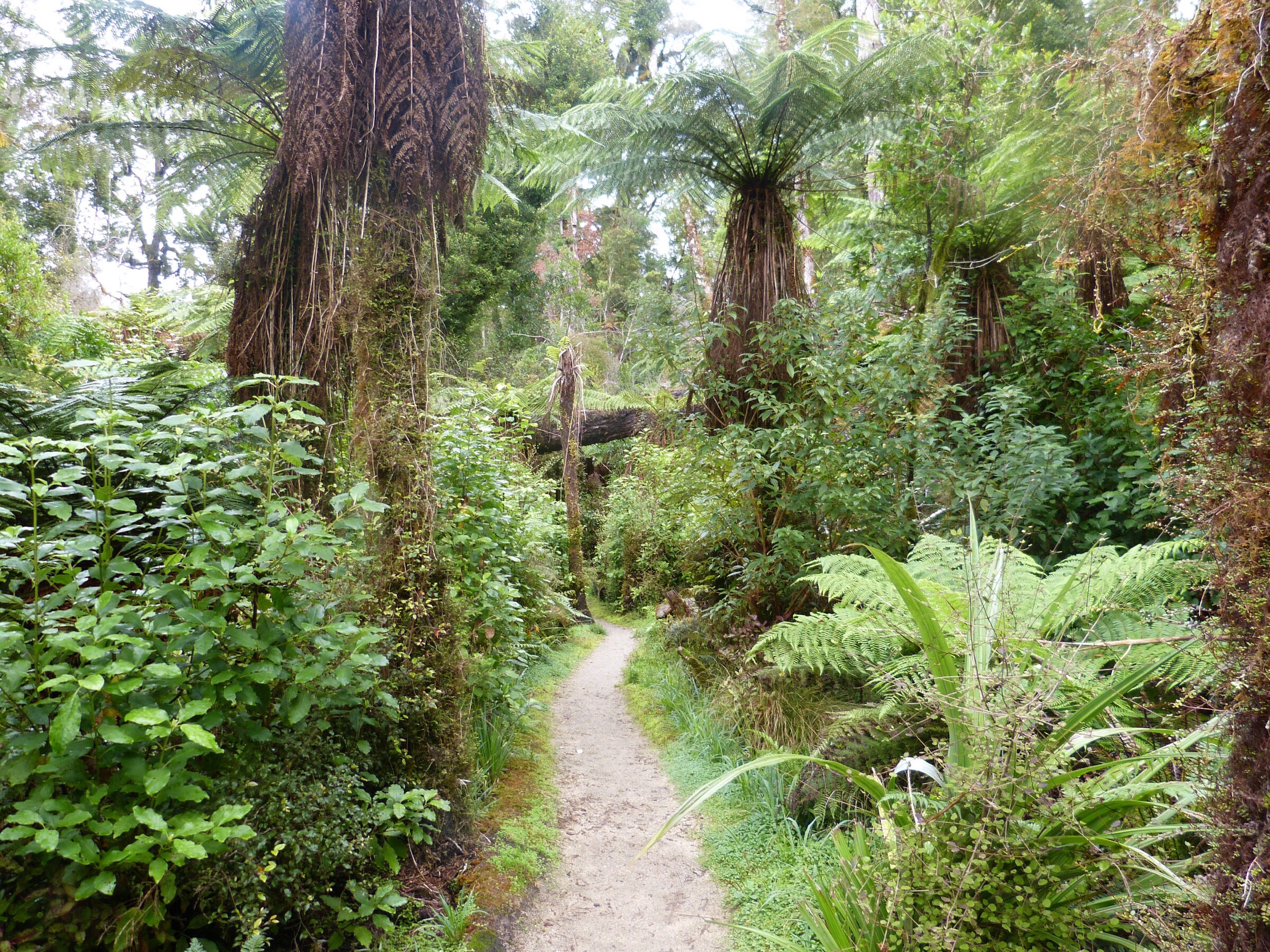
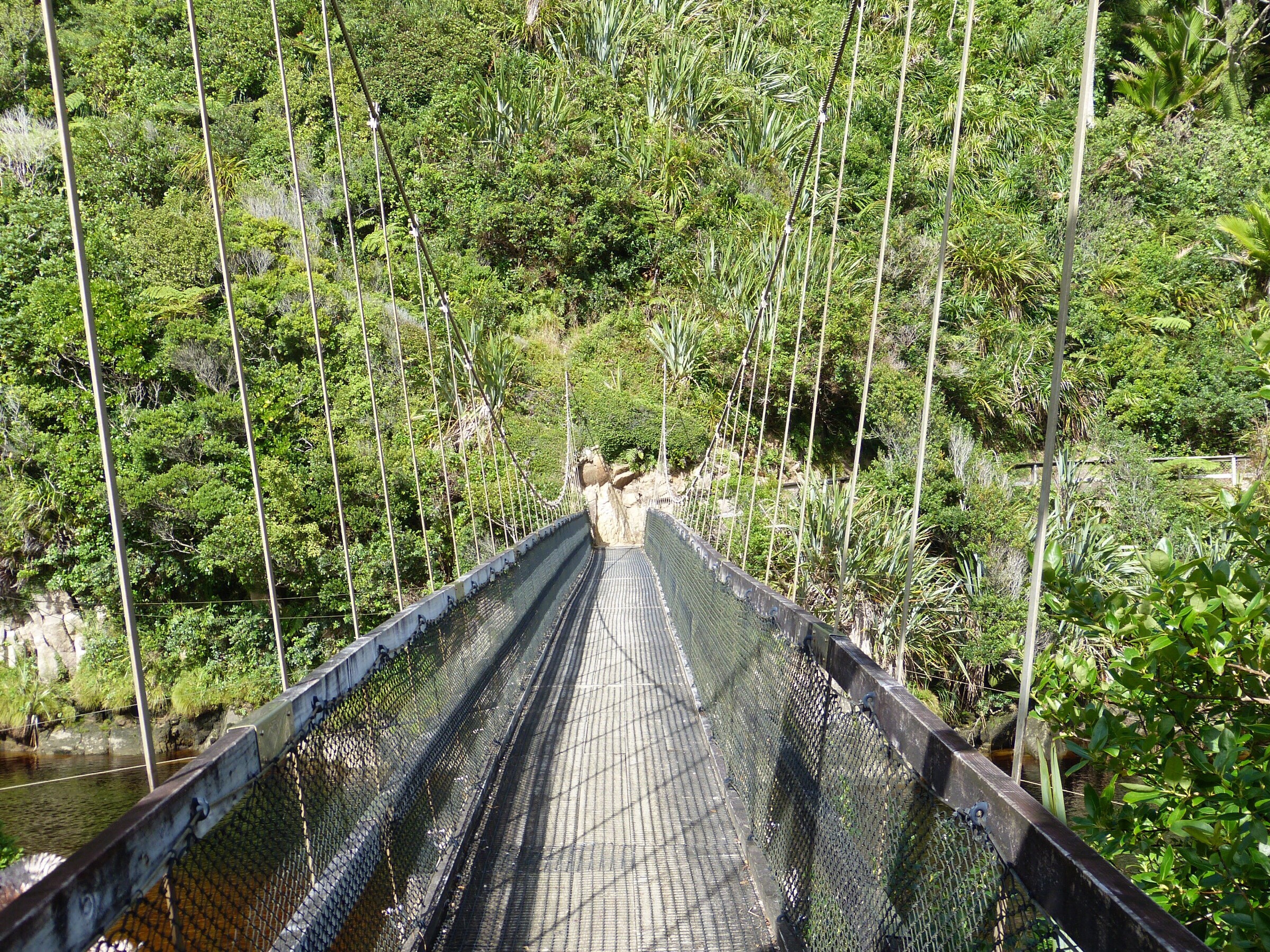
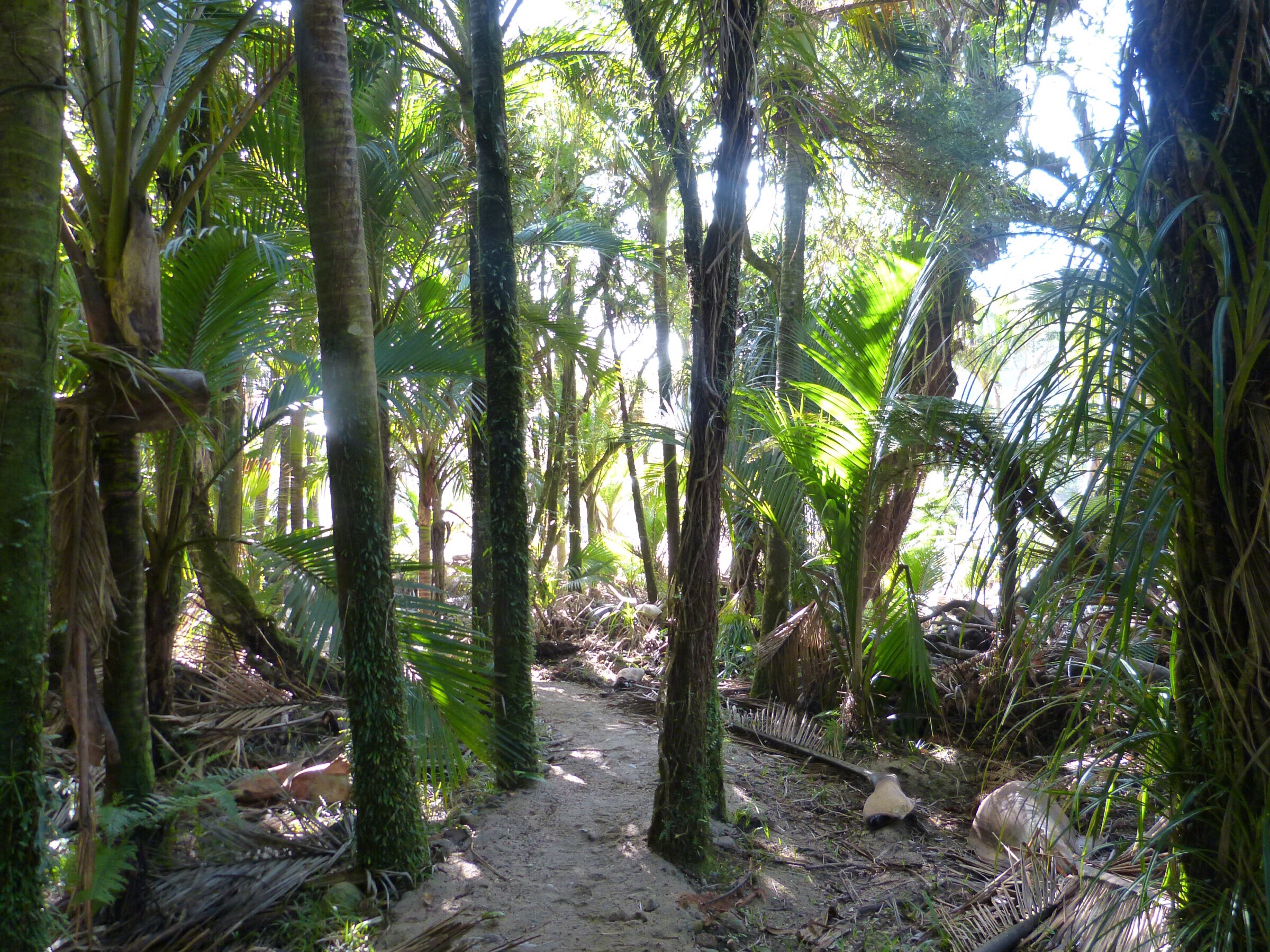
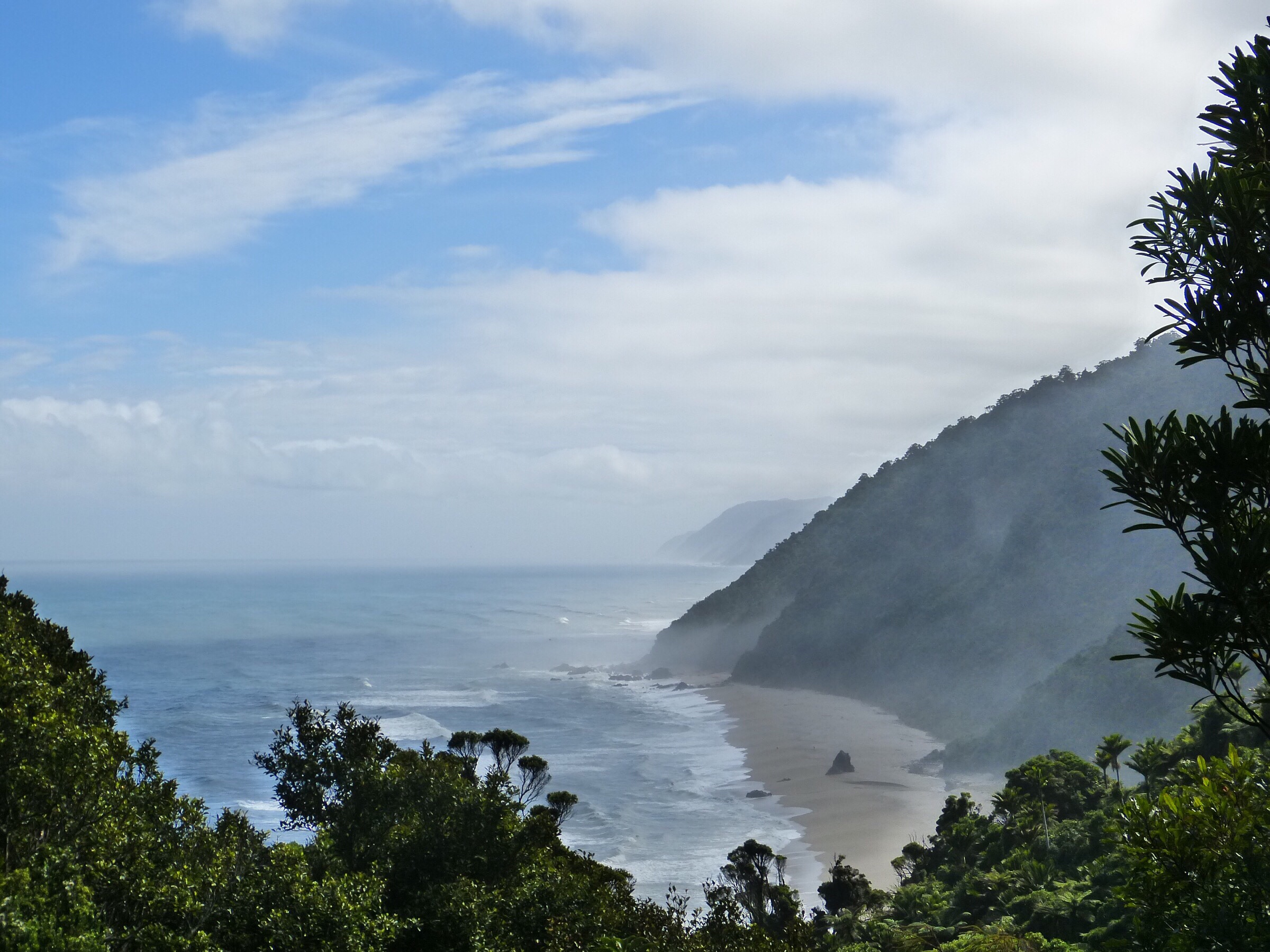
Before leaving the following day we took a walk through the palm forest that ran alongside the bay and was where the Heaphy track either started or ended. Our aim was to walk to Scott’s Beach which was 45 minutes each way but decided to call it a day and make do with a few photos from the look out point and then get on our way to our next stop at Westport which was just a quick overnight stop so that we could visit the seal colony the next day.