Author Archives: stephtruman1

Bottom end of the outer Hebrides

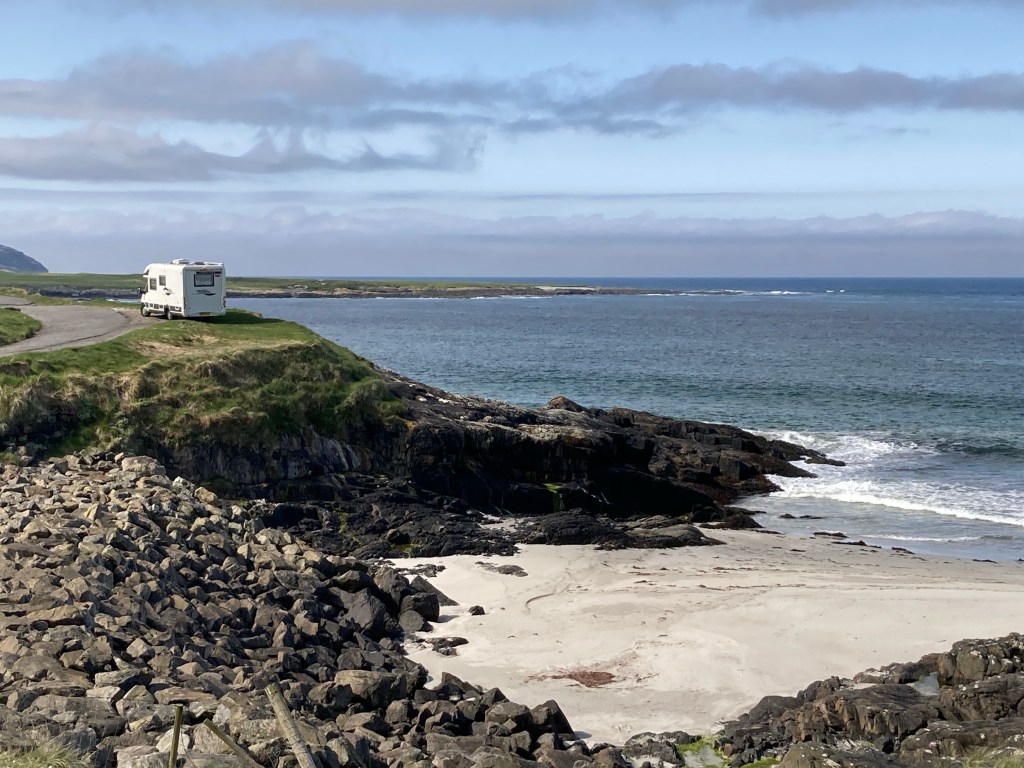
Taking the ferry from Oban we landed on the island of Barra in the early hours of the evening and headed for a designated wild camping space on the western side of the island. Wow had we struck lucky wild crashing waves greeted us and spectacular views over the bay we loved it so much we spent a couple of nights here.
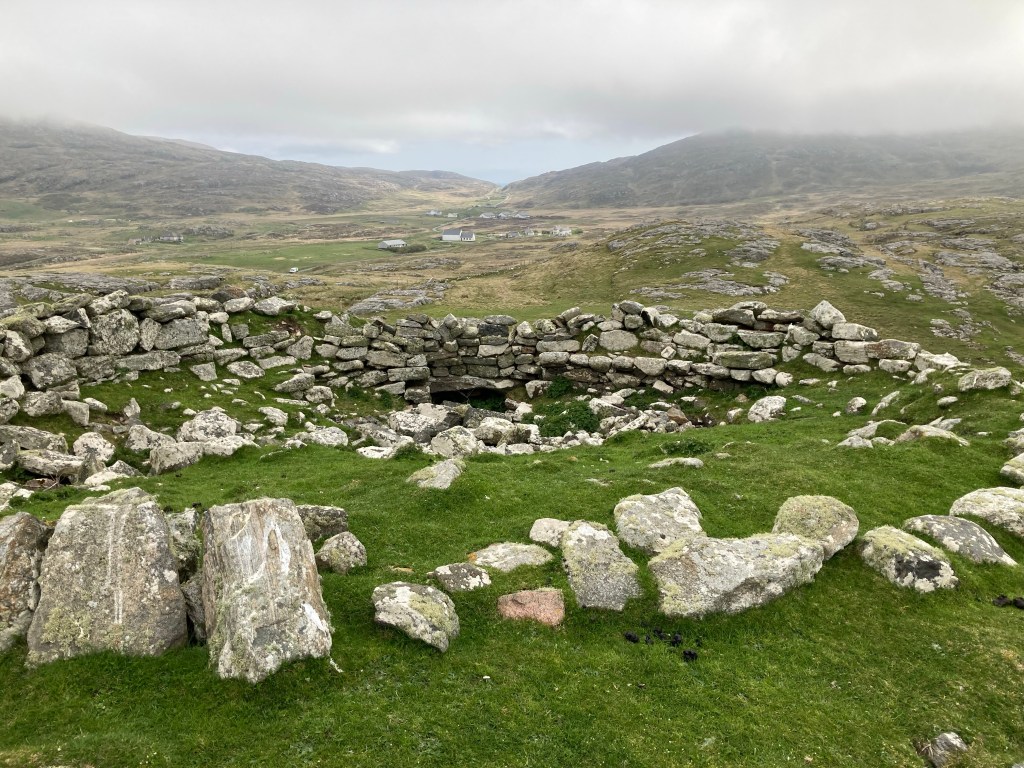
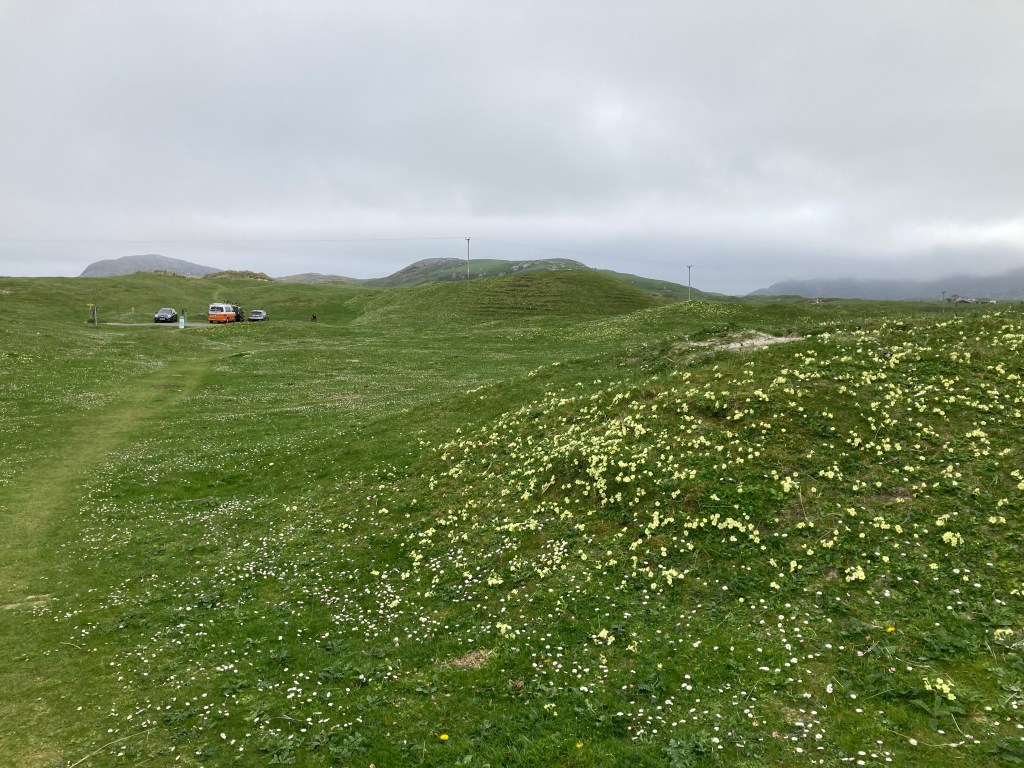
Taking a day time hike we discovered an Iron Age fortified house on top of a hill then dropping down onto the beach found ourselves in close proximity to nesting terns and ringed plovers. To avoid disturbing them we diverted into the sand dunes to find our way back to Vinnie.
The following morning having read a lot on social media about the most southerly populated Outer Hebridean island of Vesteray that has the unique feature in the middle of the island where it narrows to sand dunes with back to back beaches.We decided it was worth a visit but on arrival due to the weather conditions decided it was not for us and decided to head to the north of the island.
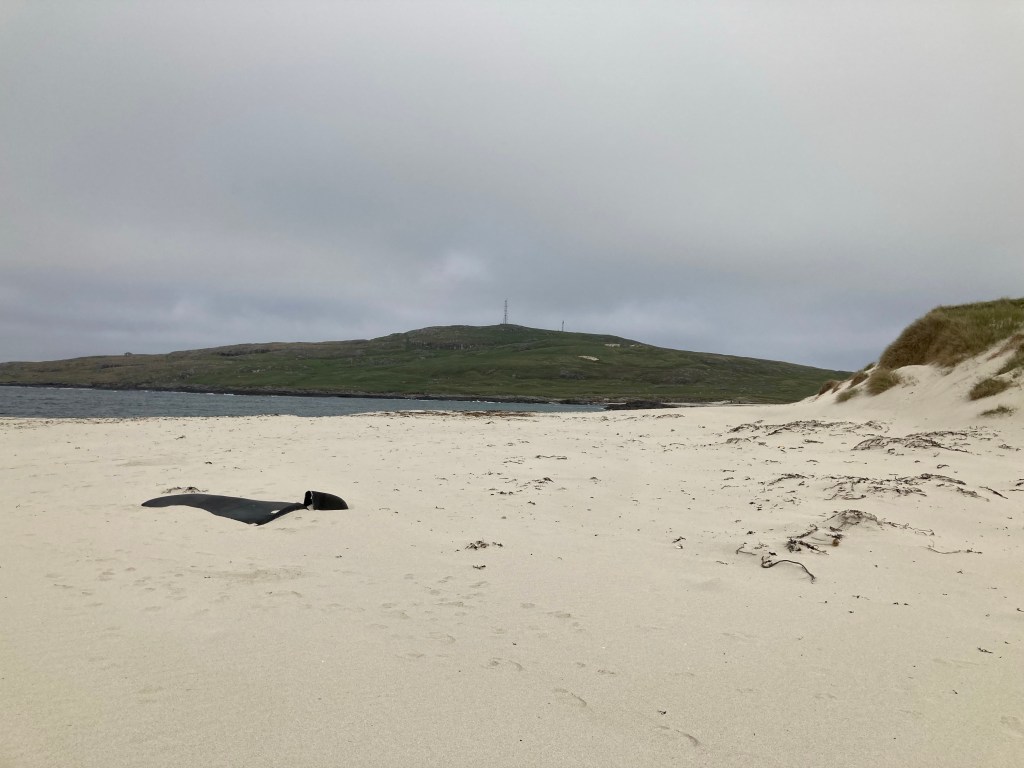
En route we passed the ferry terminal and with all the upheaval with ferries and when trying to book our ongoing ferry for Eriskay which was linked by a Causway to south Uist had found there was no access to a booking service on line until the Tuesday four days hence, we decided to go in to the ferry terminal and try and book direct. Finding there was no office service and no staff we thought let’s try our luck and see if we can get on the next ferry out which was leaving within the hour. Yes, no problem on we went with no ticket and no one wanting to take our money either on the ferry or as we drove off the other side so a double bonus of the ferry and a free ride 👍 The only regret was not getting to see the northern end of the island but we have learned that the ferry service in and around the islands are unreliable so you take your chances when you can.

A Gateway of Flowers

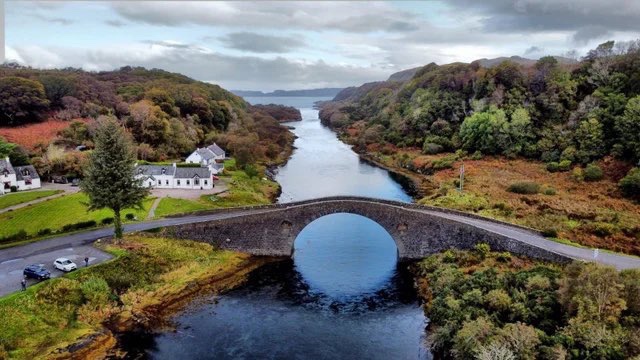
Charles had seen on social media an article on the lesser visited island of Siel around forty minutes south of Oban. Linking Siel to the mainland is the Clachan bridge which spans the Clachan sound, both ends of the sound spill into the Atlantic Ocean giving the bridge its more common name “The bridge over the Atlantic”. In the month of May the bridge becomes a blaze of colour due to the fairy foxgloves that come into full bloom.

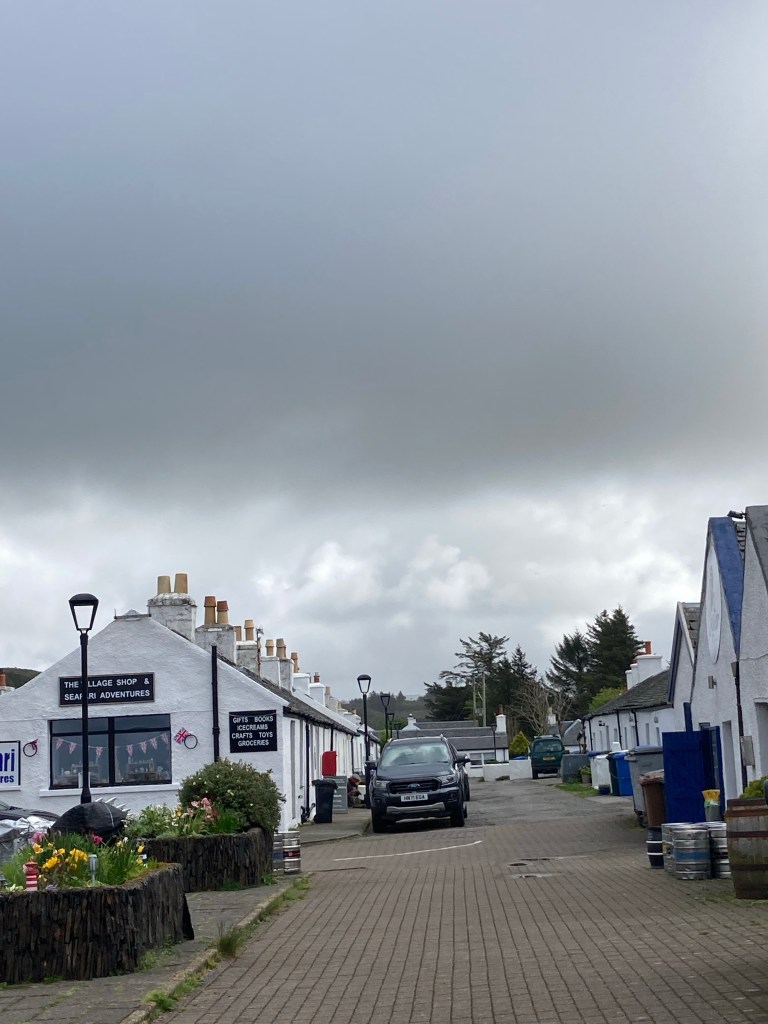
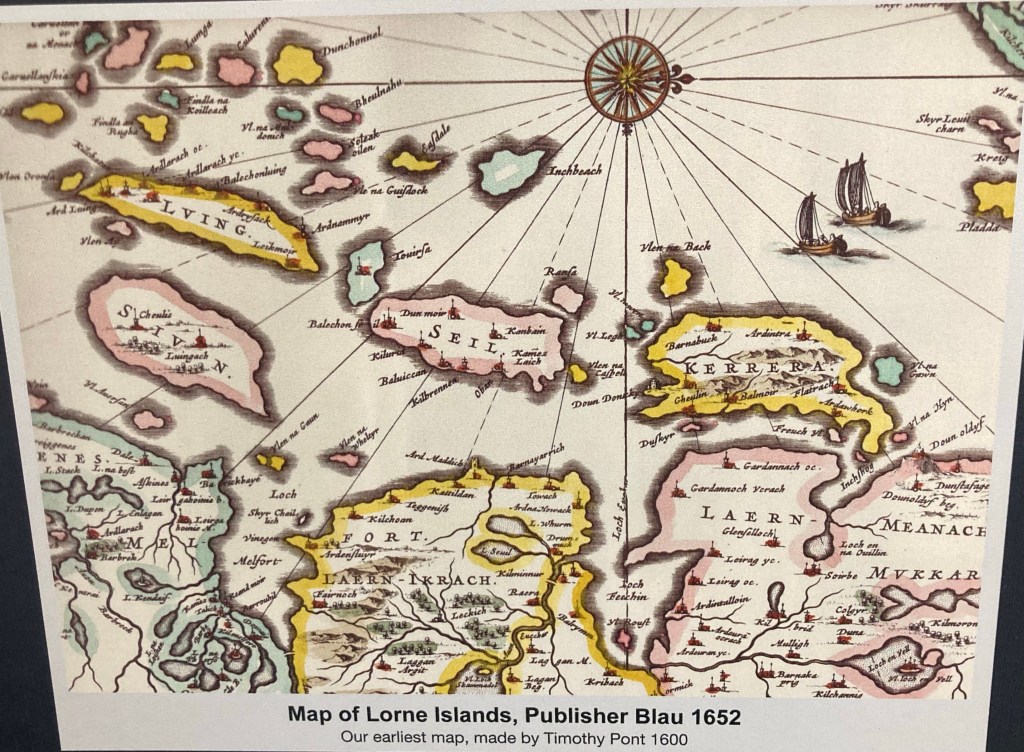
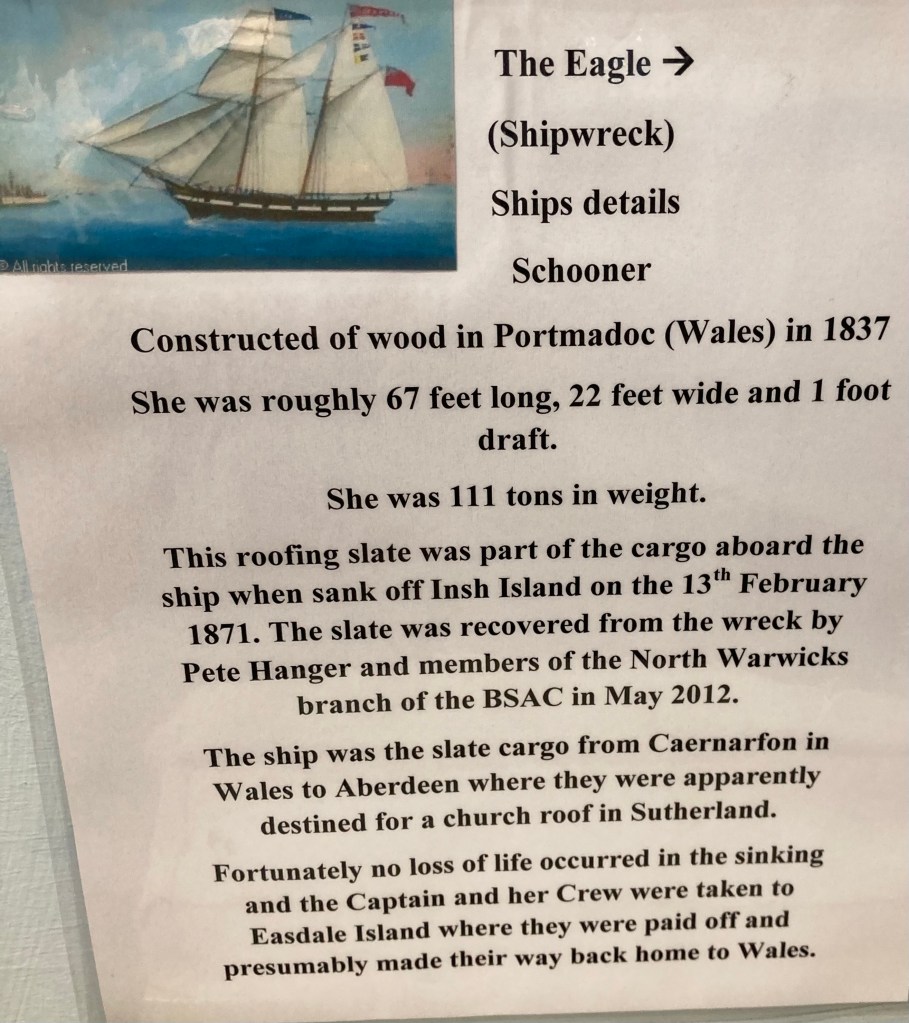
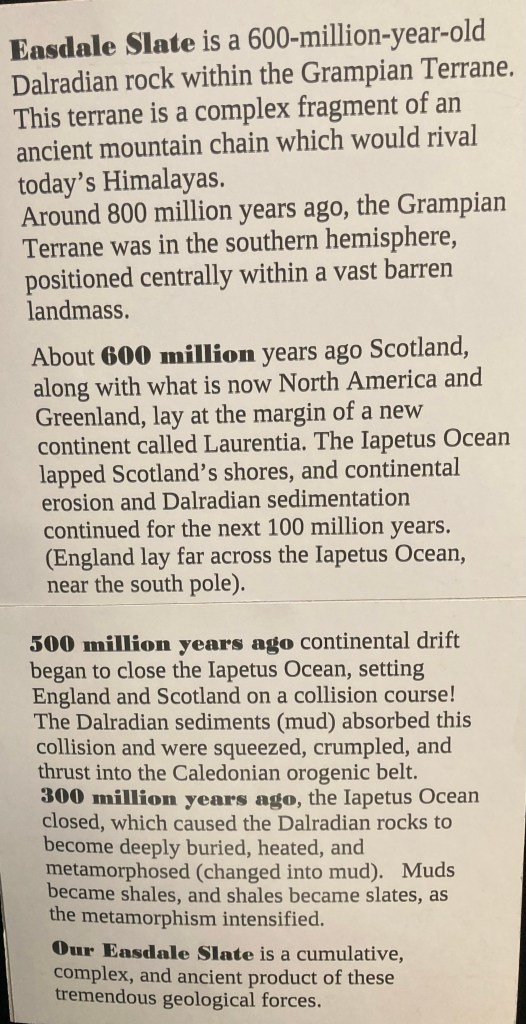
Historically Siel and its neighbouring islands ( known as the slate islands) were the major producers of slate roofing tiles distributed around the world. We stayed at Elenabech a Scottish heritage site consisting mainly of old Quarrymen’s cottages with a small two roomed museum, shop and pub. Yet again we were impressed by the amount of information and the displays within the museum.

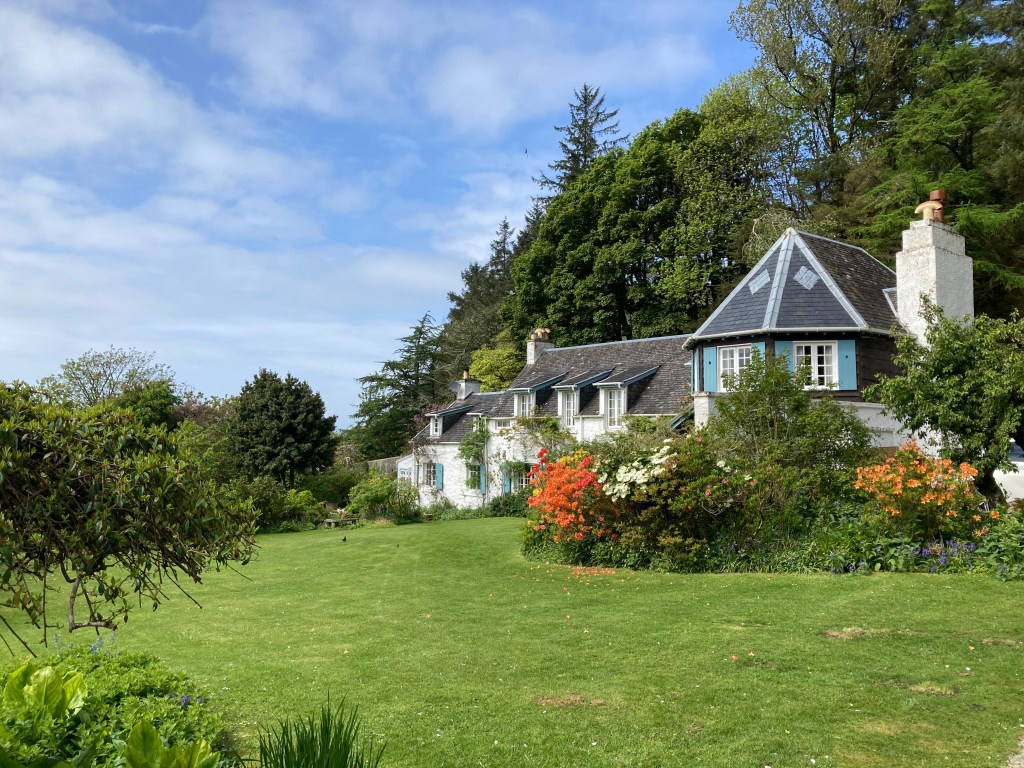
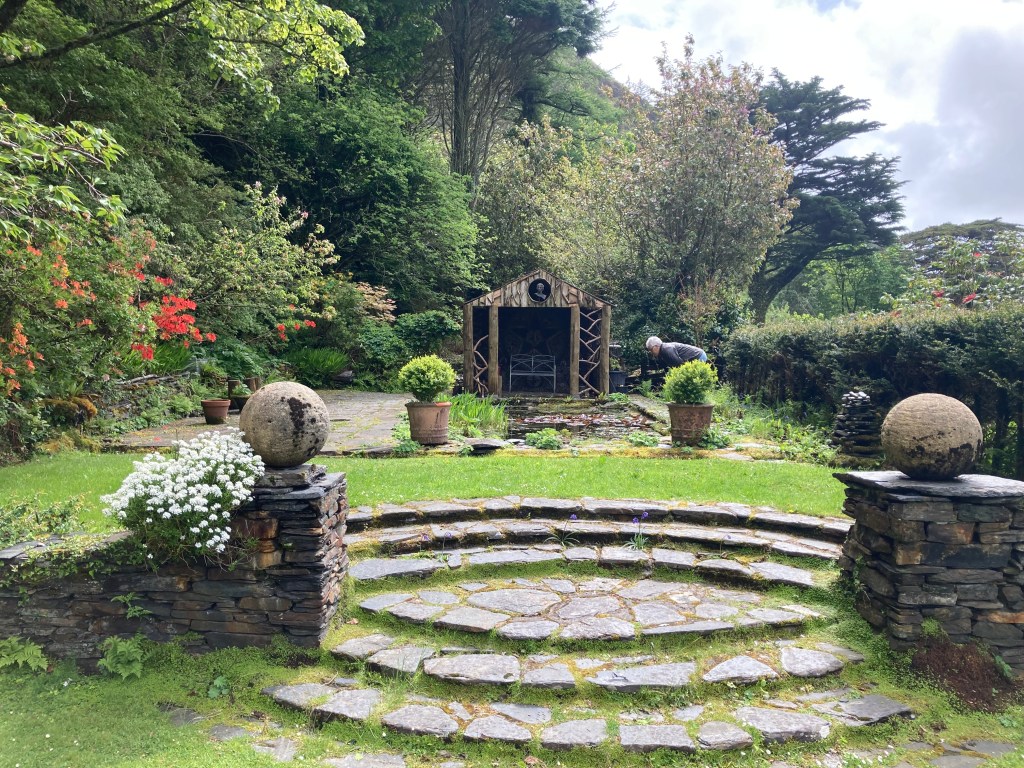
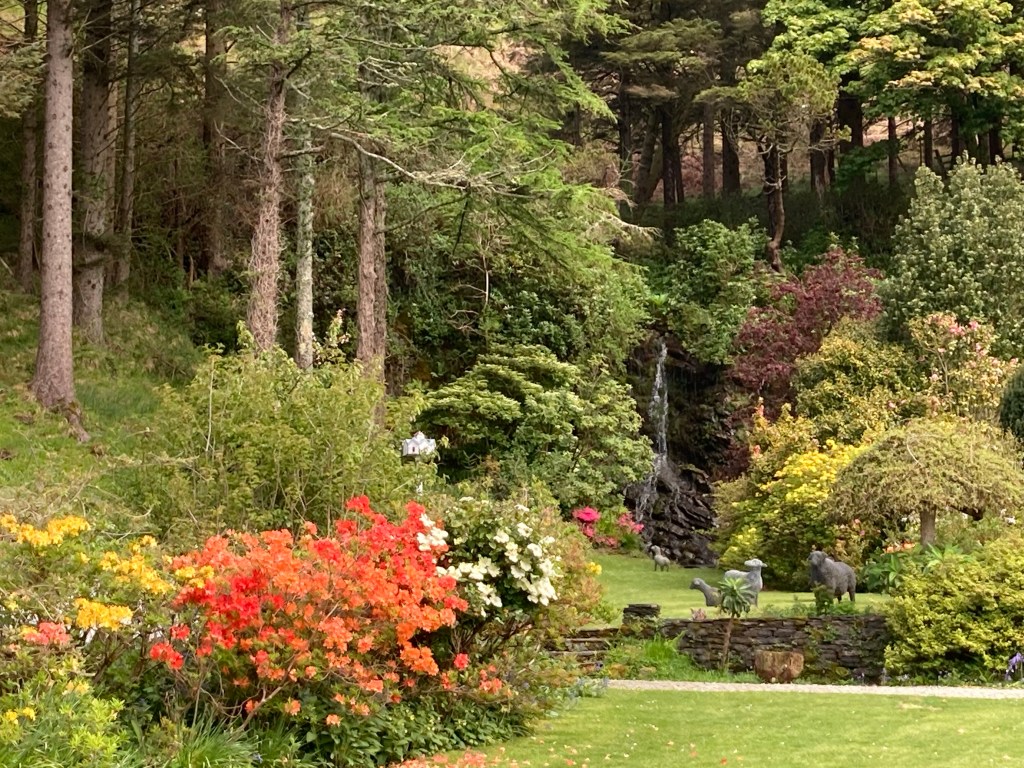
A short walk out of the village, An Clana house was hosting an open garden in aid of cancer. What a beautiful setting for a very understated house and garden overlooking the water with a backdrop of pine trees.

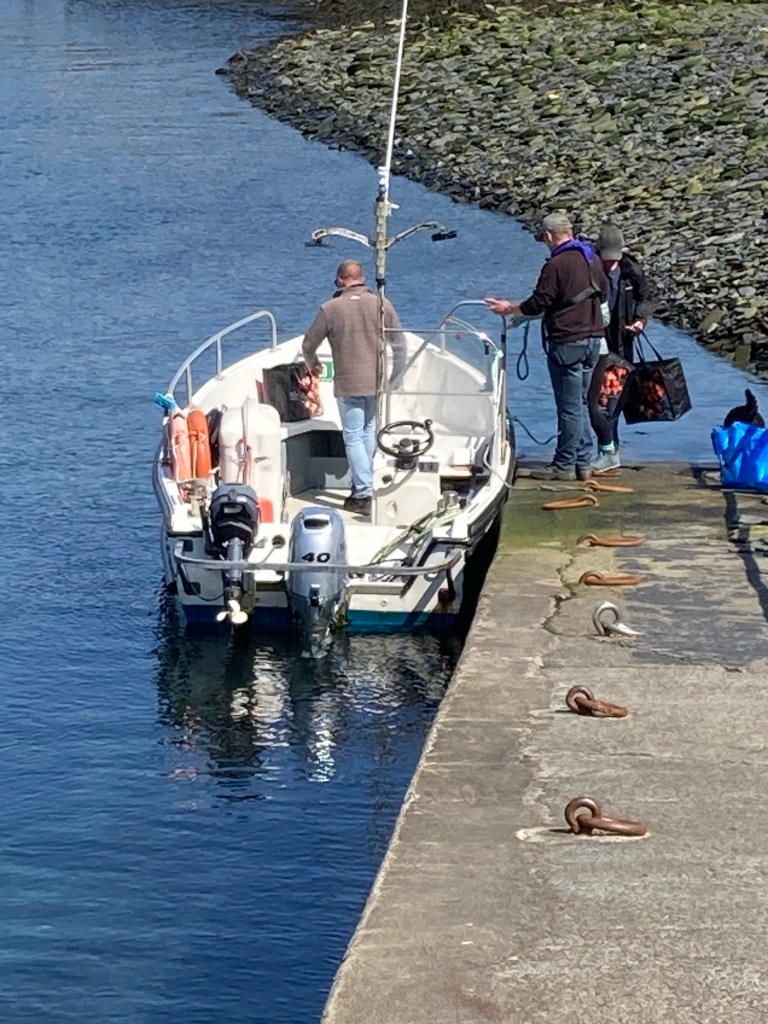
A short boat ride across the water from the harbour at Elenabech took us to Easdale island where nature had started to reclaim the old quarry workings. With a population of fifty two people there were few houses again mainly old quarrymen cottages with a few new builds. As there are no cars or roads on the island it was a pleasure to take a walk around the island which had many paths around the perimeter of the old workings.

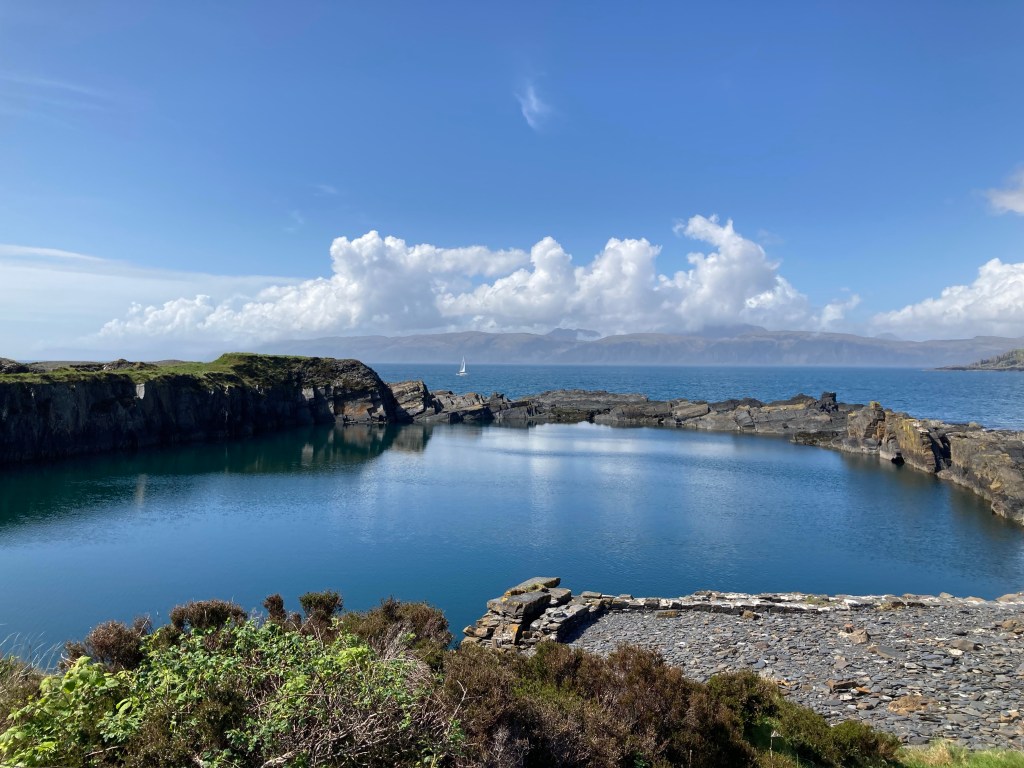
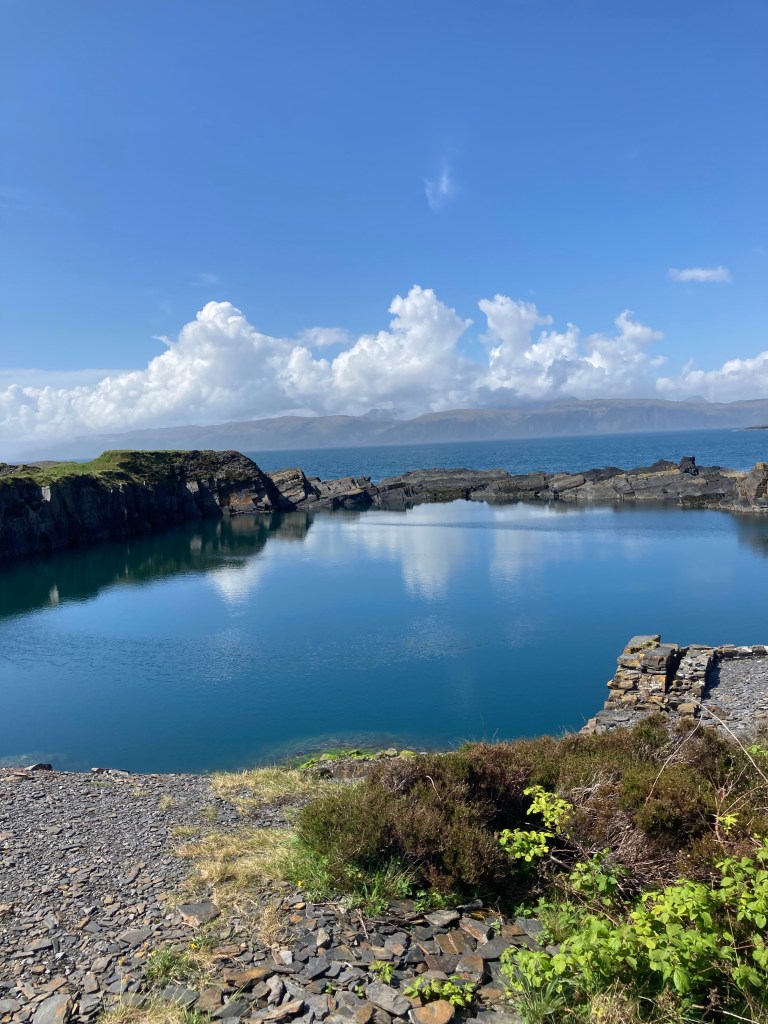
These 2 locations along with a number of near neighbouring islands had been the heart of this Scottish slate industry around the mid 1800’s and at its height employed 250 people. It was competition from other slate producers in the U.K. and Spain and severe winter storms breaching the quarry walls that destroyed the industry. The mining on these islands was by digging into the island rock to a depth in places of up to 200 feet below sea level and leaving the edge of the island reduced in thickness which is where the breach occurred. One such quarry had contained a volcanic lava extrusion in the slate seam but they had quarried around it leaving a eerie shape in the flooded quarry.

What no Ferries!

Our next planned island hop was to Islay and Jura so taking a couple of short drive on/off ferries onto the mainland we positioned ourselves north of Campbeltown with a view of visiting the CalMac booking office to obtain tickets. Annoyingly the offices were closed and after several attempts Charles managed to log onto their site which had posted a statement that due to breakdowns and necessary repairs they were only able to offer a limited service with preference given to local residents and commercial vehicles meaning currently there were no ferries to Islay 😥

So undaunted we did a quick rethink and decided to head to Oban and take a ferry to the Outer Hebridean island of Barra and managed to book ourselves a ferry space online. So onwards and upwards

An island fling ( Western Isles of Scotland )

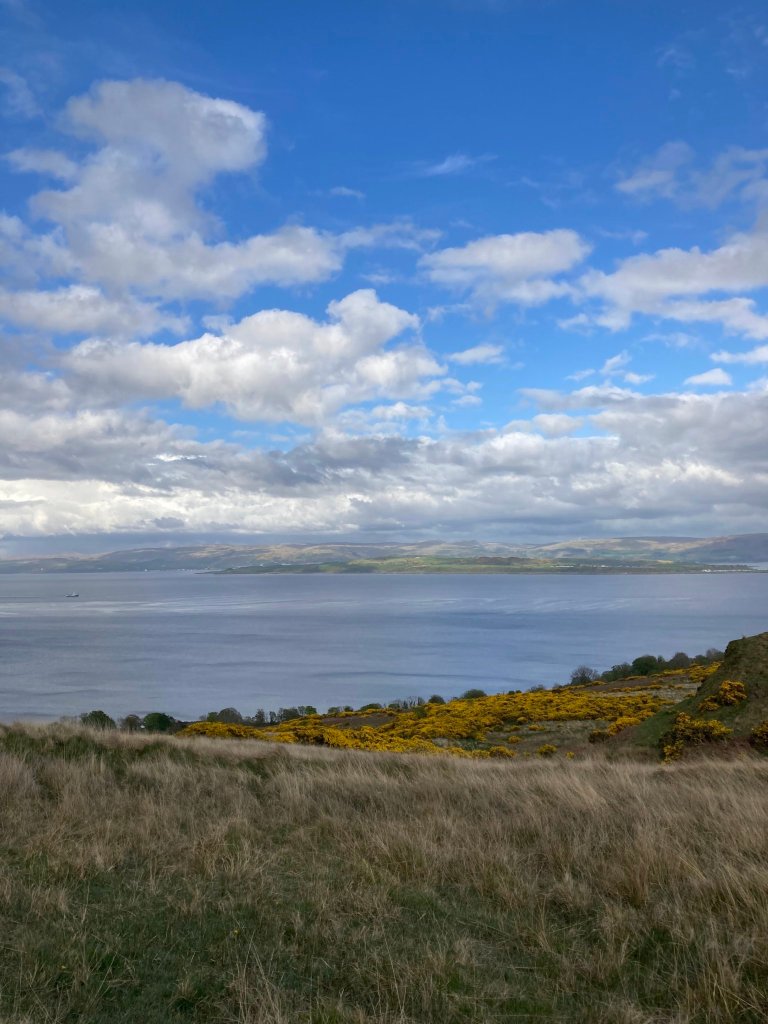
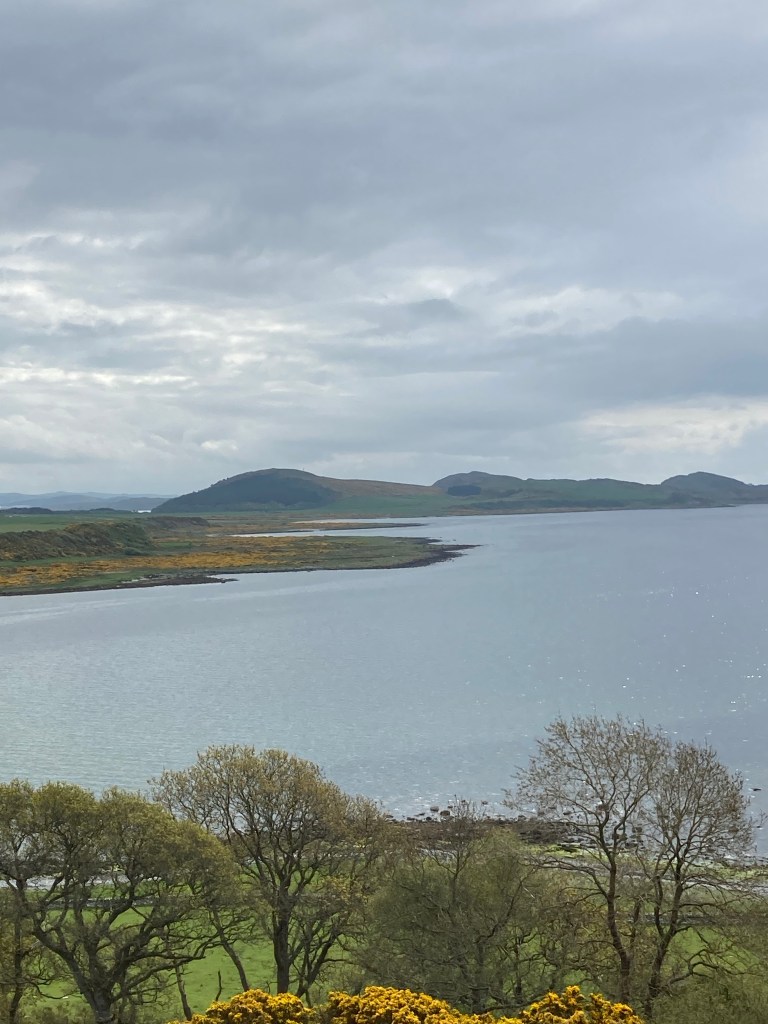
We were greeted on our first island the Island of Bute by high winds that battered poor Vinnie throughout the night resulting in a night of intermittent sleep mesmerised by the sound of the wind.

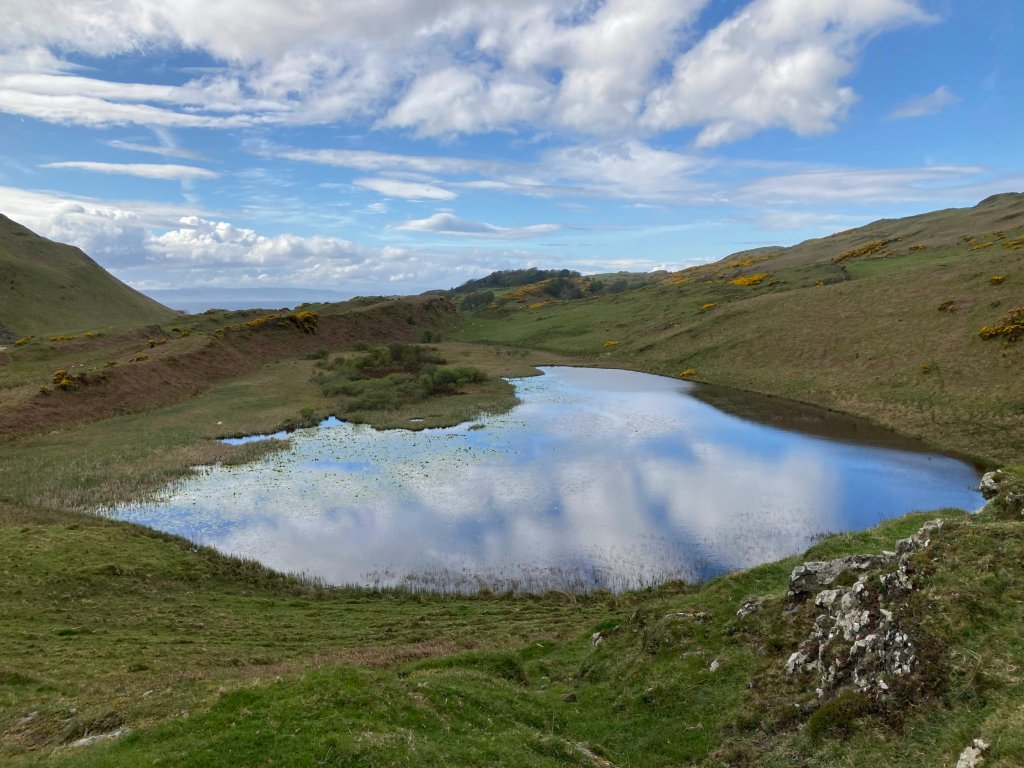
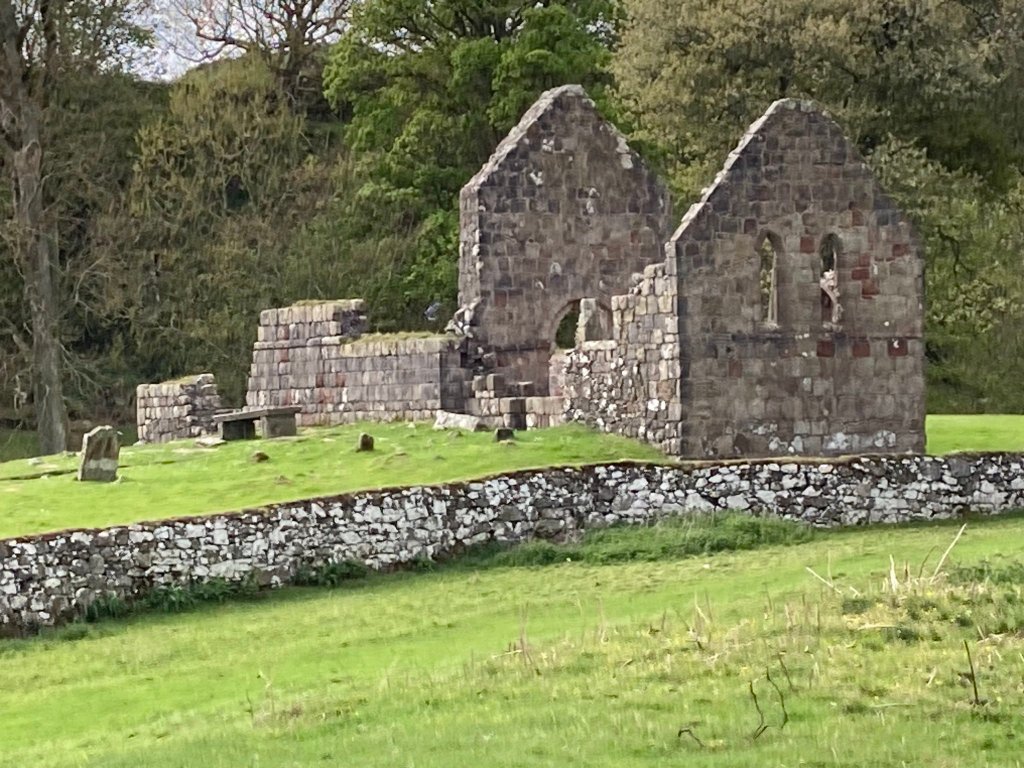
After a really blustery night we were met with a calm sunny sky and headed off along a coastal walk, a little precarious in places where the footpath had been eroded but well worth the views. Passing along the way inland lakes and St Blanes church which originated in the early 1200s and then destroyed by the Vikings and rebuilt by the Archbishop of Paisley but is now in total ruins.

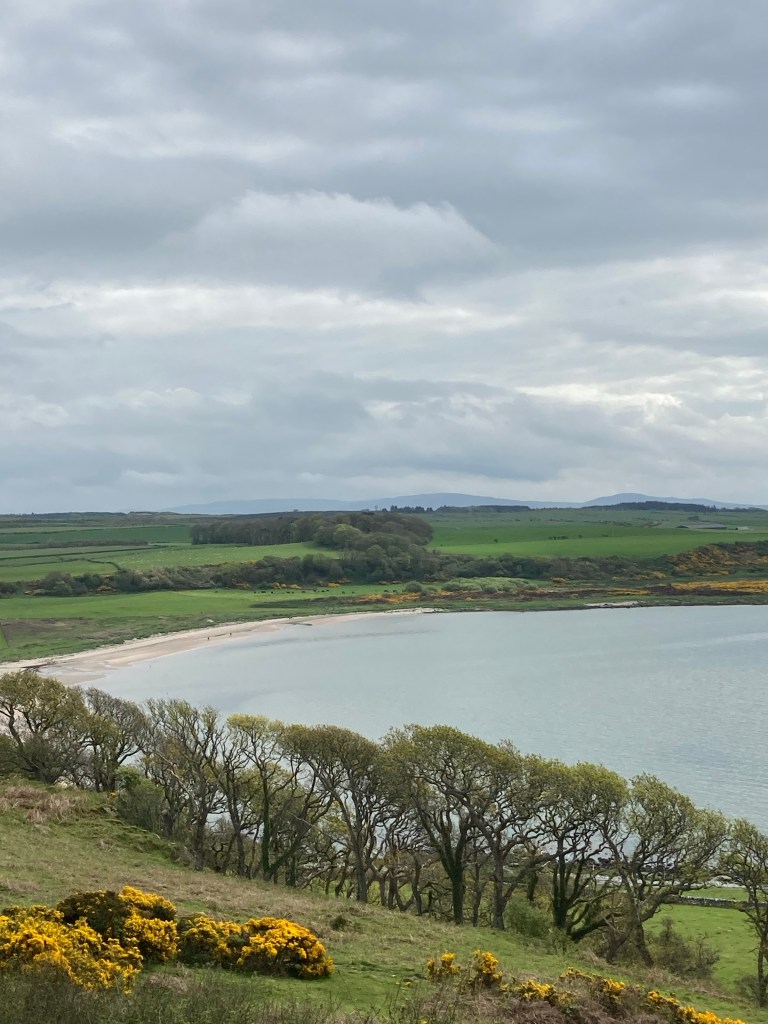
The following morning we drove the coast road exploring the western beaches of Bute including Scalpsie Bay. Interestingly at a viewpoint on the northern side of the bay you could see where an early volcanic eruption on the nearby island of Arran had sent a larva flow along the highland fault line which cuts the island of Bute diagonally from Rothesay to Scalpsie. To the north of this line the rock is shist and to the south is old red sandstone. We continued our drive around the coast into Rothesay the main town of the island. In its day it had obviously been a thriving major holiday resort for visitors from Glasgow and other mainland towns. Sadly like a lot of bustling Victorian seaside towns it has suffered with the loss of the tourist trade. The Pavilion a grand building which in its day hosted dances for the visitors is now in ruins but undergoing a major refurbishment. Despite this the town still has a sense of vibrancy. As always we had to visit the local museum which was extremely interesting highlighting the many famous people connected to the island ie the founder of Dobbie’s garden centre originated here as did the leader of the Scottish co- operative movement, Andrew Baird who designed and built his own monoplane married a local girl and moved to the island and Birdie Bower one of Scott’s explorers had a mother and sister who moved to the island so he visited often and did a lot of his training on the island.

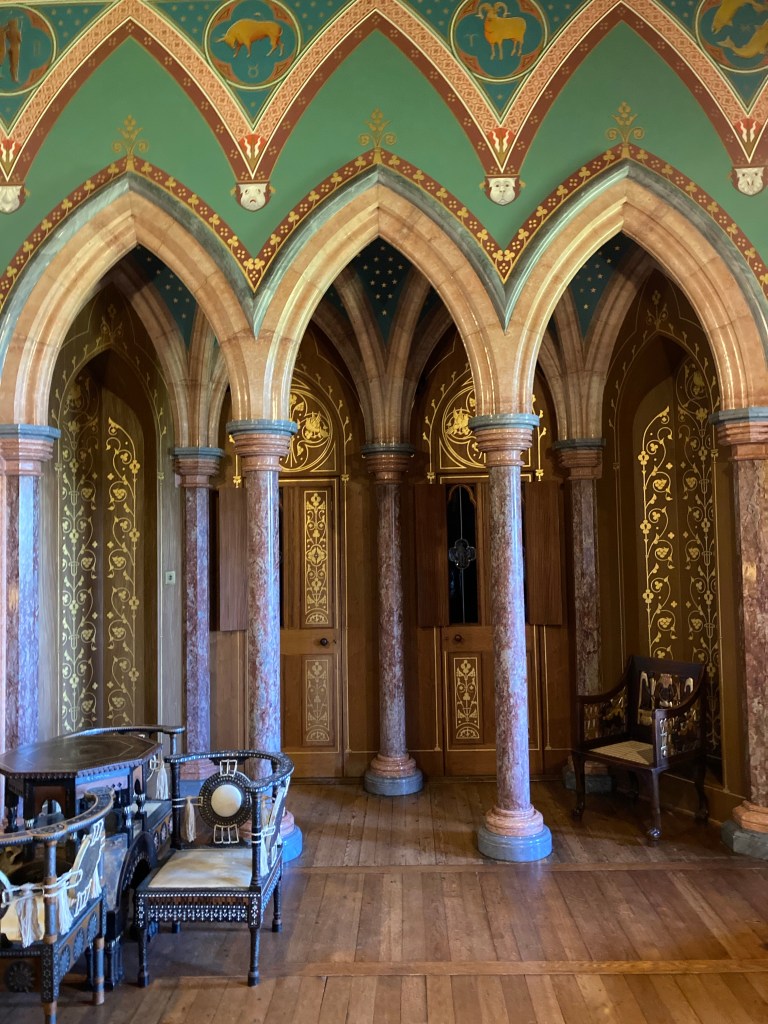
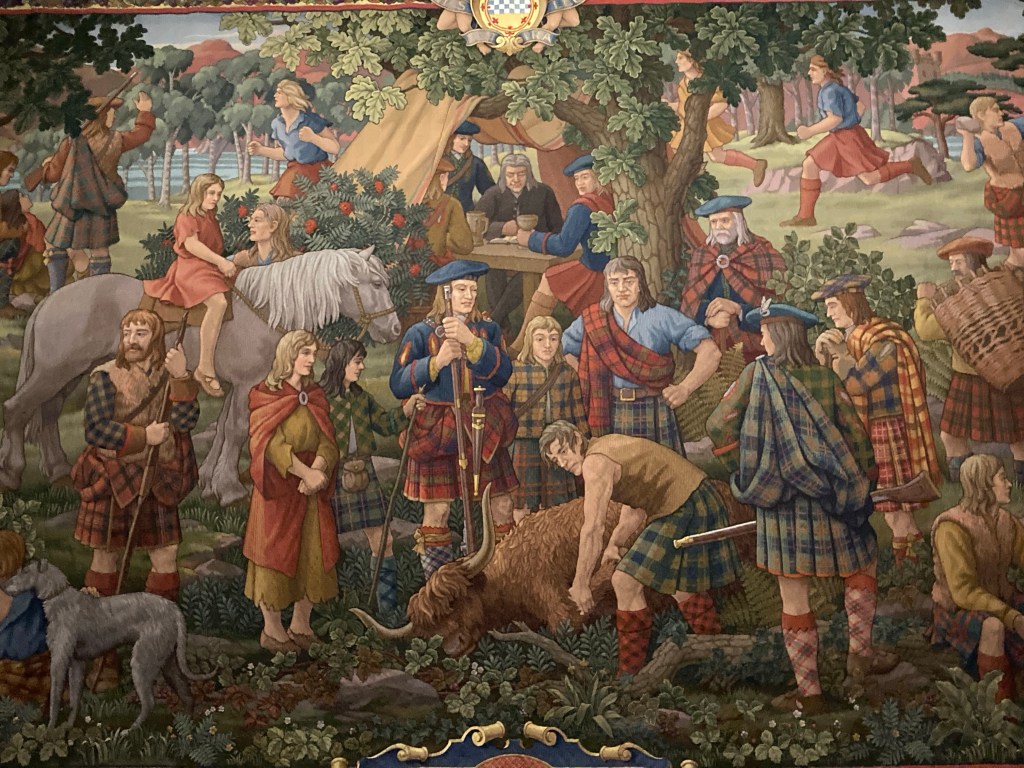
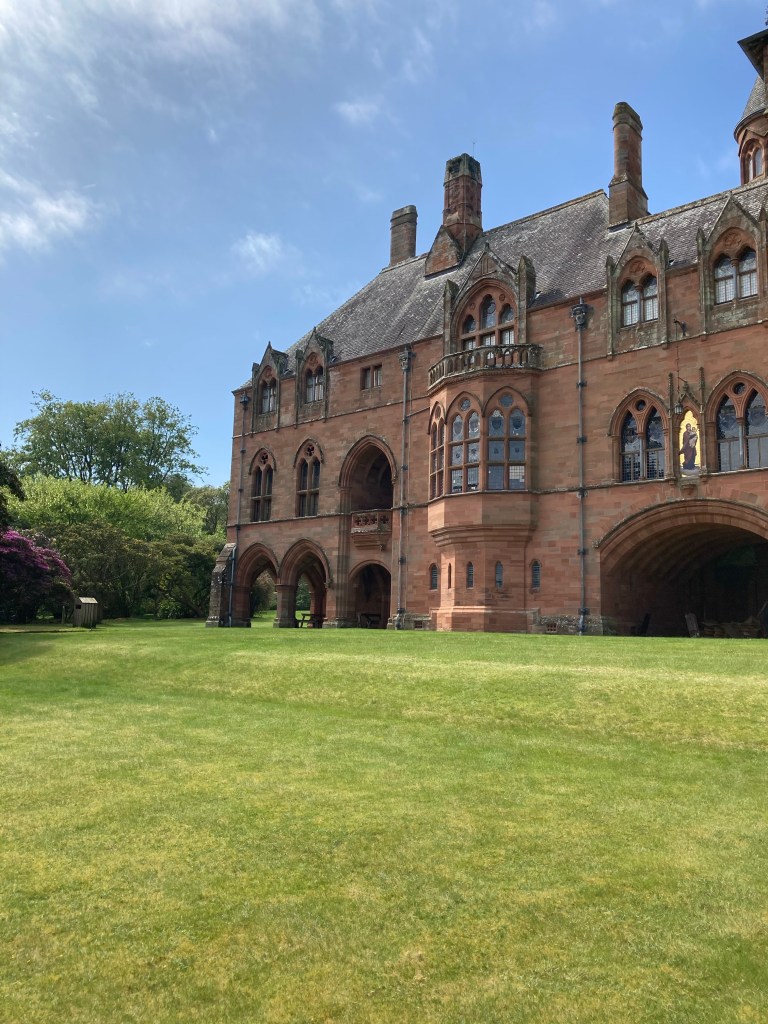
Before leaving the island we visited Mount Stuart, home of the Marquess of Bute which was approached by what seemed like an endless tarmac drive flanked on both sides by a hedgerow of the most beautiful yellow mollus azaleas. The house itself was gothic in design and one of the grandest I have visited. Entry was on timed tickets accompanied by a tour guide so as we had an hour to wait we went for a stroll around the “wee” garden five acres? The tour was certainly enhanced by our guide who had a wealth of information at his fingertips which he shared with a good sense of humour. Originally started as a Georgian property in 1719 but burnt down in the late 1870s and rebuilt in its current Victorian gothic style. It is the family seat of the Stuarts of Bute who are an incredibly wealthy family their fortune coming from the entrepreneurial activities of the first marquess who amongst other things built Cardiff docks and controlled all trade going in and out of the docks.

We both loved the island which appeared to have a great sense of community a really good and regular bus service, beautiful scenery and overall a sense of tranquility. Would recommend to anyone and would definitely return.
Epilogue of our recent travels or the final countdown!

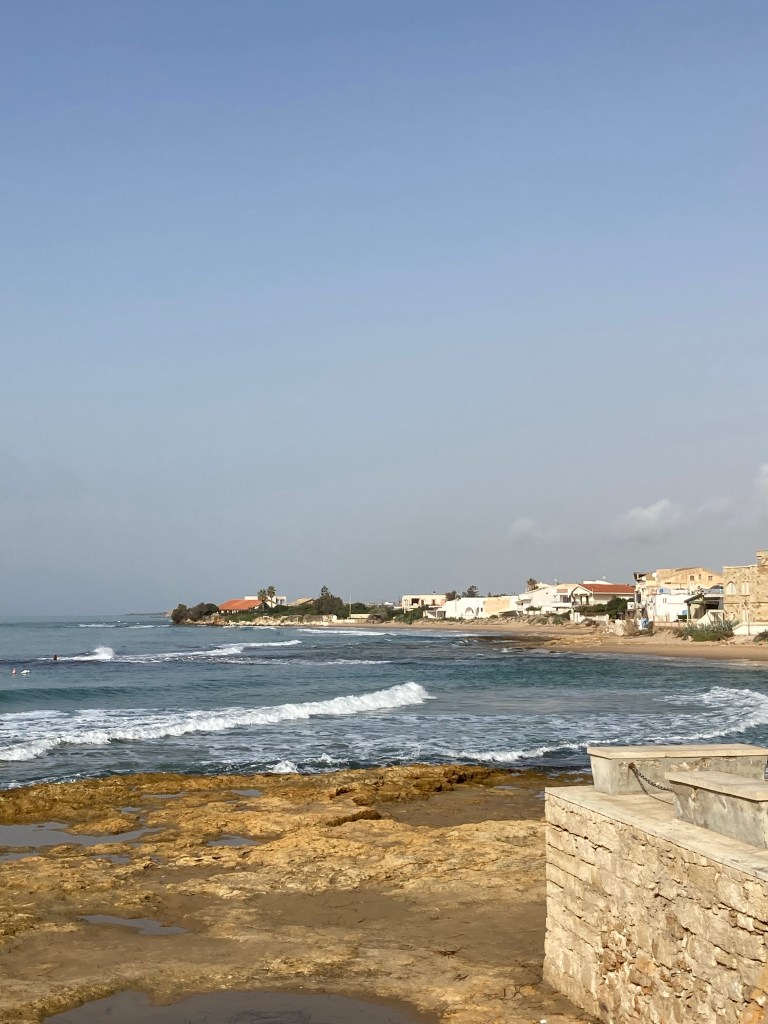
After leaving Greece we made our way from Brindisi port to Villa San Giovanni port on the very toe of mainland Italy for the ferry to Sicily. We had planned to island hop Sicily – Sardinia – Corsica, unfortunately there was only one sailing per week which we had difficulty co- ordinating so shelved that idea and decided to just explore the area of Sicily that we had not seen on our previous visit.
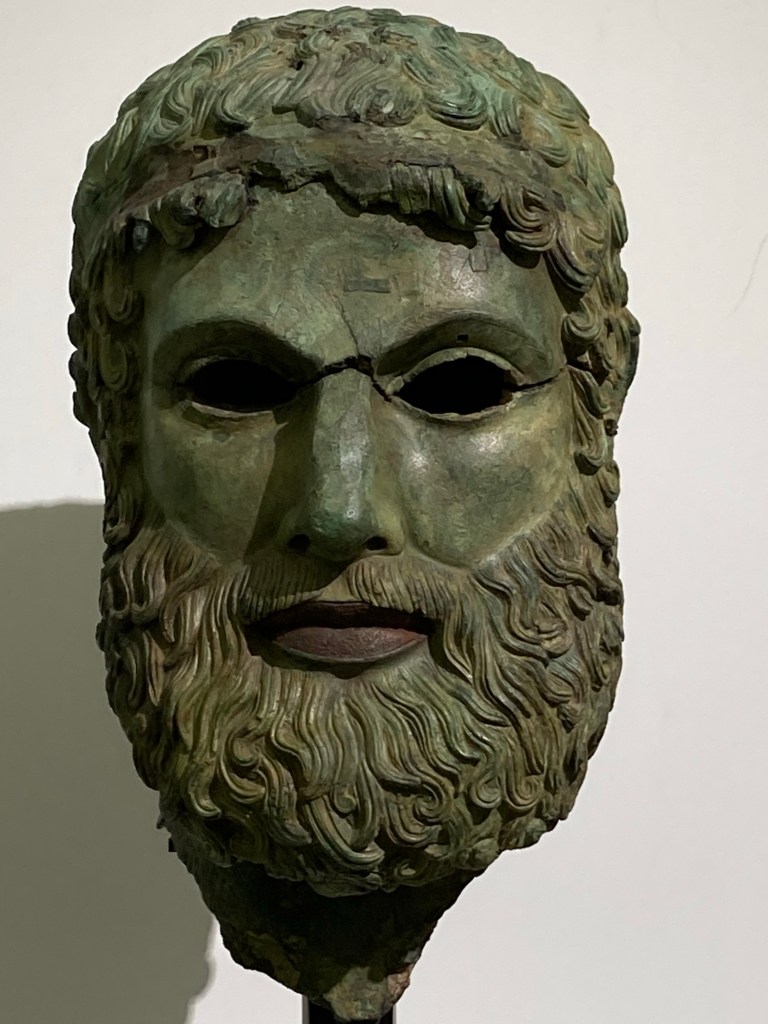
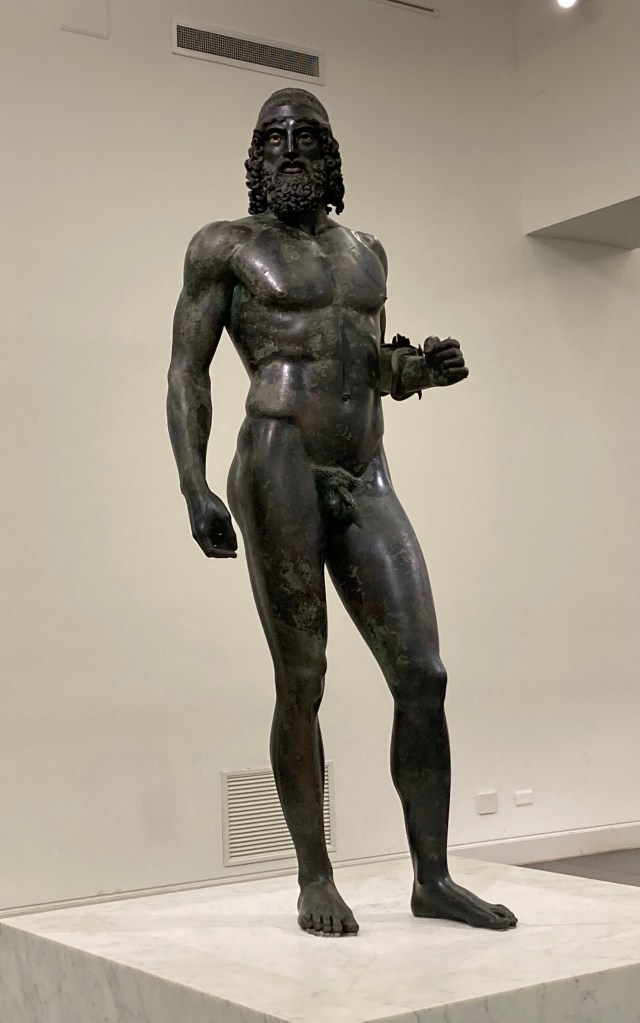
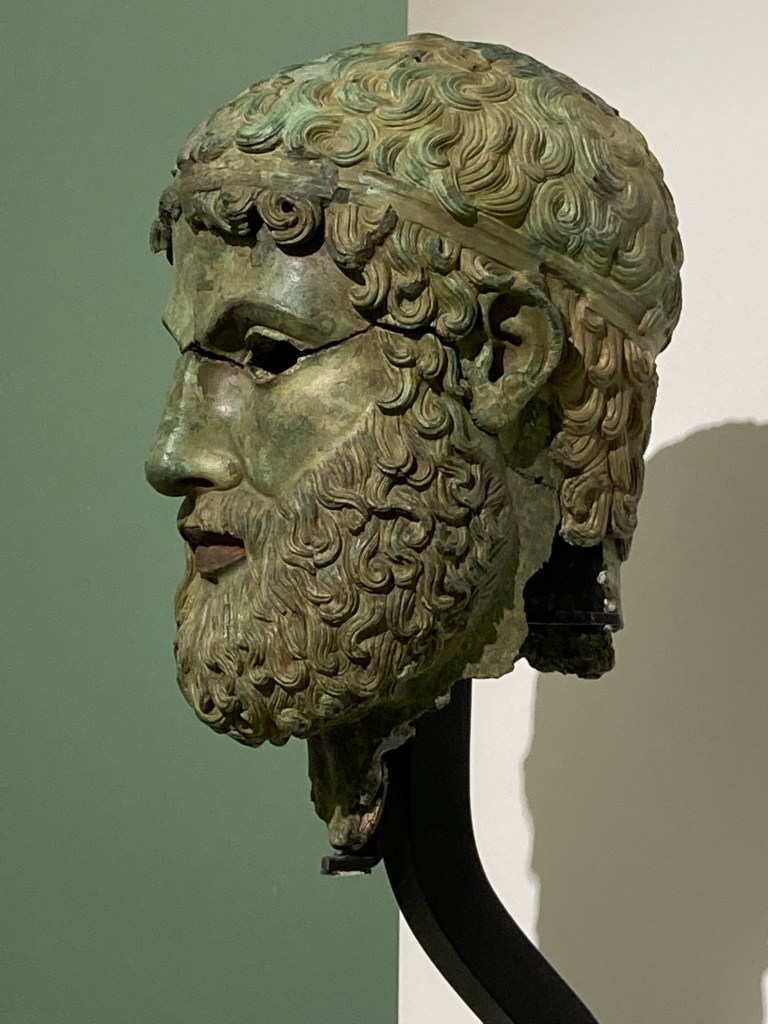
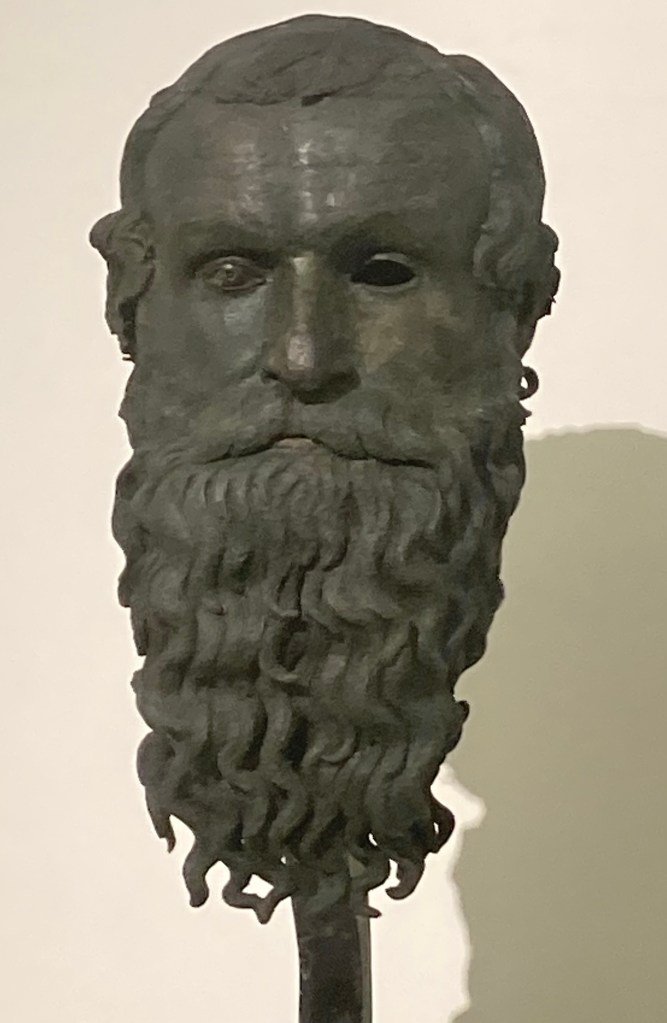
Before leaving mainland Italy we did visit the museum in Reggio Calabria 10 miles along the coast from the ferry port as it held two bronze figures that had been found locally in the Mediterranean and were on display in a hermetically sealed room to avoid contamination of the bronze.

We had intended to explore the port town of Messina after the ferry docked to view the Astrological campanile and clock (maybe another day) but found the roads so congested we were just glad to fight our way out and ended up overnighting in Catania.

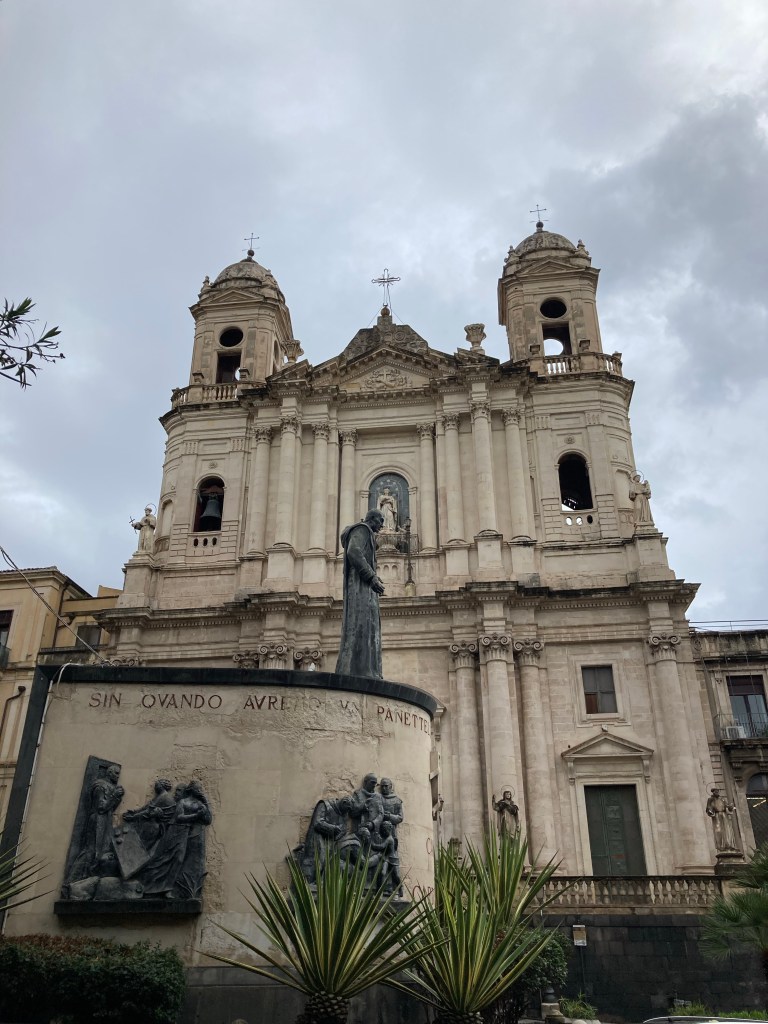
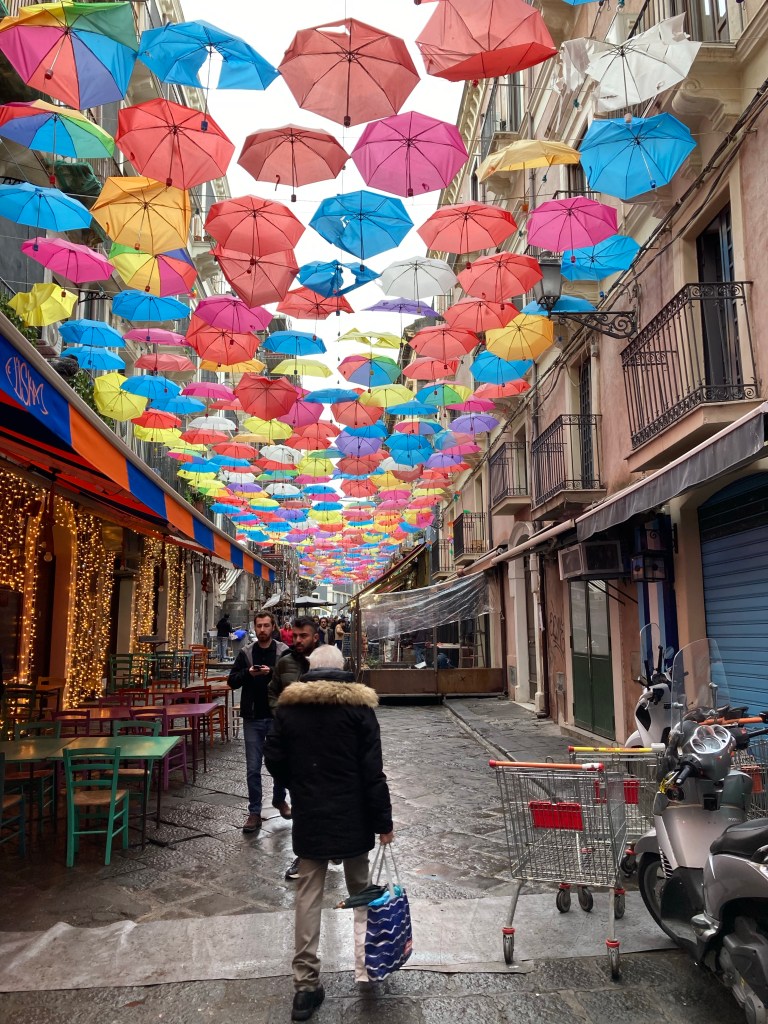
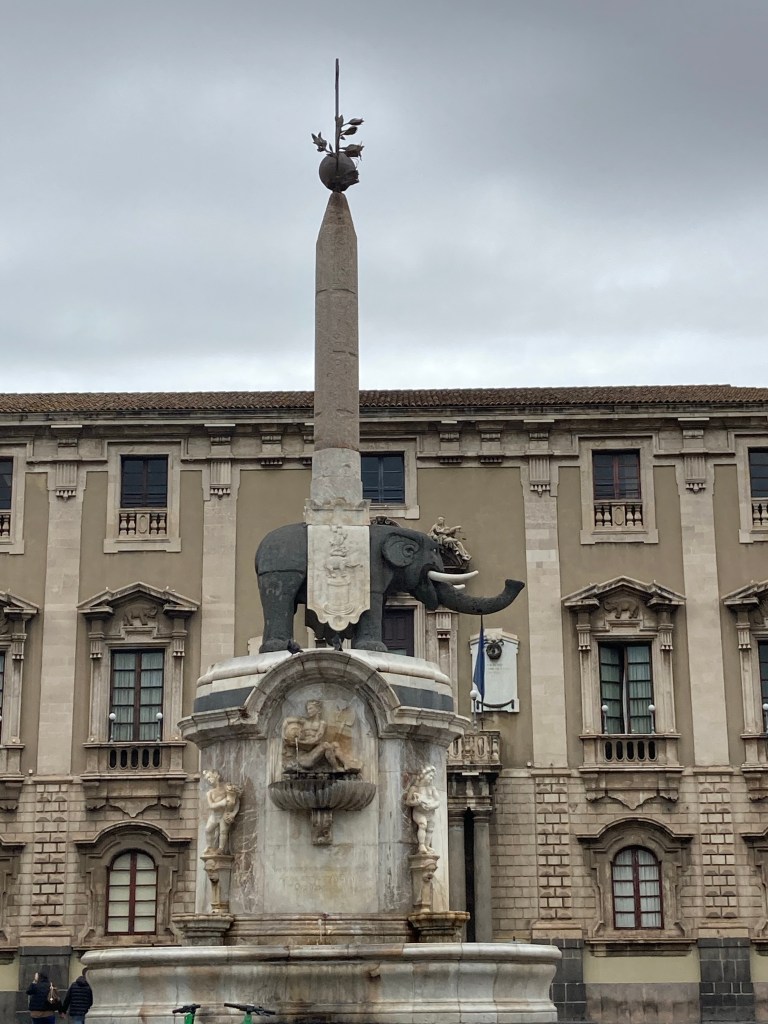
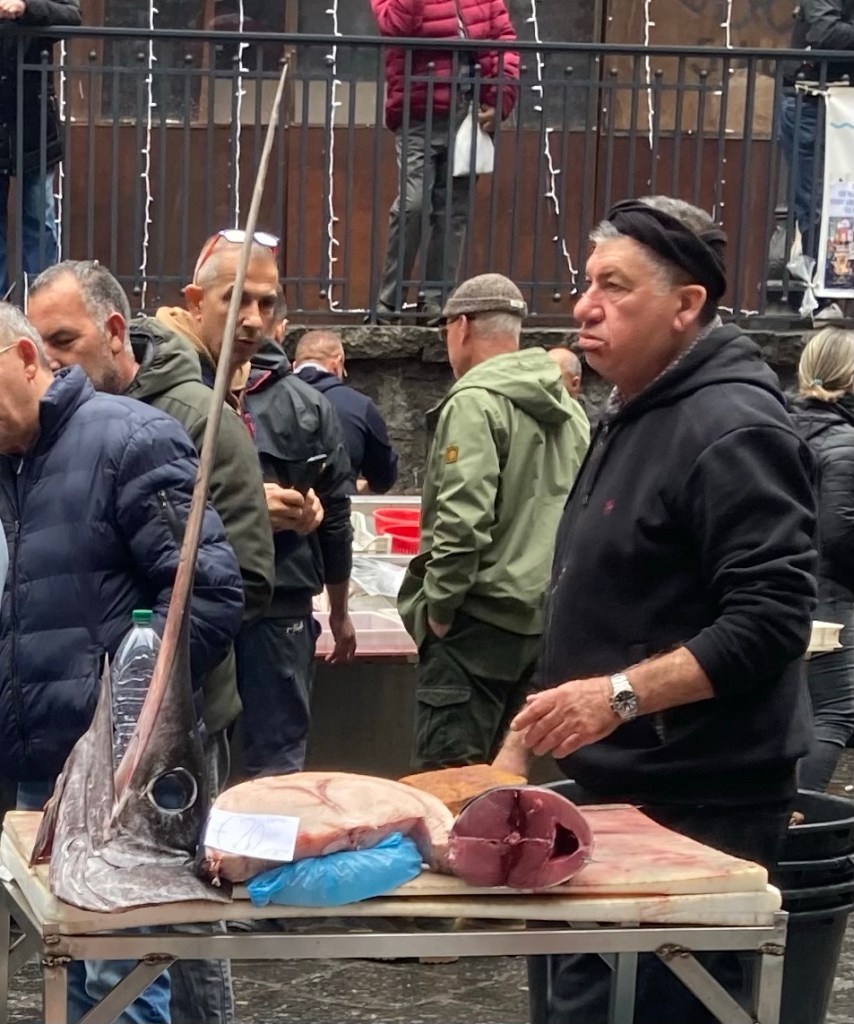
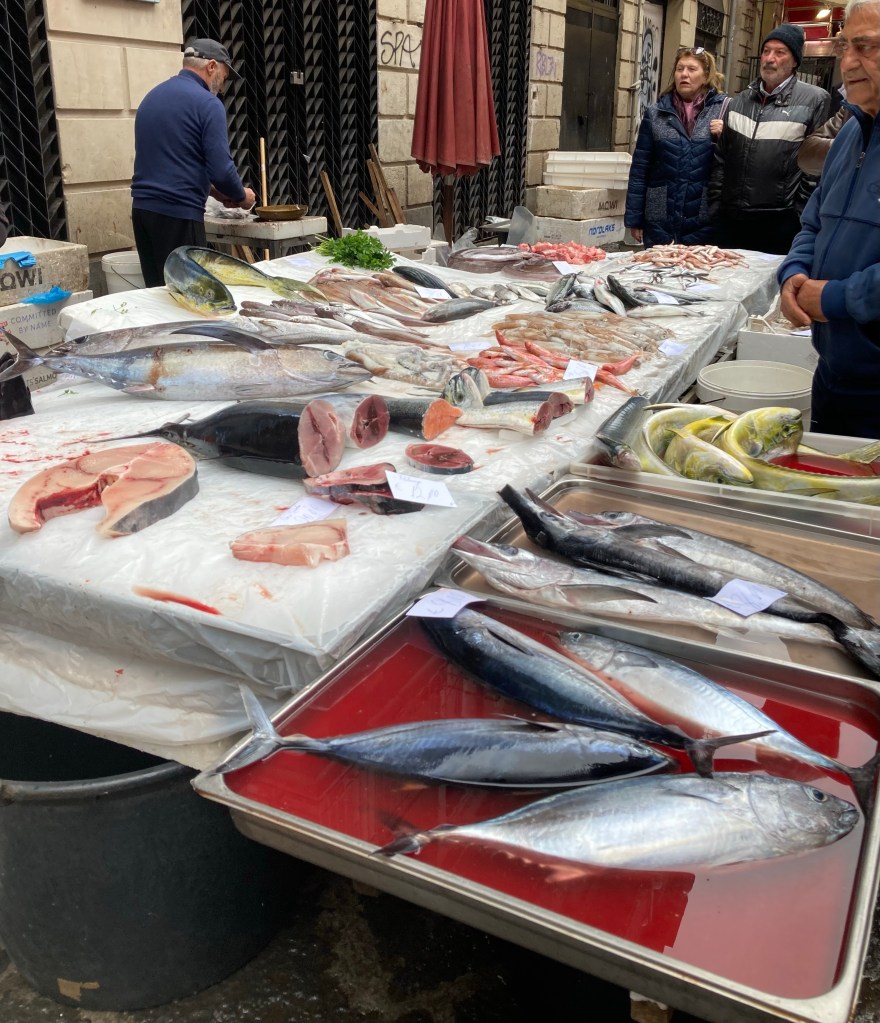
Catania was totally destroyed by an eruption of nearby Mt Etna in 1669 and an earthquake in 1693 but this allowed the city to be rebuilt to a new plan that created a fine baroque architectural location. In the morning after our arrival we took a leisurely walk into town and the market. Oh ! that we had markets like it in the U.K. everything looked so fresh and appetising but the fish market was out of this world.

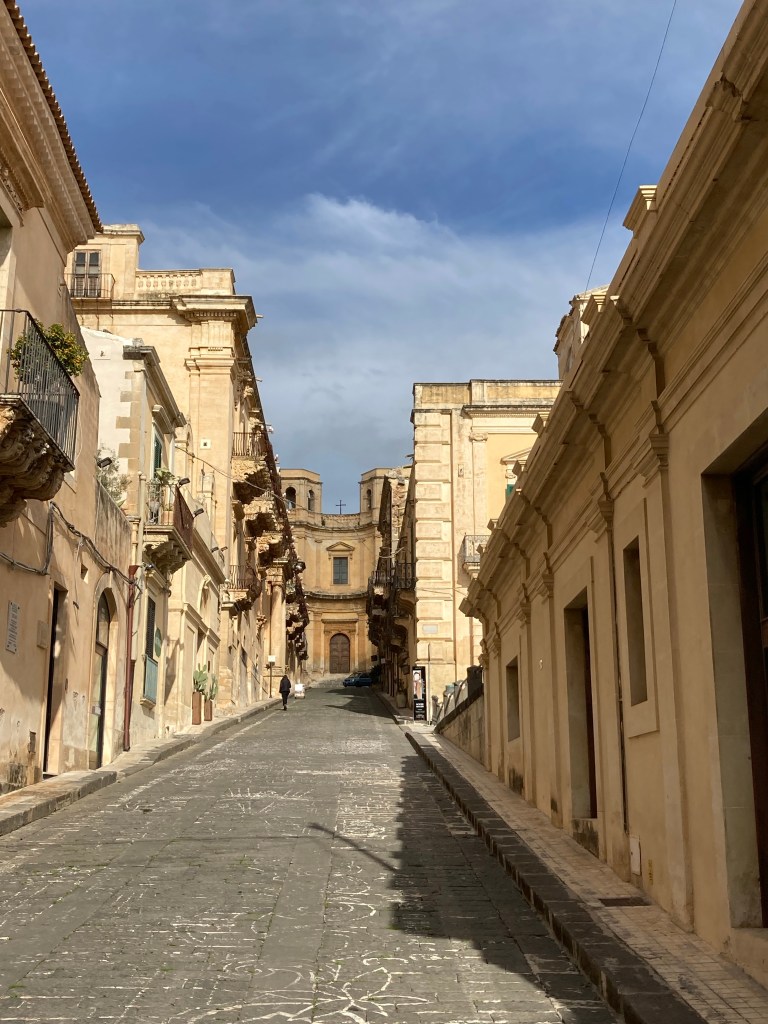
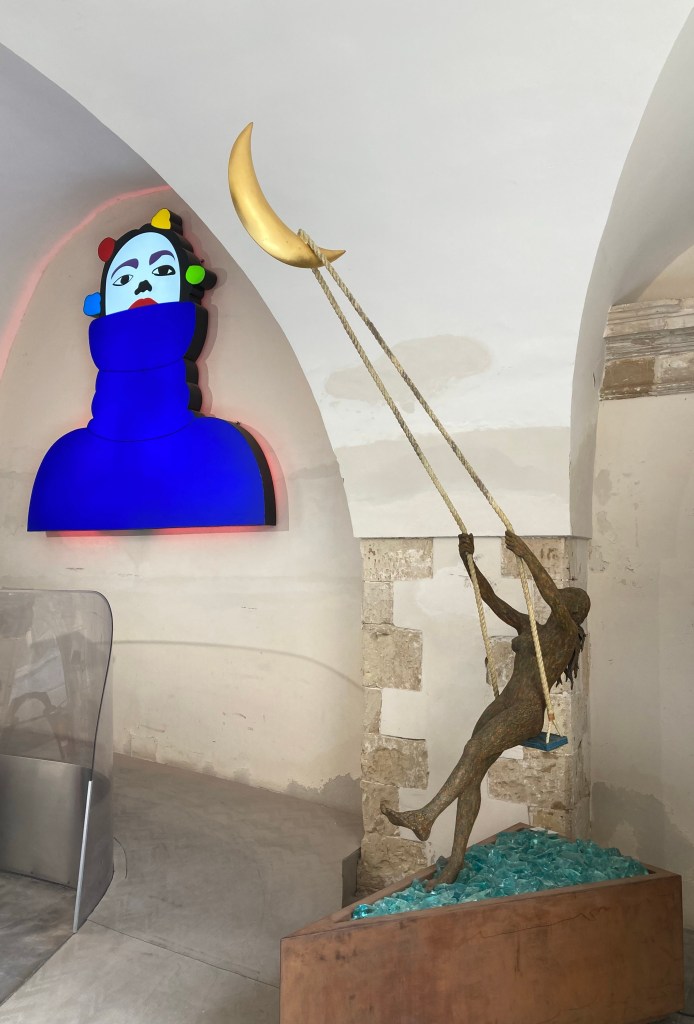
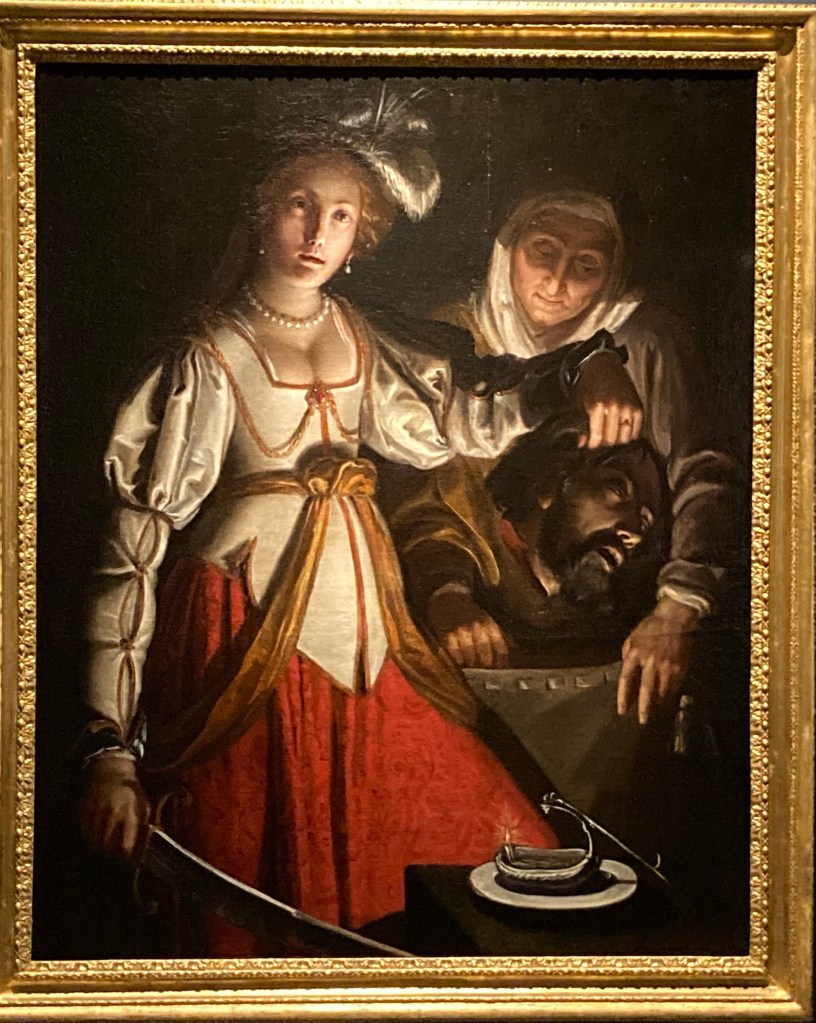
Having seen enough of busy towns we followed the coastline through the town of Noto which like Catania had been devastated in the historical earthquakes but had chose to rebuild itself with an upper and lower town. The wealthier families choosing to stay and rebuild the upper town in the style of baroque architecture. We walked around the upper town visiting a very interesting art exhibition.

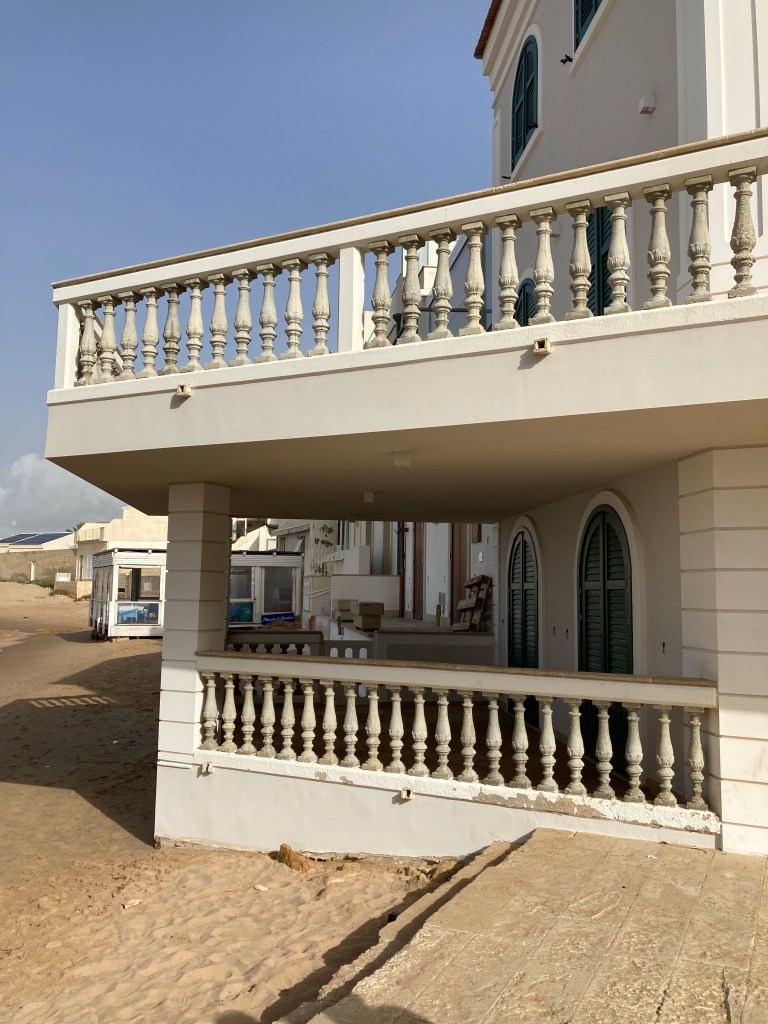
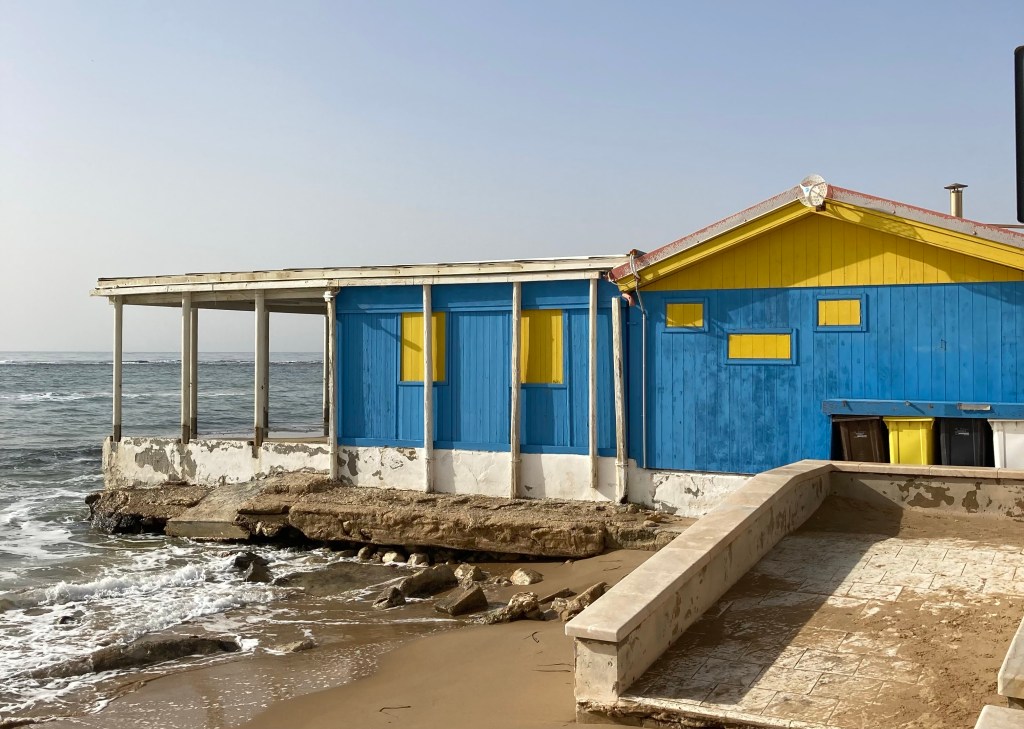
Next was the seaside town of Punta Secca where the television series of Montalbano was filmed which was surprisingly small making it easy to find the house and restaurant featured in the series.

After a couple of stops further along the coast we decided to leave Sicily and head for home. But first we wanted to use our remaining time to see some of the Xmas markets that European cities are famous for as well as revisit a couple of favourite locations.

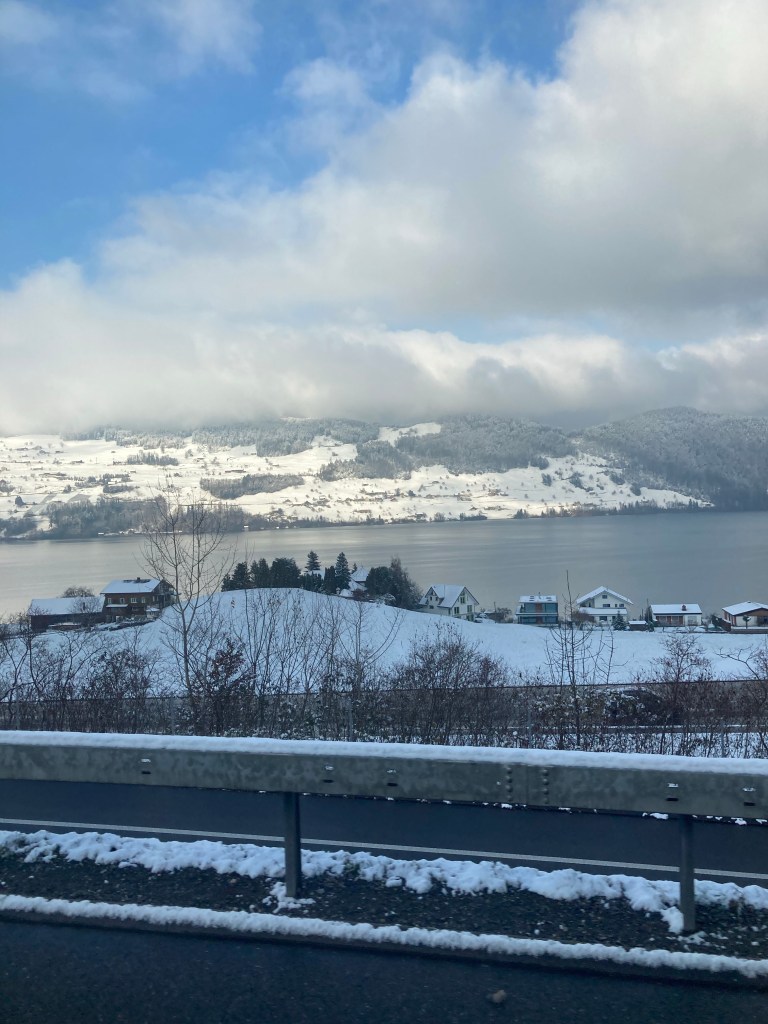
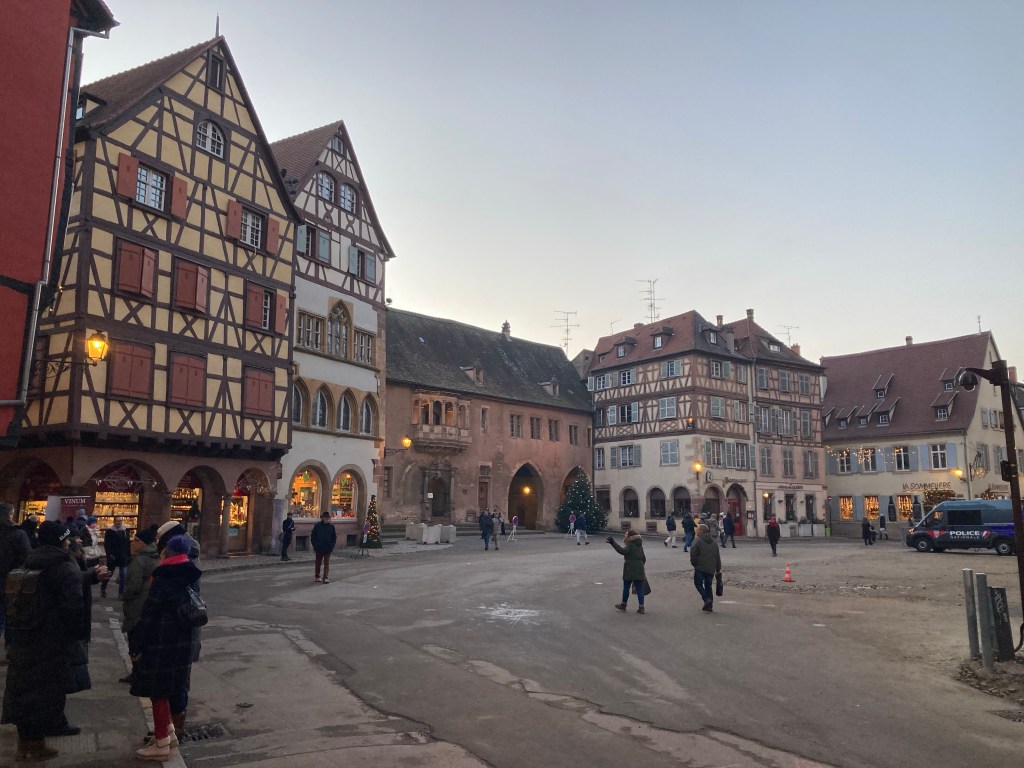
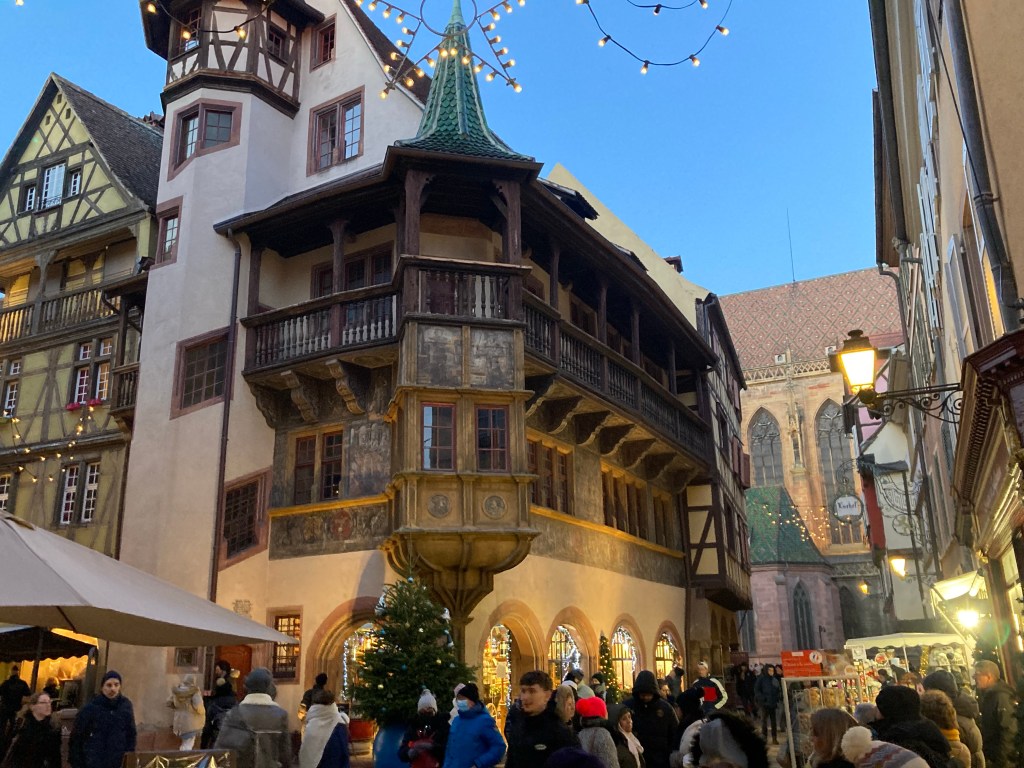
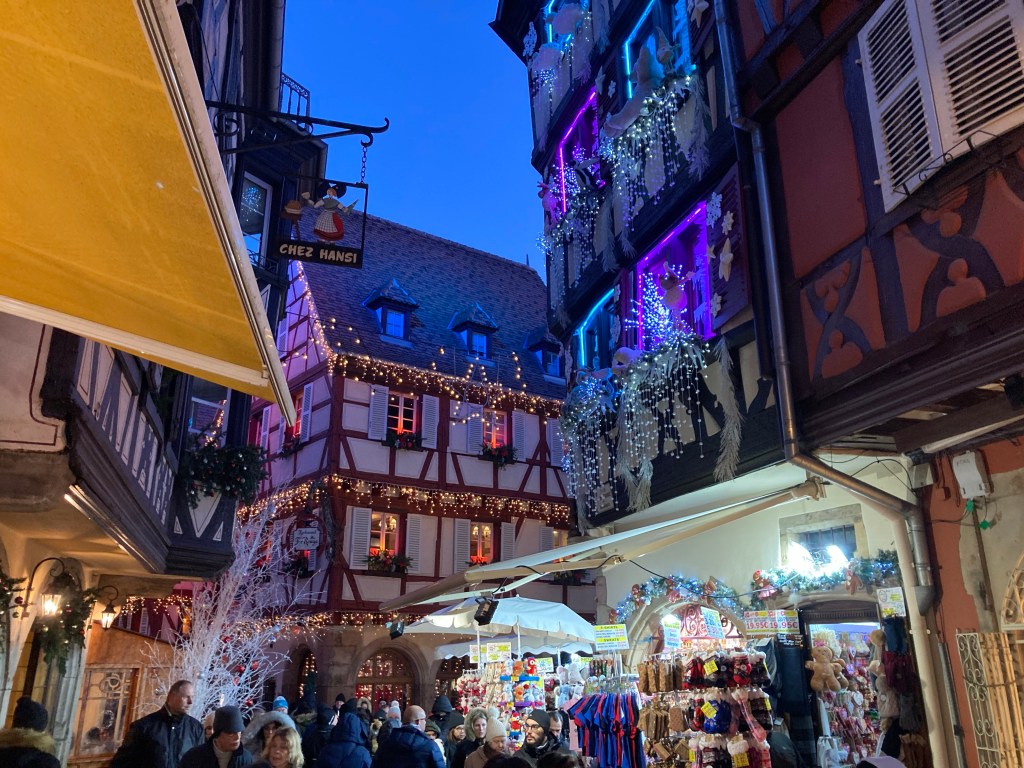
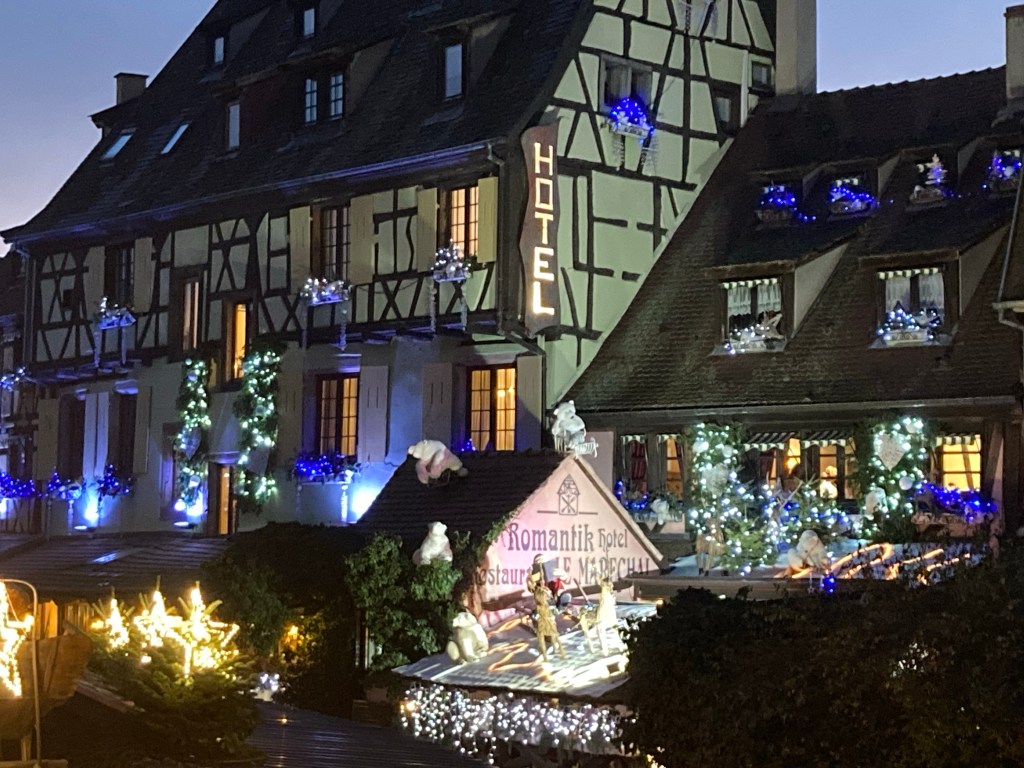
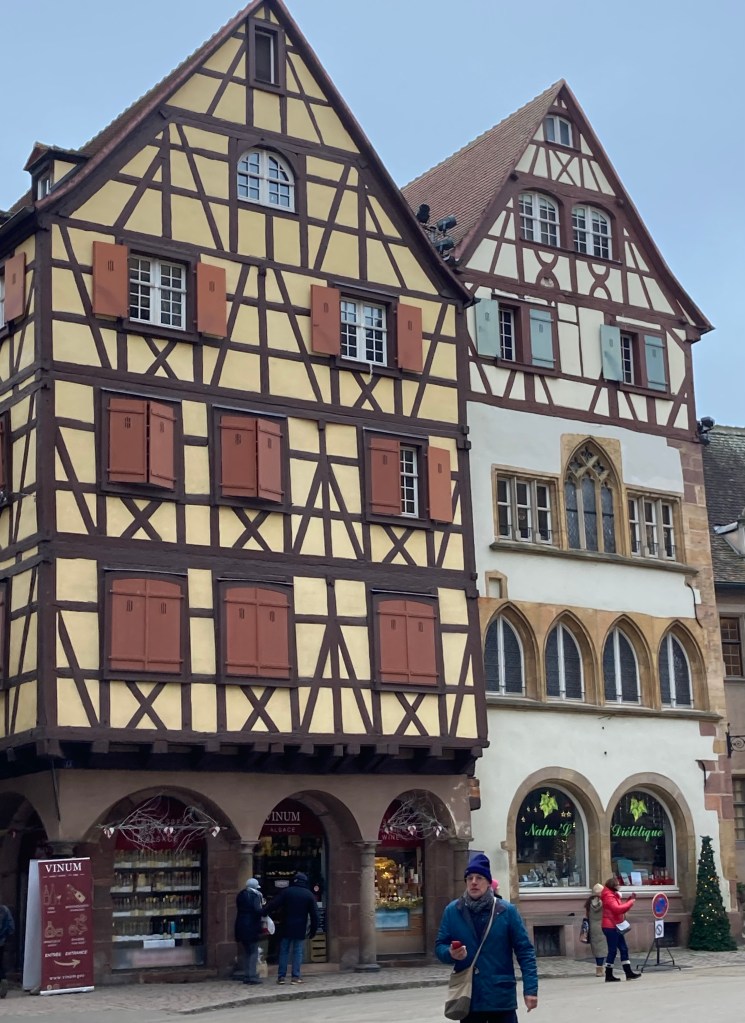
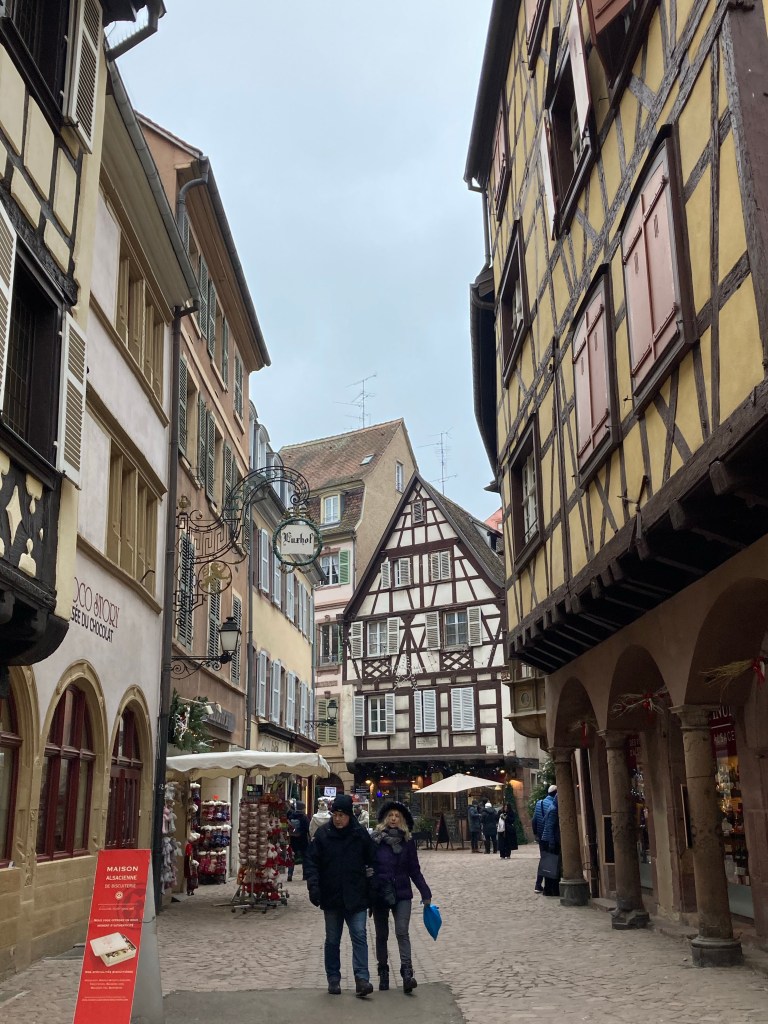
Therefore a ferry journey from Sicily to the northern Italian town of Genoa would begin our travels through the alps of Italy and Switzerland to the Alsace town of Colmar We had visited once before en route to Italy and found it an enchanting place dating back to the 14th century with canals and narrow streets and had promised ourselves to one day return. Our route home enabled us to keep that promise and at the same time to visit a vineyard in the nearby German town of Neustadt to purchase several boxes of really nice wine we had discovered on our outward journey.

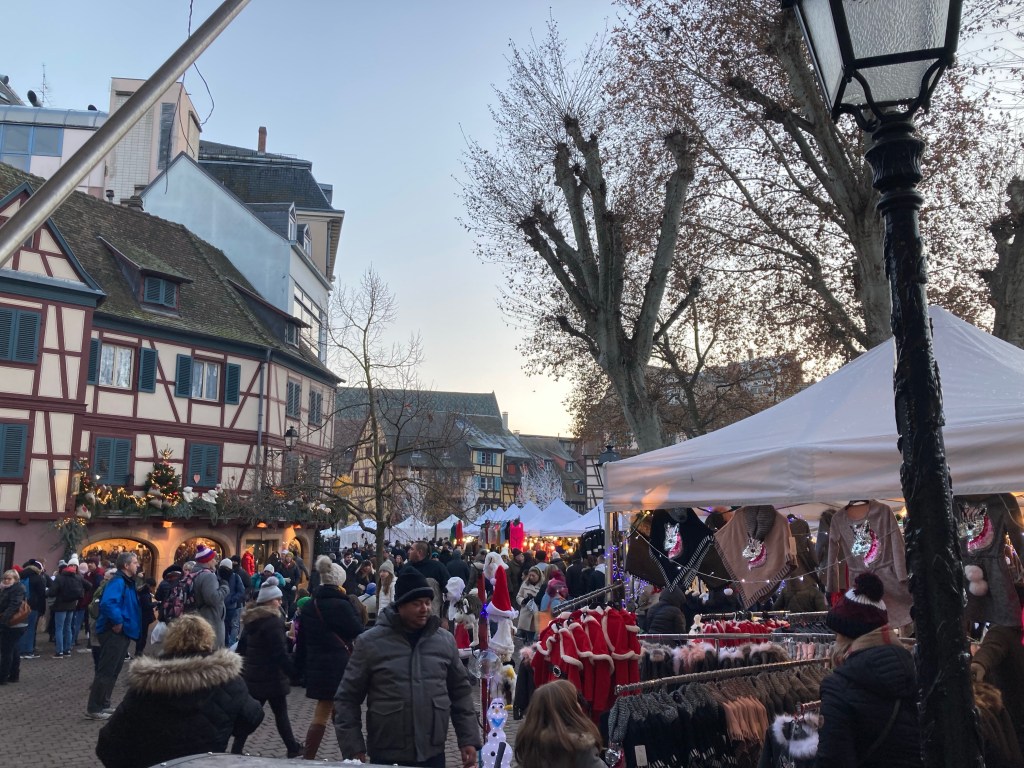
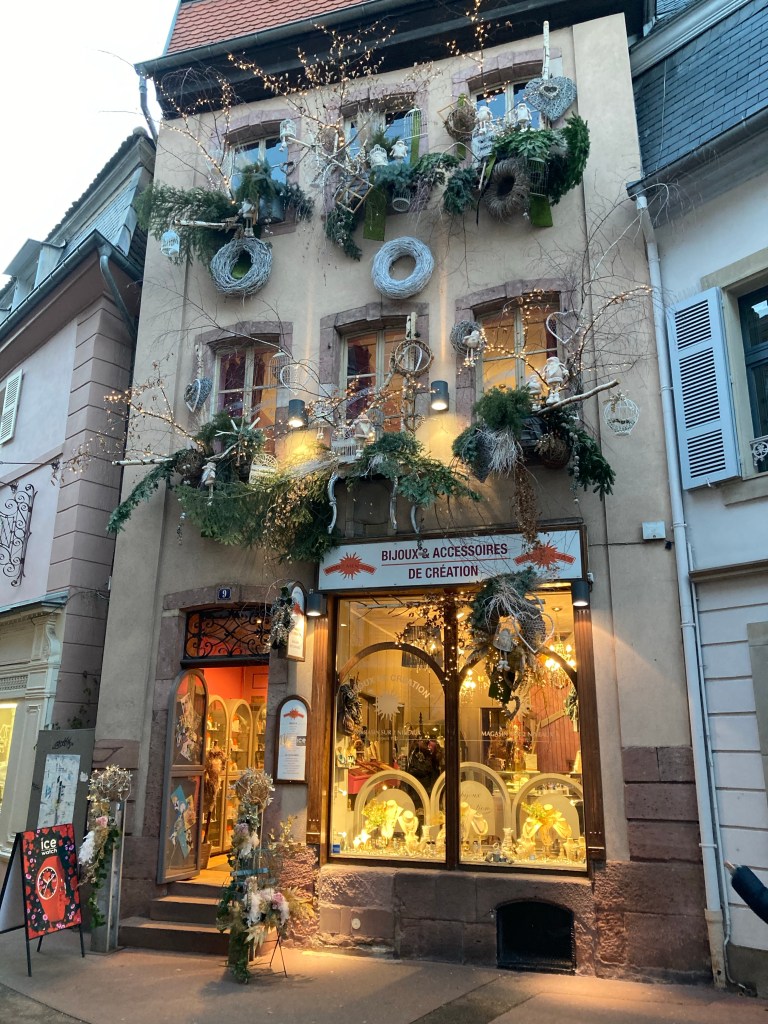
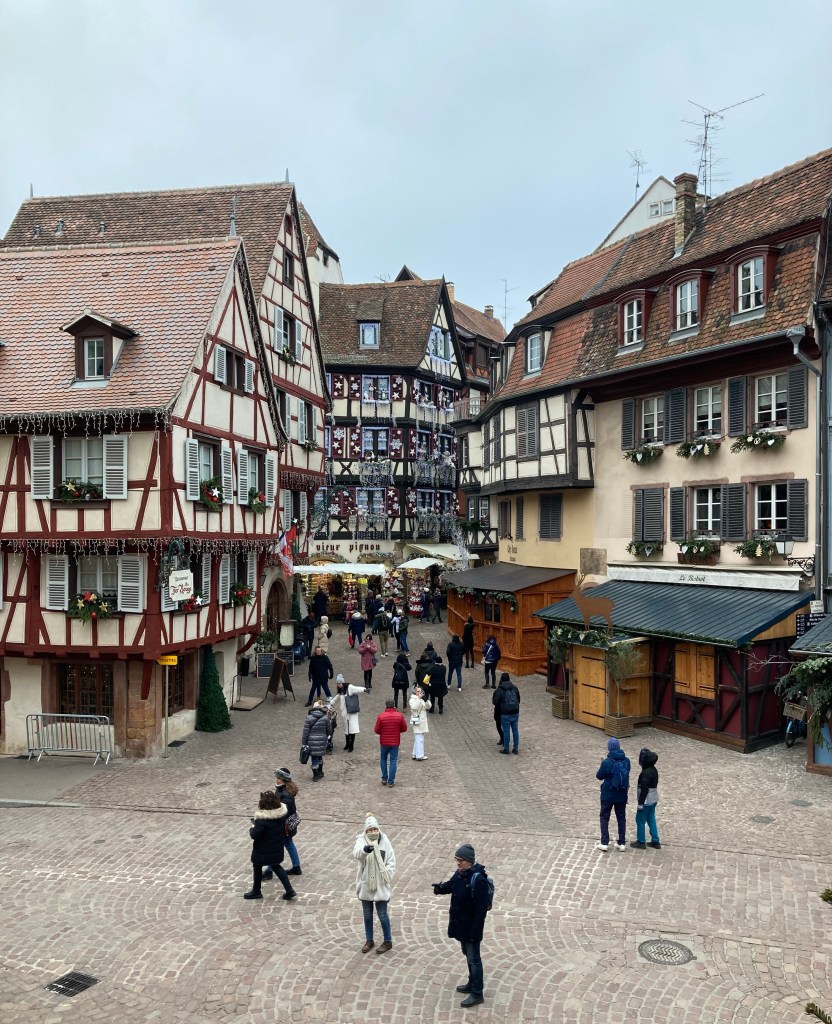
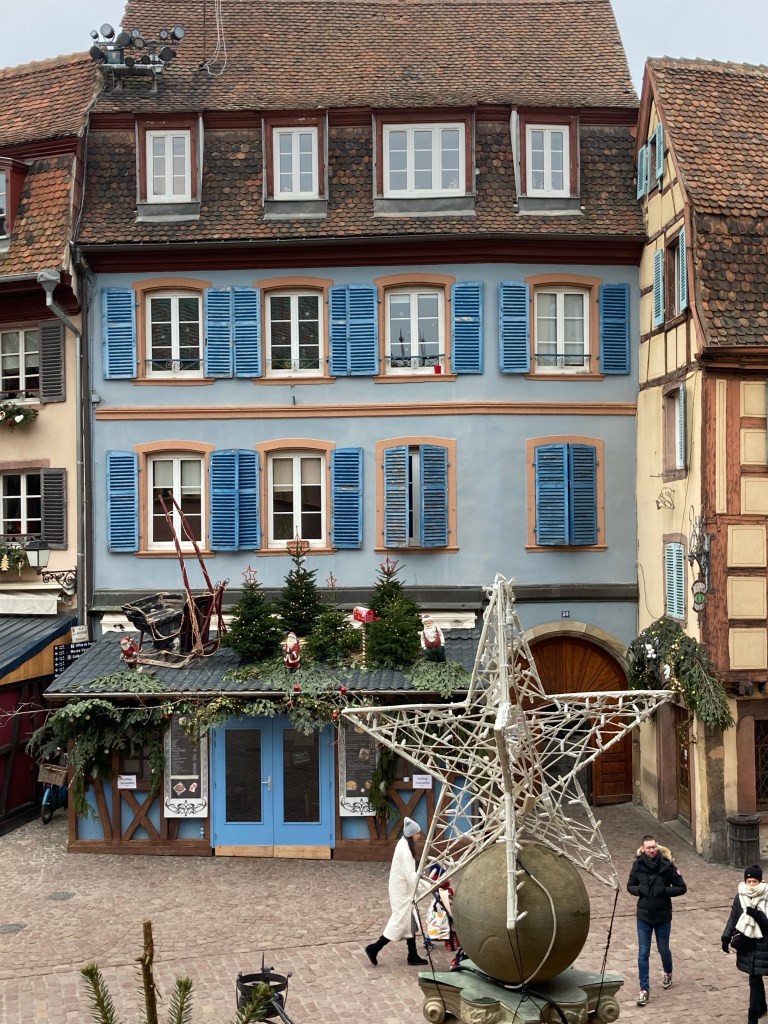
On arriving in Colmar we discovered a Xmas market in full flow with numerous coaches from Switzerland, Germany and Belgium all parked up on the edge of the old town which was dressed up in style for the occasion.

This was the first of three Xmas markets we had set out to visit with Cologne and Bruge to follow Colmar.

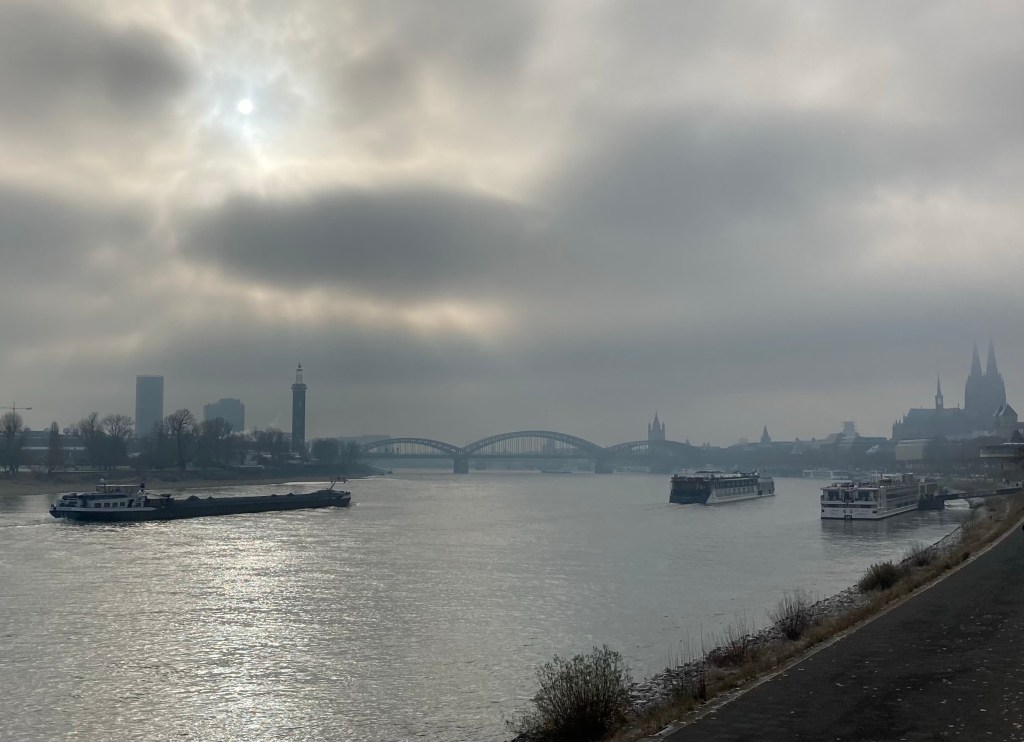
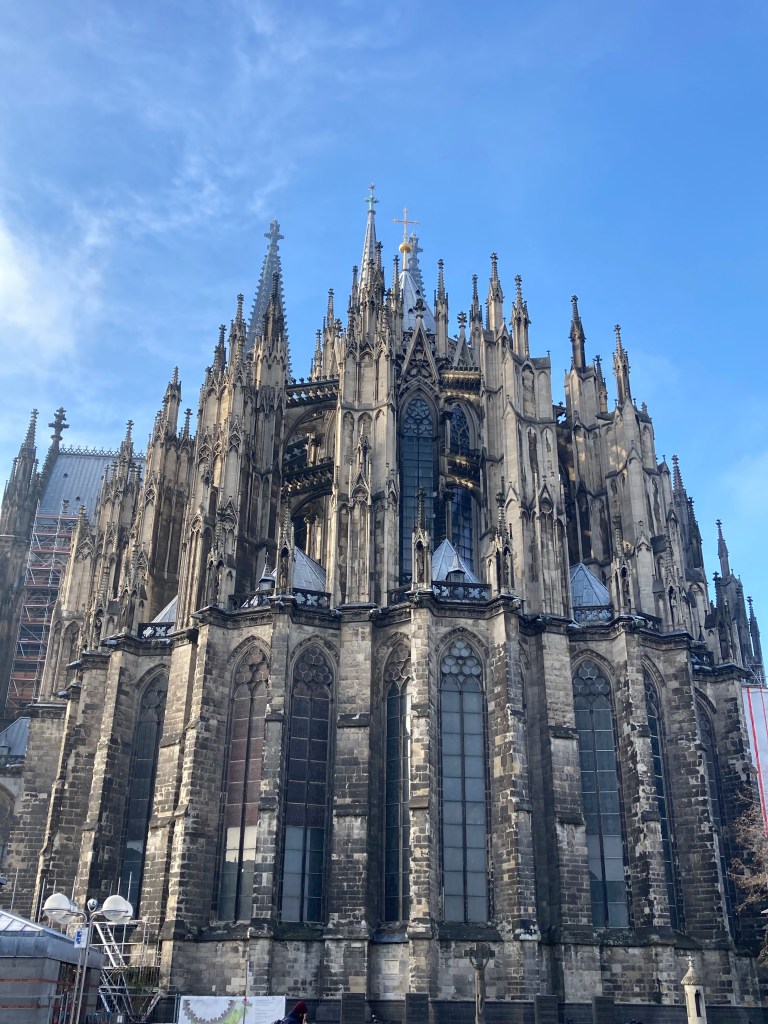
In Cologne we parked on the outskirts of the city centre alongside the Rhine but within walking distance to the Xmas markets. Walking alongside the river we realised how busy it was with commercial barges and river cruises. It was a very cold morning with temperatures as low as -10 and a heavy mist from which the cathedral spires eerily stood out. The layout of the markets appeared to be better organised and were a more pleasant experience than in Colmar.

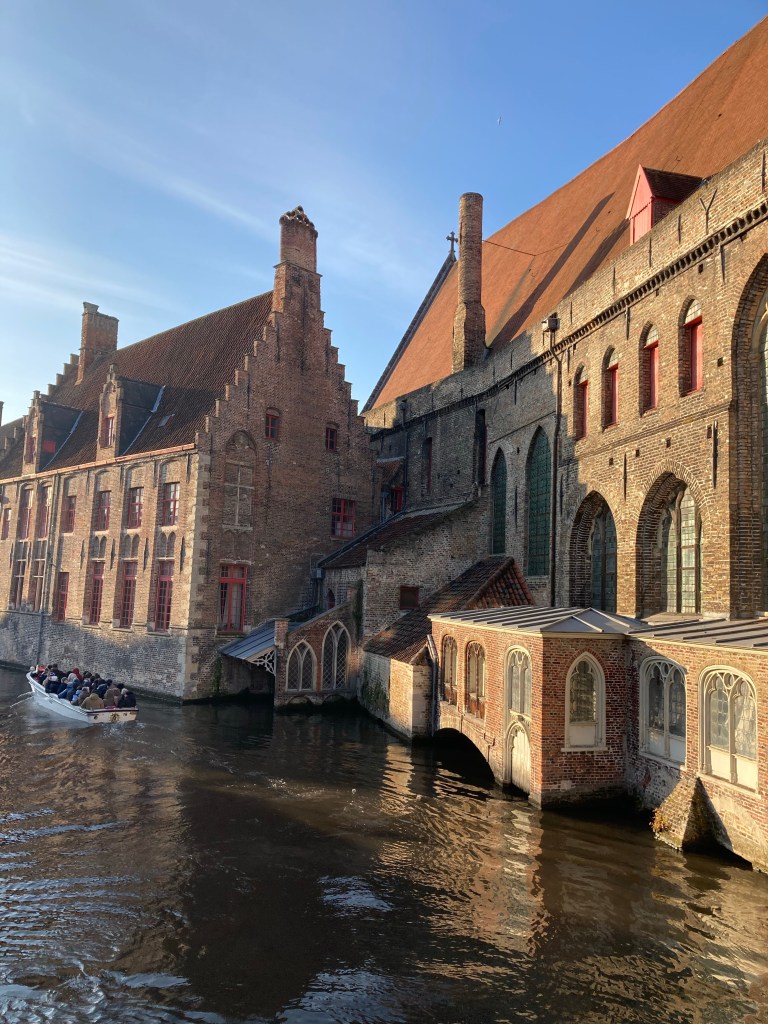
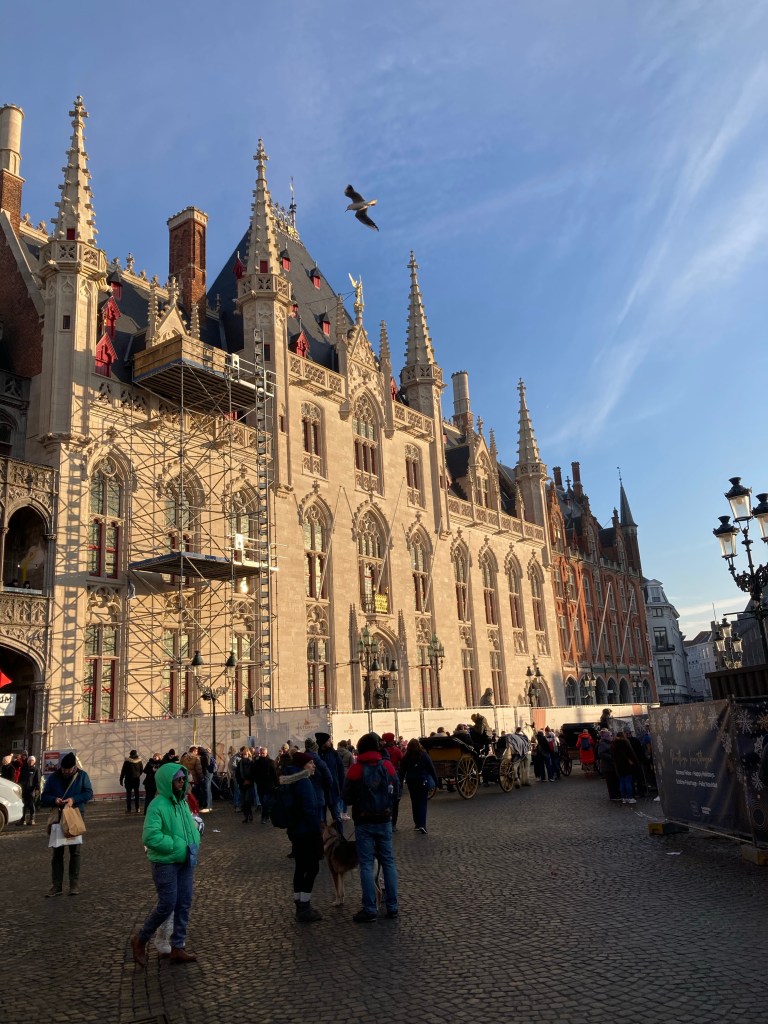
The last visit of our travels was to Bruge a place we had always wanted to visit after seeing the film “In Bruge”. We felt that the beauty of the town was lost in the hustle and bustle of the Xmas market and remains a place to which we will have to return.

And so our amazing and memorable journey ends and we hope that those who have followed this blog have enjoyed sharing our travels with us.

Plitivice National park

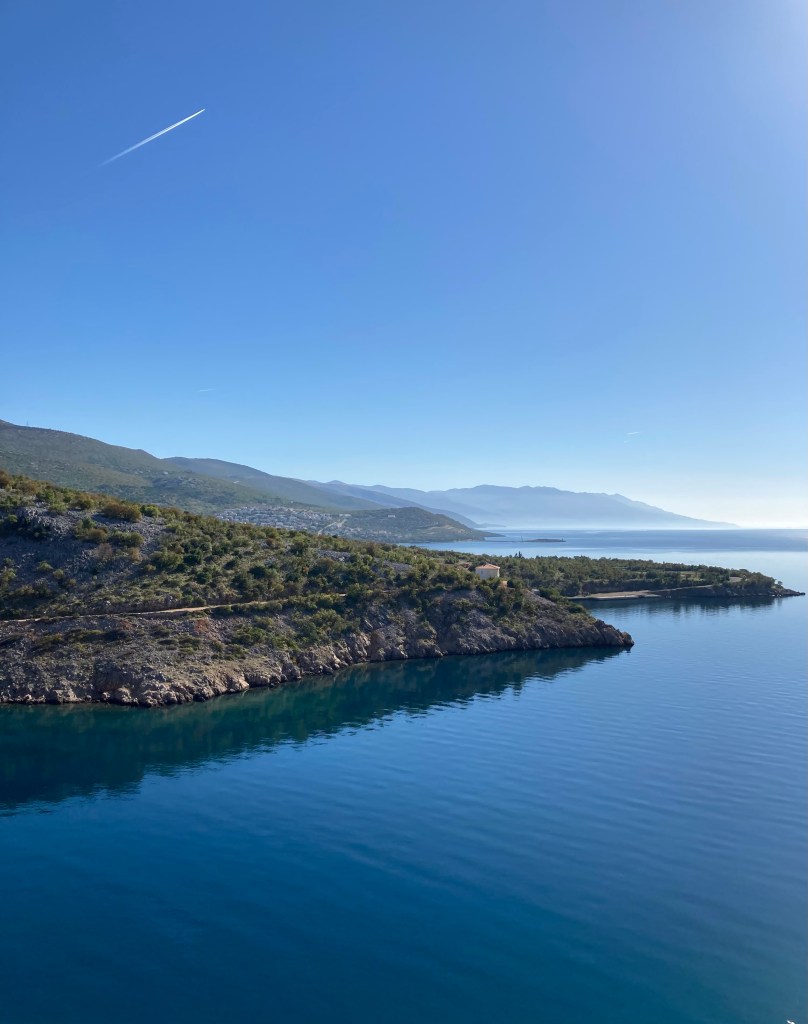
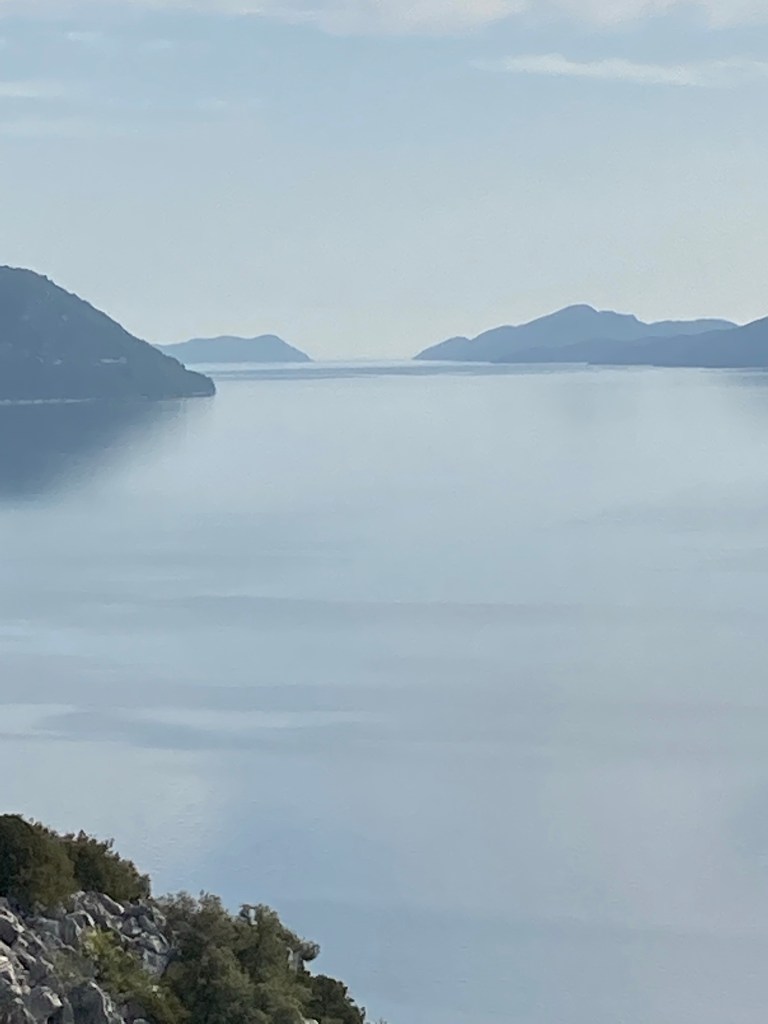
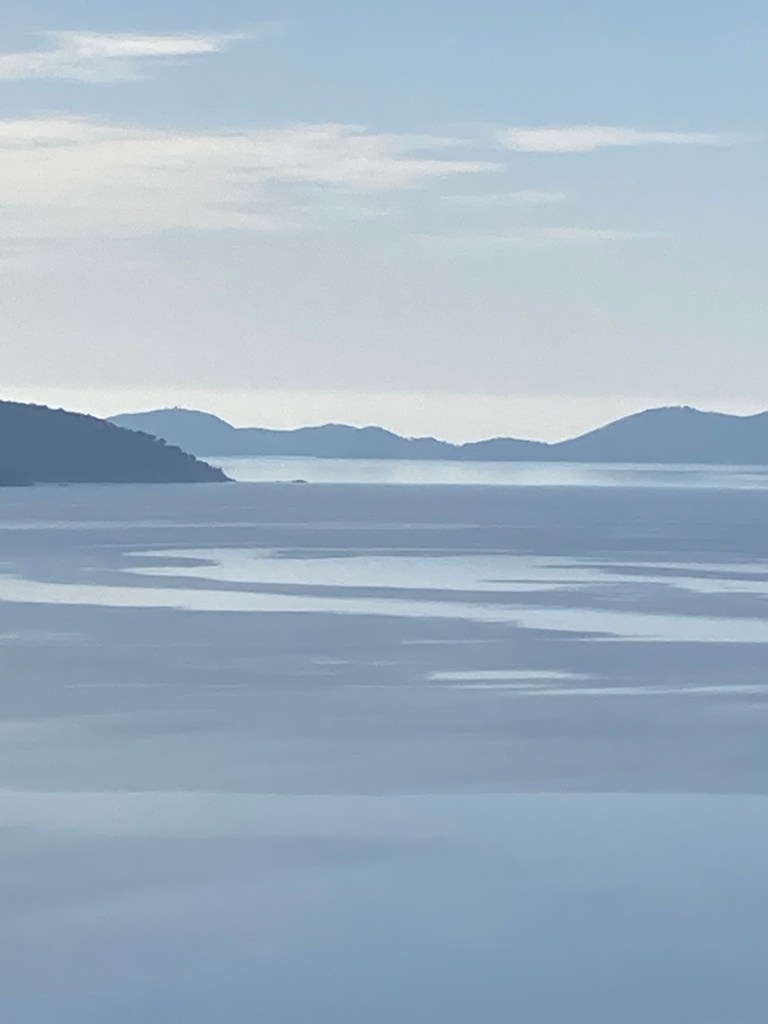
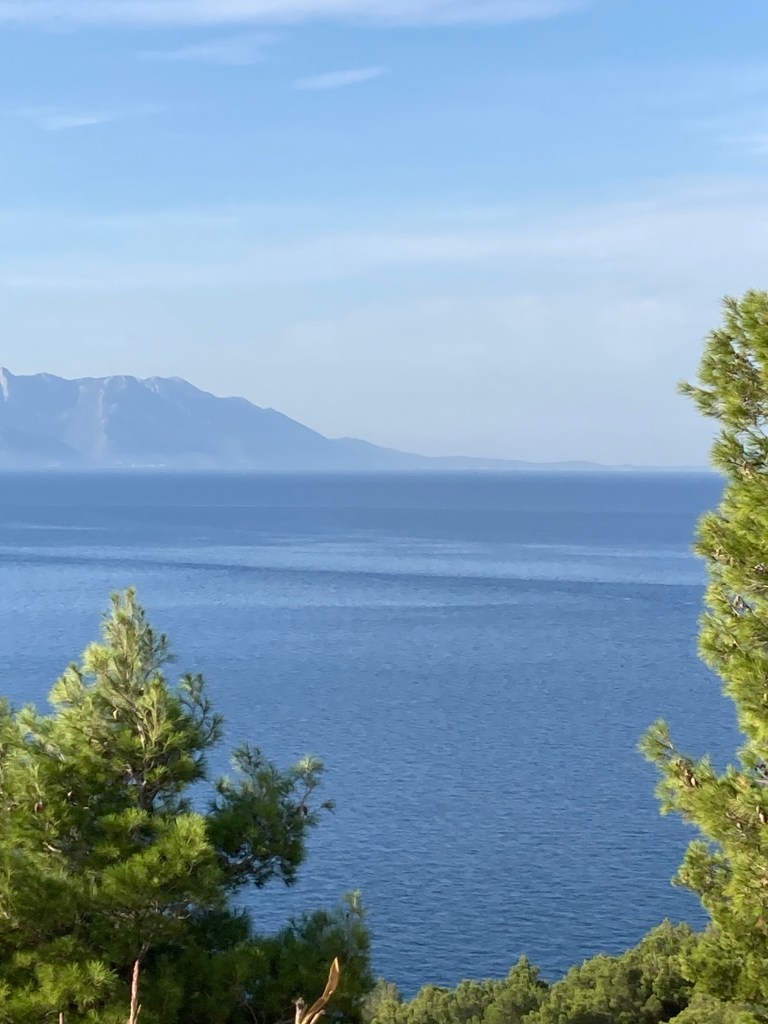
Our intention was to follow the Dalmatian coast to a small town called Senj before heading inland to the Plitivice National park. Unfortunately we could not find anywhere to park for the night so decided to carry on to the National park for an early morning start and get ahead of the crowds. Although the meander along the coast had added an additional two hours to our journey the stunning coastline made it worthwhile. It appeared to be a series of large wide inlets that reminded us of the ffords in New Zealand on a much larger scale and always hovering just above the water there was an eerie heat haze. Sadly I do not feel my photos truly capture the essence of the scenery.

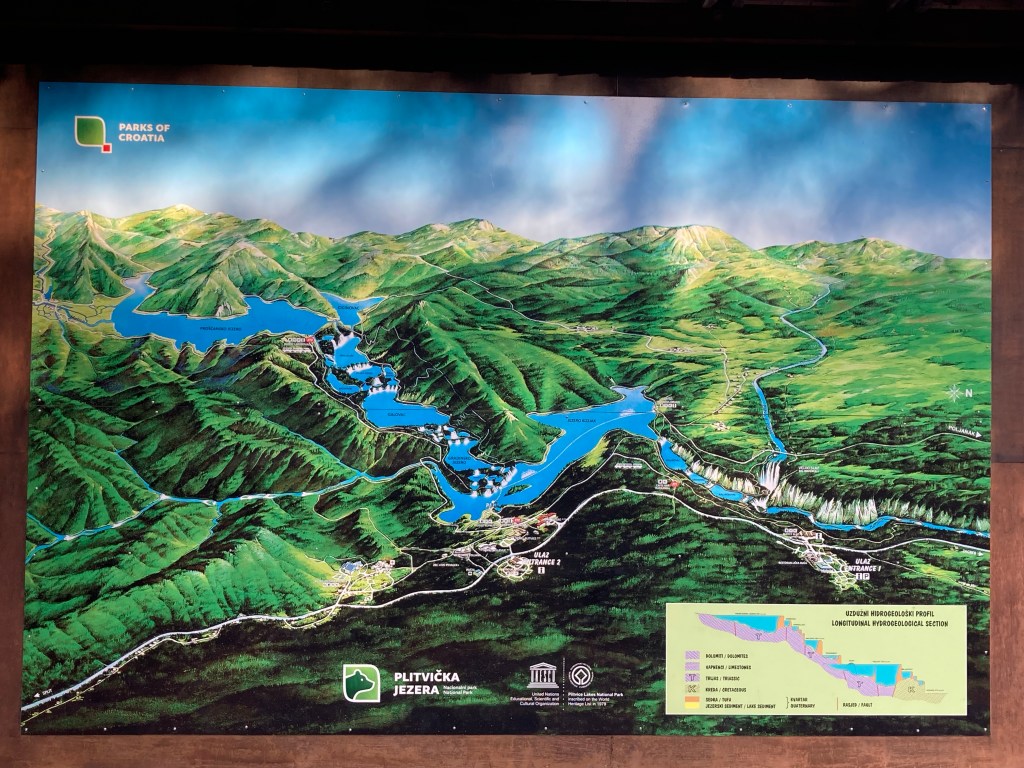
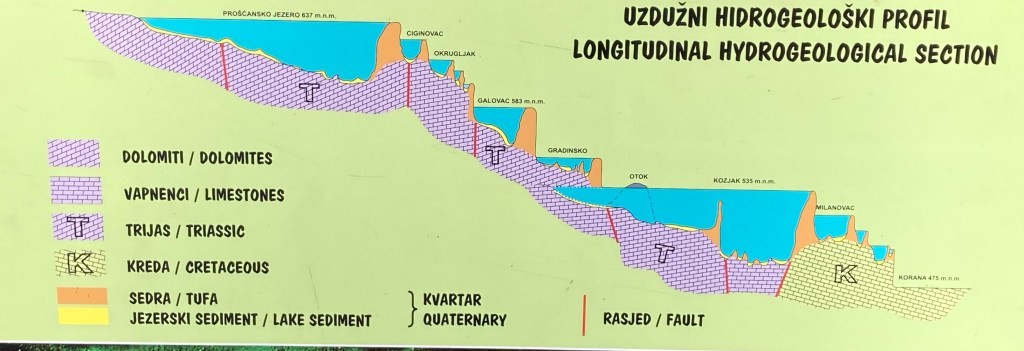
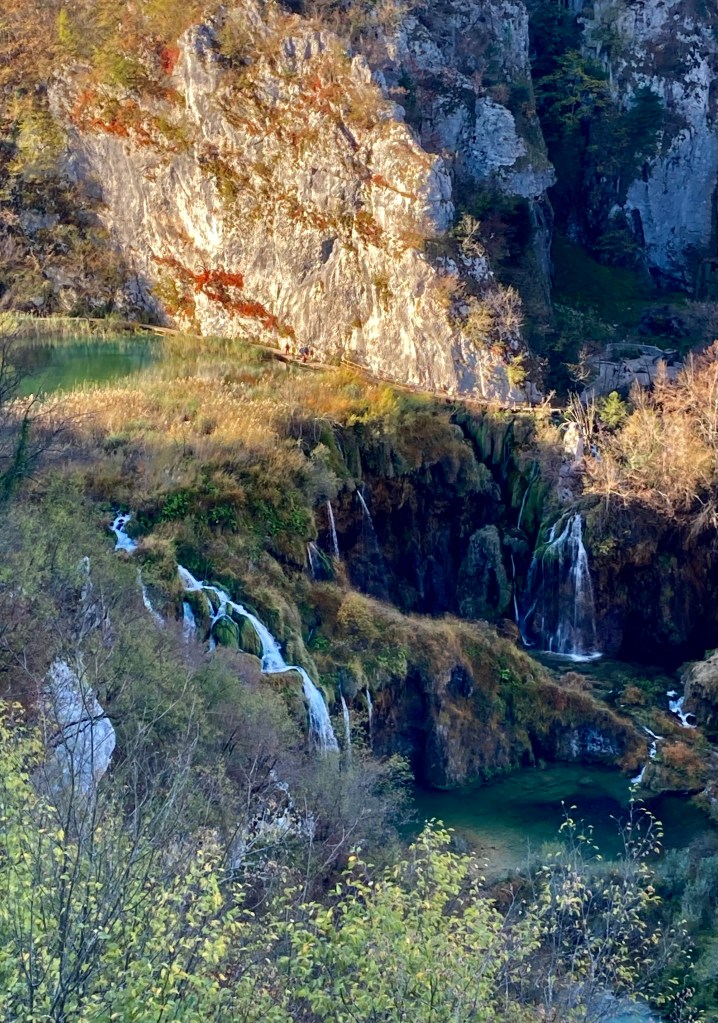
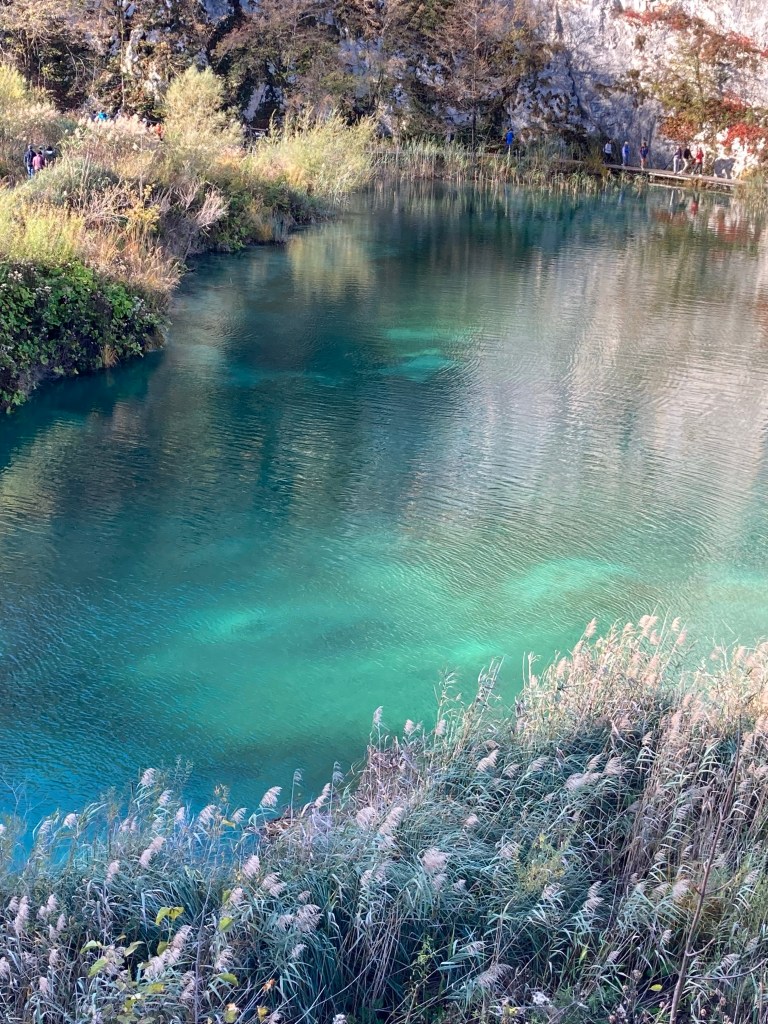
Despite our early morning start the next day we arrived at the car park to find it already nearly a third full? obviously we had underestimated the popularity of the Park which is a UNESCO world heritage site and one of the oldest and largest national parks in Croatia home to Brown bears, Lynx and the Grey wolf. The main attraction for walkers are the sixteen lakes linked by picturesque waterfalls split into upper and lower clusters surrounded by woodland.There are various footpaths to choose from around the lakes all very clearly marked giving you the choice of either the lower or upper lakes and for the hardy walkers you could cover the whole park.

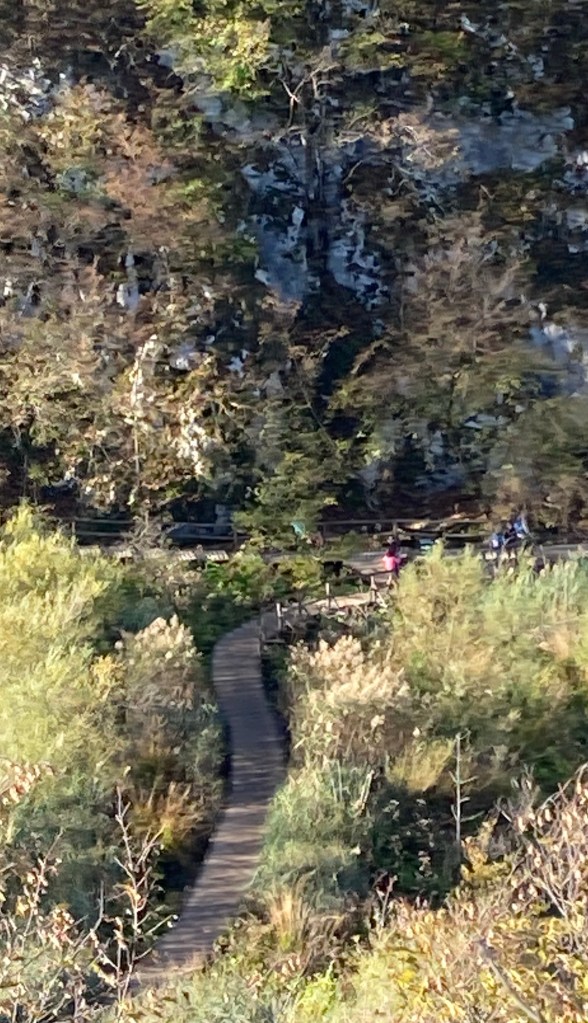
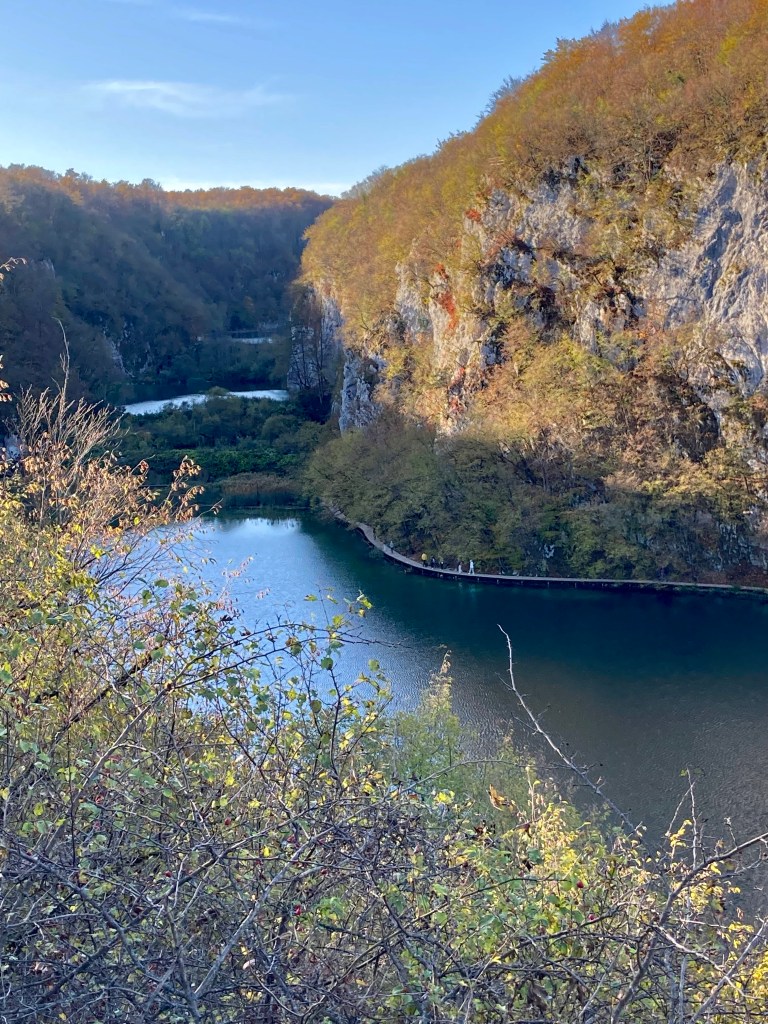
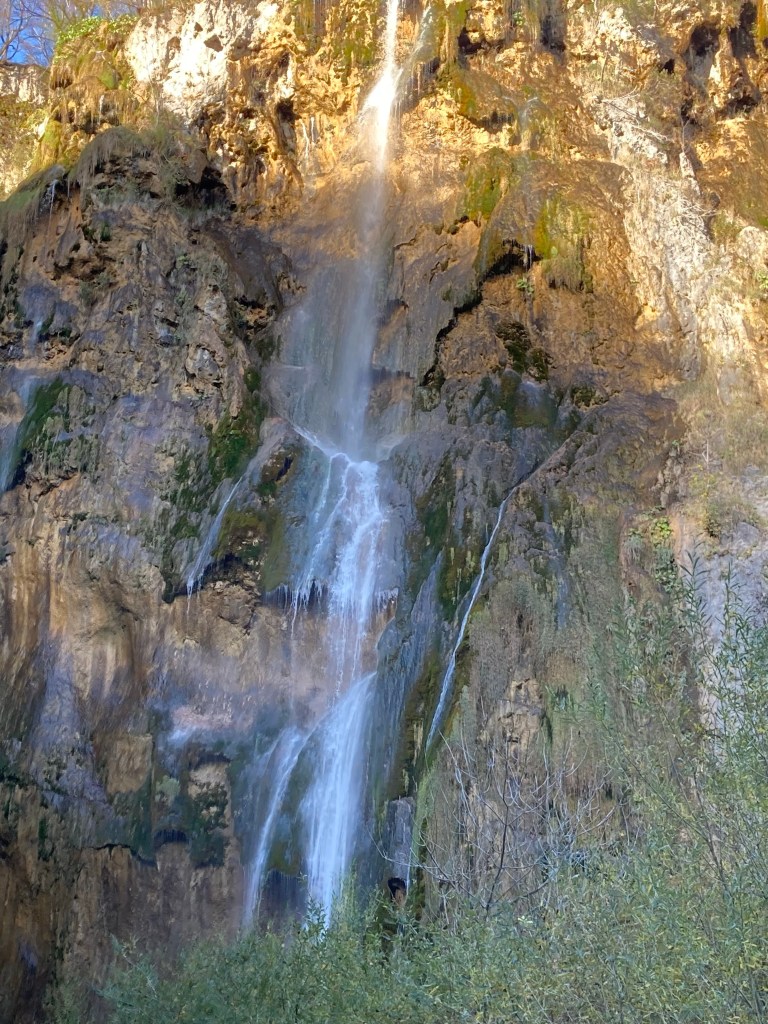
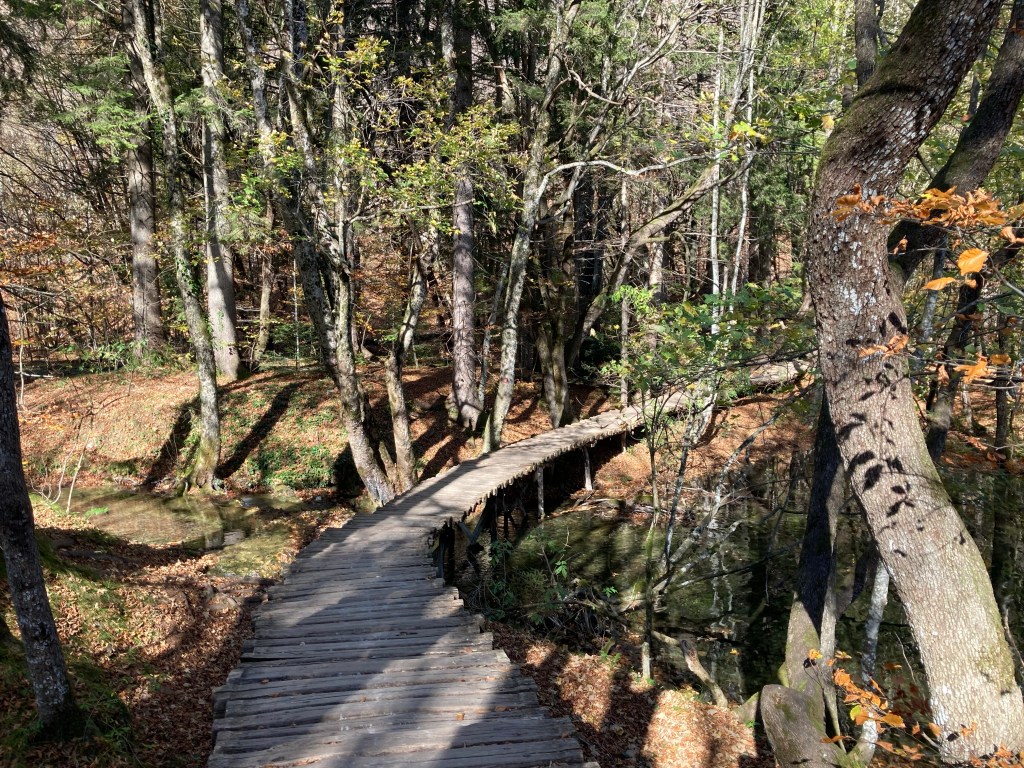
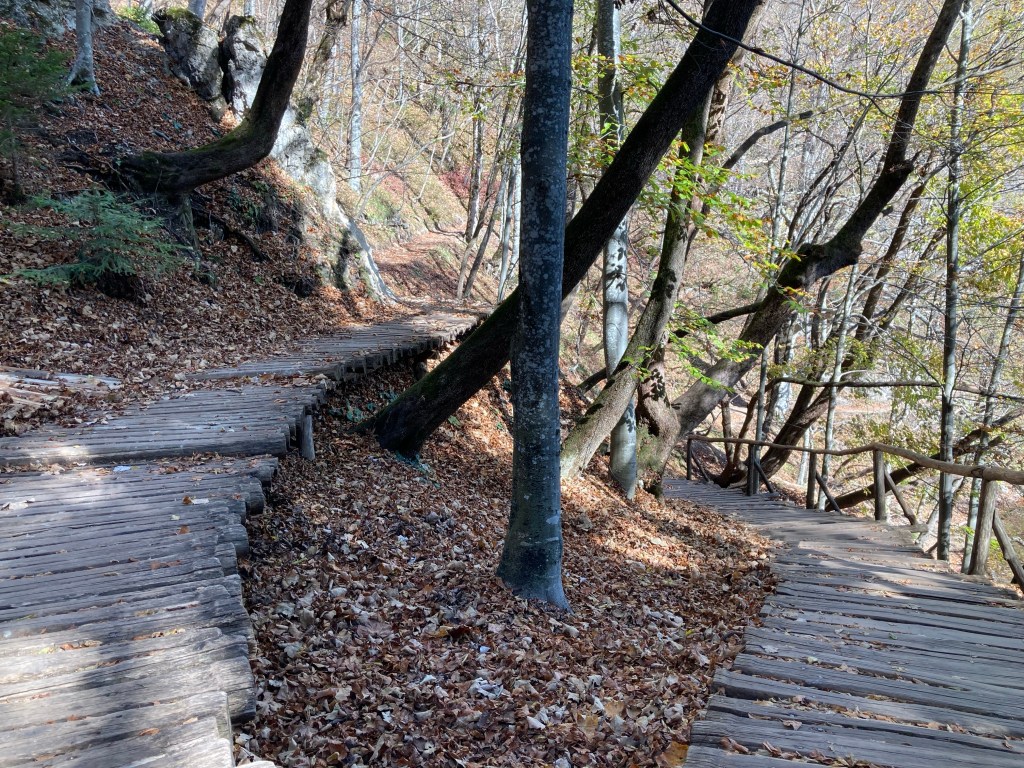
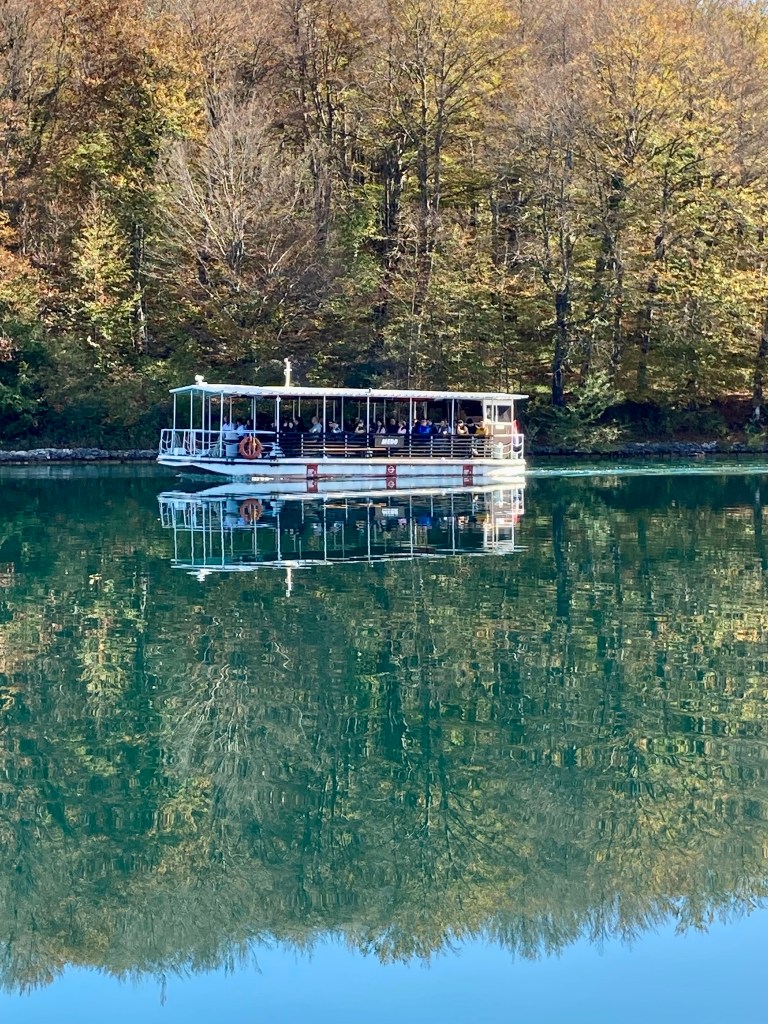
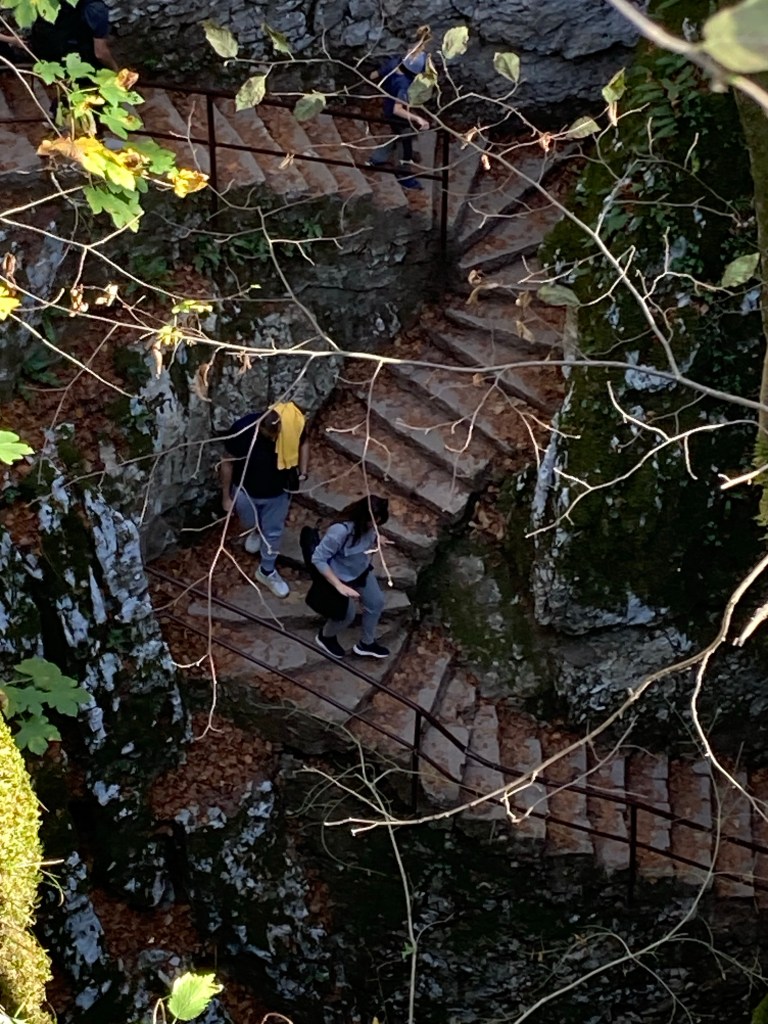
We opted for the lower lakes footpath B that was expected to take three hours. We followed the footpath which took us through woodland, and along boardwalks to various viewpoints to take in the numerous waterfalls for which the park is famous though at this time of year they were not in full flow which if they had been one could imagine would have been a spectacular sight, it also included a boat ride across the lake.

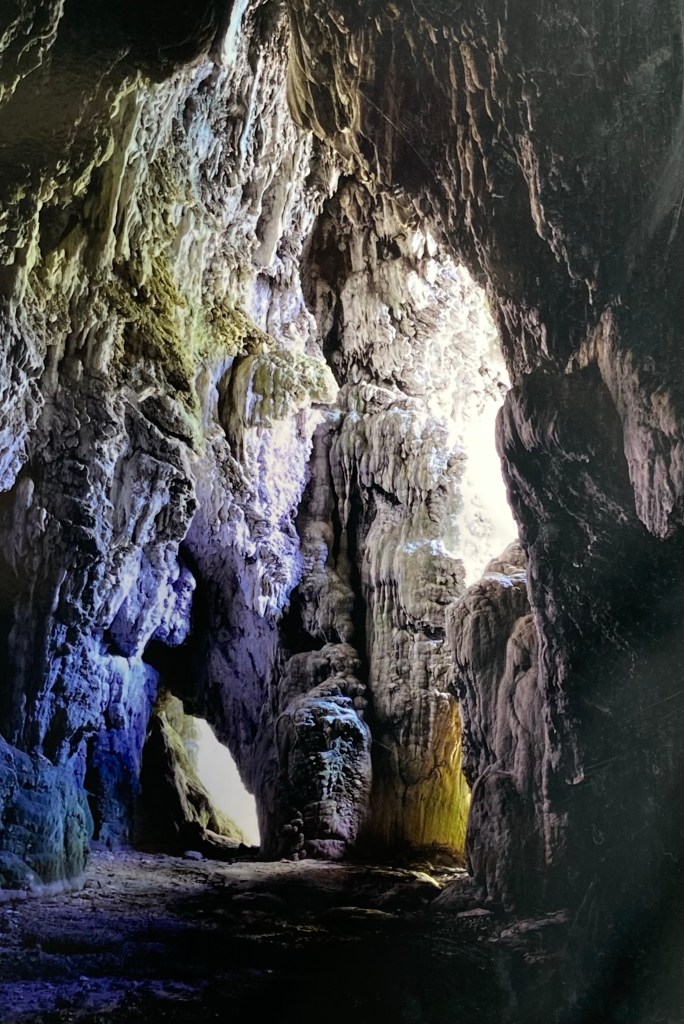
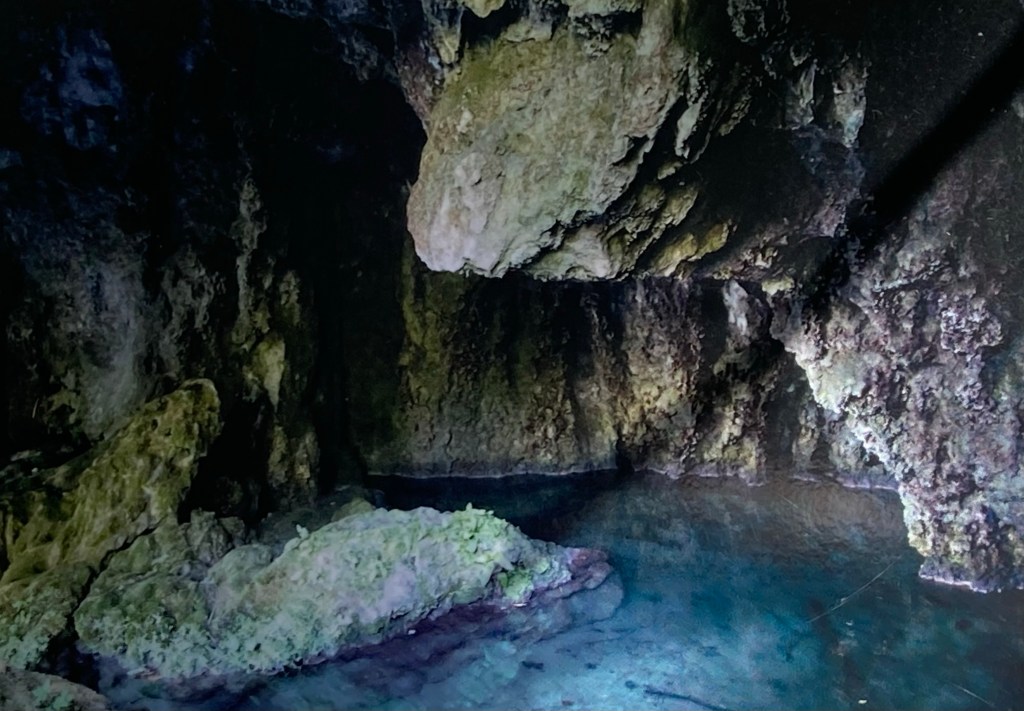
On disembarking we decided to take the train to the bottom of the upper lakes and explore more all in all our “three hour walk” became a rewarding full day walk in beautiful surroundings with the surprising discovery of one of the many caves.

Goodbye Croatia

Our final destination was Dubrovnik having paid a fleeting visit to Split. The intention as we made our journey from Zadar to the Montenegro border was to spend a few days in and around both these towns enjoying their history as fortified old towns

Split in reality was built at the turn of the 4th century AD as the retirement palace of the Roman Emporer Diocletian, not as a conventional palace as its area was large enough to house a small community and military garrison. But it’s recent history as a venue for the blockbuster TV drama Game of Thrones has resulted in an over commercialism of the old town with the majority of shops becoming GoT merchandise venues turning it into a themed shopping mall.

Walking in to the old town of Split we found the narrow streets far to crowded for our liking and the historical area lost behind restaurants and market stalls, deciding this was not for us we abandoned Split and continued on our way.

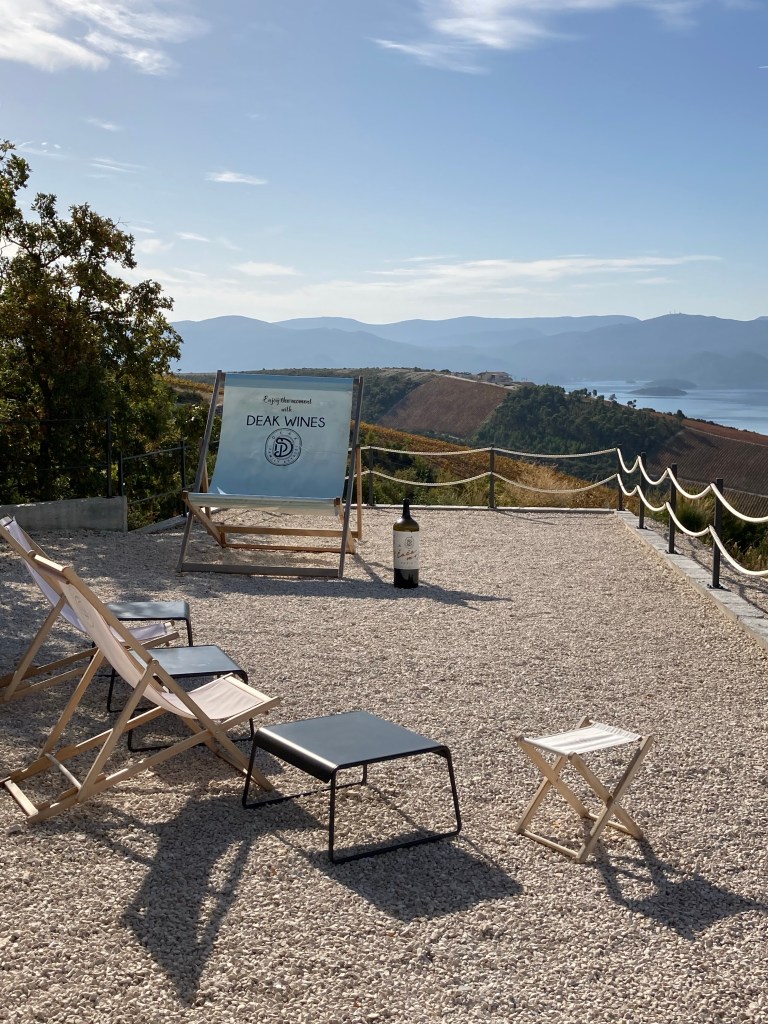
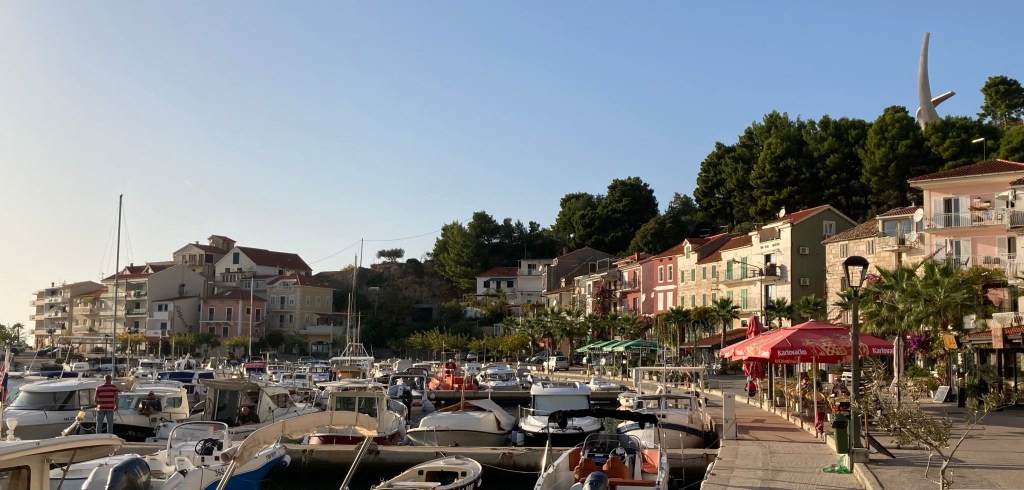
Driving down the scenic coastal road we came across a small wine tasting bar so obviously had to pull in for a taster or two. Continuing on our way three samples later we came across a small bay with a harbour and a couple of hotels at one end. Driving down into the village centre we found a free parking site adjacent the working harbour perfect for a couple of nights wild camping

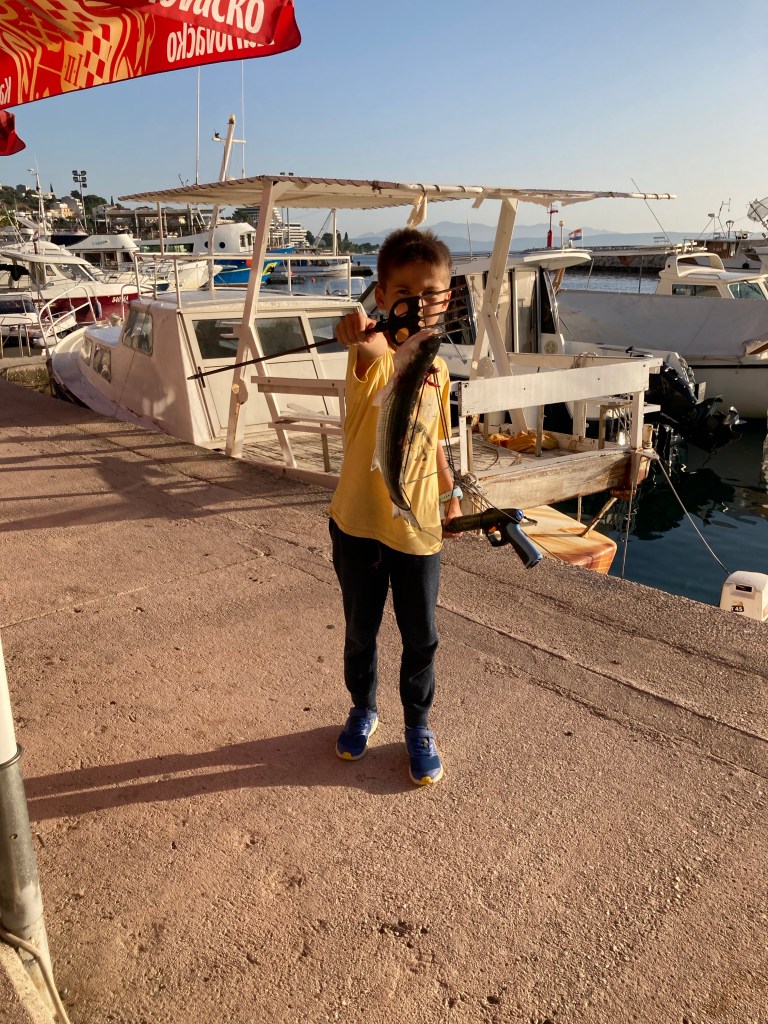
Our first night was spent with a drink at a harbour bar where locals were gathering before they set off to do their evening fishing. As we sat having our drinks a young lad came walking past our table speargun in hand. Within minutes he was back showing his grandad his prize catch. The next day we walked the length of the bay and around a headland into a picturesque collection of seafront houses before returning for a fish lunch and an afternoon on the beach. This time in Podgora was one of our best memories of Croatia.

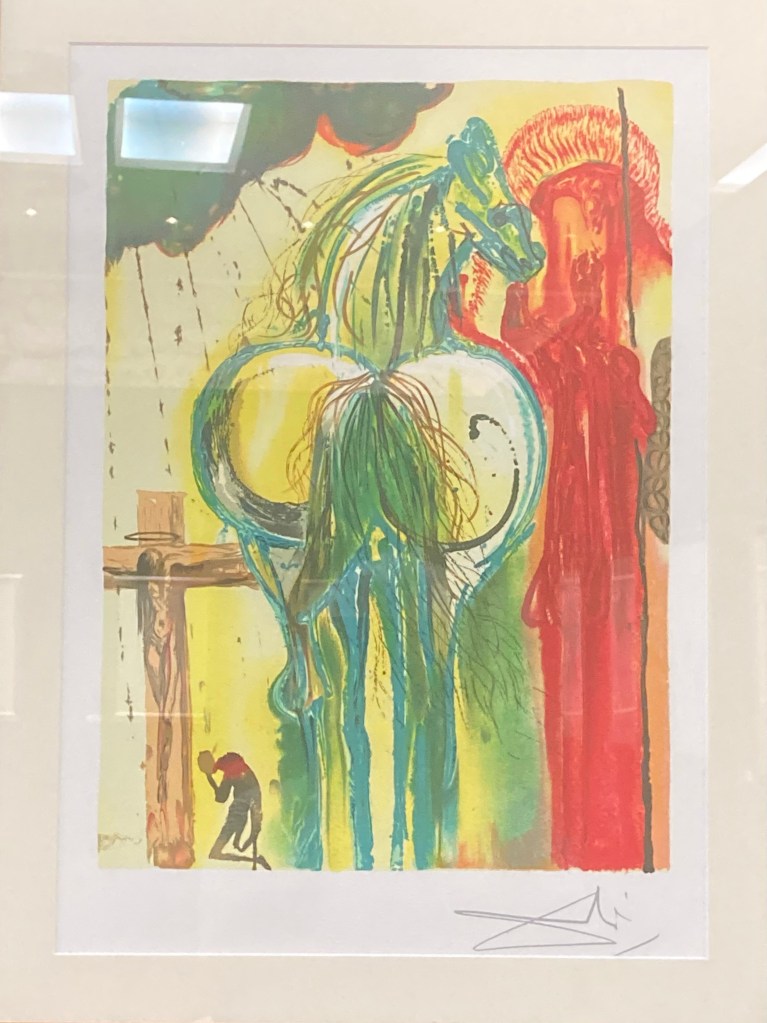
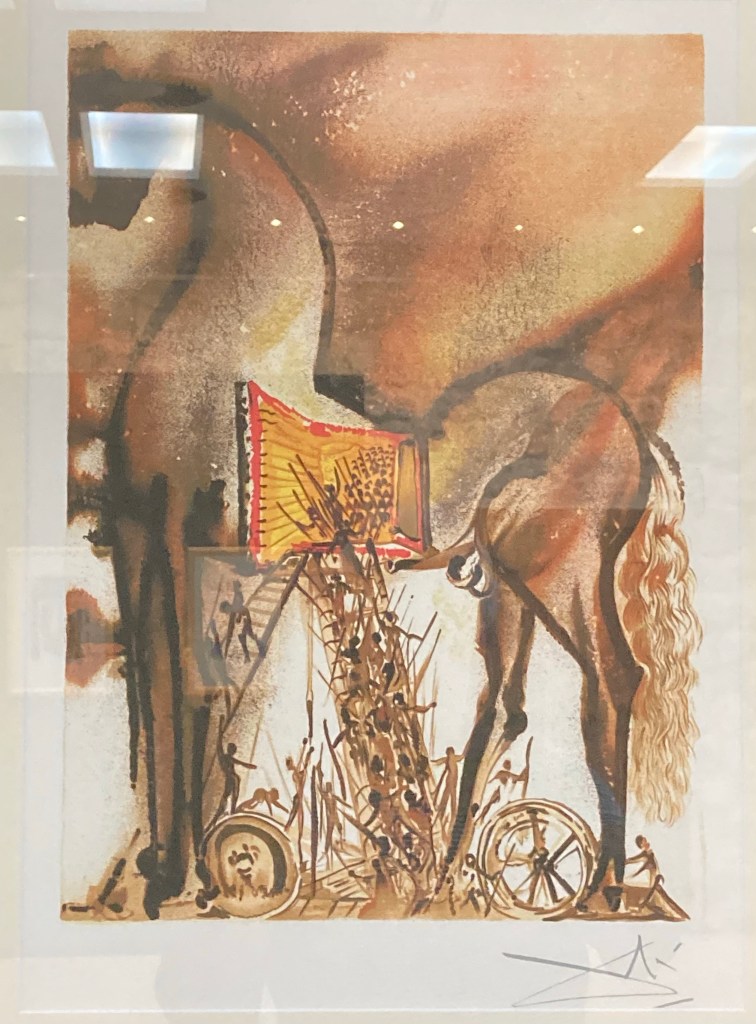
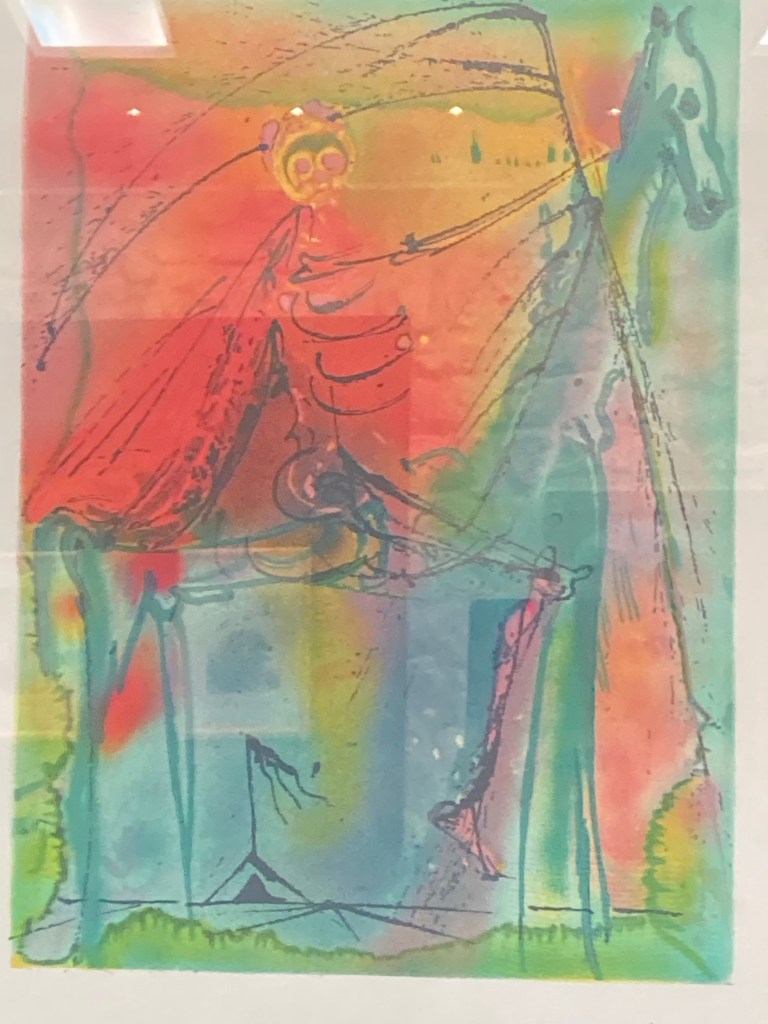
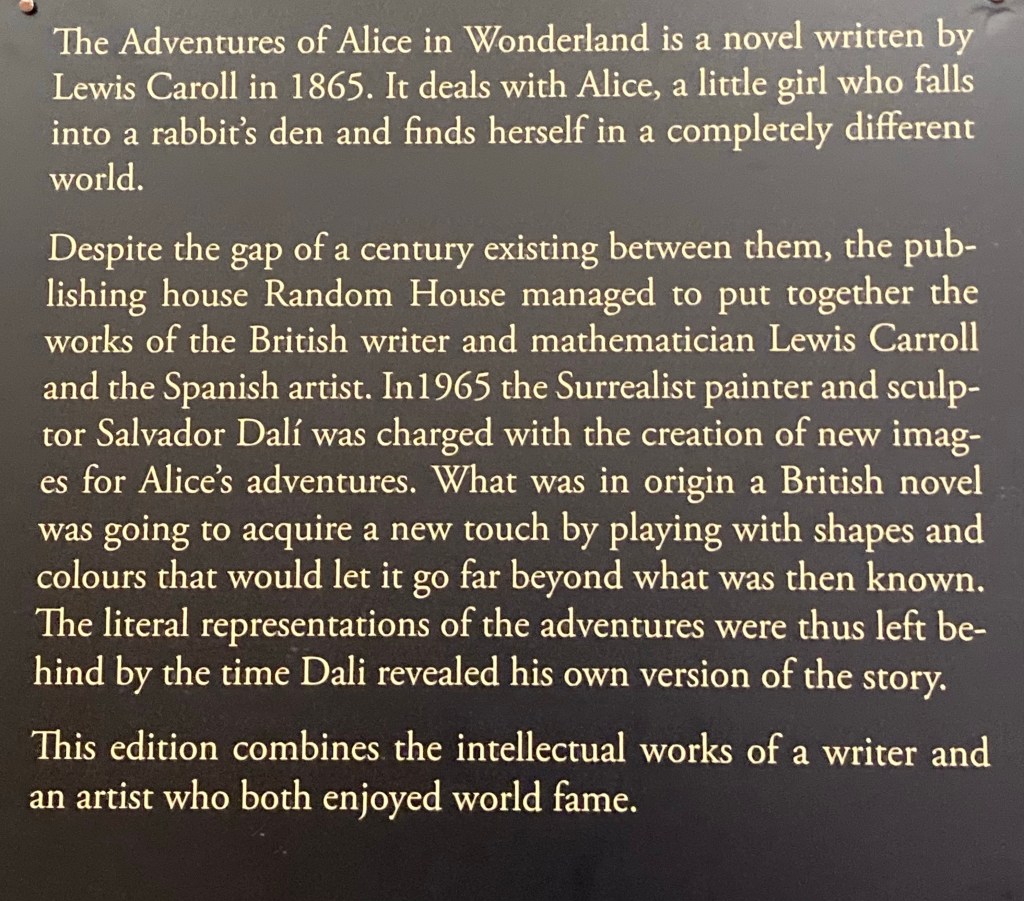
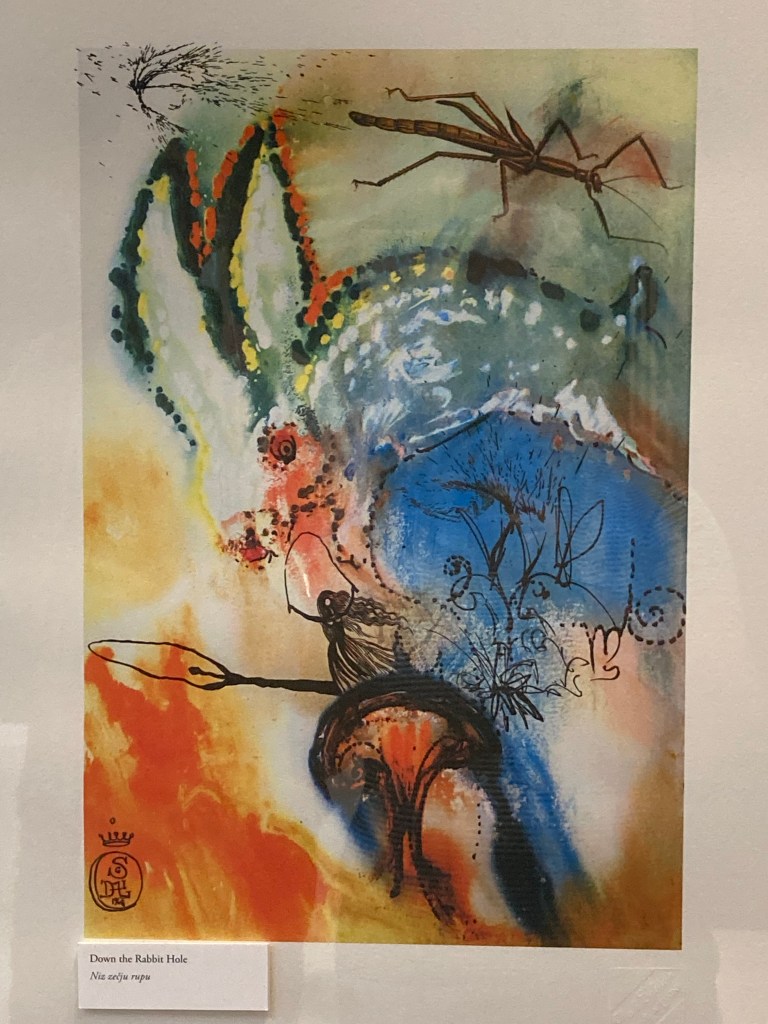
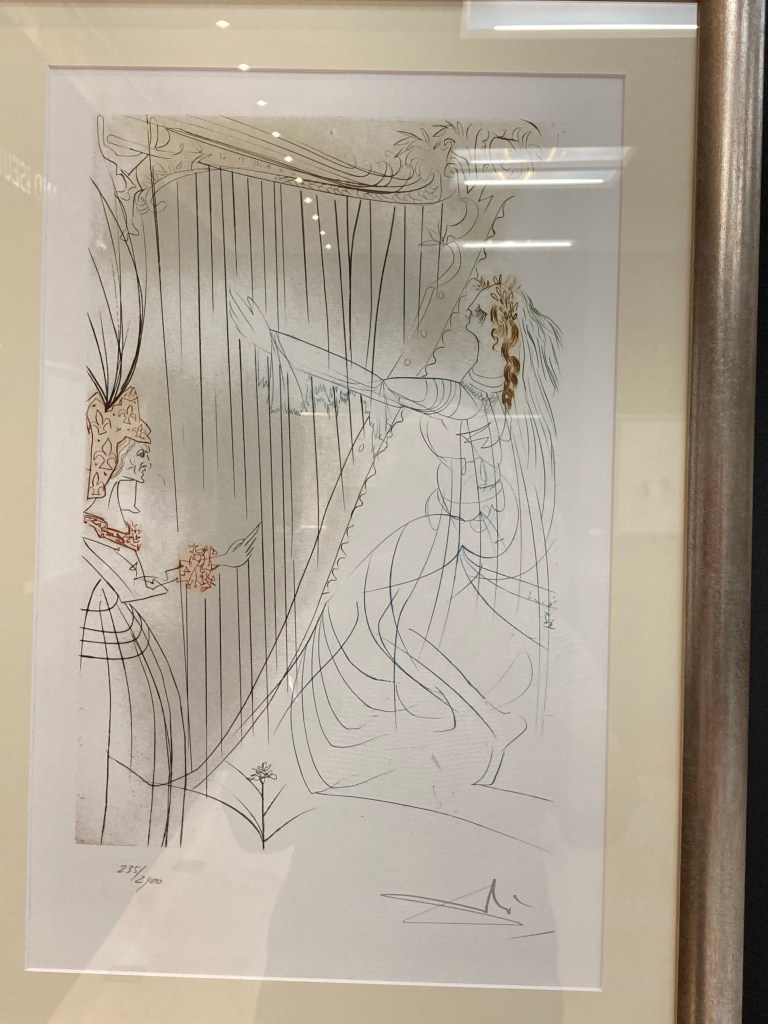
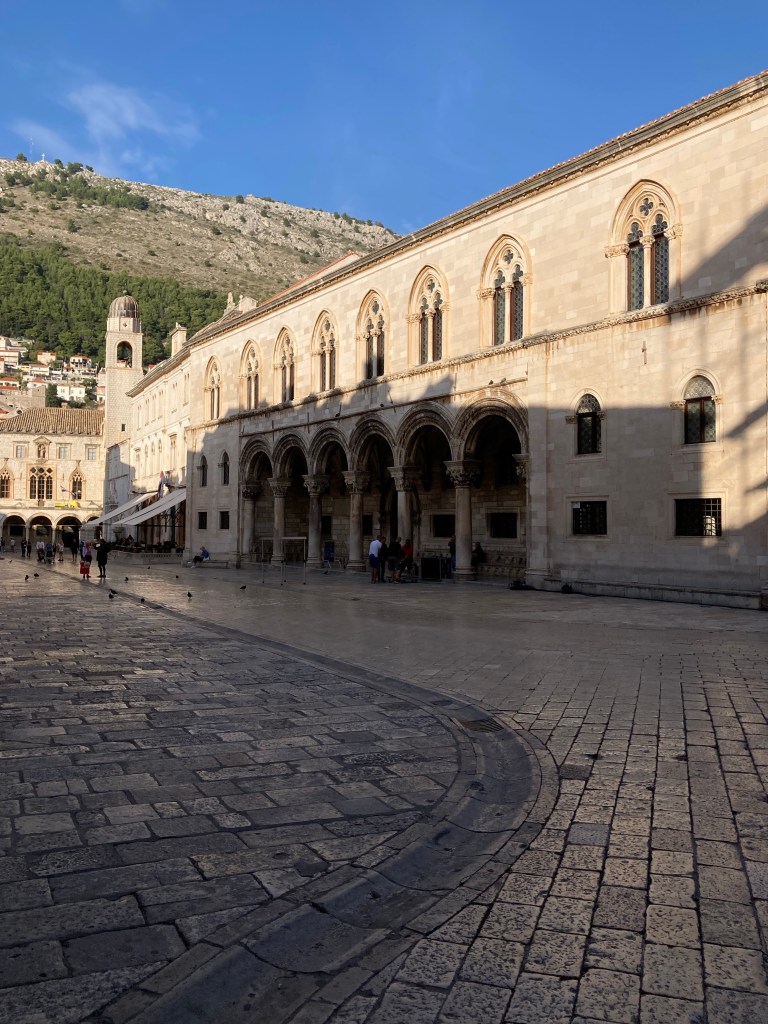
The old city of Dubrovnik is a fully intact walled town. Entering through the main gate you come upon a large plaza with a central fountain leading to a wide limestone paved avenue with typical narrower side streets on both sides. In the entrance area we were pleasantly surprised to come upon an exhibition of some of Salvador Dali’s work.

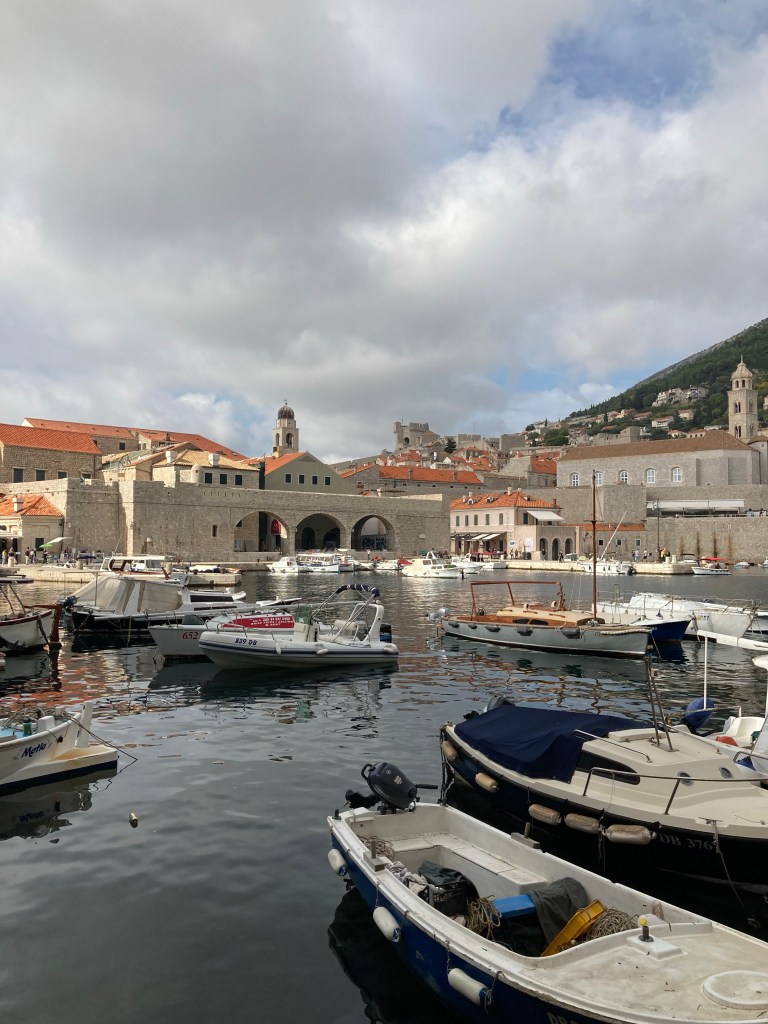
Dubrovnik like Split was also a major location venue for the Game of Thrones and yet the GoT commercial ventures was a small part of what the town had to offer making it a more pleasant experience. At the far end of town from the entrance was an Archway leading to the protected harbour

Zadar

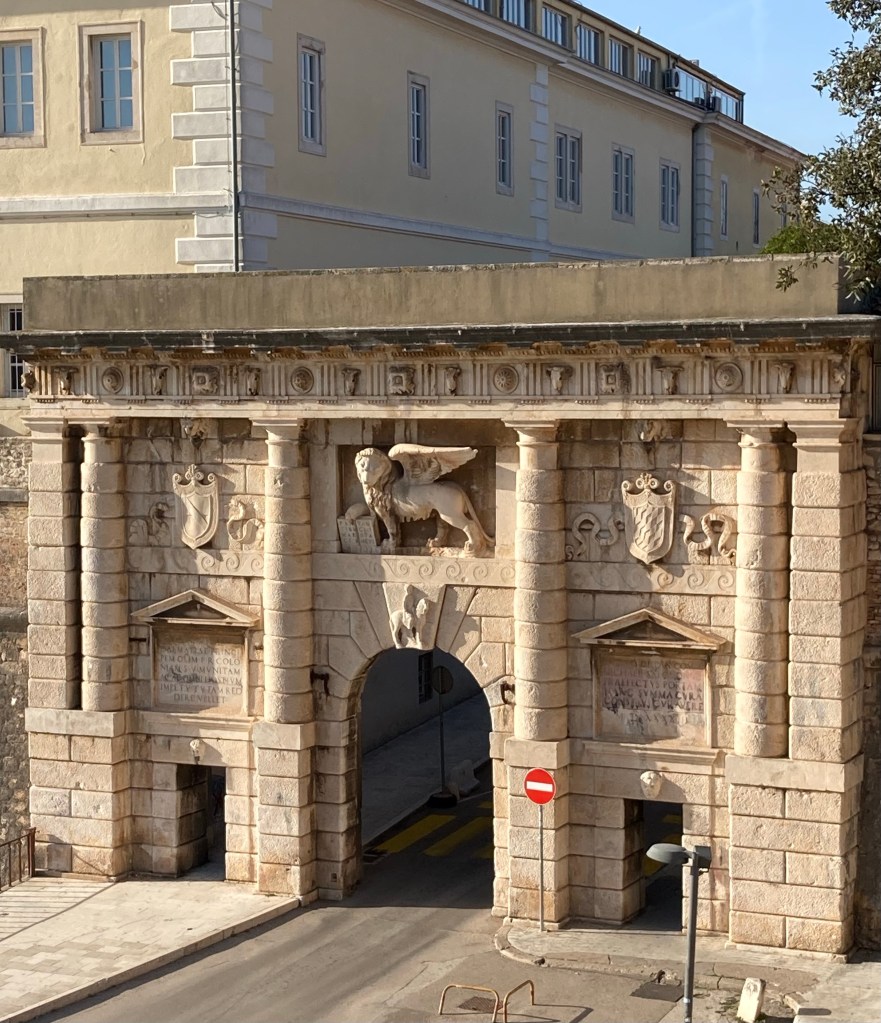
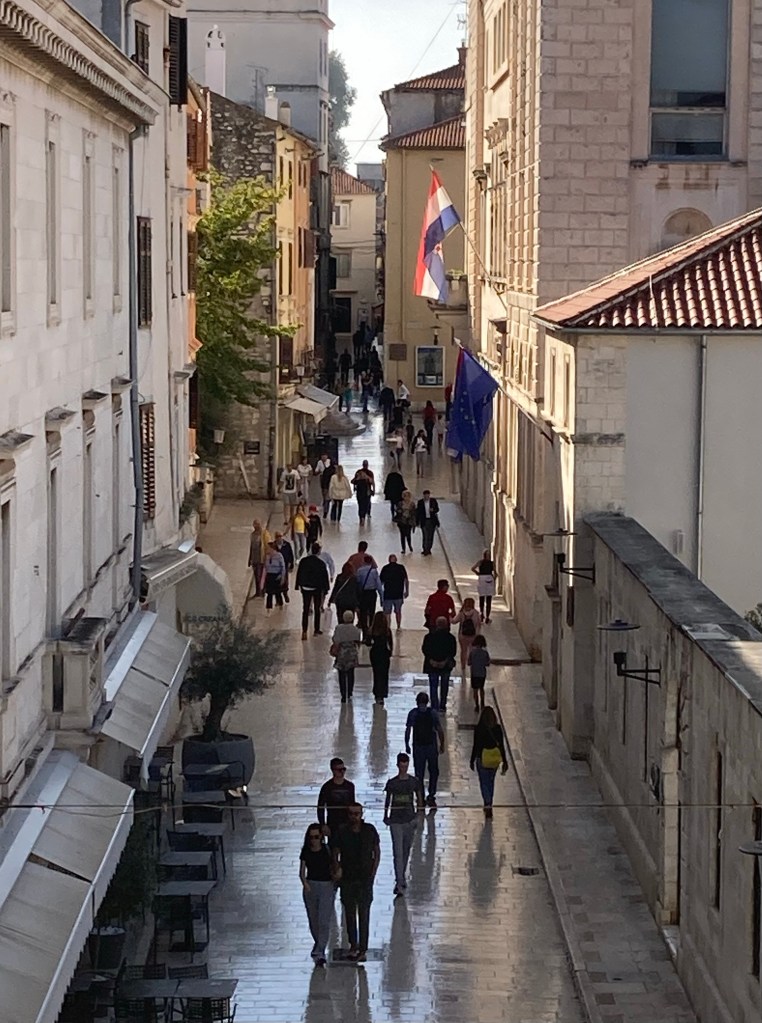
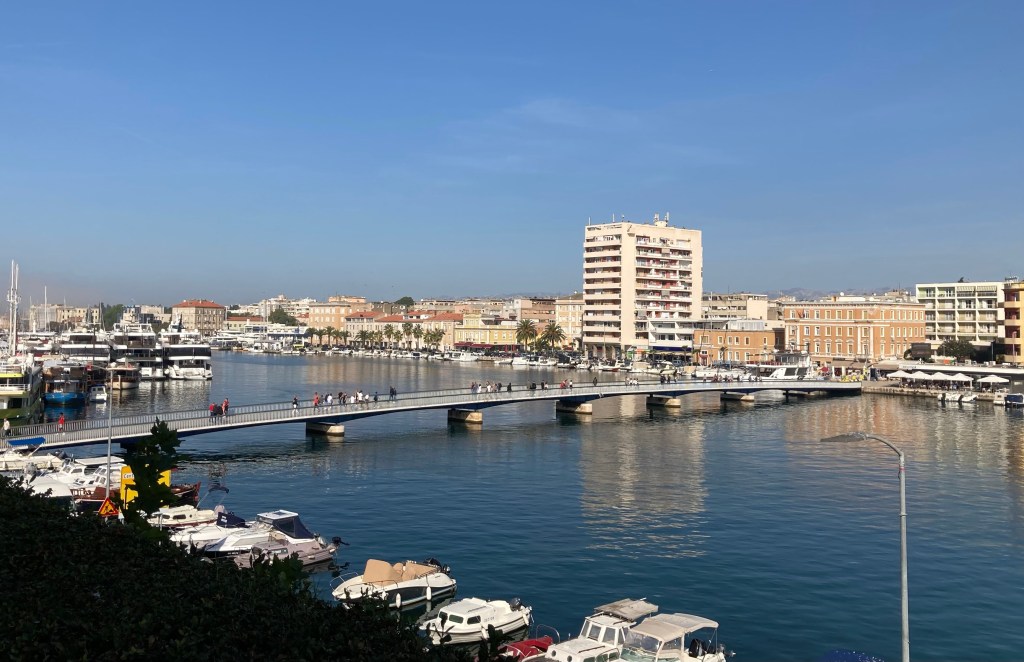
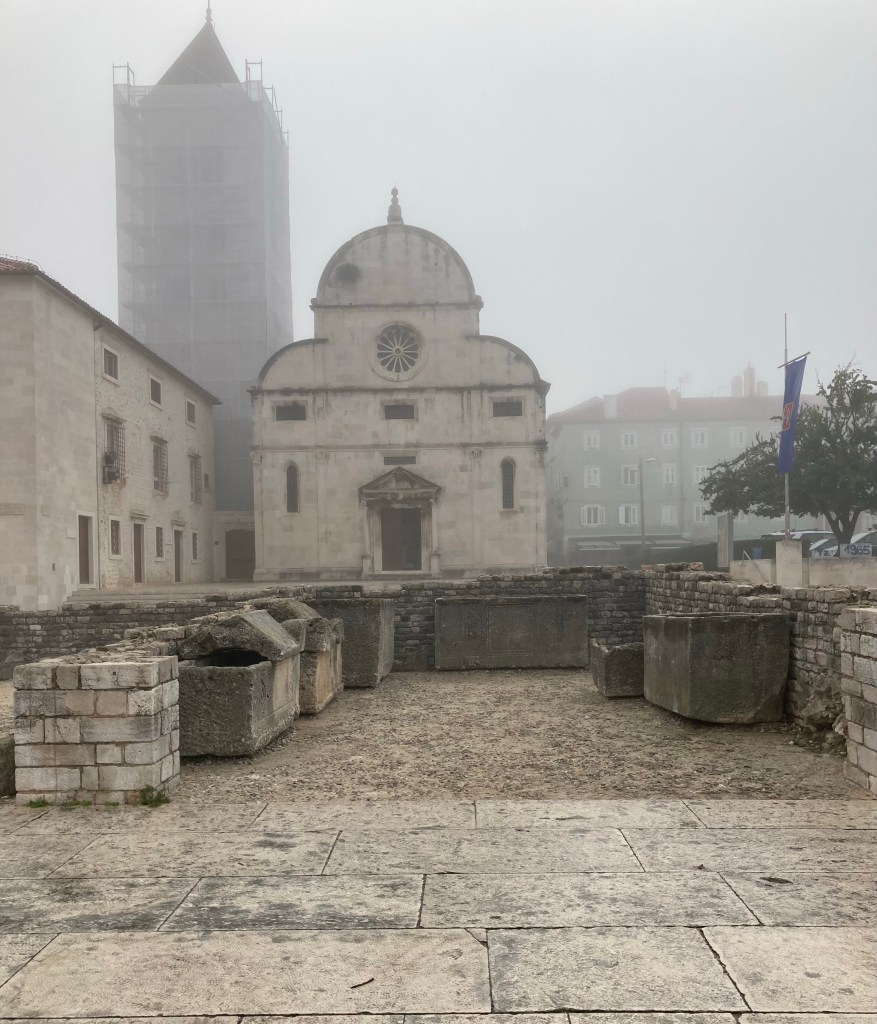
The oldest continuously inhabited Croatian city to which we were drawn to for its archeological museum. We were parked twenty minutes from the historical centre which initially gave the appearance of being an island accessed by an expansive footbridge that took you through the historical gate it was only at the end of the day having traversed the city and part of the historical wall we realised there was land access. The layout of the city was influenced by Roman rule and organised according to the typical Roman street system with a rectangular street plan, a forum, therme and a sewage and water pipe system in the form of a forty kilometre aqua duct. Despite having been heavily bombed during the Second World War and hit by Yugoslav rockets in 1991 it has been rebuilt and restored and is now a very attractive traffic free city.

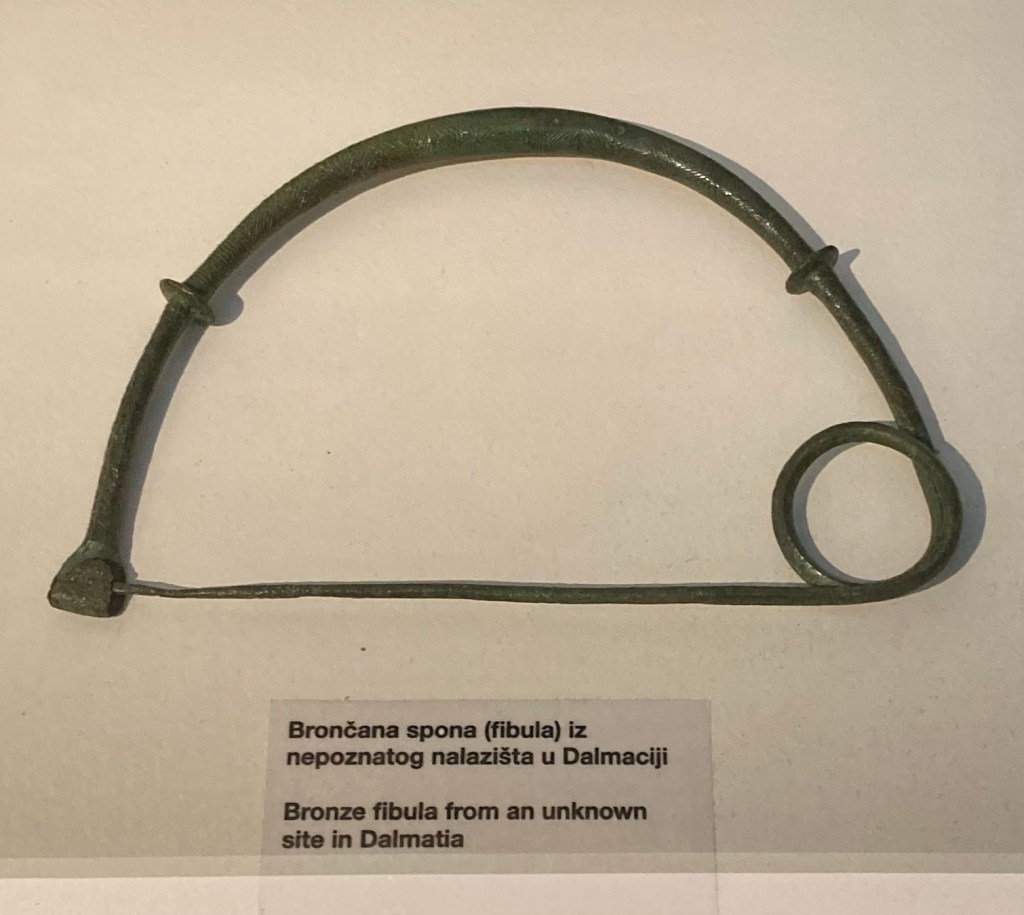
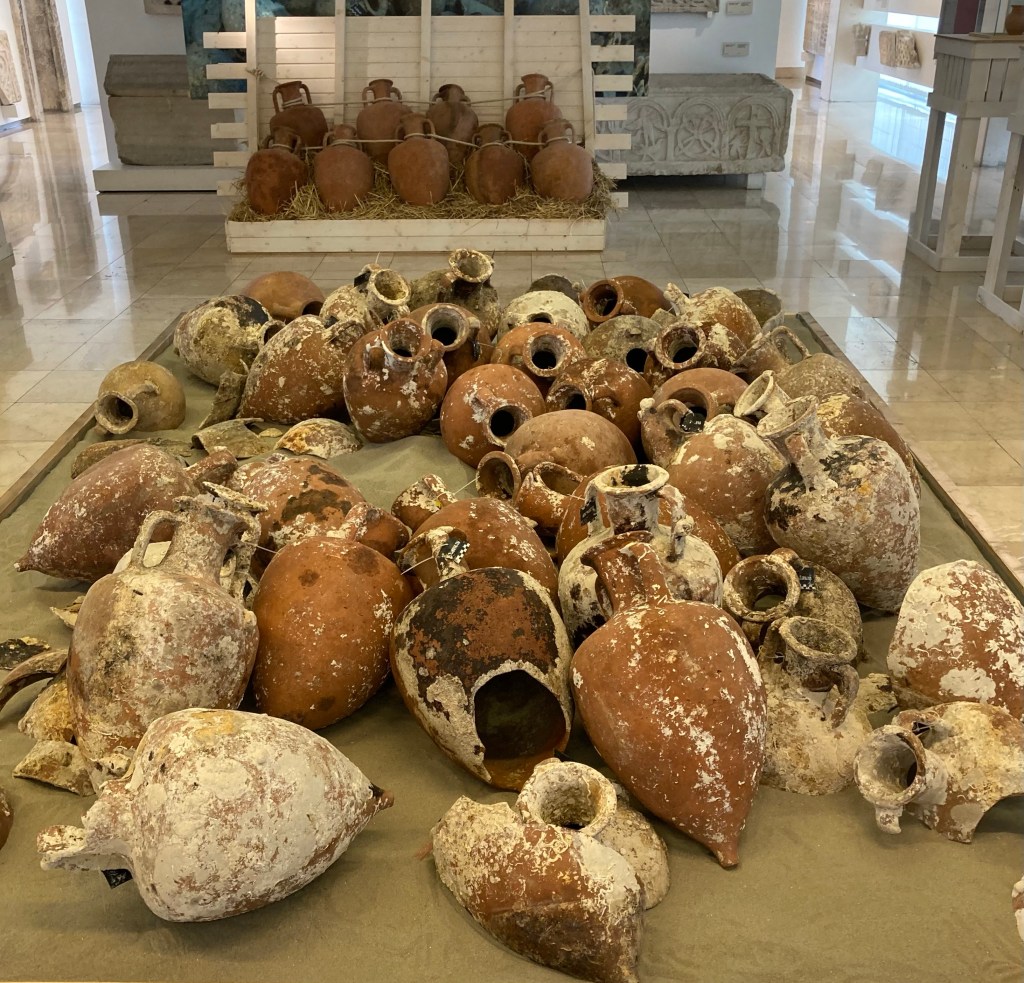
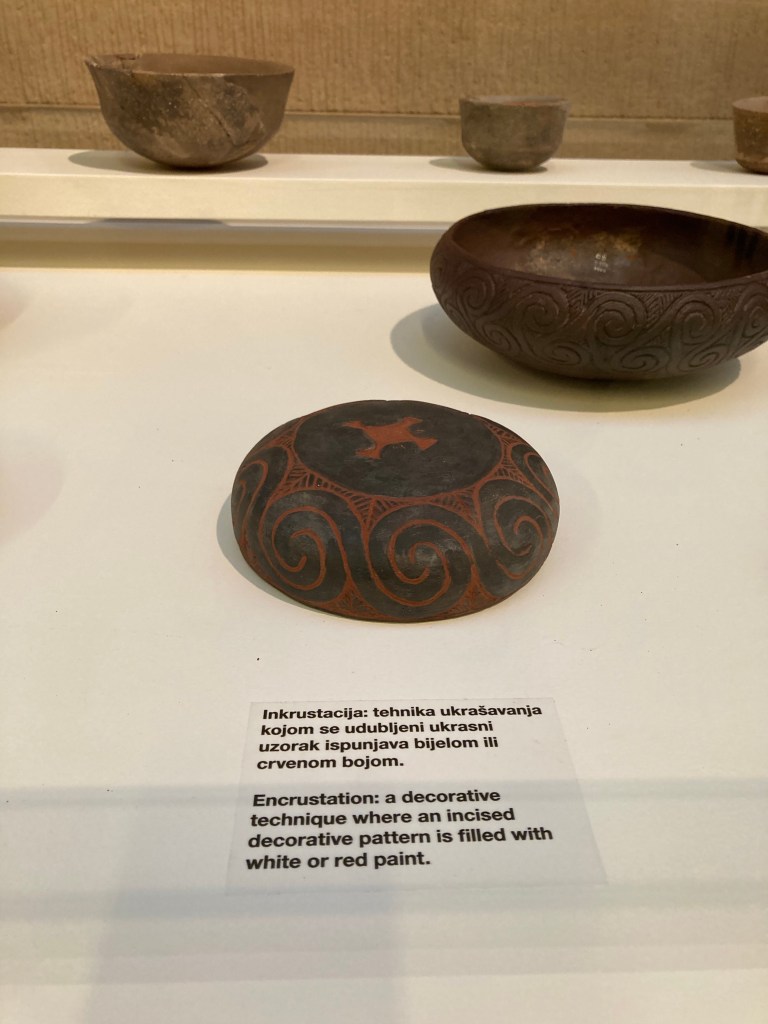
The archaeological museum was sited in a modern building occupying one side of the ancient forum. Spread over three floors was an extensive collection from the Neolithic period through the Roman occupation to the development of Croatian culture under the Byzantines. But it was the way the artefacts were chronologically laid out that made it easy to follow the historical journey also helped by the spacious display of the exhibits.It was one of the best museums we have visited and a must see for anyone visiting Zadar.

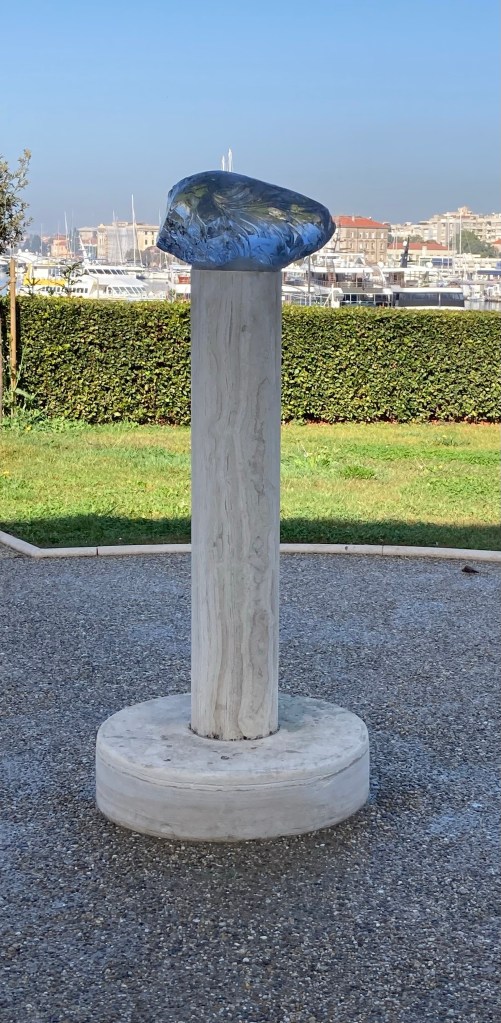
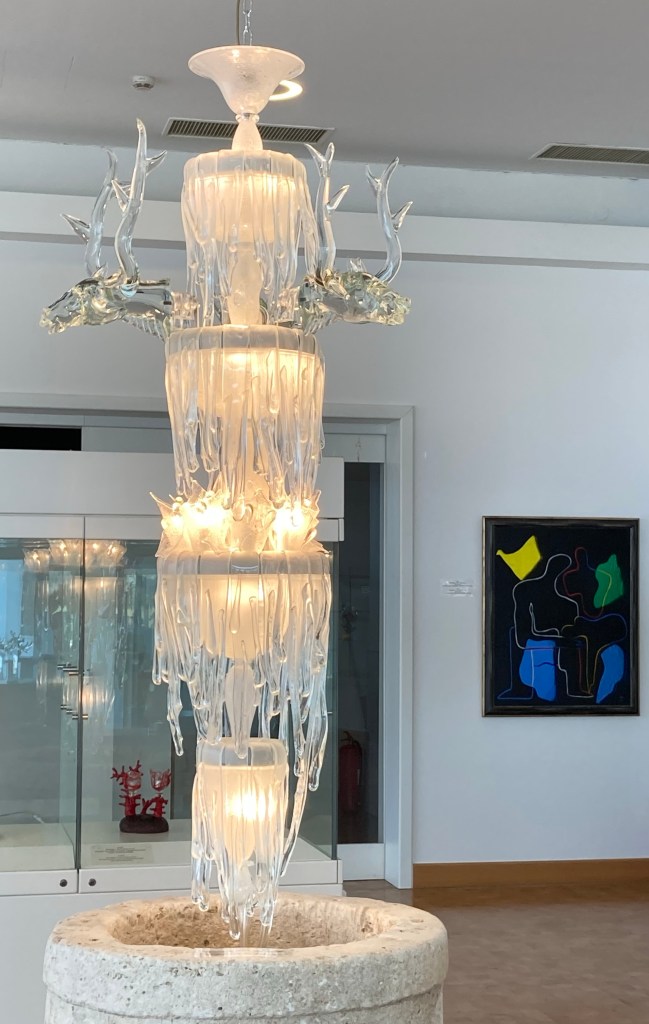
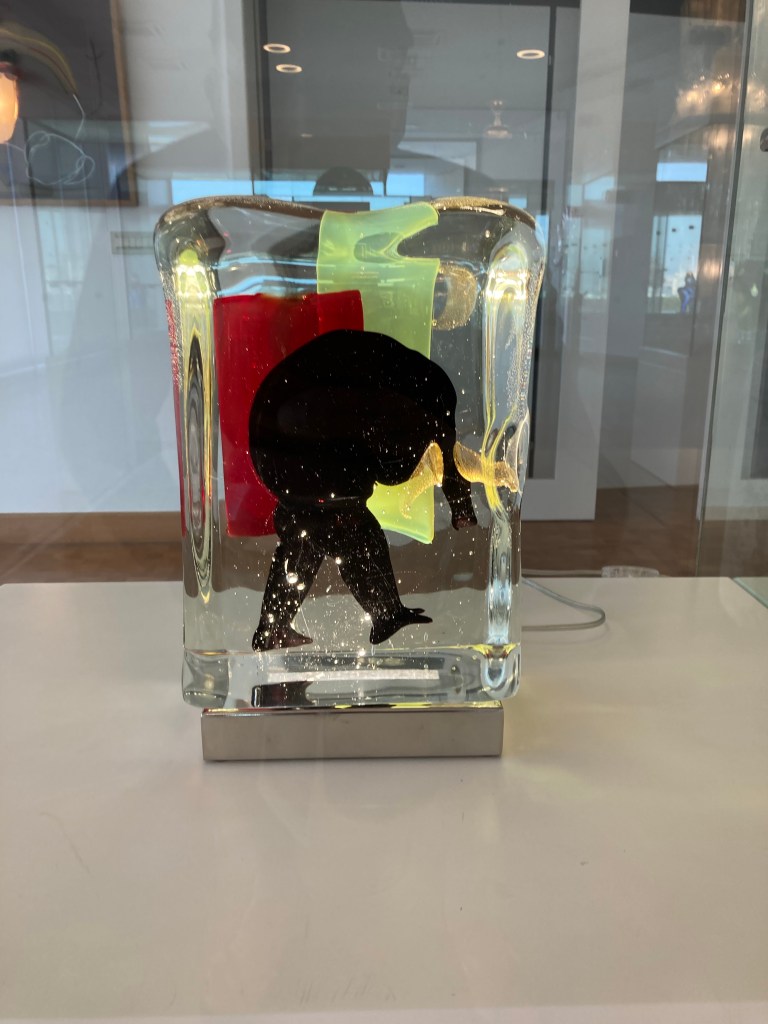
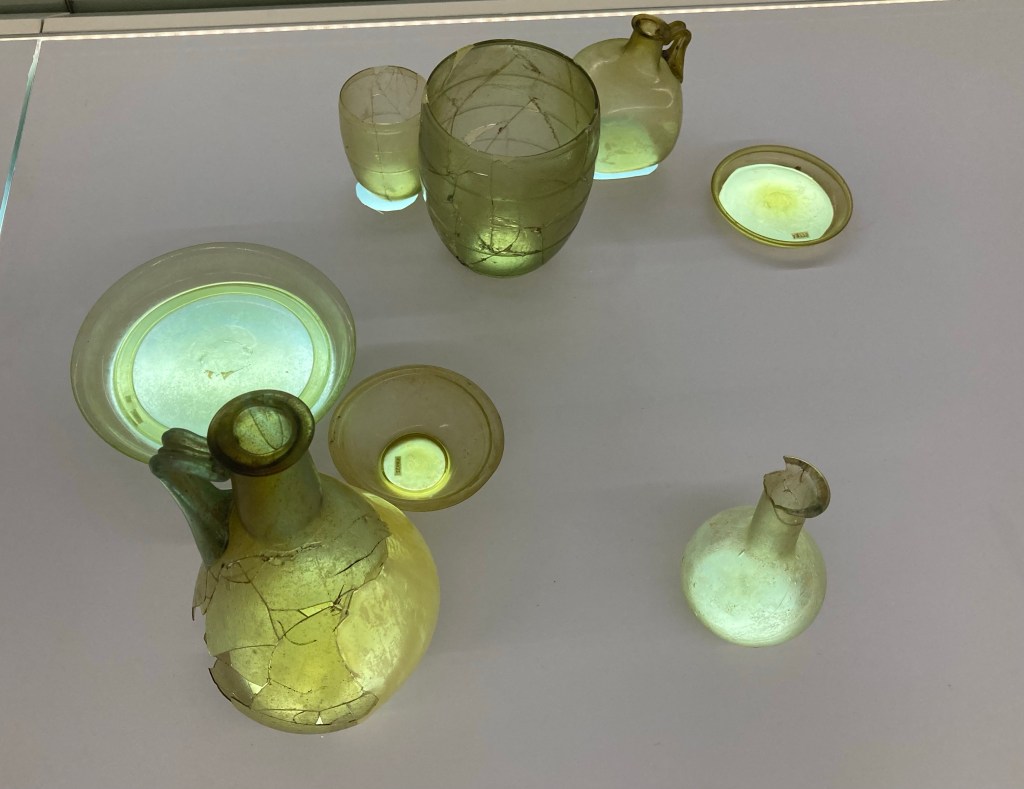
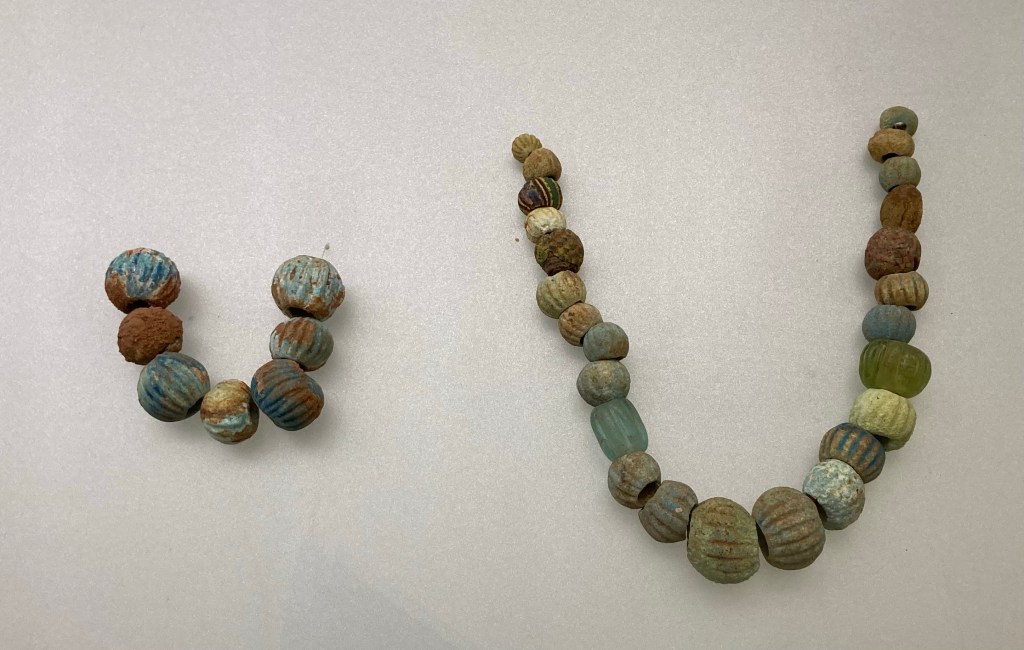
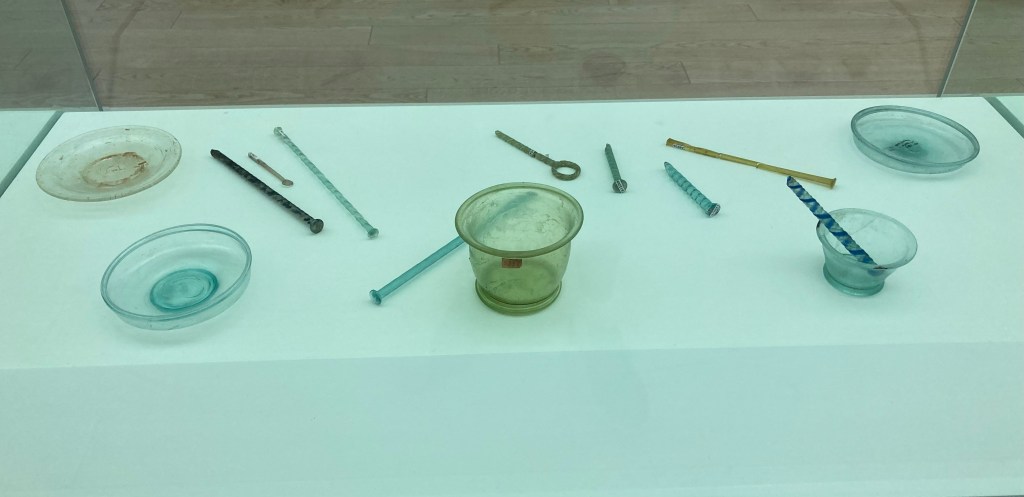
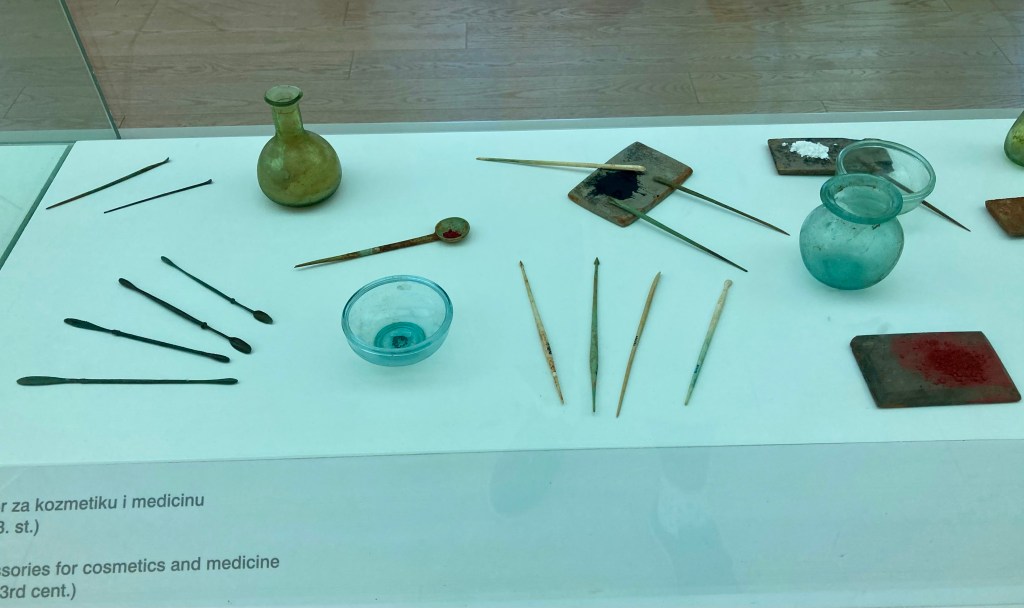
We also visited the museum of ancient glass which we came across by chance. It housed both ancient and modern glass, the oldest pieces going back as far as the 1st century BC.

For some light hearted entertainment we then went to a museum of illusions? where the exhibits aim to trick your confidences in your own senses as nothing is what it seems. The original concept was launched in Croatia in 2015 and has expanded to thirty cities across the world. It certainly achieved what it set out to do.

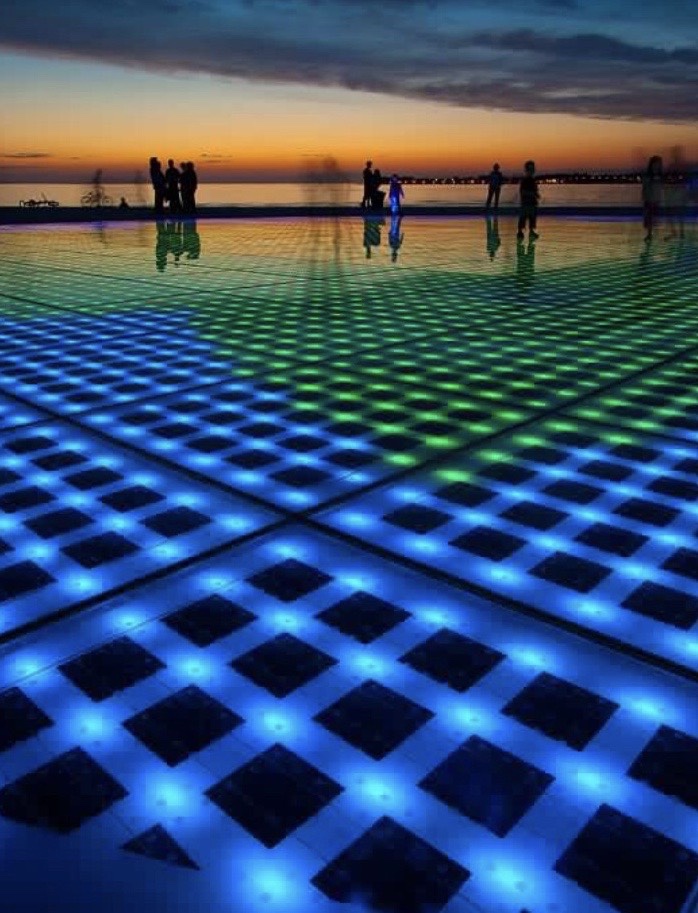
Part of our walk took us along the harbour where a large cruise ship was at anchor resting our weary feet we decided to sit and spend some time people watching. We then noticed a twenty two metre wide circle of glass set into the dock pavement which we initially thought were solar panels but could not fathom what they feeding. After some research we found that the panels contain three hundred coloured light modules to give a fantastic light show from sunset to sunrise and it collects enough energy during the day to power not only the light show but the entire harbour front lighting system. Wow!

The Istrian coast

There is a strong Italian influence in this area as at one time it was ruled by Italy between the two world wars and Italian is the second language for most Istrians . It’s landscape is very similar to the Tuscan hills of Italy dominated by Olive trees and Vineyards. It’s coastline broken with small islands and inlets provides seafood in abundance and a holiday Mecca for all types of water sports.

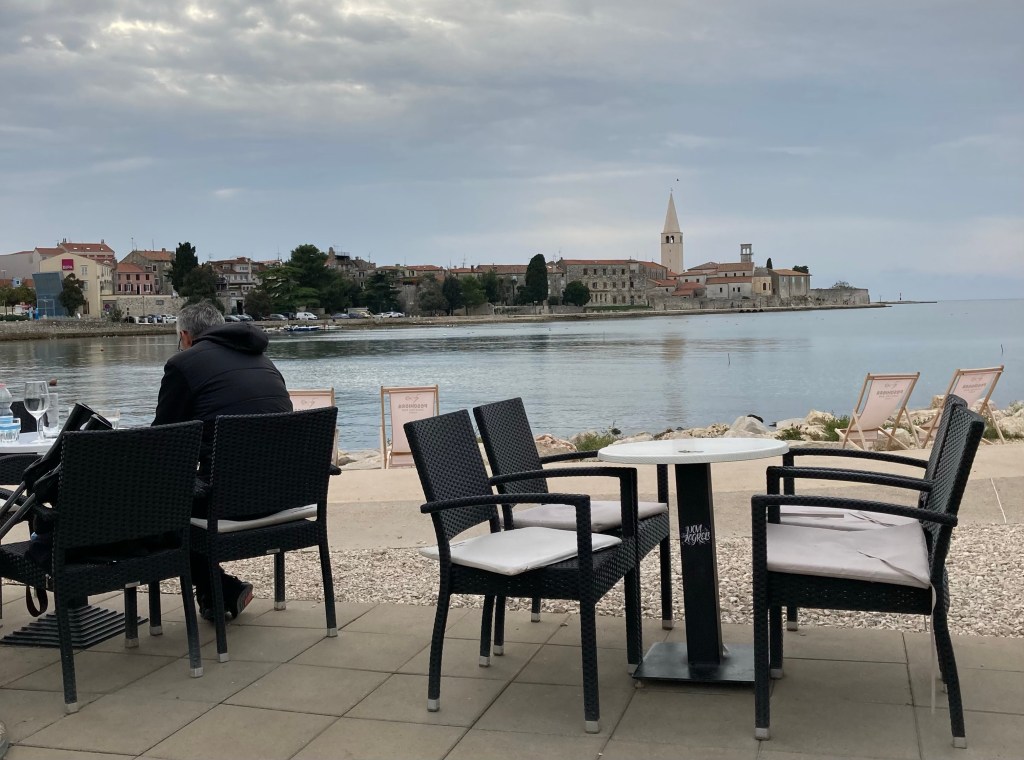
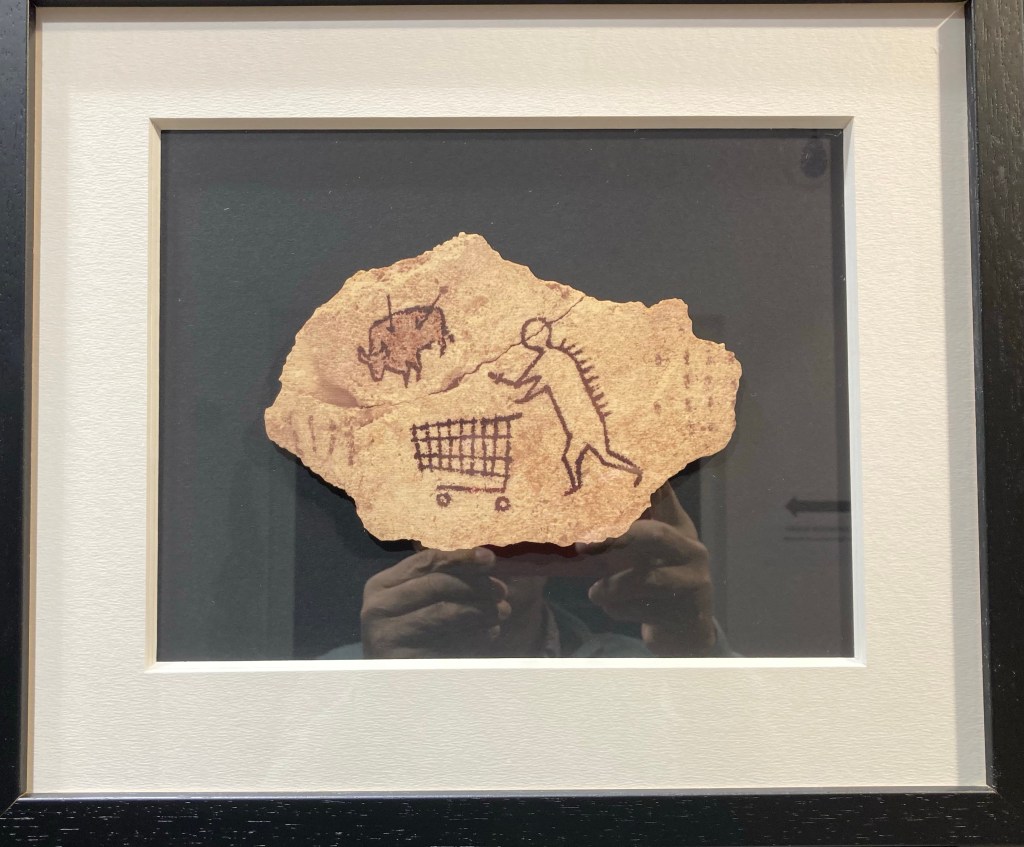
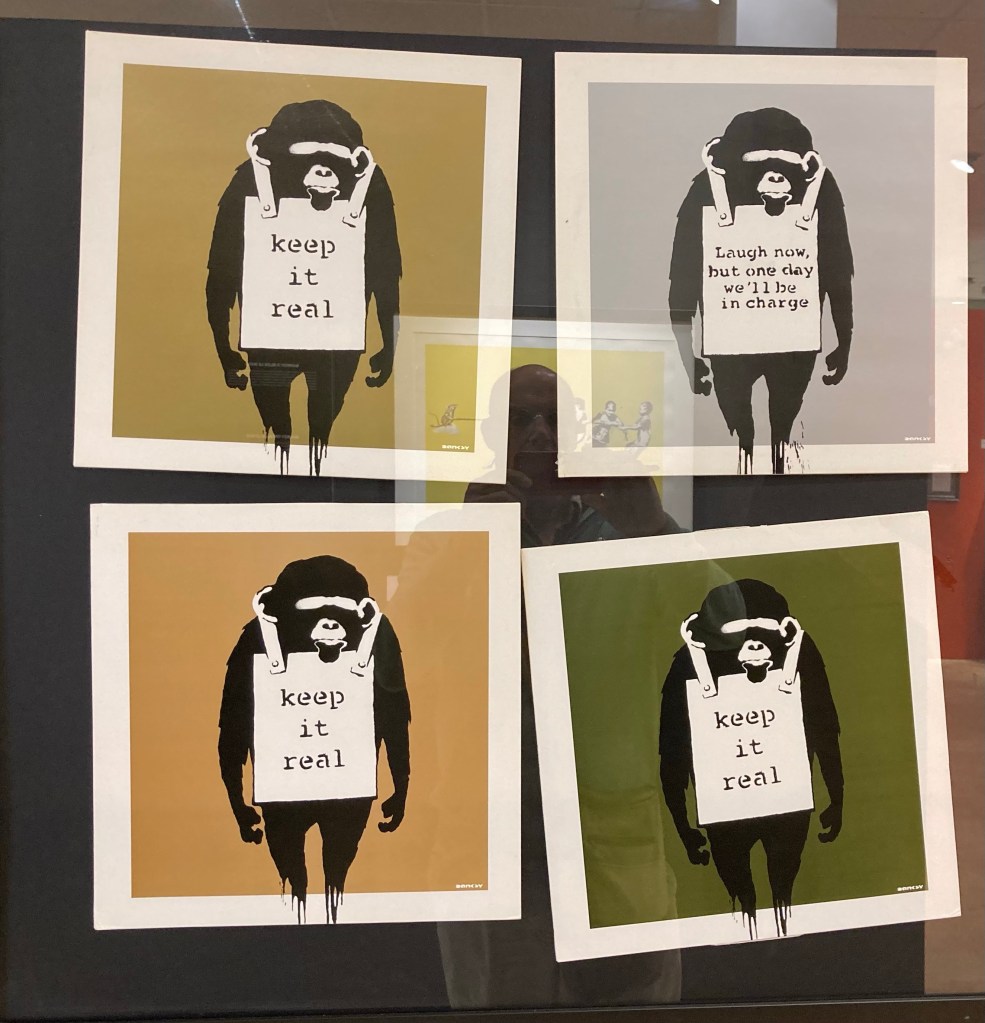
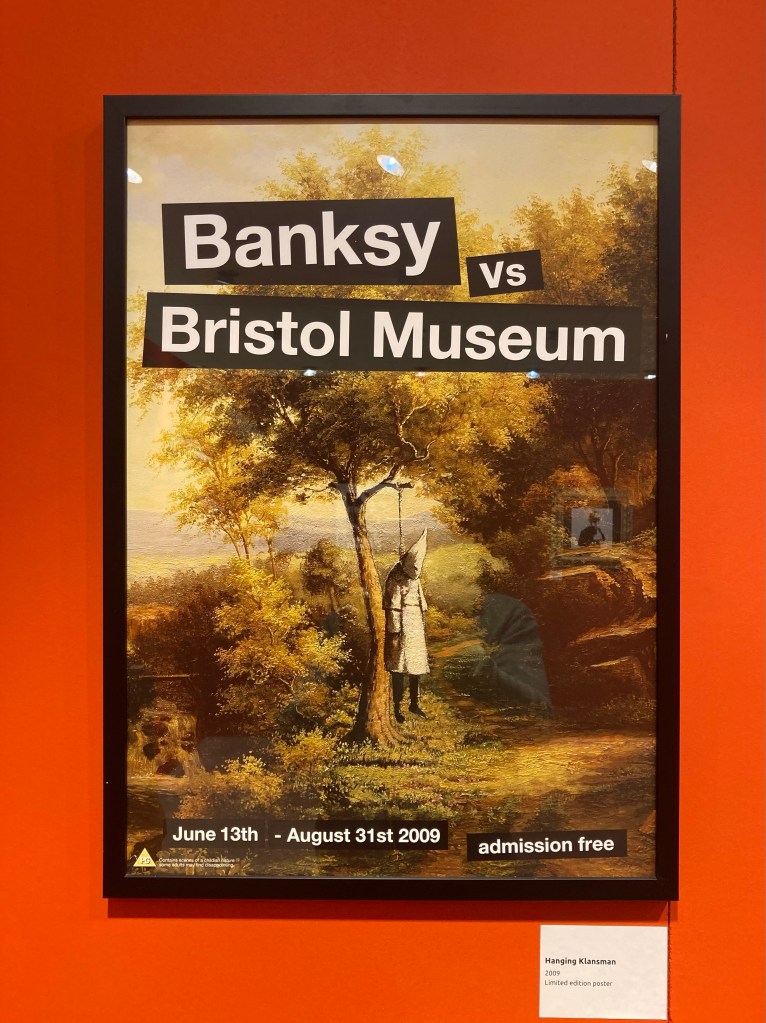
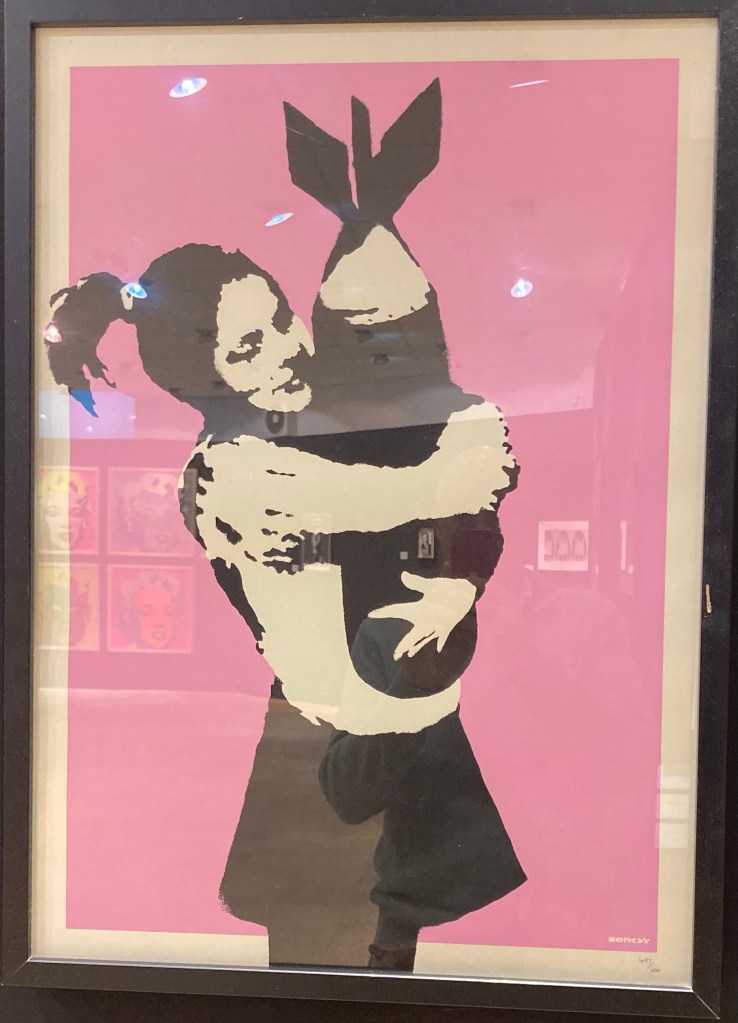
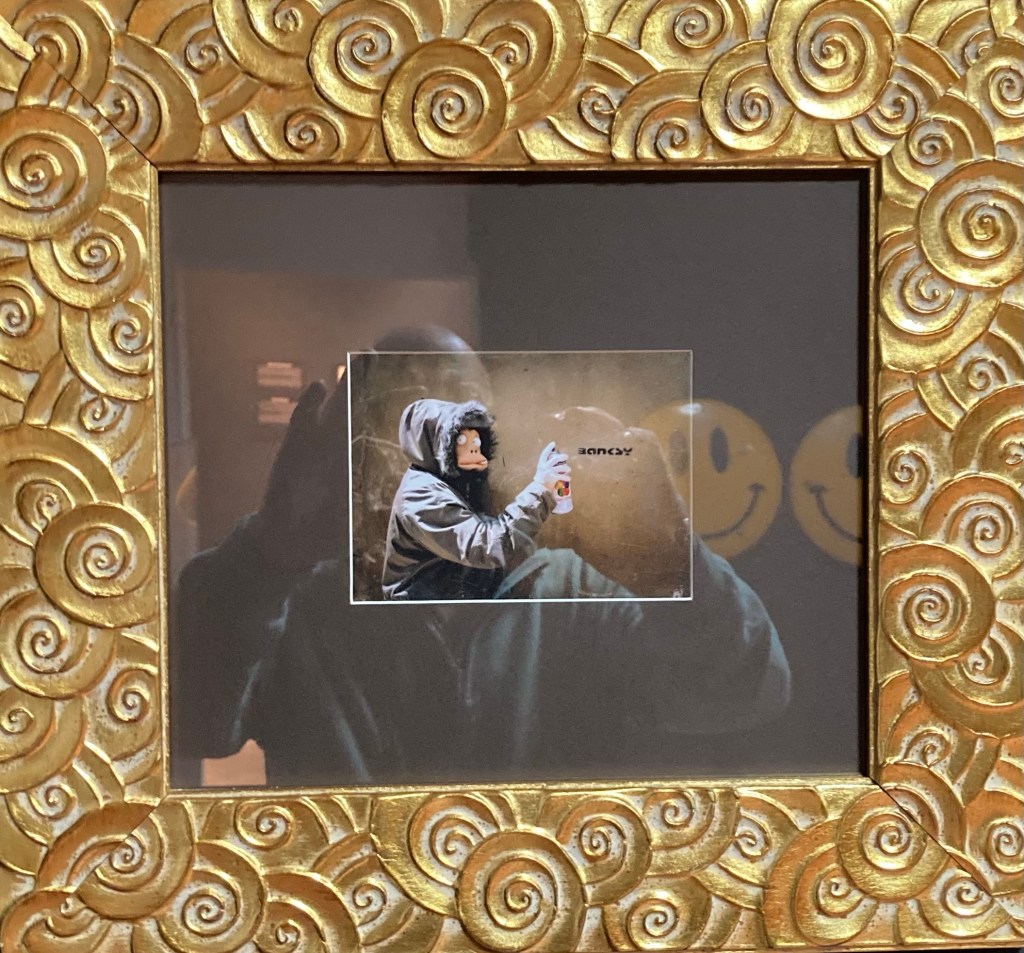
Our first evening in Porec we were parked on the outskirts of town and after a 20minute walk were sitting having cocktails and beers at a beach bar looking across the bay towards the old town. Feeling hungry we walked along the promenade and to our surprise stumbled upon a Banksy exhibition so obviously had to check it out.

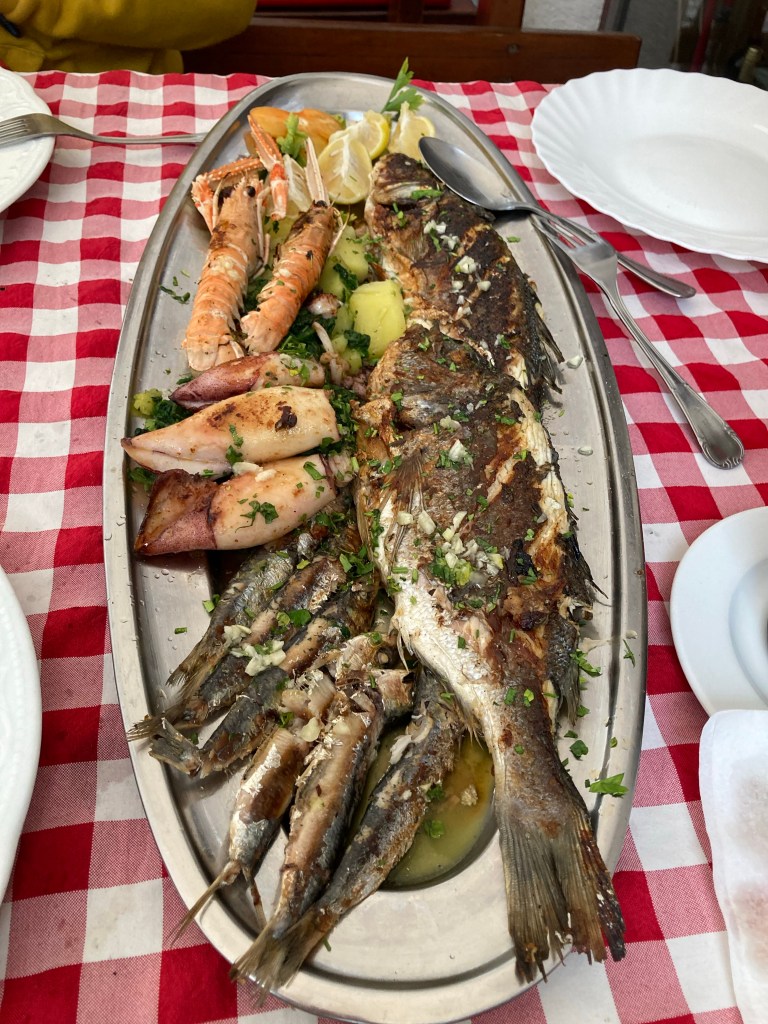
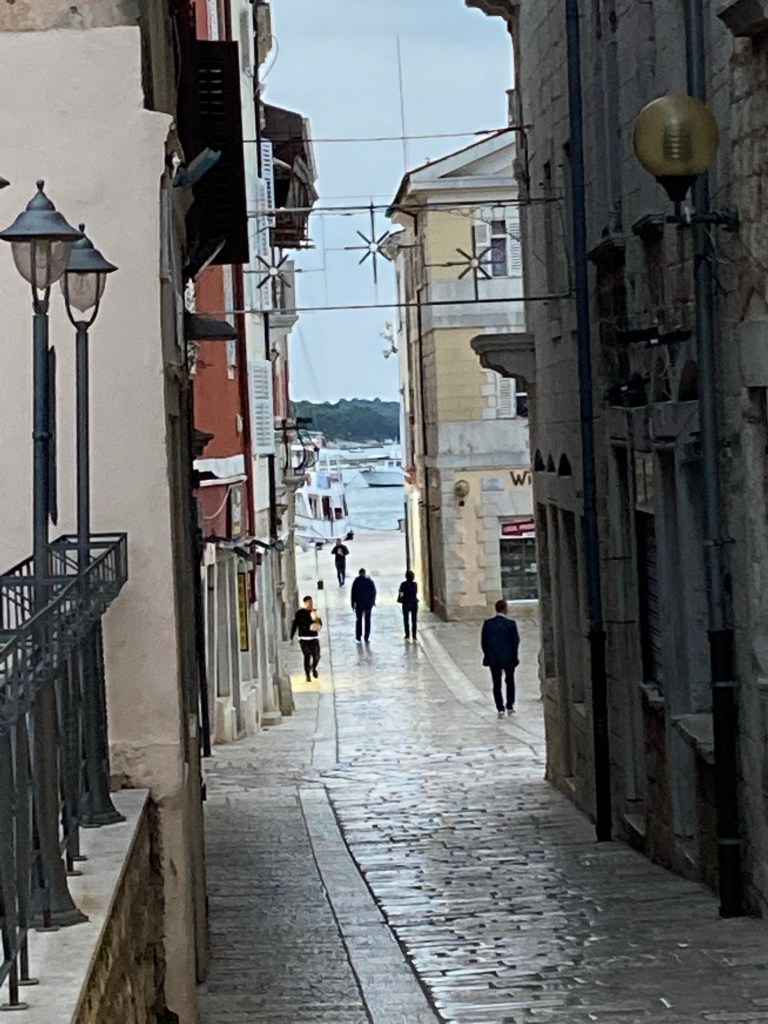
Afterwards we deliberately sought out a side street restaurant away from the mainstream tourist areas and found a little jewel of a restaurant with just one person doing the cooking and serving. Our mixed seafood platter for two was an excellent dish that showcased the Seafood of the Adriatic perfectly. Satiated we walked back through the quieter streets of the town getting slightly lost on the way.

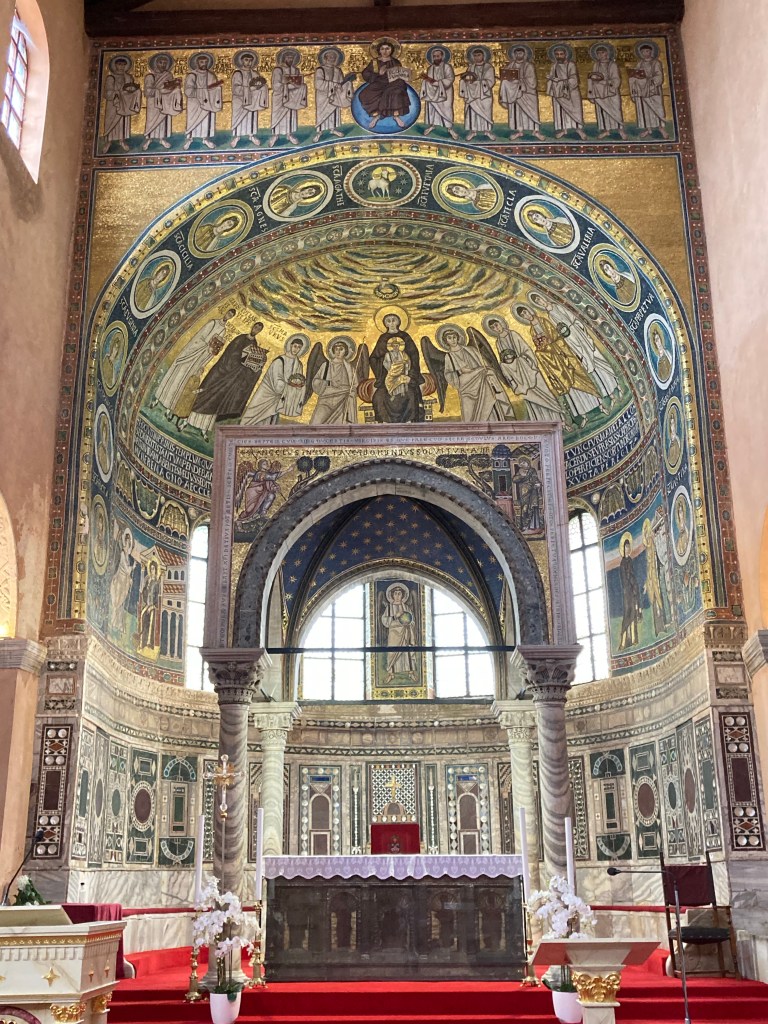
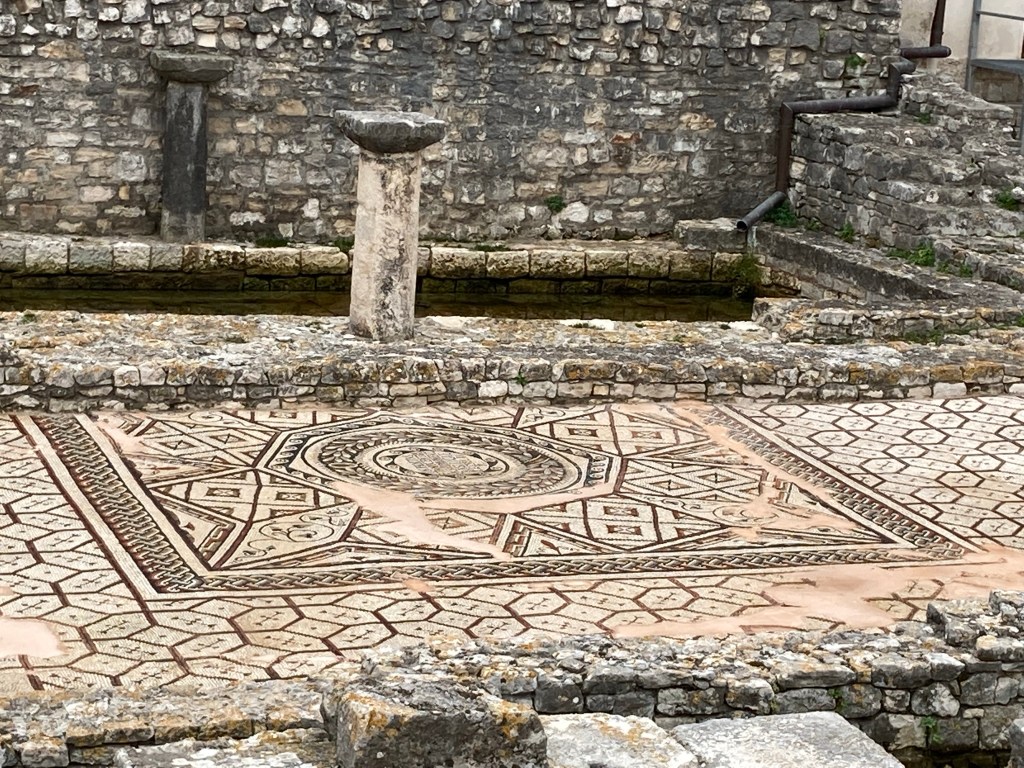
Next day returning to the old town we did the tourist trail taking in the Basilica and the Roman temples.

Our next destination was going to be Rovinj but some fellow travellers had mentioned a town called Vrsar was worth a visit so decided to visit on our way. Unfortunately three quarters of the way there we heard a scraping noise and thinking one of our stabilisers had dropped down we pulled over at the first opportunity. Only to discover the rear half of the exhaust had cracked and dropped. Luckily we had pulled off the road onto a private parking area for a restaurant which was closed for the season and as it was a Sunday with no garages open until the following day they allowed us to stay overnight. Monday morning saw the arrival of the local breakdown service who removed the dropped parts and organised a garage who could undertake the work of replacing the exhaust.

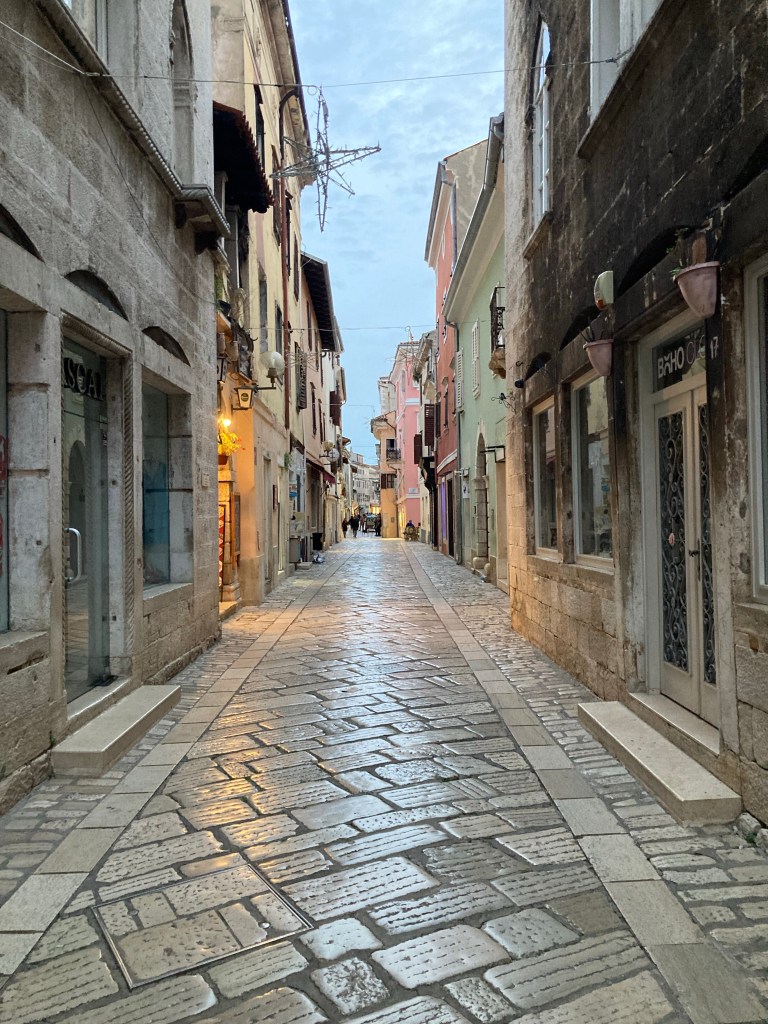
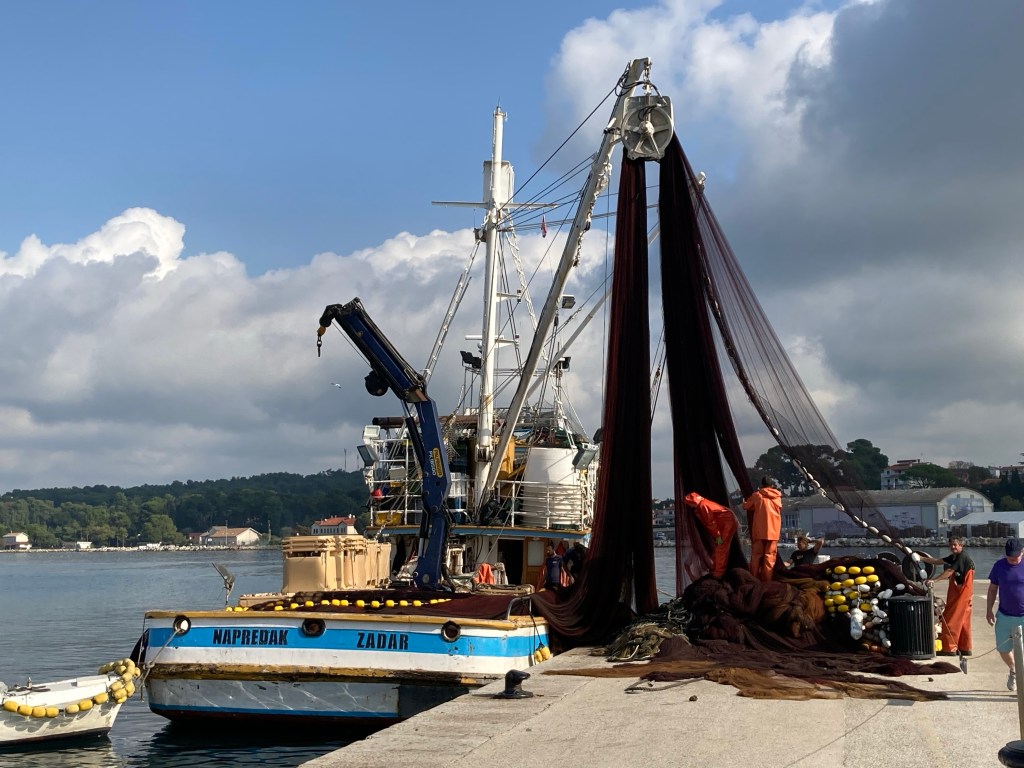
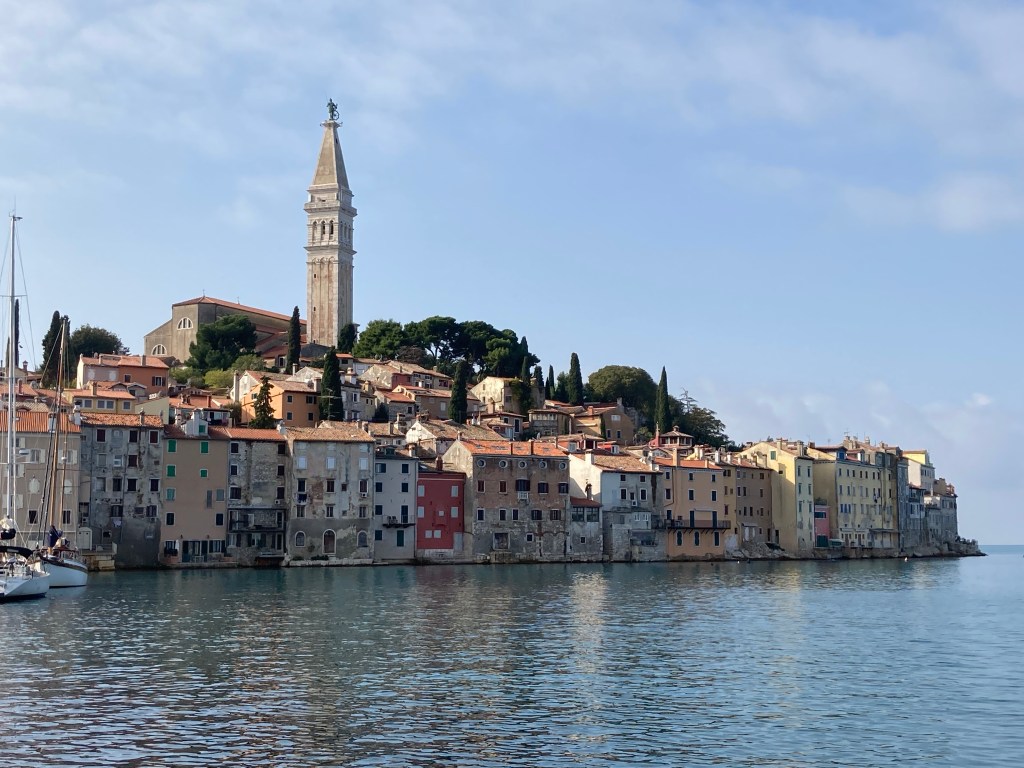
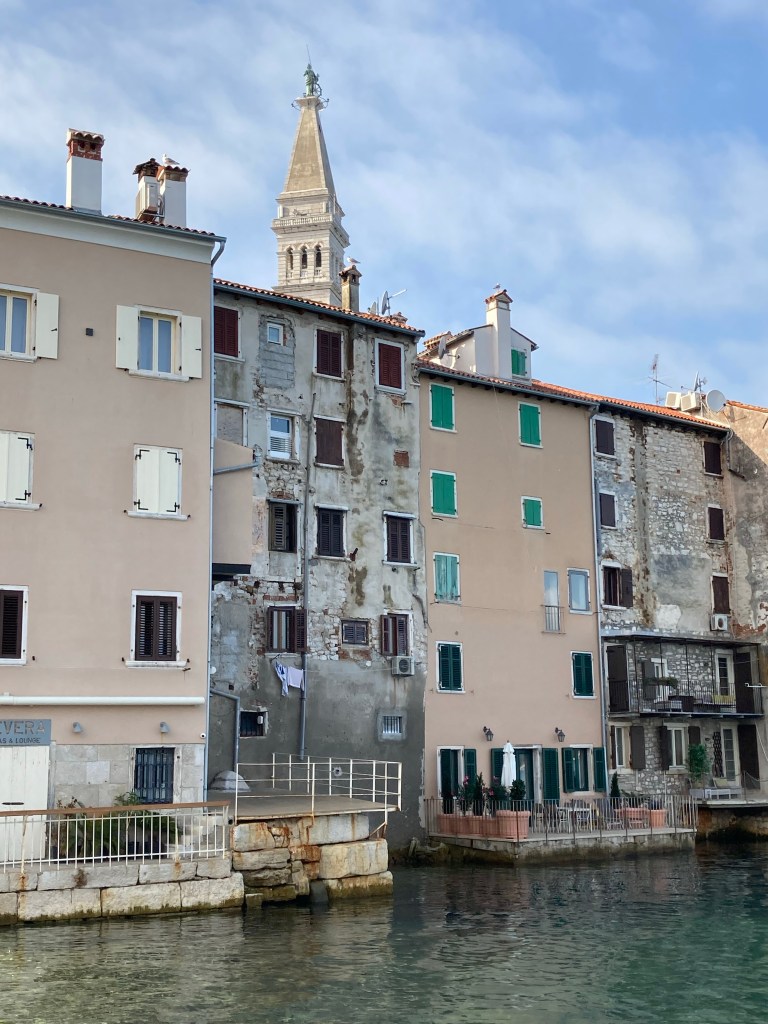
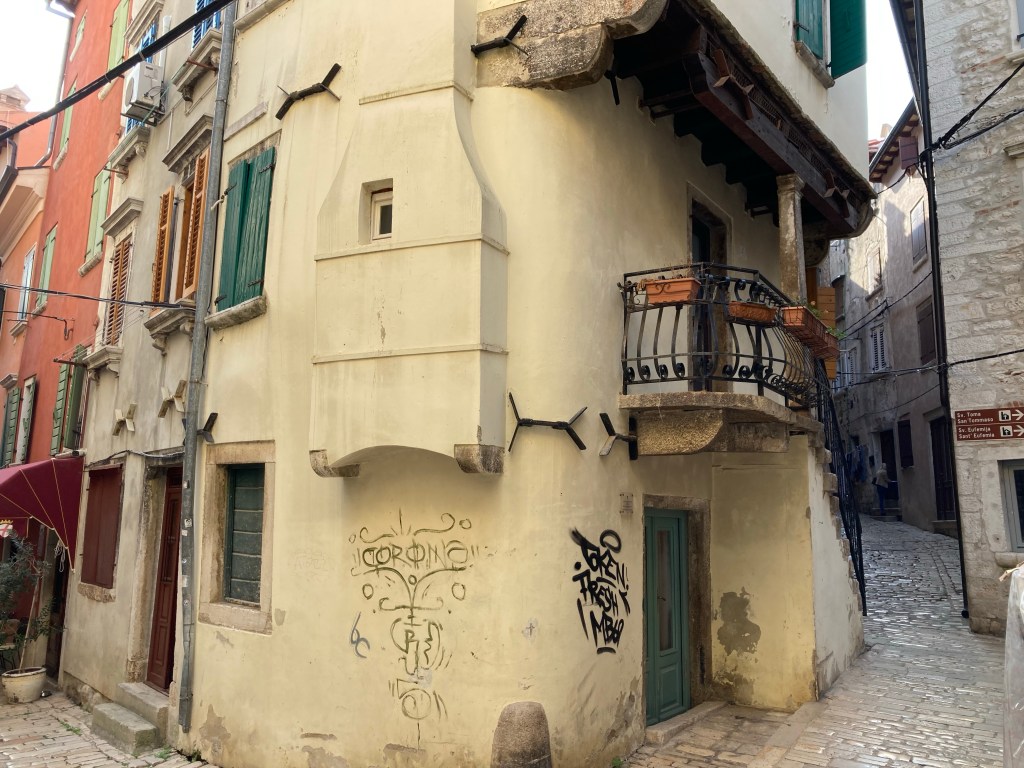
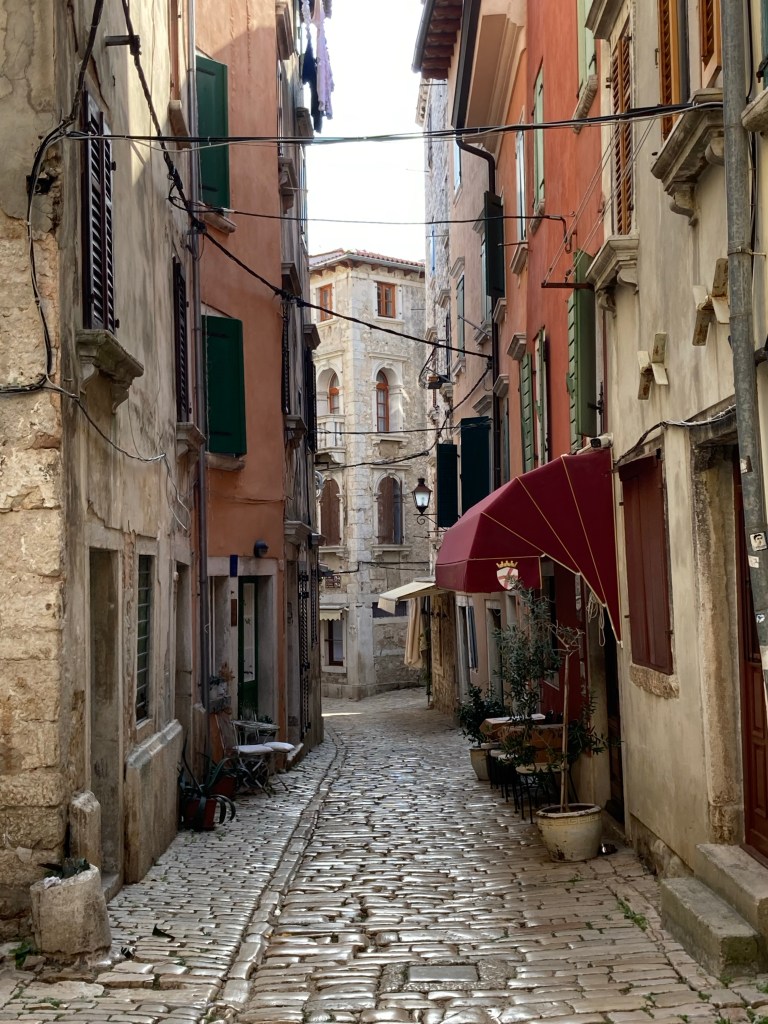
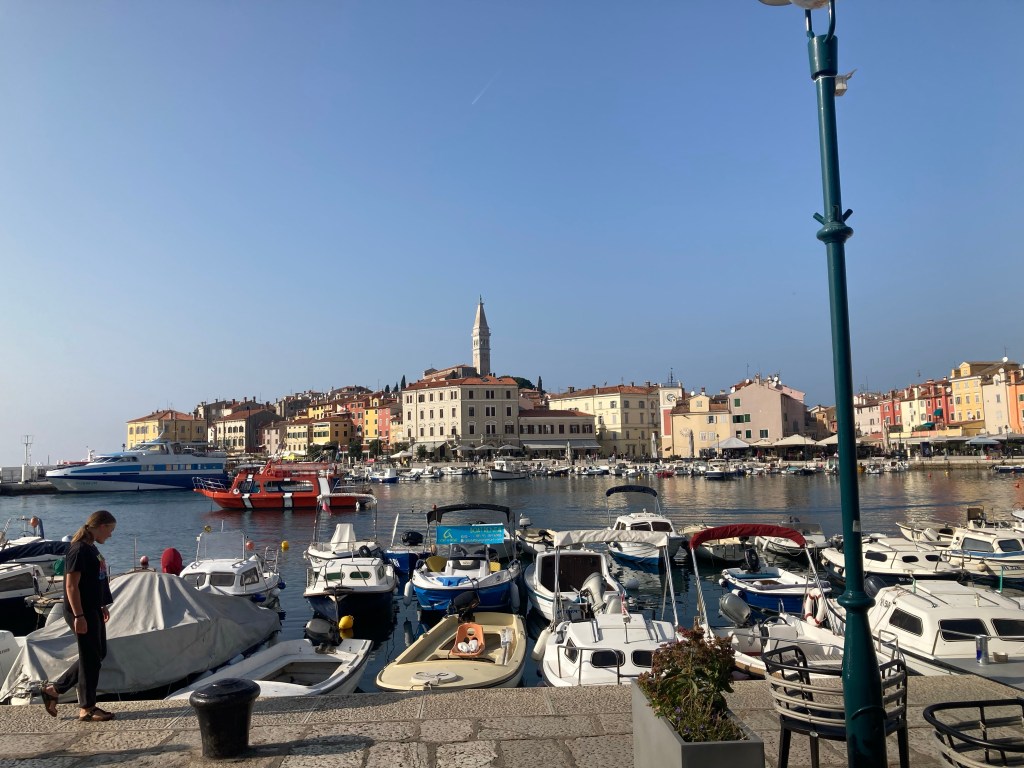
Back to being roadworthy we continued on our way to Rovinj which turned out to be a jewel of a town. The attraction was that it had retained the feel of being a working fishing village despite the influx of the tourist trade and its old town built on a hill with some of the buildings coming right down to the waters edge similar to Venice. It had retained it’s narrow streets and ancient buildings which gave it a real sense of history.

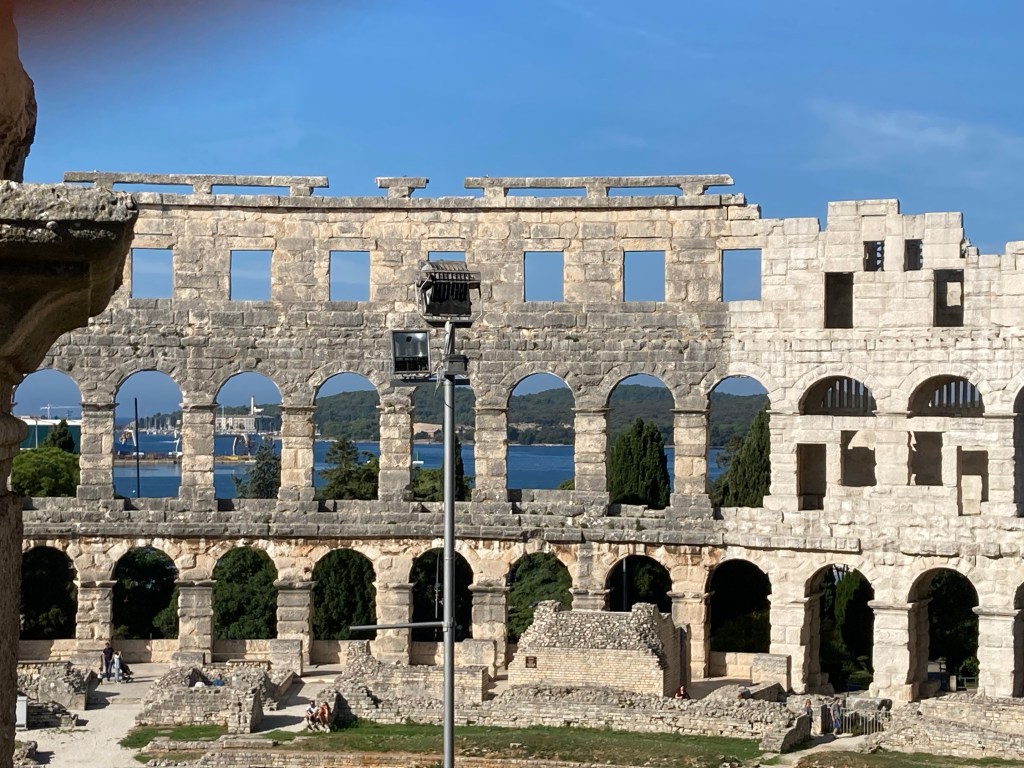
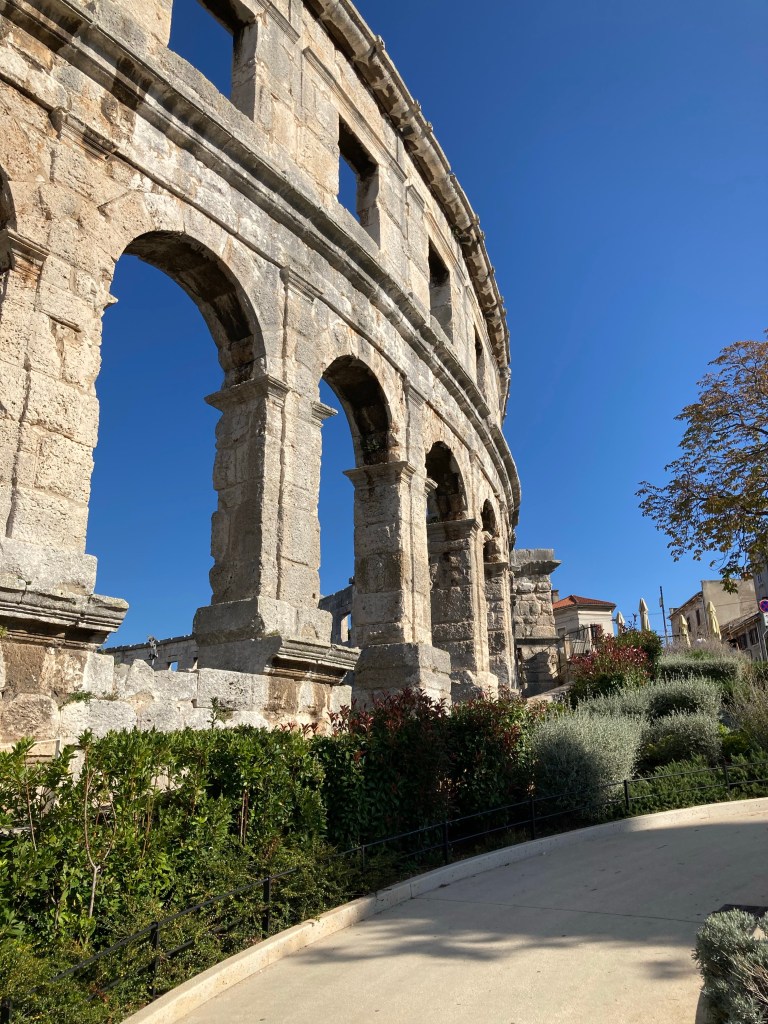
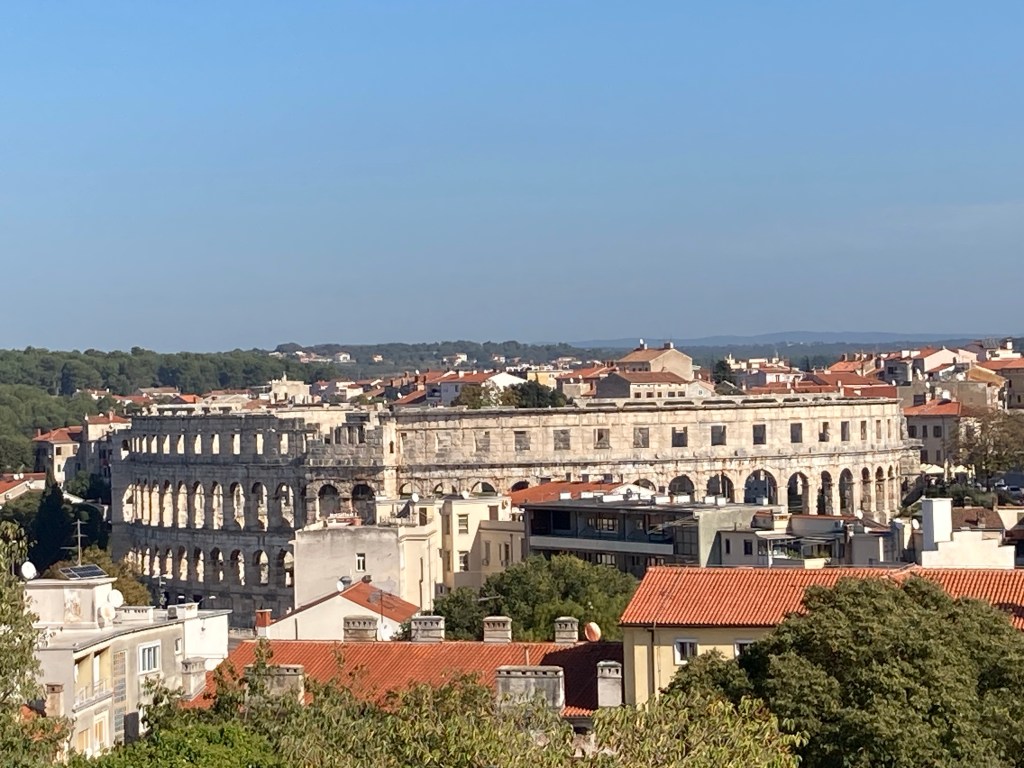
Our final town before leaving the Istrian peninsula was Pula its largest town by far with a thriving commercial area and tourist trade.

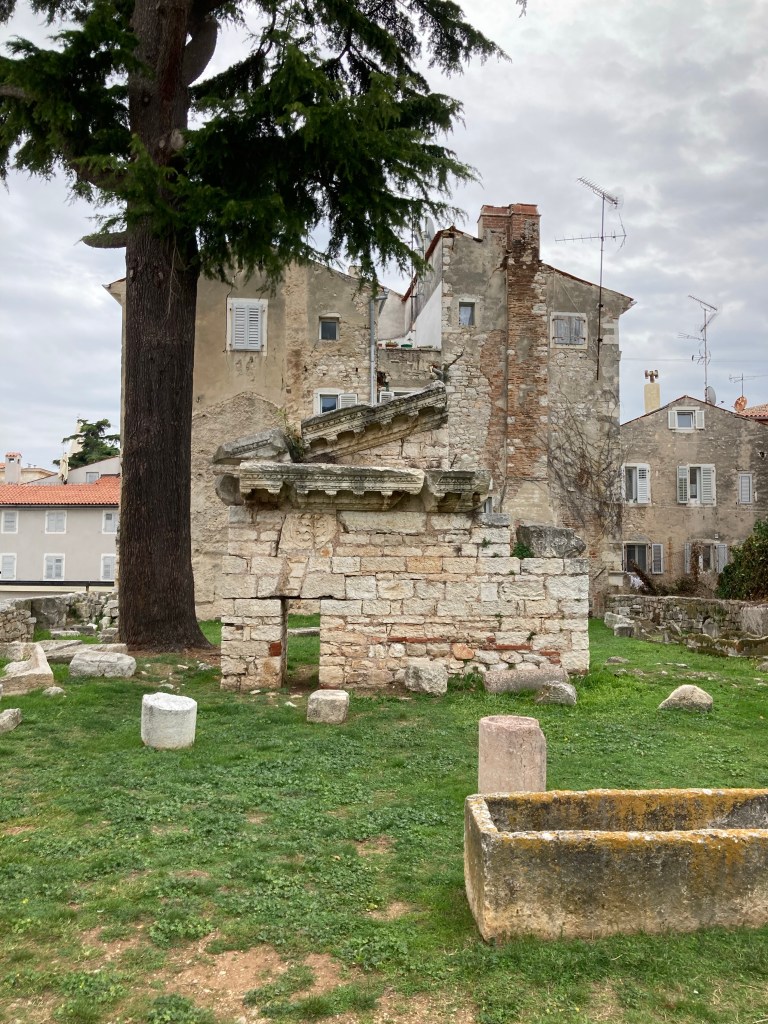
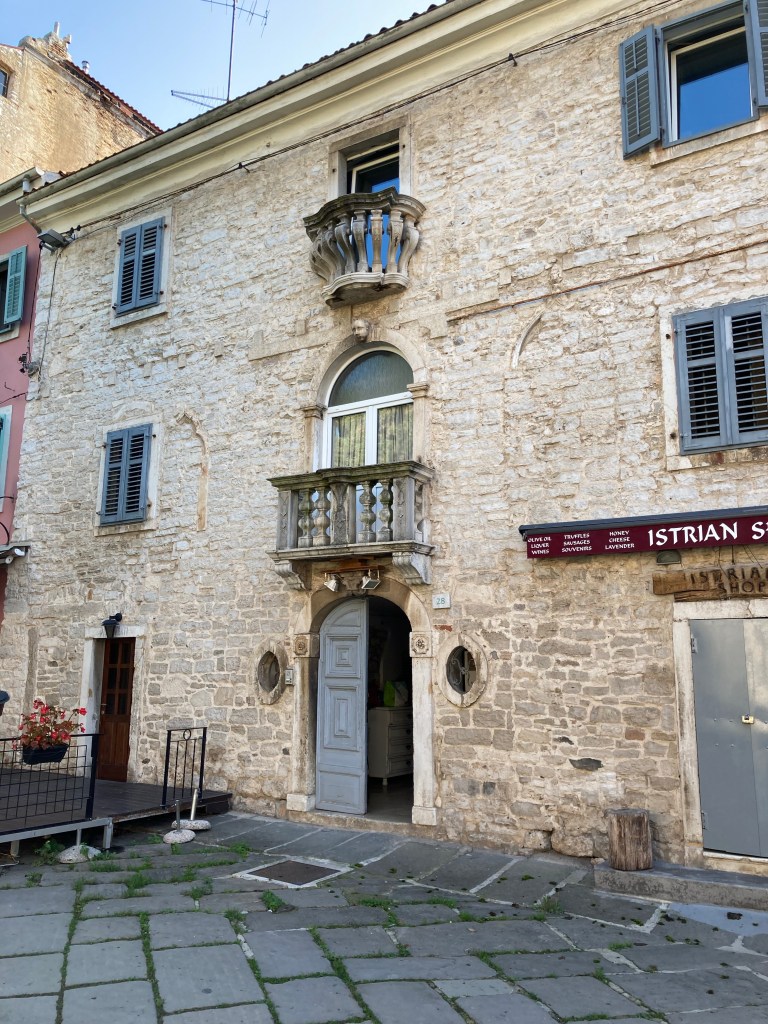
Parking next to the large Roman amphitheatre we took some photographs and continued through the narrow winding streets of the old town to the old fortified castle.

Land of the Truffle

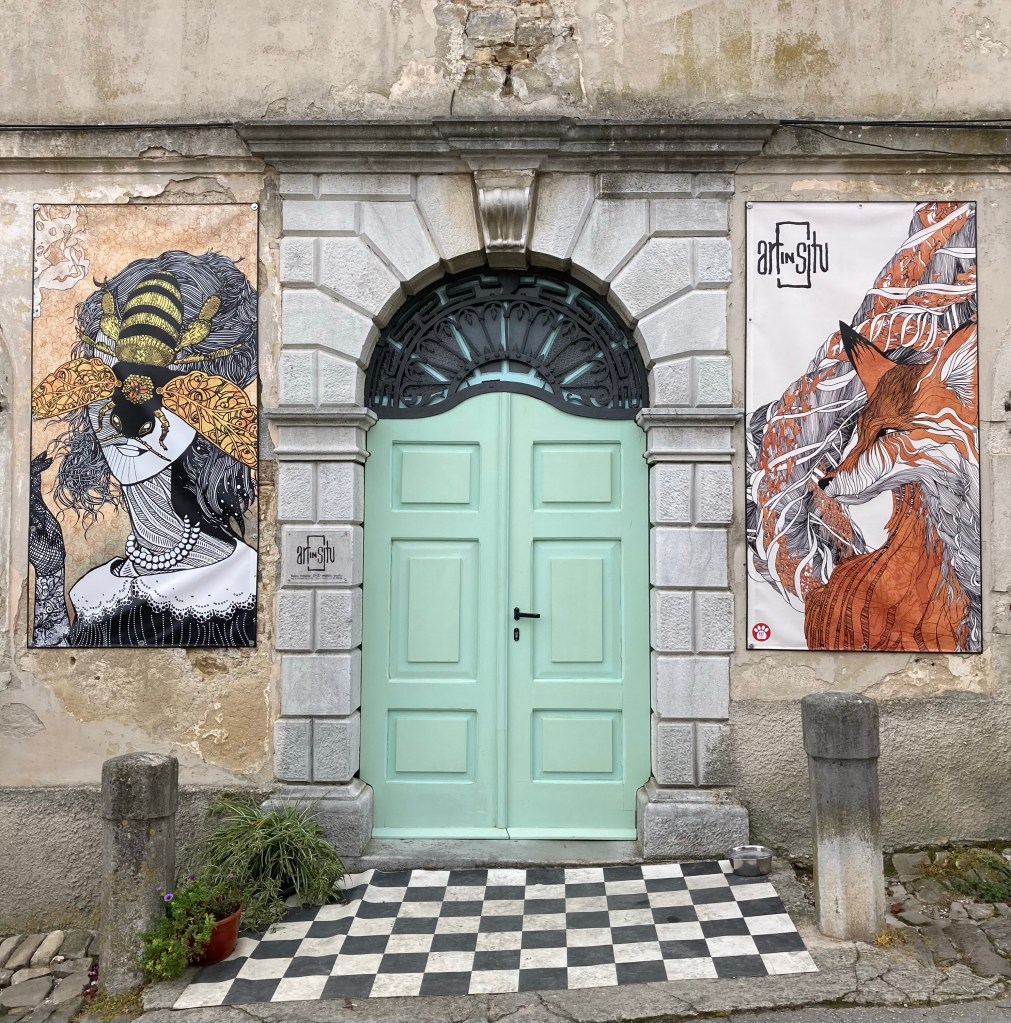
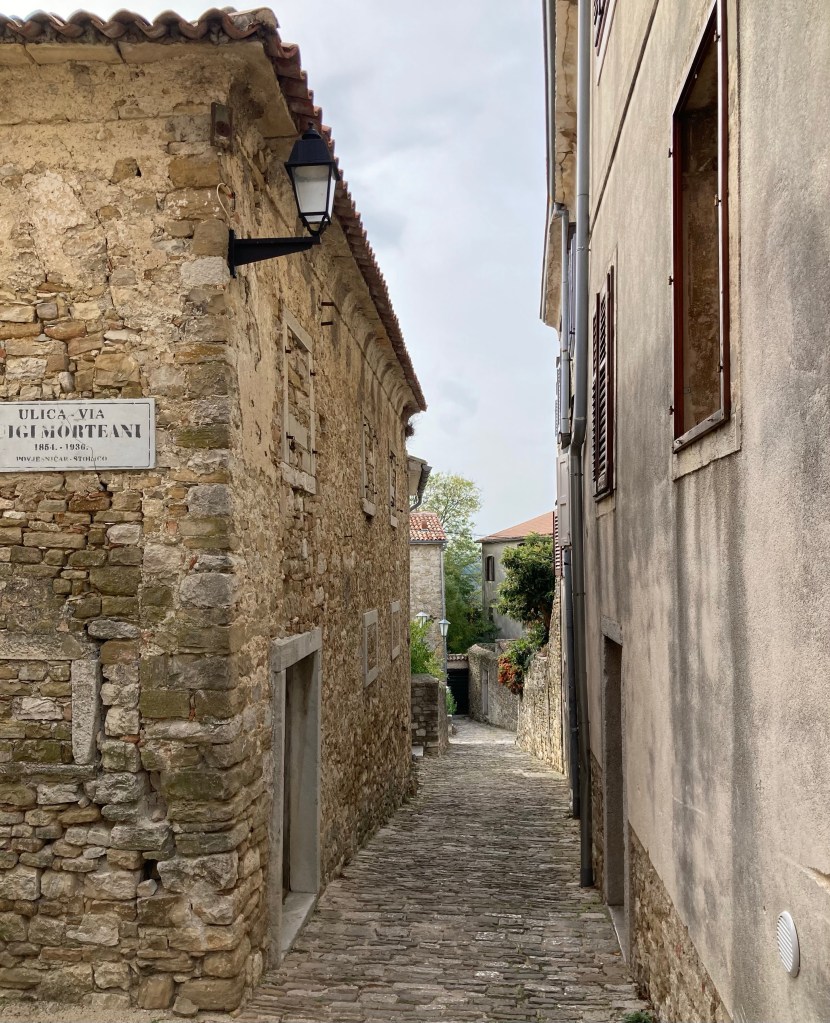
In preparing for our journey into Croatia we had found that there was to be a truffle festival to be held in an Istrian hilltop town called Motovun just inside the Croatian border with Slovenia.

Our glorious satnav directed us there down a single lane road that was no more than a semi dirt track through a very rural farming area past occasional dwellings and an abandoned castle. All before warning us that our route took us under an aqua duct giving us only six inches clearance with the roof of the van.
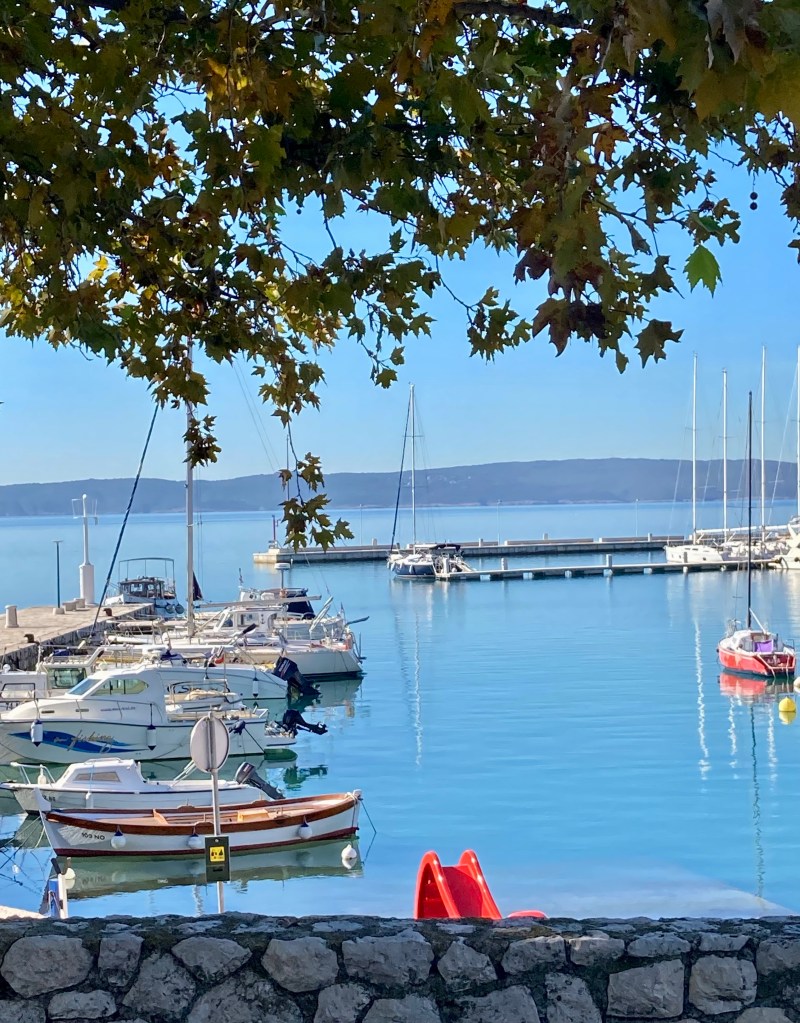
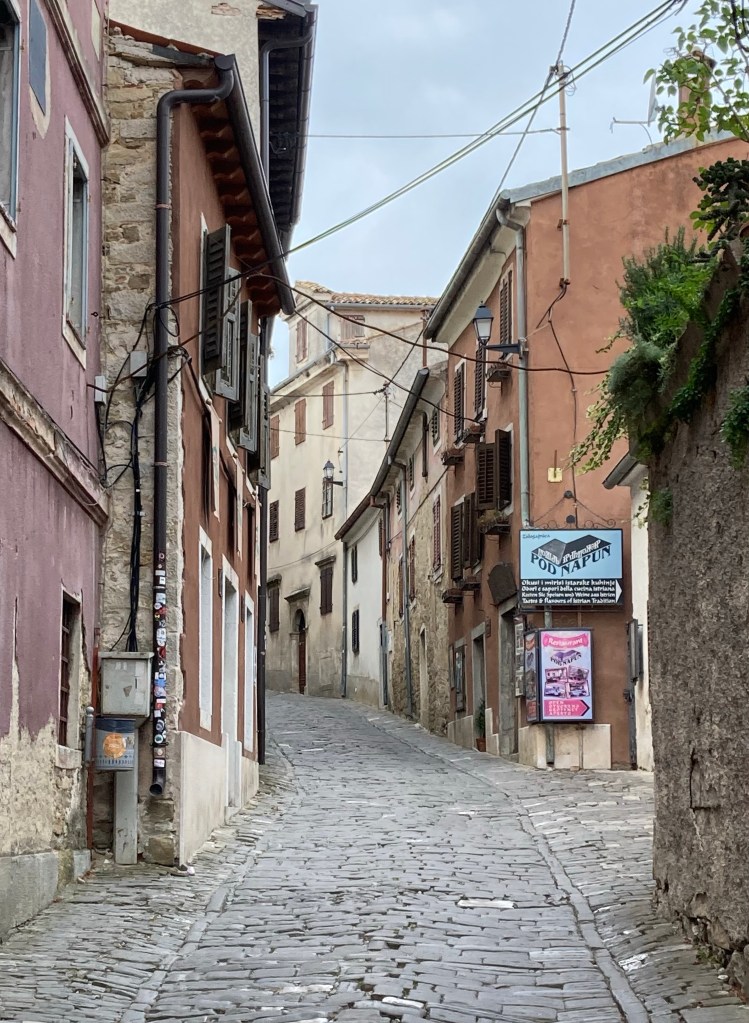
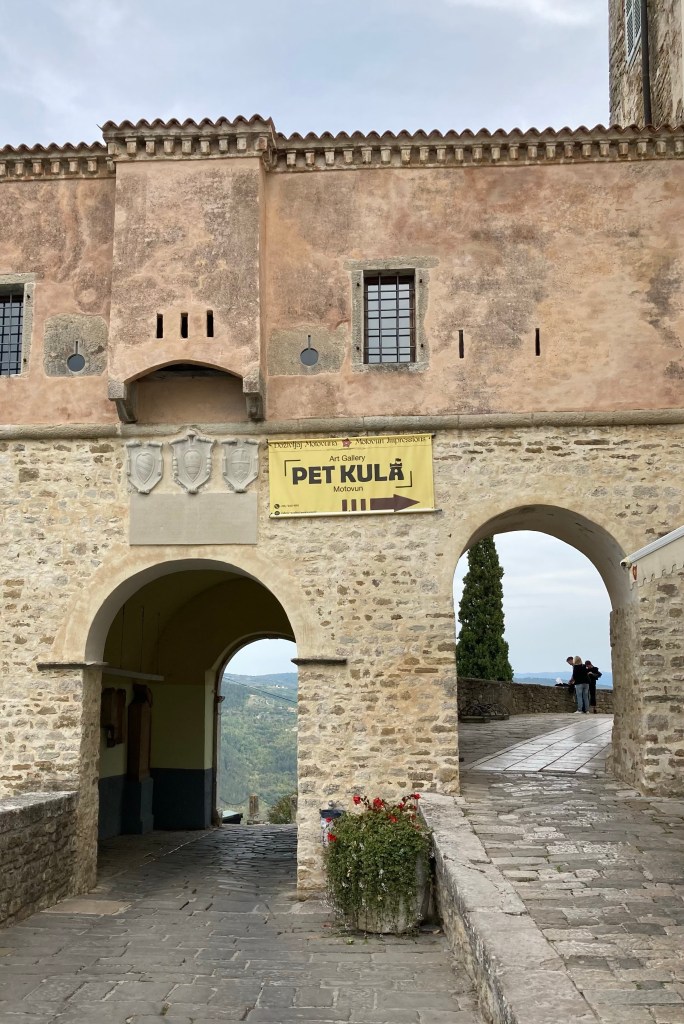
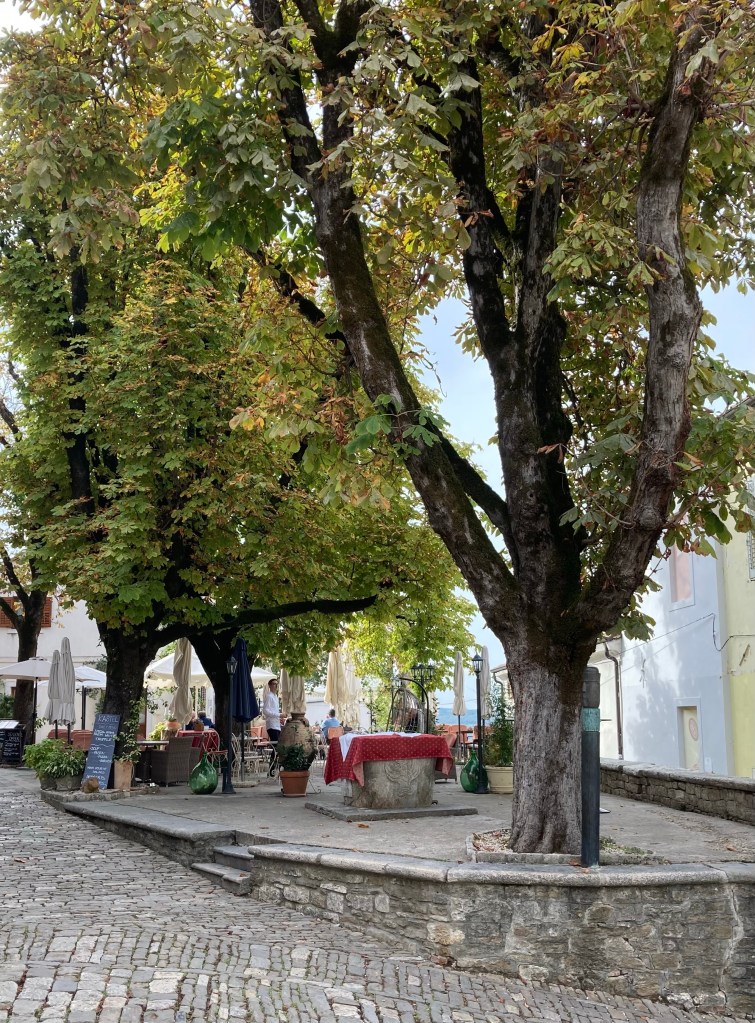
The day after our arrival we took the bus up into the town expecting to enjoy the festival only to find that we were a day early. Walking around the town perimeter and main square we realised that the festival was not going to be a large occasion and the town did not offer enough to keep us occupied so decided to move on.
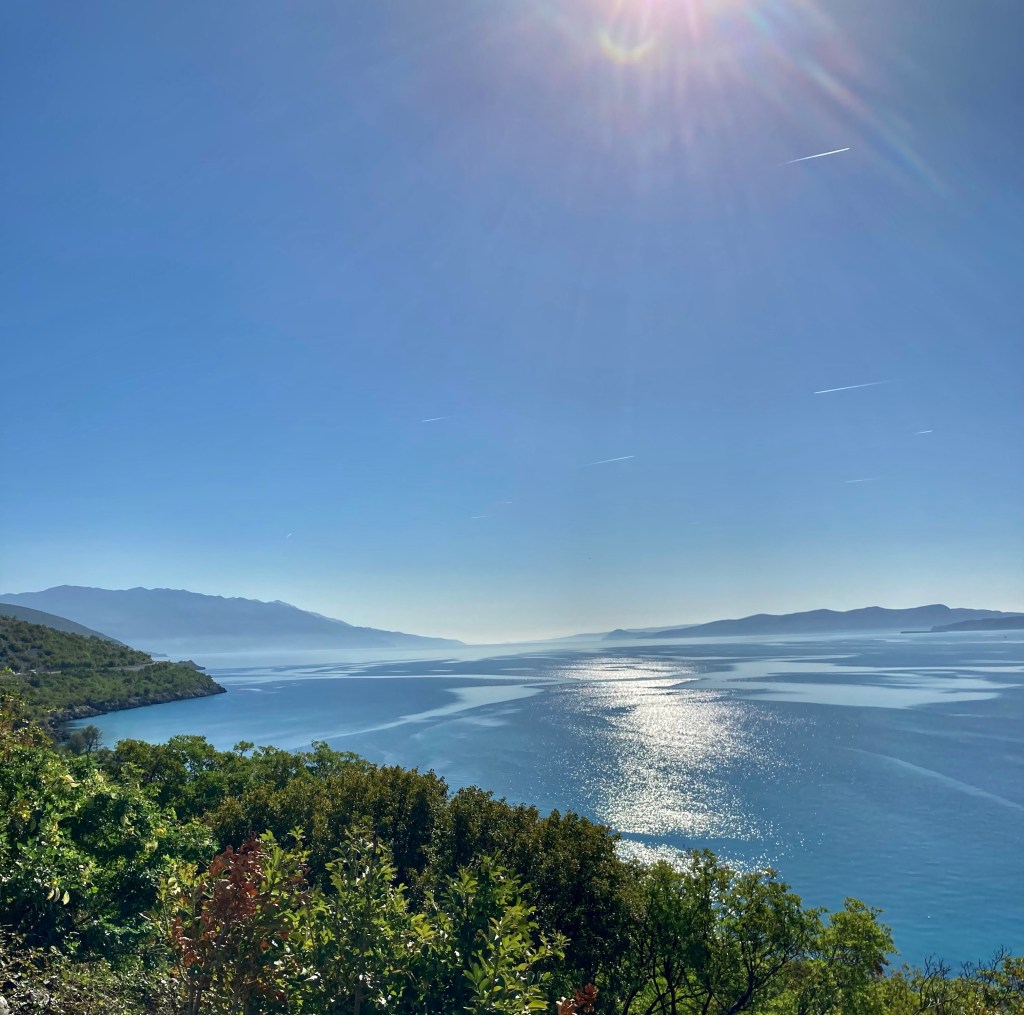
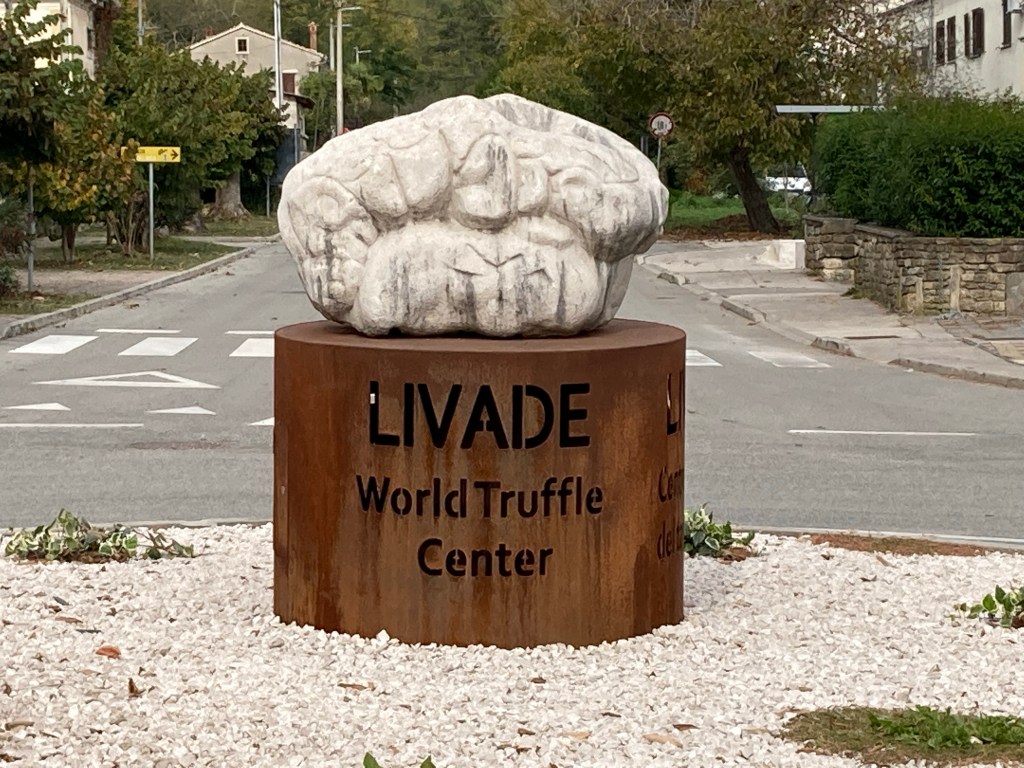
Surrounding our original destination was a vast area of ancient woodland making it the perfect location for the growth and hunting of truffles. The hunting traditionally took place with pigs but today they have been replaced by specially trained dogs. So whilst the hill town of Motovan were organising their festival, across the valley the town of Livade (self proclaimed world truffle centre) were organising theirs and we felt we could not leave the area without visiting.
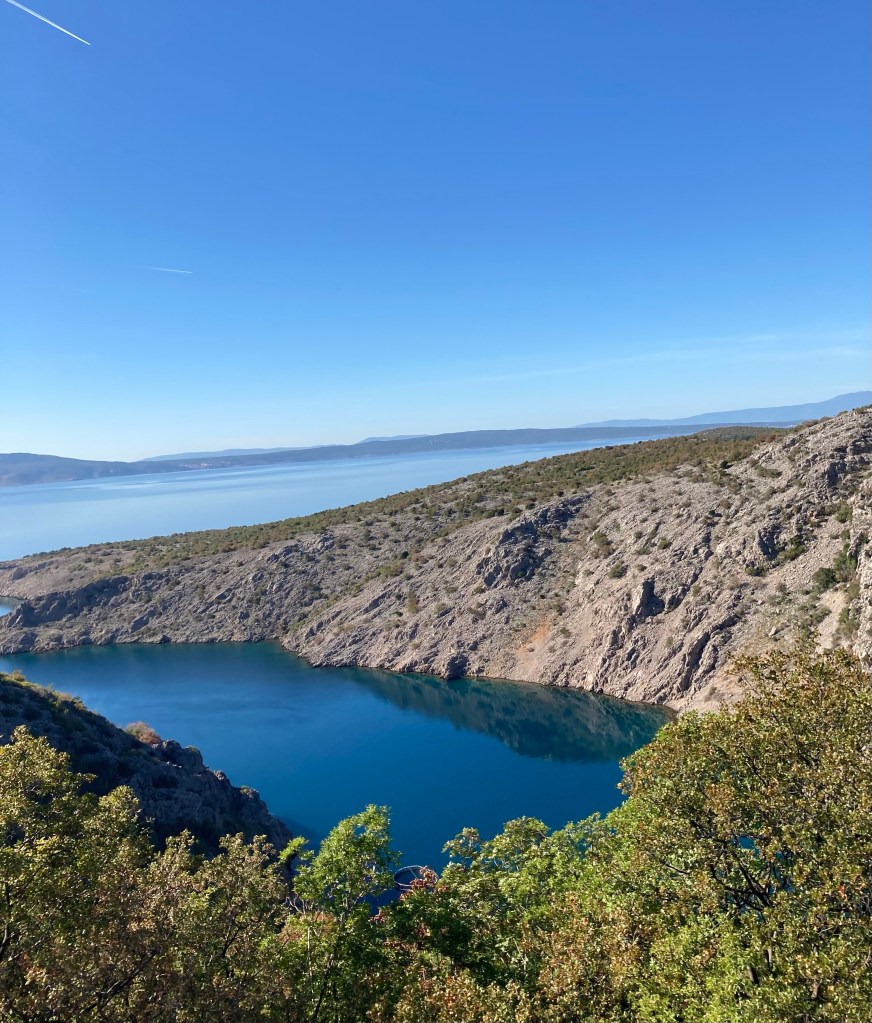
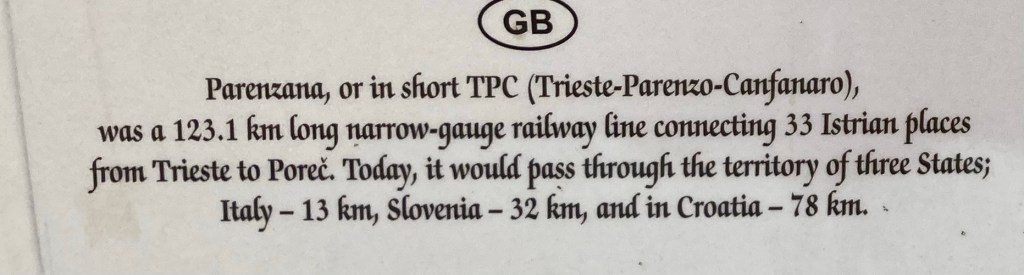
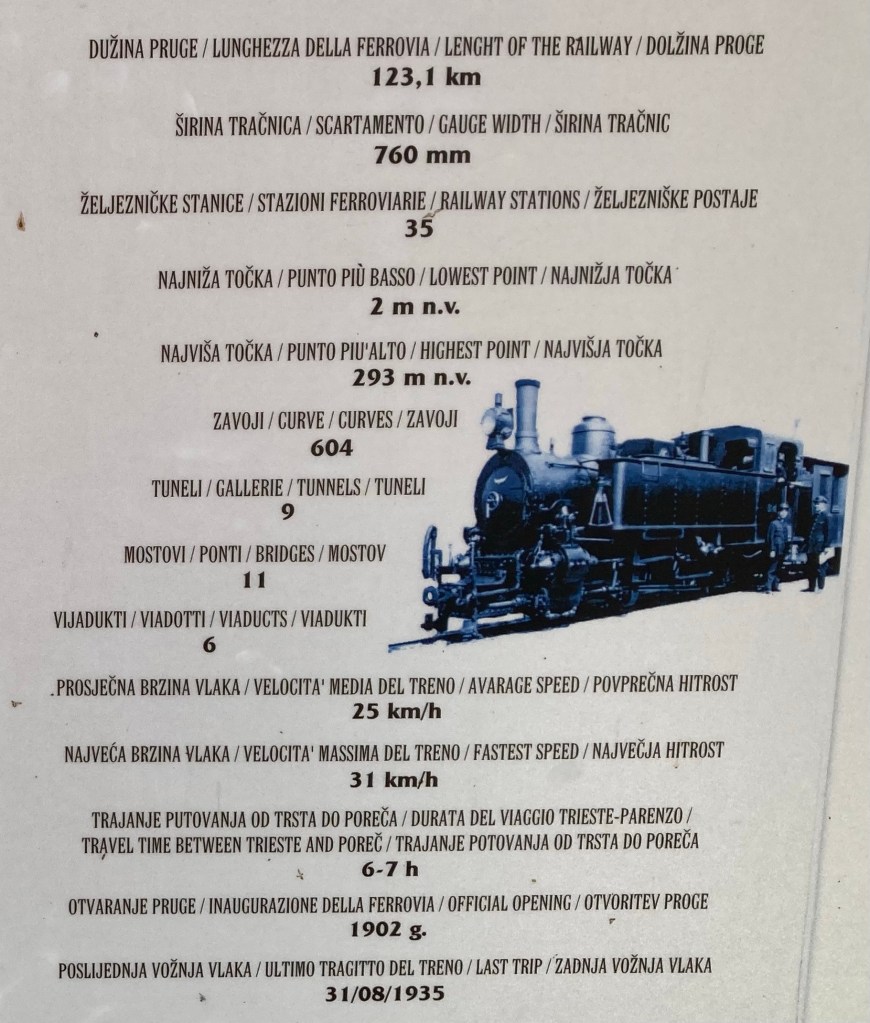
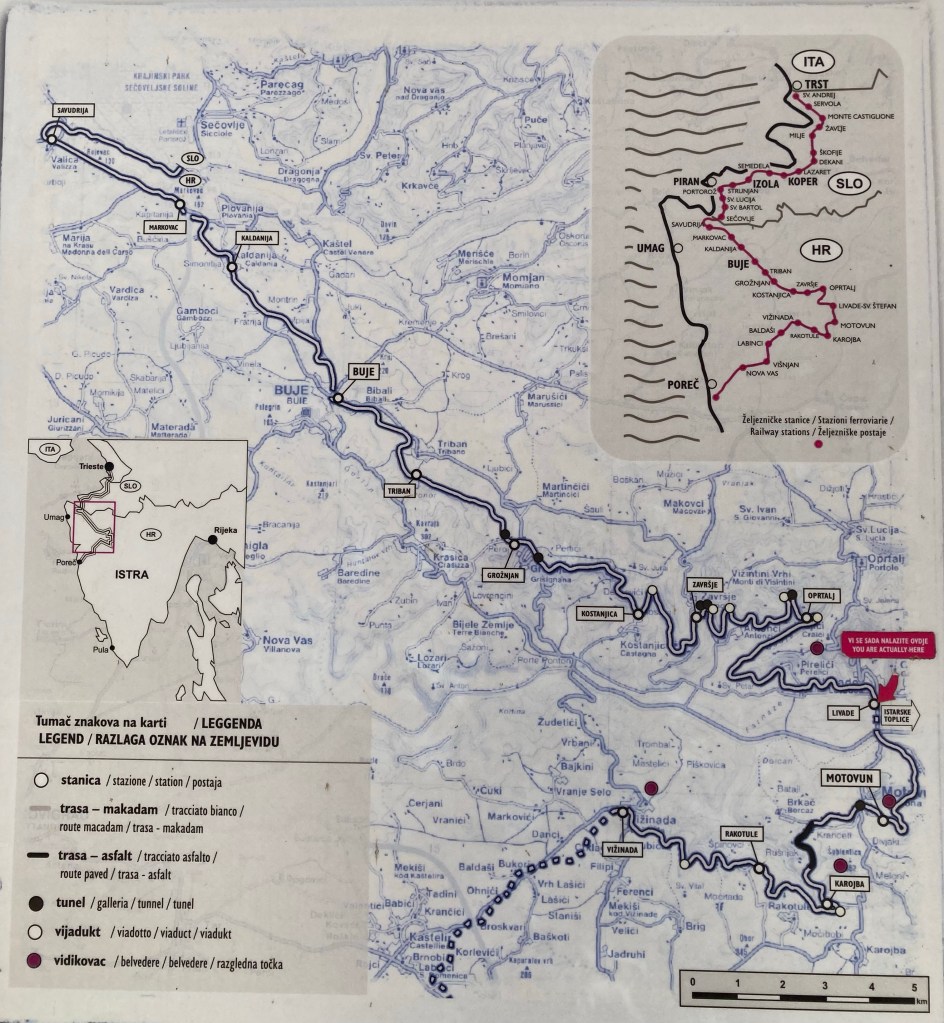
Parking to visit the truffle shop we came across an information board describing the historic narrow gauge railway line that ran a distance of 123km linking Trieste in Italy through Slovenia to the Istrian coastal town of Porec in Croatia, our next destination.