Author Archives: Charles

Unknown's avatar

About Charles

Other half of Stephanie and joint parent of this site

North to Hokkaido

The last 5 days have seen us say goodbye to Sado Island and hello to the island of Hokkaido the northerly of the Japan islands.

Our journey took us along the west side of the Japanese mainland to the northern port of Aomori through changing landscapes of rice plains, river valleys and cedar forested mountainsides.

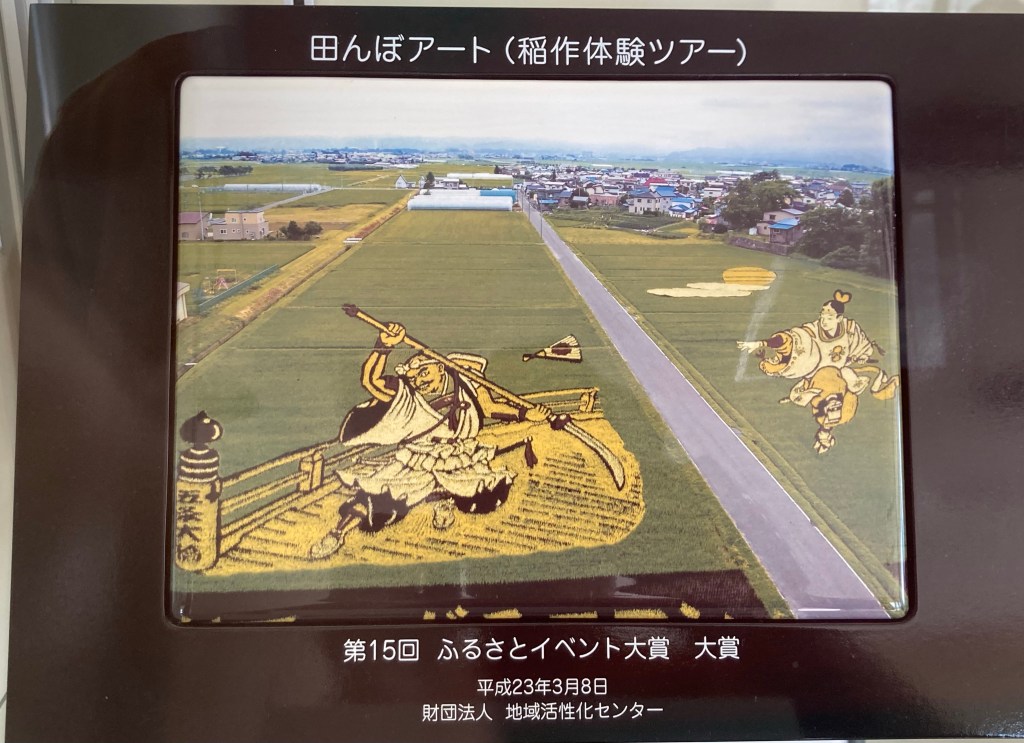
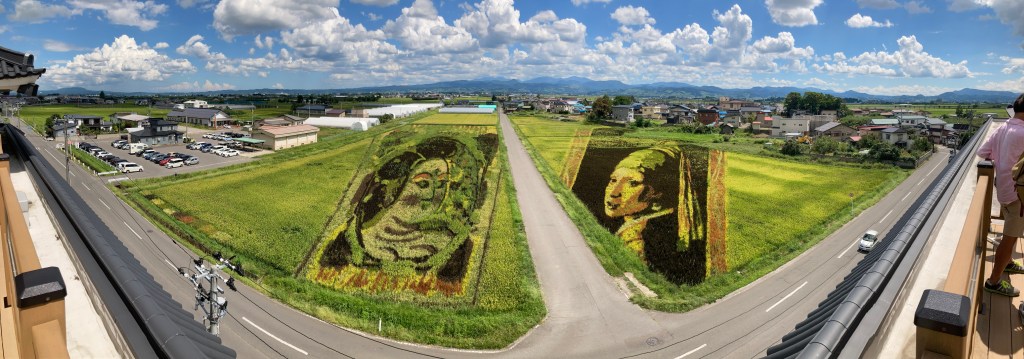
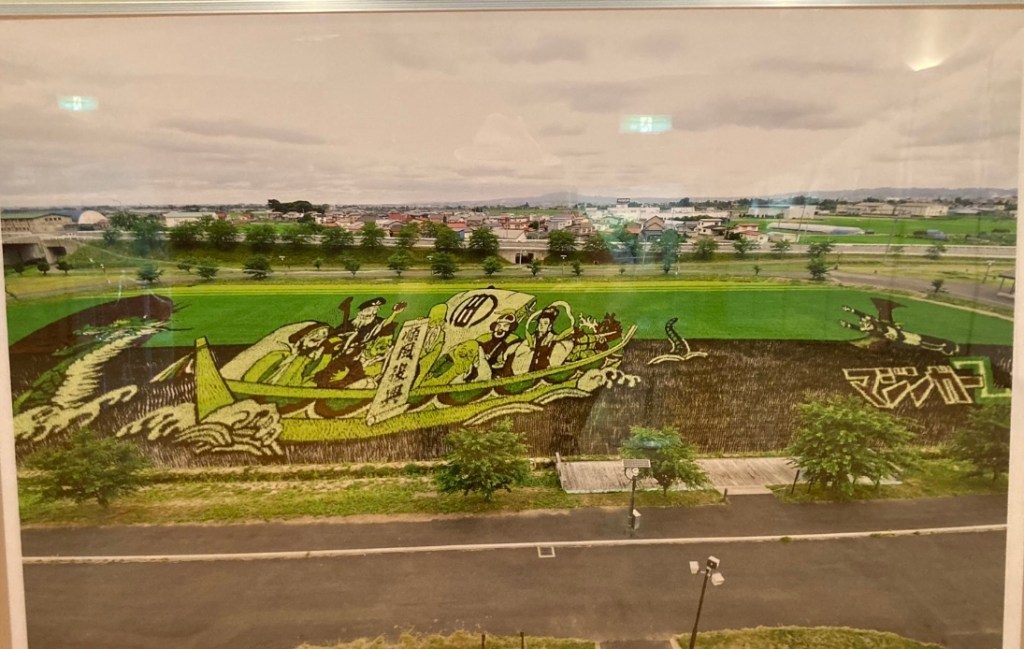
We have already shared the amazing Rice Paddy Art of Inakadate in a blog and this blog is about a house, some photos, a temple, a samurai village and something called Nebuta.

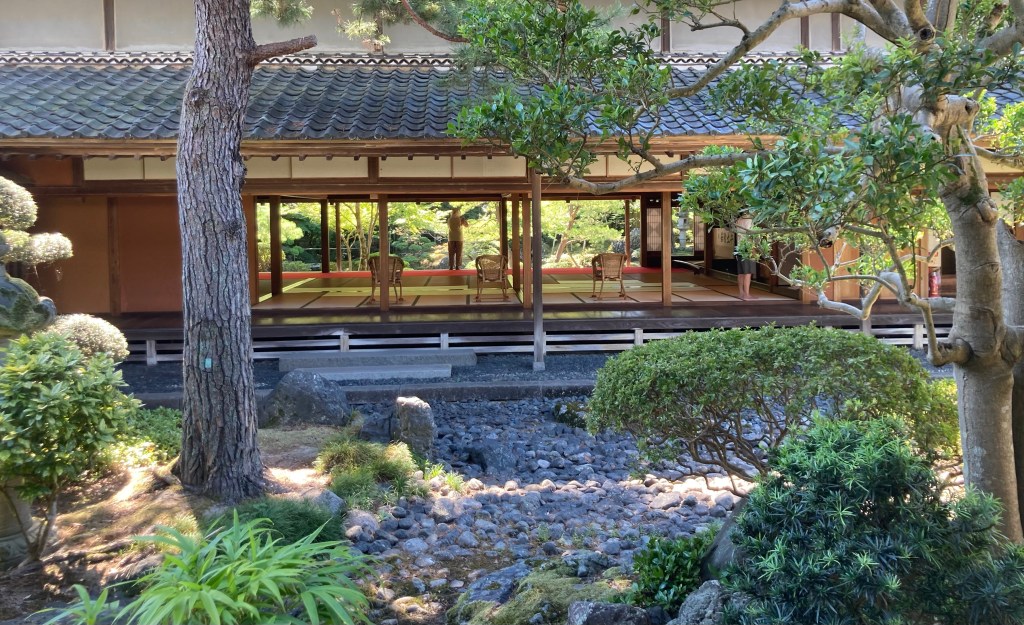
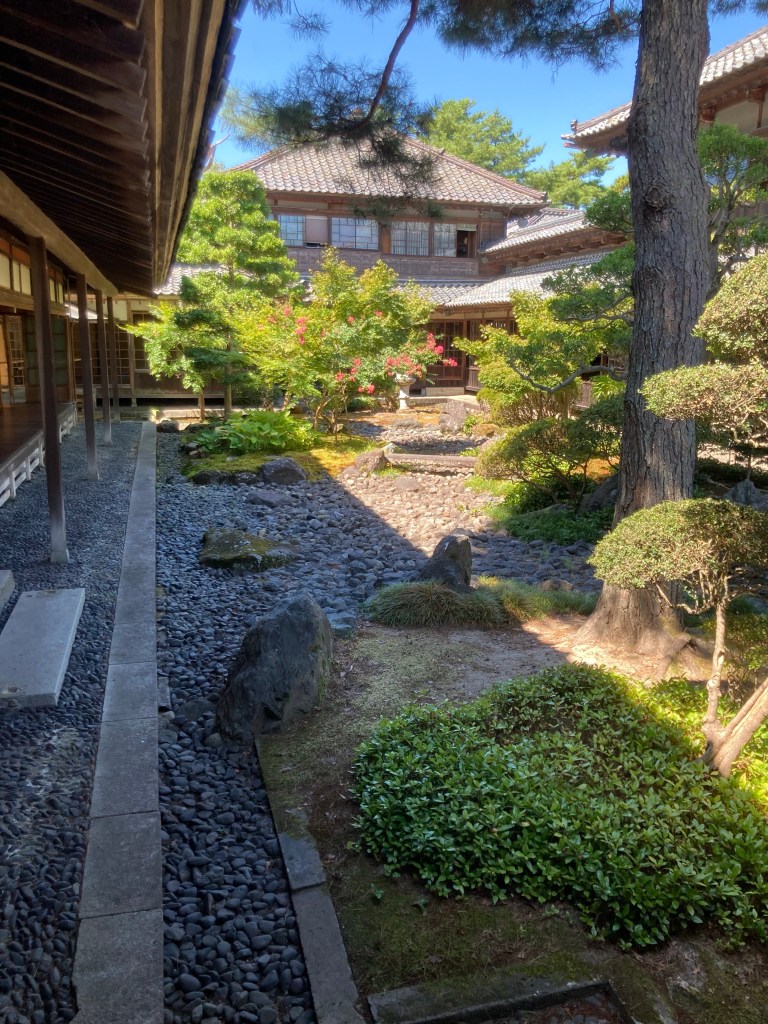
The House – or to give its full name “Northern Culture Museum” started life around 1768 as the home of the Ito family, rice farmers on the plains of Echigo. They built an enormous fortune and in their heyday acquired 14 million m2 spread over one city, 4 districts and 64 towns and villages. In their heyday they produced an annual crop of over 30,000 bales of rice with each bale about 60kg!!
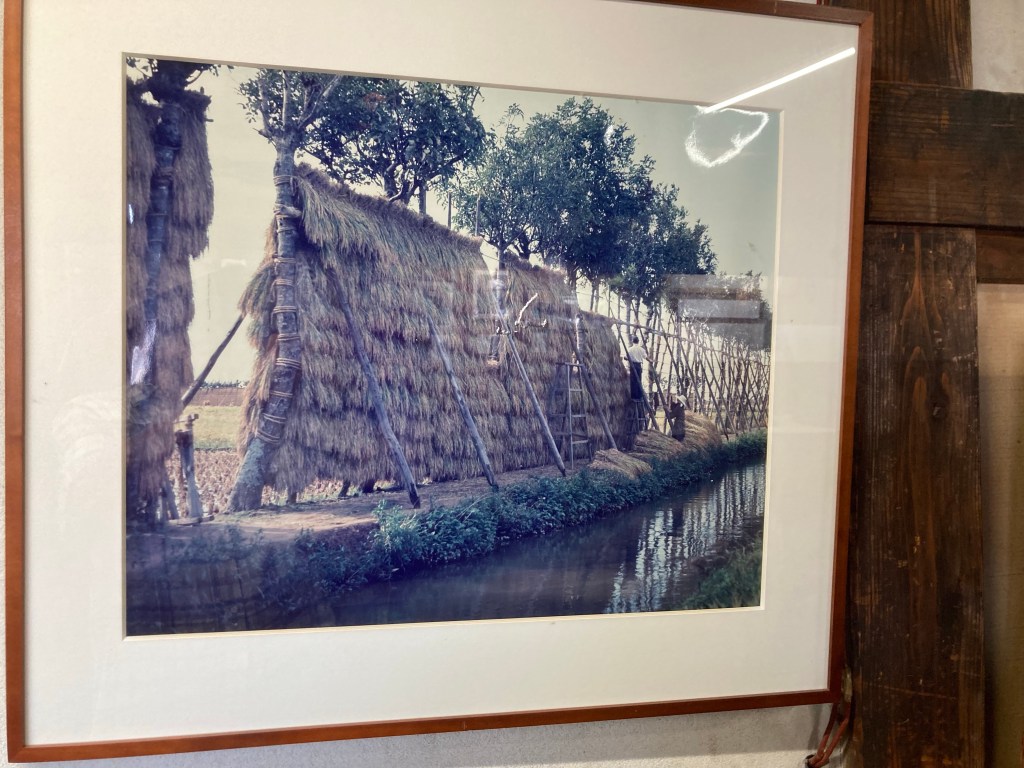
Drying Rice stalks

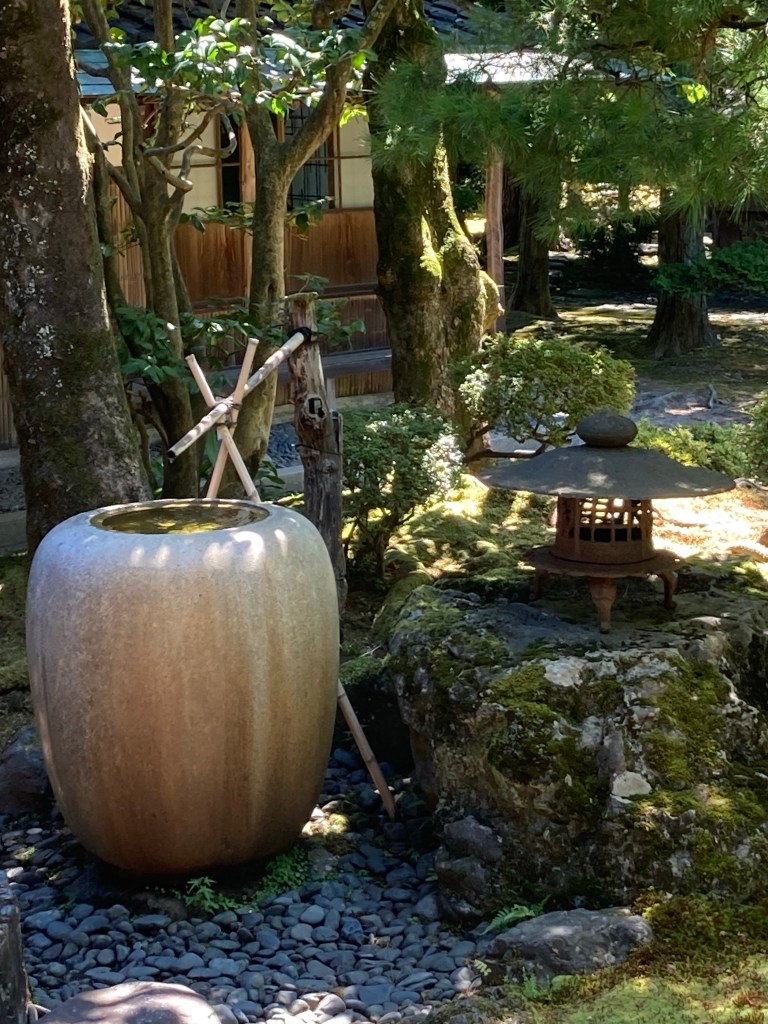
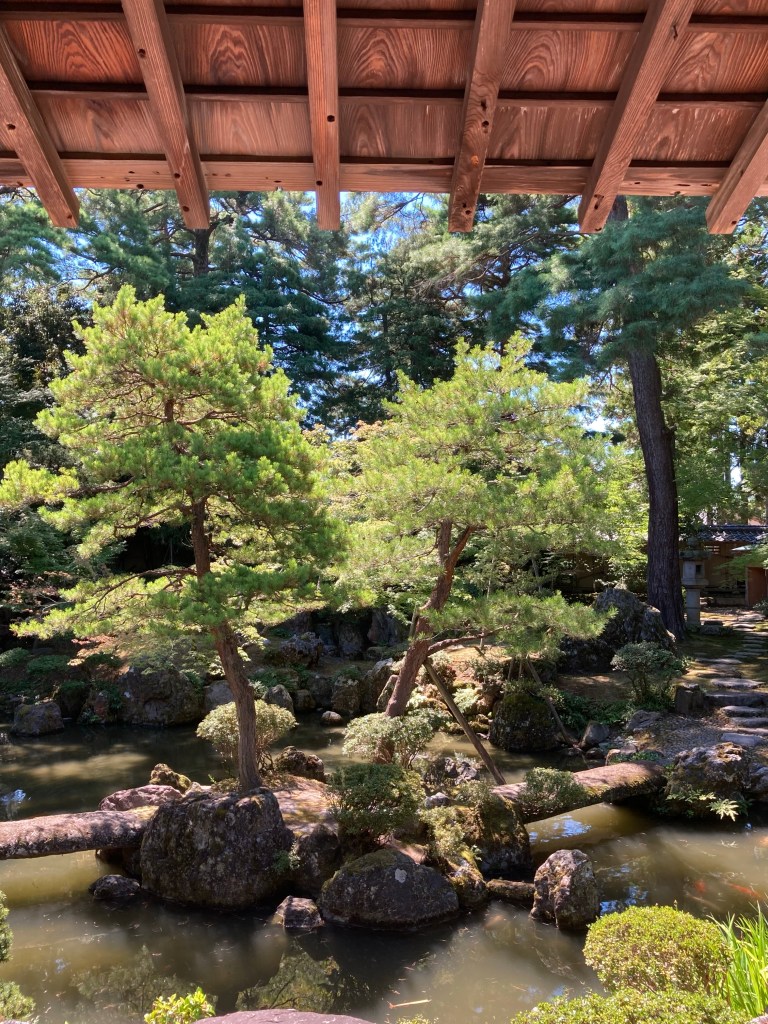
Their modest home grew to be in the grounds of 7 acres of gardens whilst the floor area of the house was 1 acre and houses a range of quality artefacts from China Japan and great civilisations across the world
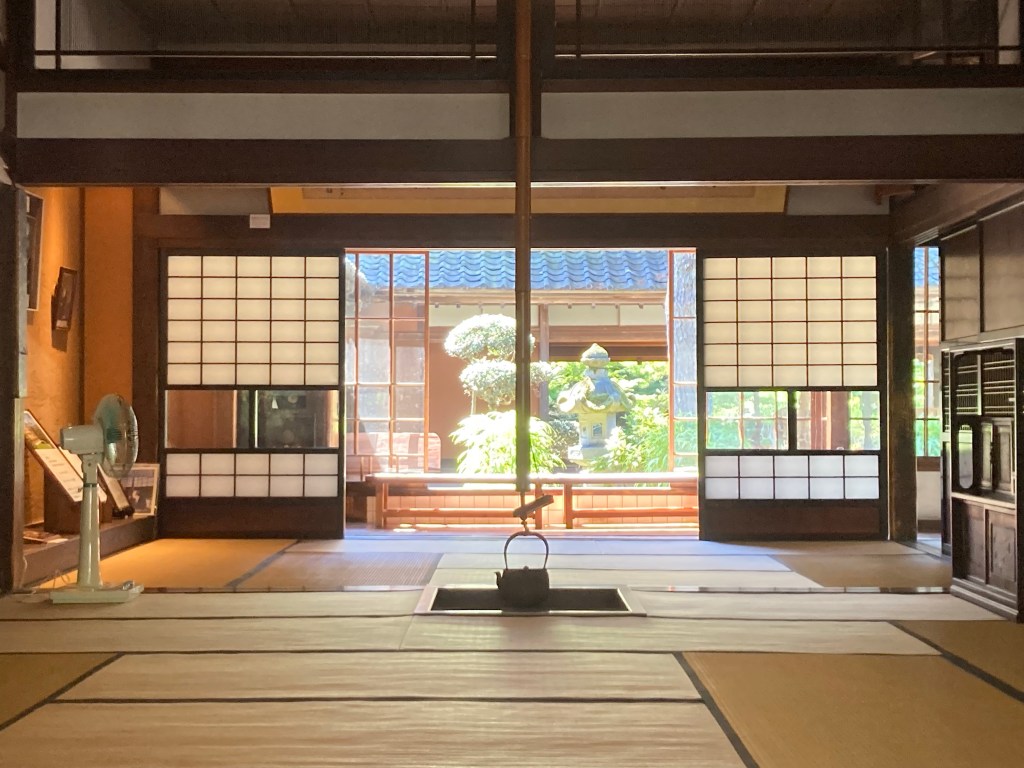
It is no wonder that the house and its contents are recorded as a National tangible cultural asset but the end of WW2 nearly saw the house and grounds siezed for redevelopment. It was the efforts of the head of the family and an American lieutenant charged with cultural work that led to the creation of a museum trust to acquire and preserve the house and contents

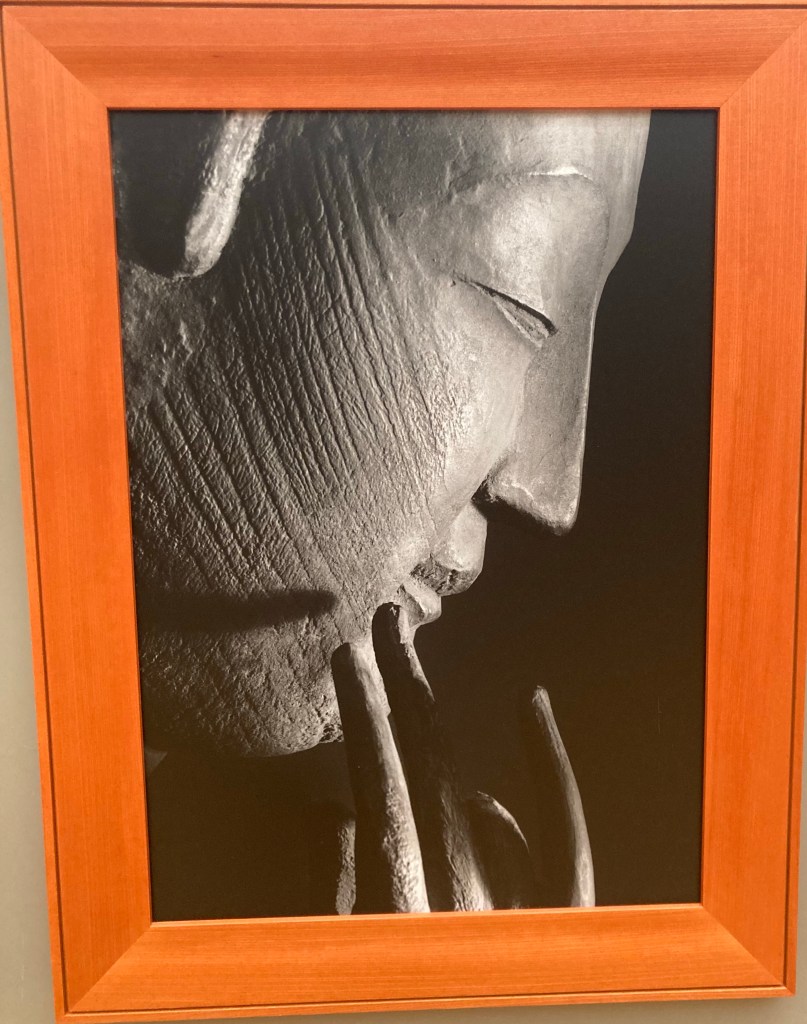
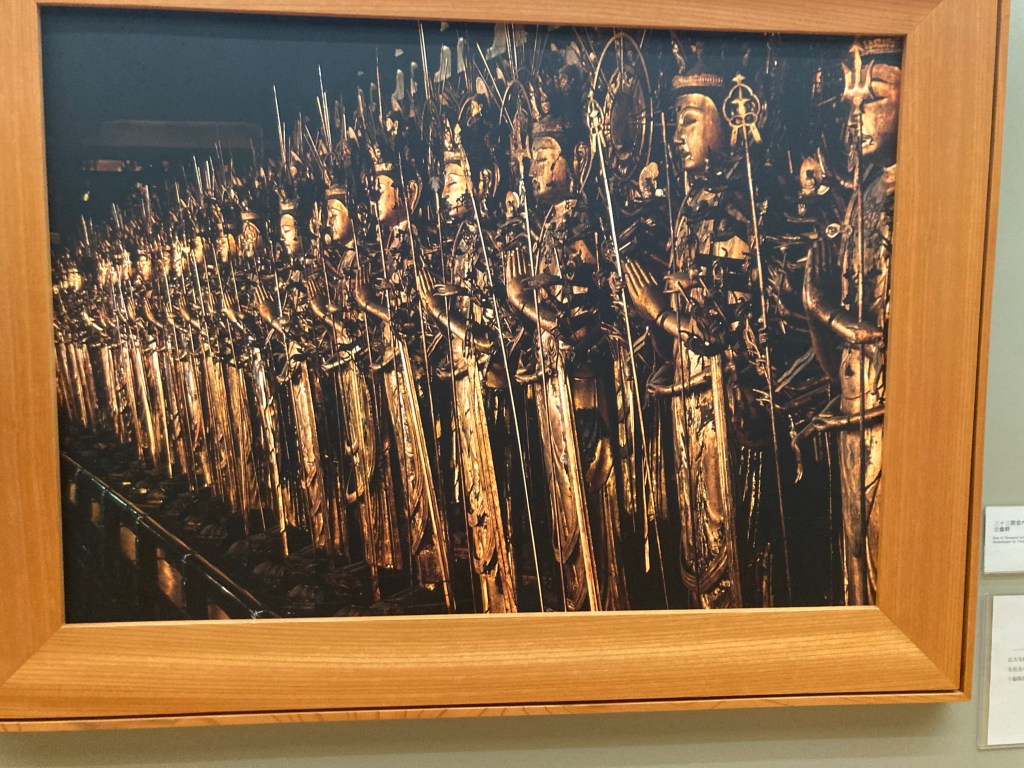
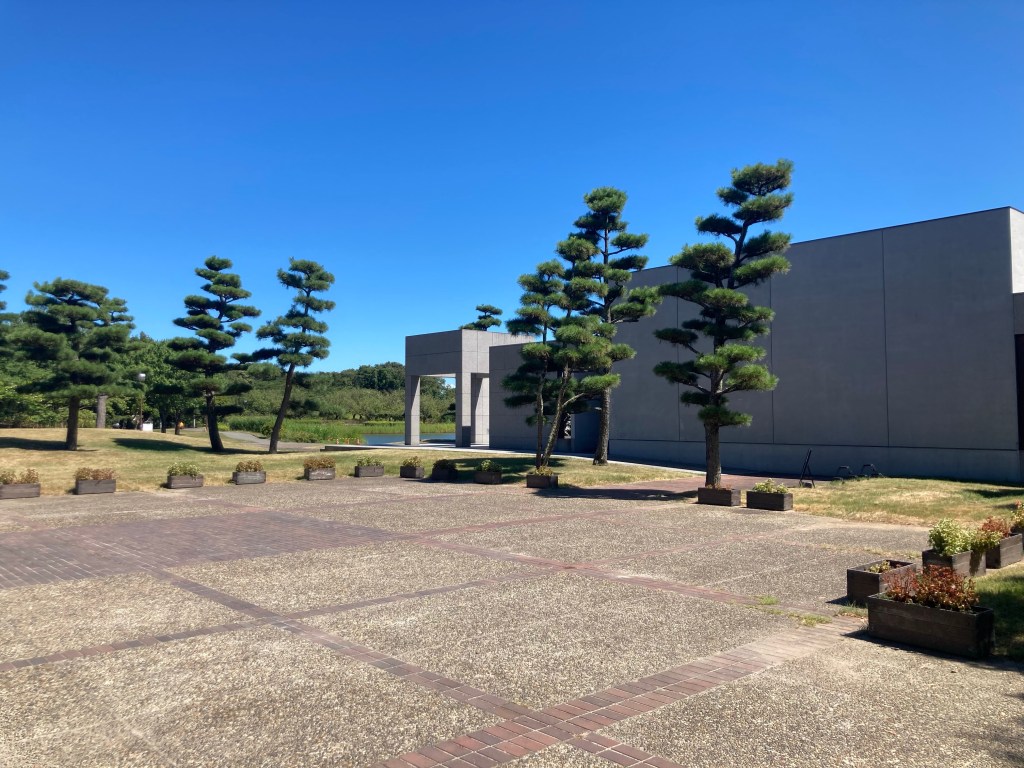
The Photos are a reference to a beautiful museum built by the city of Sakata as the first Japanese museum dedicated solely to photographs and an individual. Ken Domon was a photographer of postwar Japan through news photos grounded in realism, portraits and snapshots of people, temples, Buddhist statues and Hiroshima. His gift to the city was 70,000 photos
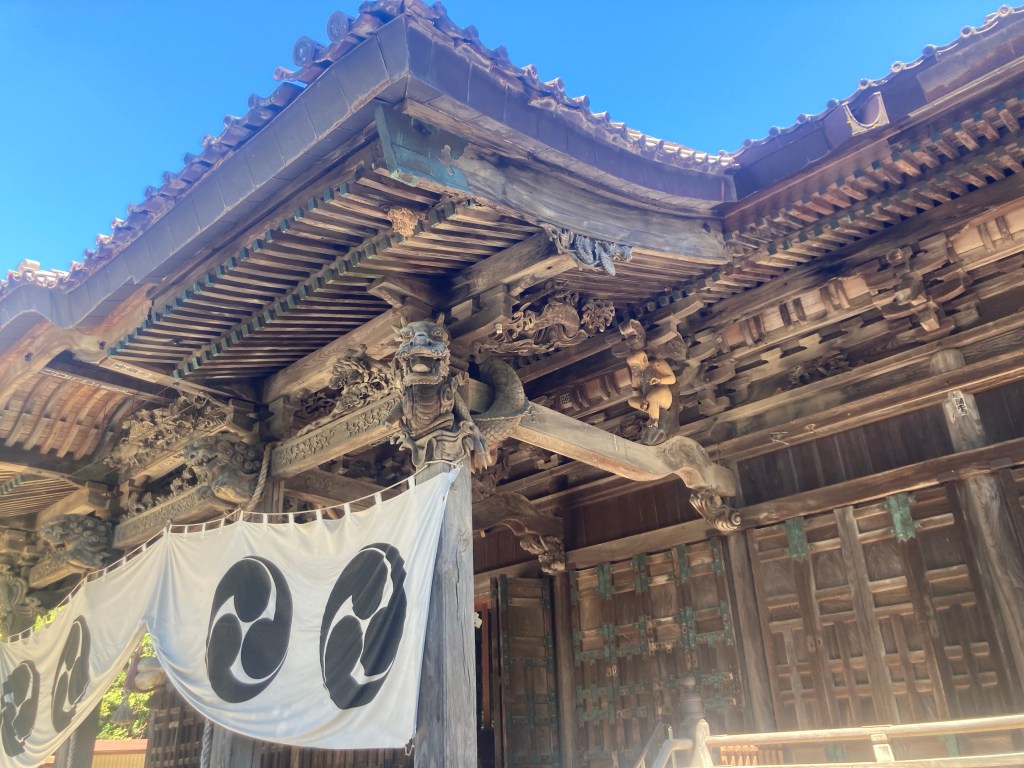
The Temple intrigued us being dedicated to “two living gods” which are actually the mummified bodies of two high priests, who to achieve this state starved themselves to atone for their own personal sins and for the sins and salvation of the town members. For the first 1000 days they went through extreme fasting and exercising. The next 1000 days they lived on a diet of pine bark, leaves and arsenic water. The water when drunk over a period of months along with the strict diet reduces body and water weight to nothing. Even organs, muscles and brain matter deteriorates. The last 1000 days they were entombed with just a pipe for an airway and a string attached to a bell above ground to let others know they were still alive. Once the bell stopped ringing the airways were sealed. Several years later the priests were dug up and their bodies preserved as living mummies, “ living gods.” The priests live on to this day recorded in the city’s registry. As living priests they still receive a stipend from the Buddhist sect which is used to help maintain the Temple. Unfortunately the Temple was closed when we visited so we only have photos of the Temple externally.

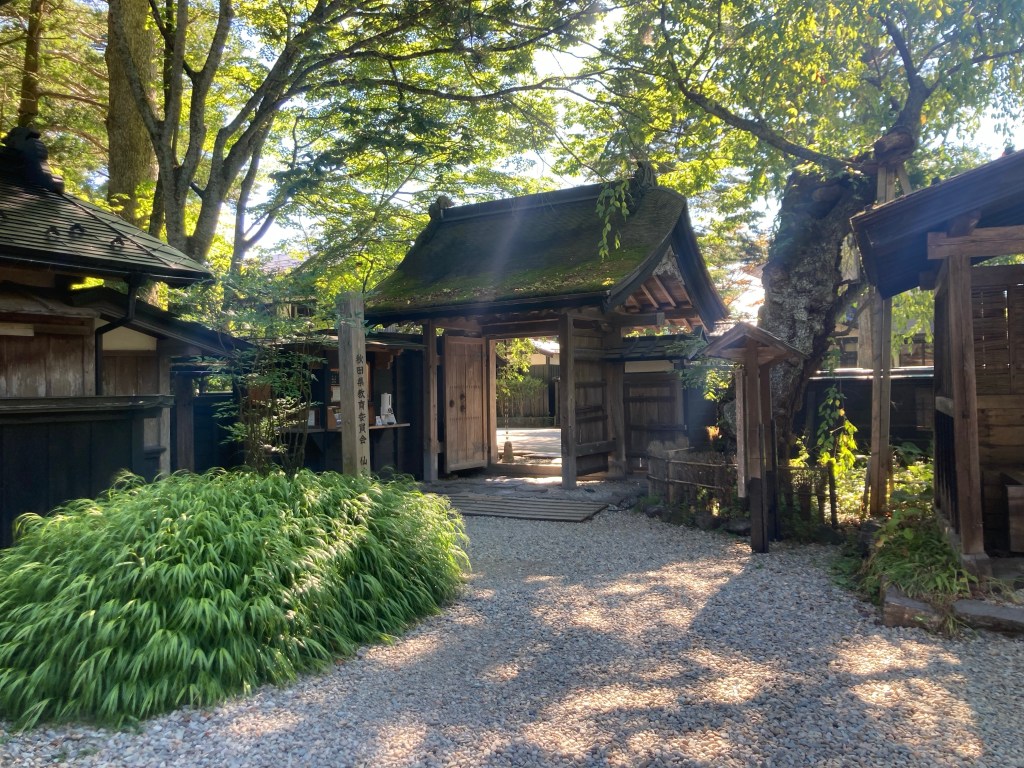
The Samurai village is to be found in a well preserved area of Kakunodate. The town was established in 1620 and designed by the feudal Lord Ashina. The samurai district has narrow streets and has remained unchanged for over 400 years with simple architecture and an air of history.

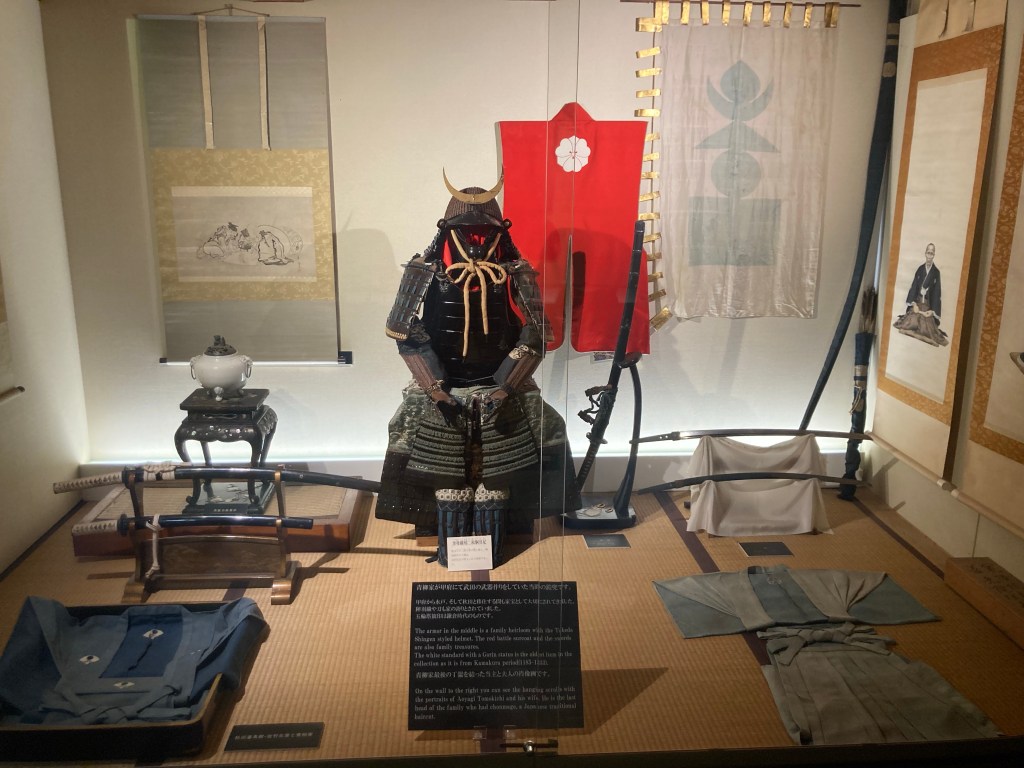
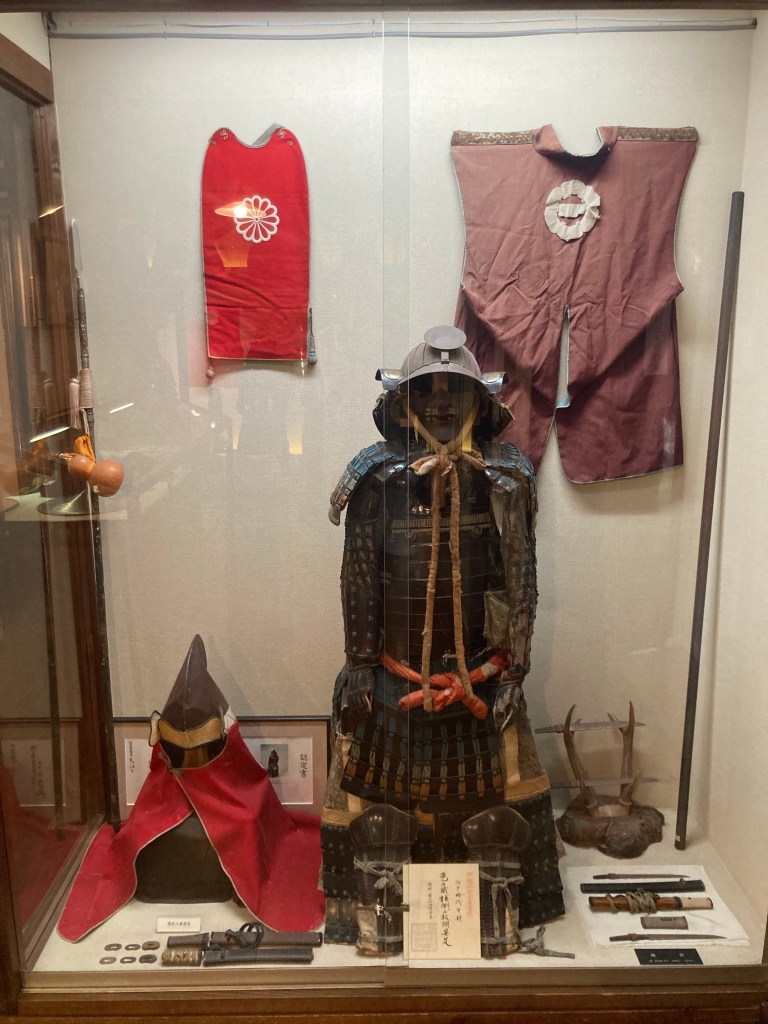
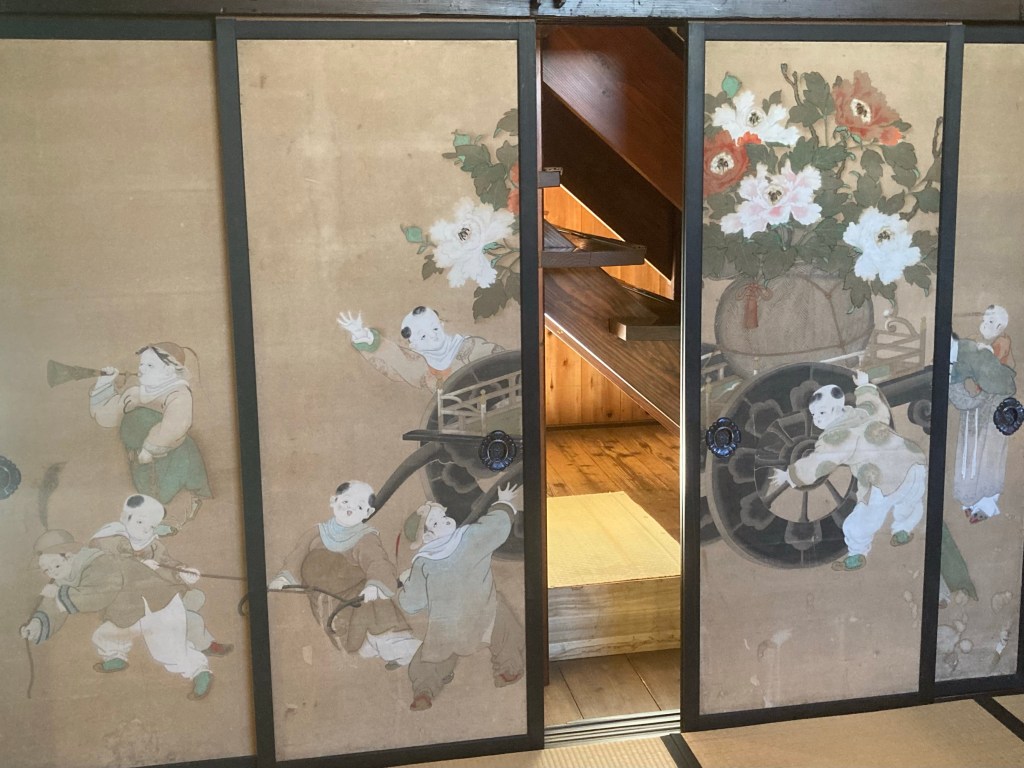
A number of houses are open to the public. We visited the Aoyagi Samurai family home and was surprised by its history and the quality of the artefacts. The main house which boasts the best preserved Samurai thatched roof in the nation stands within a compact botanical garden containing hundreds of rare plants including an eight petalled red weeping cherry a species found only in this garden.
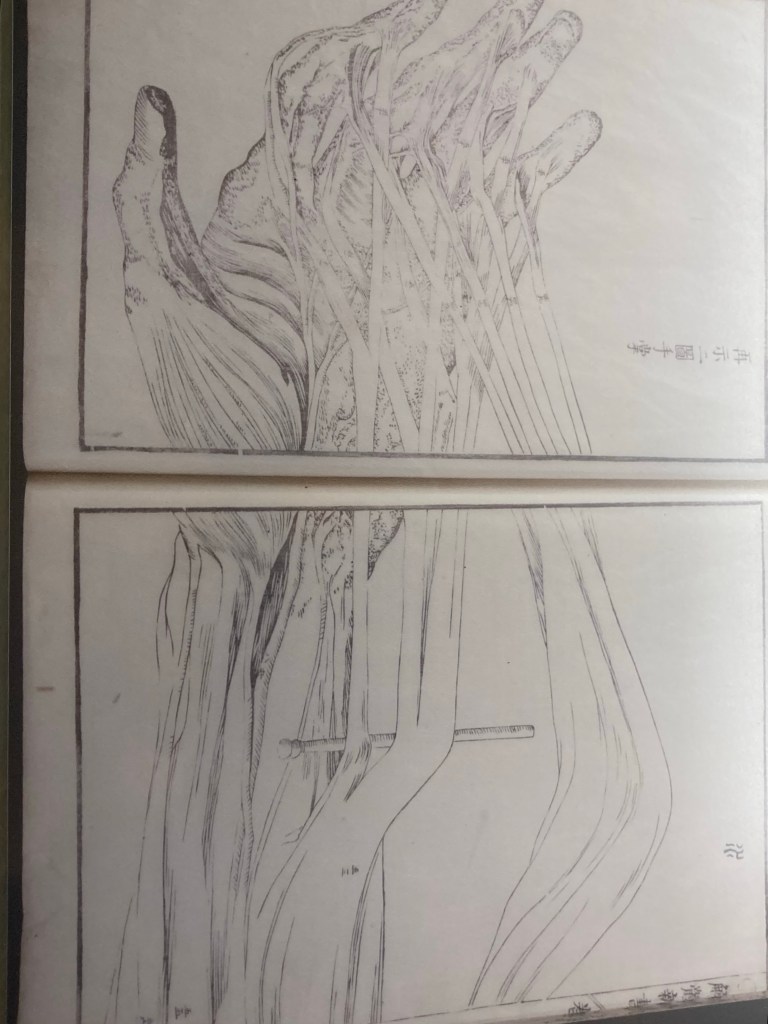
Of all the artefacts what really blew us away was the hand drawn illustrations of the human body in “Kaitai Shinsho” the first translation of a Dutch book of anatomy published in 1774 by Odano Naotake a samurai and distant relative of the Aorangi clan.

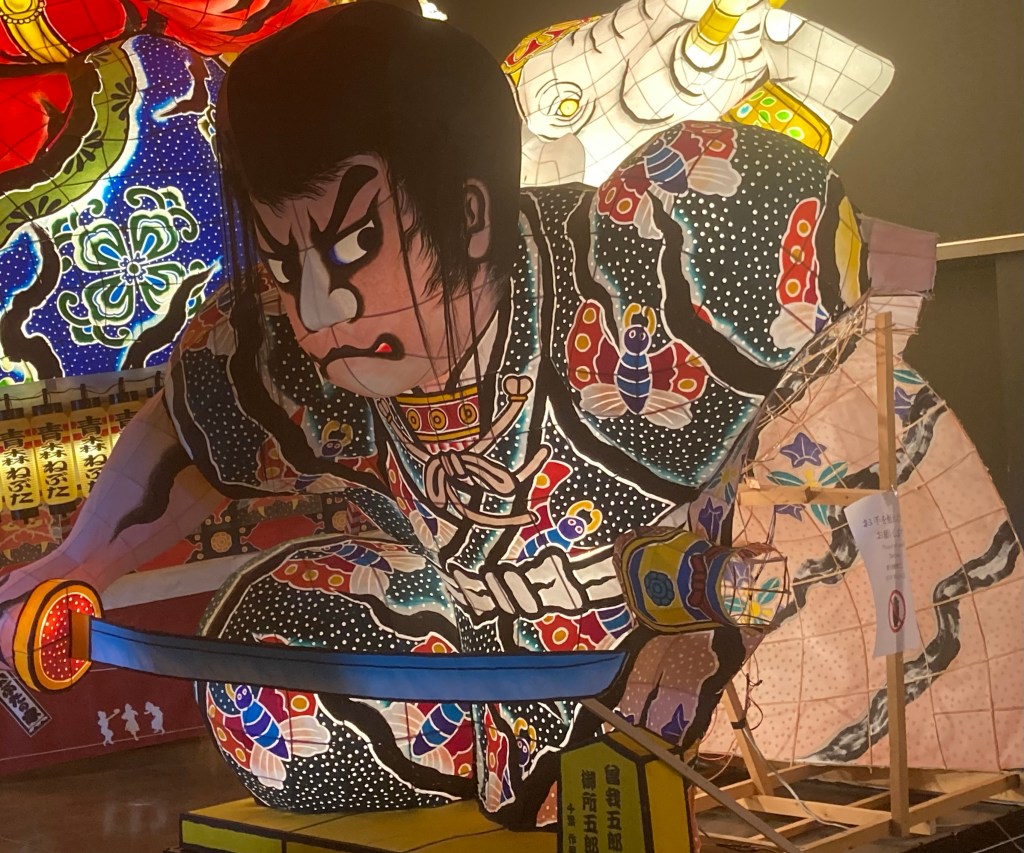
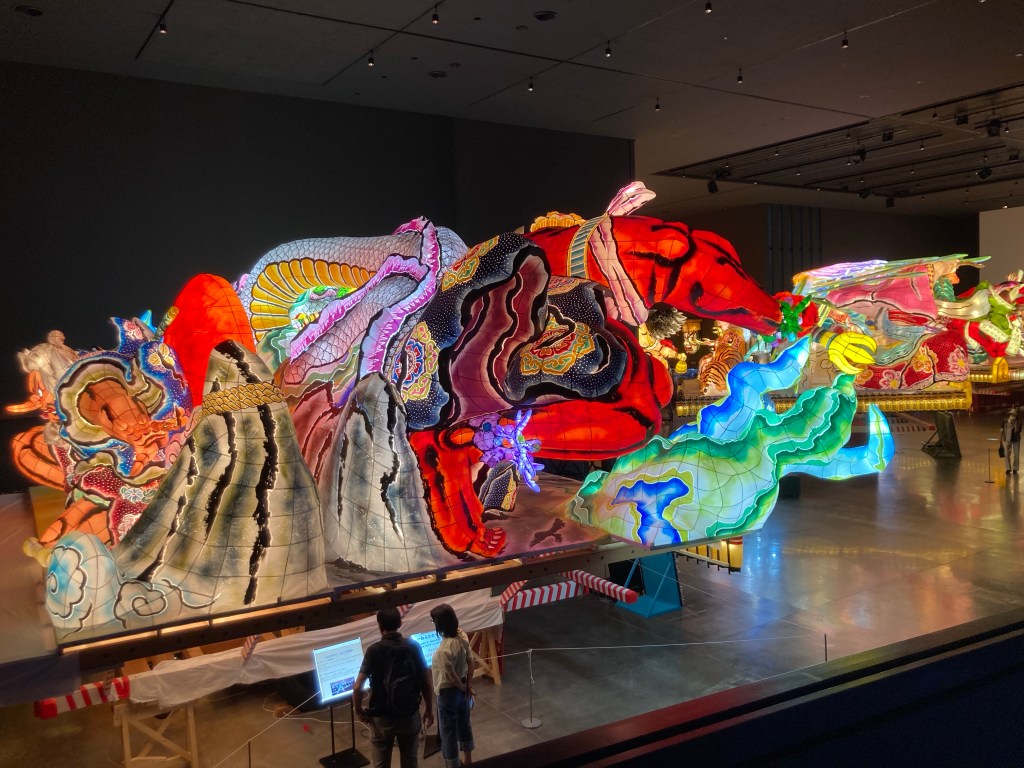
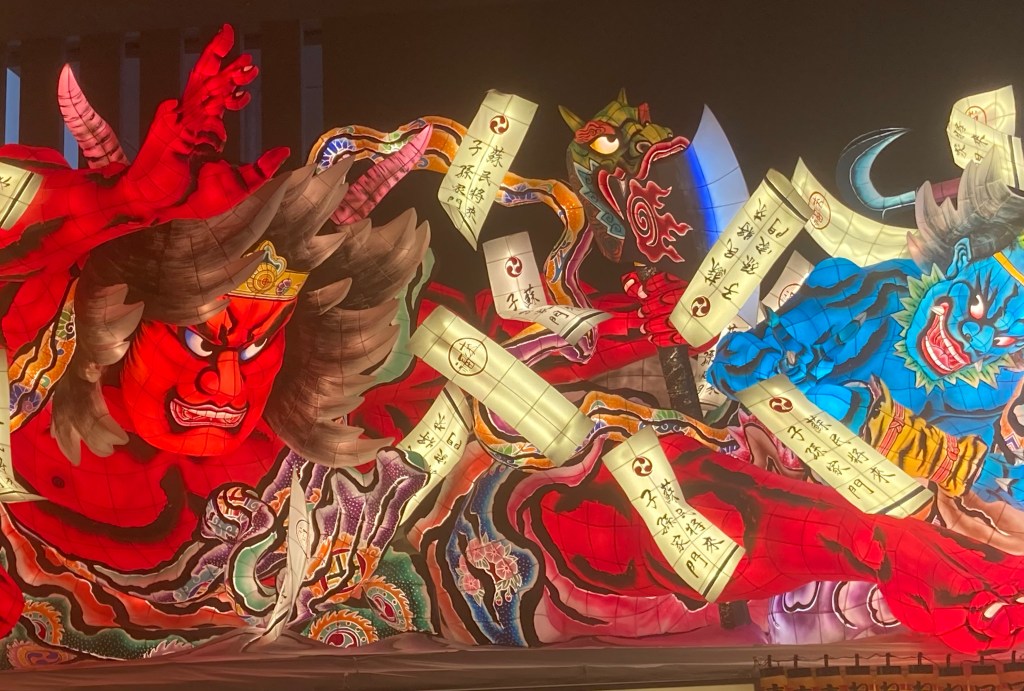
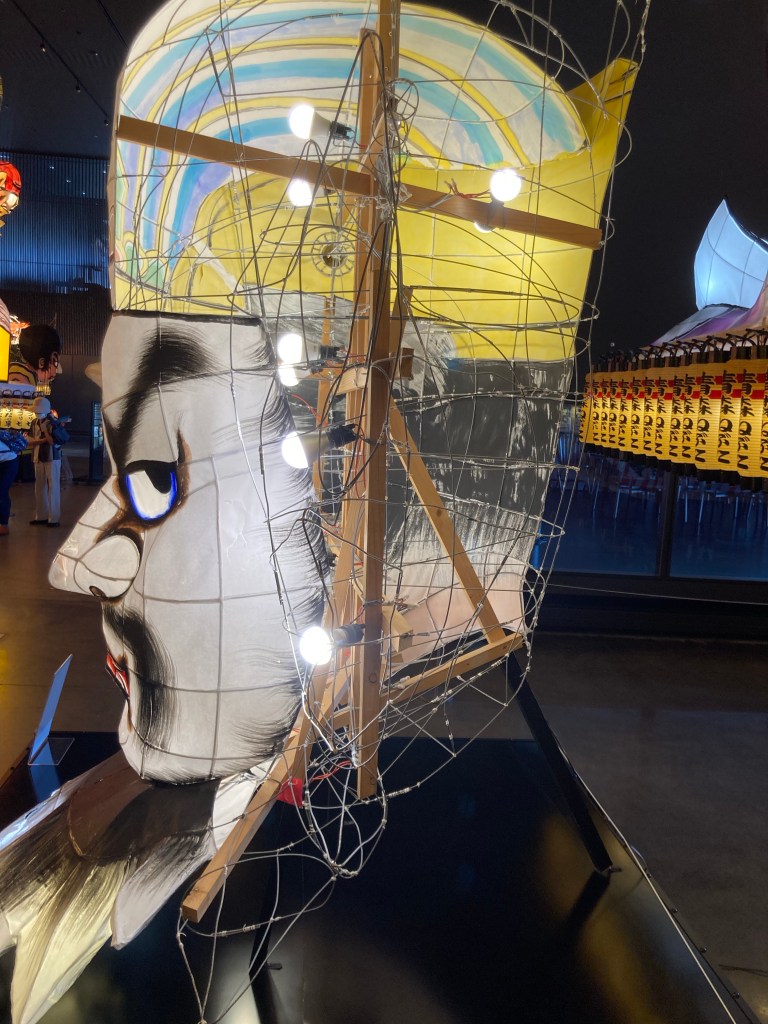
Nebuta Matsuri is the biggest festival in the Tohoku region. The 18th century festival is held in Aomori city every year in August. The highlight of the festival is the daily parade of gigantic colourful lantern floats accompanied by large taiko drums, musicians and dancers. We were too late for the festival but were able to view some of the floats at the Nebuta museum. They are amazing structures constructed from painted washi paper over a wireframe usually depicting gods or mythical creatures from Japanese culture, kabuki actors and characters from popular tv shows. They are illuminated from the inside resulting in vibrant colours.
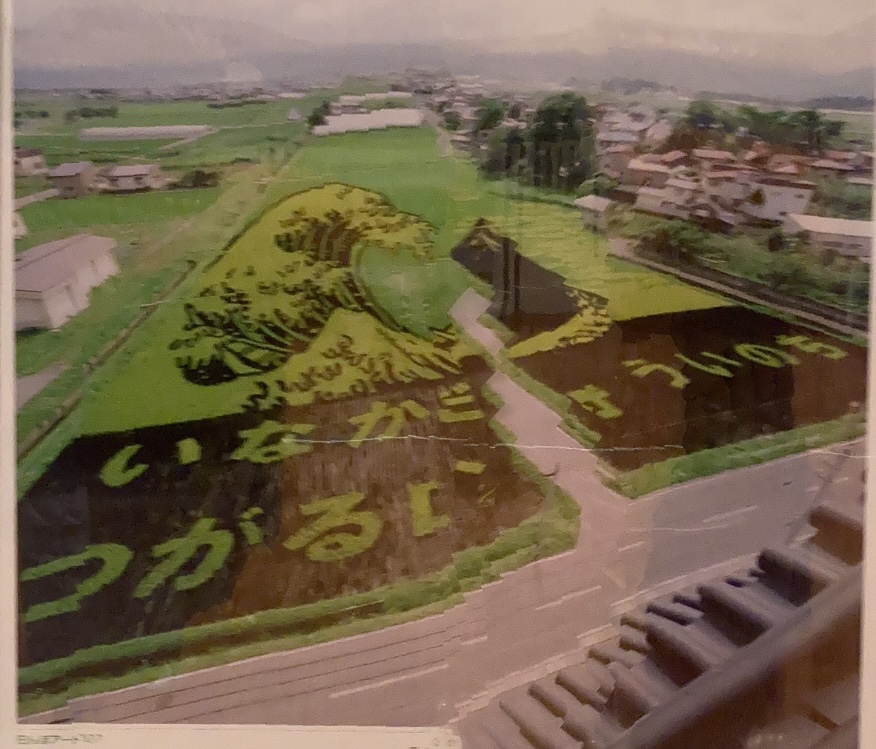
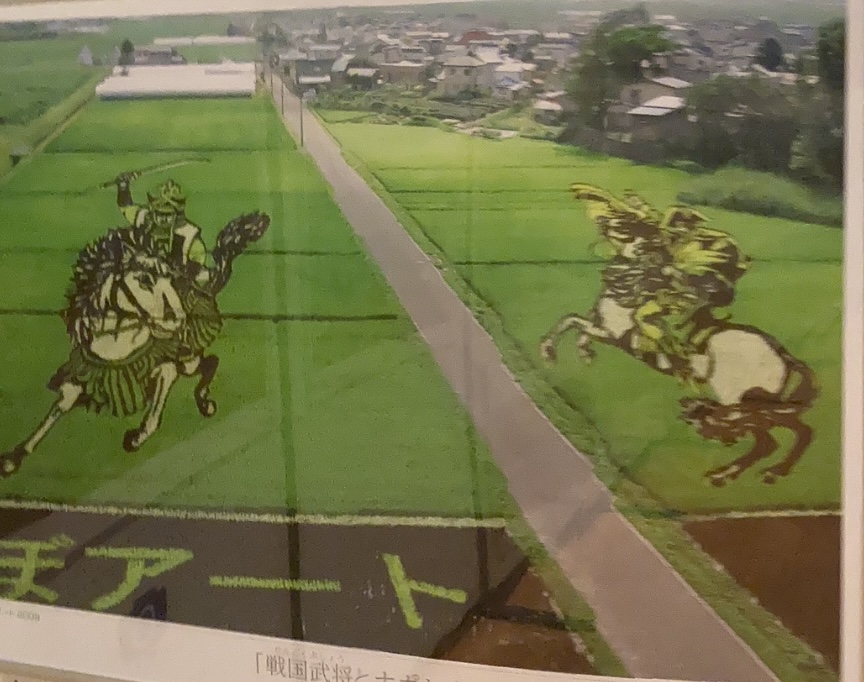
Rice Paddy Art

We are jumping ahead of ourselves with this blog as we have visited other places we want to write about but saw this today and we’re totally blown away and wanted to share.

What is rice paddy art? It is art using a rice paddy as a canvas making a rough sketch is the most important step. Surveying techniques and perspective drawing help achieve the high quality of the art but every step from planting to harvesting is done by hand involving more than 1000 villagers and supporters.

You may think what paint is used? The answer is None! The art is made by planting 10 varieties and 7 colours of rice including green, purple, yellow, dark green, white, red and orange. A typical picture is 150m x 50m

Hope you enjoy/appreciate as much as we have.

Earth Celebration -Sado Island

What is the Earth Celebration event ?

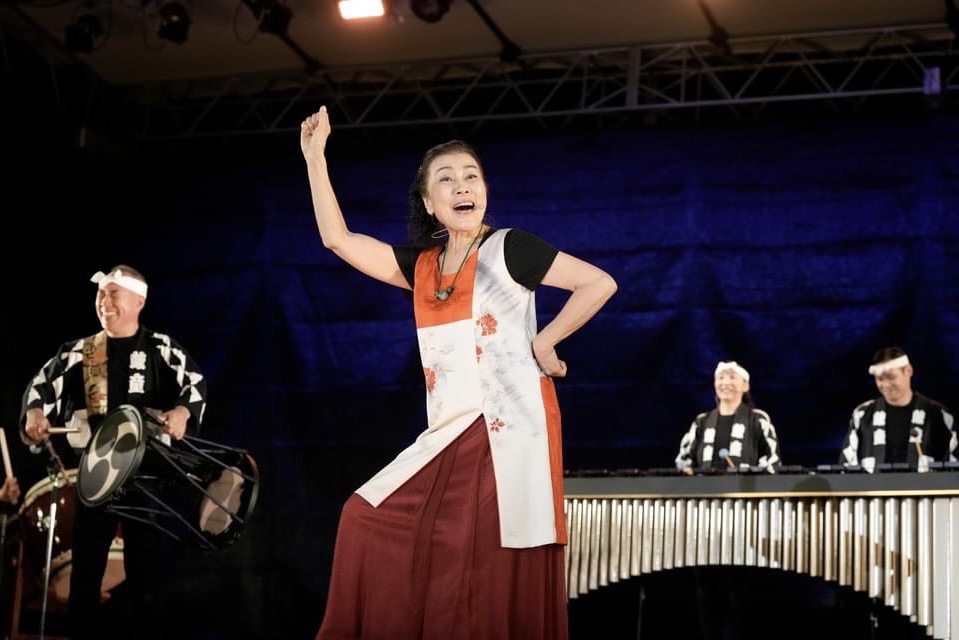
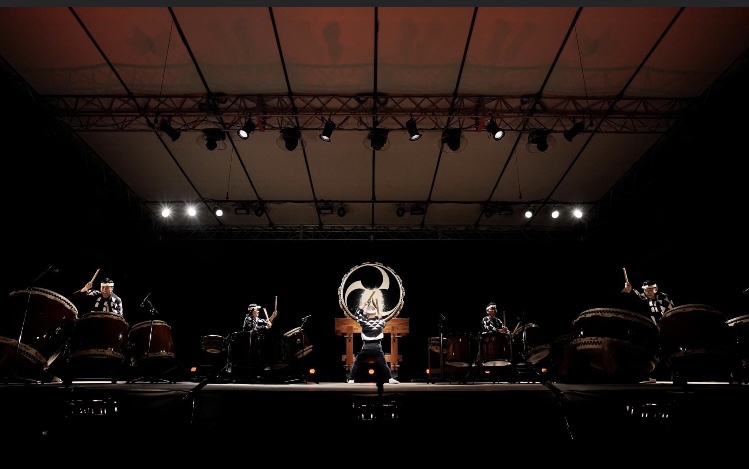
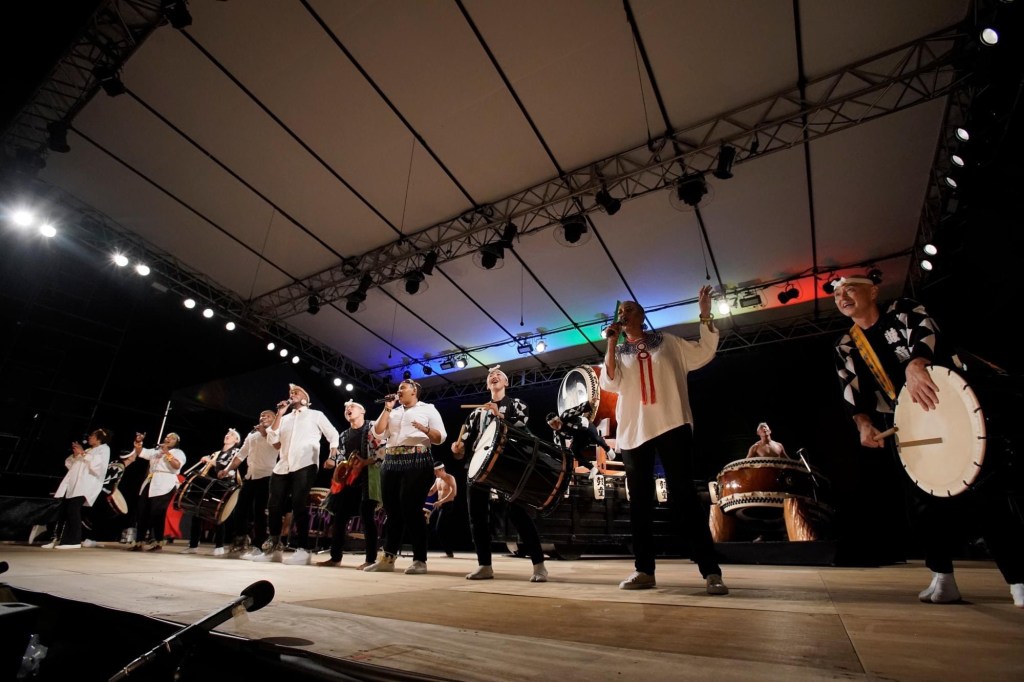
Kodo is a taiko drumming group based on Sado island which began in 1981 and a major founding member was Toshio Kawauchi who wrote in a 1983 newsletter that he would like to see an event that becomes an experiment in strengthening the community ties of all the worlds inhabitants, and through a mutual understanding of the music establish a new Earth culture that brings people one step closer to a world where people can truly live as human beings. Thus was born the Earth Celebration festival and its aim is simply to deliver his vision that “Under a star filled summer night sky, with the beats of the drum carried far away on the oceans roar the sound of Gamelon and sacred Shinto music fills the air.
Having followed the Kodo drummers since we saw them way back in 1987 when they visited Sadler’s Wells we have long held a dream to see them perform at their annual celebration on their home territory on Sado Island and this trip around Japan was partly about making that dream come true

Having, months earlier, stayed up until the early hours Charles managed to secure tickets for the 2 main shows we wanted to see so the first thing we did on disembarking the ferry was to collect our tickets from the site box office. We then headed to our pre booked campsite next to the beach on the outskirts of the town.

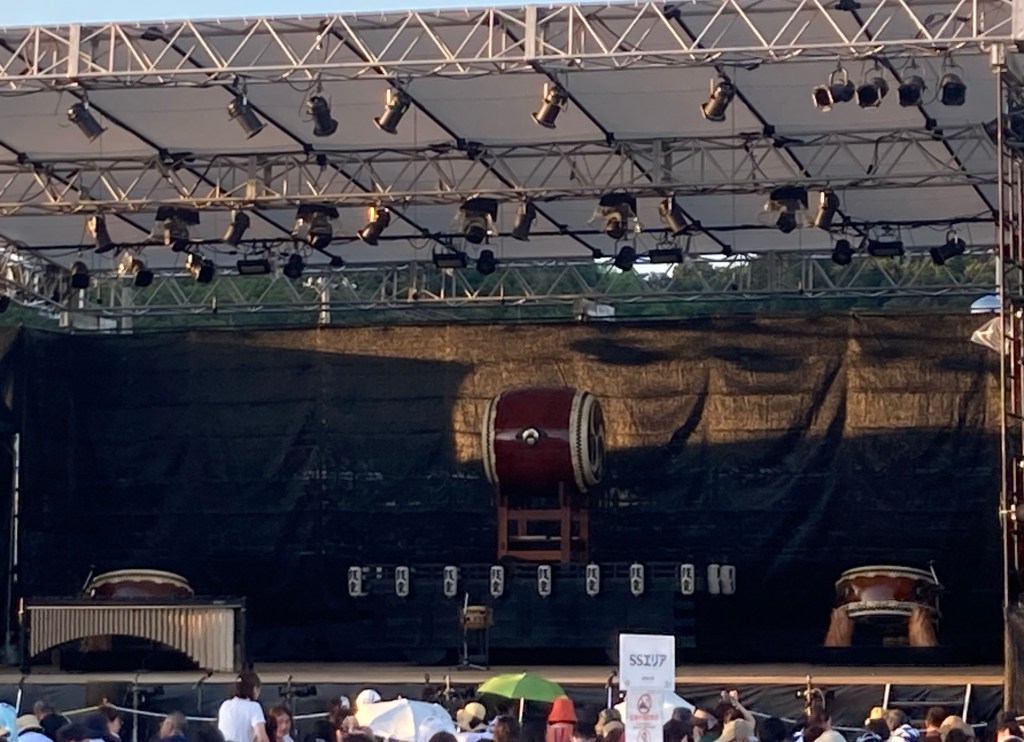
Our first show was the evening of our arrival using the shuttle bus service laid on from the campsite we arrived in Ogi Port about an hour before the show admissions began which gave us an opportunity to browse the various craft and food stalls. The show featured the Kodo drummers accompanied by singers and dancers whom I am sure were telling a story but not speaking Japanese I can’t be sure.

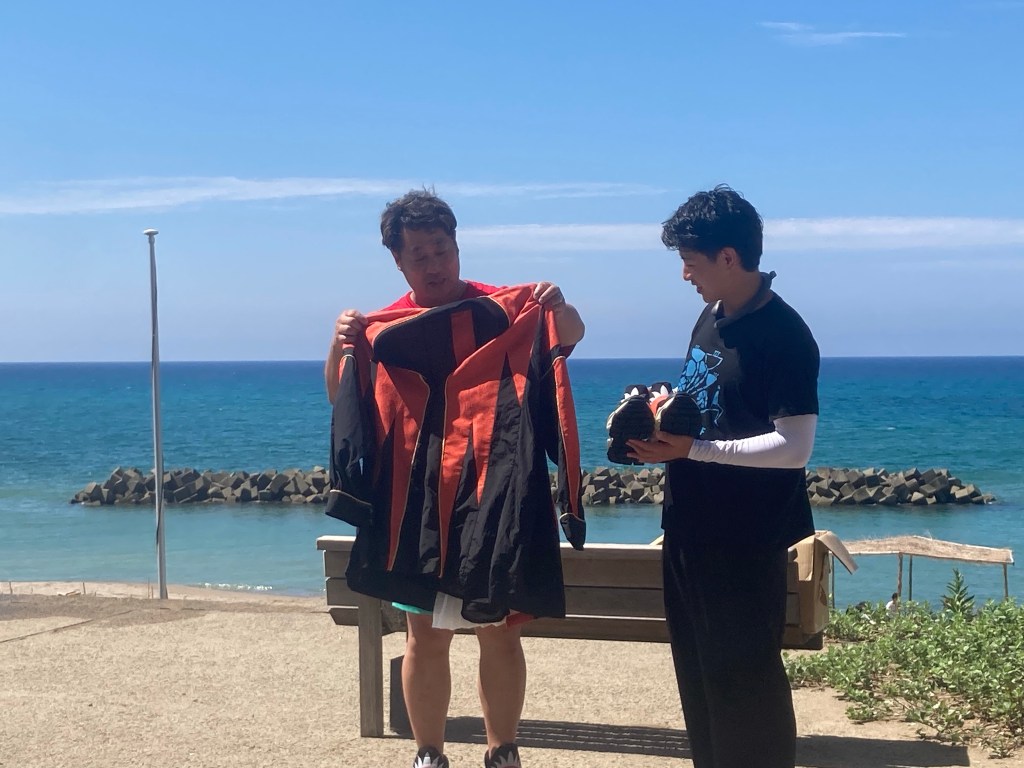
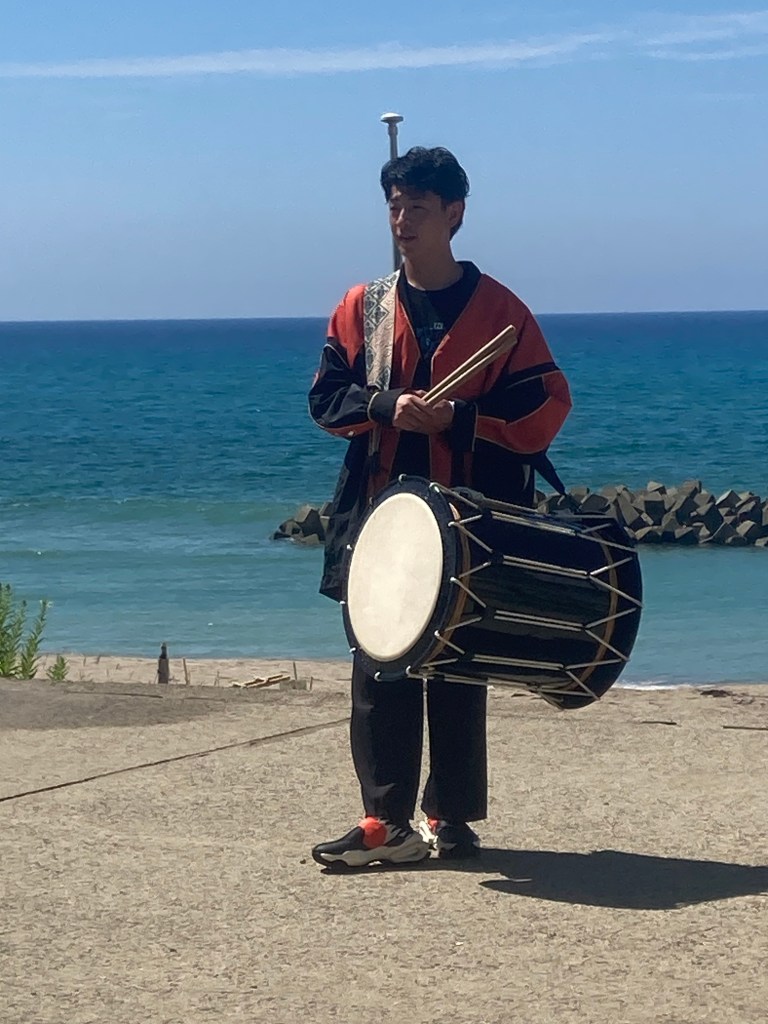
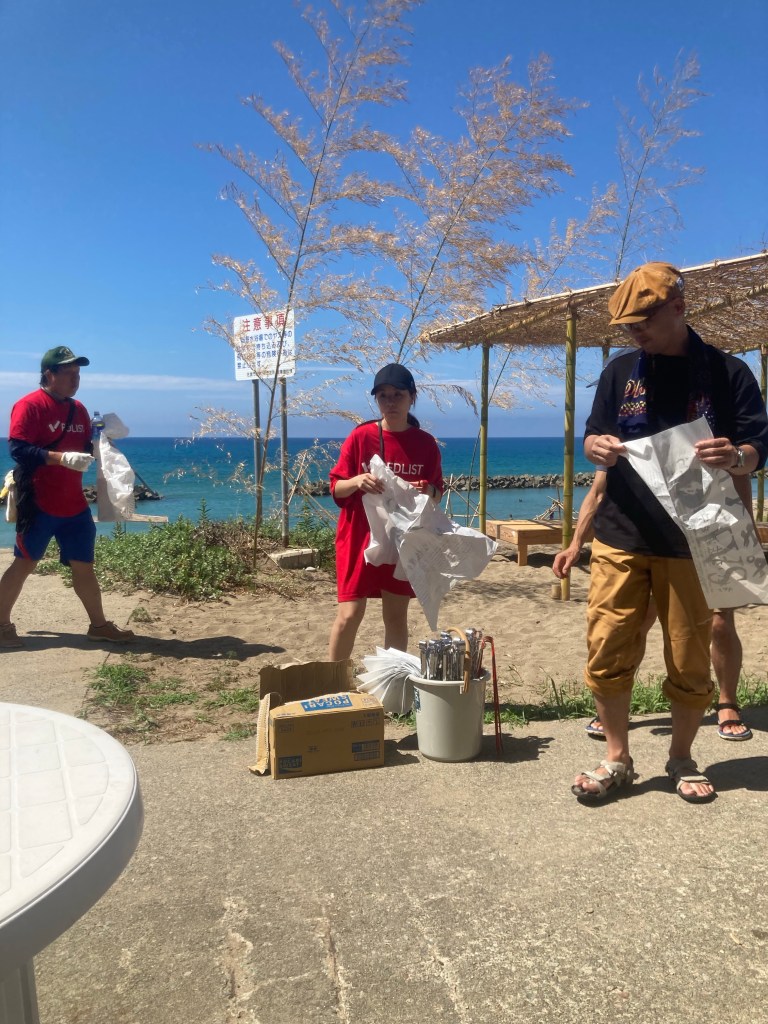
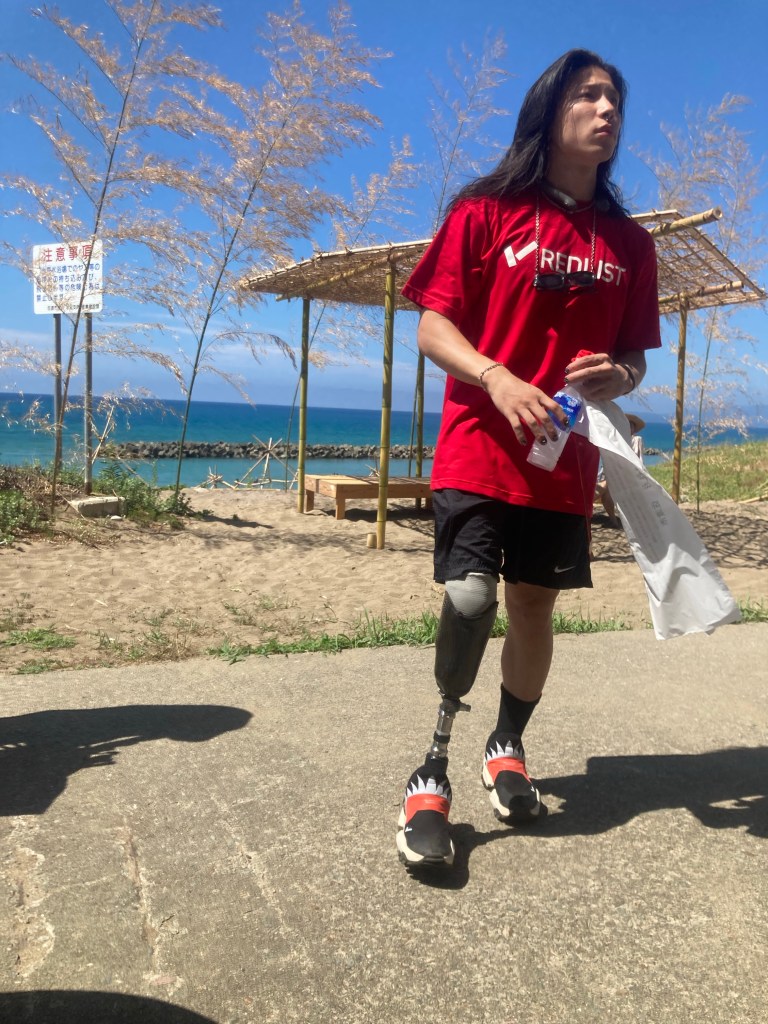
We were lucky enough the following day to be treated to a personal appearance from one of the shows drummers at the campsite, it appeared that he was being awarded the official outfit of “Redlist” a community group who are part of the wider Kodo collective, who after the demonstration led a beach clean up. We were so pleased we had decided to have a lazy day on site.

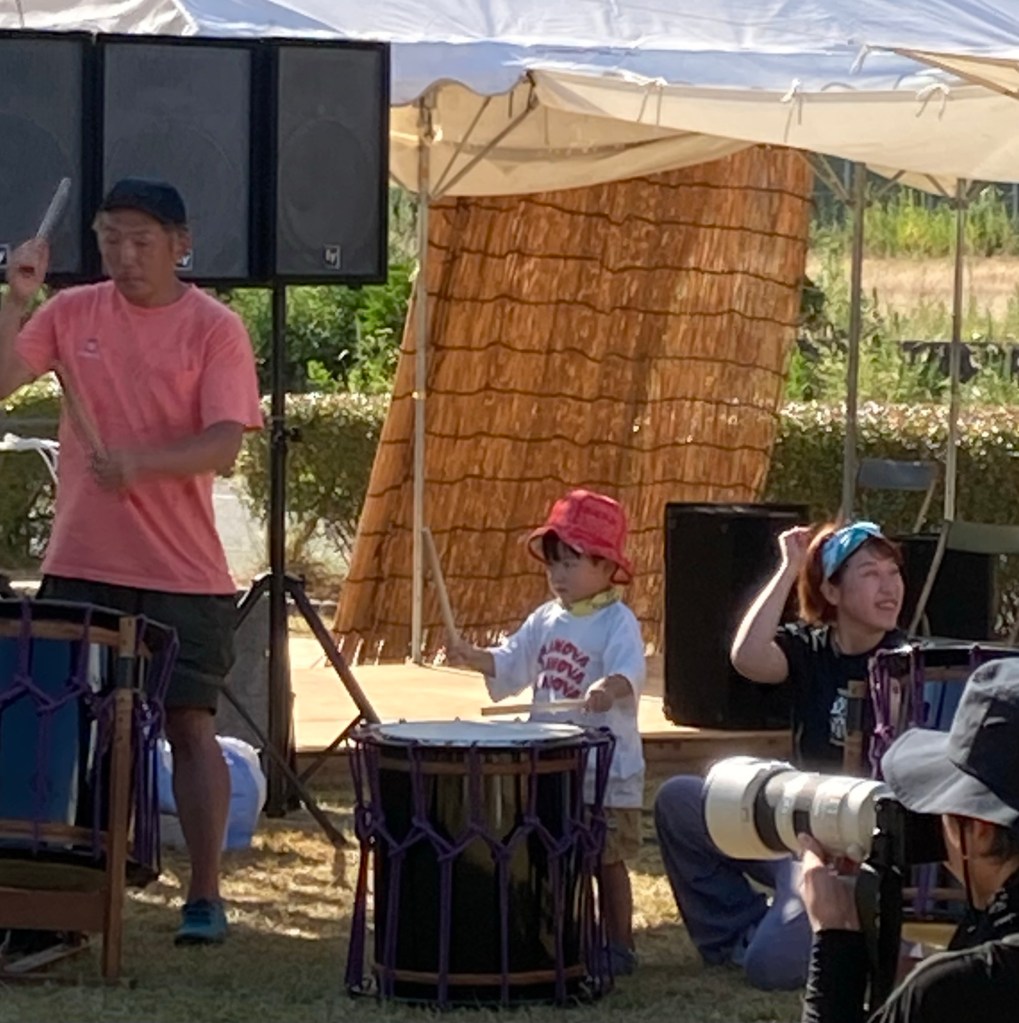
Part of the 3 day festival involved lots of day time cultural events around the town including drum workshops for those eager to try taiko drumming. This was open to all ages even really young children who brilliantly gave it a go as the photos show.

The grand finale on the Sunday evening also included an accapello group from South Africa, What a show this was Kodo at their best the energy was palpable and to see two totally different cultures come together and perform as one I think Toshio Kamuchi’s would feel his dream had come true.

NB as an aside I wanted to share a bit of Japanese history unbeknown to me. As part of our stroll through the various stalls we were approached by one of a group campaigning to repatriate Japanese citizens abducted by North Korea. The abduction of Japanese citizens took place over a six year period from 1977 to 1983 North Korea wanted them to train their spies in Japanese language and culture or to steal their identities so that their agents could masquerade as Japanese for espionage aimed mainly at South Korea. Although many have been abducted Japan has only identified seventeen.Since North Korea admitted abducting Japanese citizens in 2002 only five have been repatriated while discussions as to the whereabouts of the others are still ongoing. We were both shocked to hear yet it is still happening in various parts of the world and close to home we have the current situation between Russia and the Ukraine?

Wonderful Wilderness

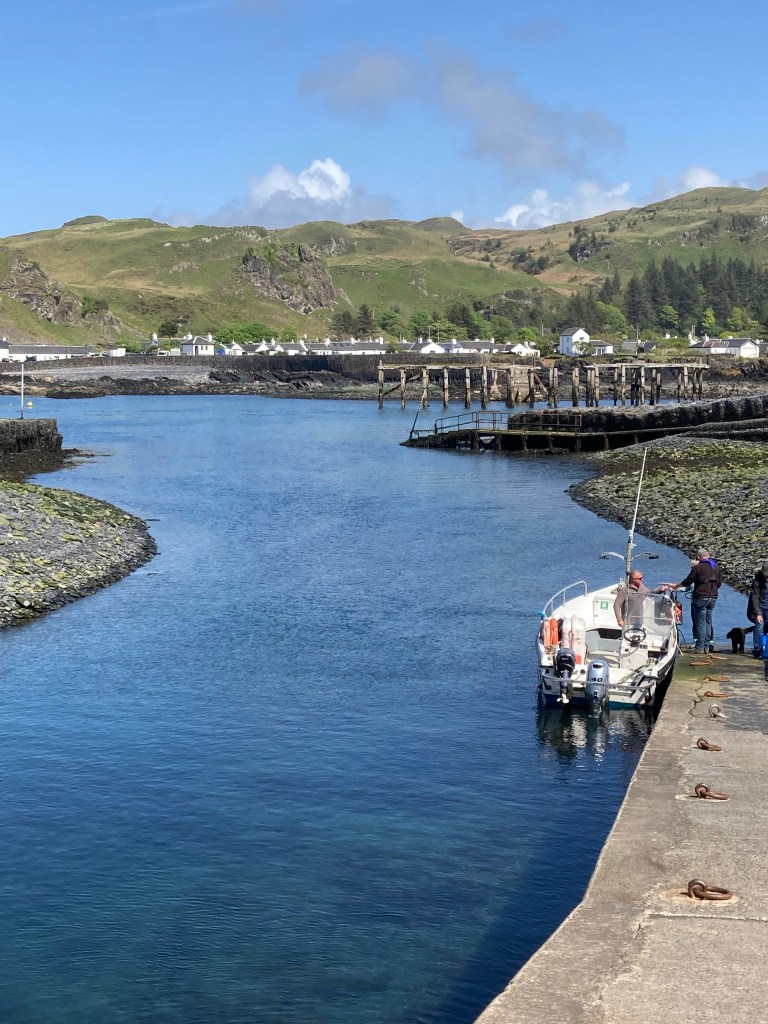
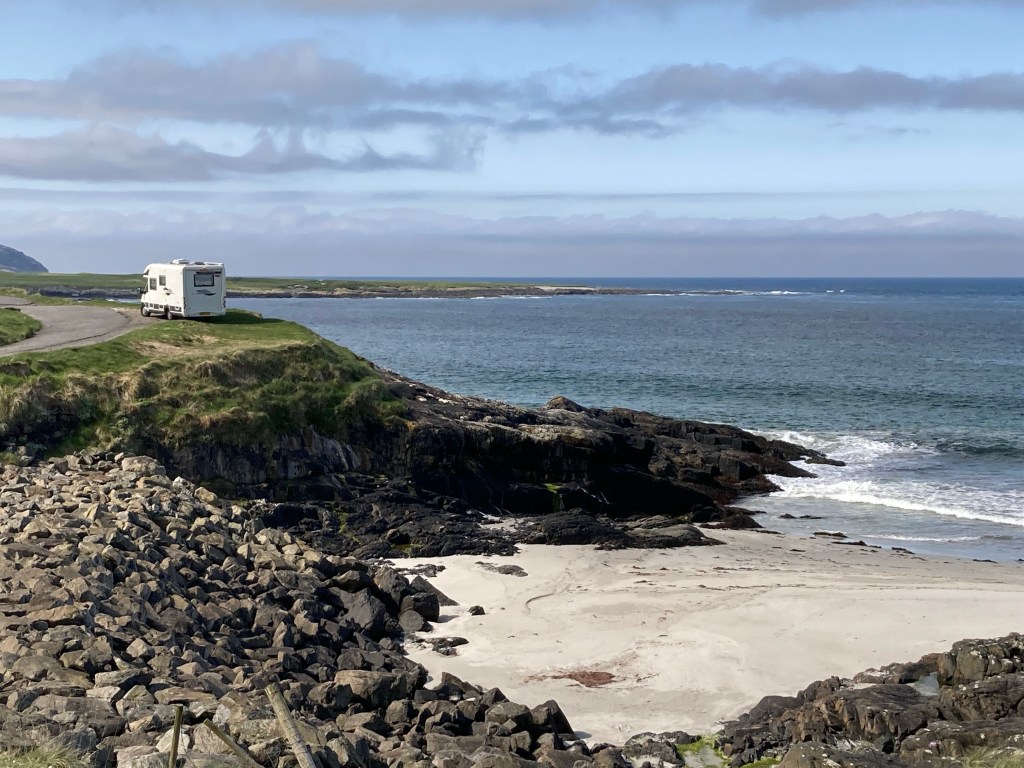
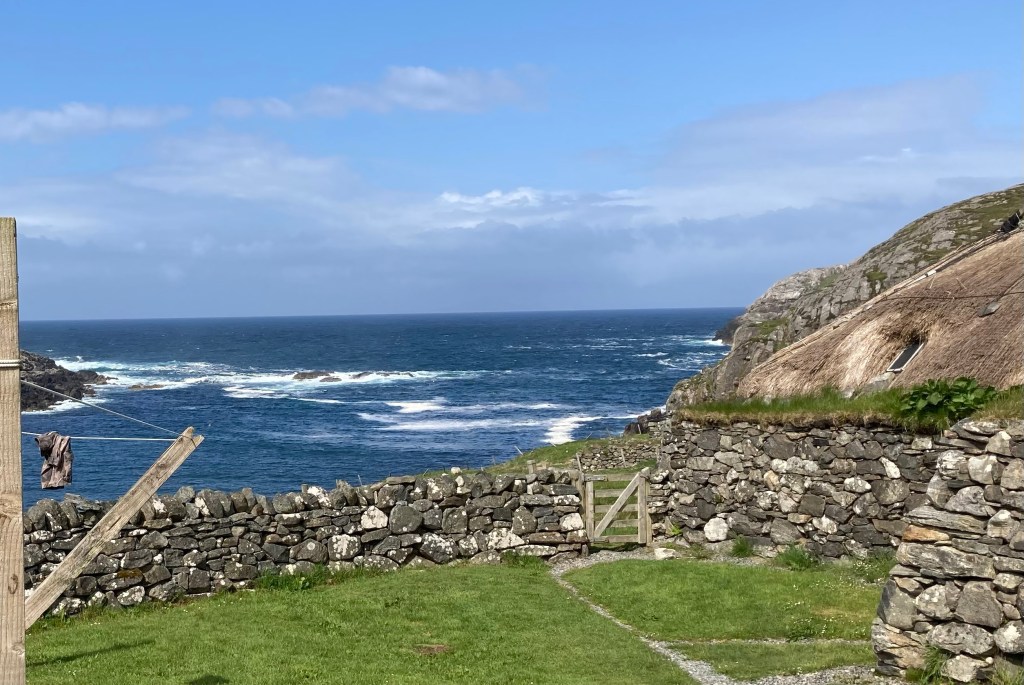
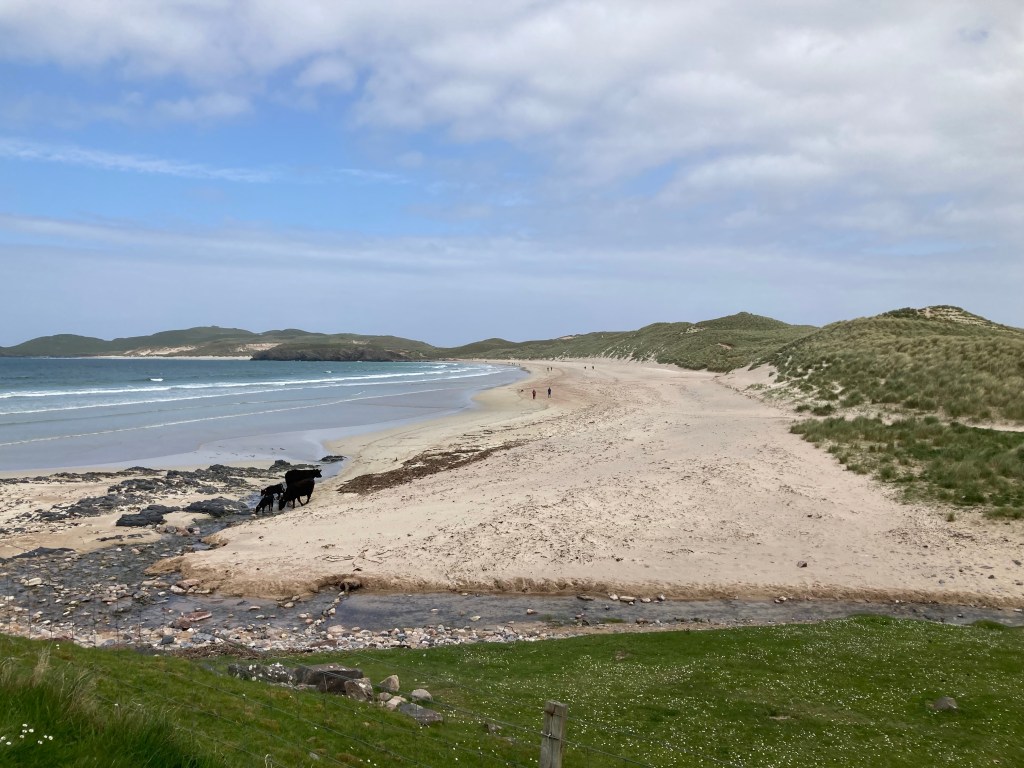
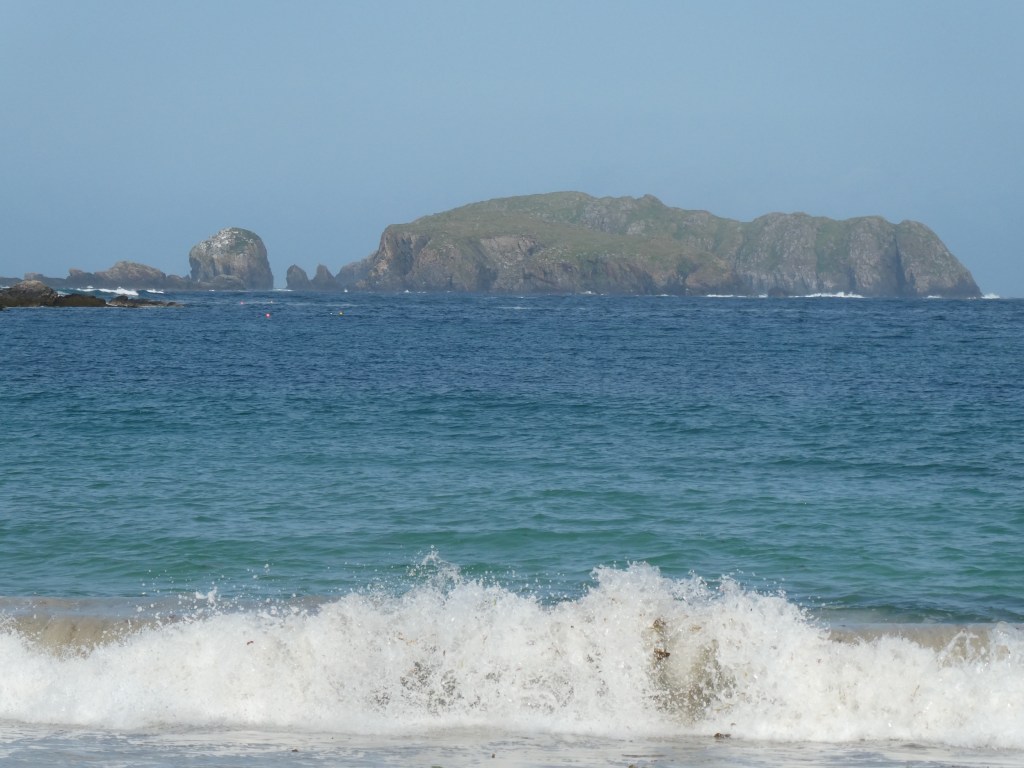
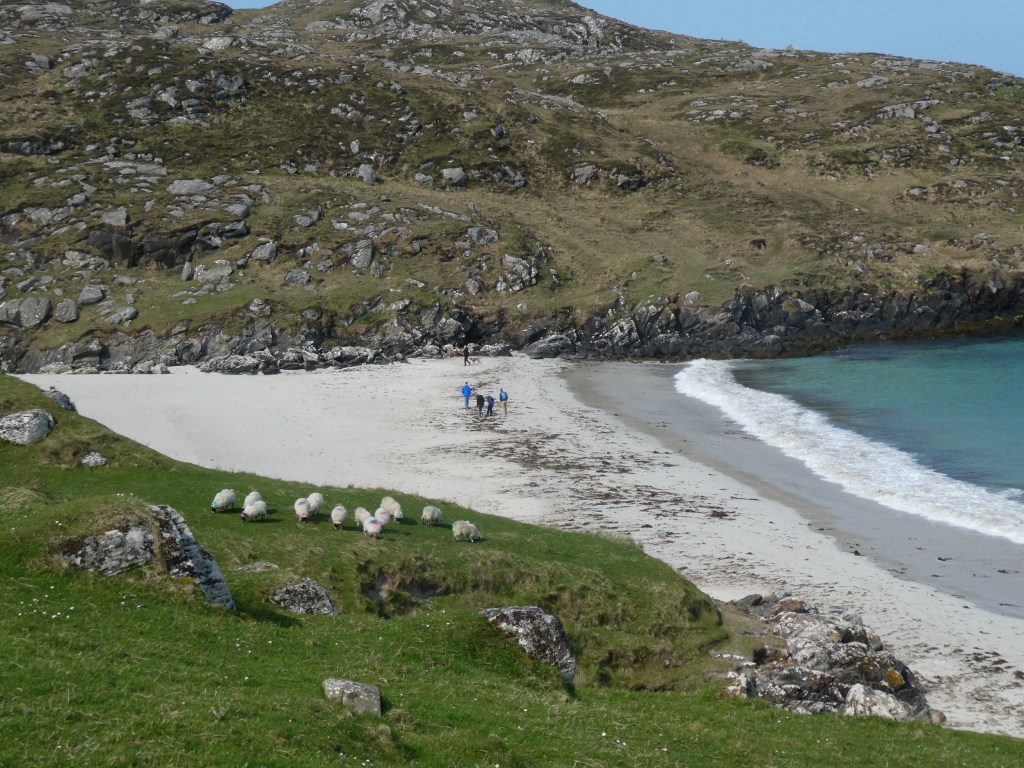
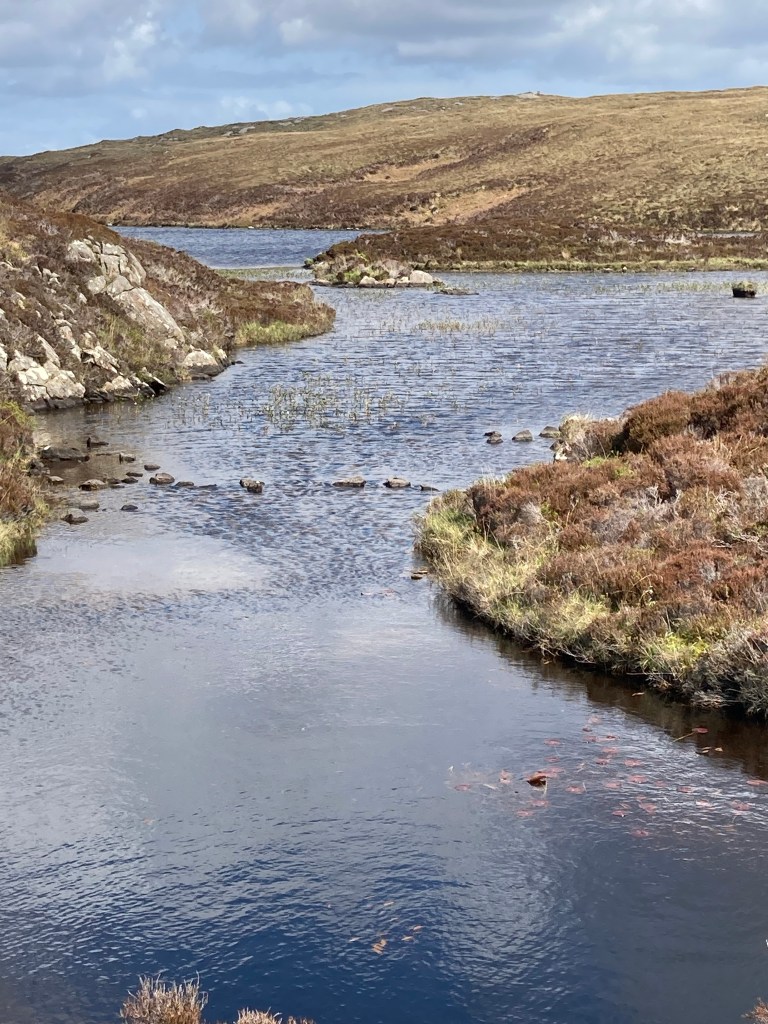
As we finally depart the Outer Hebrides it would be an injustice if we did not share some photos and words that try to capture what we have seen on our 12 day journey from Vesteray in the South through to Lewis in the North

Undertaking this journey as recent as the 1970/80s would have been completely different as not all the causeways in use today existed. This journey through the Outer Hebrides required 3 ferry crossings as we have travelled its length. Back then there would have been 13 to undertake if you had taken our journey. Maybe the land mass broken into islands gives a history that goes some way to explain the sense of similar but not the same that we experienced.

What they do all have in common though is a western shoreline that non stop provides a musical backdrop from waves crashing and wind sounding soft one moment and threatening the next. But then the majority of the western shoreline is looking out towards the eastern seaboard of America, Canada and Greenland so the wind and waves travel a long way.

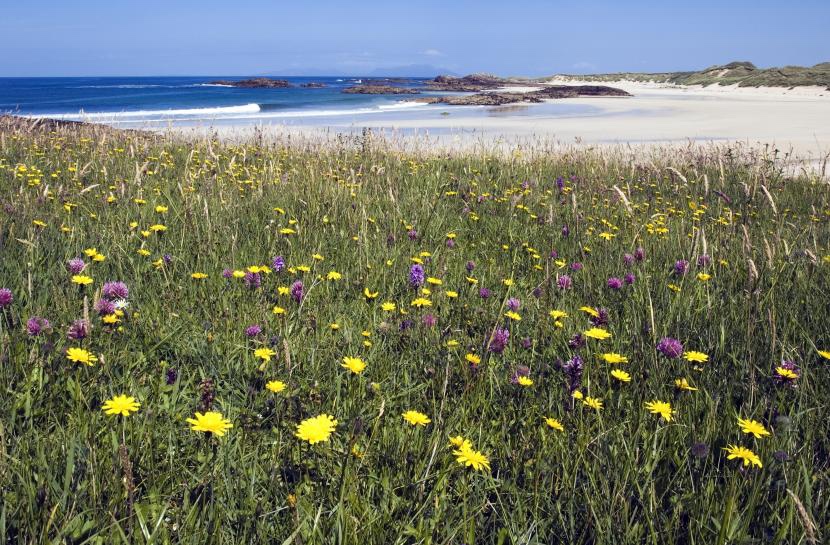
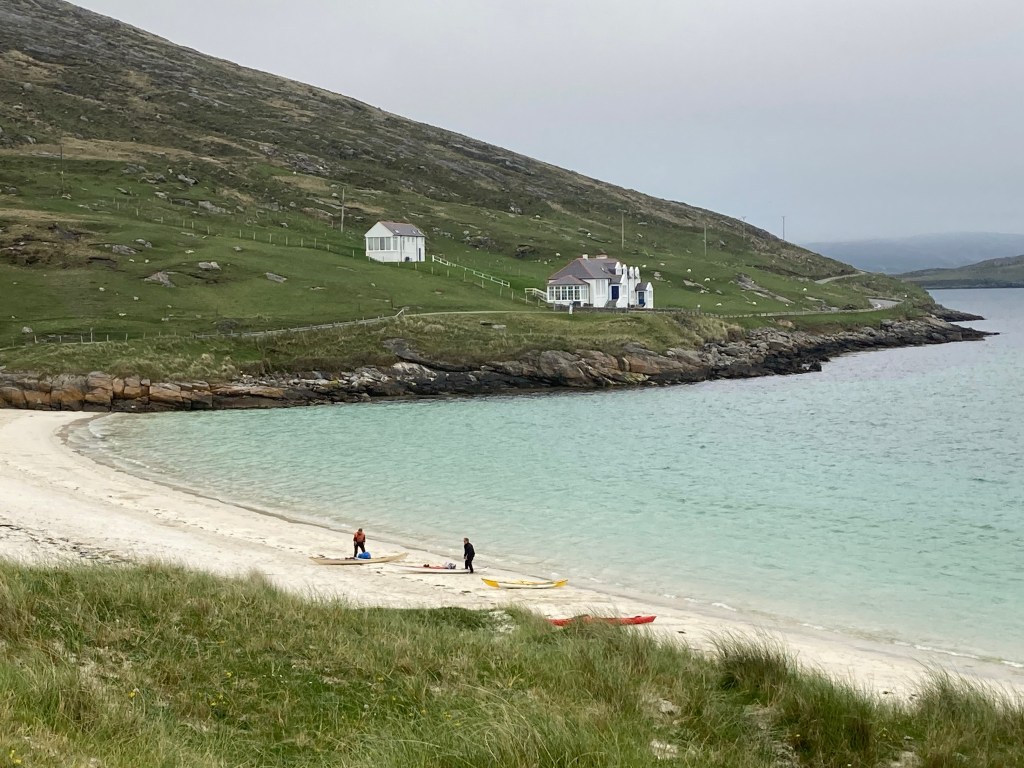
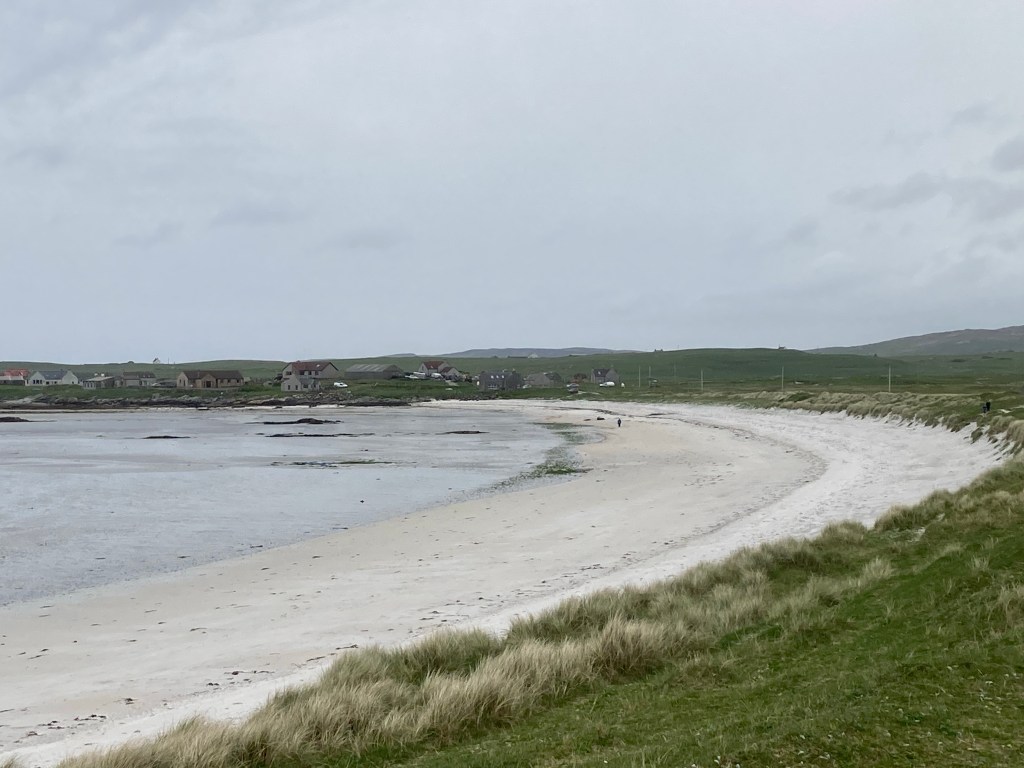
Surprisingly for a part of the United Kingdom we associate with rain and cold, the beaches are blessed with tropical looking seas that range in colour from an aquamarine green through to blue and sands that went from white to various shades of yellow. If only the sun was more consistent!

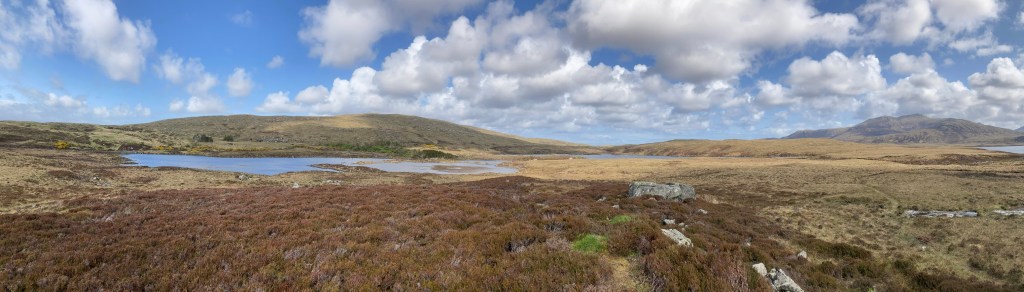
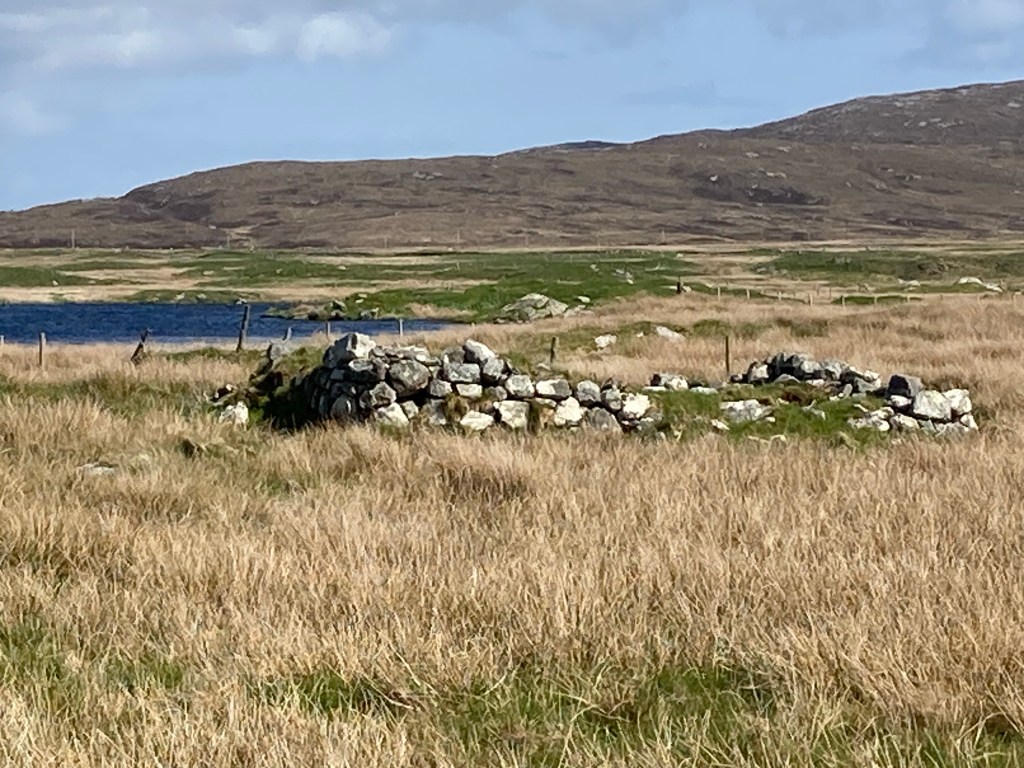
The landscape is just as varied being a mix of rocky outcrops and strong hill ranges in places, with peat fields and bogs extending as far as the eye can see, The peat fields still provide a source of fuel to the islanders with a common sight as we drove around being areas of peat cutting with turves laid out to dry. This dramatic landscape of hill, moors and bogs is then fringed with low lying coastal crofting areas that contain the amazing Machair.

Machair is a Gaelic word and is more than a habitat, it is a blend of:

  • low-lying coastline
  • sand partly consisting of shell fragments
  • the effects of strong winds
  • just the right amount of rainfall
  • the involvement of people and their grazing animals

Scotland’s machair is best developed on the Uists, Tiree and Barra.

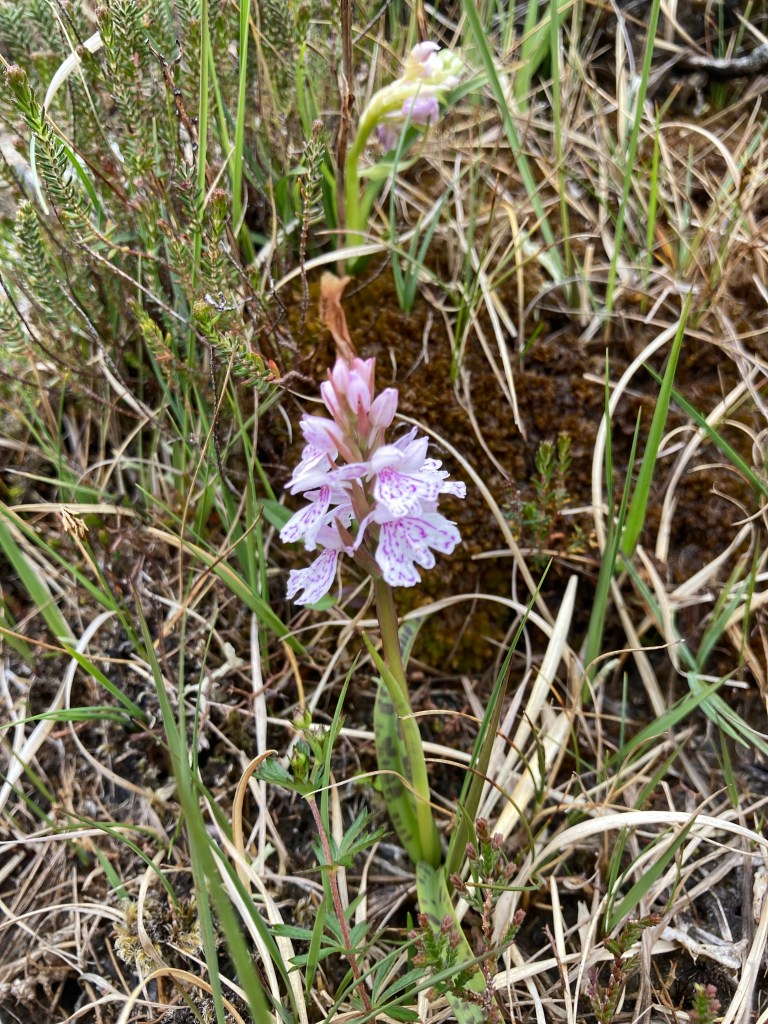
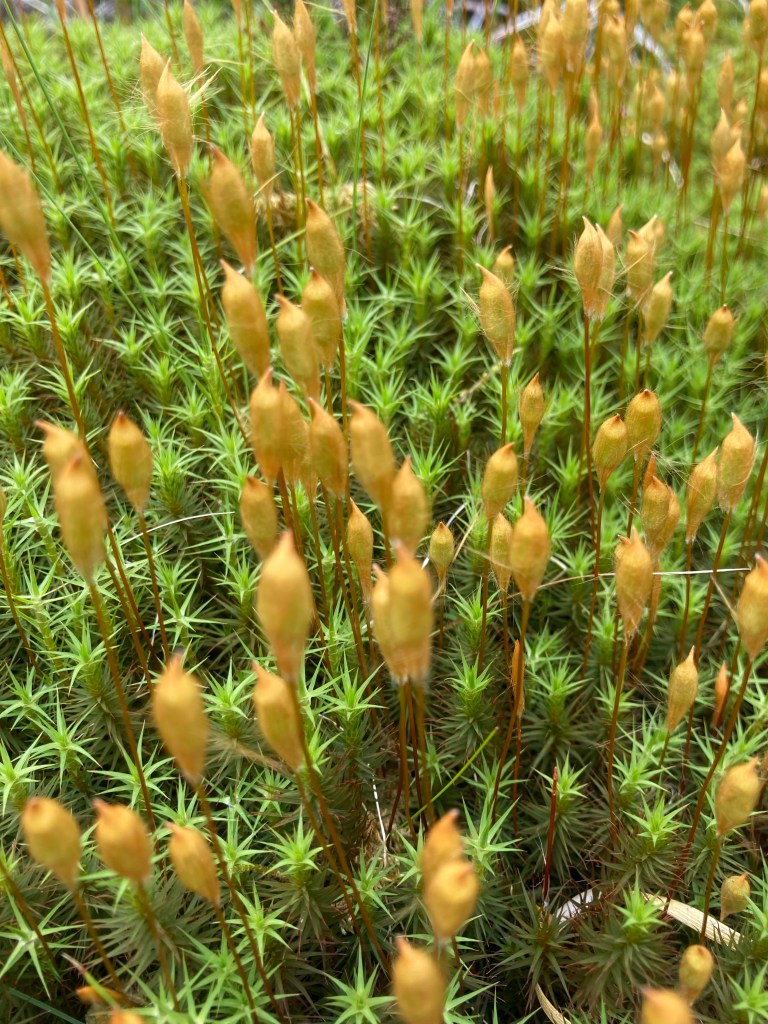
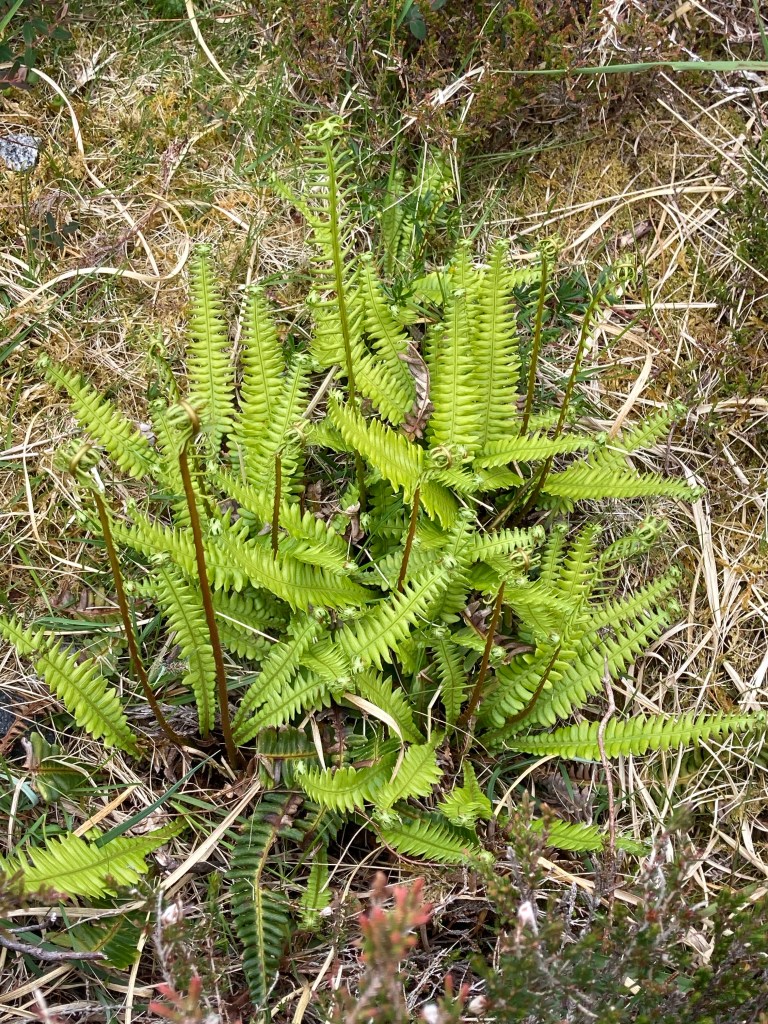
Plants of the Hebridean Landscape included

Numerous Beaches and bays all of interest

Birdlife

Mammals

Delphi and Thebes

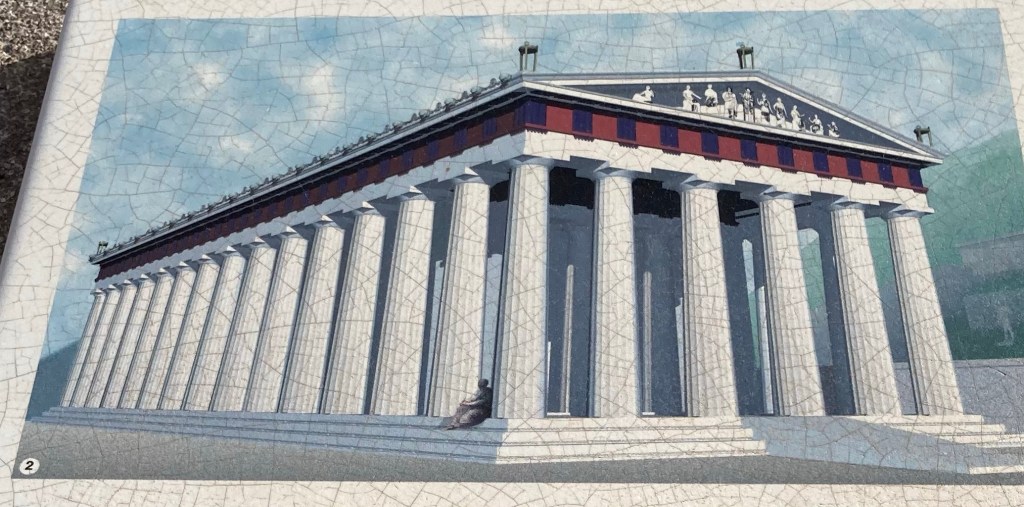
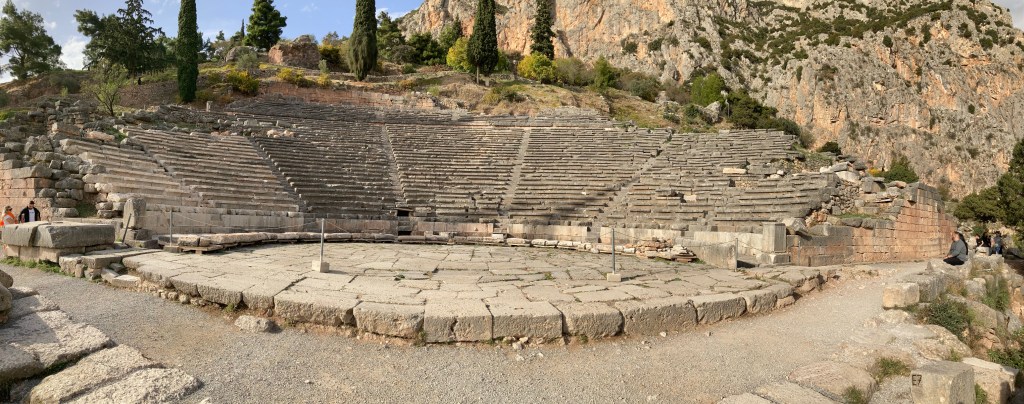
According to mythology Zeus had released two eagles at opposite ends of the earth and where they met was to be considered the centre of the earth and this was the site at Delphi.

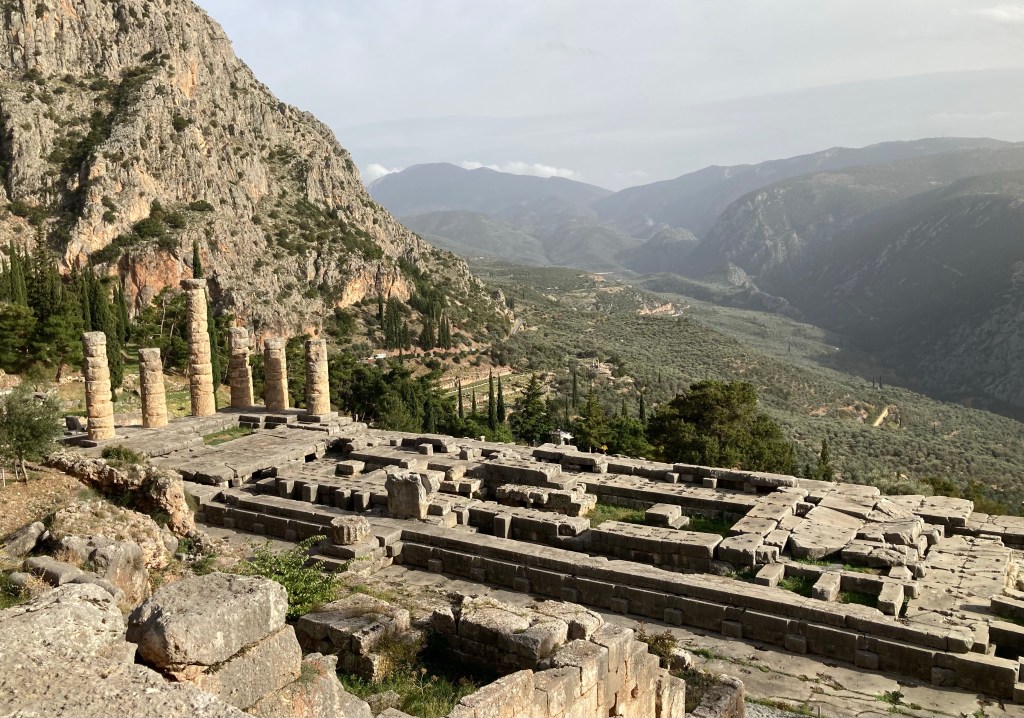
The ancient Greeks believed that Delphi was where the god Apollo would speak to them through the Oracle. This was a female priestess over the age of fifty who had been selected to communicate with the gods and would sit on a tripod over a chasm in the earth that emitted “hallucinogenic”fumes causing her to go into a trance. Her unintelligible utterances to any pilgrims question would be translated into answers in verse by the high priest, and those answers would determine which battles to fight, whether to marry, what journeys to undertake and if business deals should be entered into.

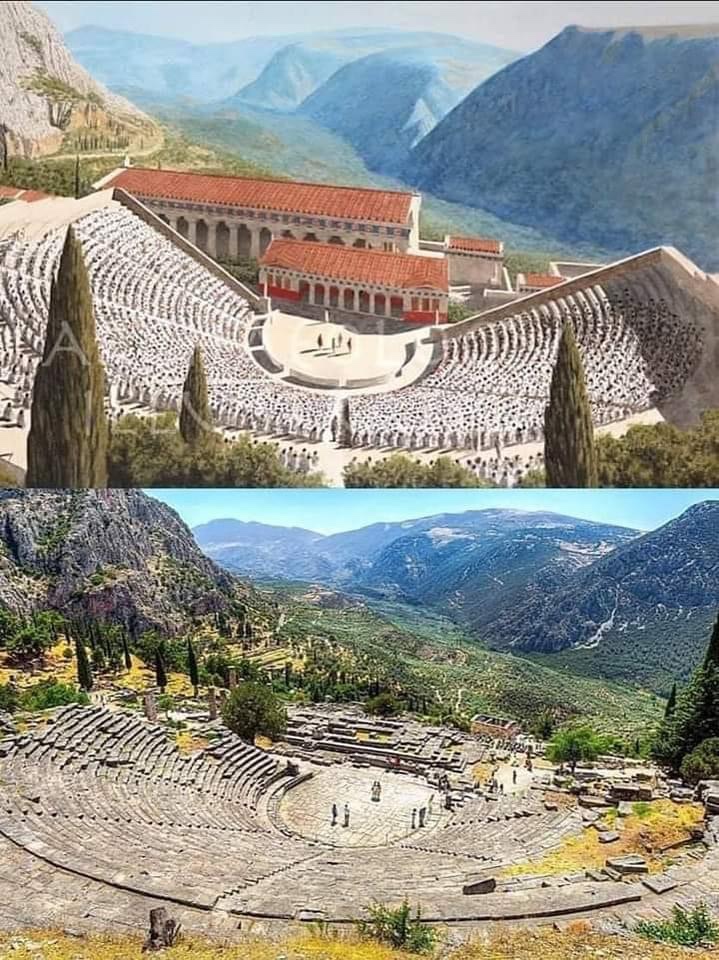
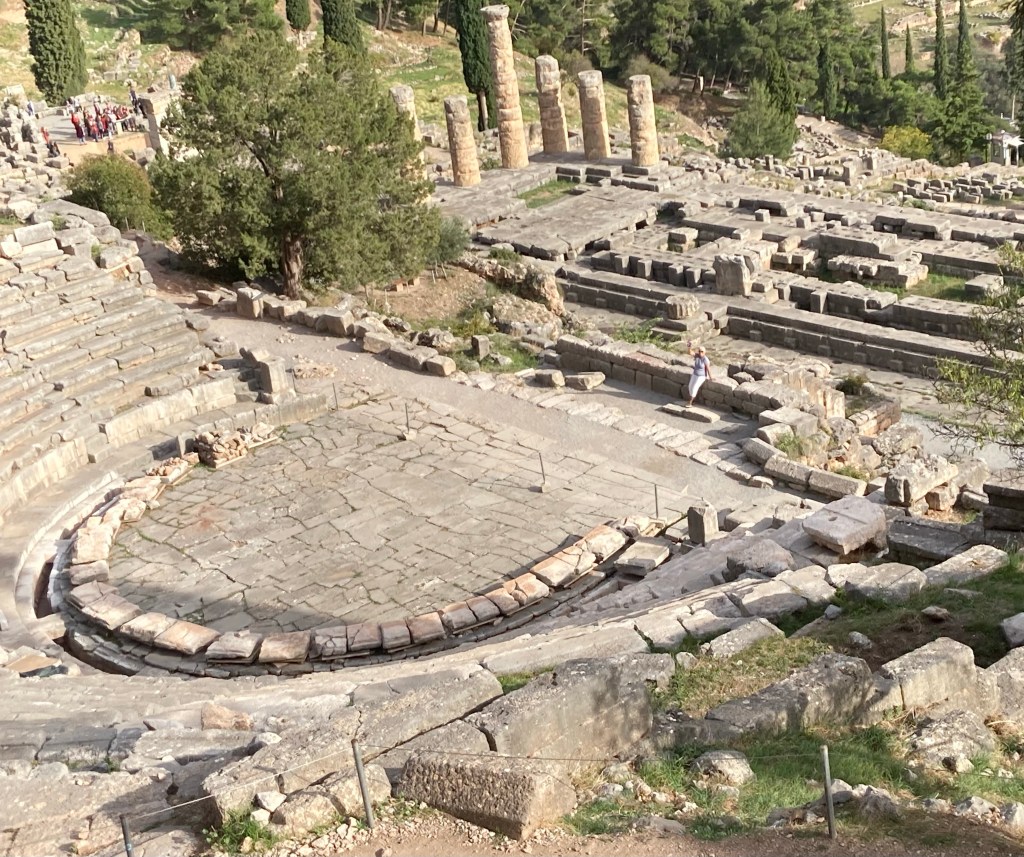
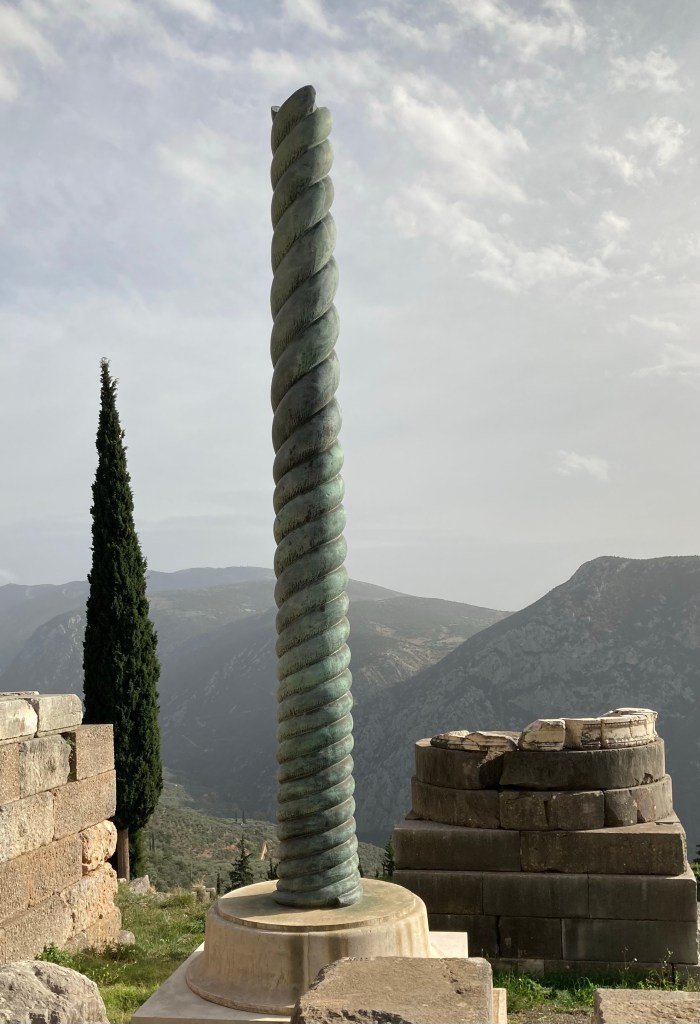
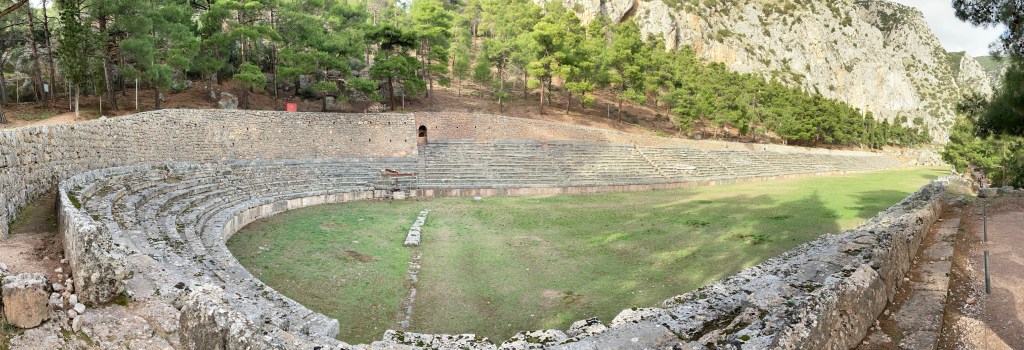
Built on the slopes of mount Parnassos overlooking a valley of cypress and olive trees that extend down to the Gulf of Corinth it’s location is truly awe inspiring and not easy to express in words. The ruins consist of numerous temples and other structures sprawling across the mountainside covering many acres some of which is still under exploration.

It was easy to see why Delphi is the second most popular historical site in Greece.

Thebes

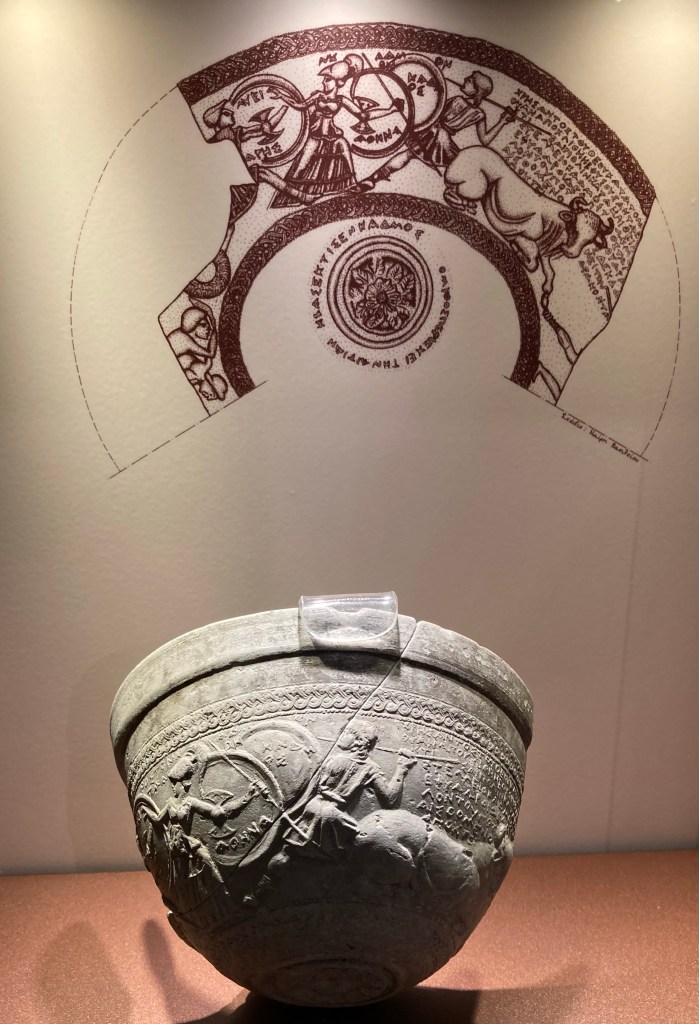
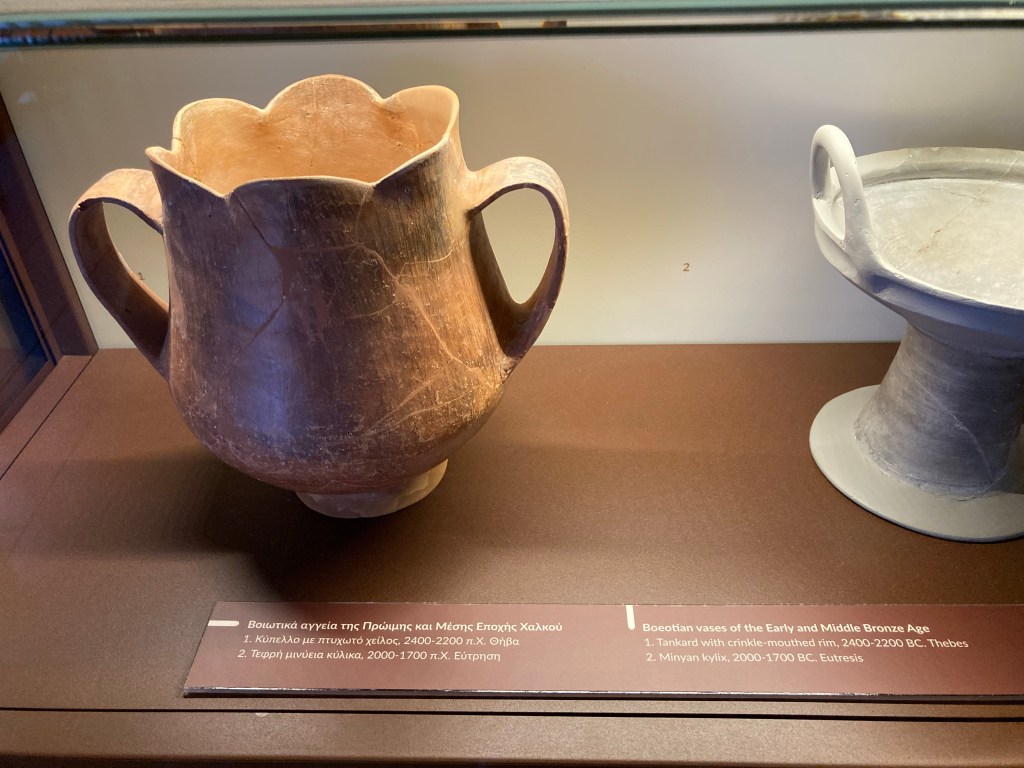
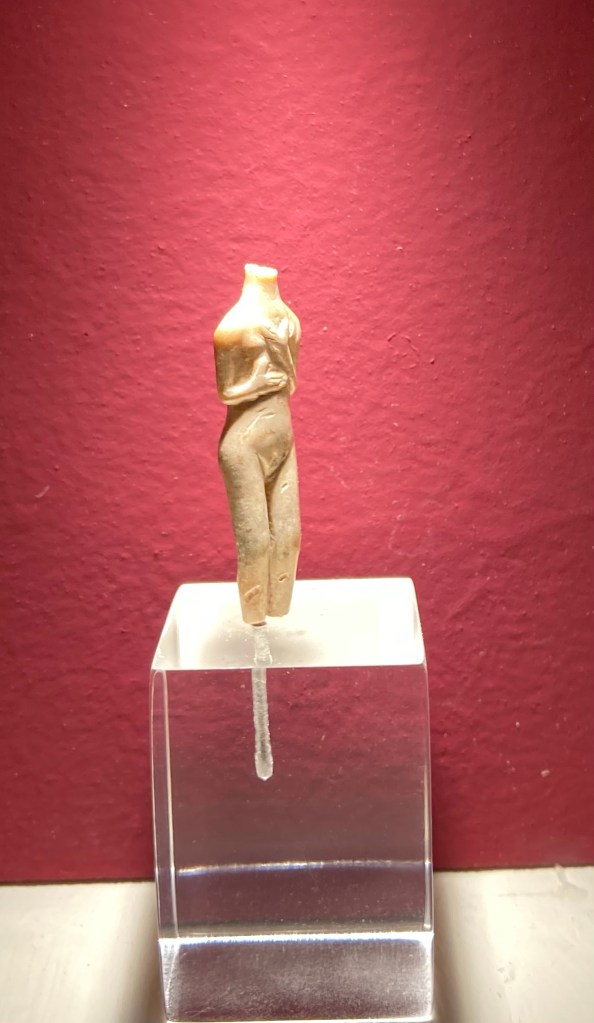
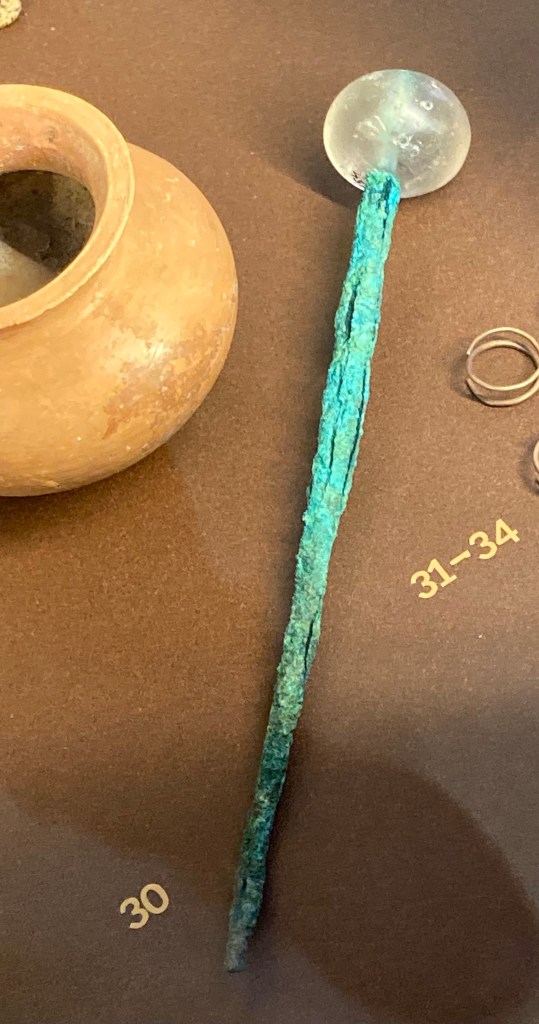
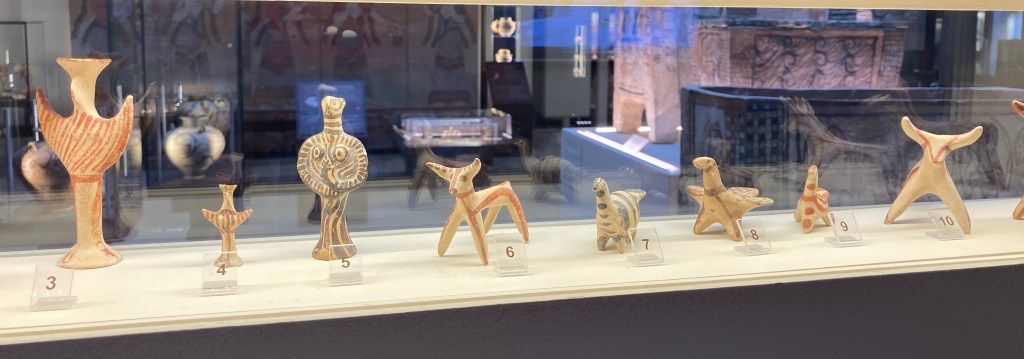
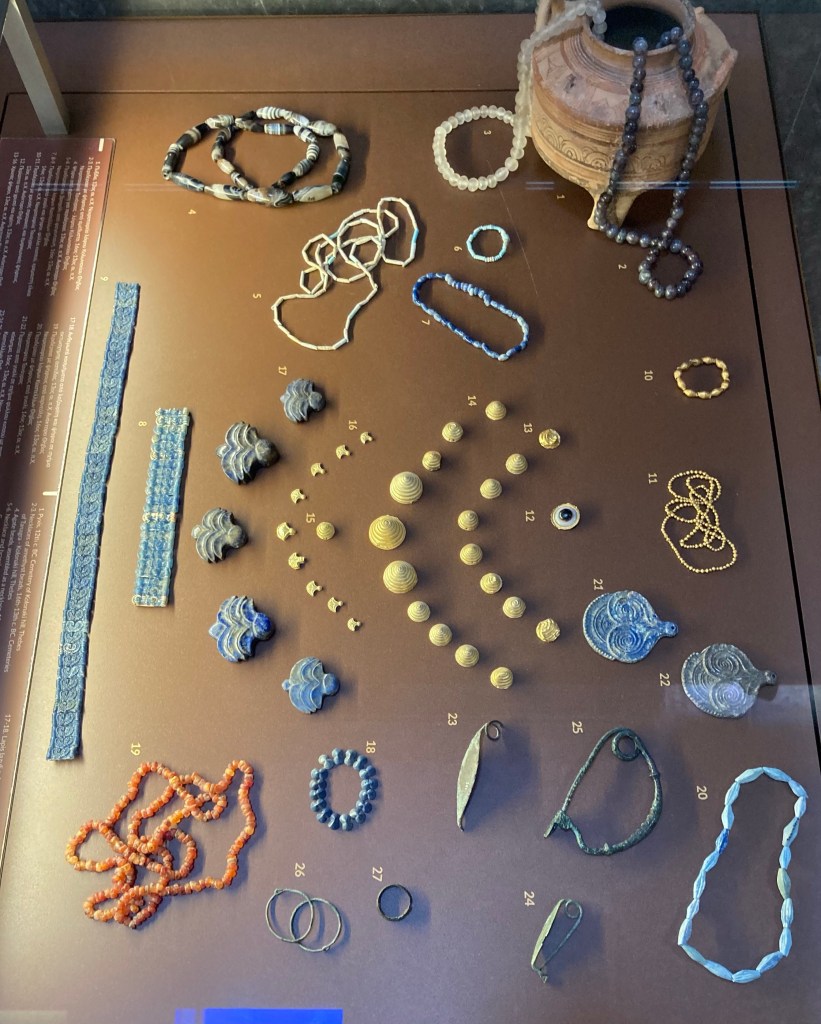
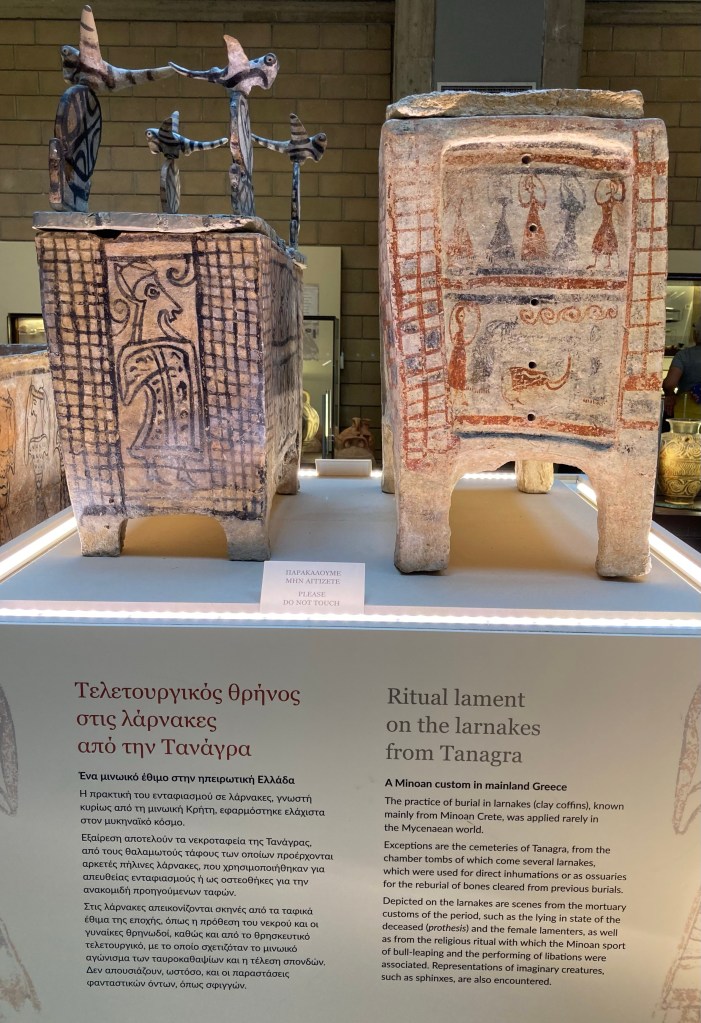
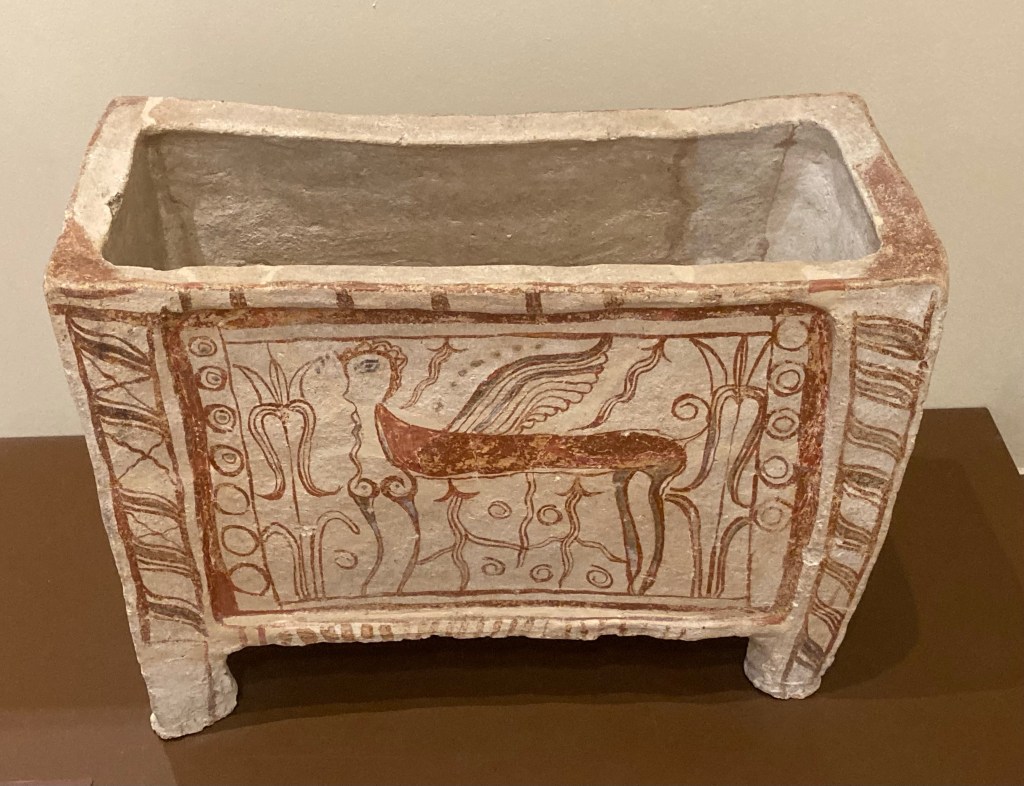
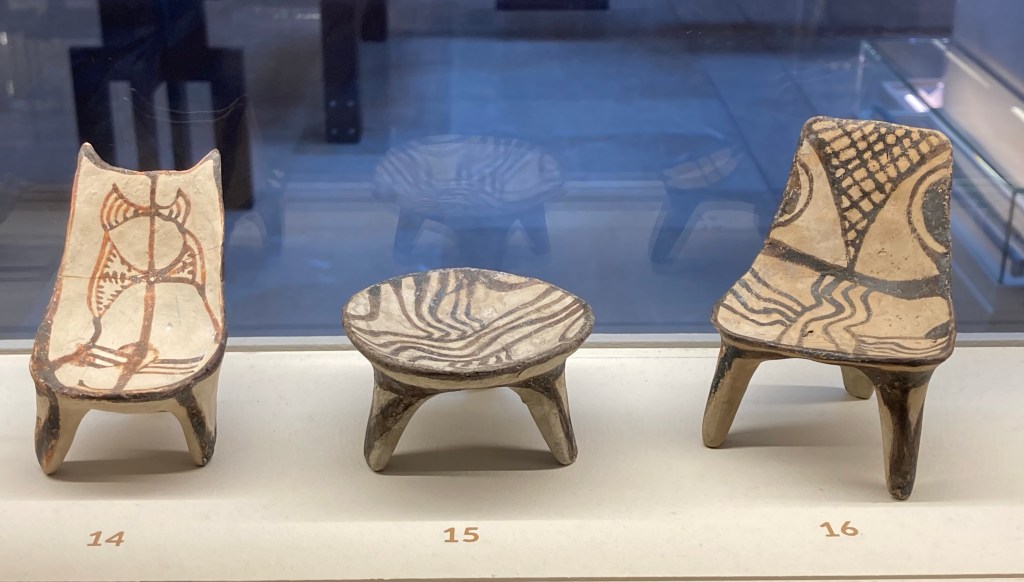
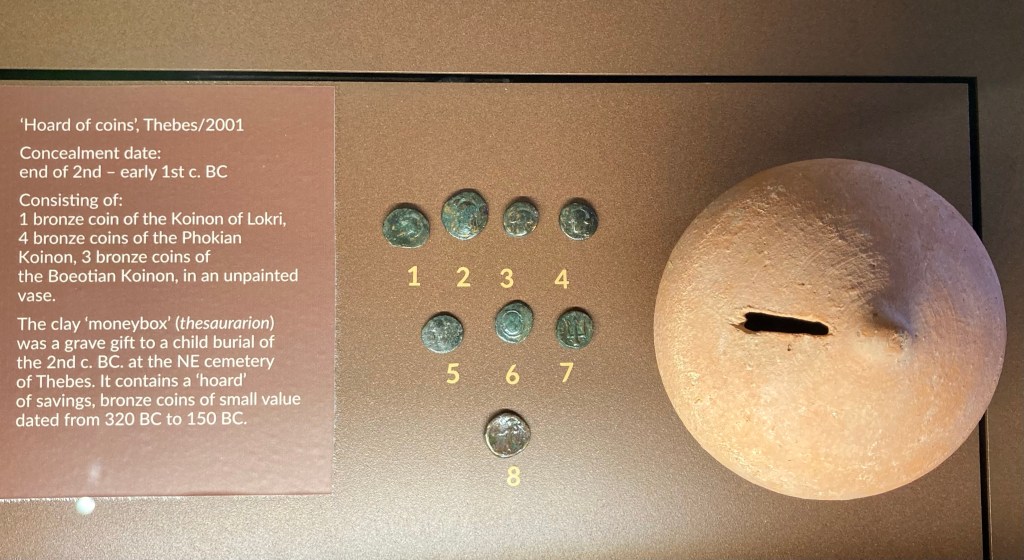
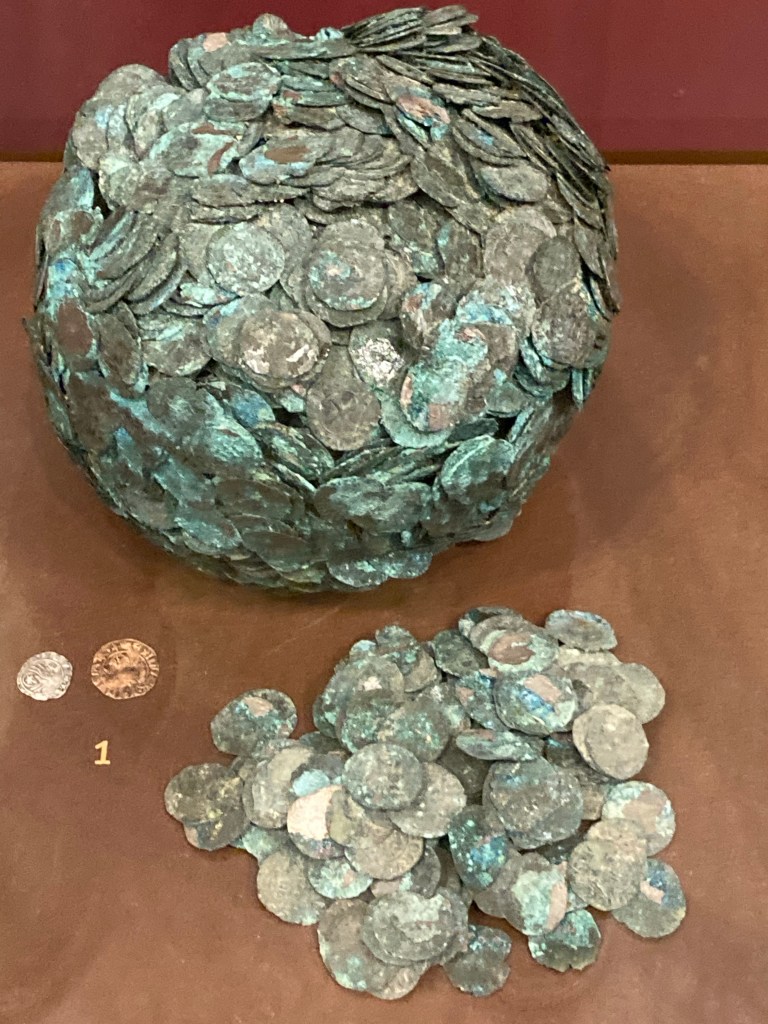
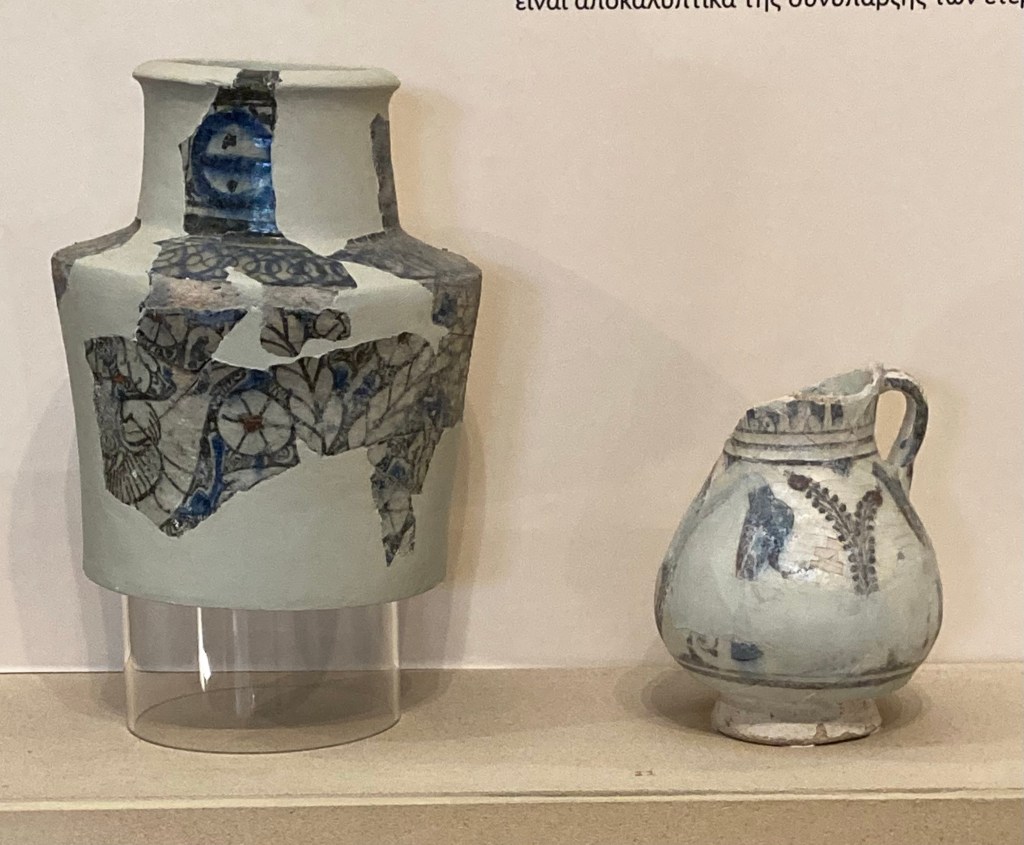
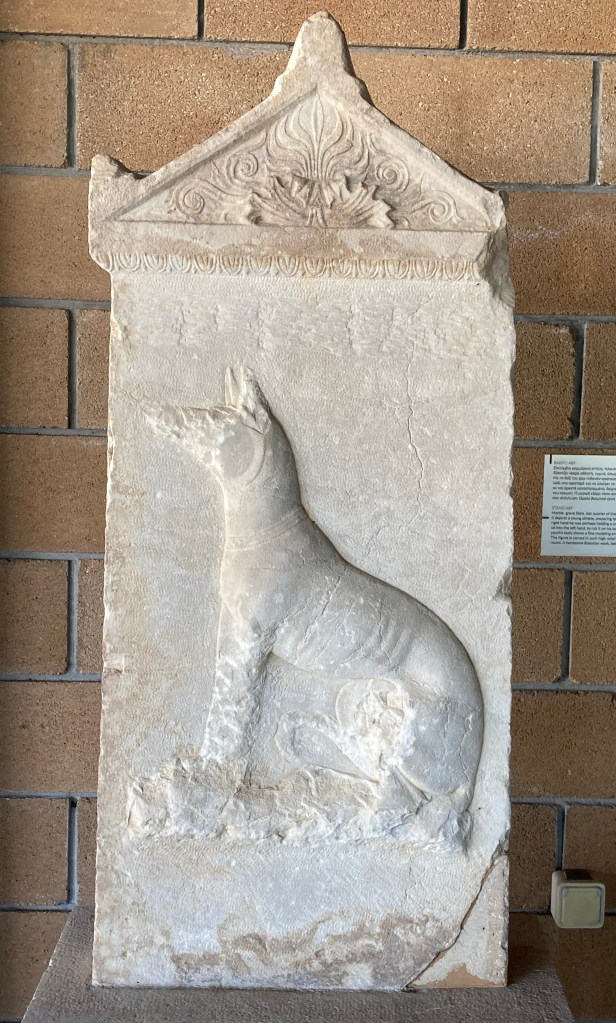
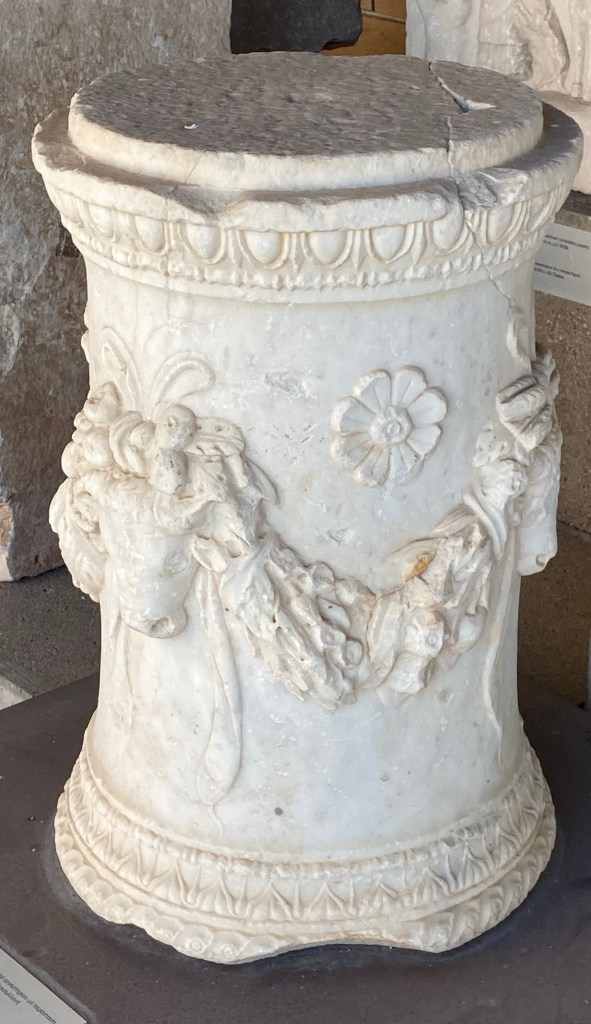
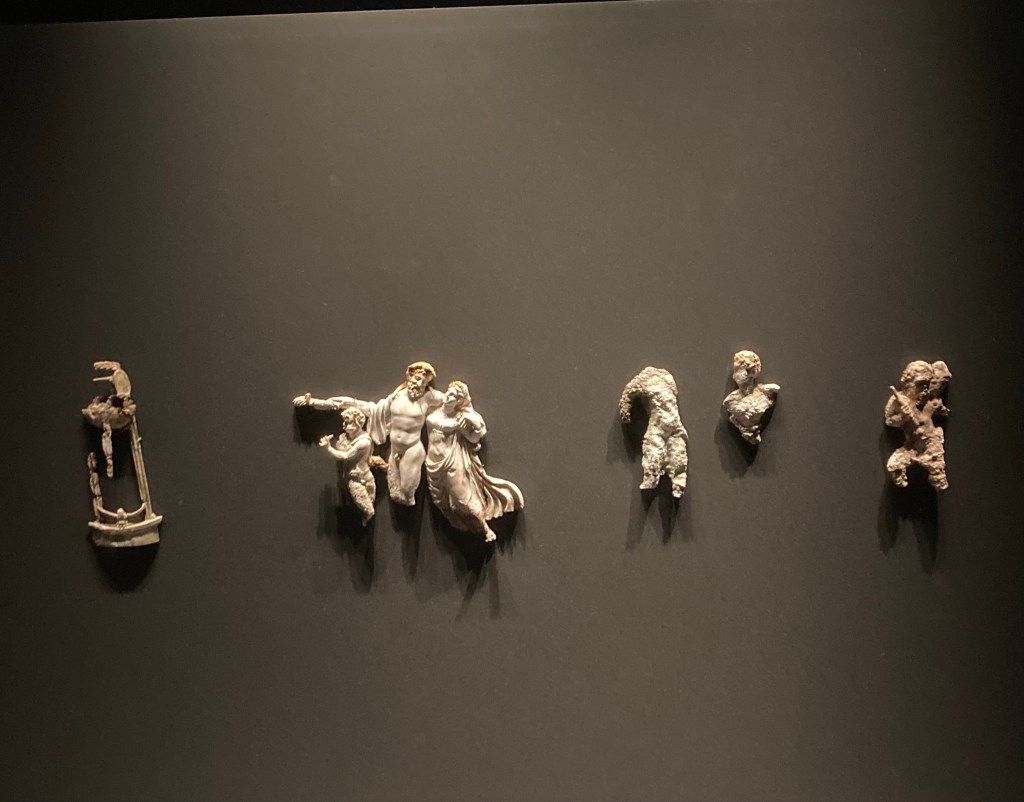
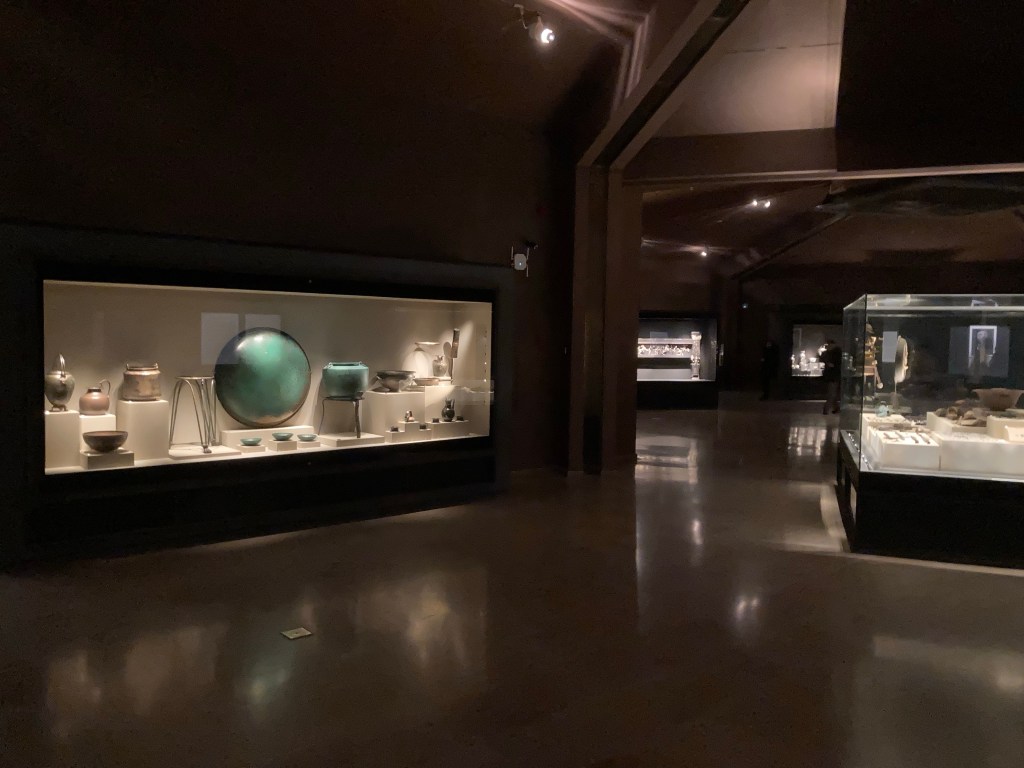
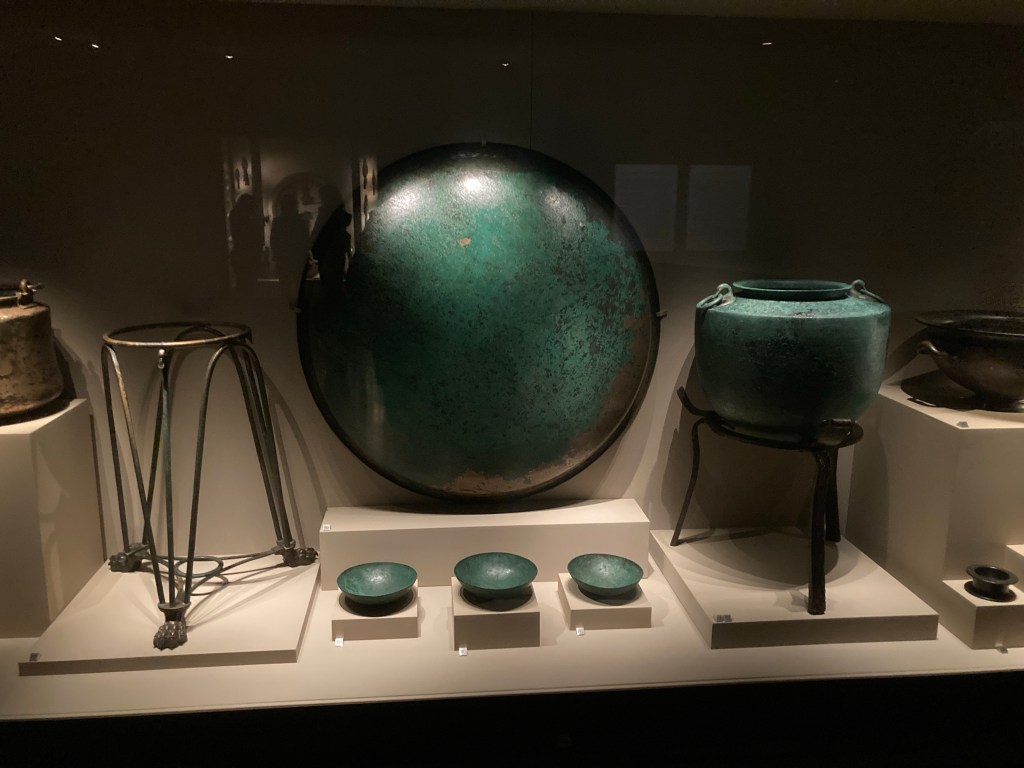
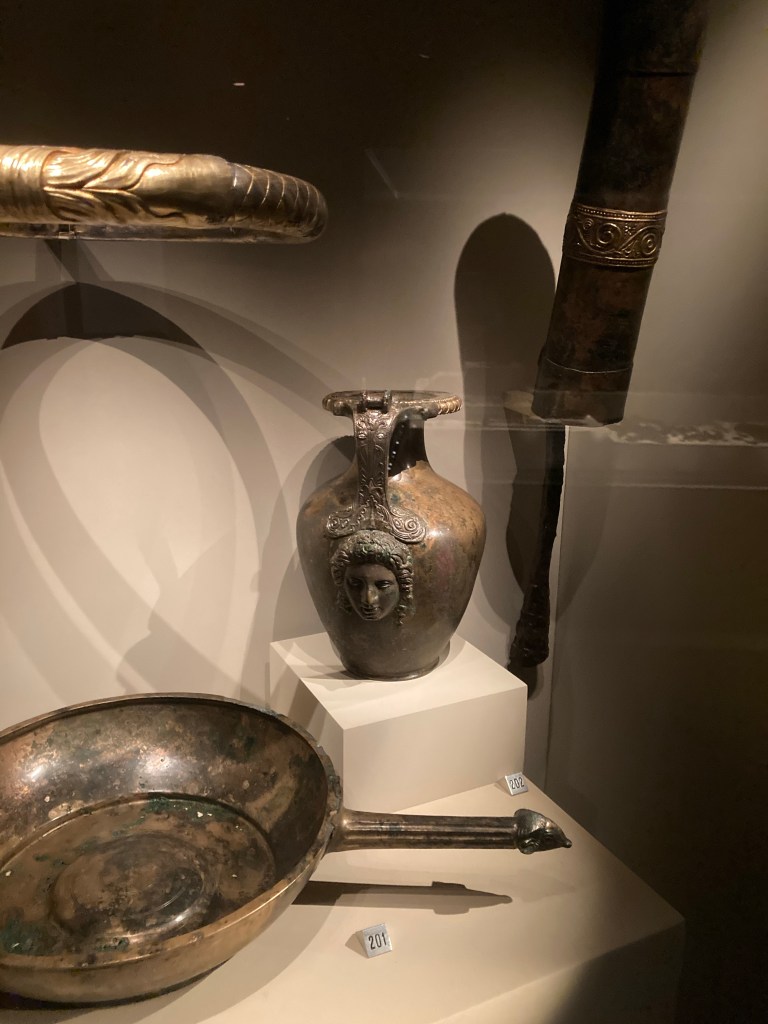
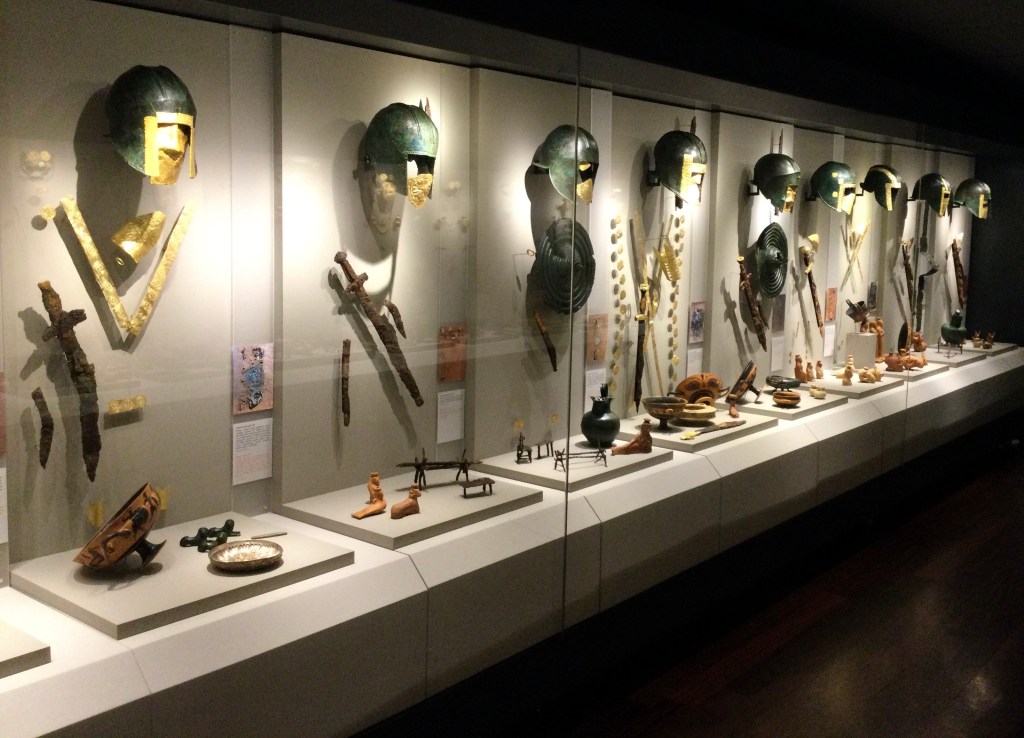
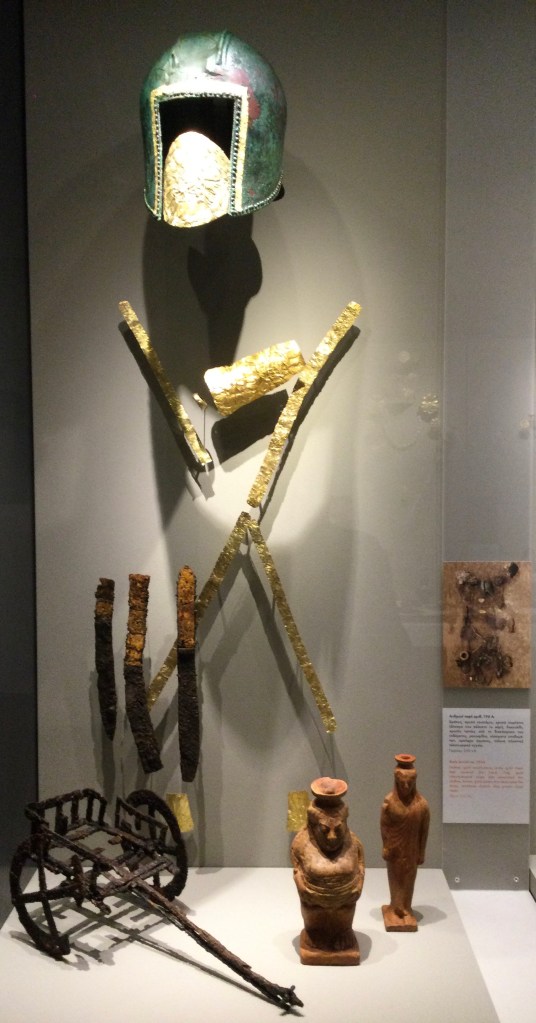
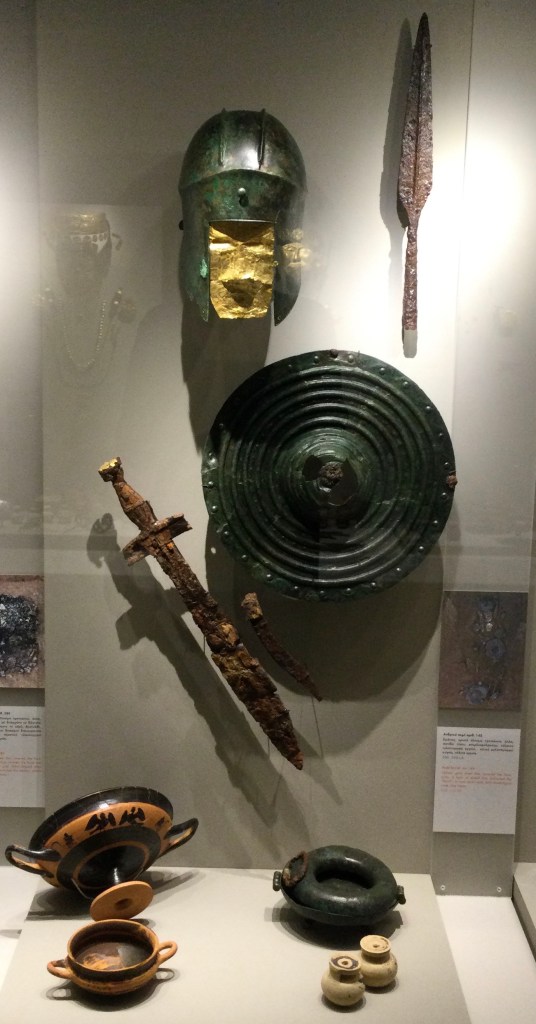
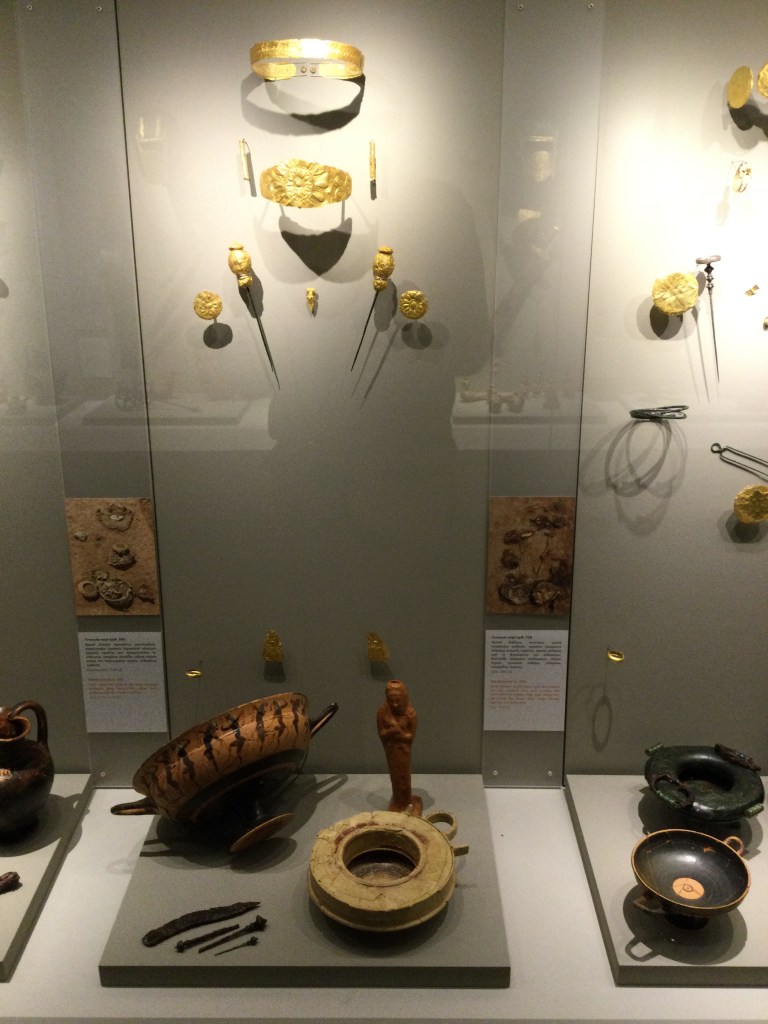
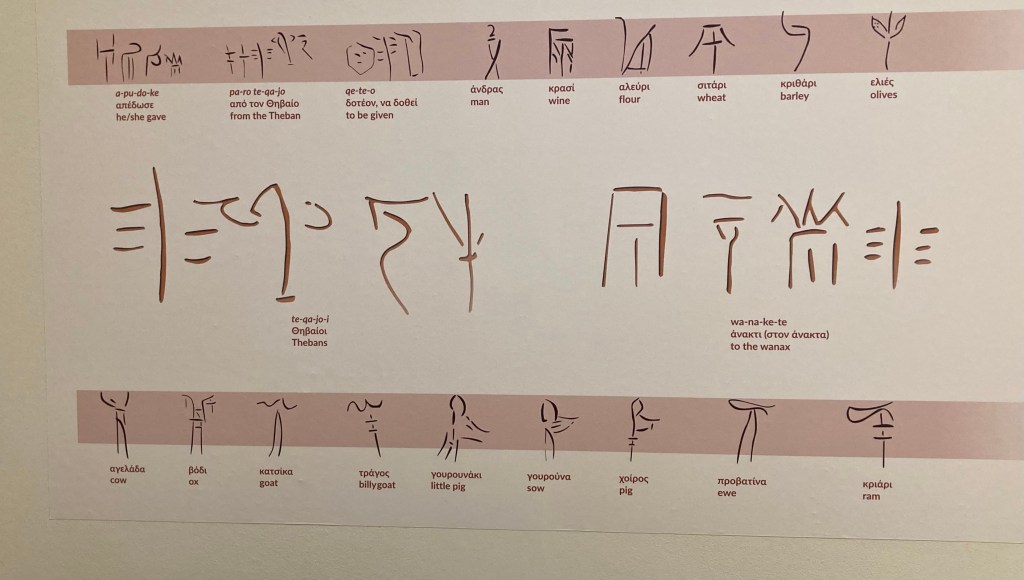
The museum in Thebes is one of the most important museums in Greece being home to many unique and archaeological finds covering from prehistoric to Byzantine times with the exhibits displayed in chronological order.

Finally we find ourselves museum and archaeologically exhausted so have decided to spend the rest of our time in Greece chilling out around the coast with one final archaeological visit to Olympia. (one cannot come to Greece and not visit the starting point of the Olympic Games)

Oranges and Lemons

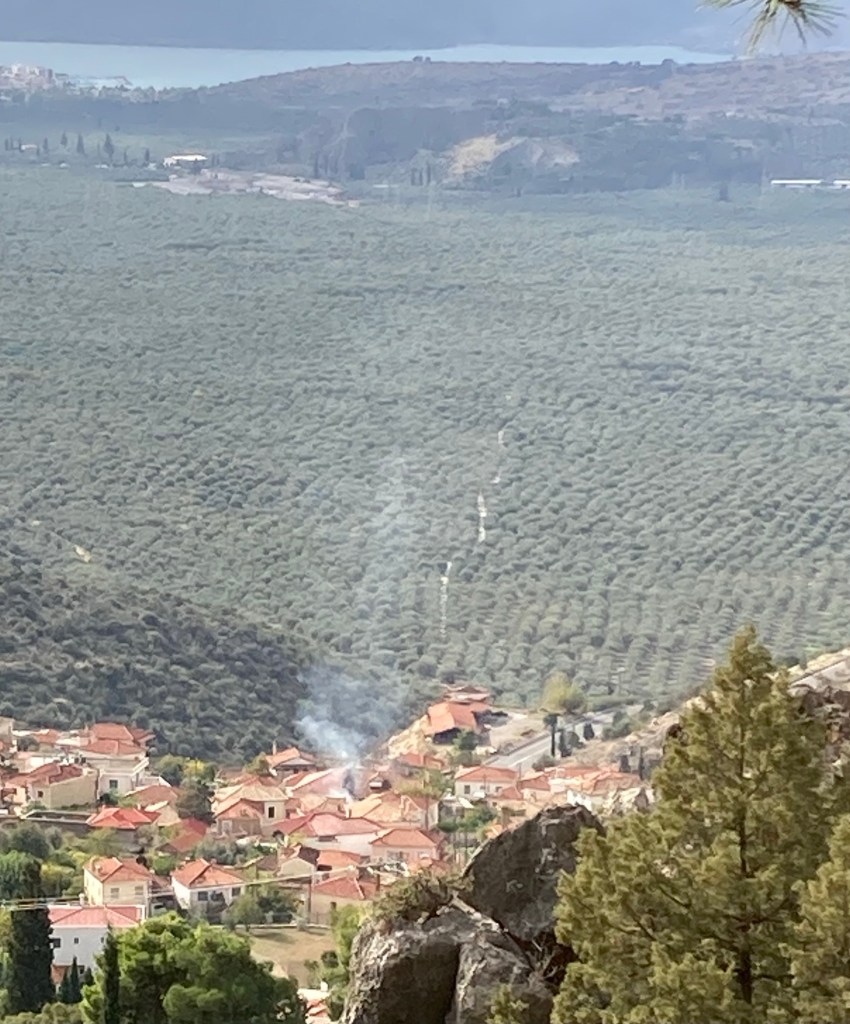
The expectation of visiting Greece is that there will be olive trees everywhere. And it’s true there are miles and miles of them as this photo shows quite clearly

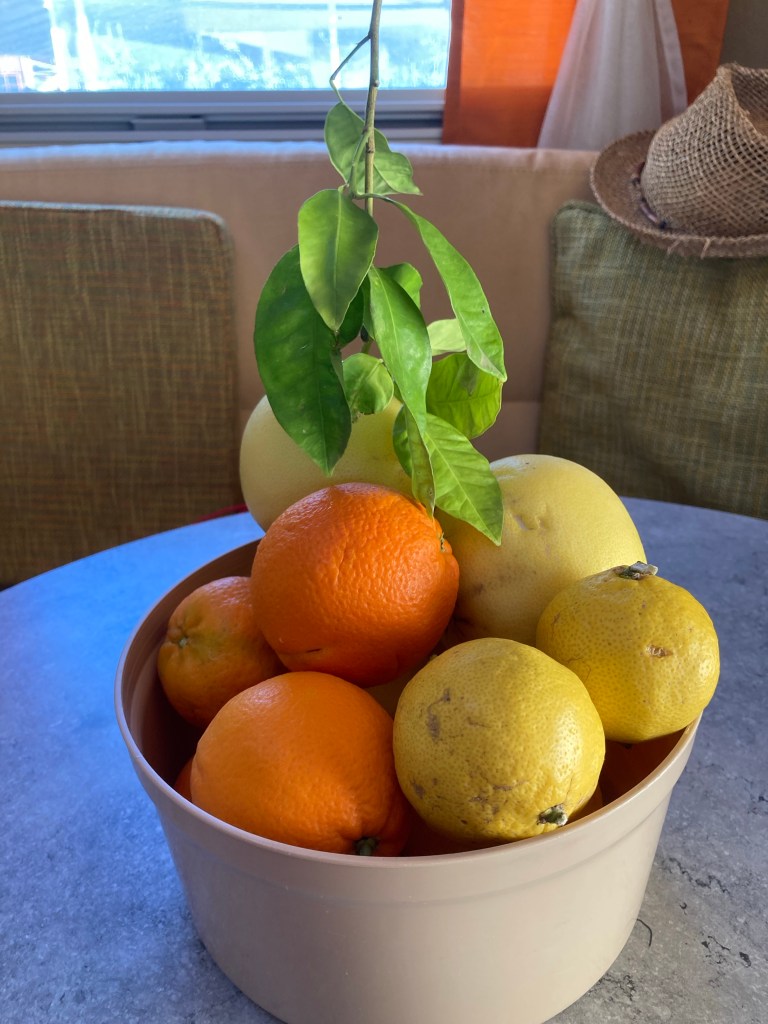
But I was a little surprised that they also grow vast quantities of Citrus. Not just Oranges and Lemons citrus but Grapefruit, Limes, Mandarins, Satsumas and Clementines. They are everywhere and not just in fruit farms or among the olives or in their gardens or on camp sites or growing in the street as pavement trees.

So we began to fill our Motorhome fruit bowl with a few of each as we came across them.

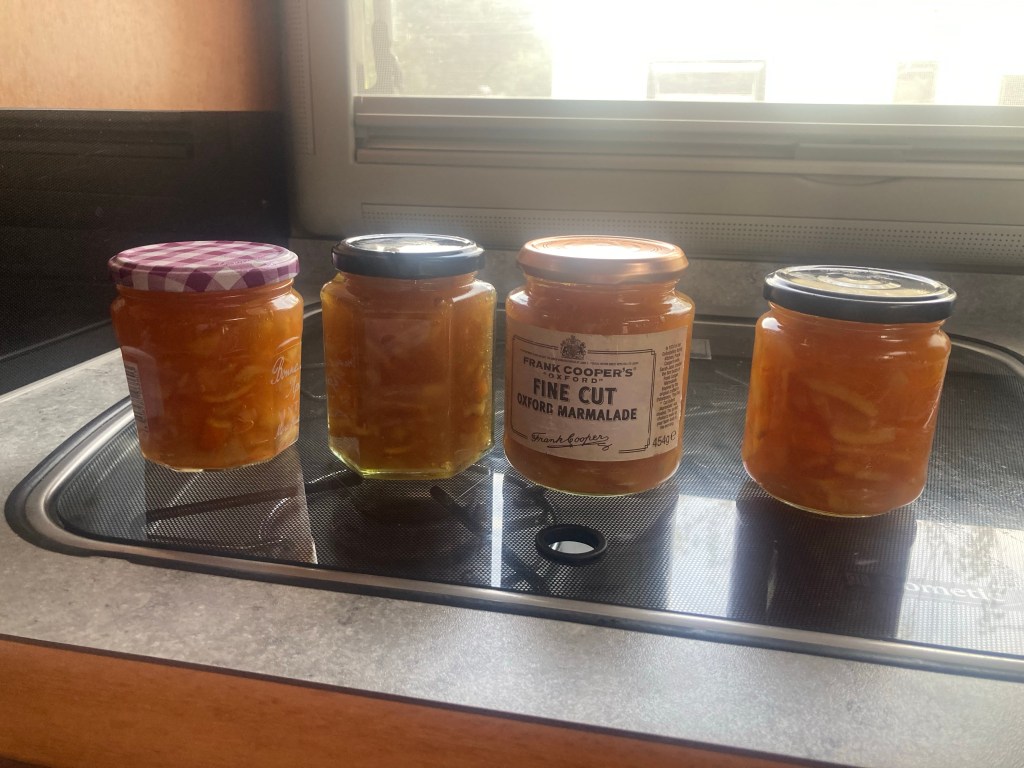
Not satisfied with picking for our fruit bowl I began to wonder how difficult would it be to make Marmalade. You see we had used our pot of marmalade that was brought with us in our initial supplies and there was none to be seen in supermarkets. Good old google found me a couple of recipes both professing to be easy marmalade recipes but one had more stages in the process so I opted for the other version. It was an instant pot recipe, which we had in our garage area for use when on a site with electric hook up. And after less than an hour later I had 4No jars of home made on the road marmalade.

They say the proof is in the eating and it got a thumbs up from us both so I can recommend it.

Olympic Gold and bye bye Greece

Everyone knows of the Olympic Games but may not know that they originated at a site called Olympia in the northern Peloponnese which happened to be on our route to Patros port to catch the ferry to Italy.

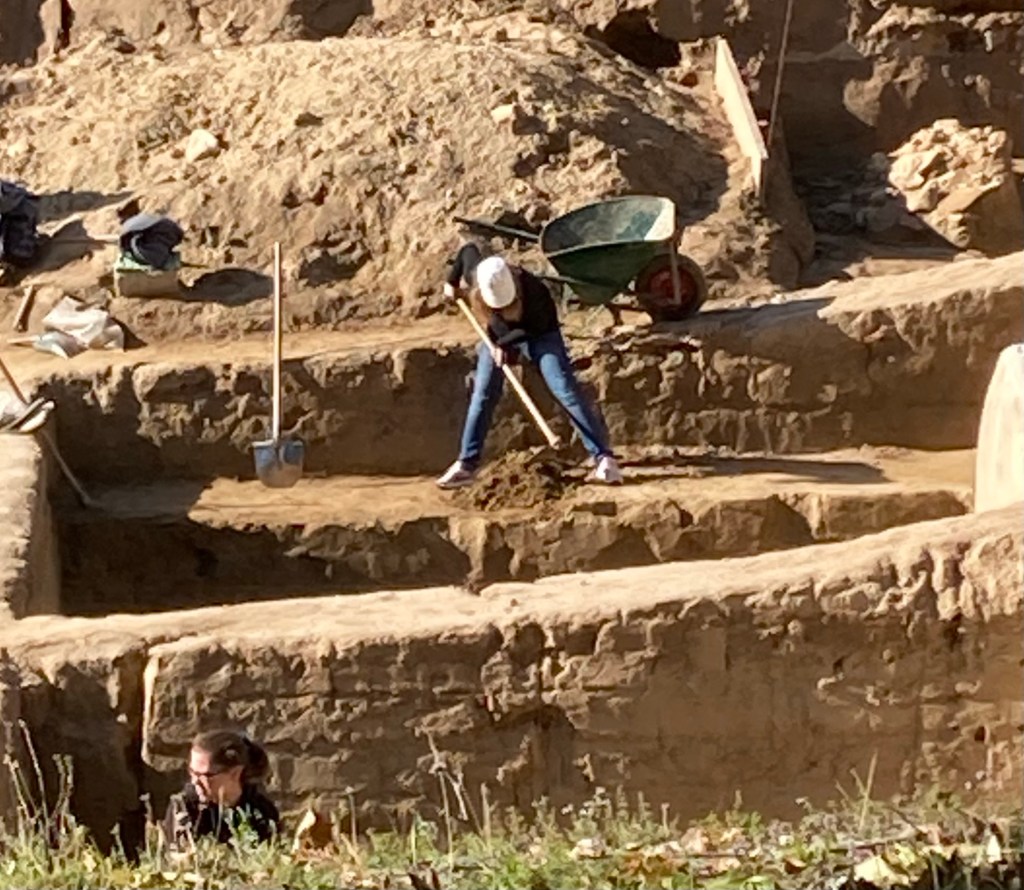
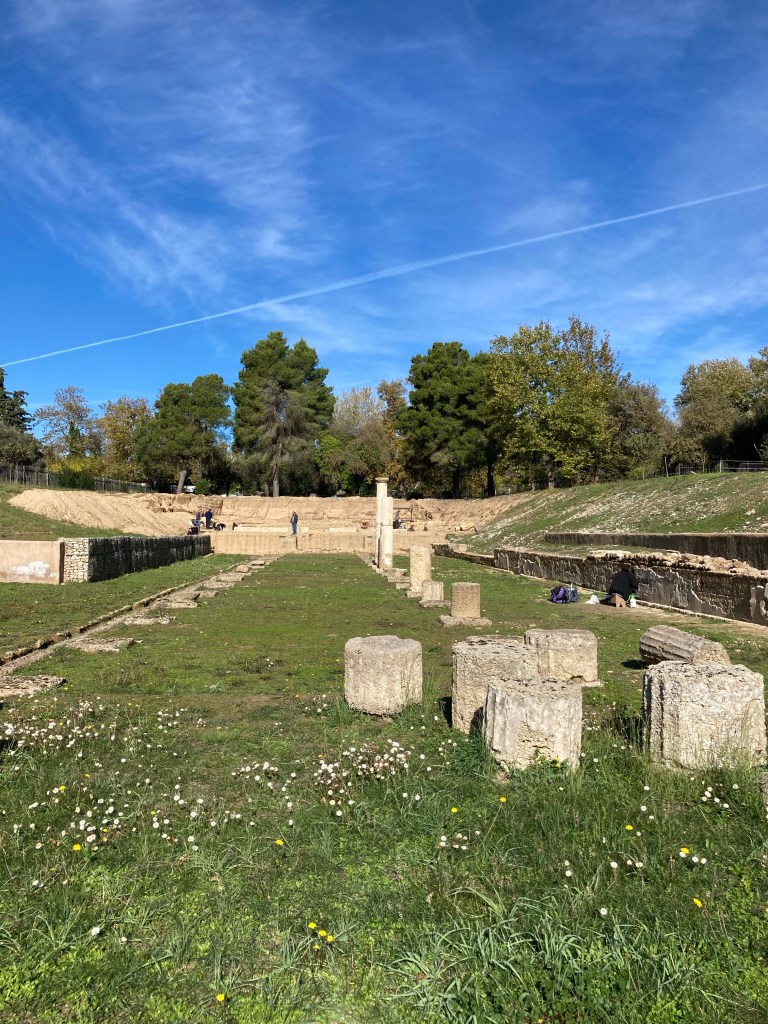
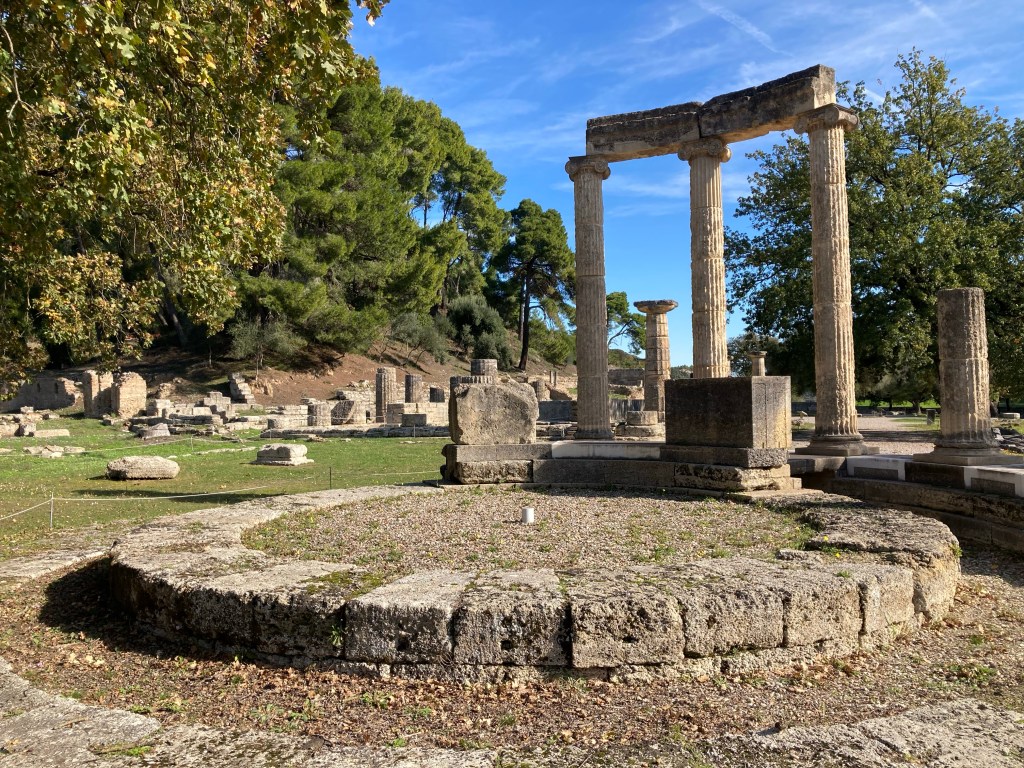
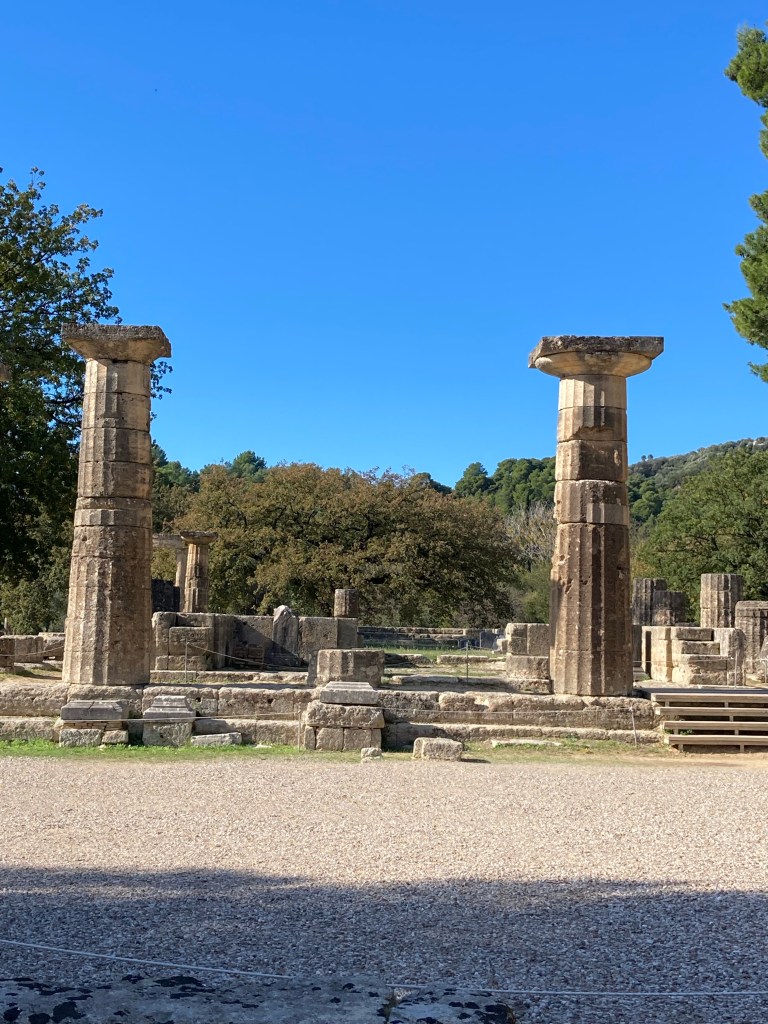
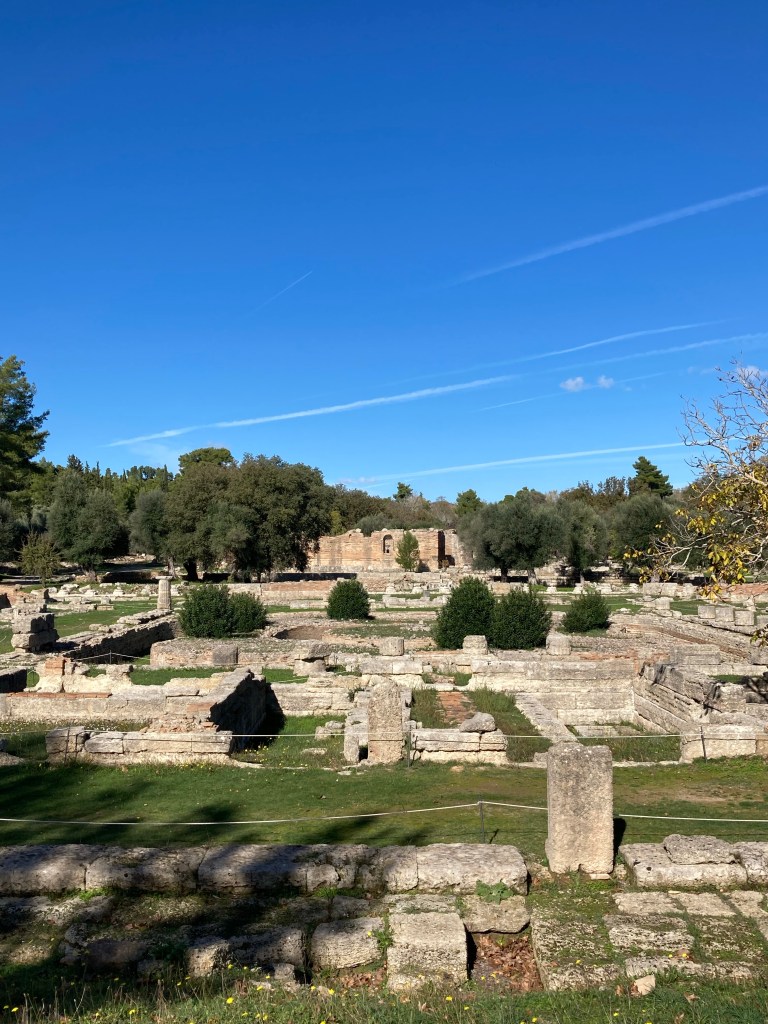
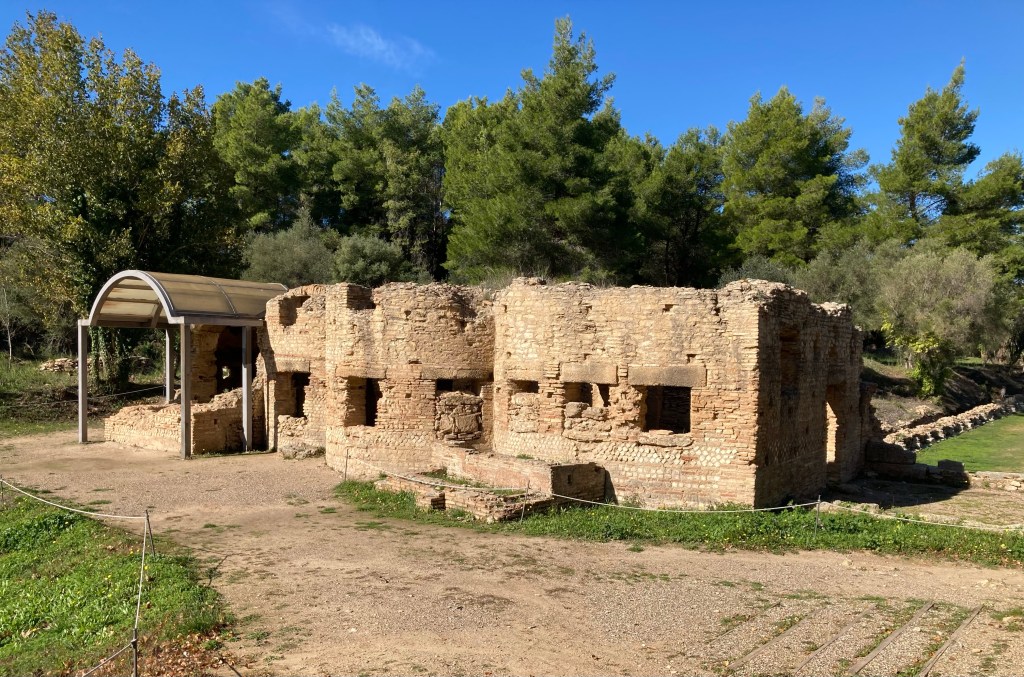
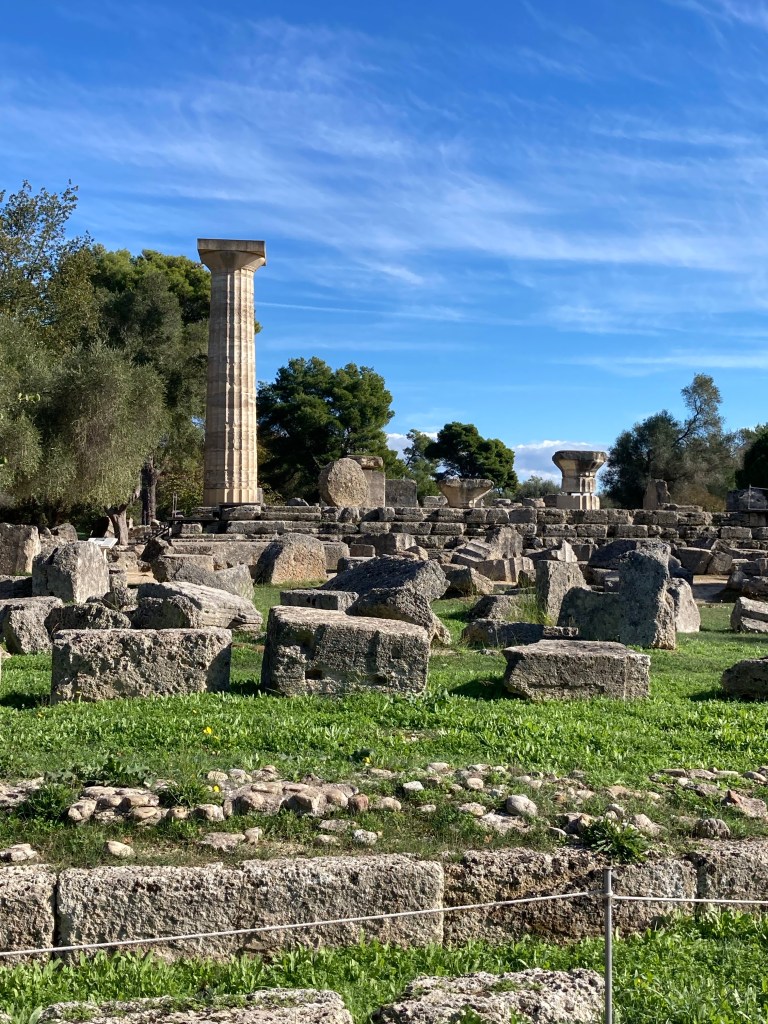
We were surprised at how large the site was with some excavations still ongoing and although none of the original buildings were intact you still got a sense of walking around a small town.

The original games were founded by a man called Herakles to celebrate his victory against the king of Elis setting a four year cycle in honour of his four brothers.He declared that all disputes should cease for the duration of the games which was honoured for almost 1200 years when the Roman emperor Theodosios1 put a stop to the games.

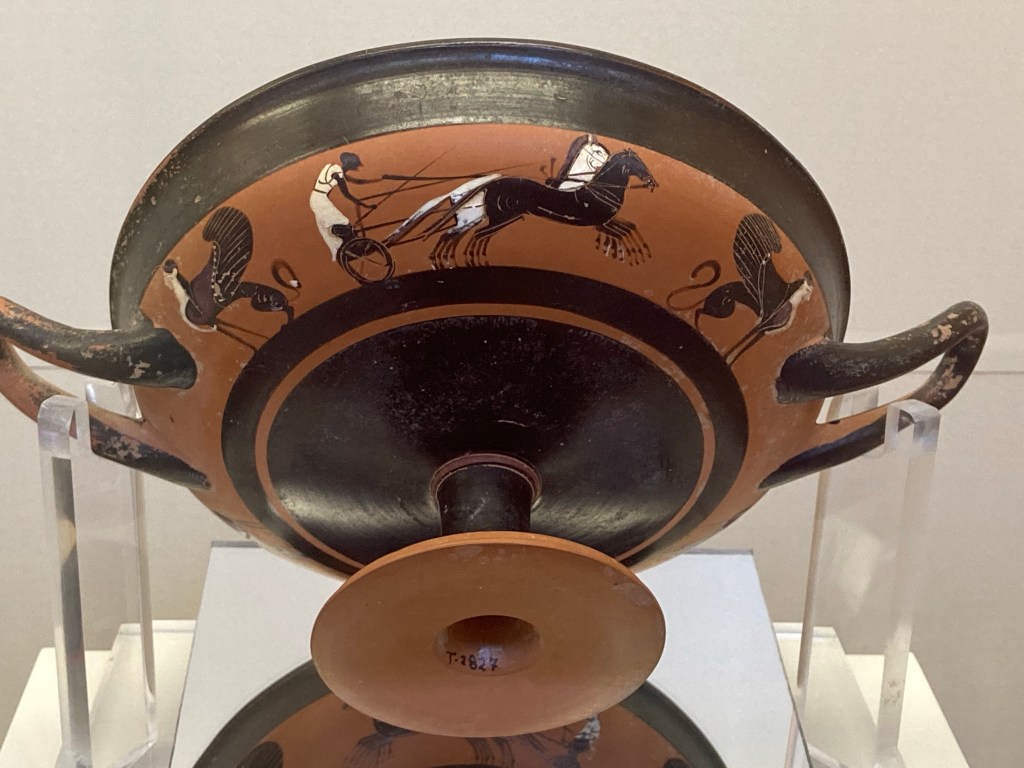
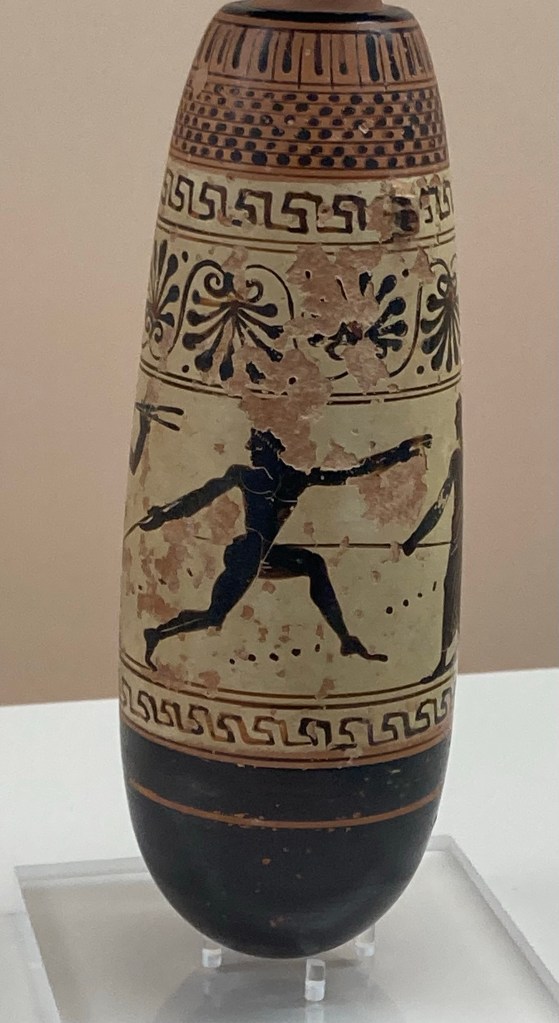
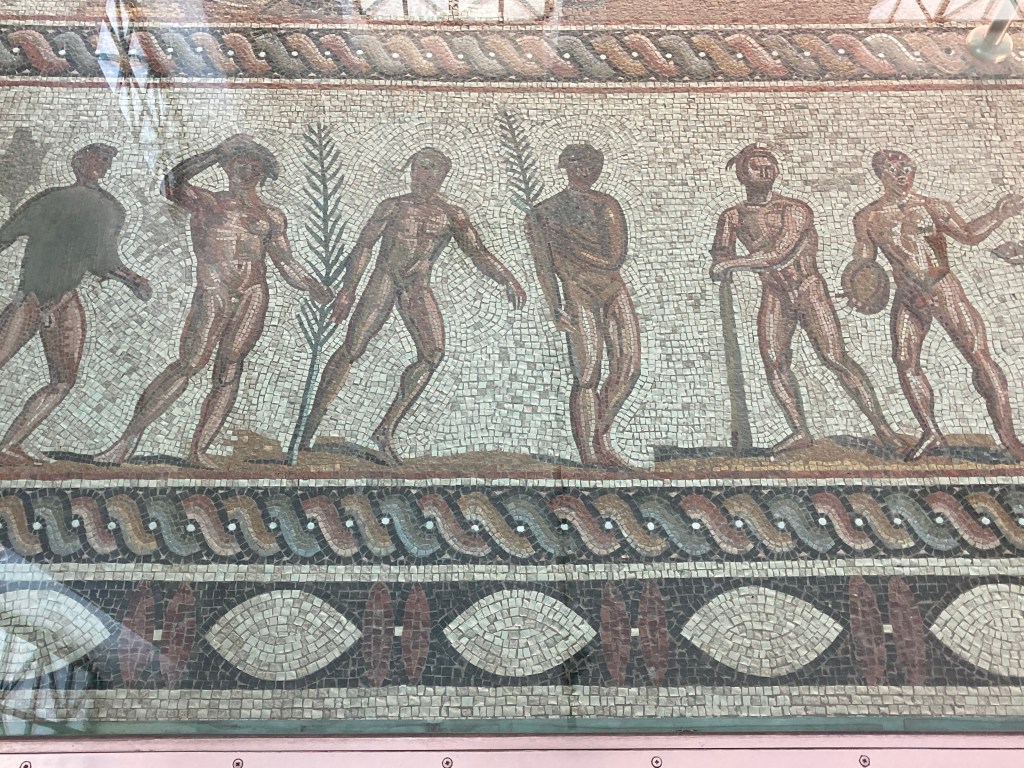
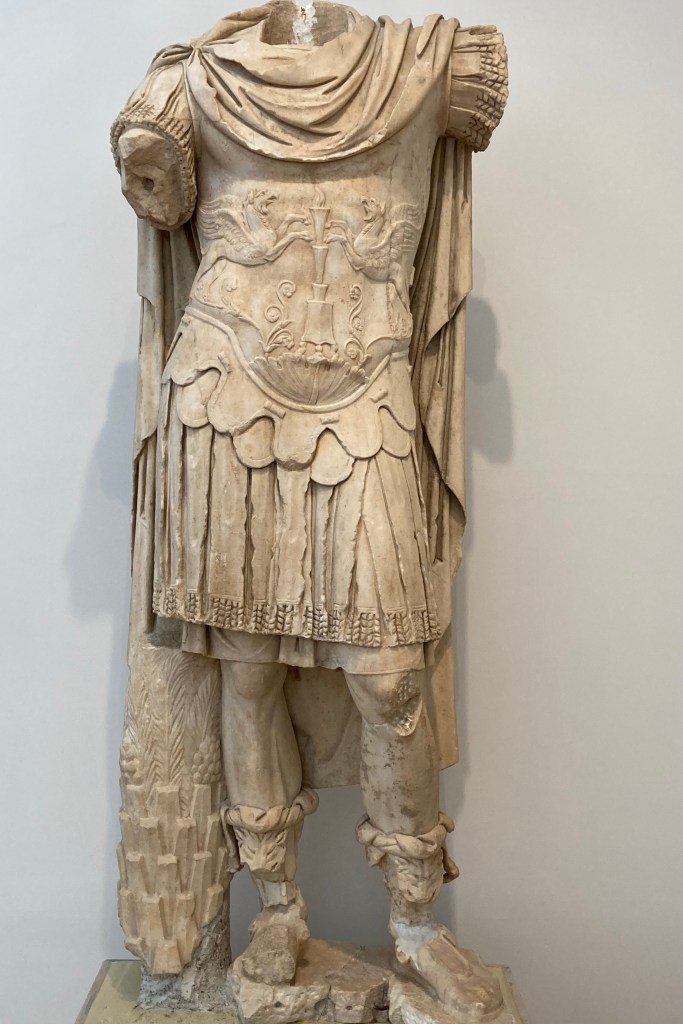
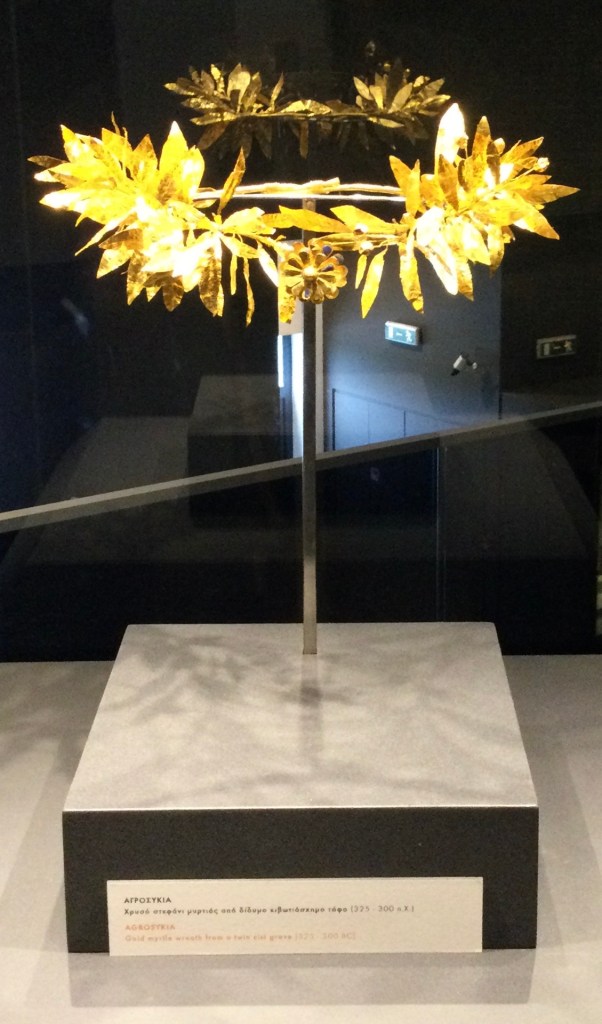
To be eligible to compete you had to be a Greek male and a free person, women were not allowed to compete or attend as spectators. Competitors would come to Olympia a month before the games to train and have their fitness levels tested to ensure they were suitable to participate, many were excluded as unfit. The glory and fame to be an Olympic champion was seen as a great blessing and to be crowned with the Kotinos (the wreath of the wild olive) was the highest honour that could befall a mortal. The key events of boxing, wrestling, bull jumping and kybistisis (which was acrobatic somersaulting over swords in the ground) originated from the Minoan’s later Herakles added track and chariot racing.

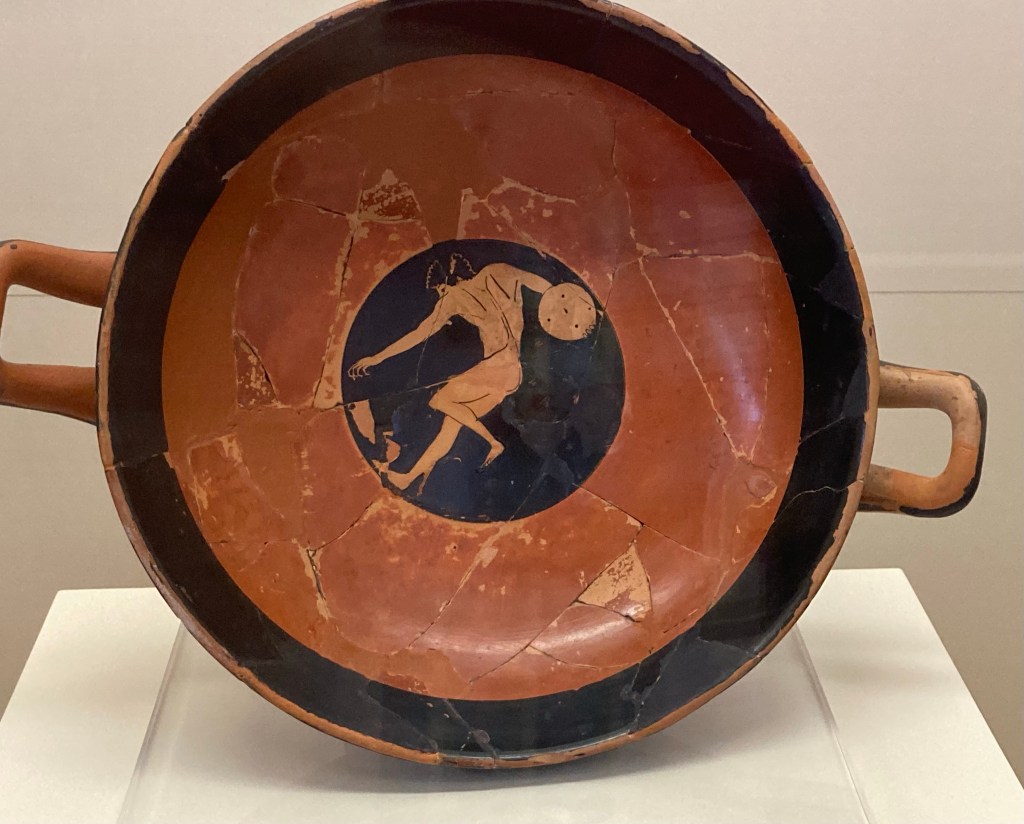
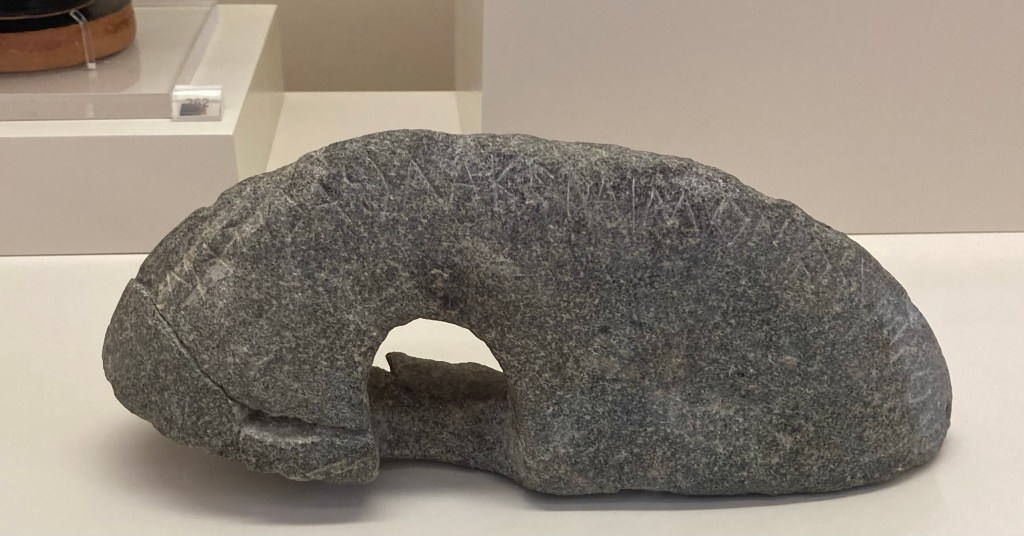
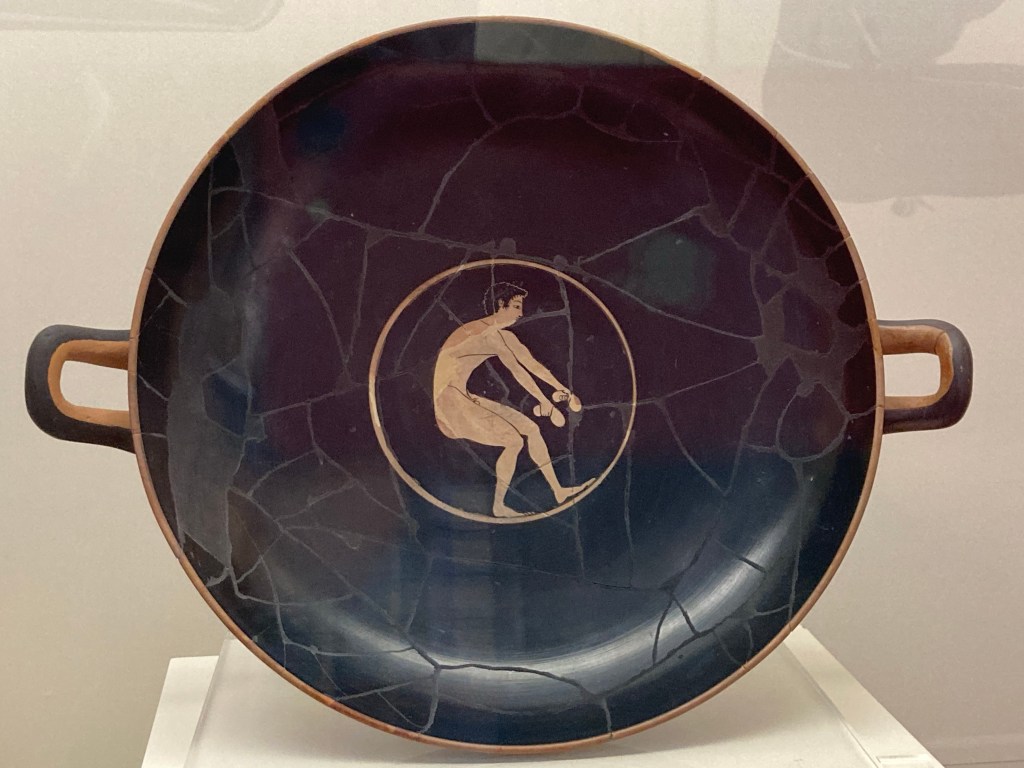
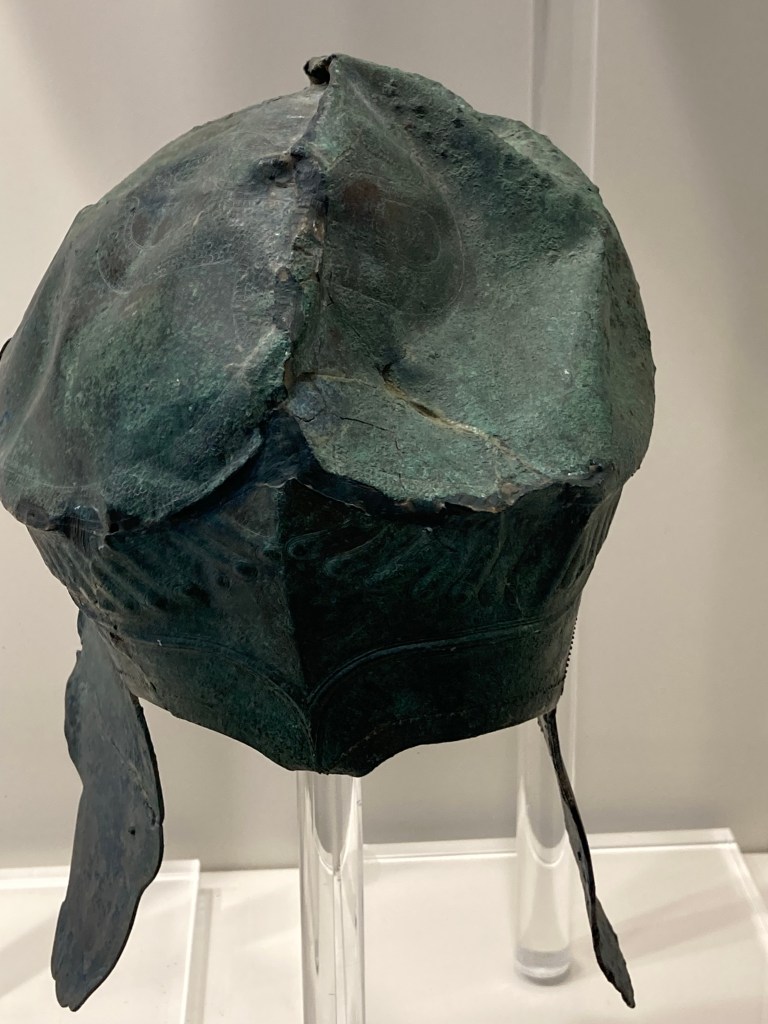
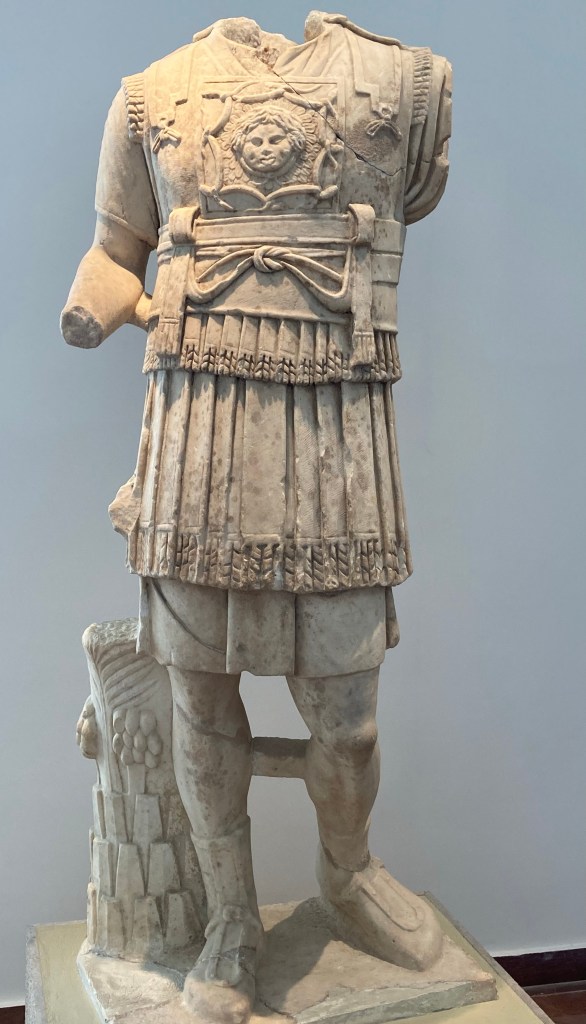
A museum had been built on the site to house the many excavated artefacts which included statues and athletic equipment of the day.

Bye Bye Greece next stop Italy.

Pelopponese and The Corinth Canal

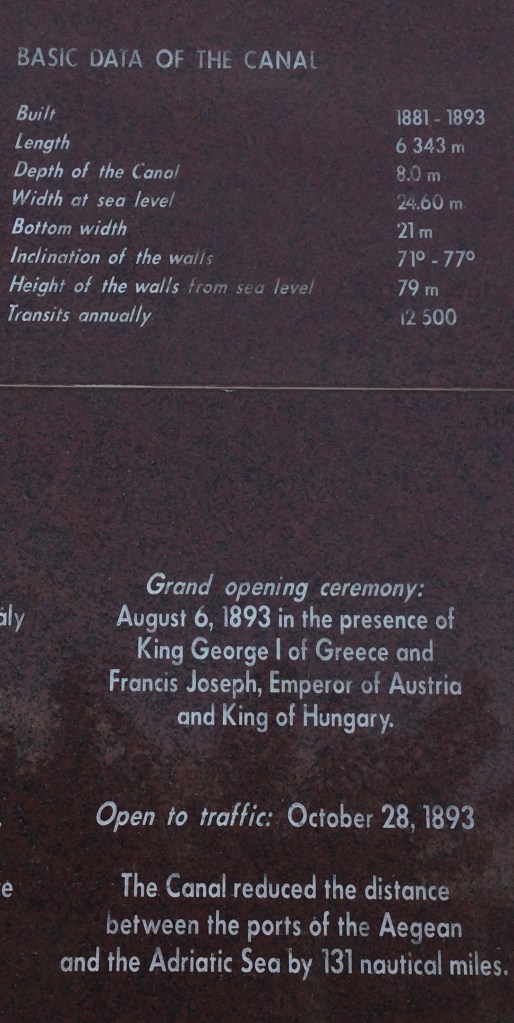
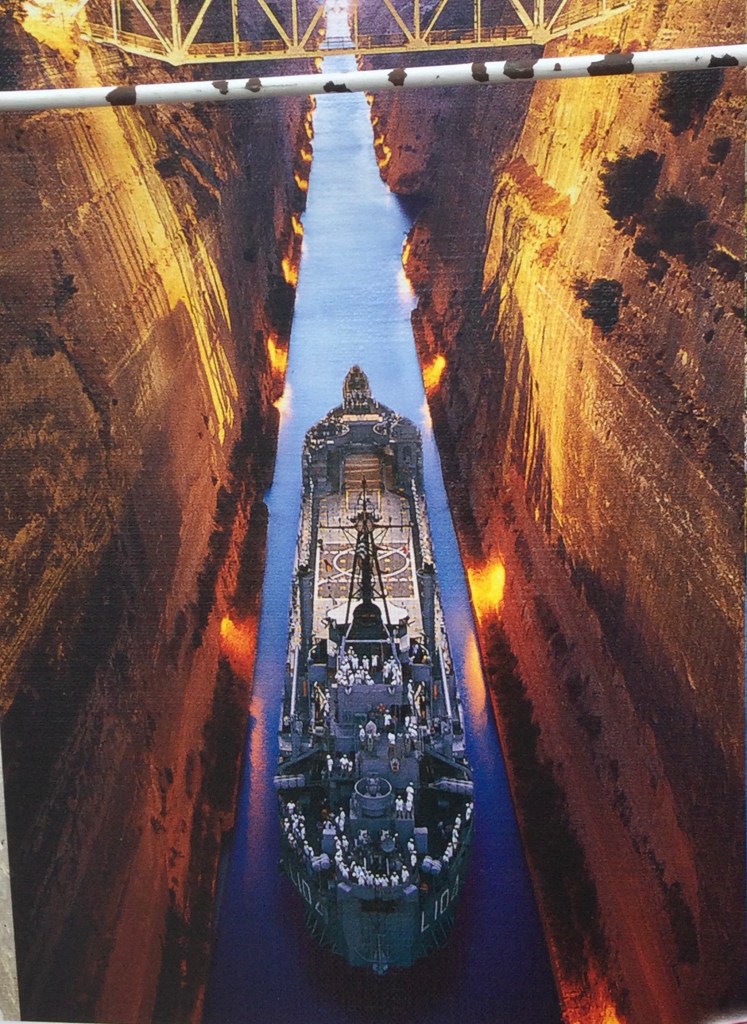
As stated at the end of our last blog we felt the need to have some chill time so headed to the coast but not before visiting the Corinth canal. It is an artificial canal which links the Gulf of Corinth in the Ionian Sea with the Saronic Gulf in the Aegean Sea. It is four miles long but only twenty five metres wide at sea level making it impassable for many modern ships it is currently of very little economic importance and is mainly a tourist attraction.

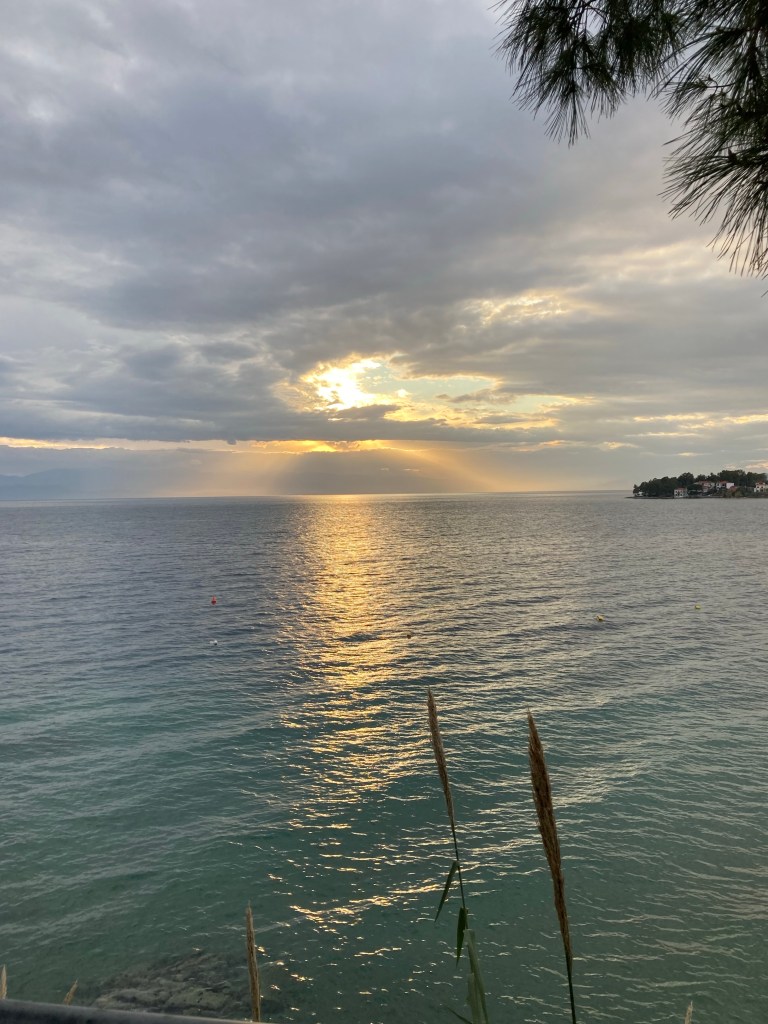
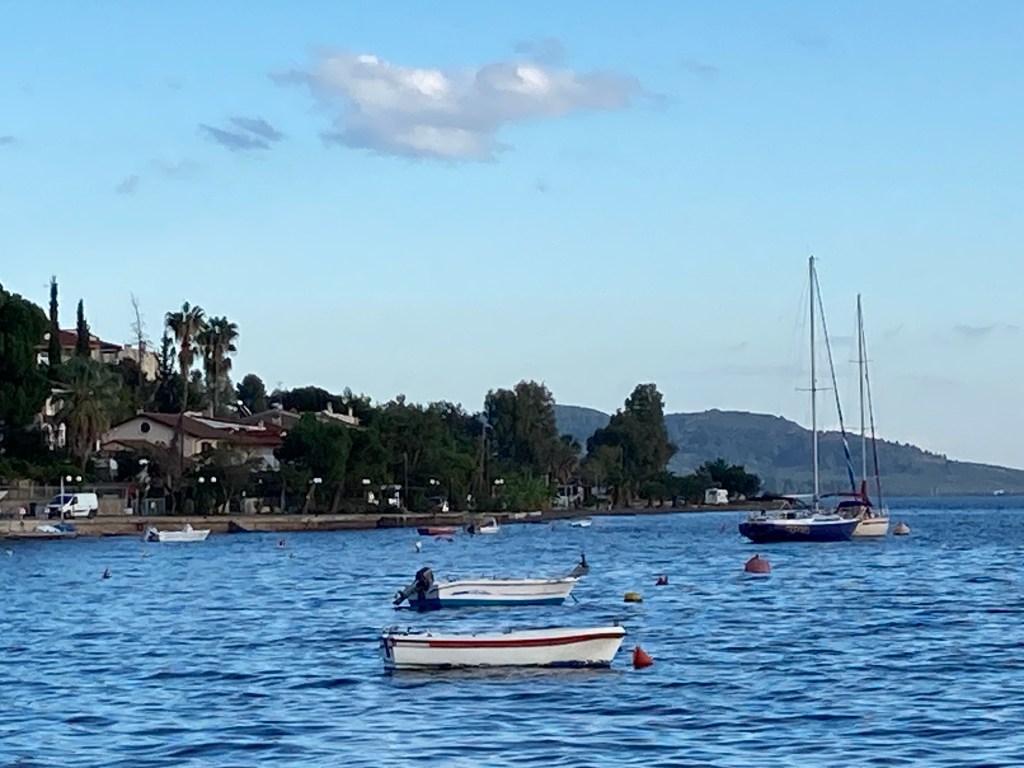
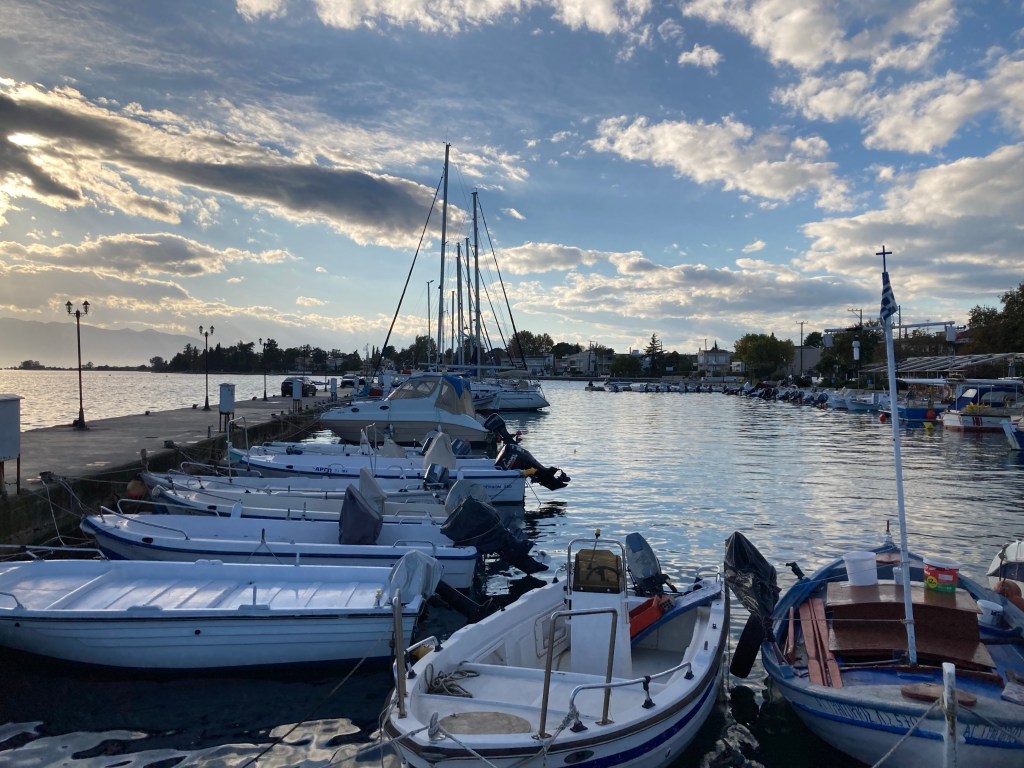
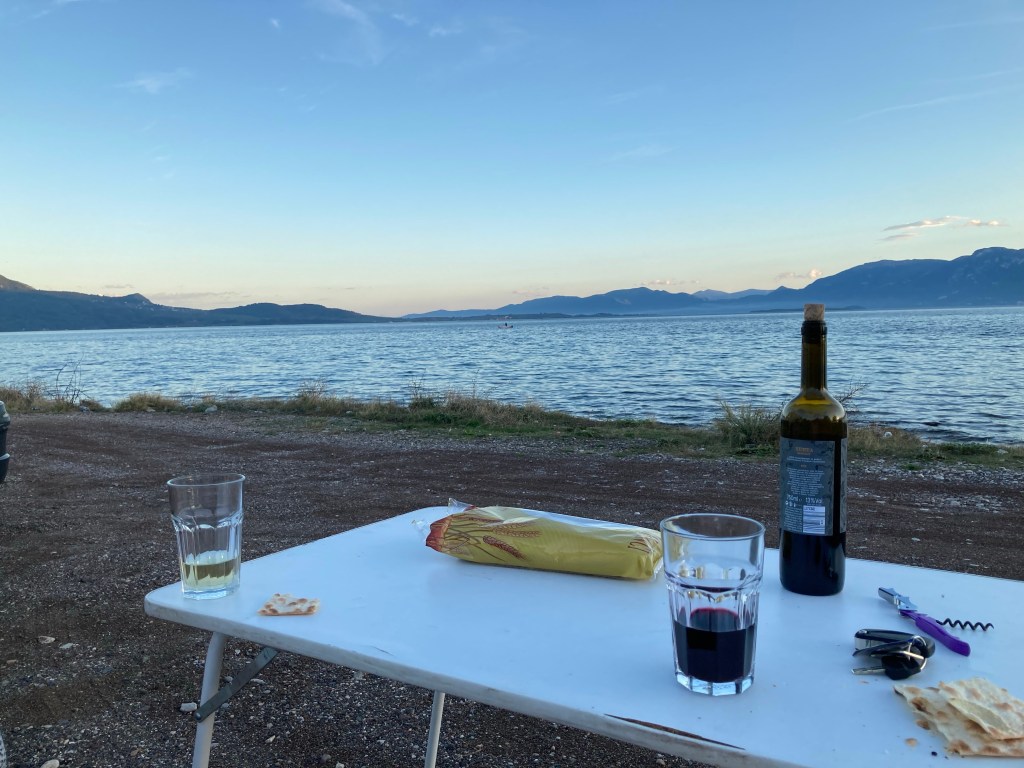
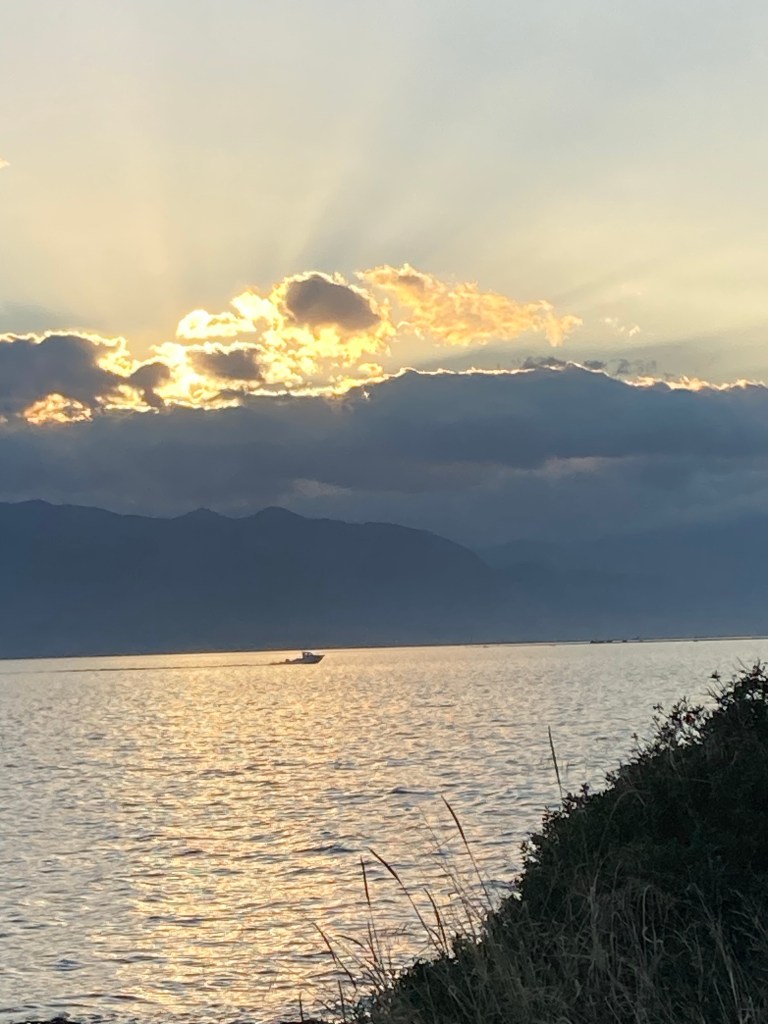
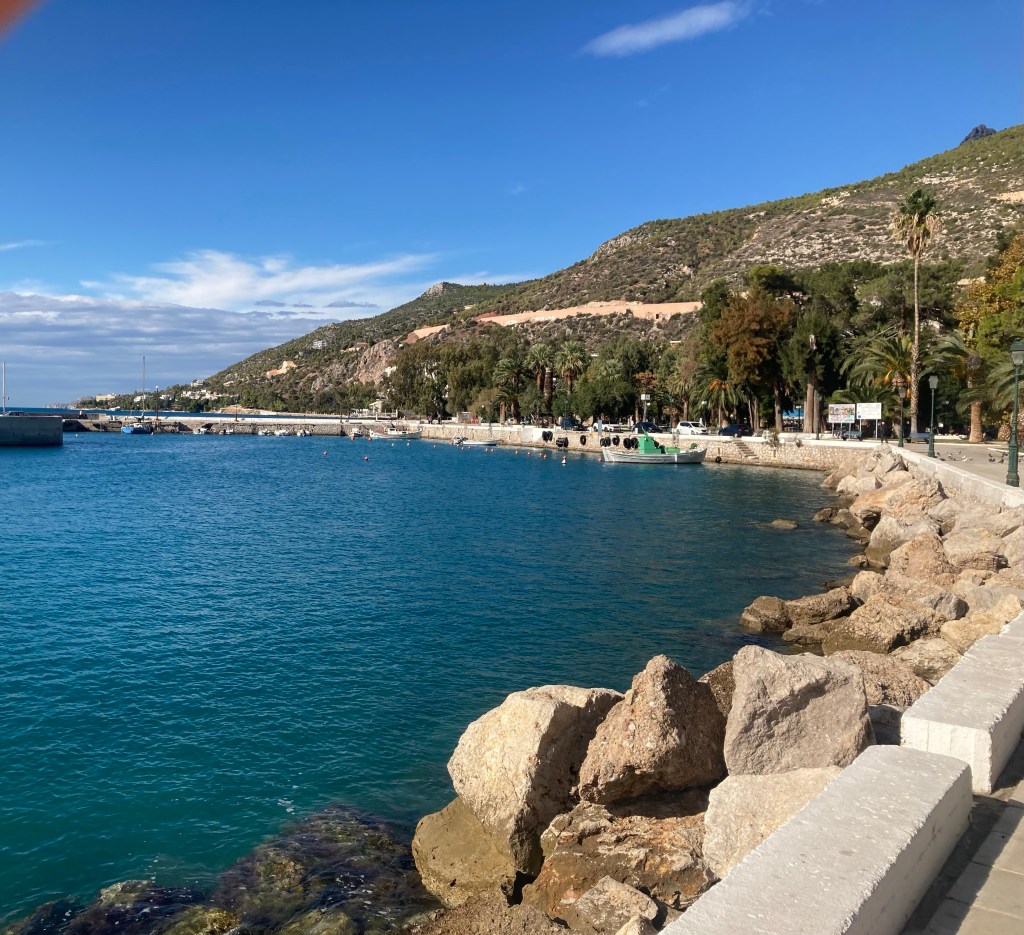
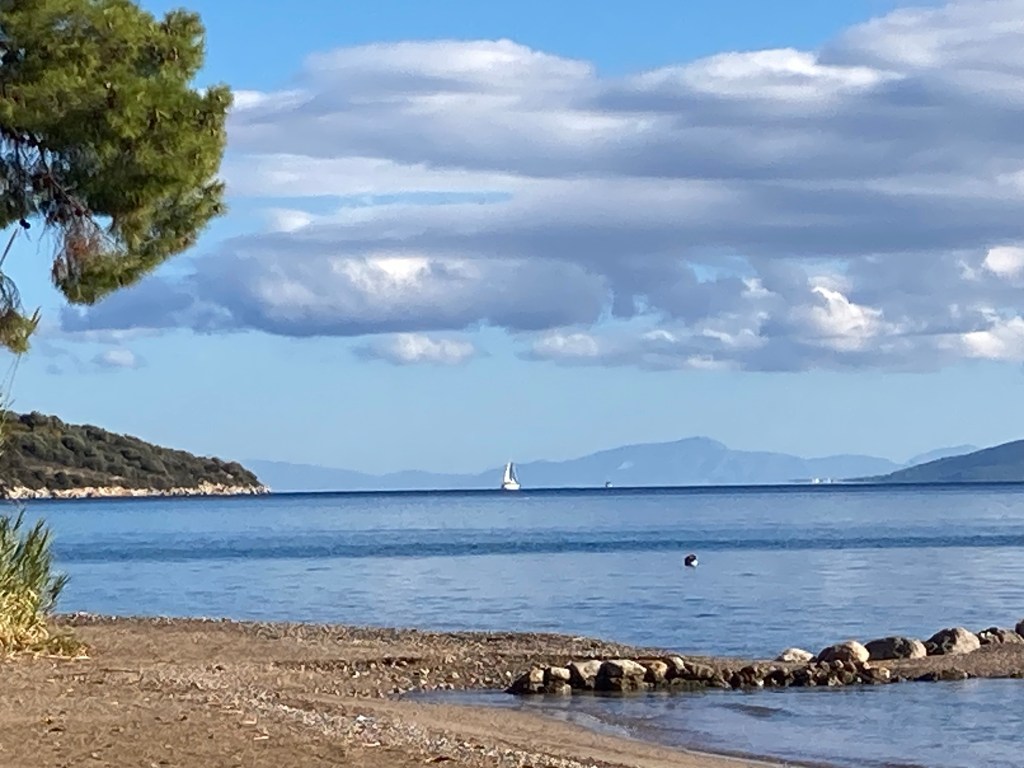
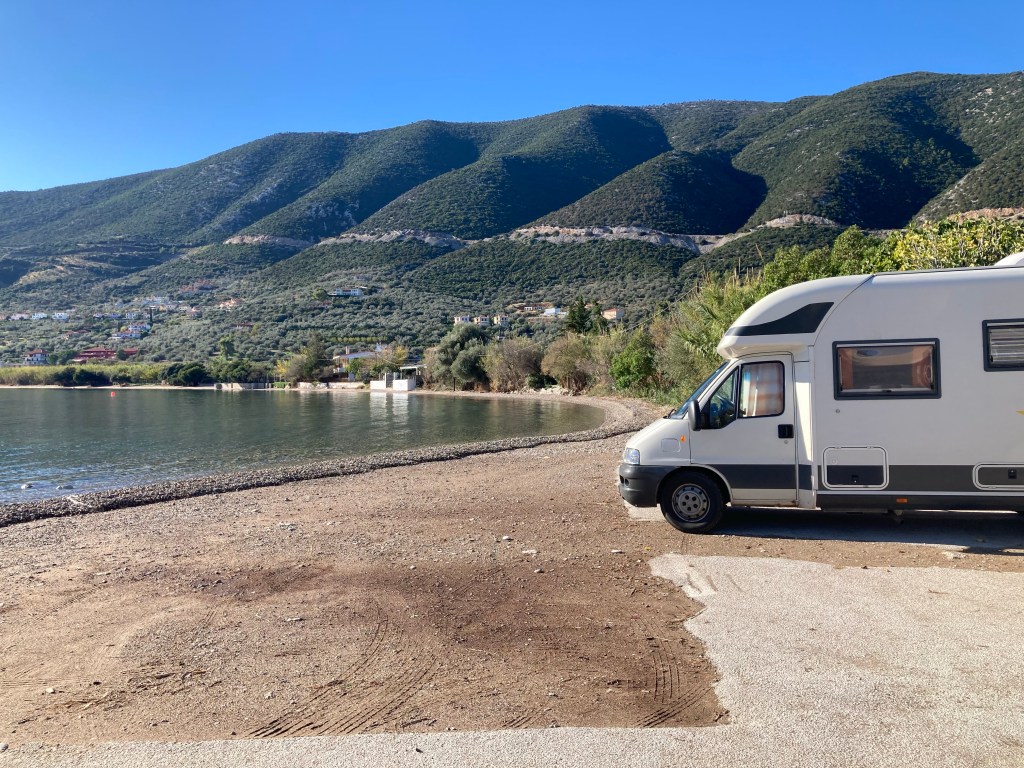
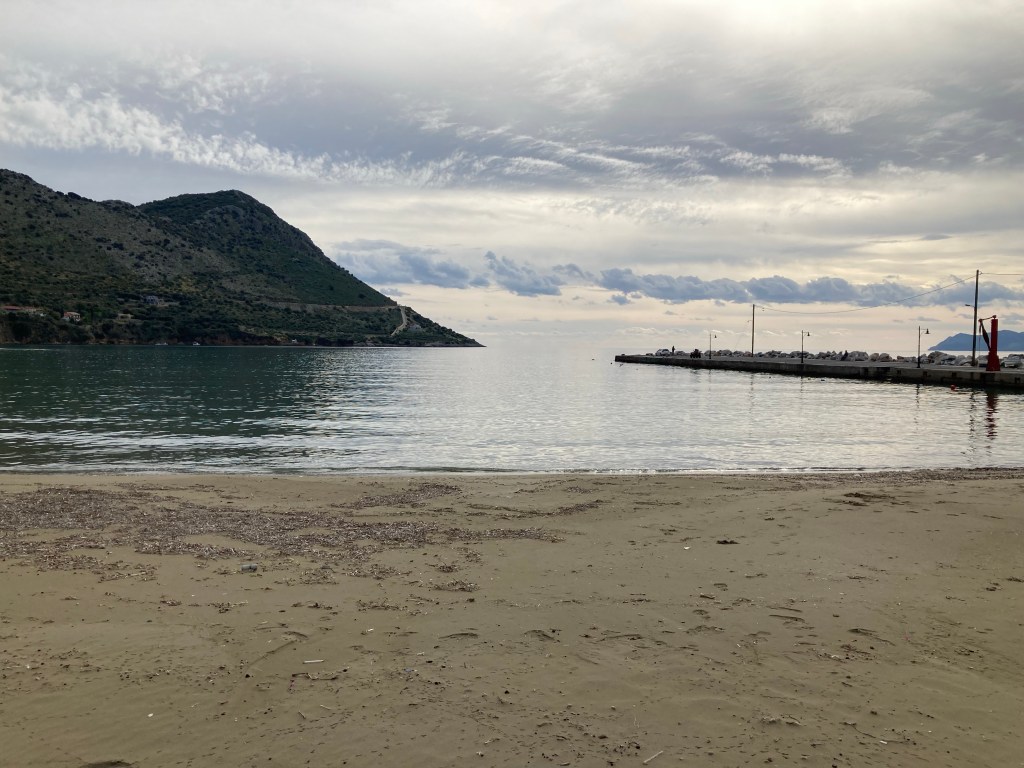
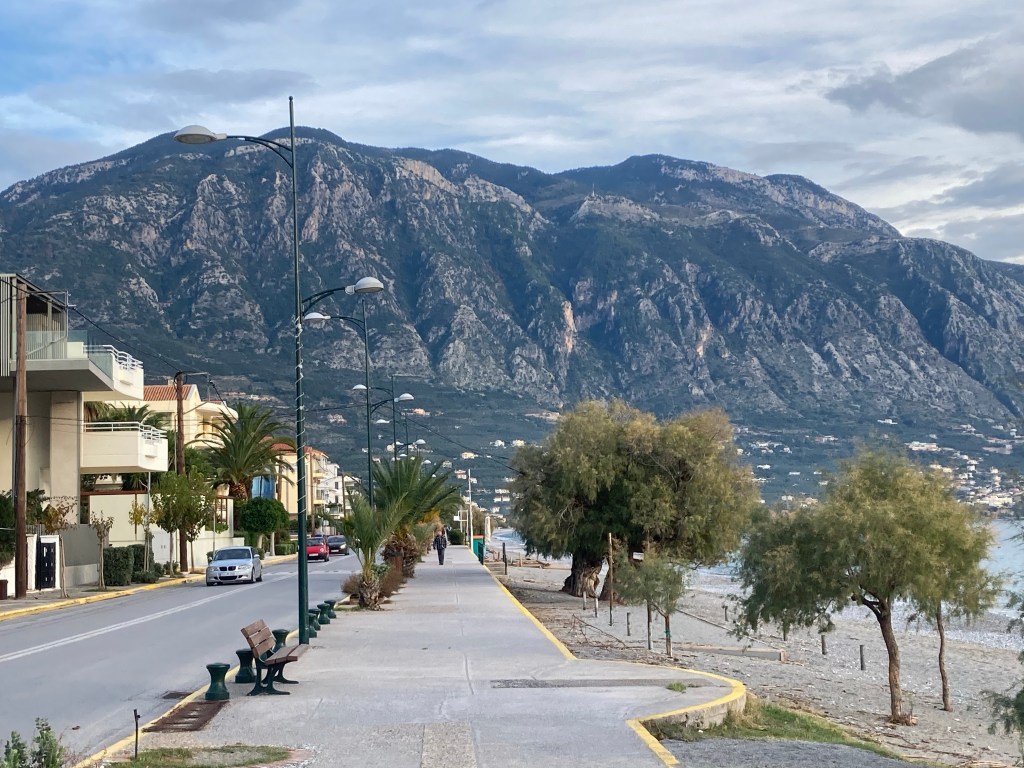
Having camped in numerous beach locations we were lucky to have experienced some wonderful sunsets and relaxed to the sound of crashing waves on the beaches which were either rocky or made of fine grit. We hope the following selection of photos helps share our experience.

The Jewish museum,Ataturk house and The archeological museum of Thessaloniki

The history of the Jews in Thessaloniki goes back 2000 years. The Jewish community until the early twentieth century formed the majority of the city’s inhabitants, whilst todays population numbers fewer than a thousand who are mainly Sephardic Jews that had emigrated to the city having been expelled from Spain by catholic rulers in 1492. A huge fire in 1917 destroyed 32% of the city rendering 52000 Jews homeless and eventually nearly half the city’s Jews emigrated to France and America. The remaining community thrived over the following years until the Nazi invasion when 90% of the Jewish inhabitants were deported and murdered. The museum had dedicated a whole floor in memory of the Jewish children who perished in the holocaust of the twenty thousand children under the age of seventeen only five hundred survived. A quote at the beginning of the exhibition I thought was very apt “Murdering children is akin to destroying the future”
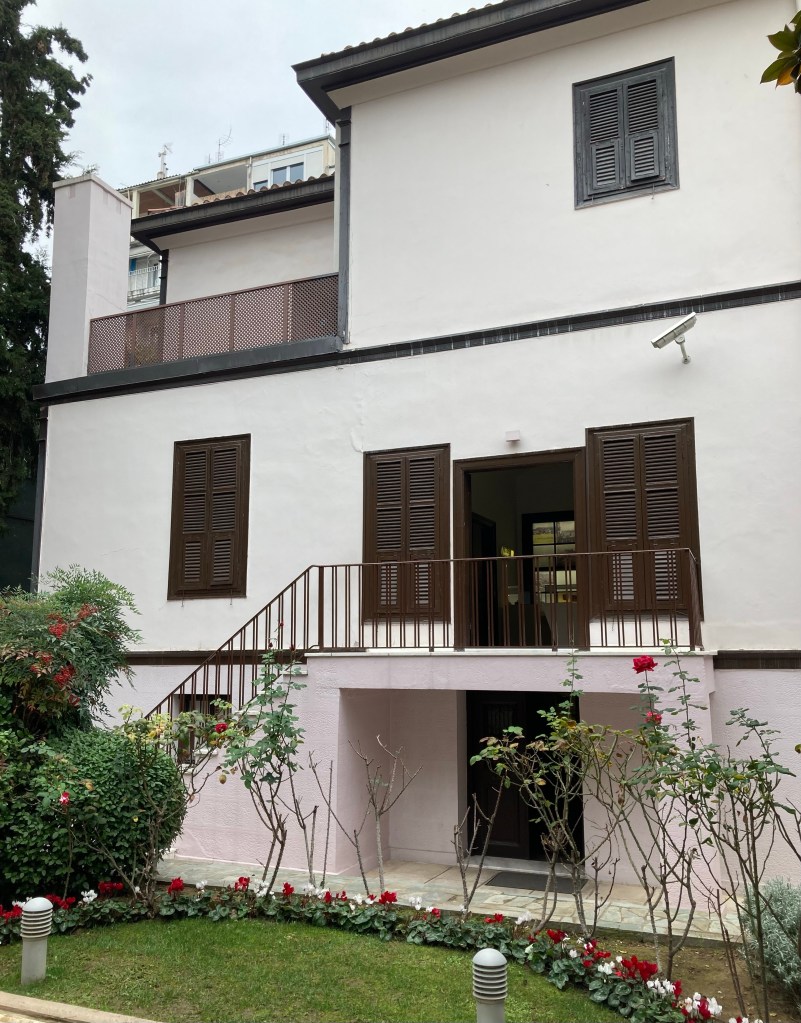
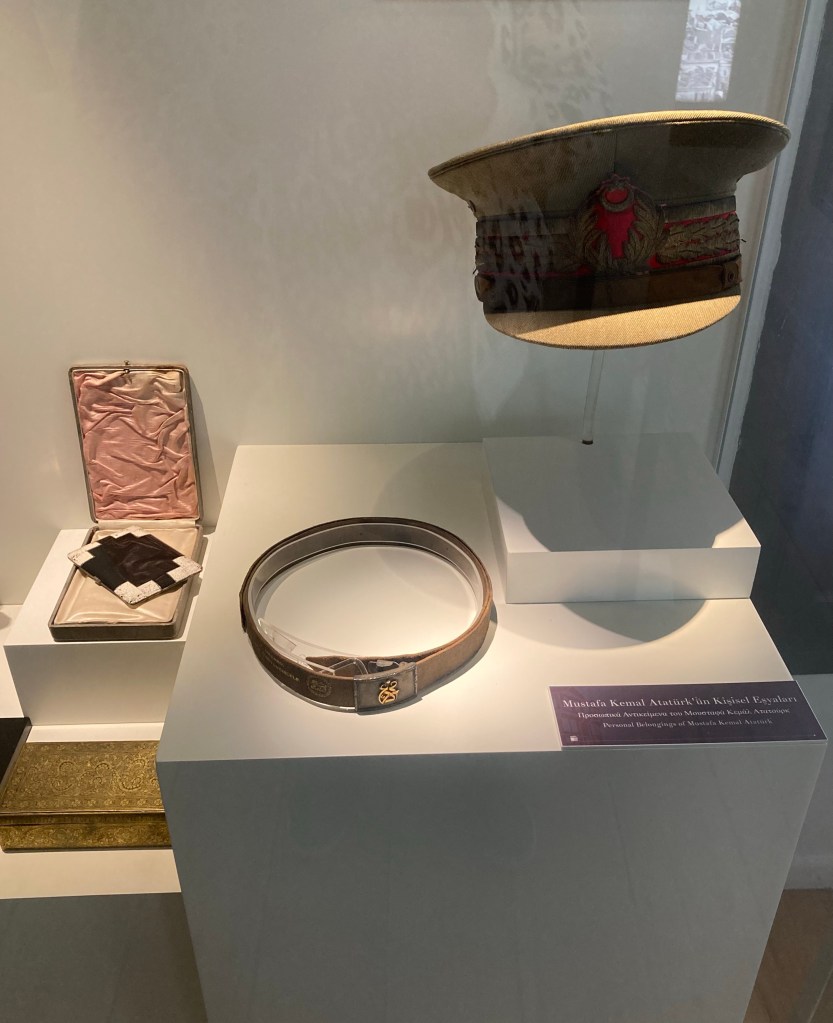
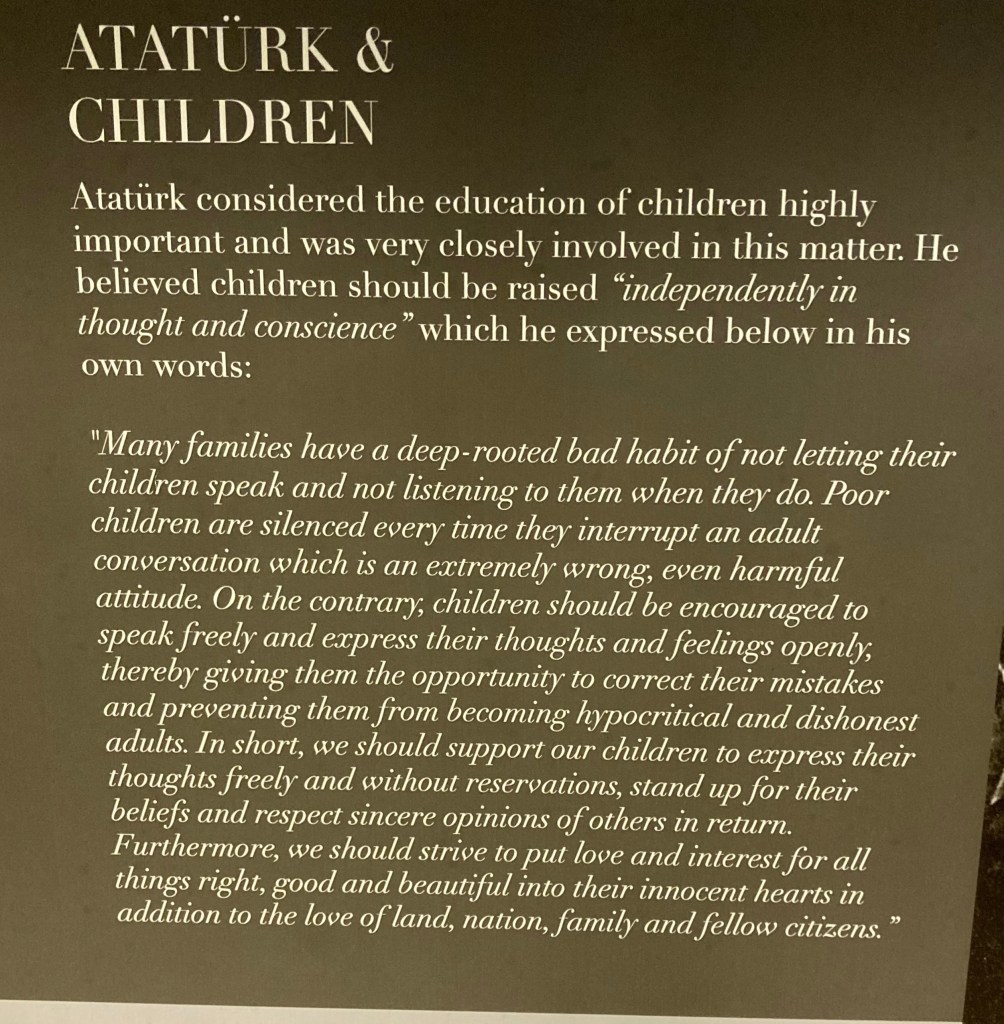
The birthplace of Mustafa Kemal ( better known as Kemal Ataturk) is a very simple house that has been turned into a museum that tells how an ordinary young man became a great statesman.

Against his mothers wishes his father who wanted his son to be a moderniser sent him to a secular school rather than the religious school his mother preferred. Paving the way for him to follow in his father’s footsteps and pursue a military career and later to enrol into a military school for his secondary education followed by the war college. His educational background shaped his approach to leadership which was based on persuasion not fear.

Following the end of the First World War the allied forces began claiming Ottoman territory including parts of Istanbul.Ataturk and a group of friends began to plan a nationalist movement centred on the Ottoman region of Anatolia. The allies fearing an uprising urged the sultan to restore order Ataturk was chosen to fulfil that role instead he gathered support for the nationalist movement forming a congress to represent the people and was elected head. This ultimately led to the downfall of the Ottoman Empire and the forming of a new National Assembly who elected Ataturk as the first president of the republic of Turkey, his goal was to reform and bring it into the twentieth century. His greatest legacy was how he reformed education and encouraged equal rights for women.

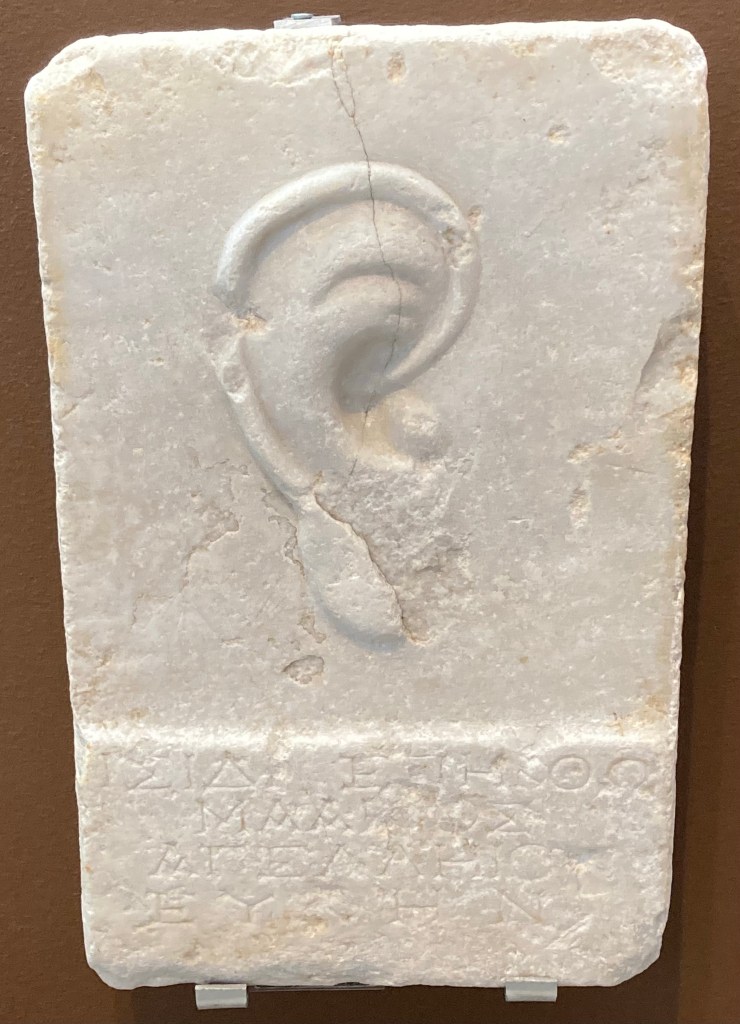
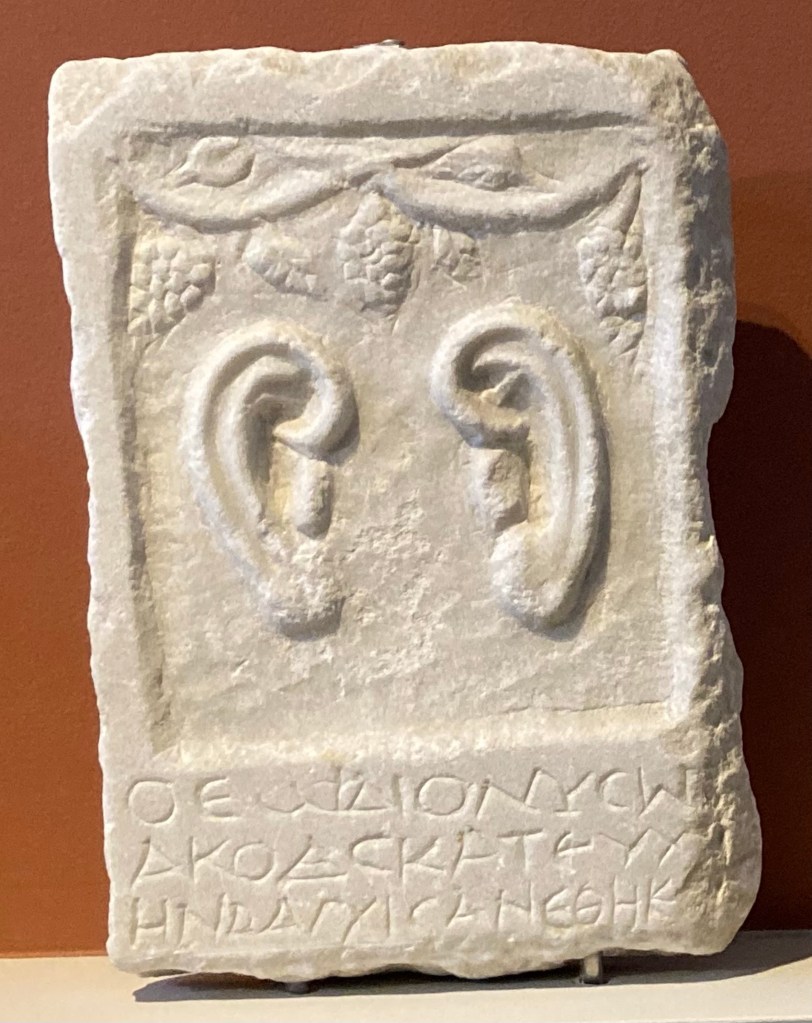
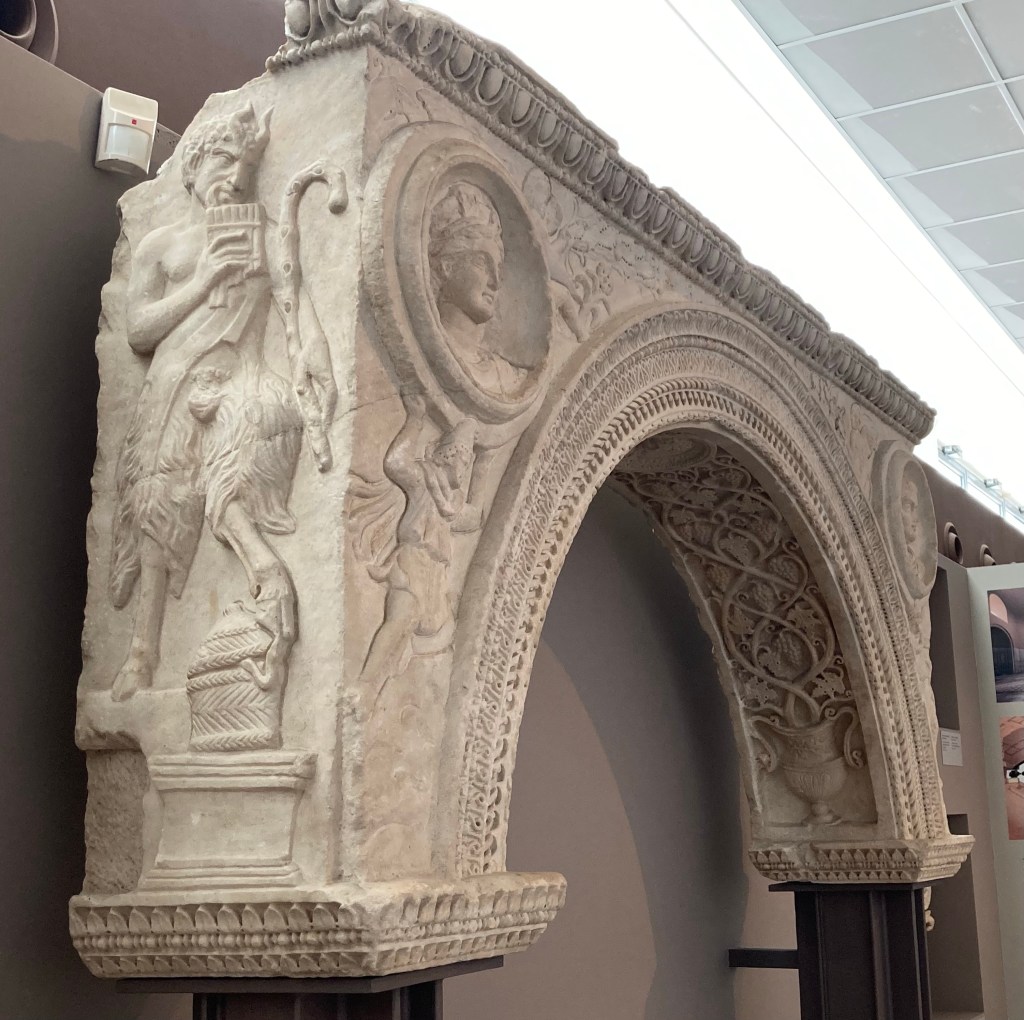
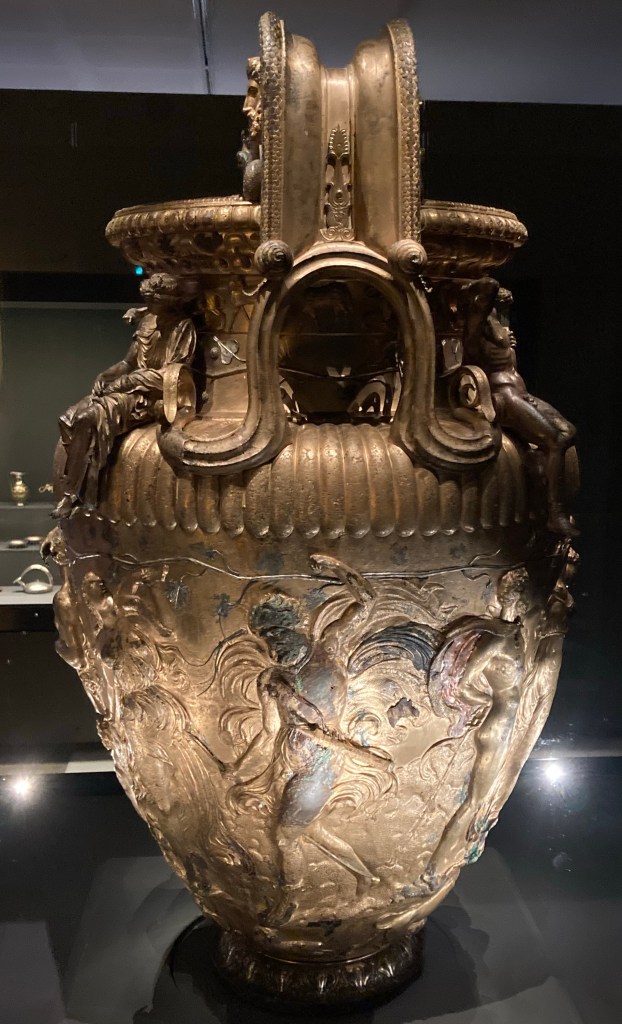
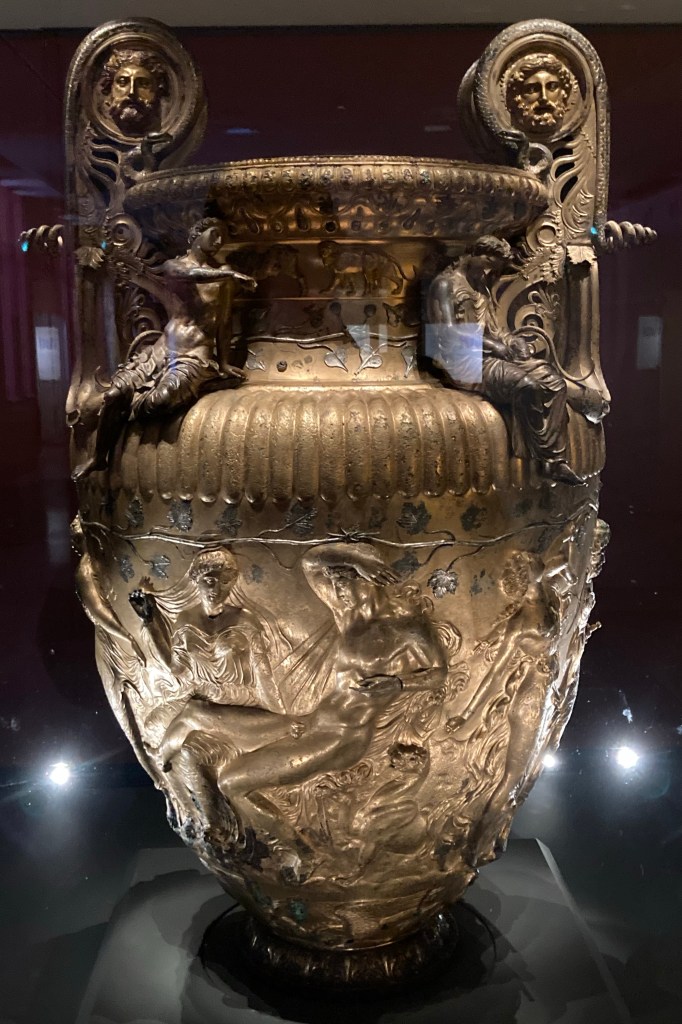
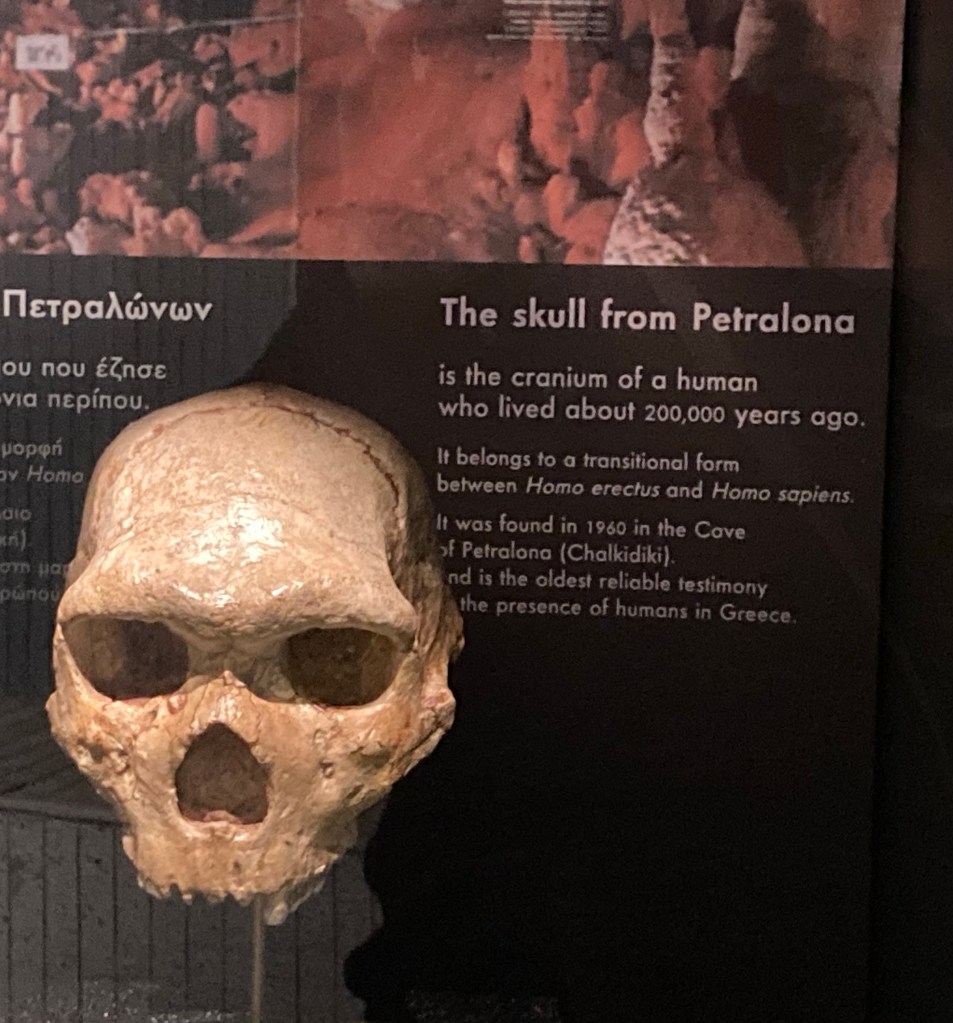
One of the finest collections of Greek artefacts is housed within the Thessaloniki museum the majority of which goes back to the sixth century BC.

Tombs and Alexander the Great

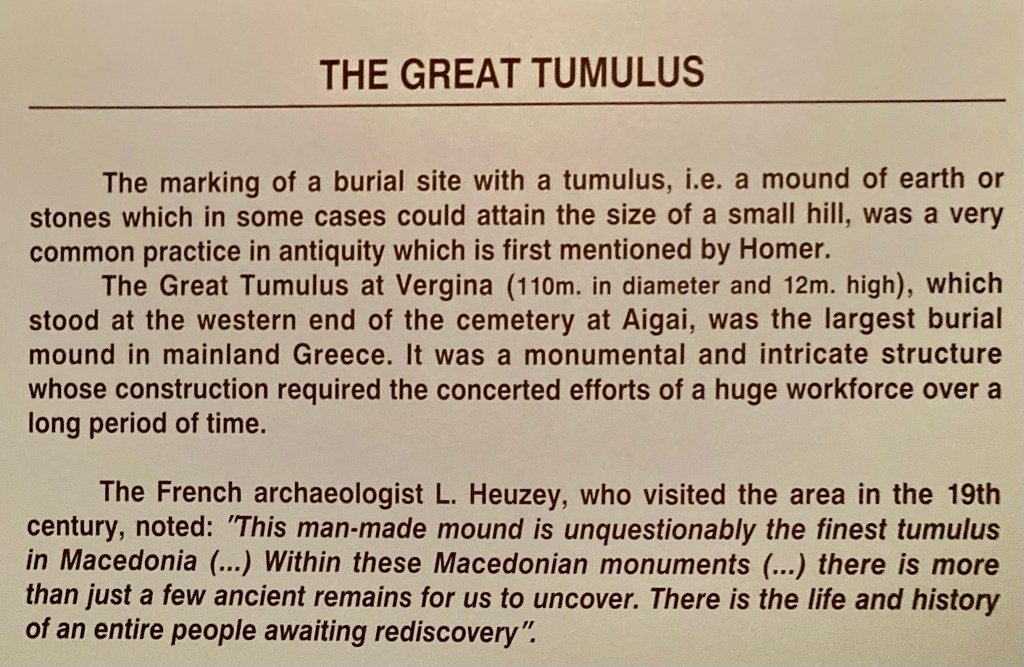
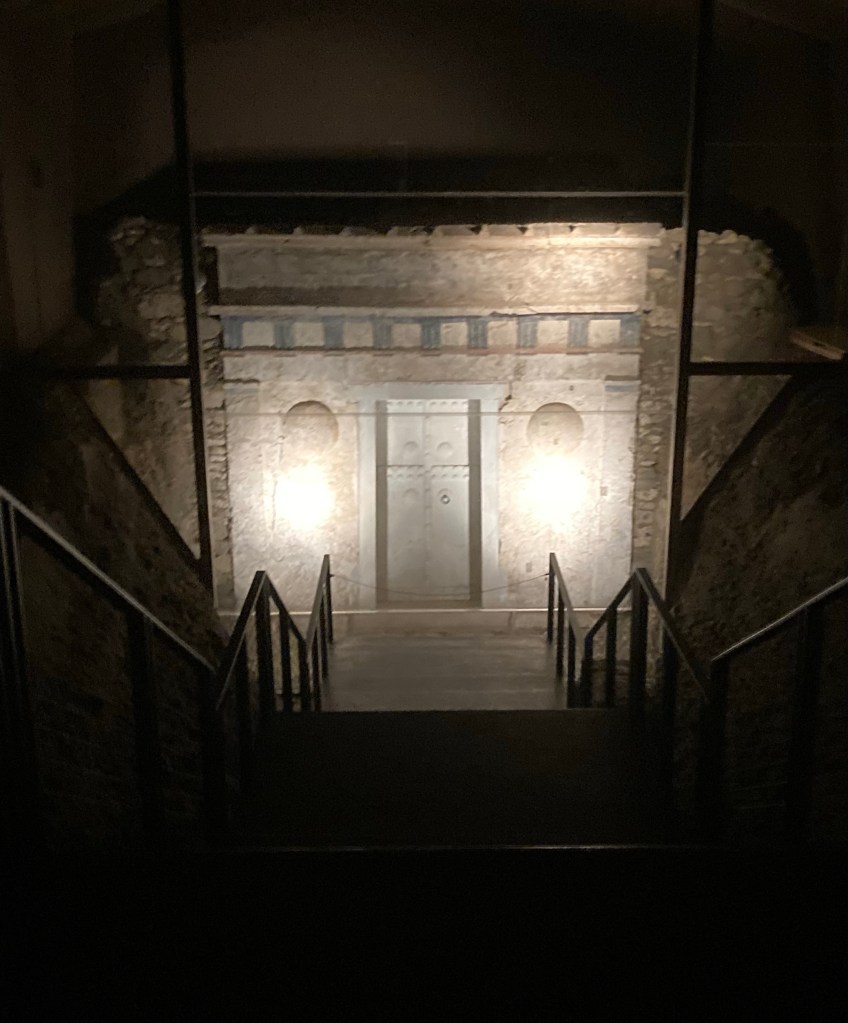
Vergina home to the tombs of the Macedon kings is a small rural village and one of the least likely places to find such a wealth of history. It’s ancient name was Aigia the first capital of Macedon although the capital was later transferred to Pella.

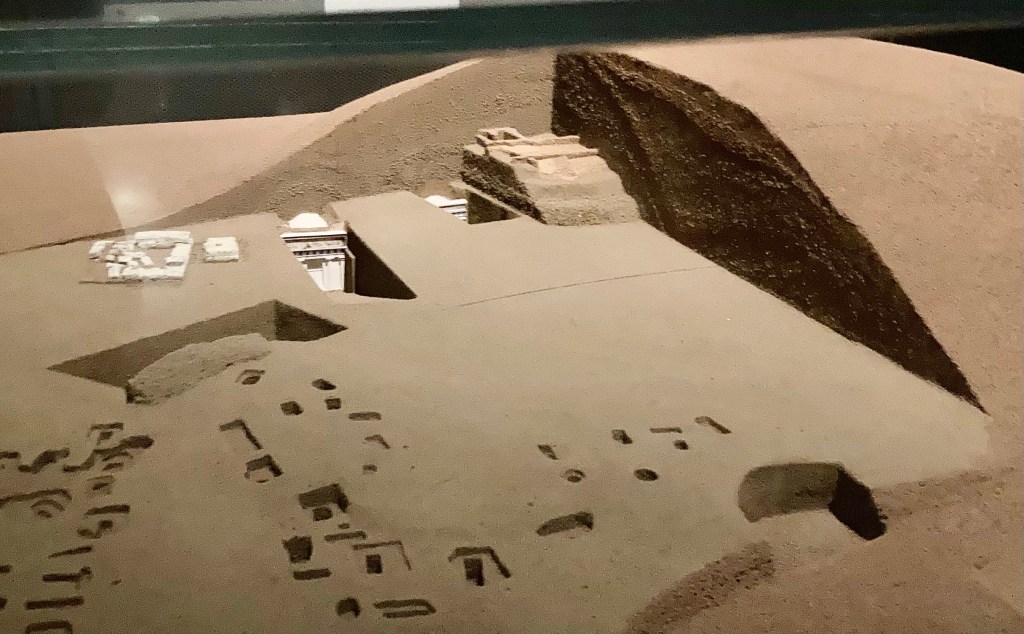
The practice of the Macedons was to bury their dead within elaborate tomb structures covered by mounds of earth resembling small hills along with artefacts both personal and practical for use in the afterlife.

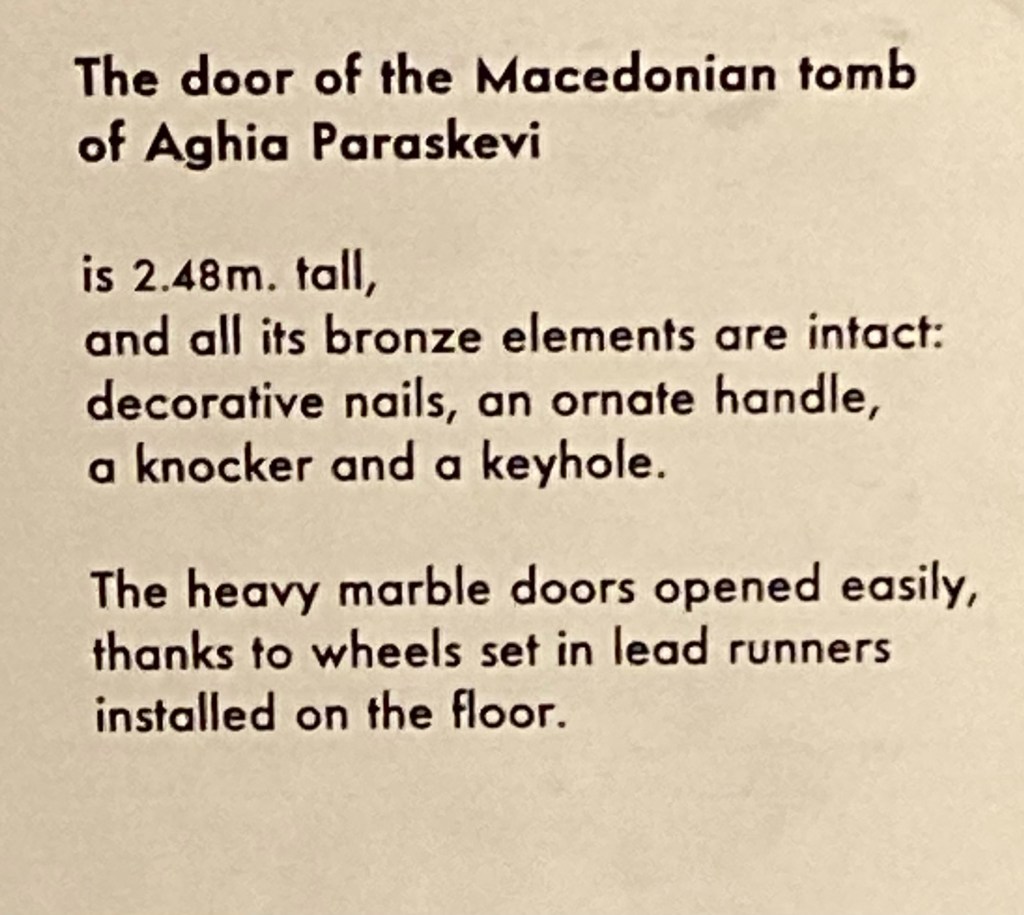
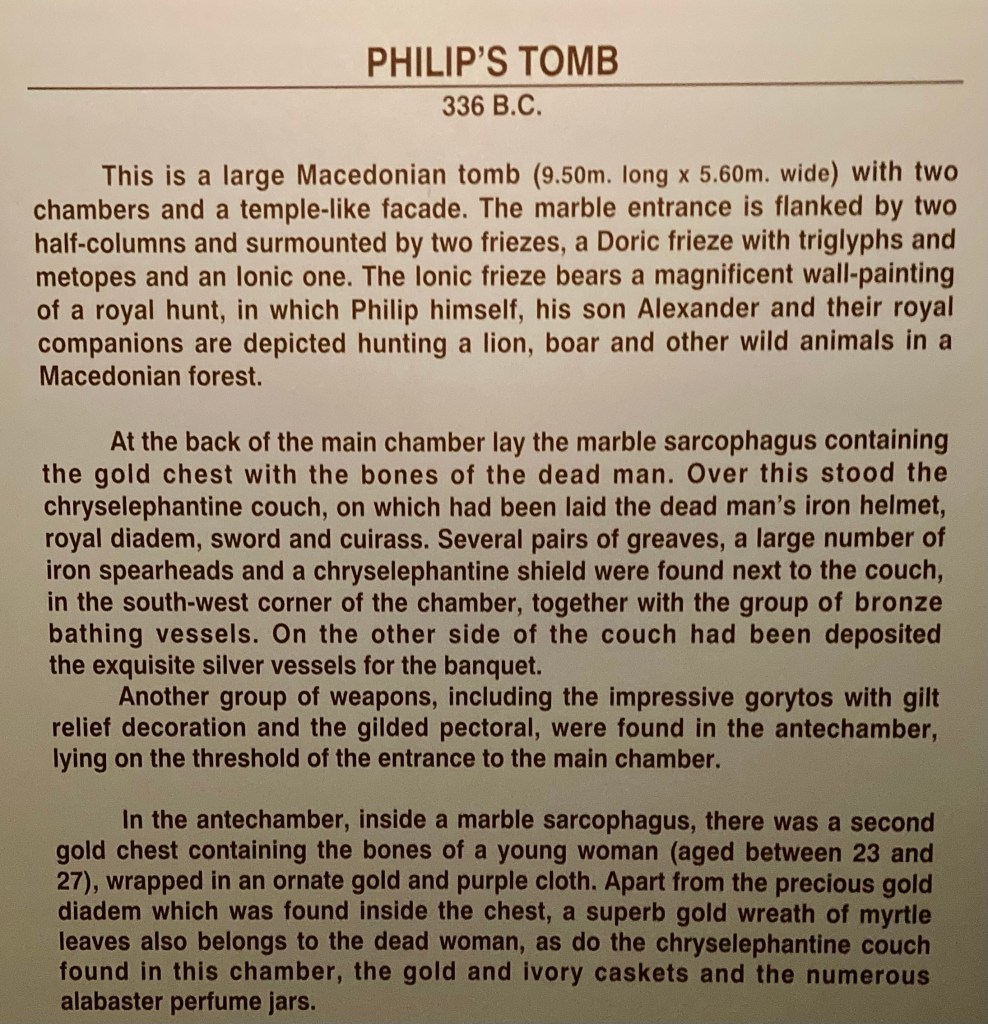
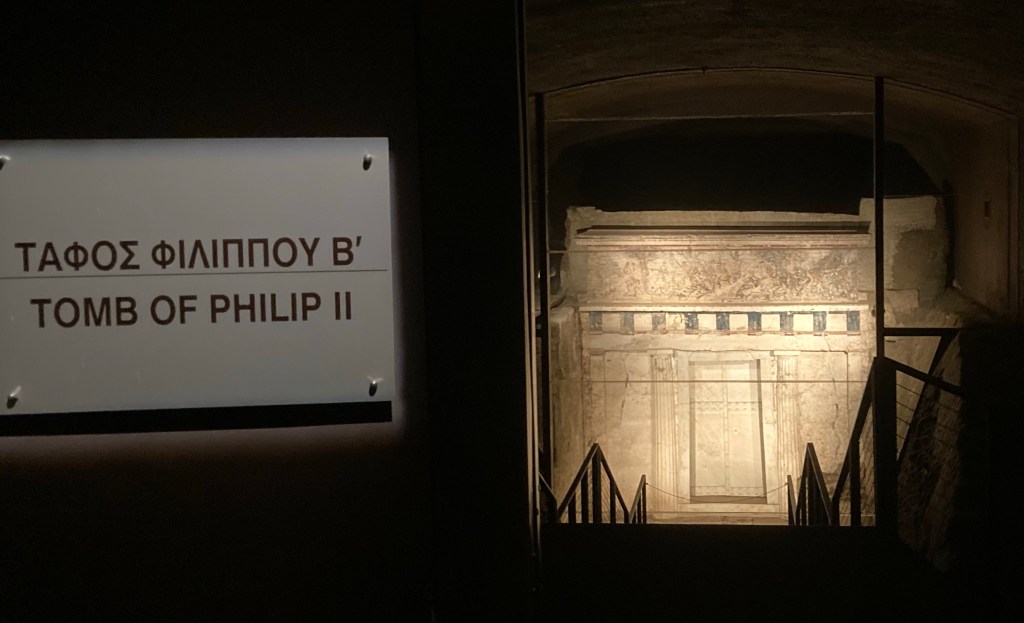
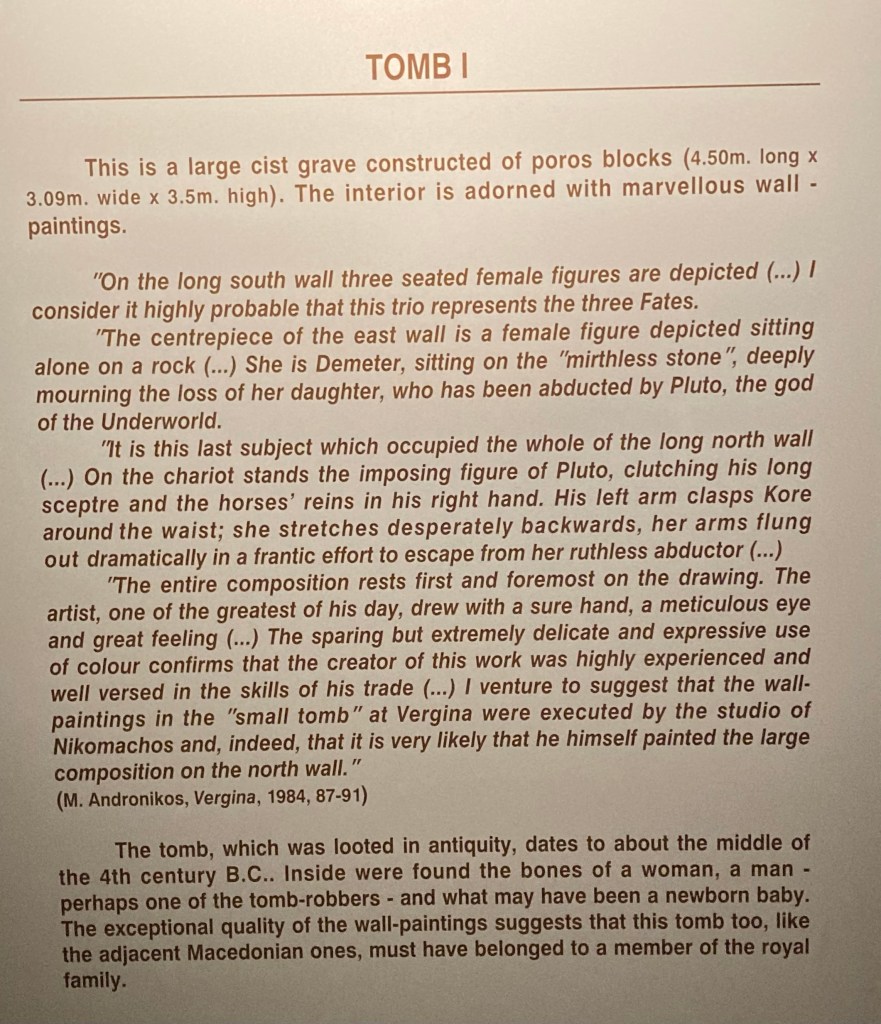
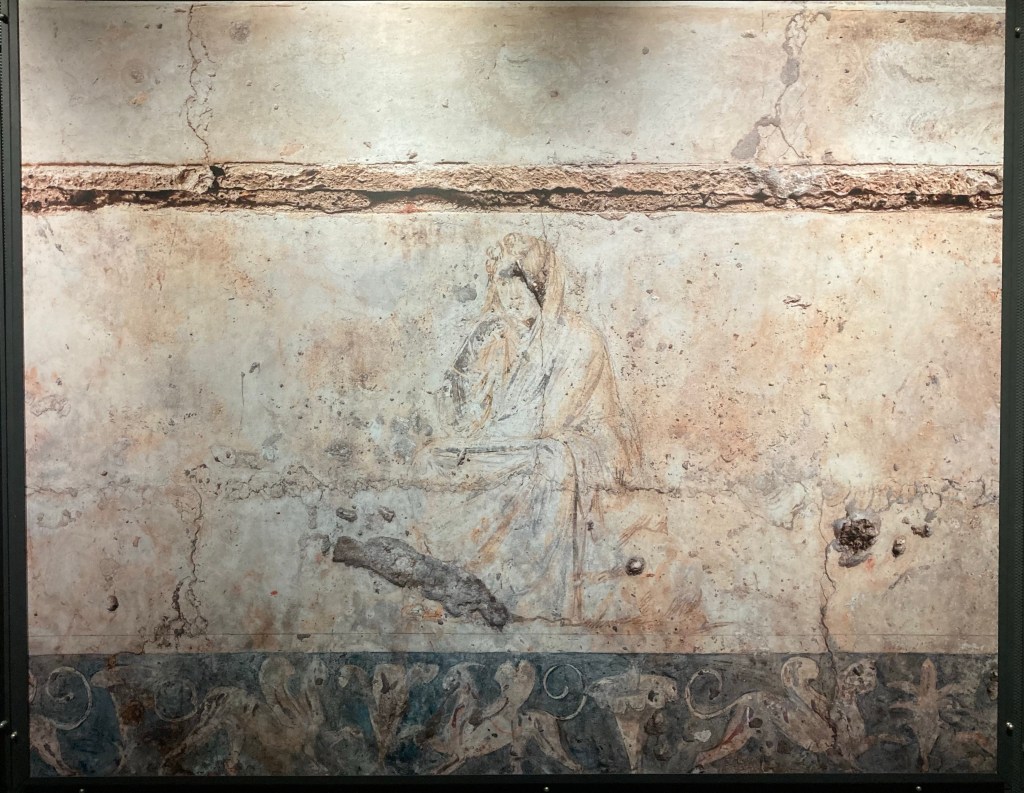
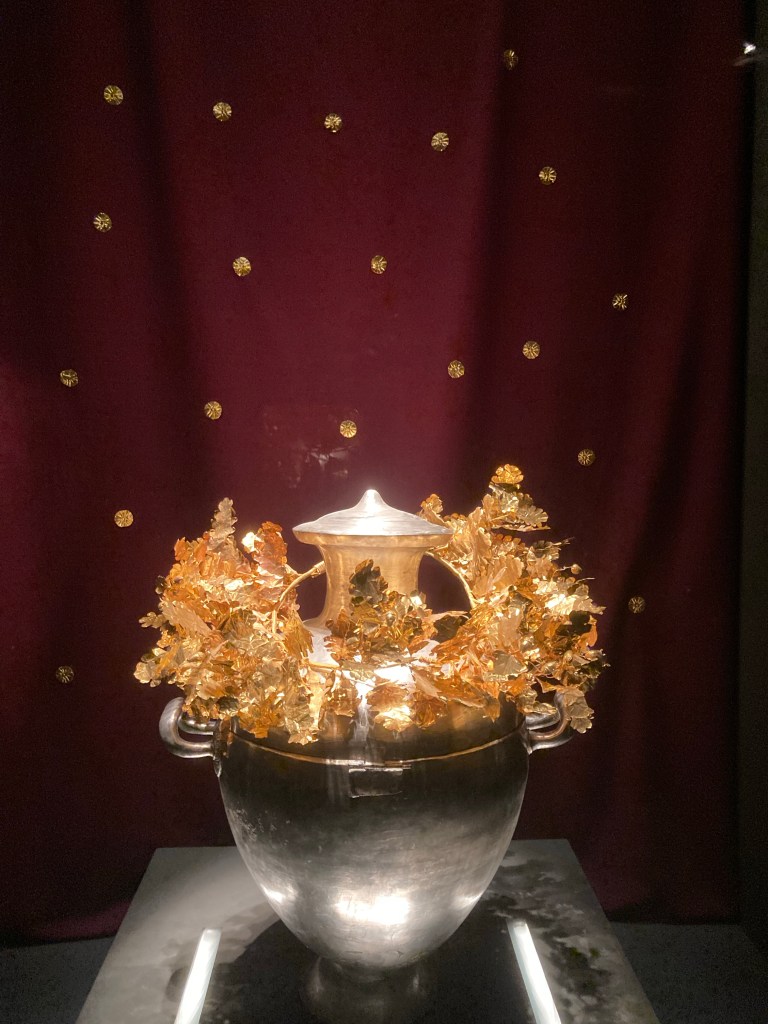
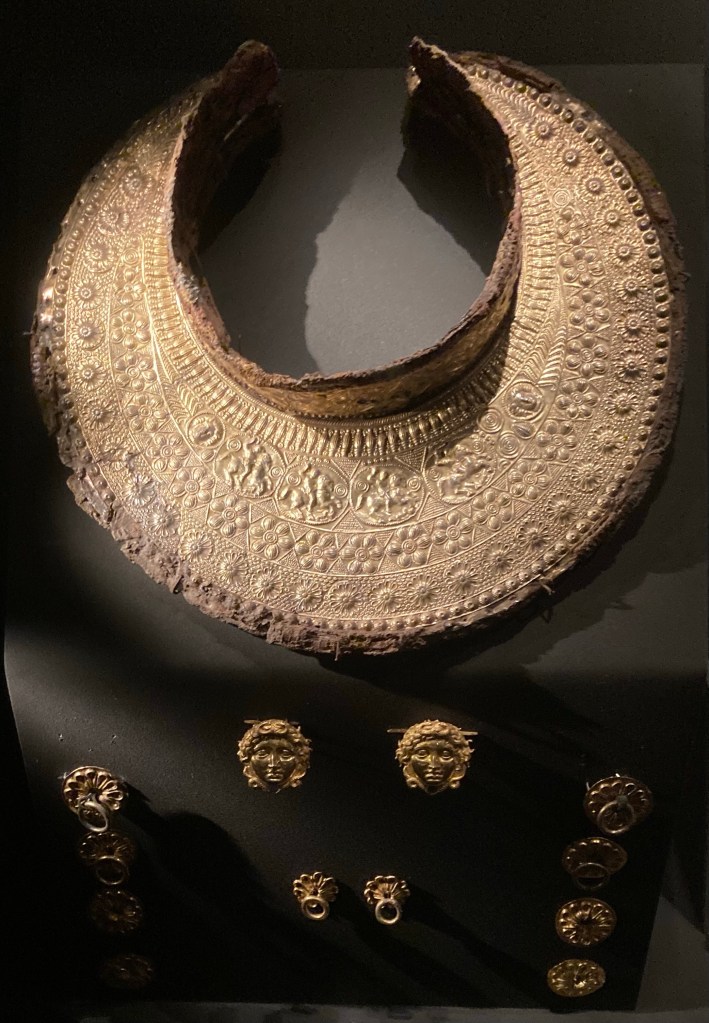
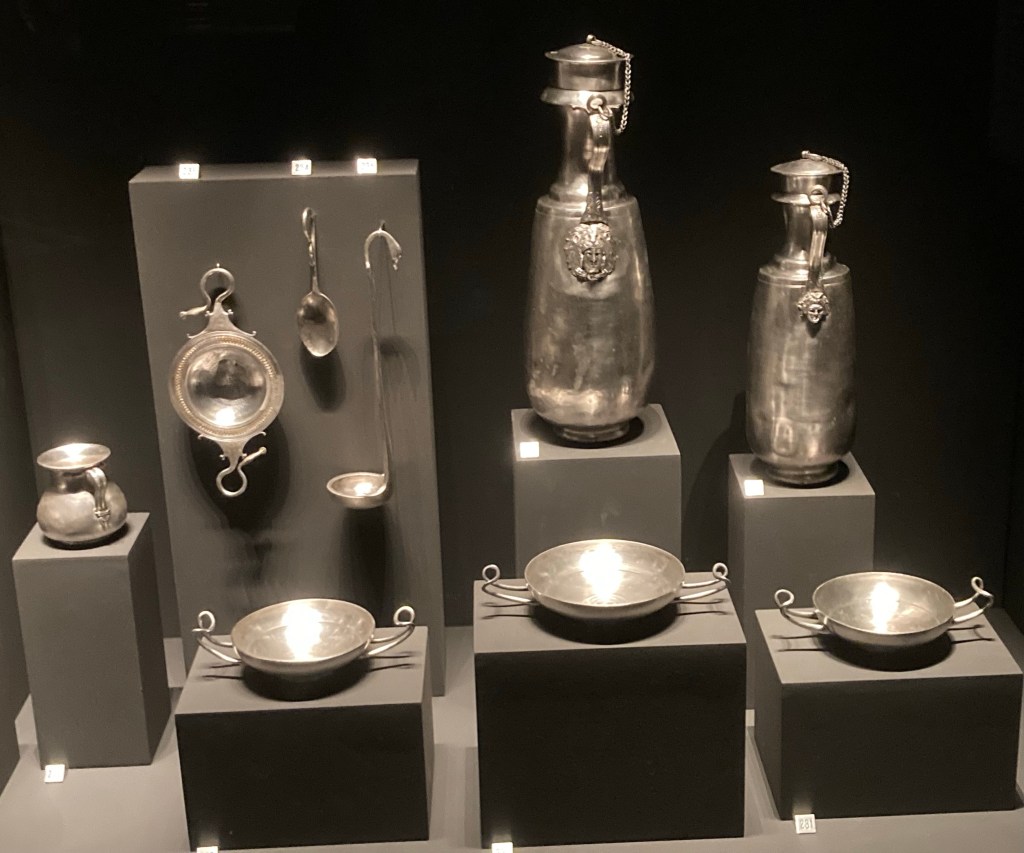
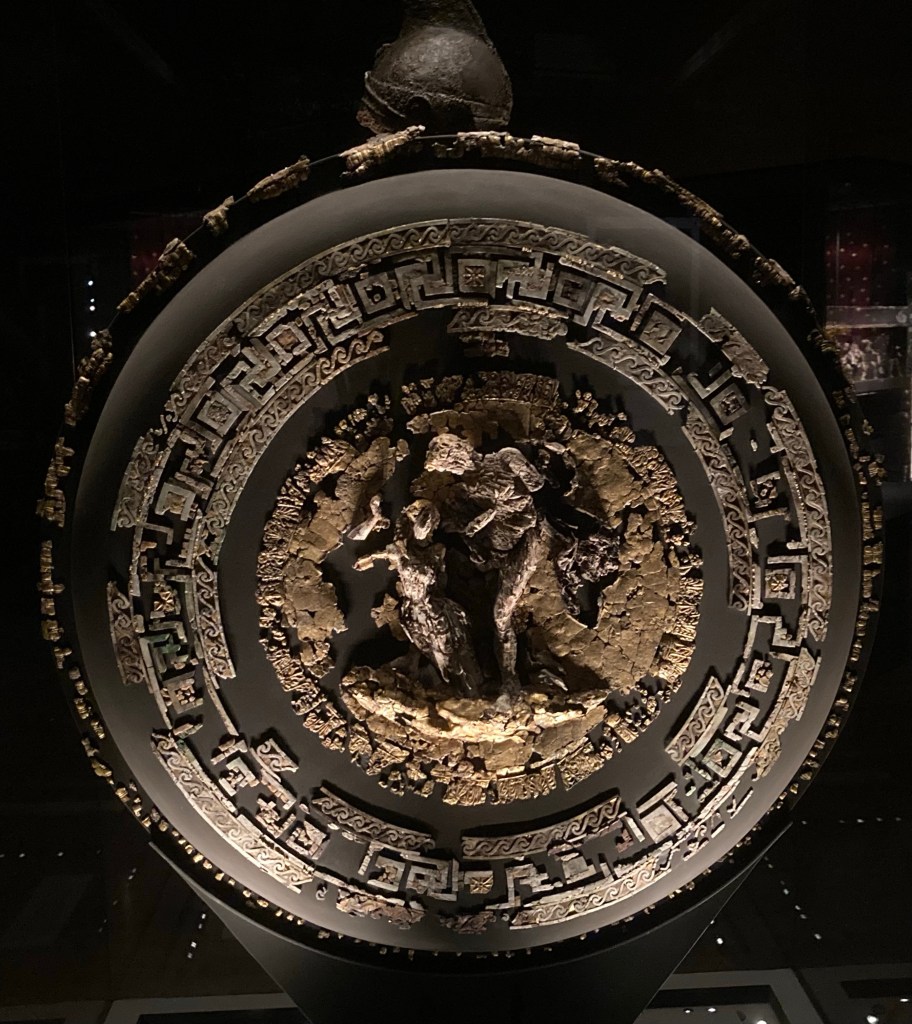
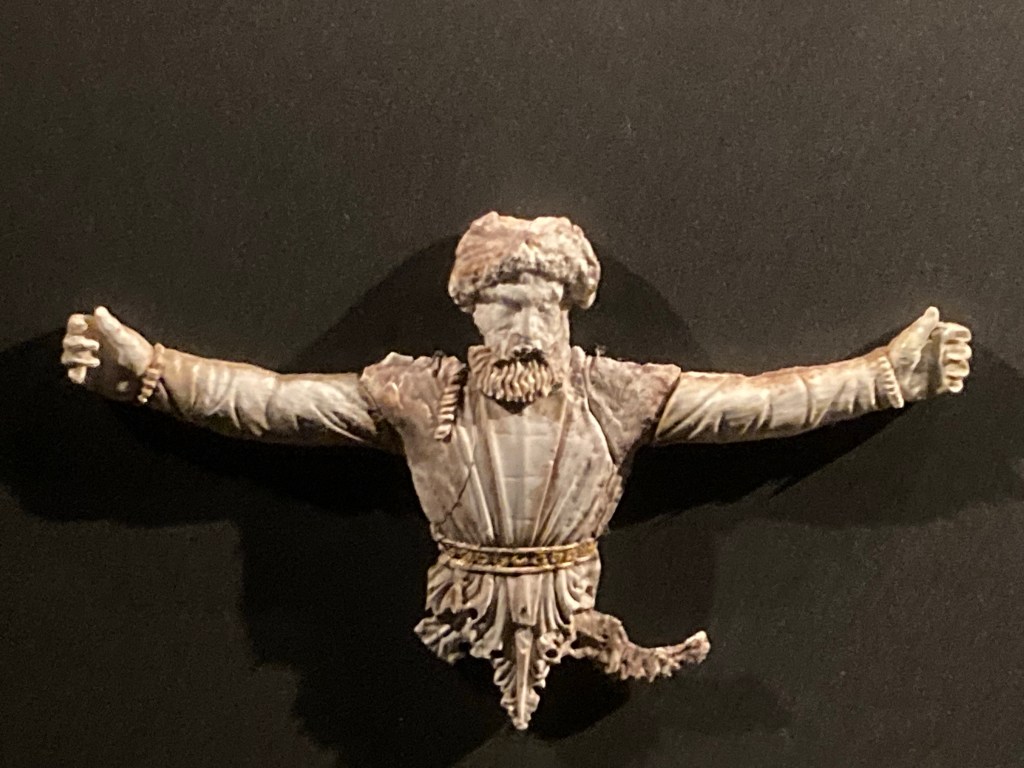
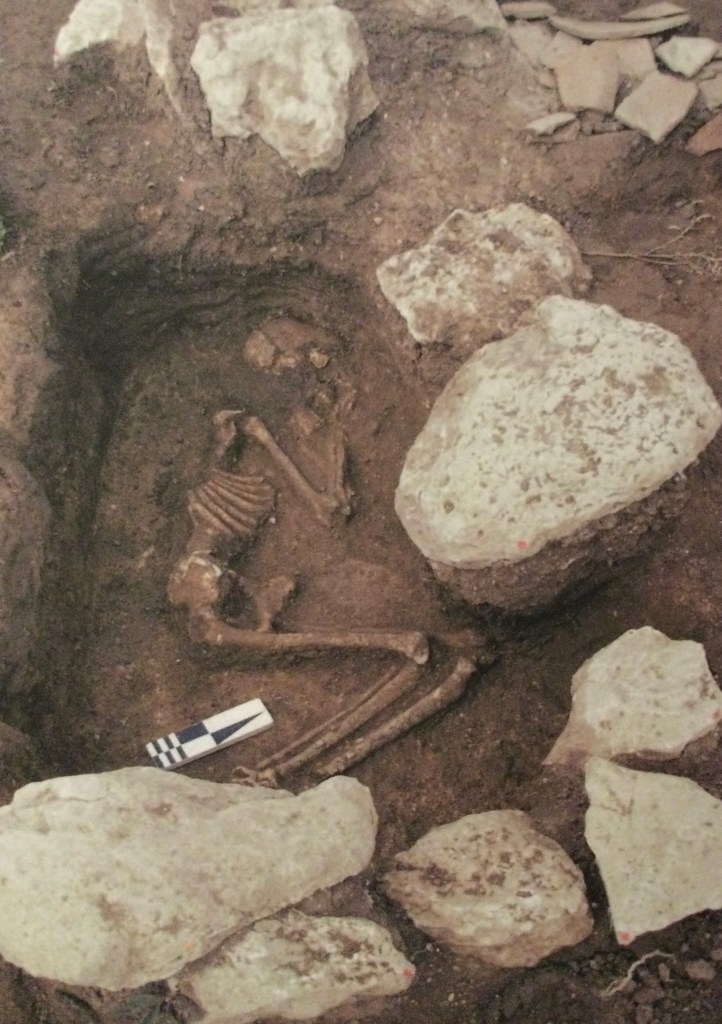
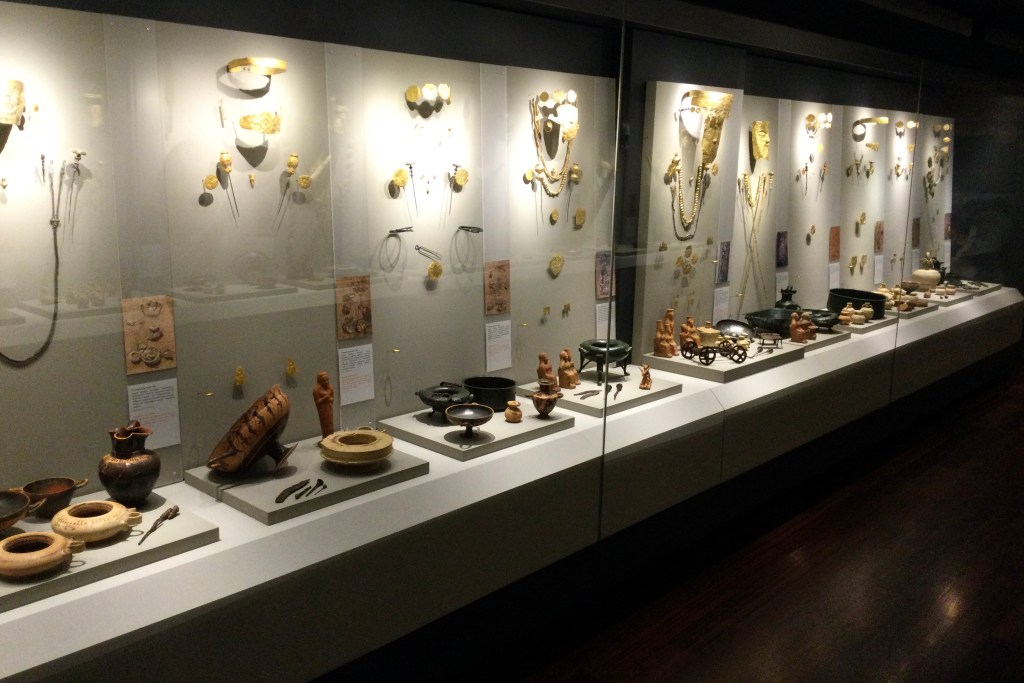
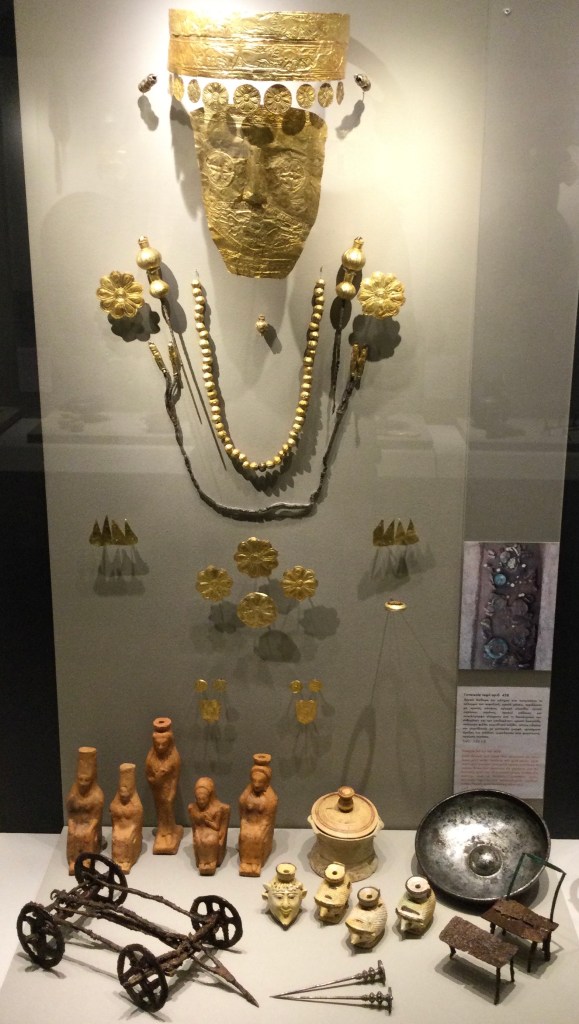
The tomb was that of Philip the second and his son Alexander the Great reconstructed as a museum that mimics the original mound prior to its excavation.The artefacts discovered were in pristine condition and included the elaborate gateways to the individual burial chambers, their armour and individual items buried with them.Other discoveries excavated within the local area were also on display and these included individual headstones, skeletal remains and items found within the graves all of which contributed to the awe inspiring display. Ongoing archaeological excavations have discovered over a thousand graves including burial clusters of royal women, earlier kings and commoners dating back to the Iron Age, revealing the extent of the ancient capital which had covered some 6,500 hectares.

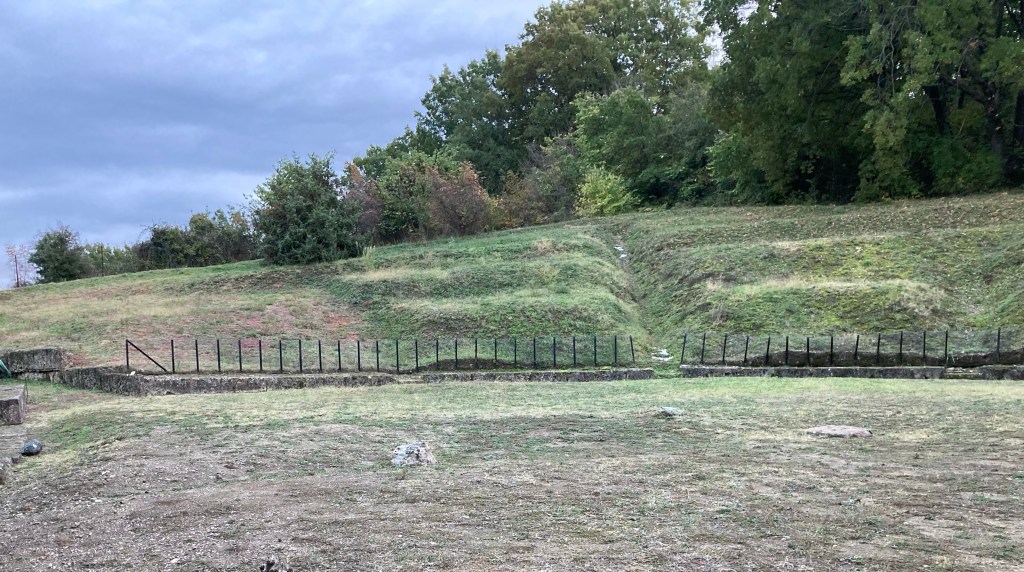
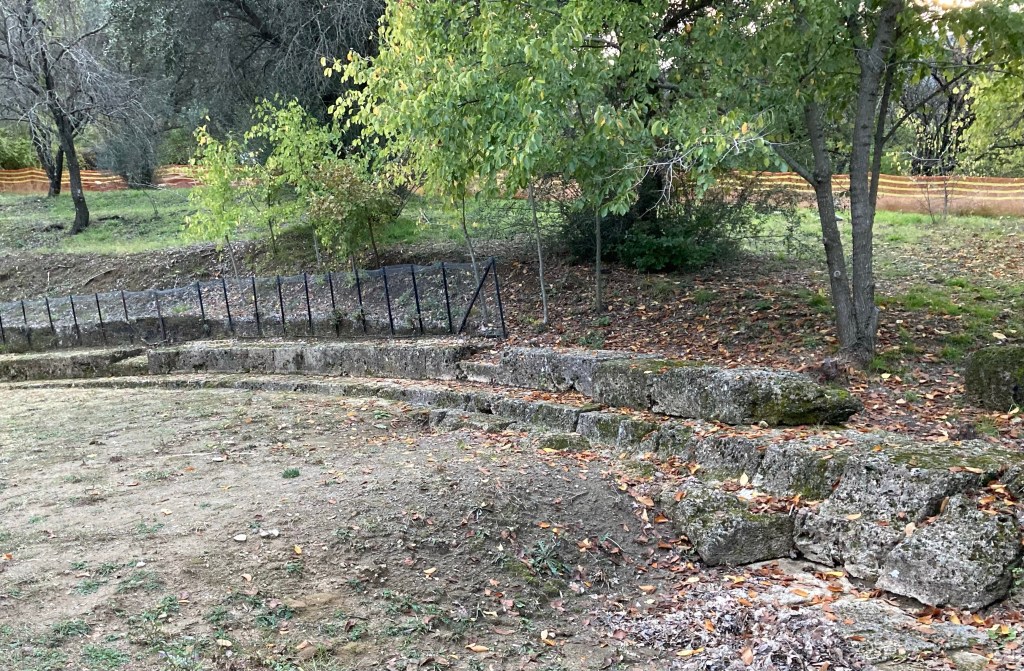
After visiting the museum we walked to the surrounding archaeological sites which included the small theatre arena where Philip was assassinated at his daughters wedding by one of his bodyguards hence making way for Alexander’s kingship. Alexander went on to conquer the Persian empire within eleven years but died in mysterious circumstances aged thirty two. Unfortunately King Philip’s palace was still under excavation and therefore closed to the public.

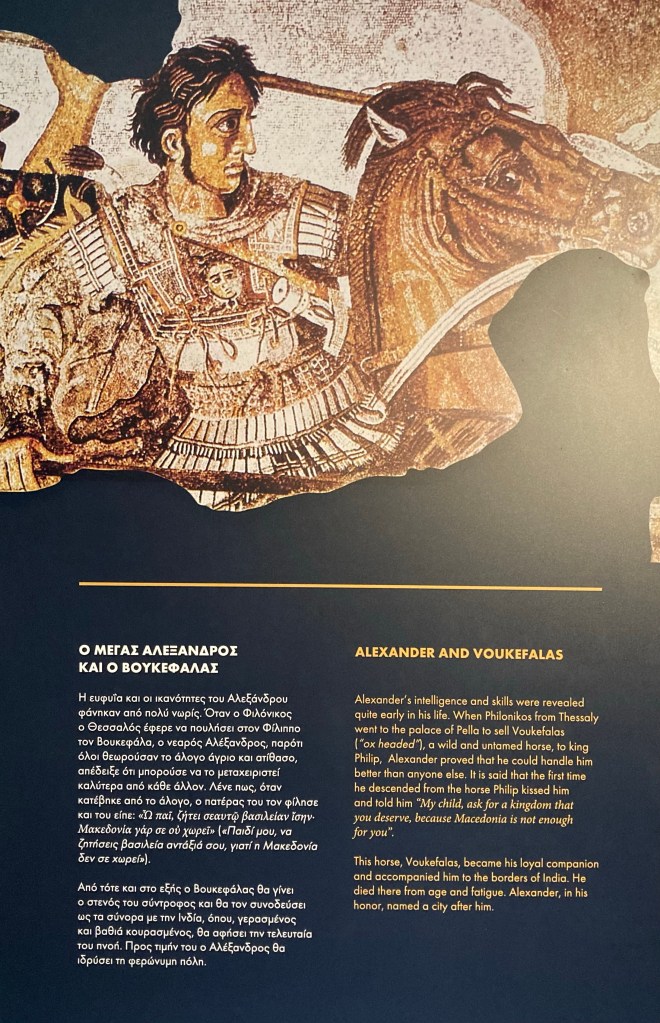
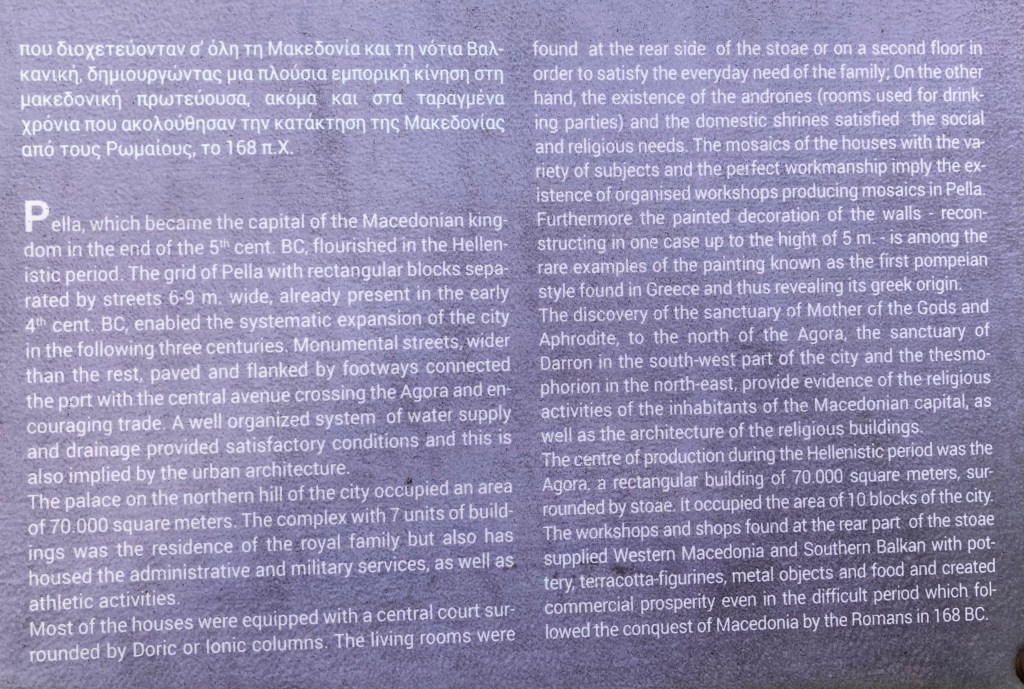
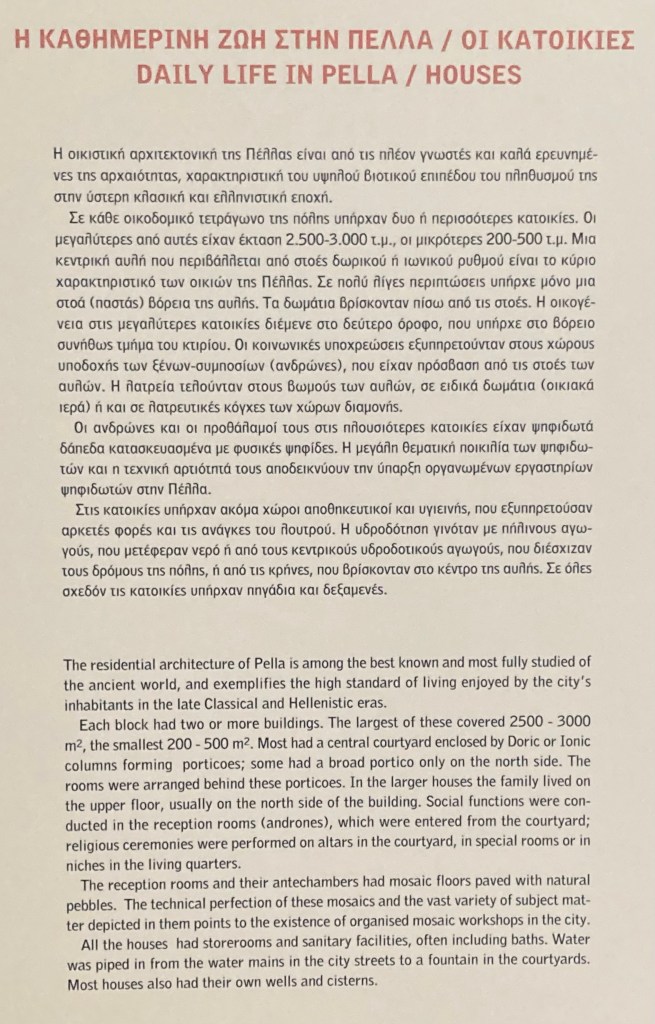
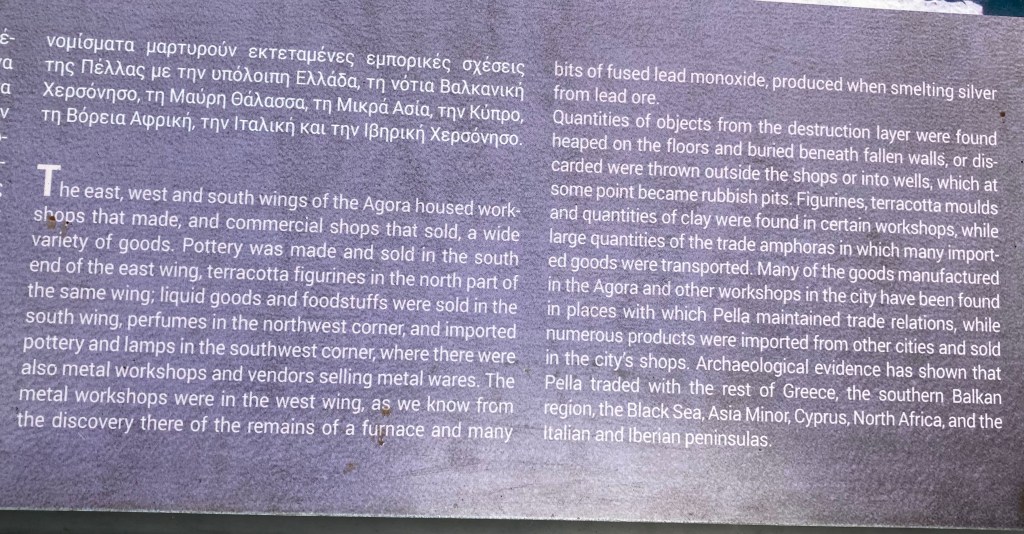
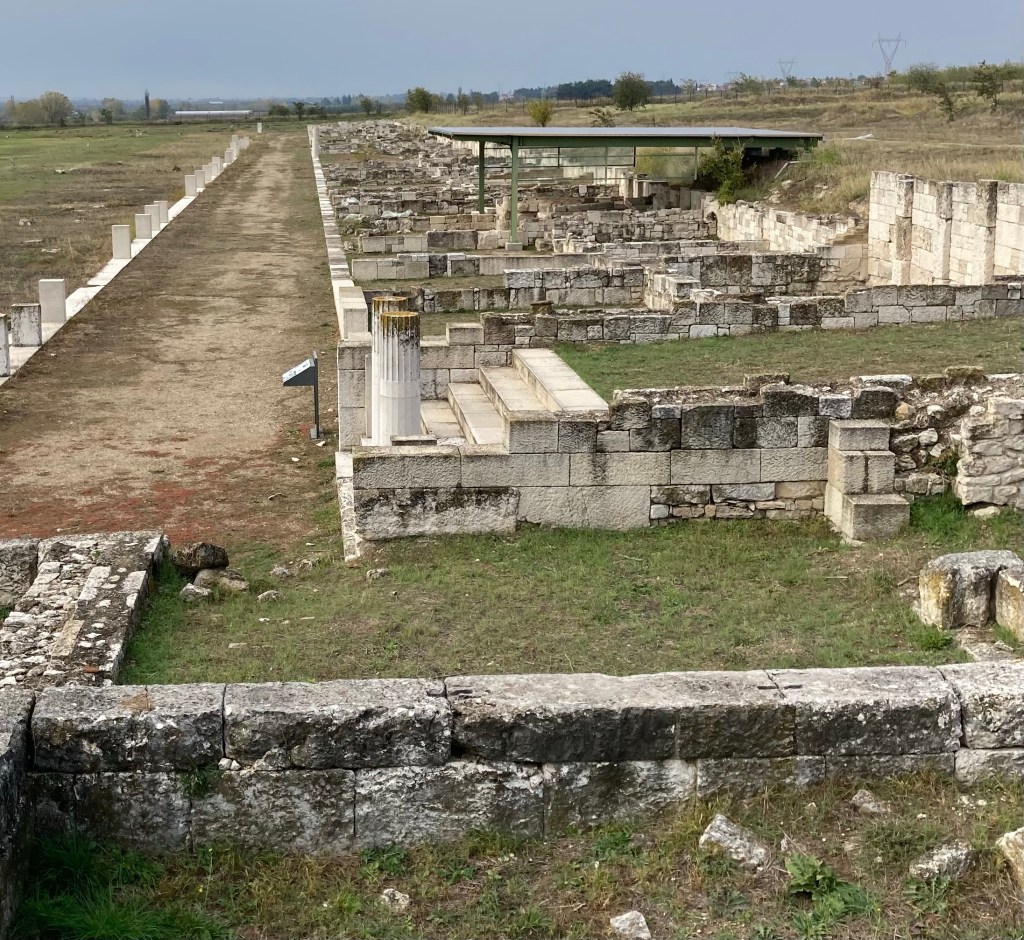
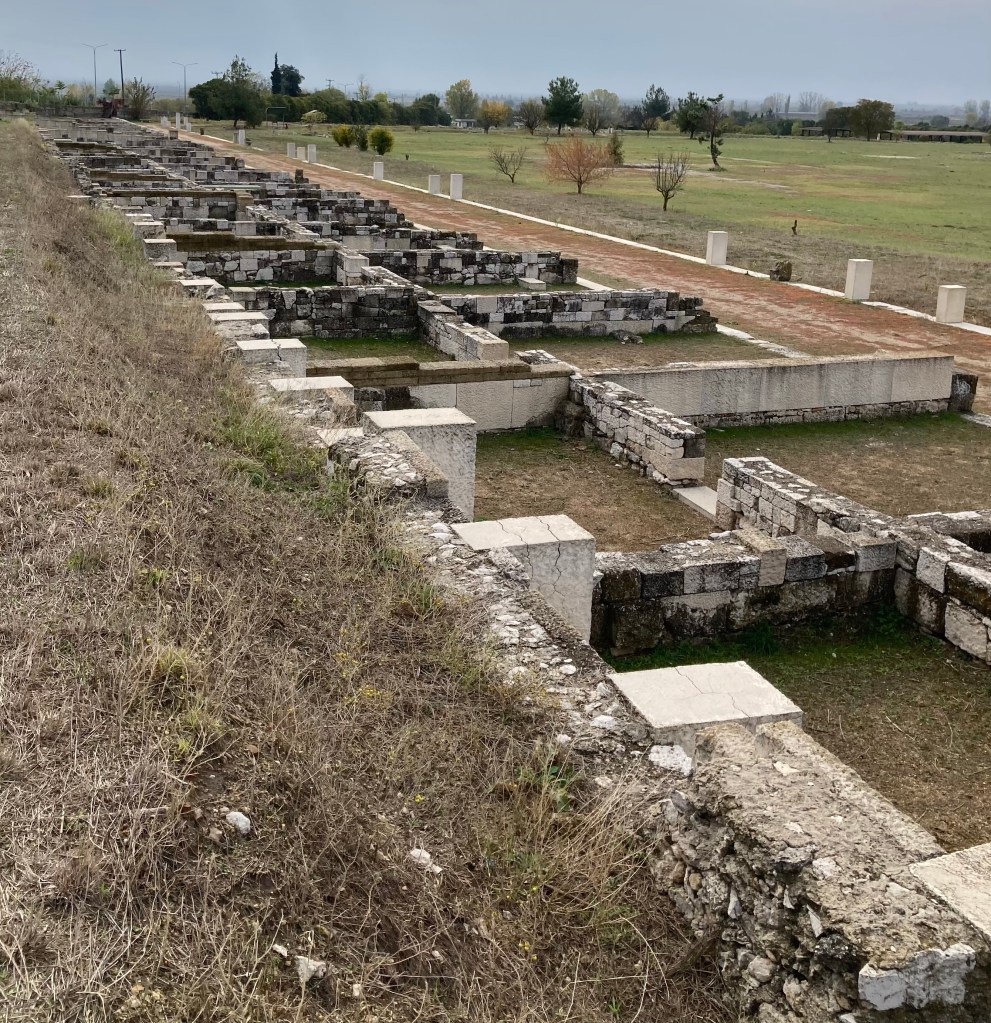
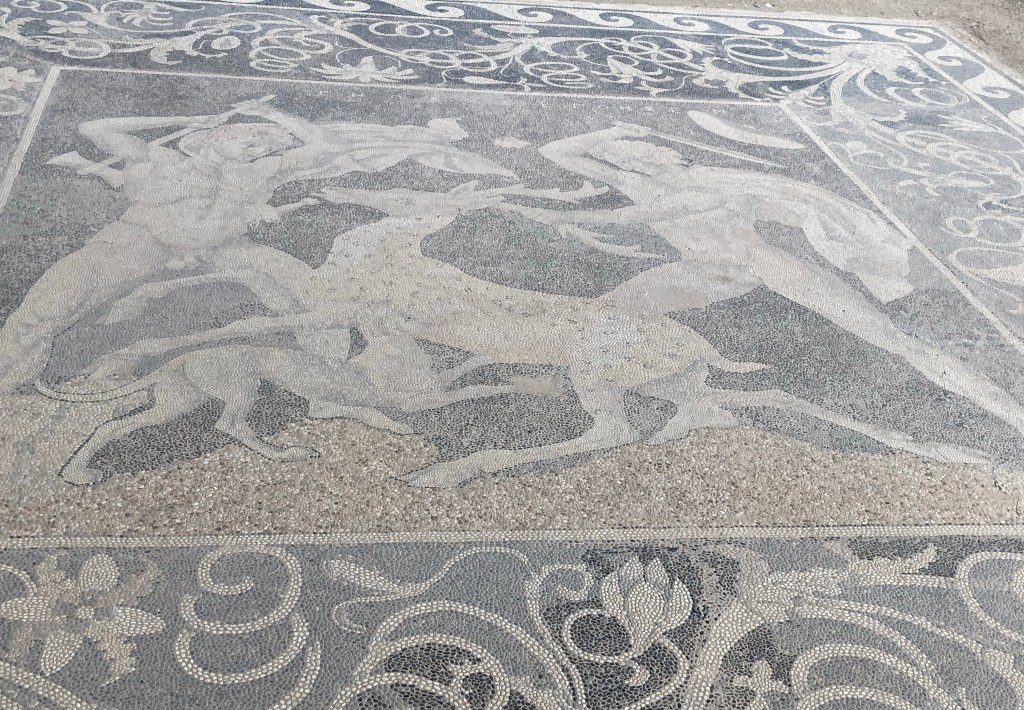
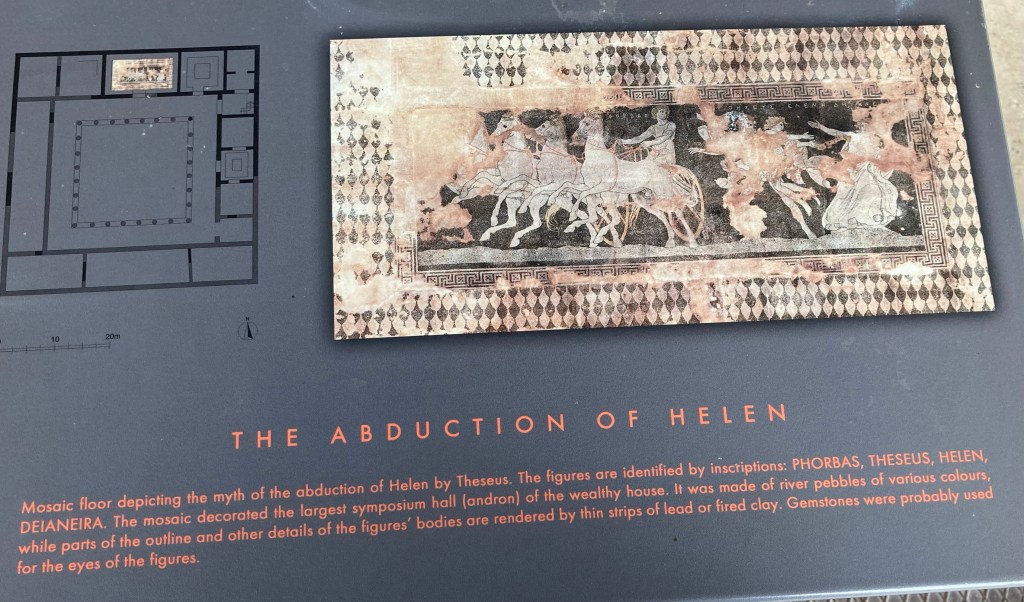
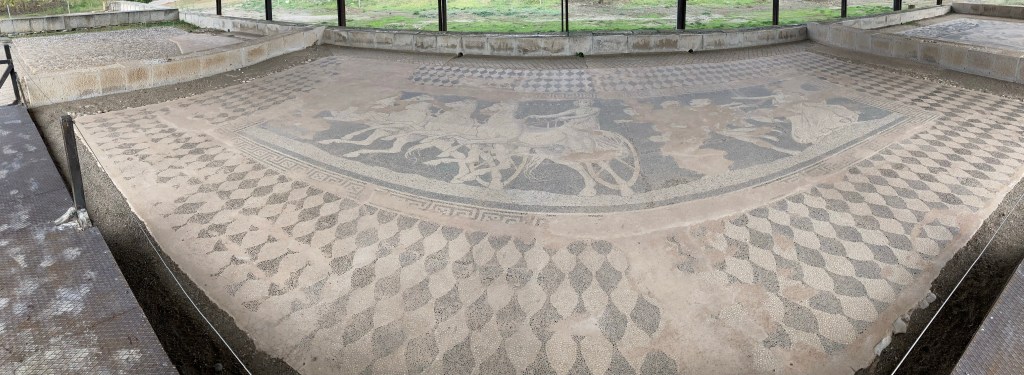
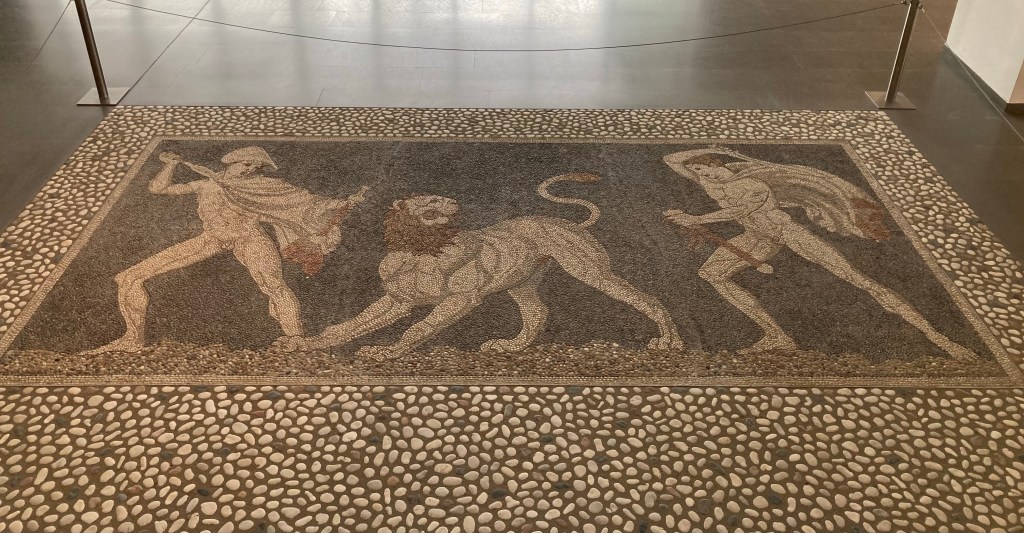
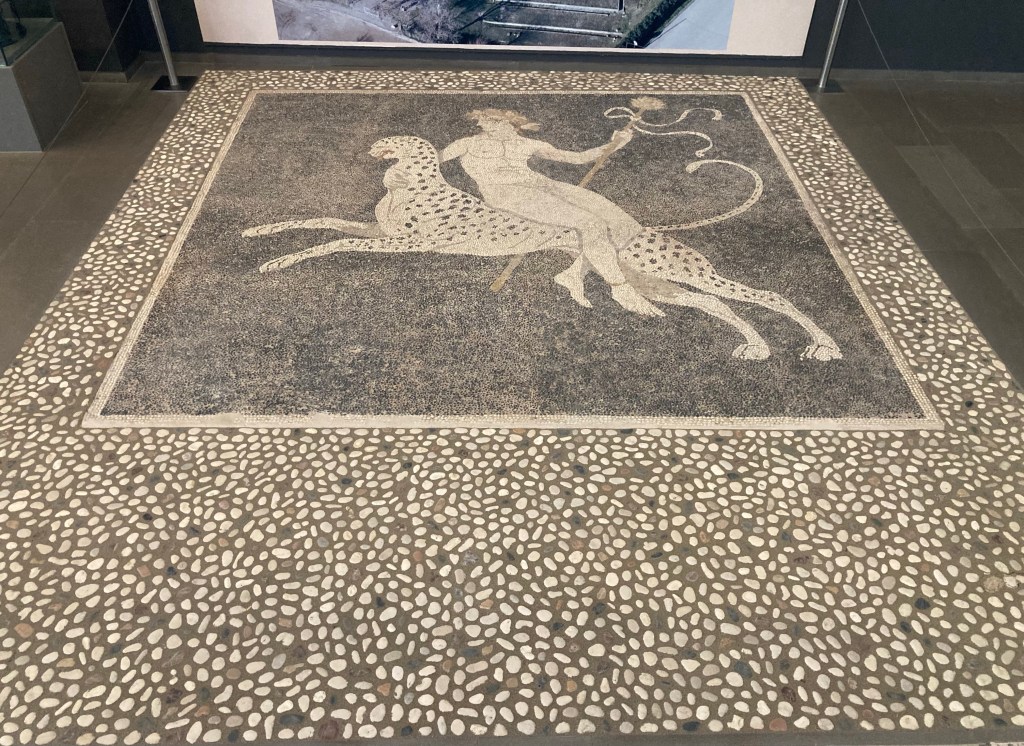
Having learnt about Alexander at Vergina we decided to visit the place of his birth and site of his royal capital at Pella thirty four miles away. The excavations at Pella had revealed the layout of the major buildings of the ancient city which included the commercial centre known as the Agora, key temples and major houses which included large areas of intact mosaic flooring.

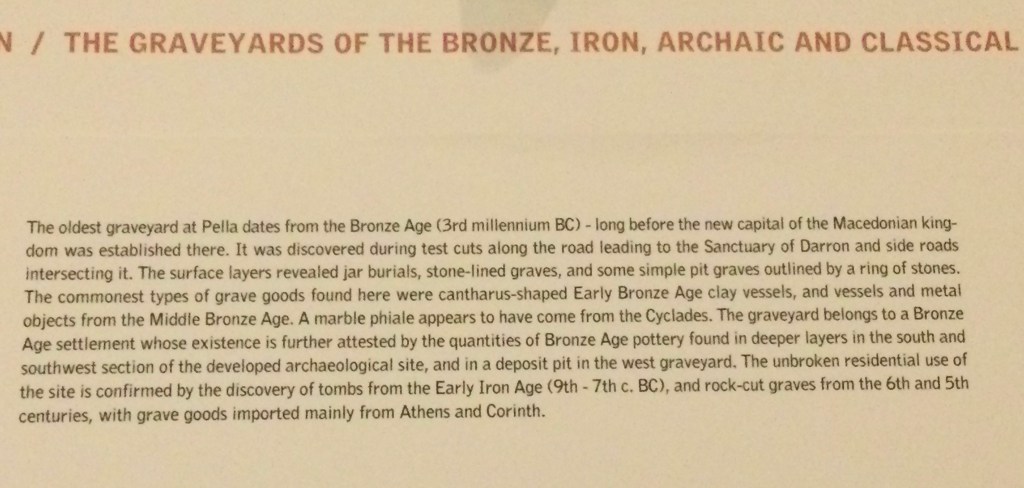
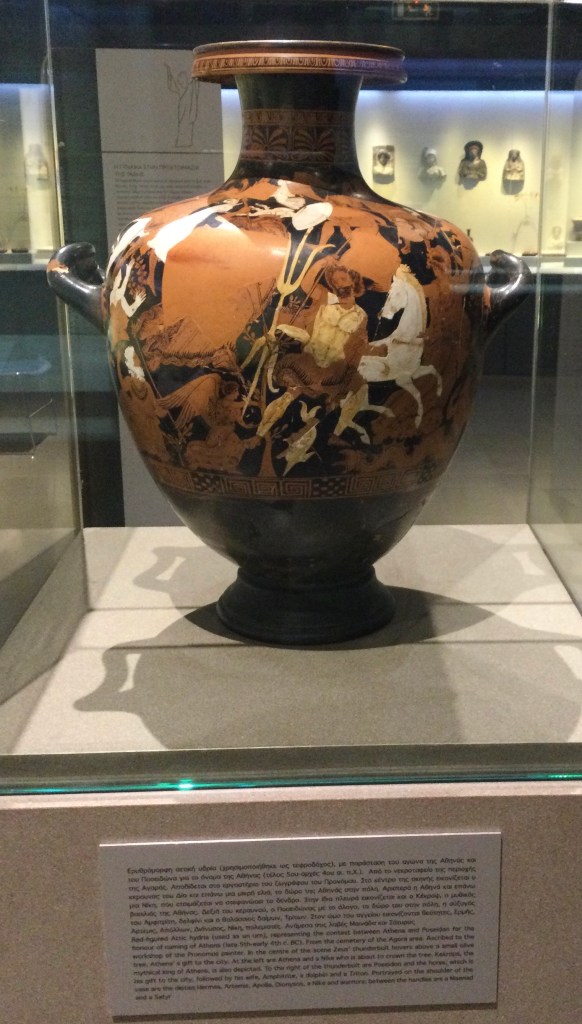
The museum next to the site displayed a wide range of artefacts found within the Pella region.As well as more information on burial rituals and displays showing the typical grave contents.