Vergina home to the tombs of the Macedon kings is a small rural village and one of the least likely places to find such a wealth of history. It’s ancient name was Aigia the first capital of Macedon although the capital was later transferred to Pella.
The practice of the Macedons was to bury their dead within elaborate tomb structures covered by mounds of earth resembling small hills along with artefacts both personal and practical for use in the afterlife.

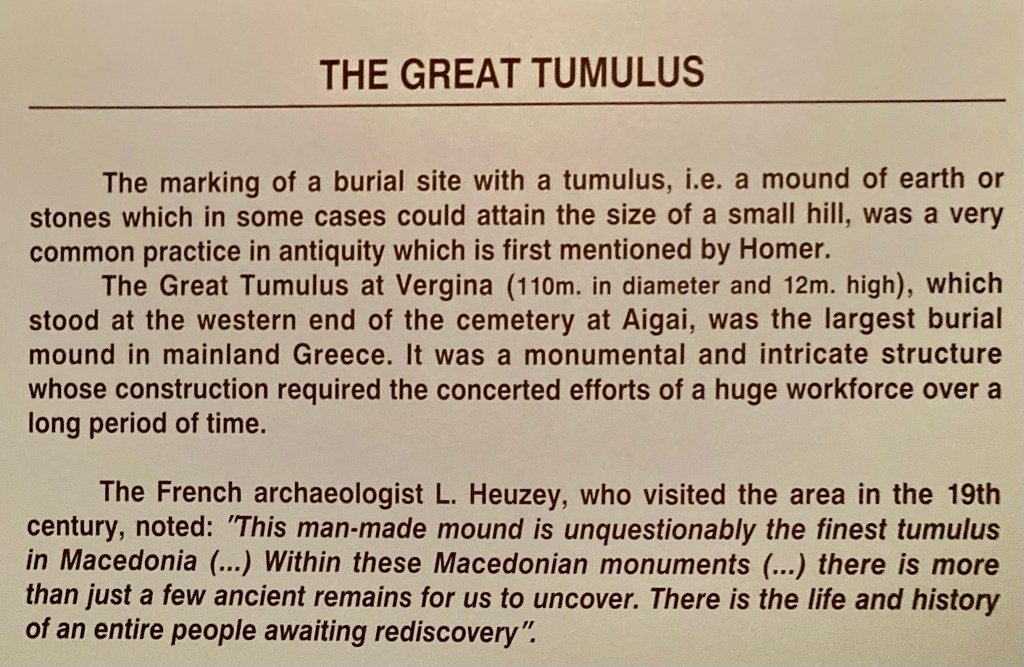
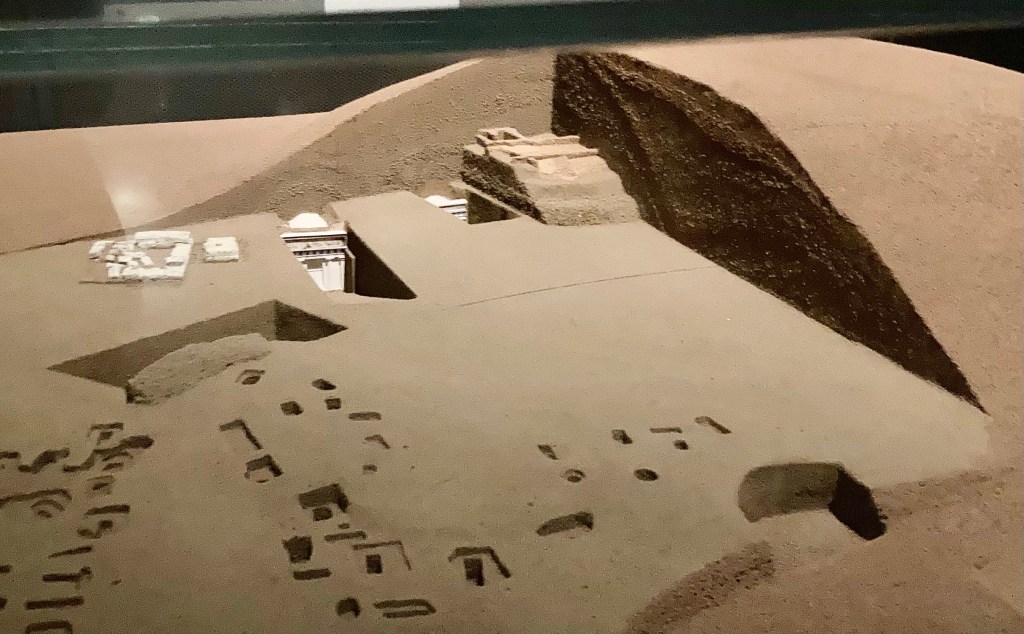
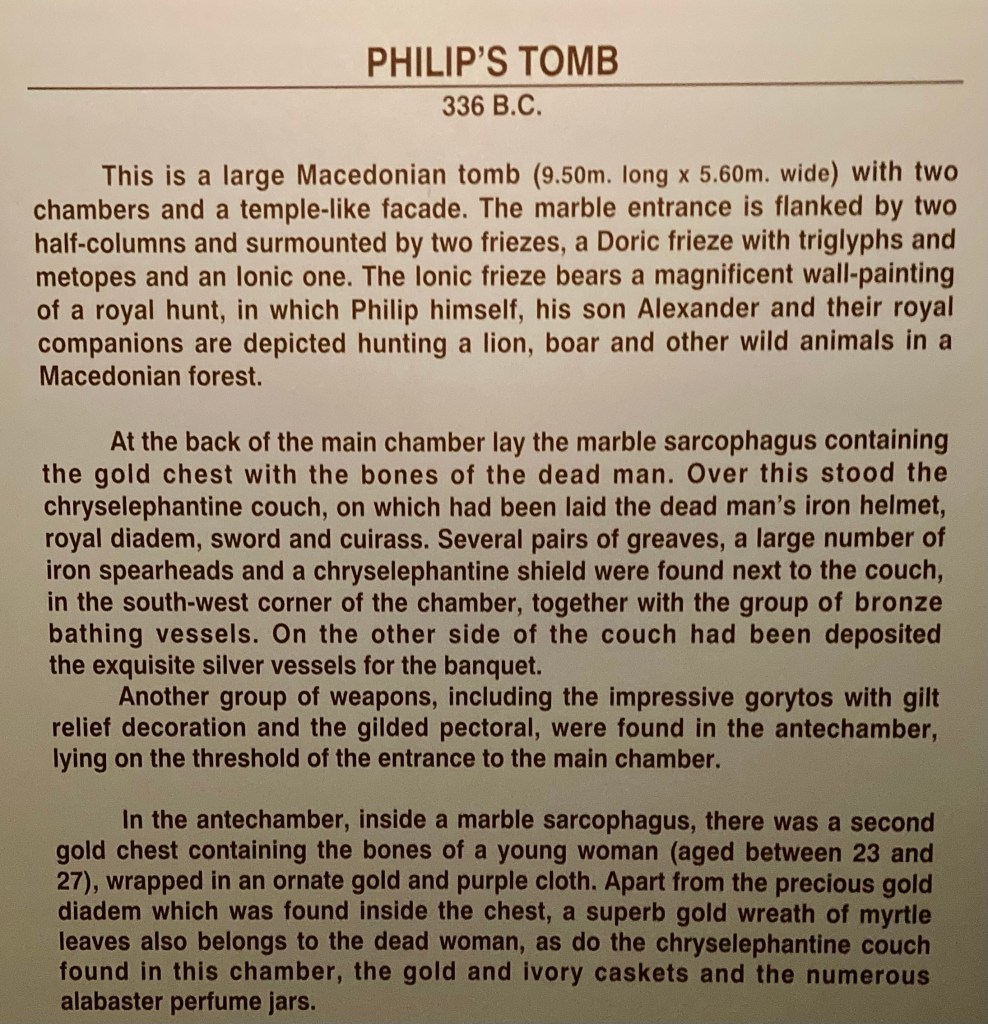
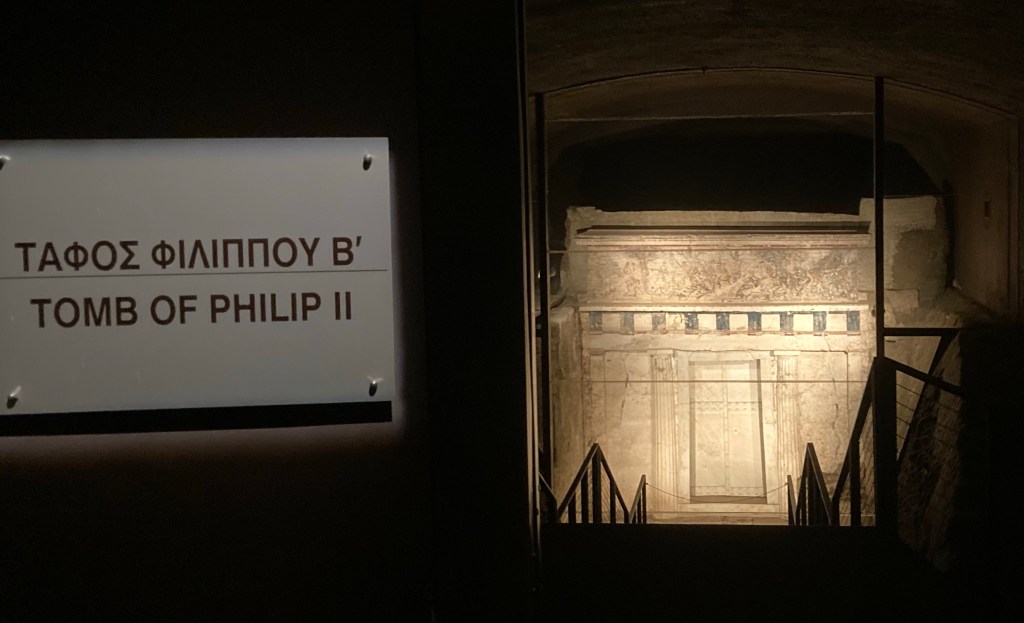
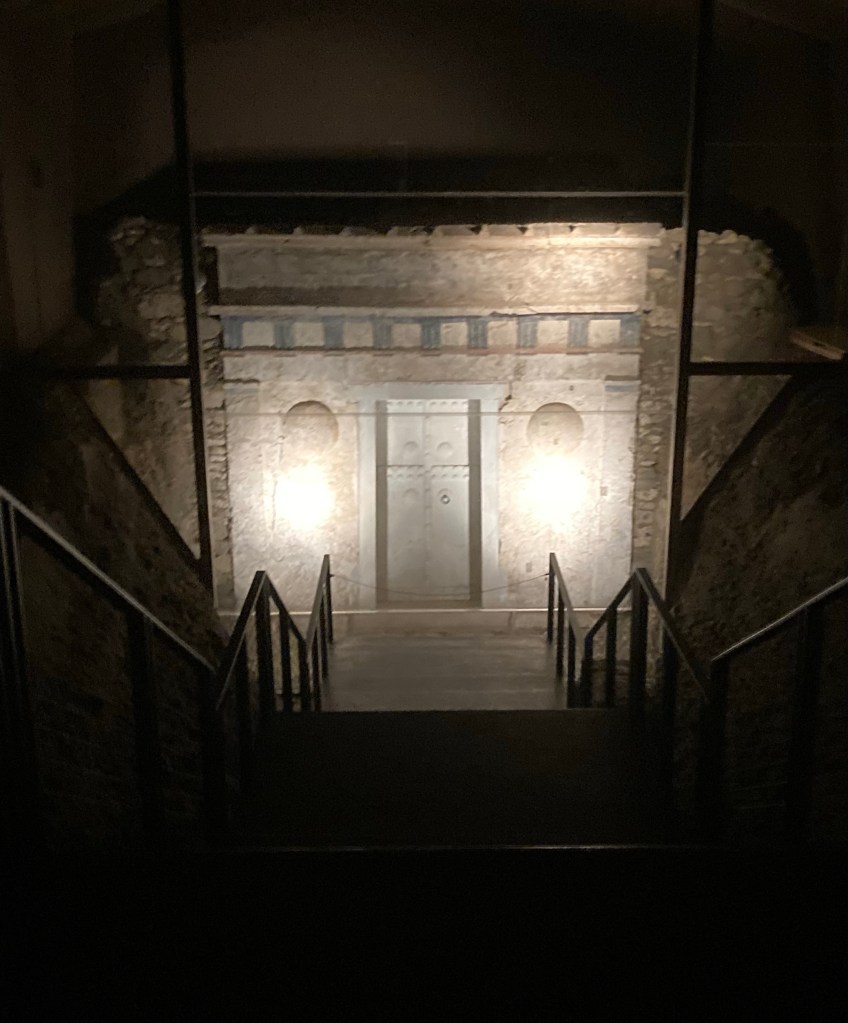
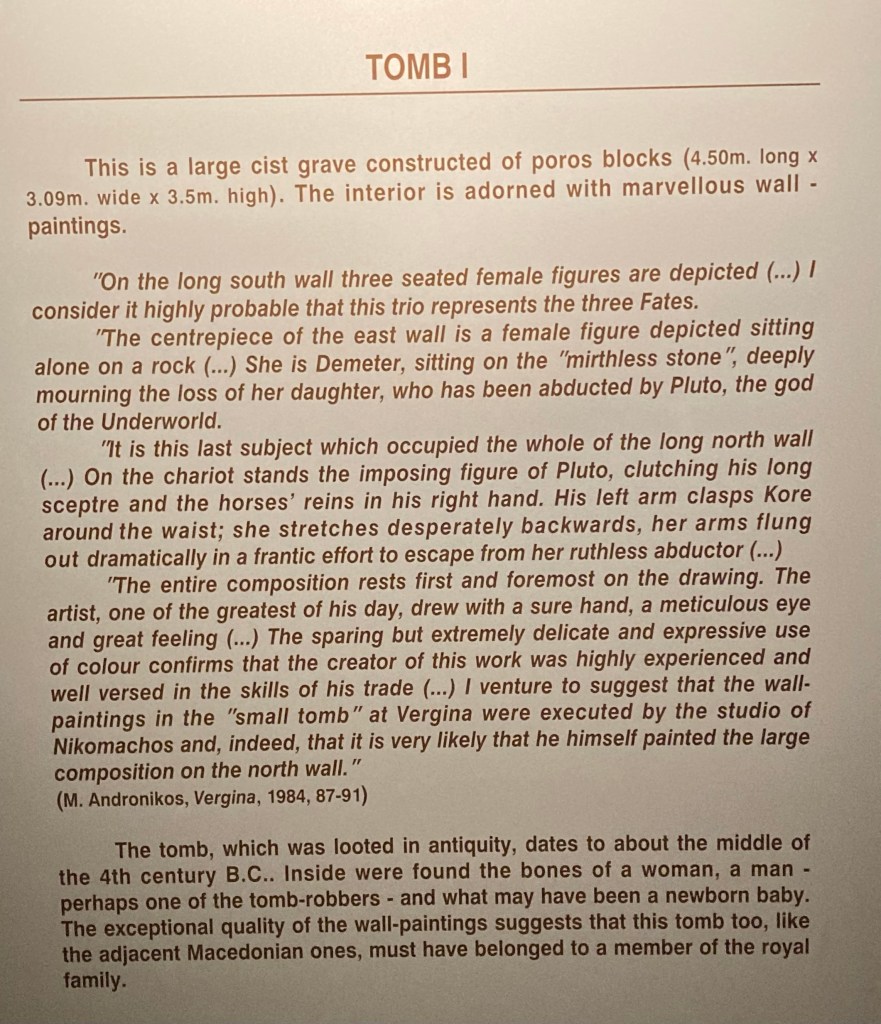
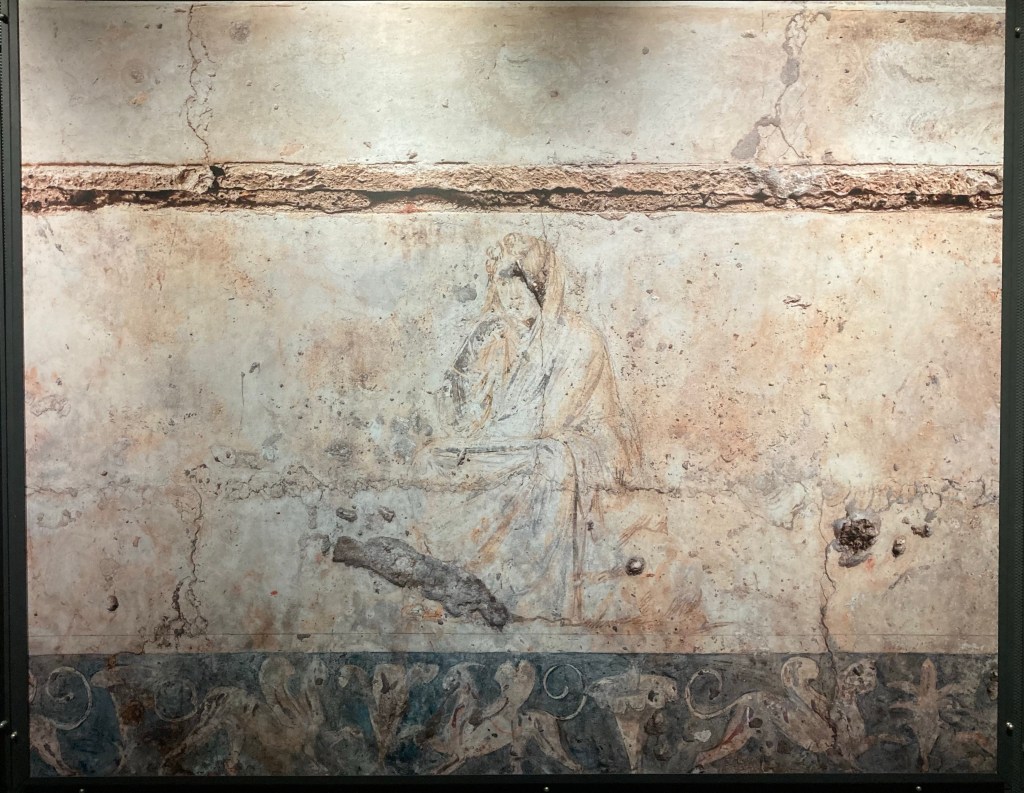
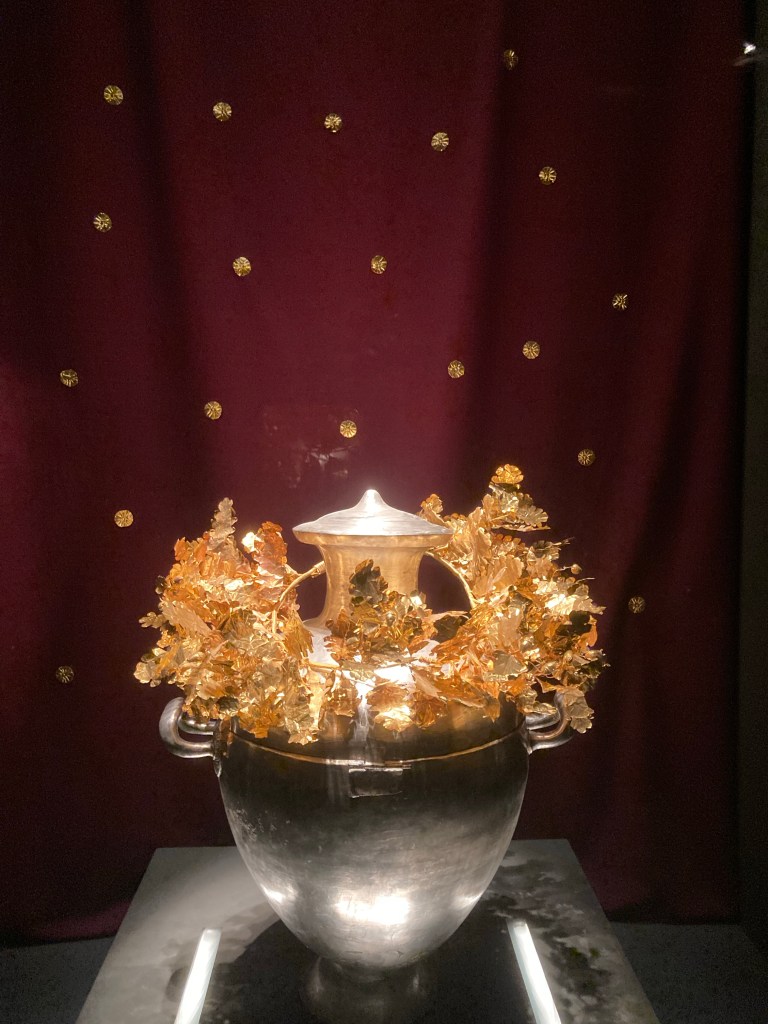
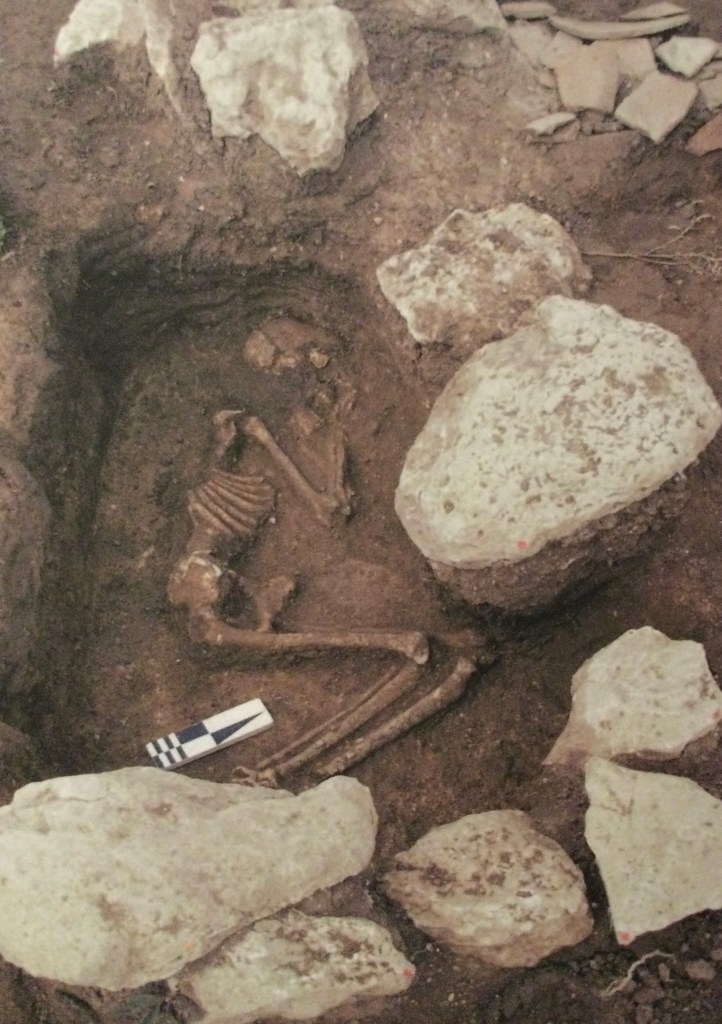
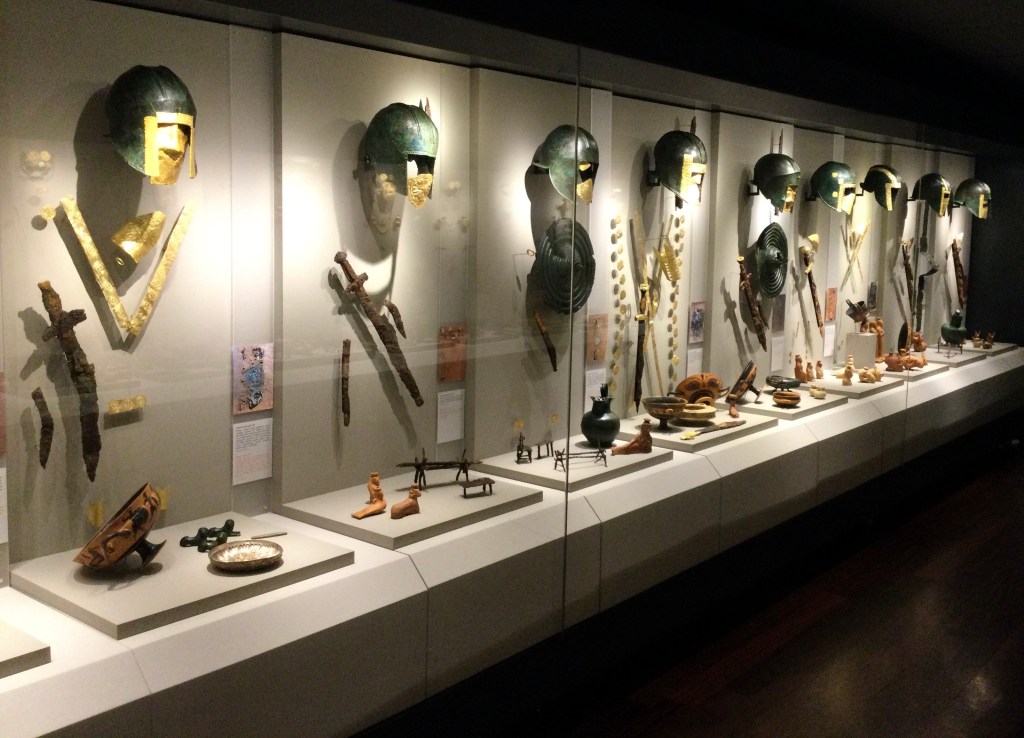
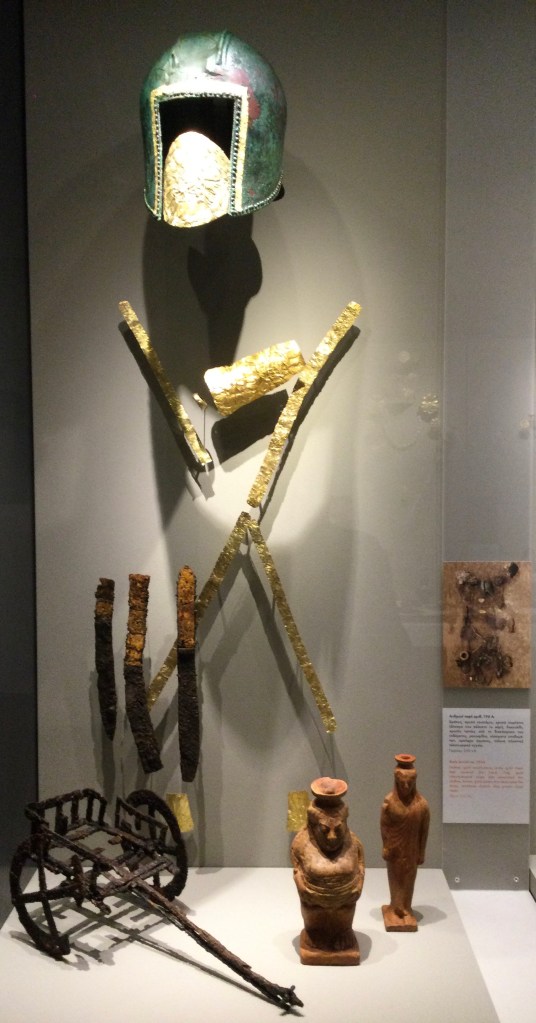
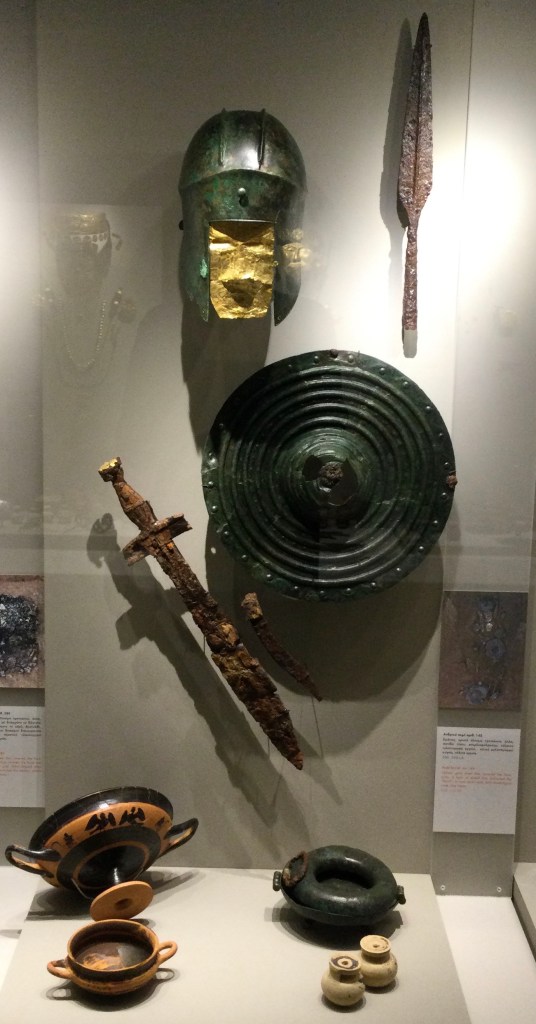
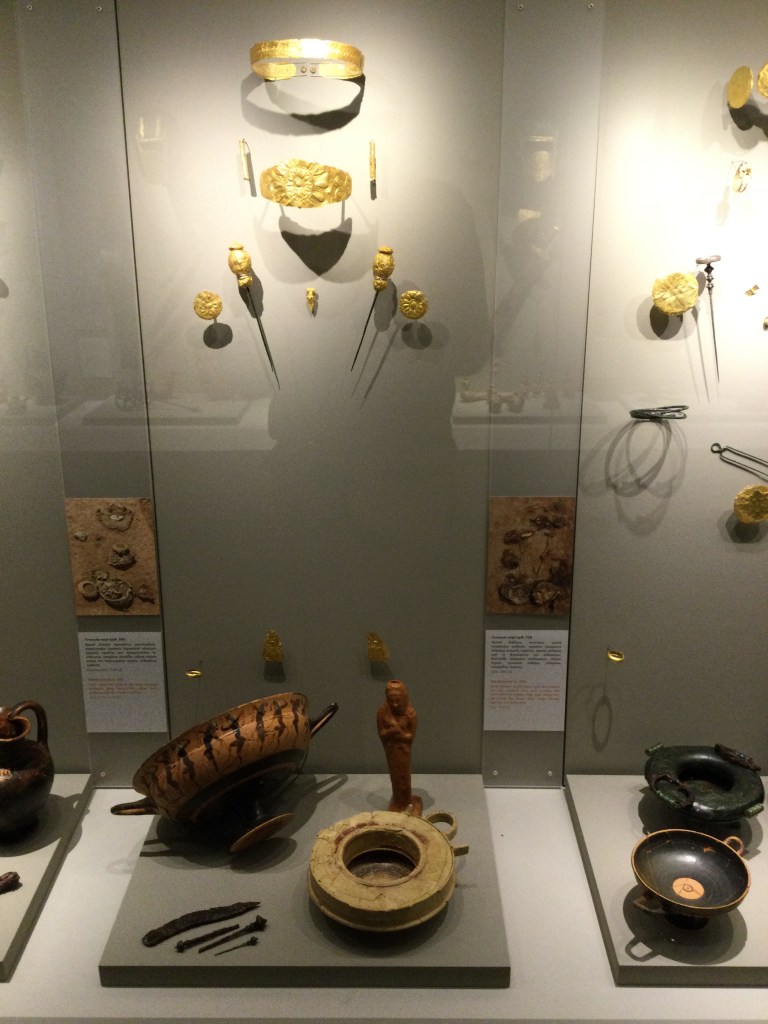
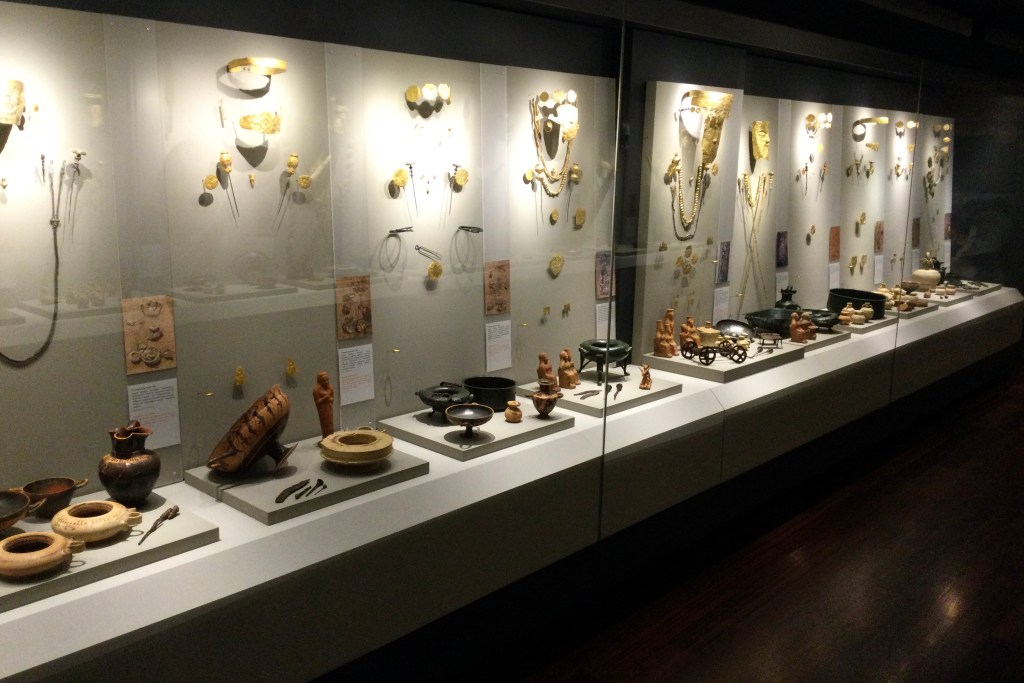
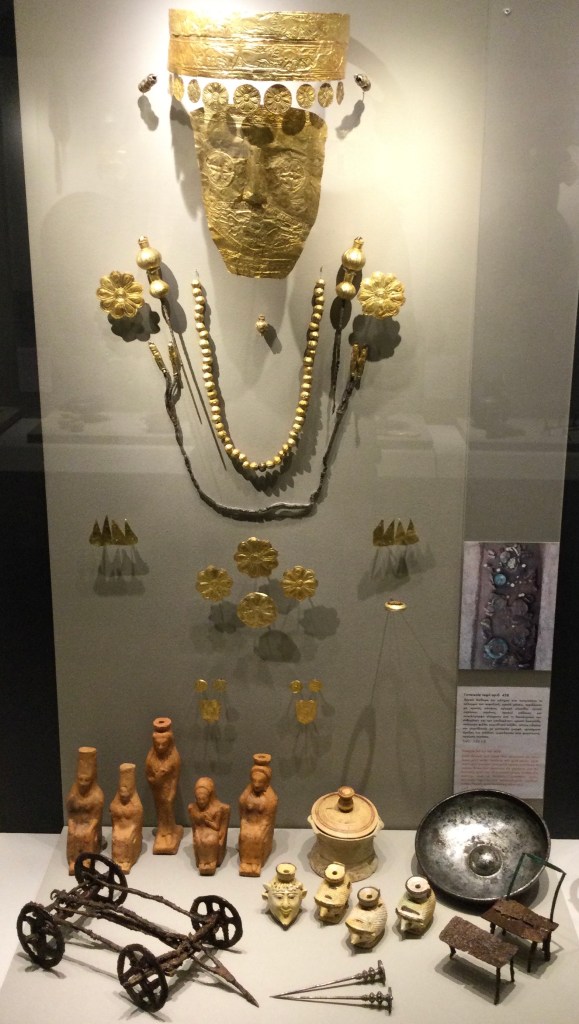
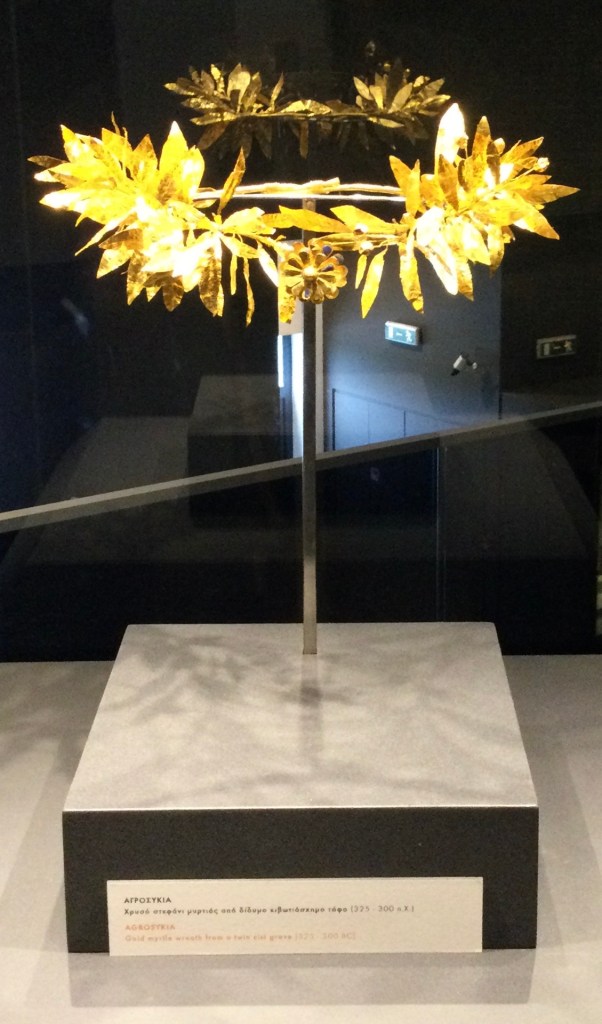
The tomb was that of Philip the second and his son Alexander the Great reconstructed as a museum that mimics the original mound prior to its excavation.The artefacts discovered were in pristine condition and included the elaborate gateways to the individual burial chambers, their armour and individual items buried with them.Other discoveries excavated within the local area were also on display and these included individual headstones, skeletal remains and items found within the graves all of which contributed to the awe inspiring display. Ongoing archaeological excavations have discovered over a thousand graves including burial clusters of royal women, earlier kings and commoners dating back to the Iron Age, revealing the extent of the ancient capital which had covered some 6,500 hectares.


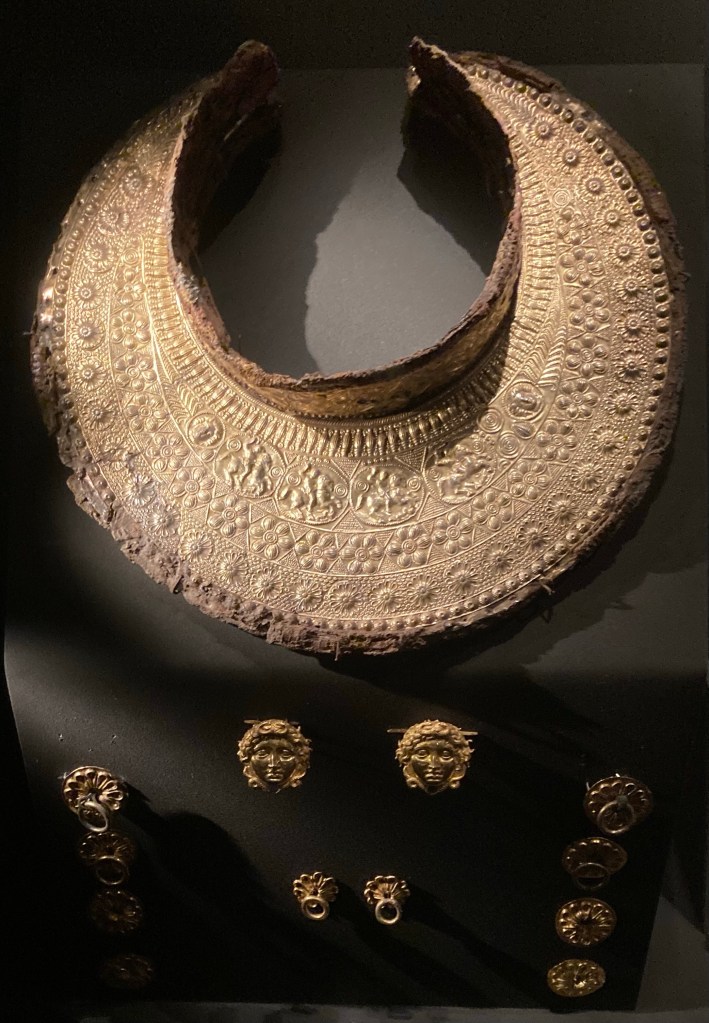

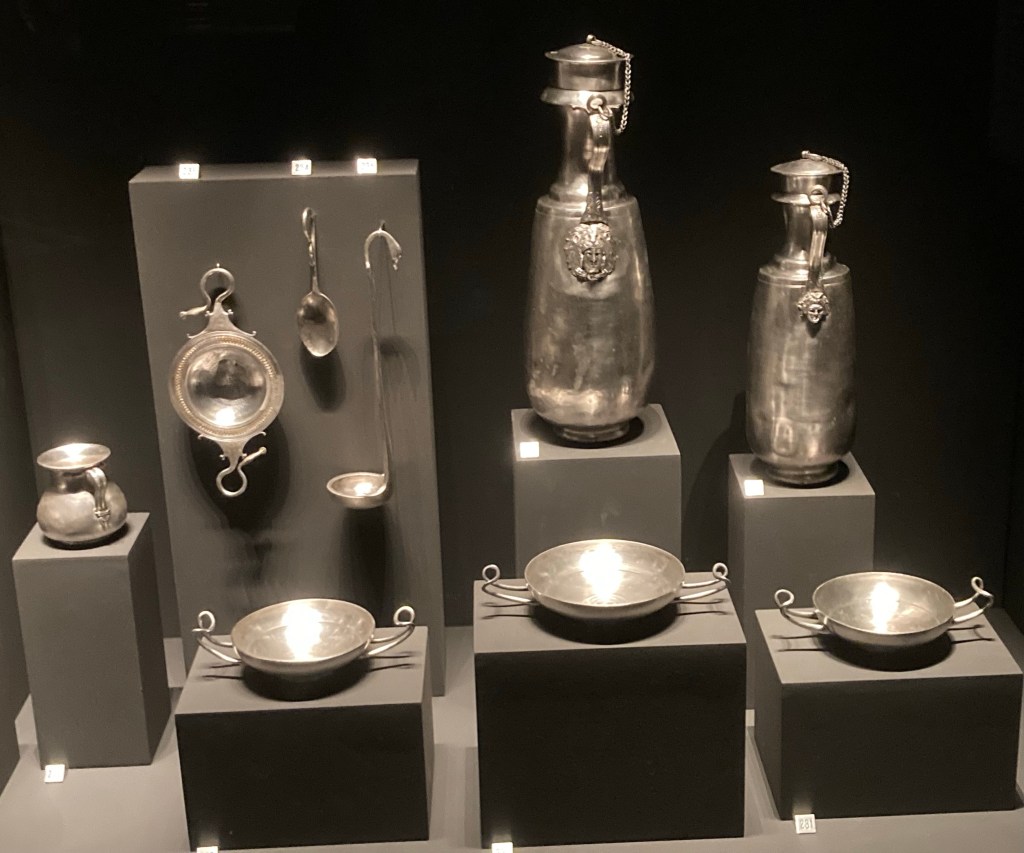

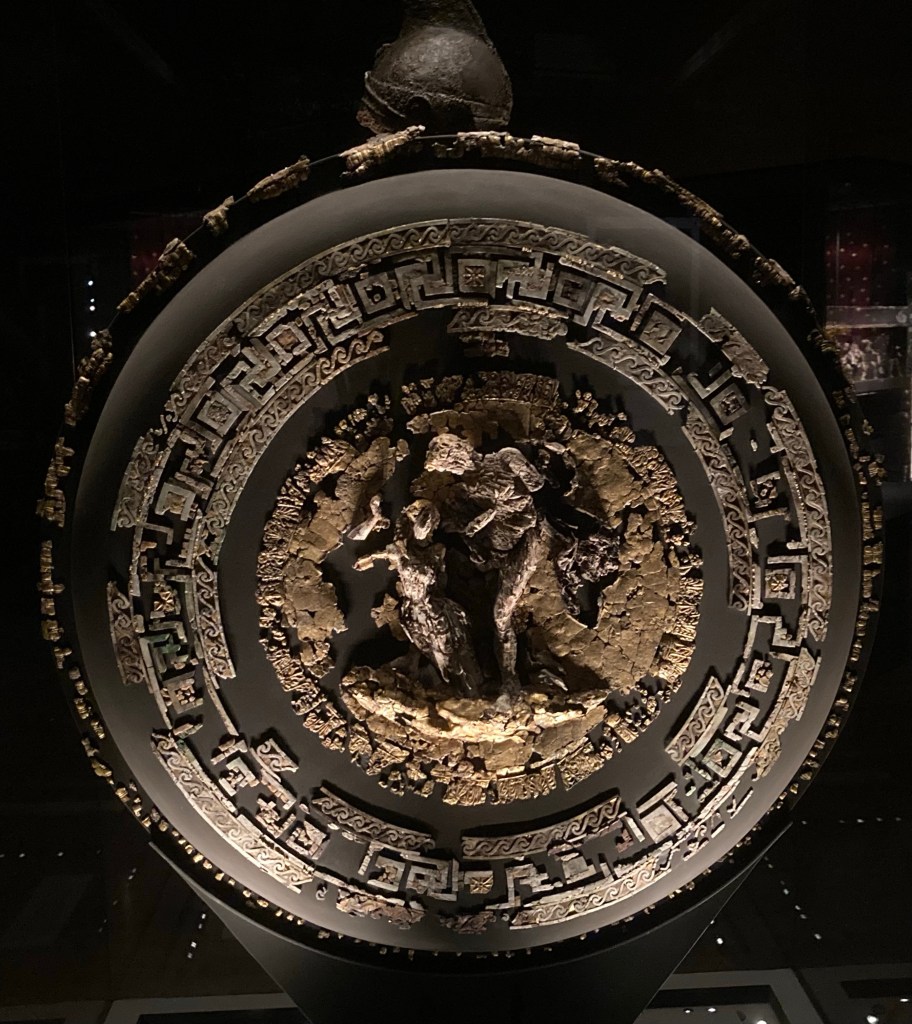
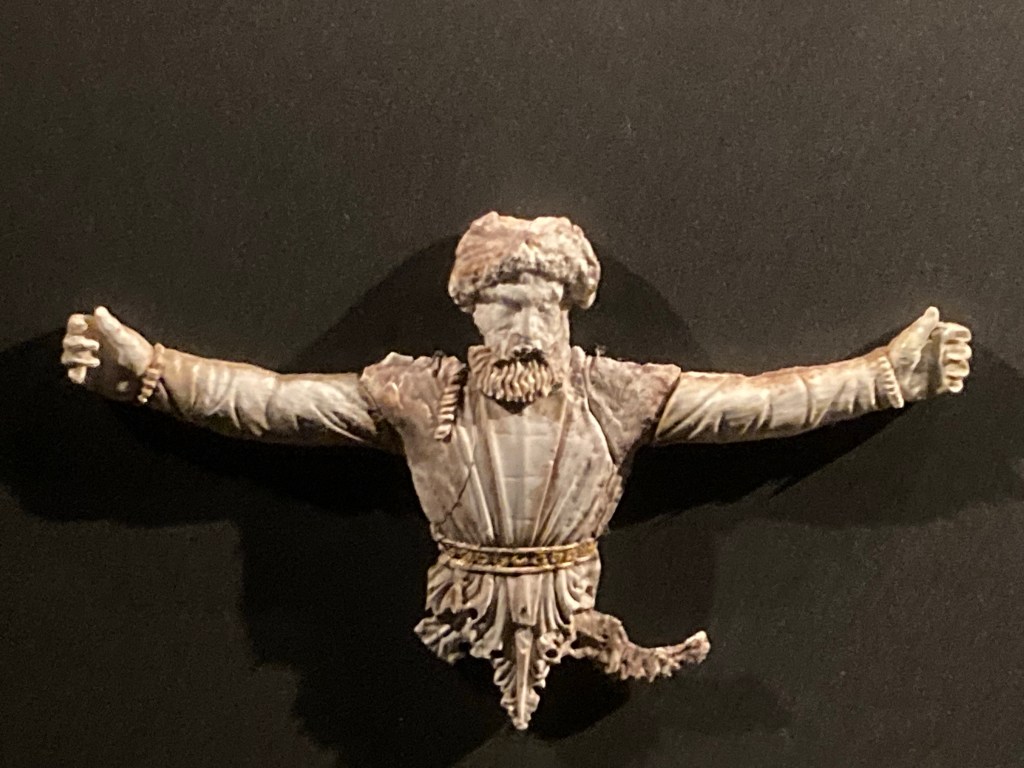
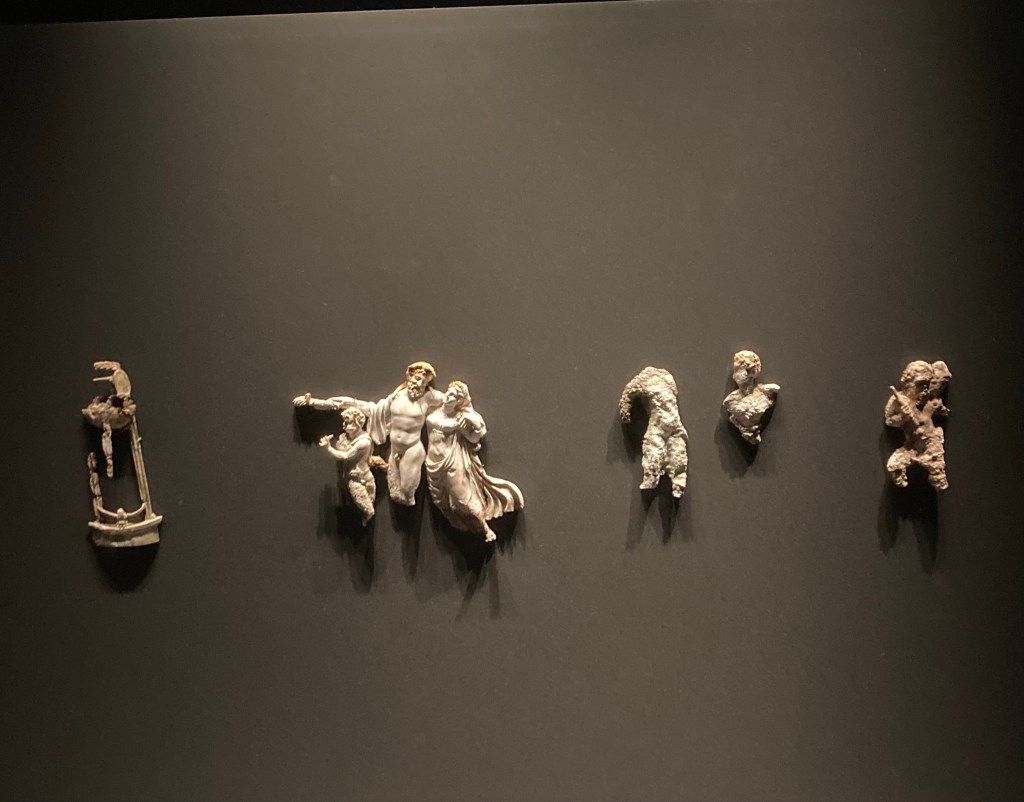

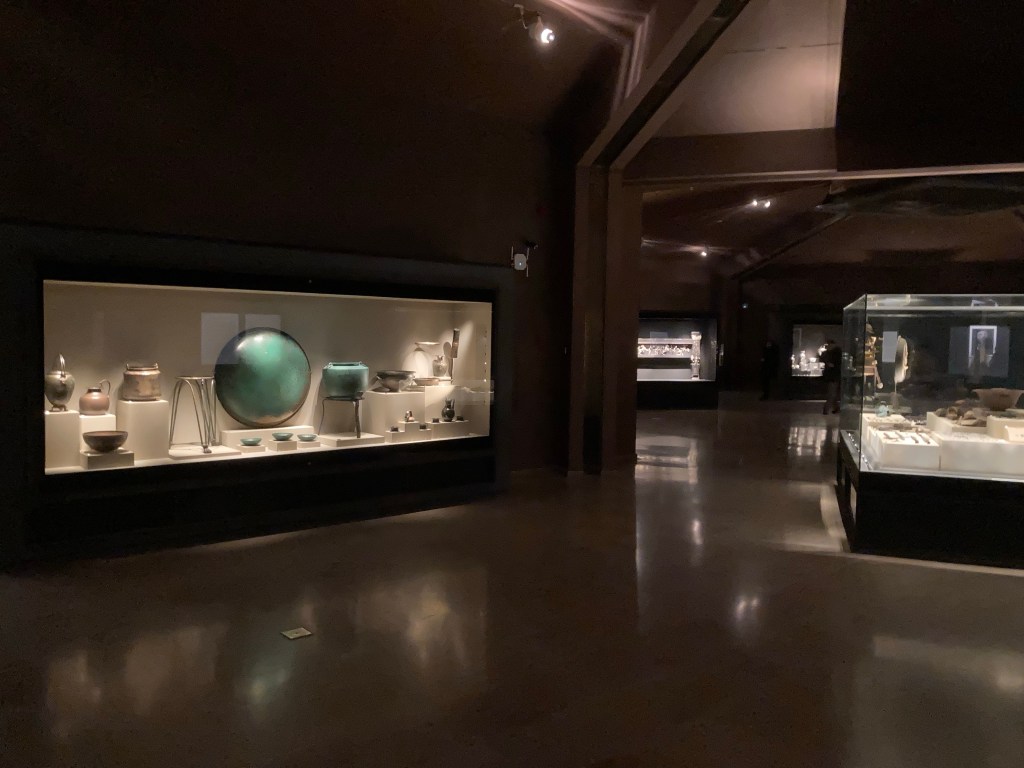
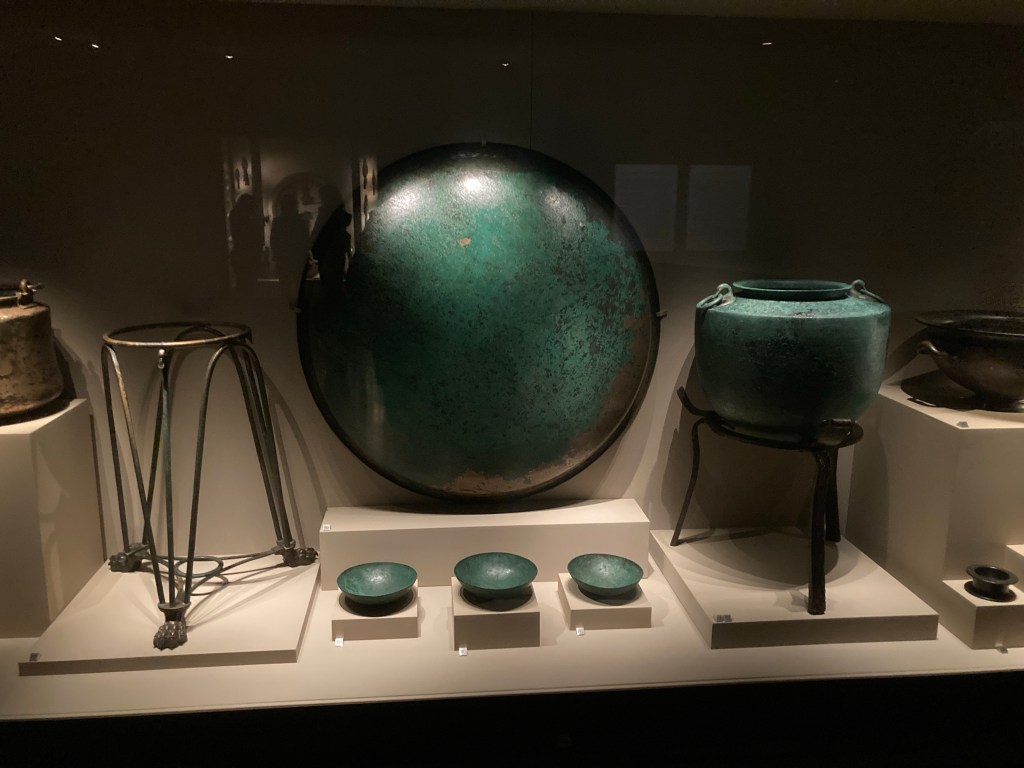
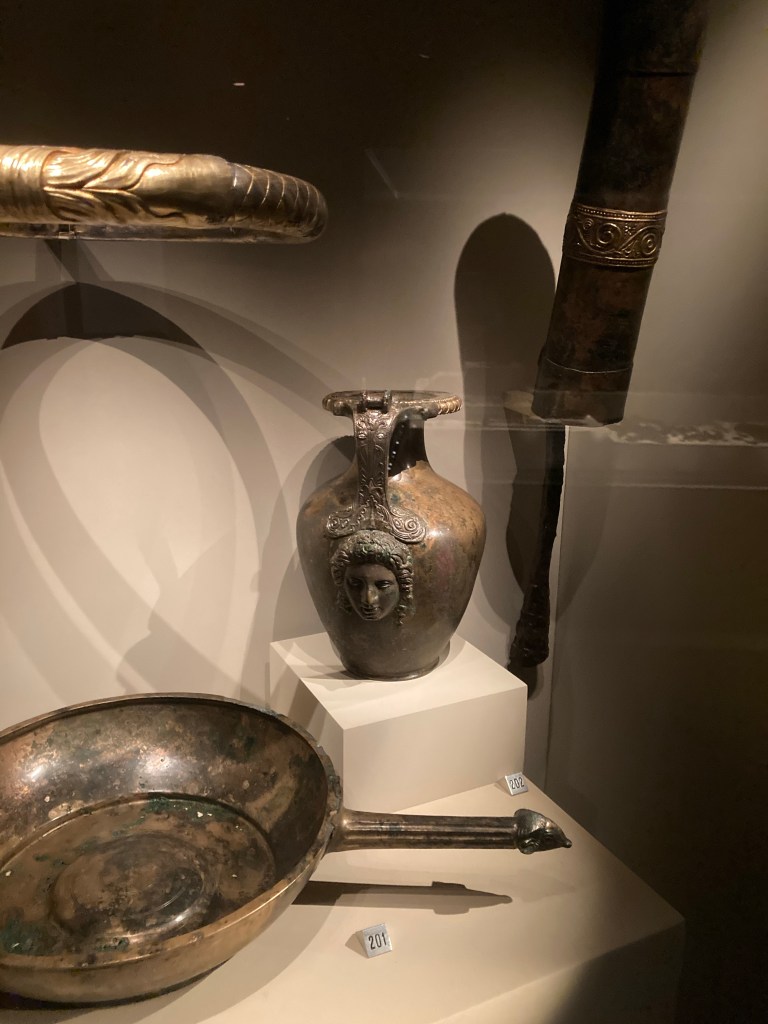


After visiting the museum we walked to the surrounding archaeological sites which included the small theatre arena where Philip was assassinated at his daughters wedding by one of his bodyguards hence making way for Alexander’s kingship. Alexander went on to conquer the Persian empire within eleven years but died in mysterious circumstances aged thirty two. Unfortunately King Philip’s palace was still under excavation and therefore closed to the public.
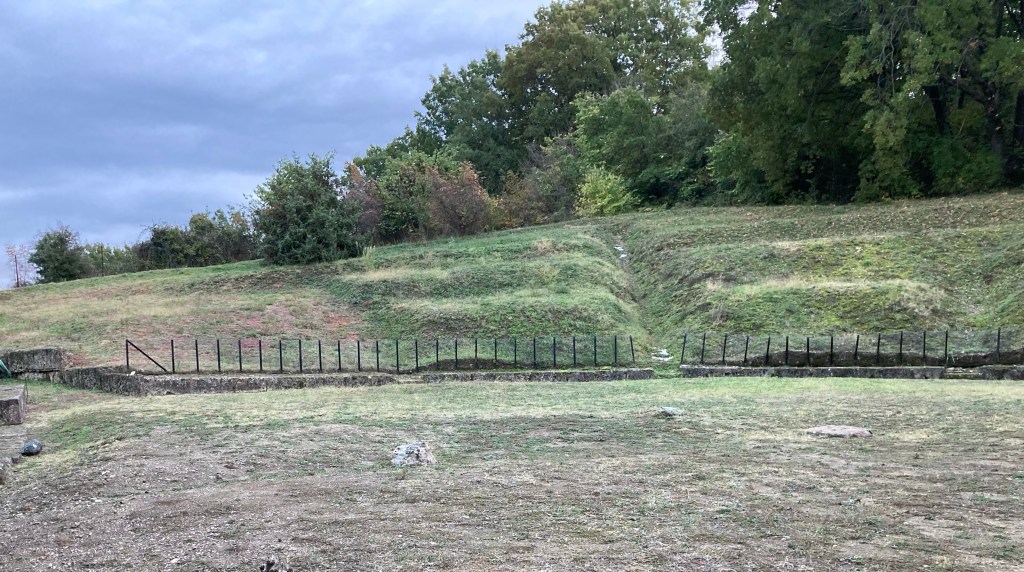
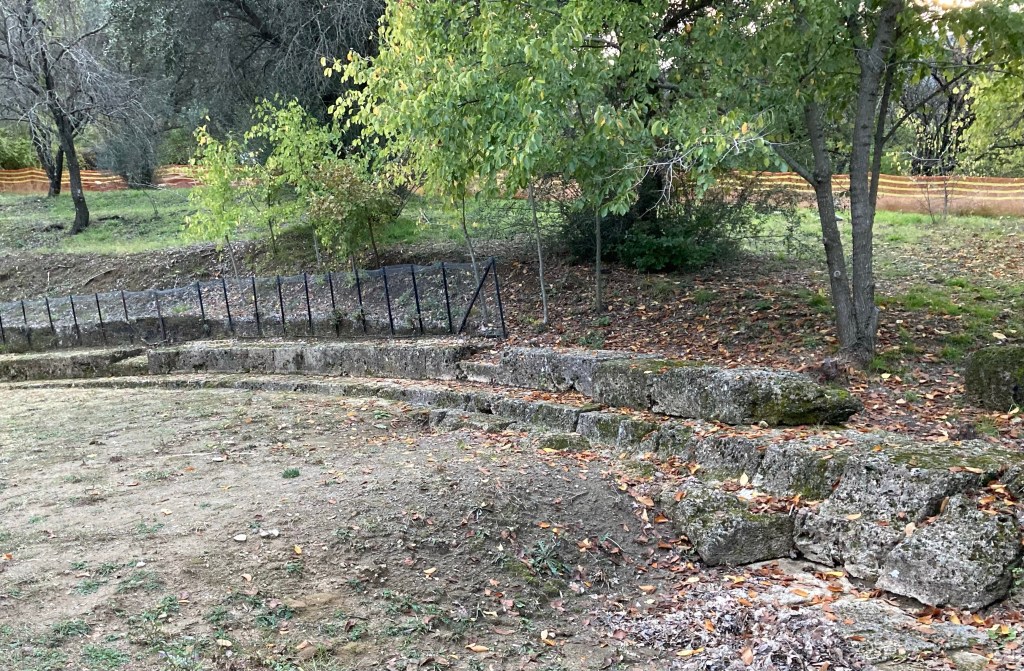

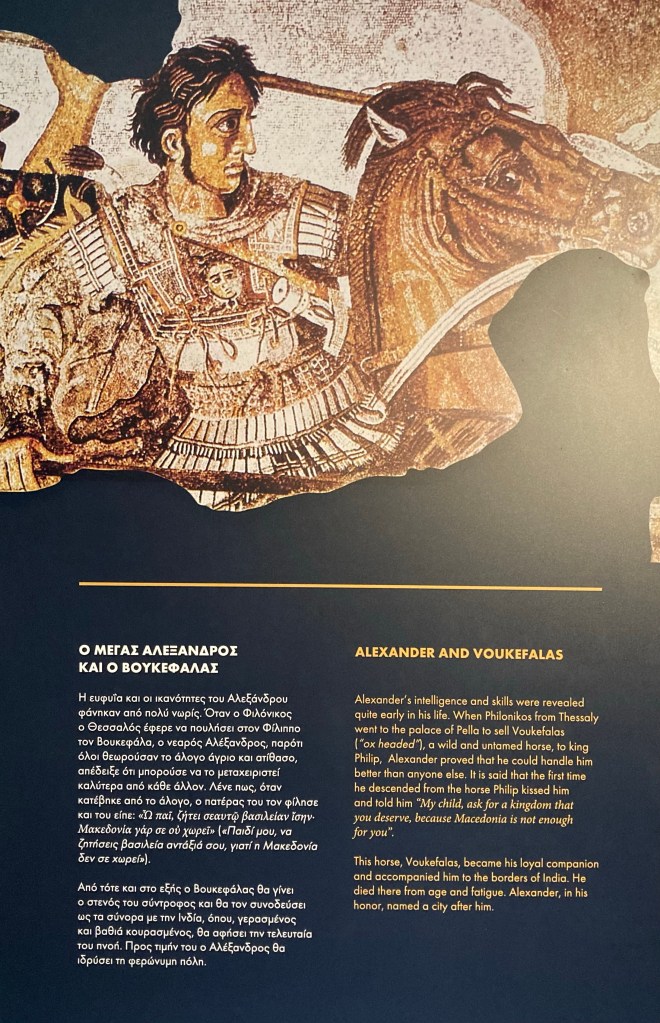


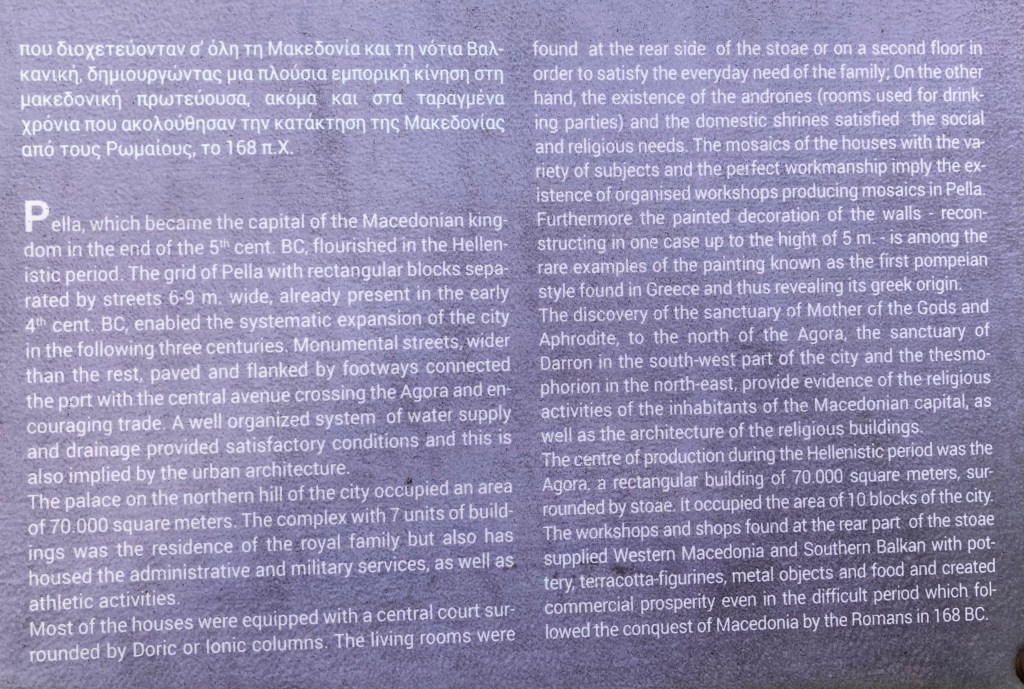
Having learnt about Alexander at Vergina we decided to visit the place of his birth and site of his royal capital at Pella thirty four miles away. The excavations at Pella had revealed the layout of the major buildings of the ancient city which included the commercial centre known as the Agora, key temples and major houses which included large areas of intact mosaic flooring.
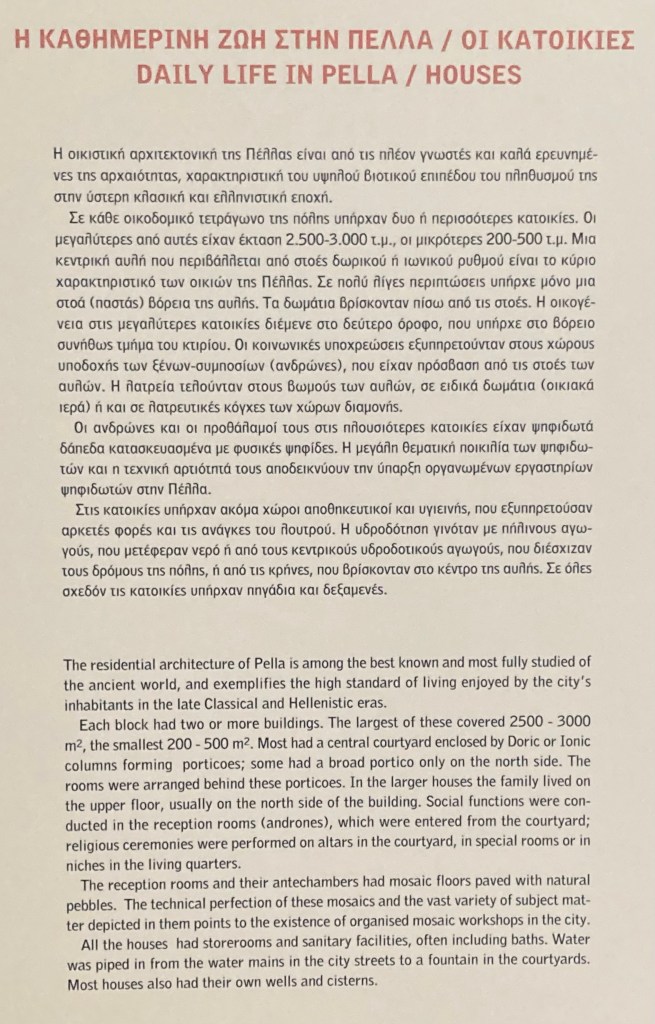
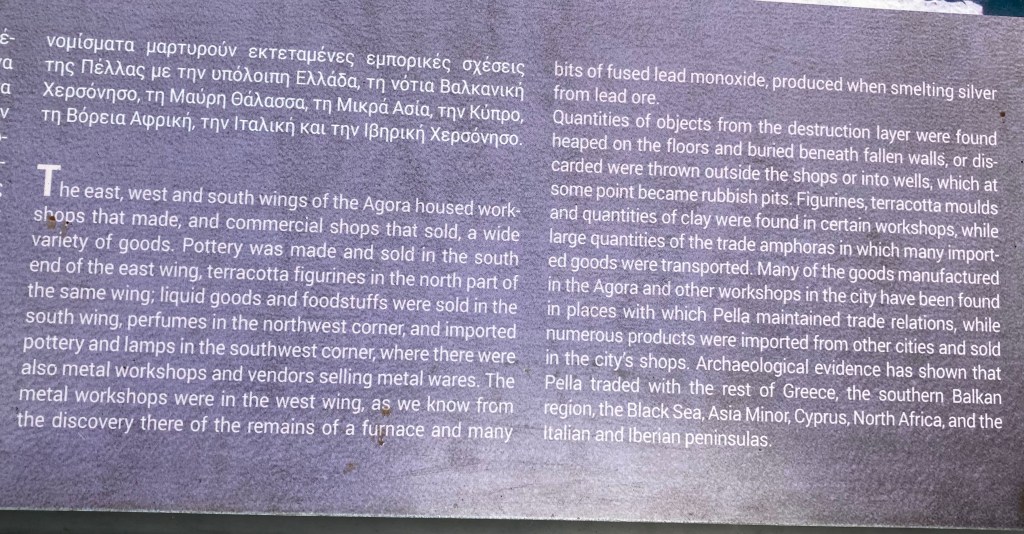
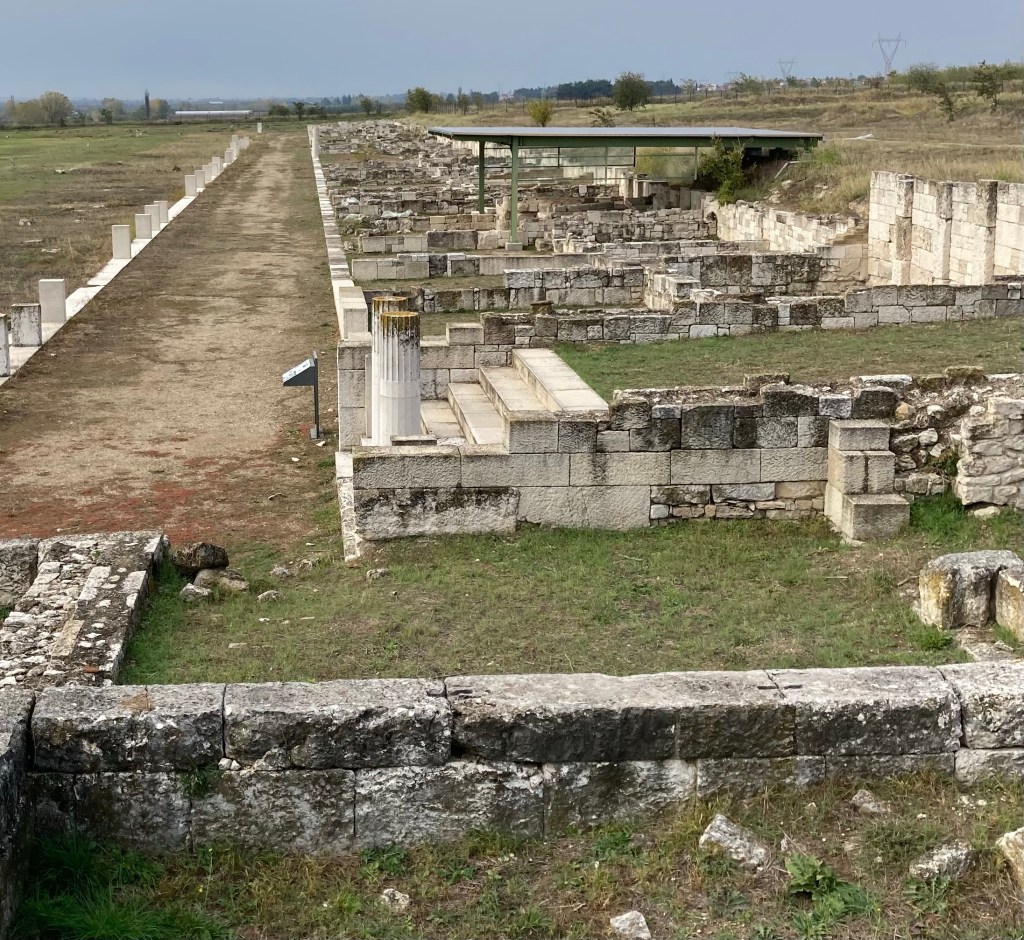
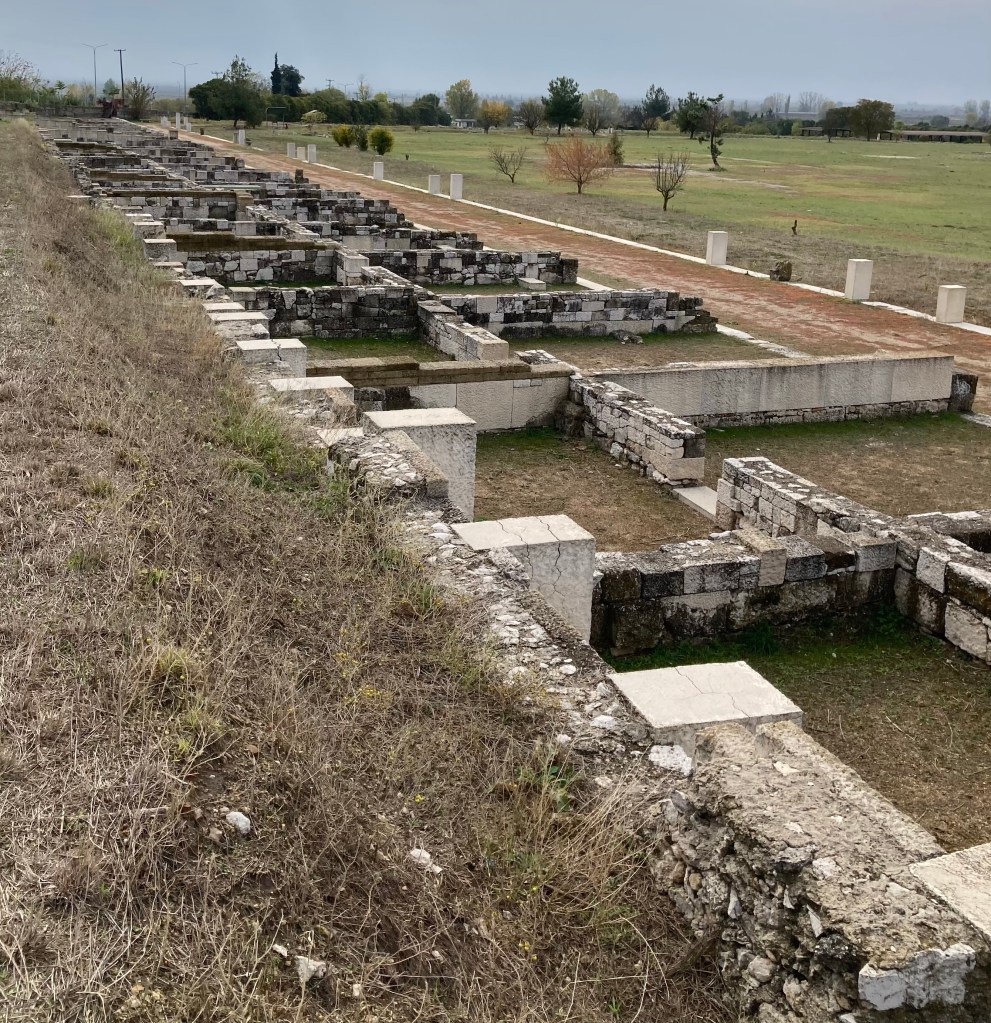


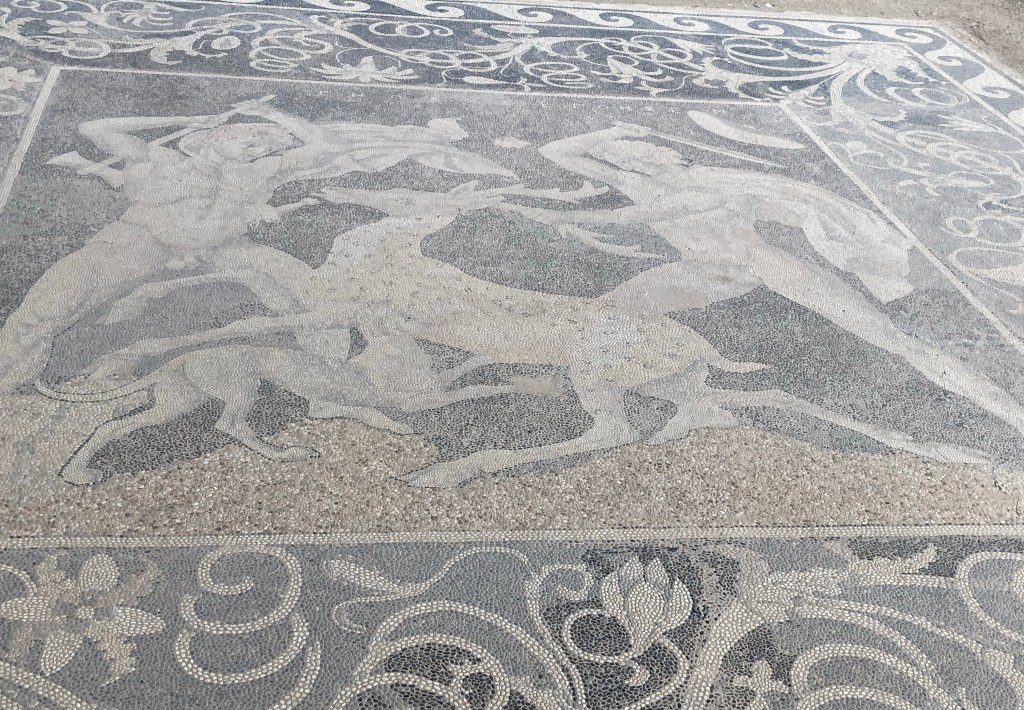
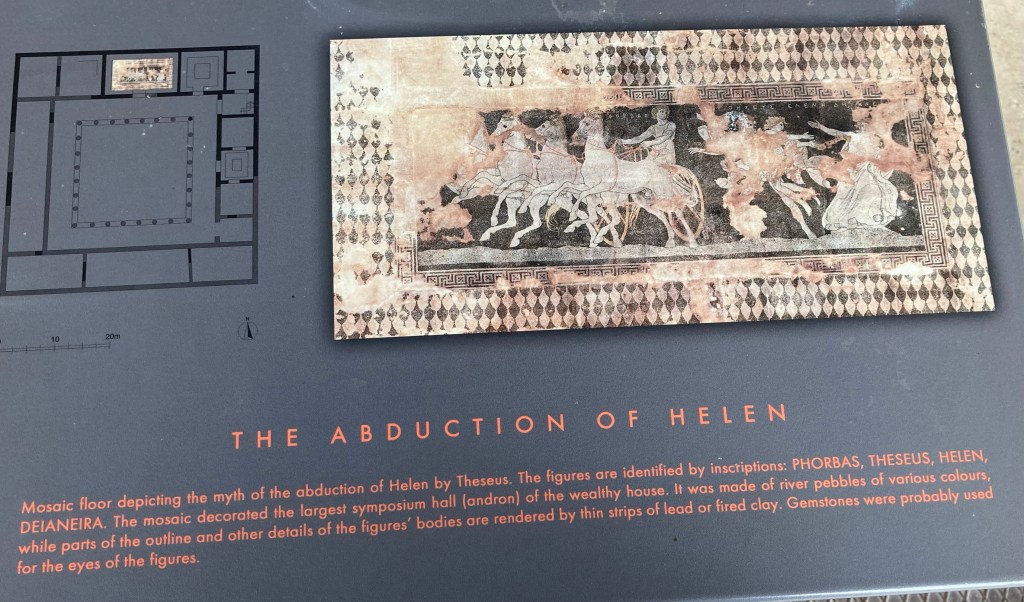
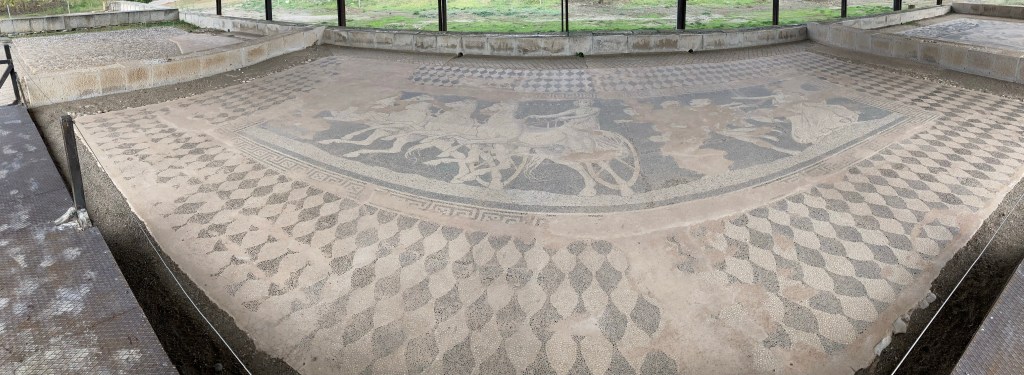
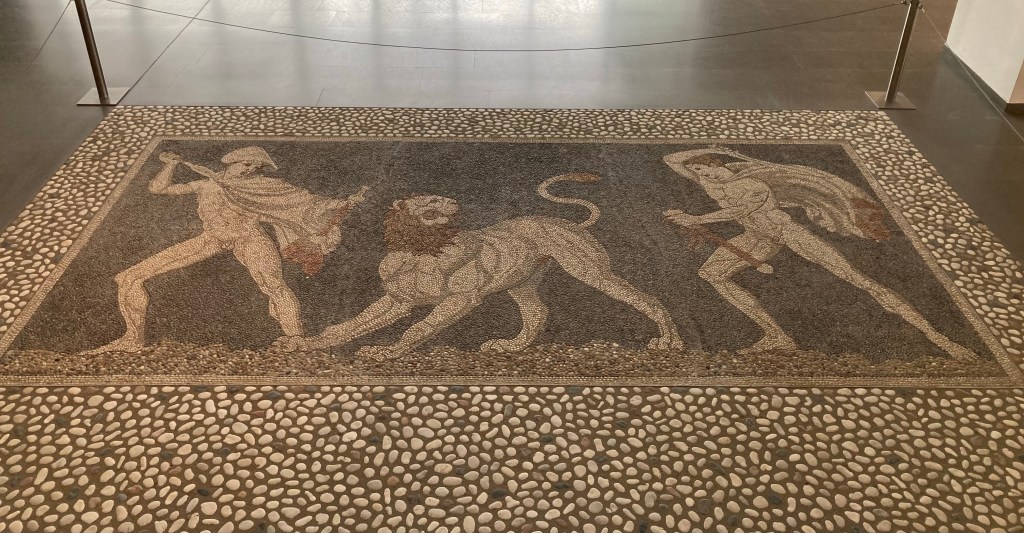
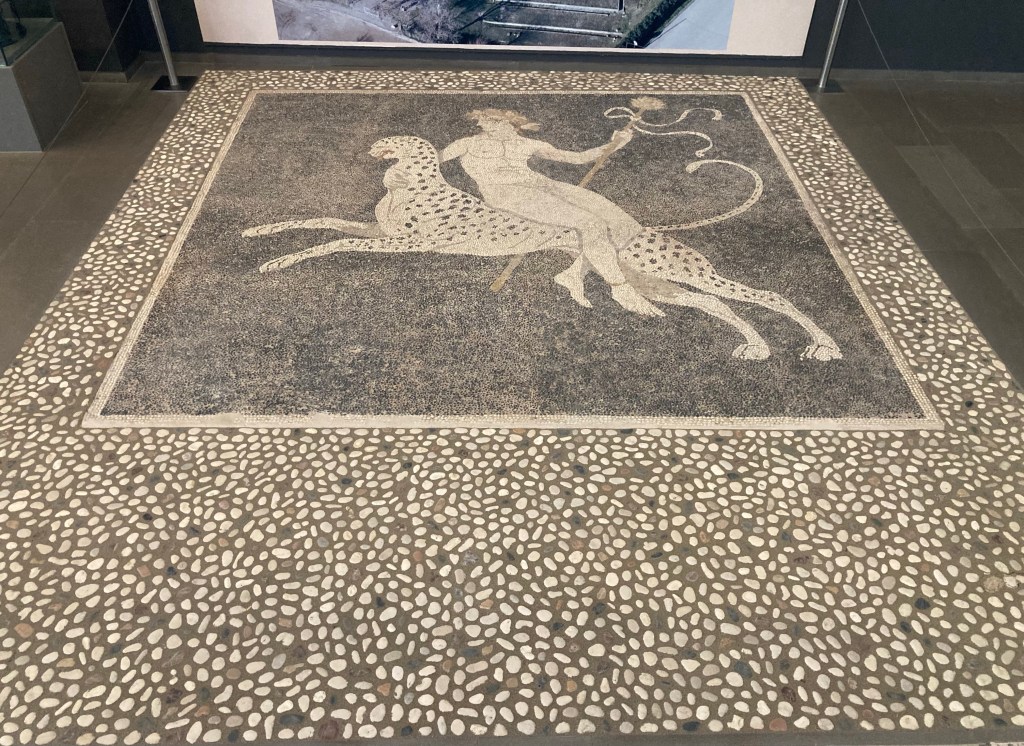
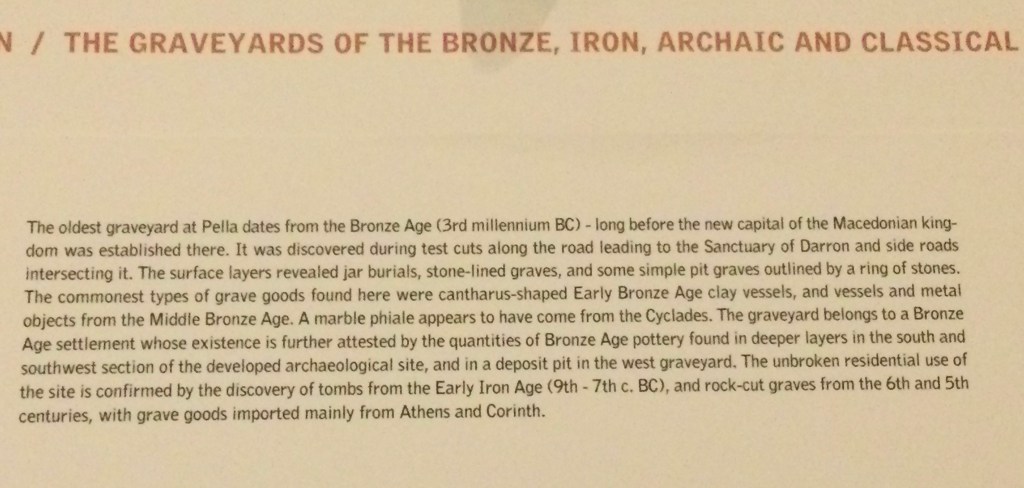
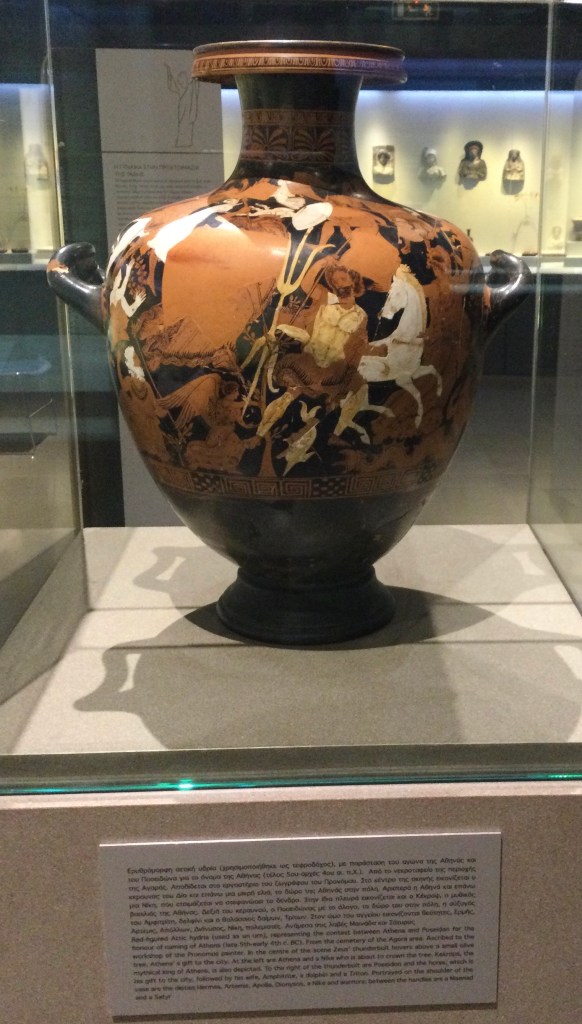
The museum next to the site displayed a wide range of artefacts found within the Pella region.As well as more information on burial rituals and displays showing the typical grave contents.

 Truman travels
Really remarkable finds in the museum of Artefacts of Alexander and Phillip’s tombs. Beautifully displayed.
LikeLike