The history of the Jews in Thessaloniki goes back 2000 years. The Jewish community until the early twentieth century formed the majority of the city’s inhabitants, whilst todays population numbers fewer than a thousand who are mainly Sephardic Jews that had emigrated to the city having been expelled from Spain by catholic rulers in 1492. A huge fire in 1917 destroyed 32% of the city rendering 52000 Jews homeless and eventually nearly half the city’s Jews emigrated to France and America. The remaining community thrived over the following years until the Nazi invasion when 90% of the Jewish inhabitants were deported and murdered. The museum had dedicated a whole floor in memory of the Jewish children who perished in the holocaust of the twenty thousand children under the age of seventeen only five hundred survived. A quote at the beginning of the exhibition I thought was very apt “Murdering children is akin to destroying the future”
The birthplace of Mustafa Kemal ( better known as Kemal Ataturk) is a very simple house that has been turned into a museum that tells how an ordinary young man became a great statesman.
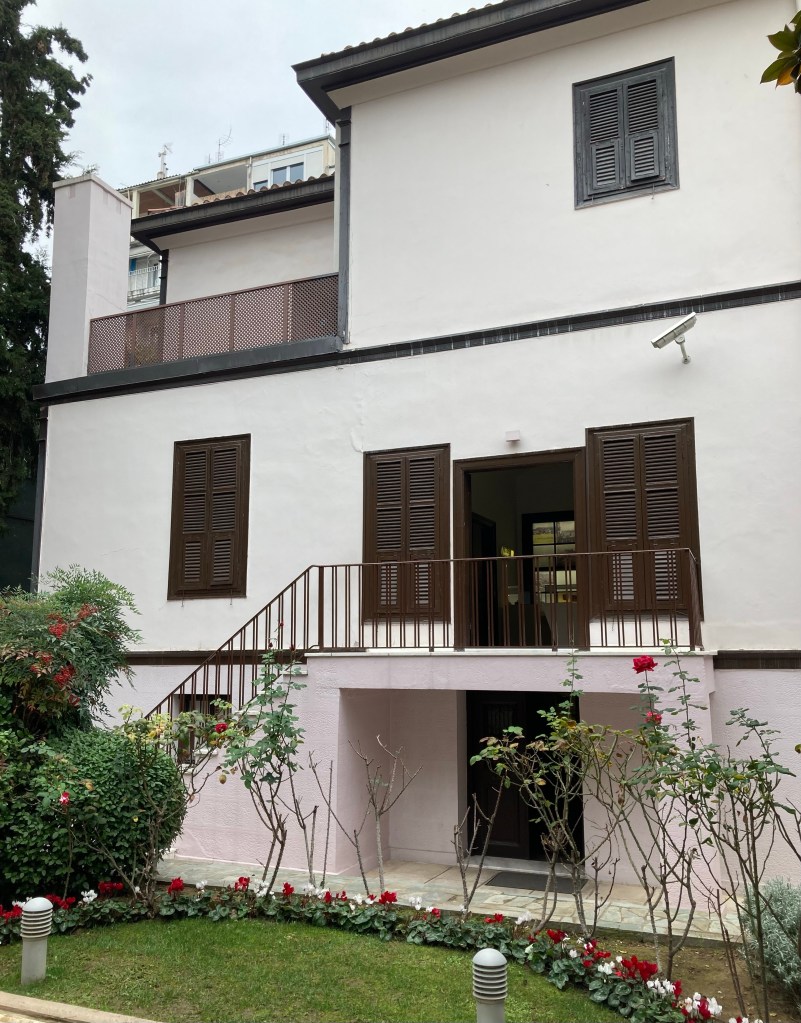
Against his mothers wishes his father who wanted his son to be a moderniser sent him to a secular school rather than the religious school his mother preferred. Paving the way for him to follow in his father’s footsteps and pursue a military career and later to enrol into a military school for his secondary education followed by the war college. His educational background shaped his approach to leadership which was based on persuasion not fear.
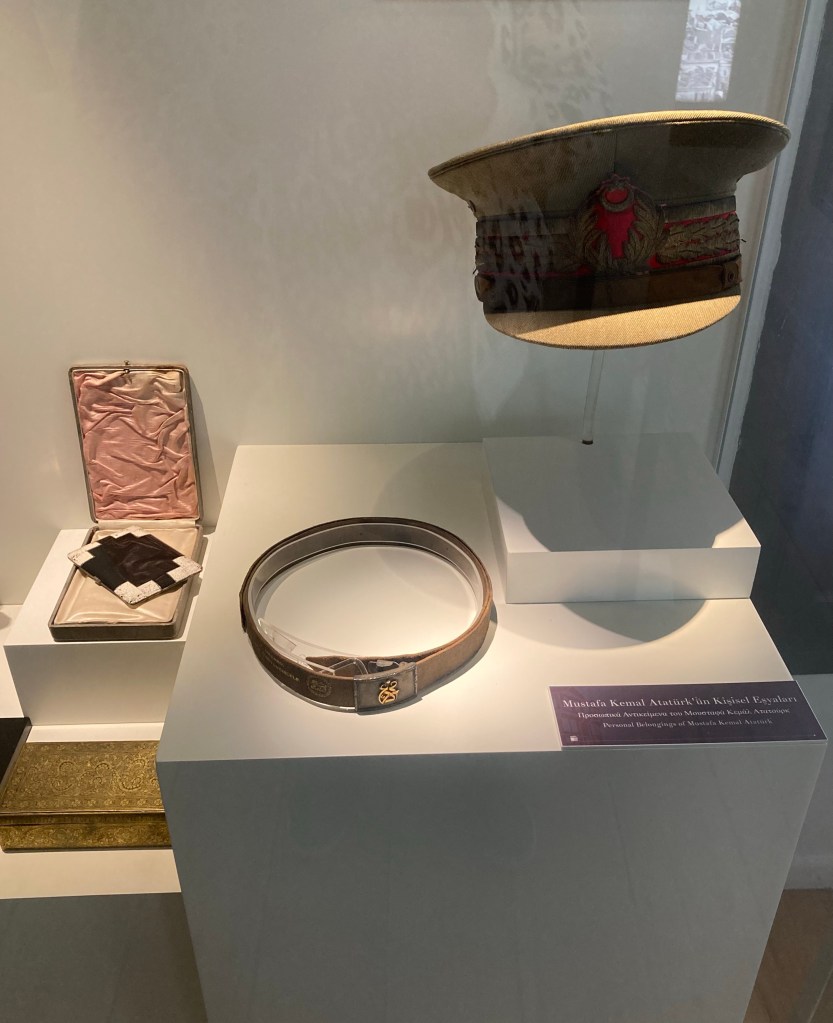
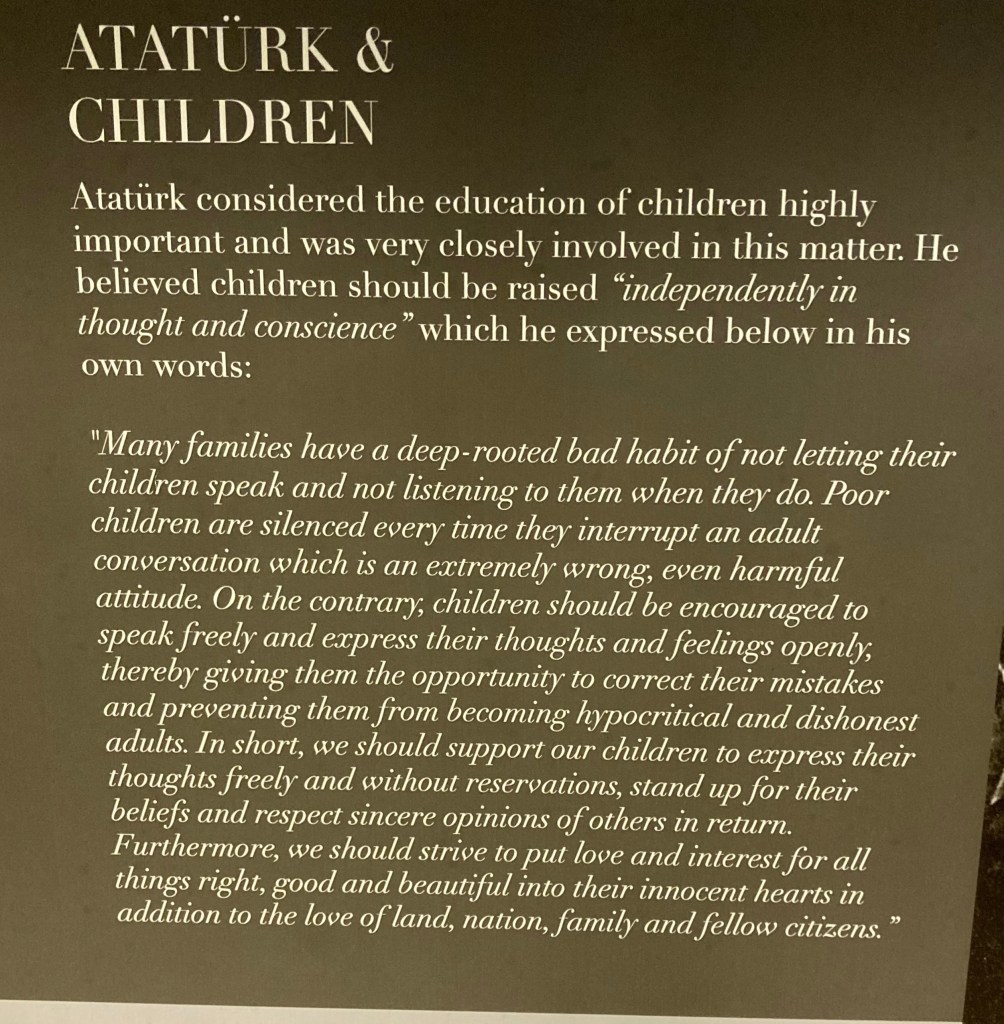
Following the end of the First World War the allied forces began claiming Ottoman territory including parts of Istanbul.Ataturk and a group of friends began to plan a nationalist movement centred on the Ottoman region of Anatolia. The allies fearing an uprising urged the sultan to restore order Ataturk was chosen to fulfil that role instead he gathered support for the nationalist movement forming a congress to represent the people and was elected head. This ultimately led to the downfall of the Ottoman Empire and the forming of a new National Assembly who elected Ataturk as the first president of the republic of Turkey, his goal was to reform and bring it into the twentieth century. His greatest legacy was how he reformed education and encouraged equal rights for women.

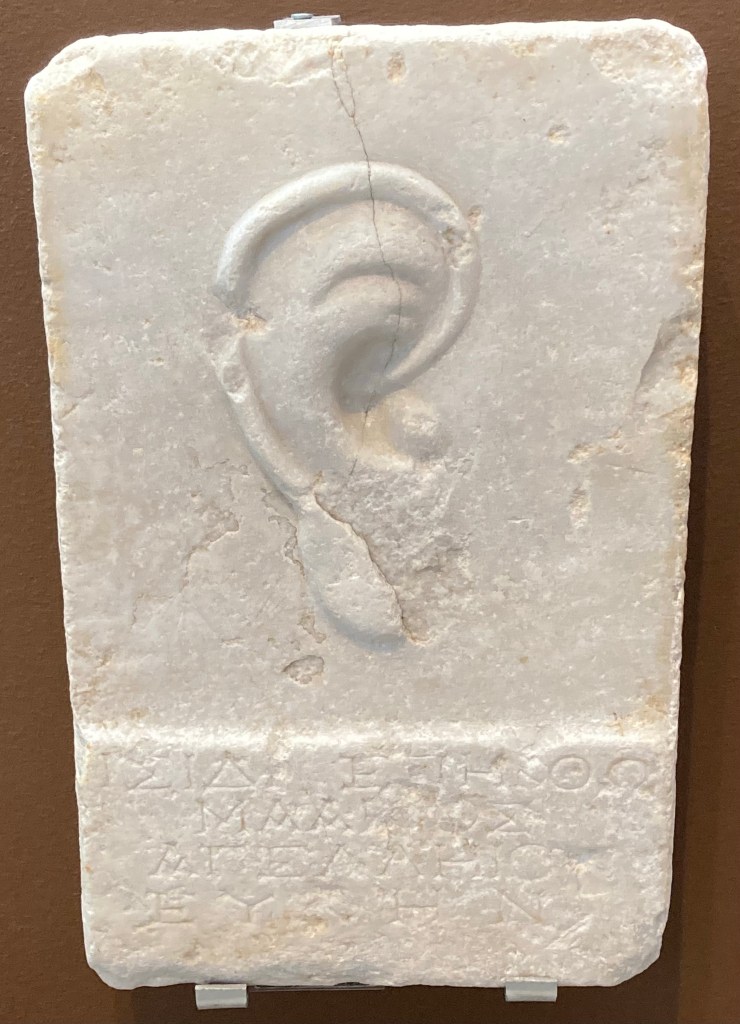
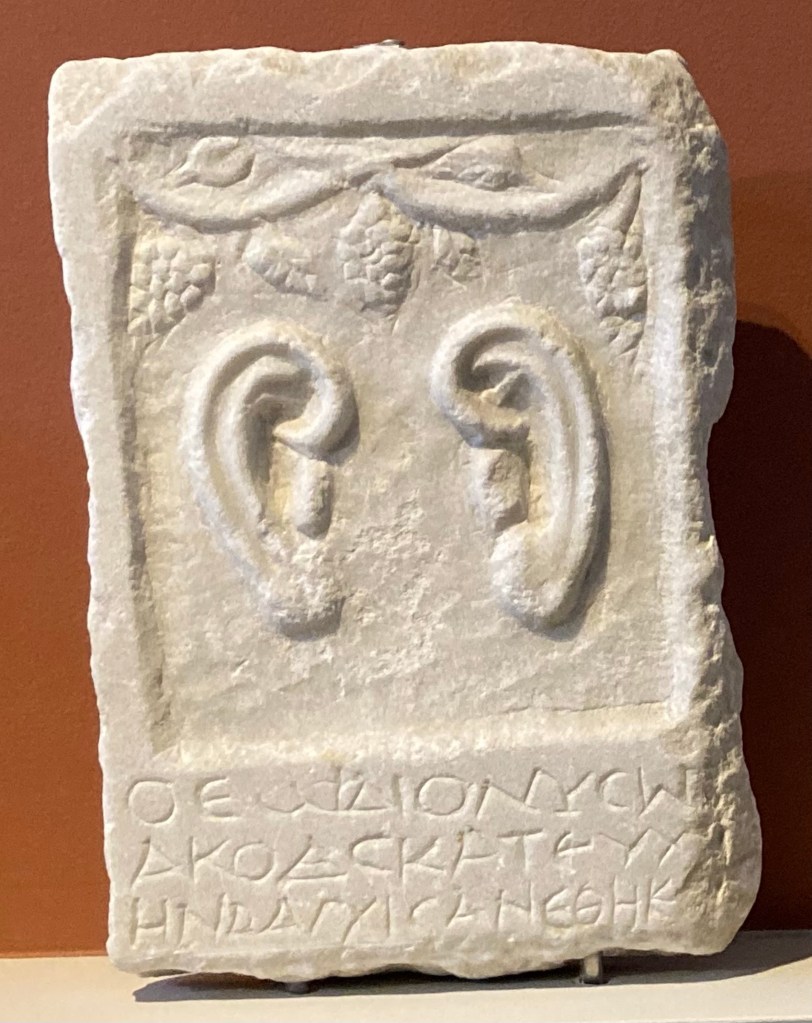
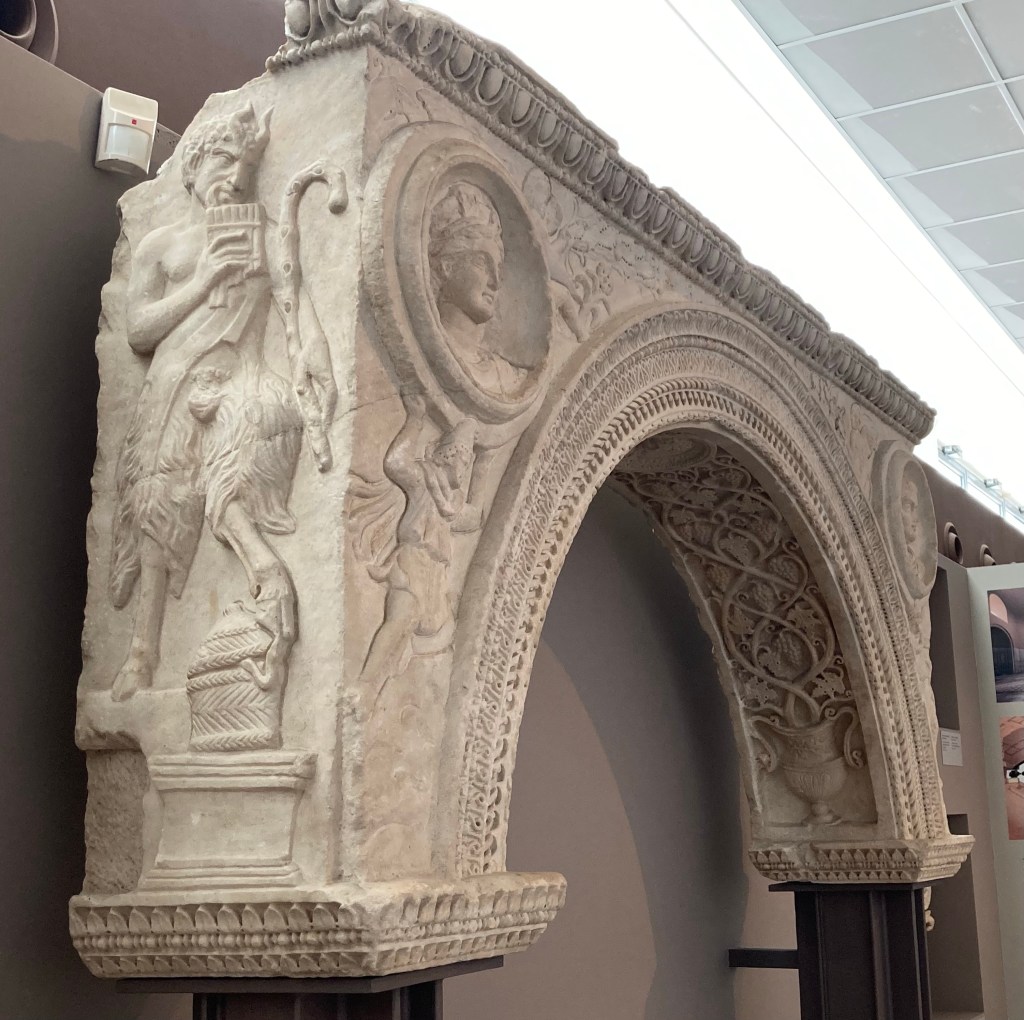
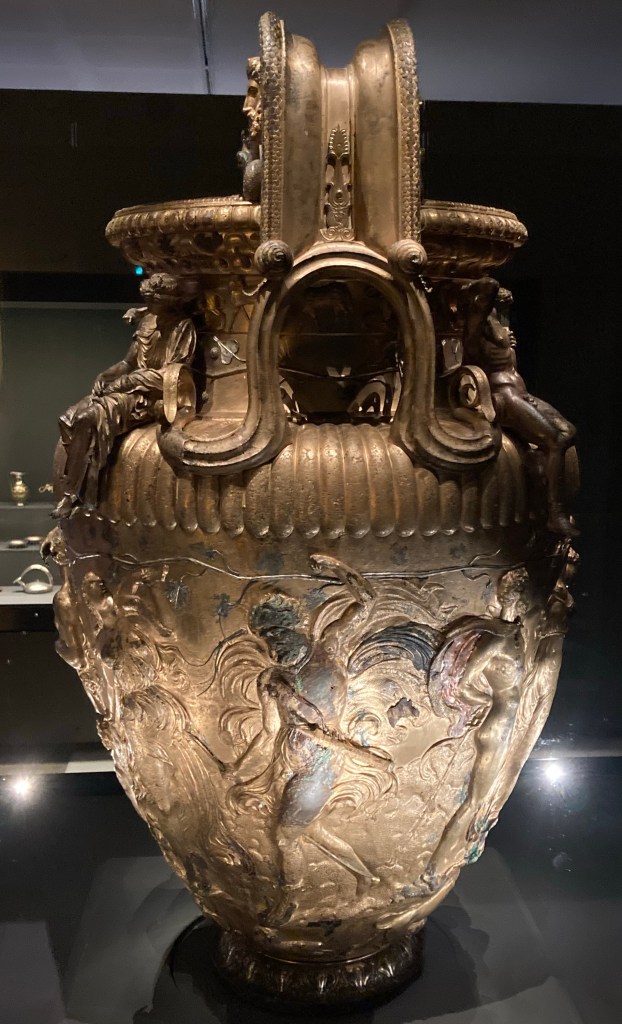
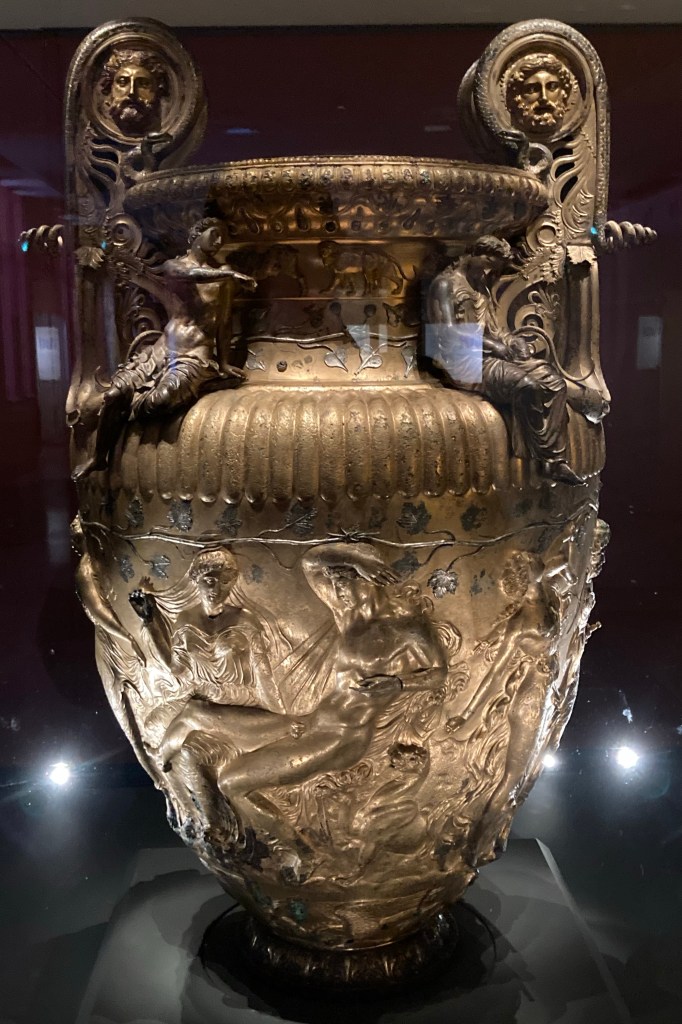
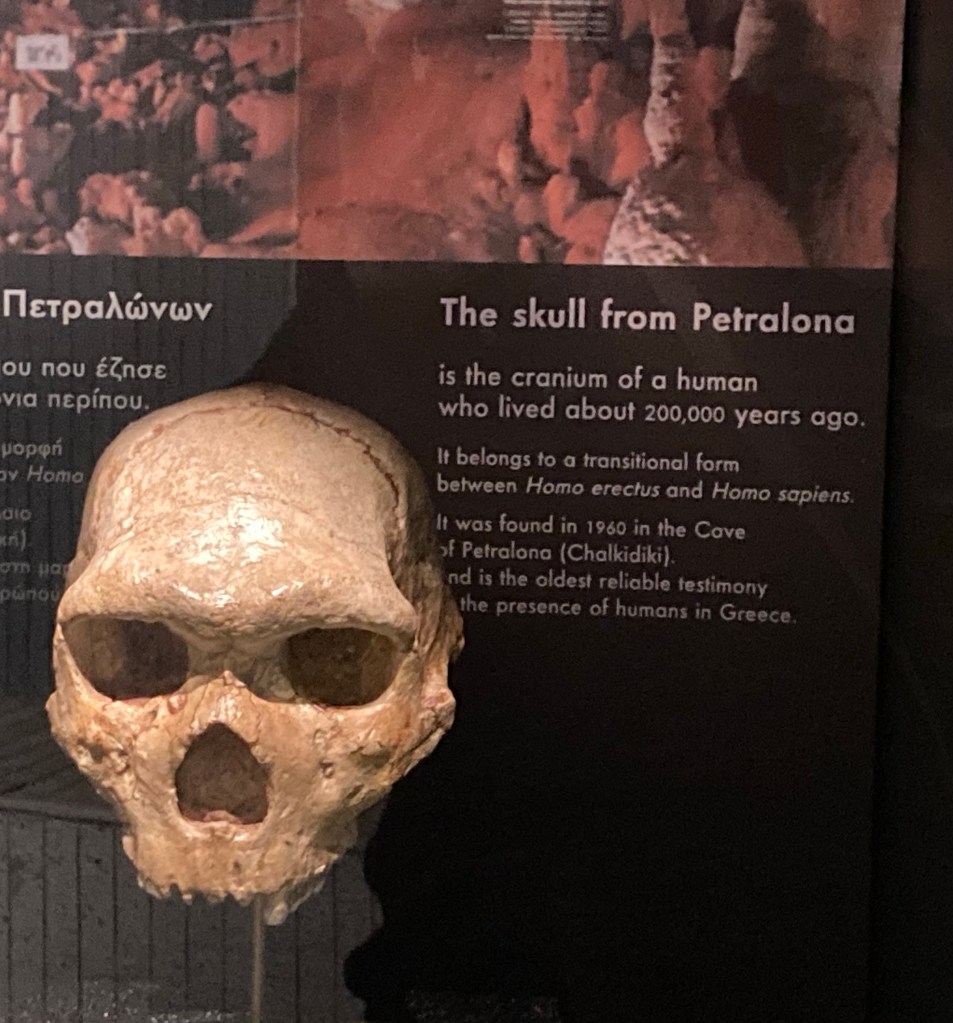
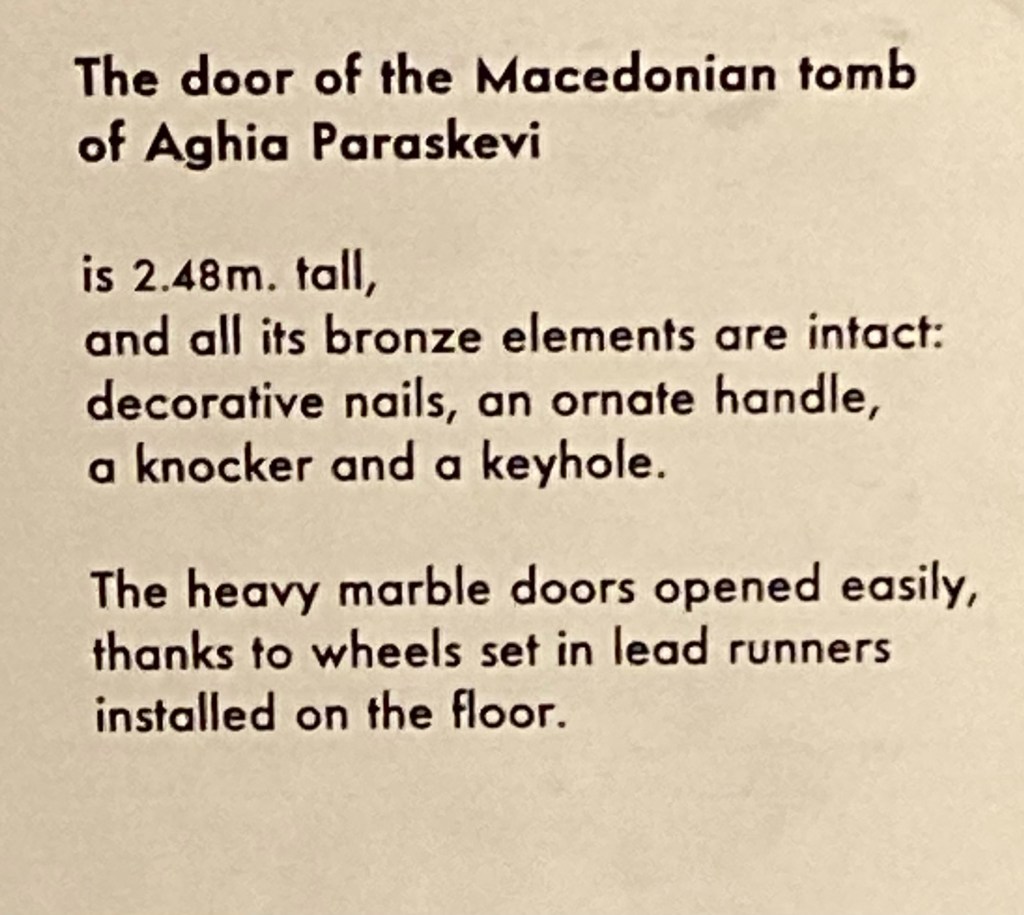
One of the finest collections of Greek artefacts is housed within the Thessaloniki museum the majority of which goes back to the sixth century BC.


 Truman travels