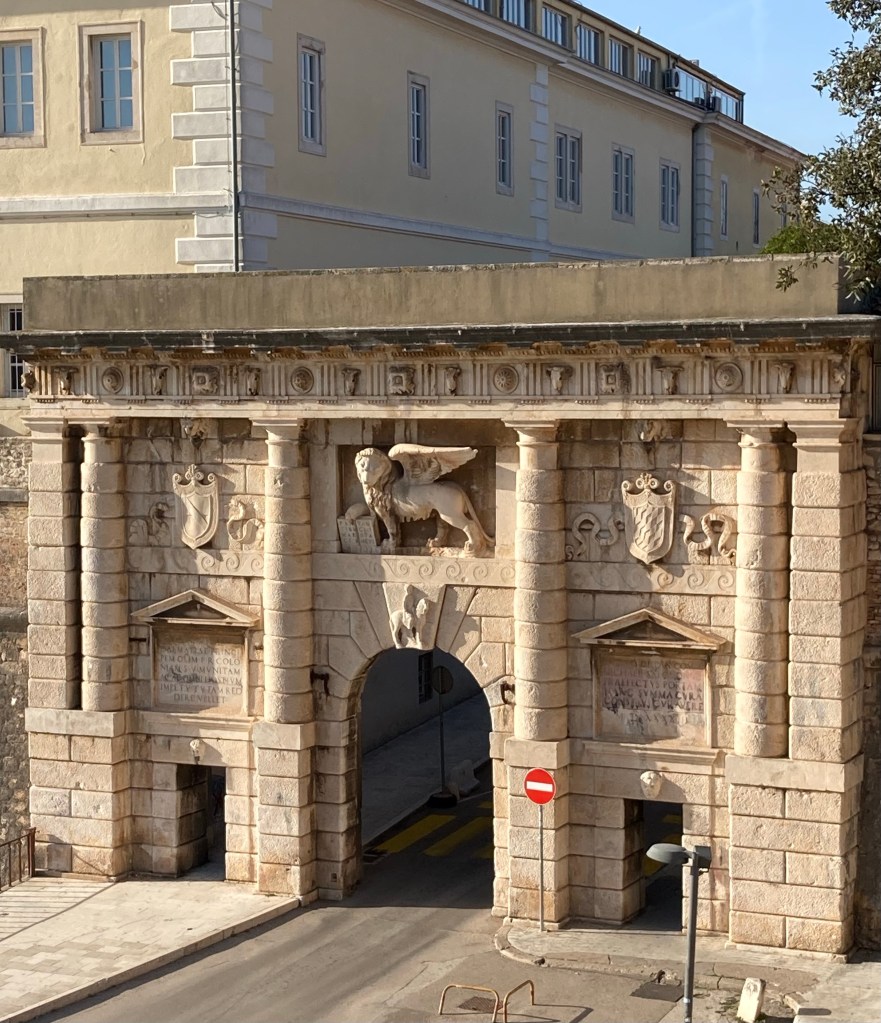
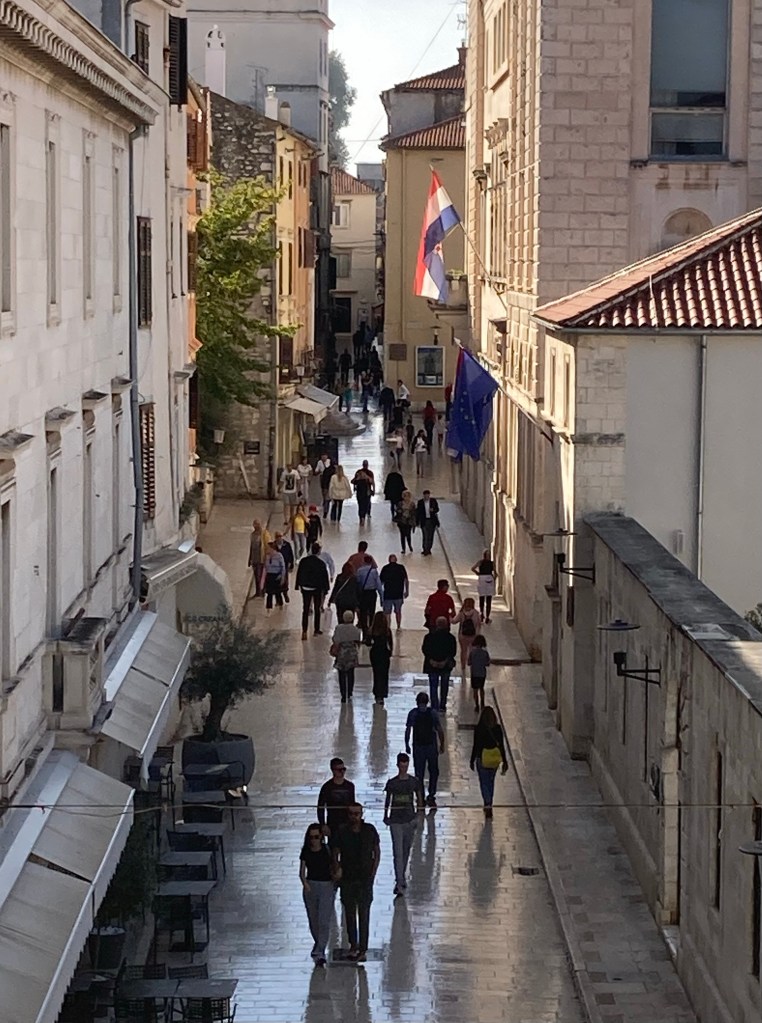
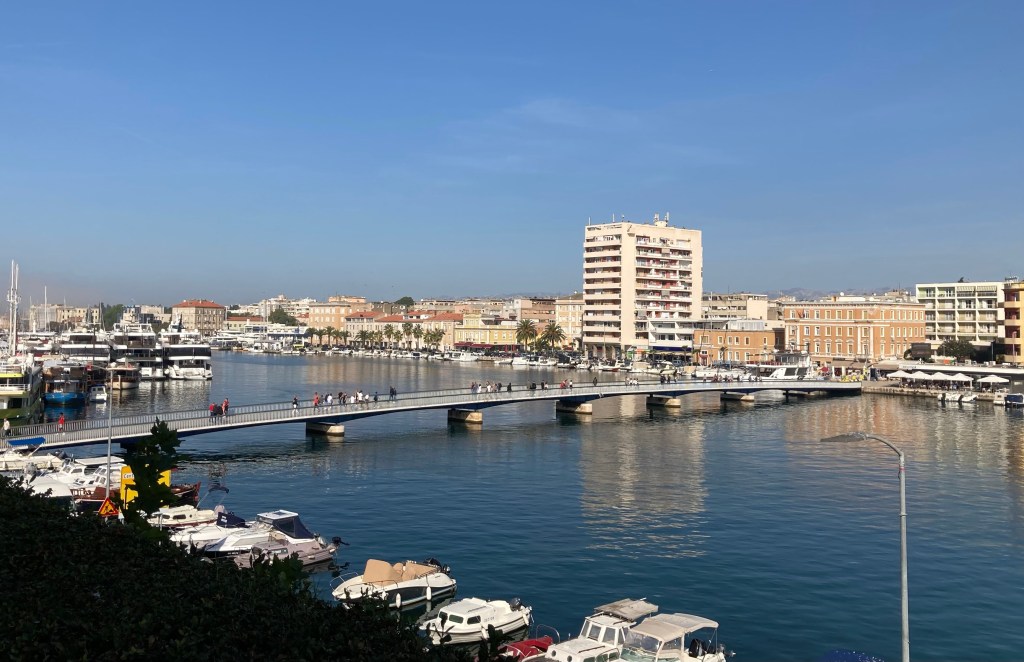
The oldest continuously inhabited Croatian city to which we were drawn to for its archeological museum. We were parked twenty minutes from the historical centre which initially gave the appearance of being an island accessed by an expansive footbridge that took you through the historical gate it was only at the end of the day having traversed the city and part of the historical wall we realised there was land access. The layout of the city was influenced by Roman rule and organised according to the typical Roman street system with a rectangular street plan, a forum, therme and a sewage and water pipe system in the form of a forty kilometre aqua duct. Despite having been heavily bombed during the Second World War and hit by Yugoslav rockets in 1991 it has been rebuilt and restored and is now a very attractive traffic free city.


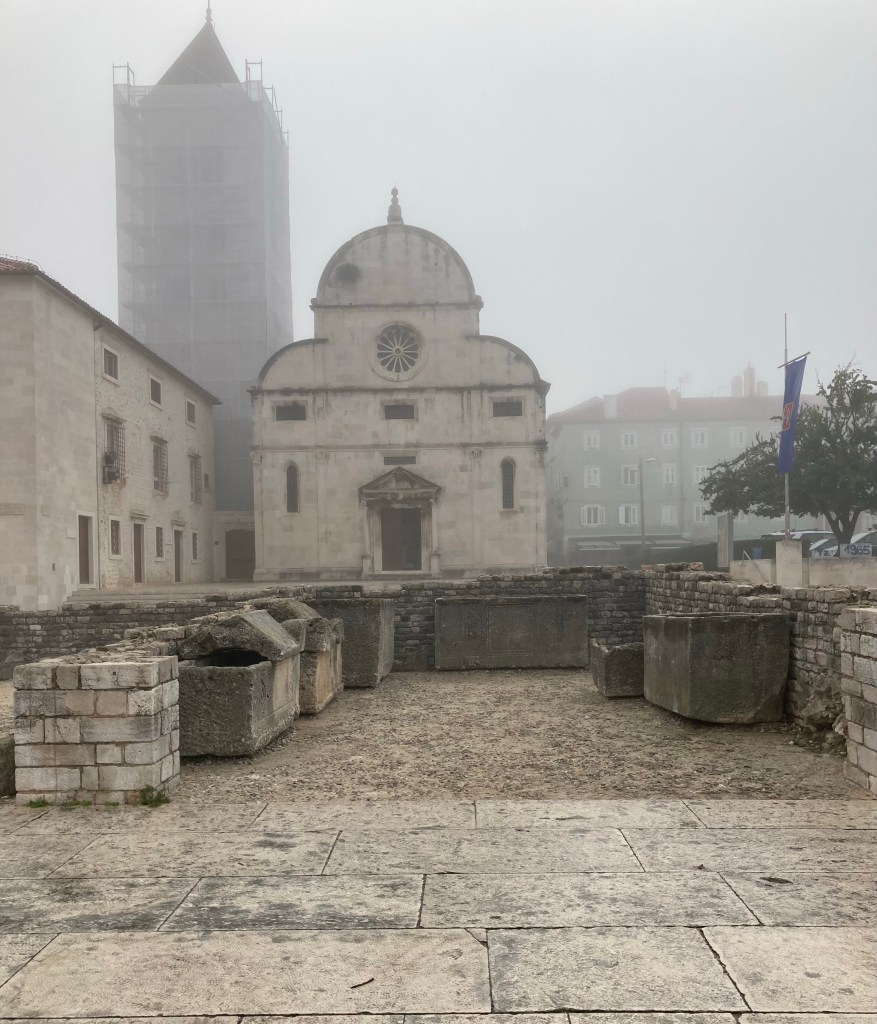
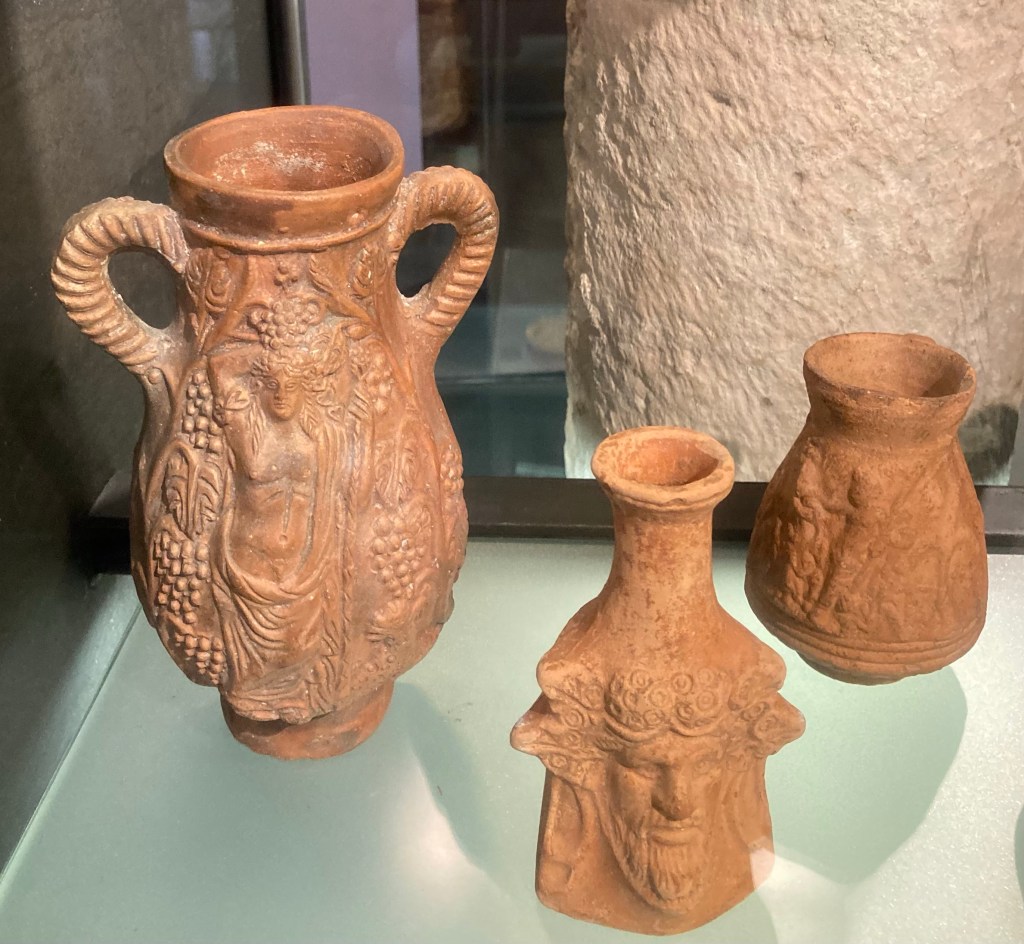
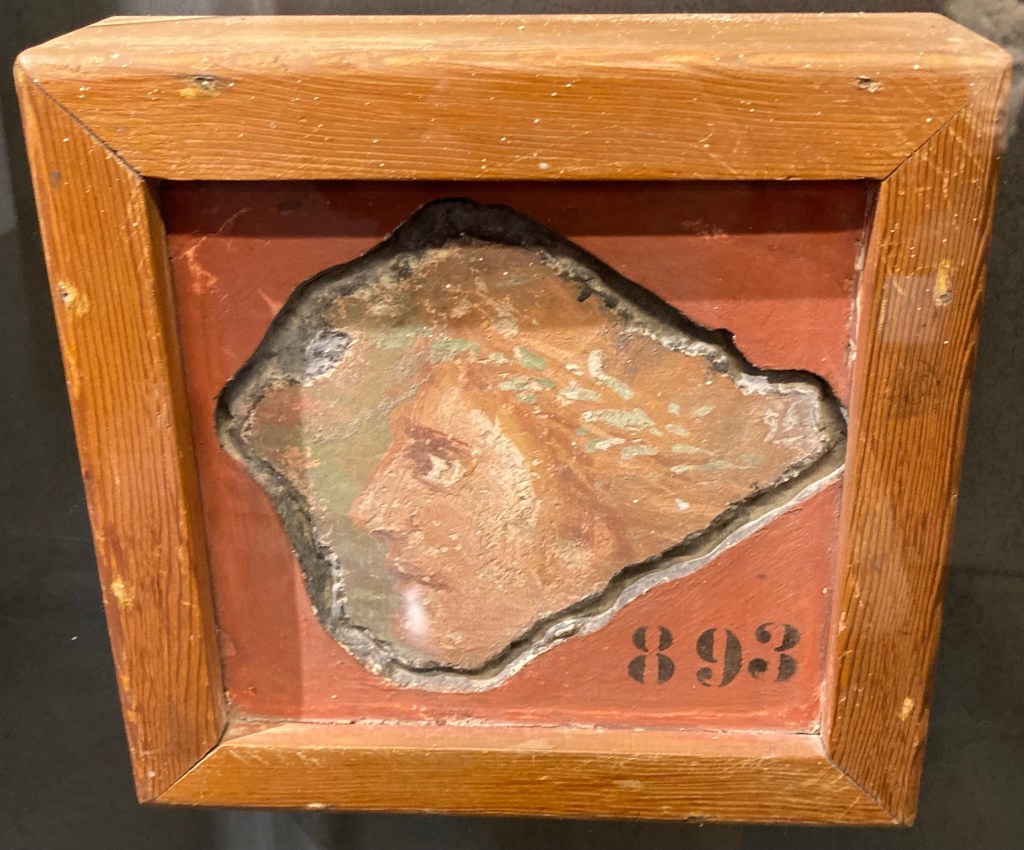
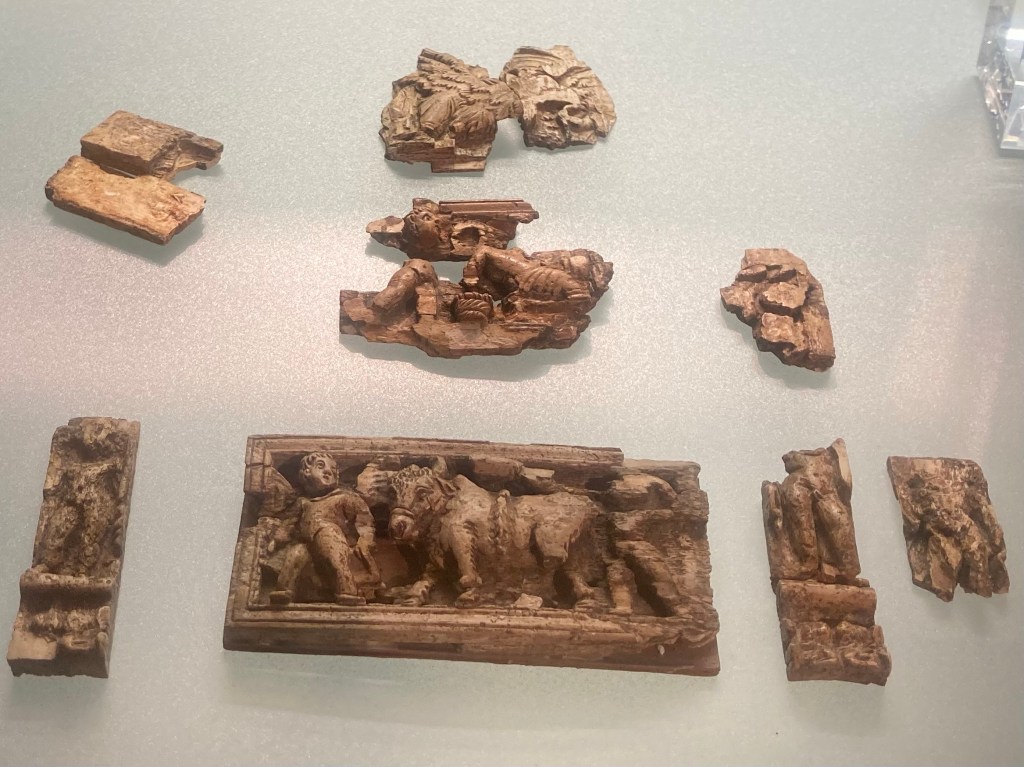
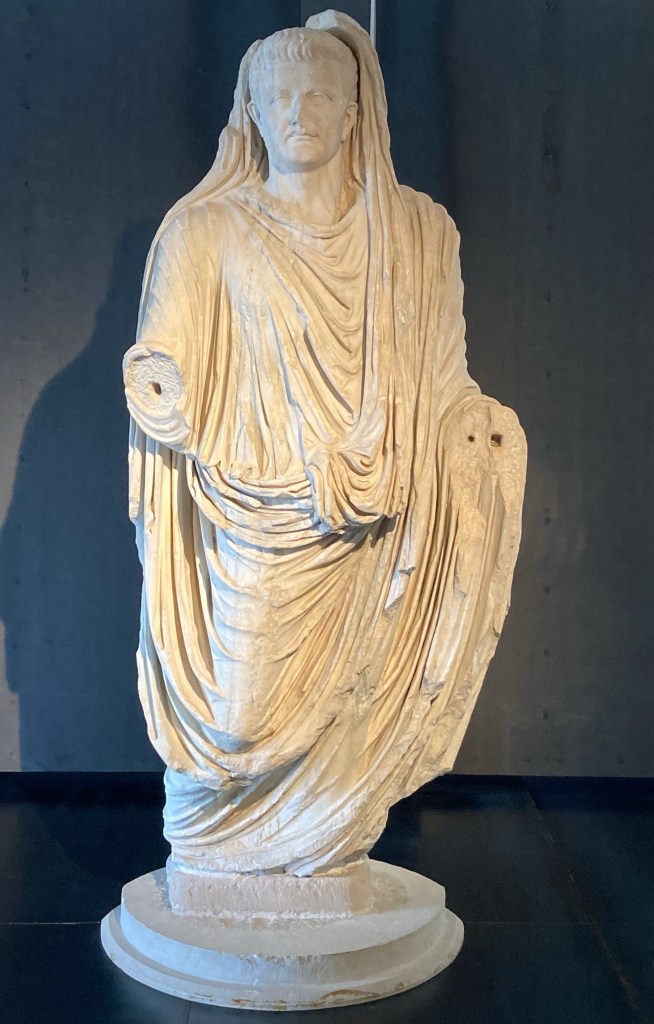
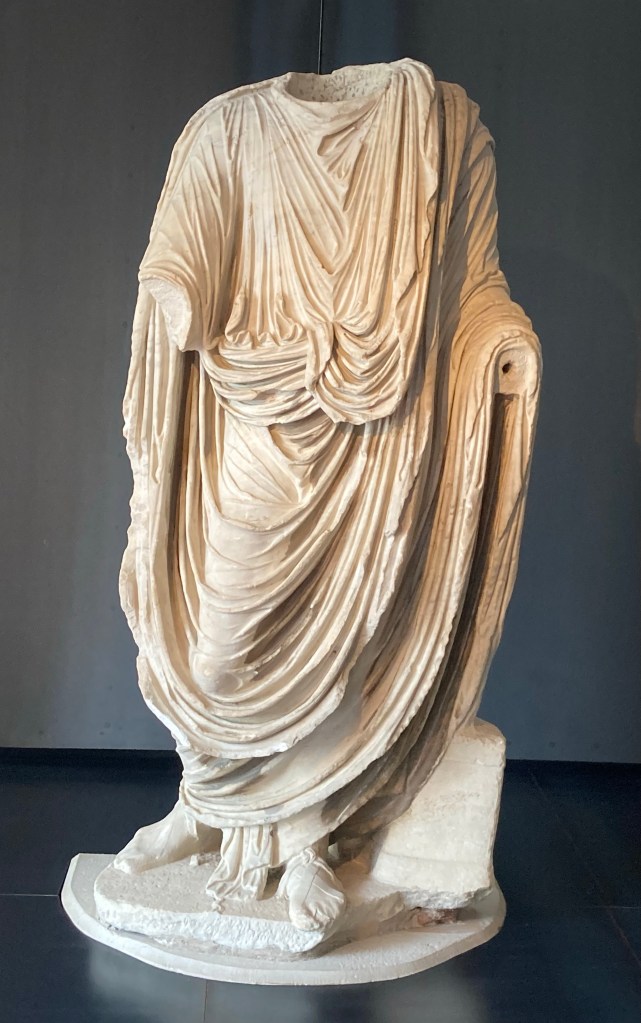
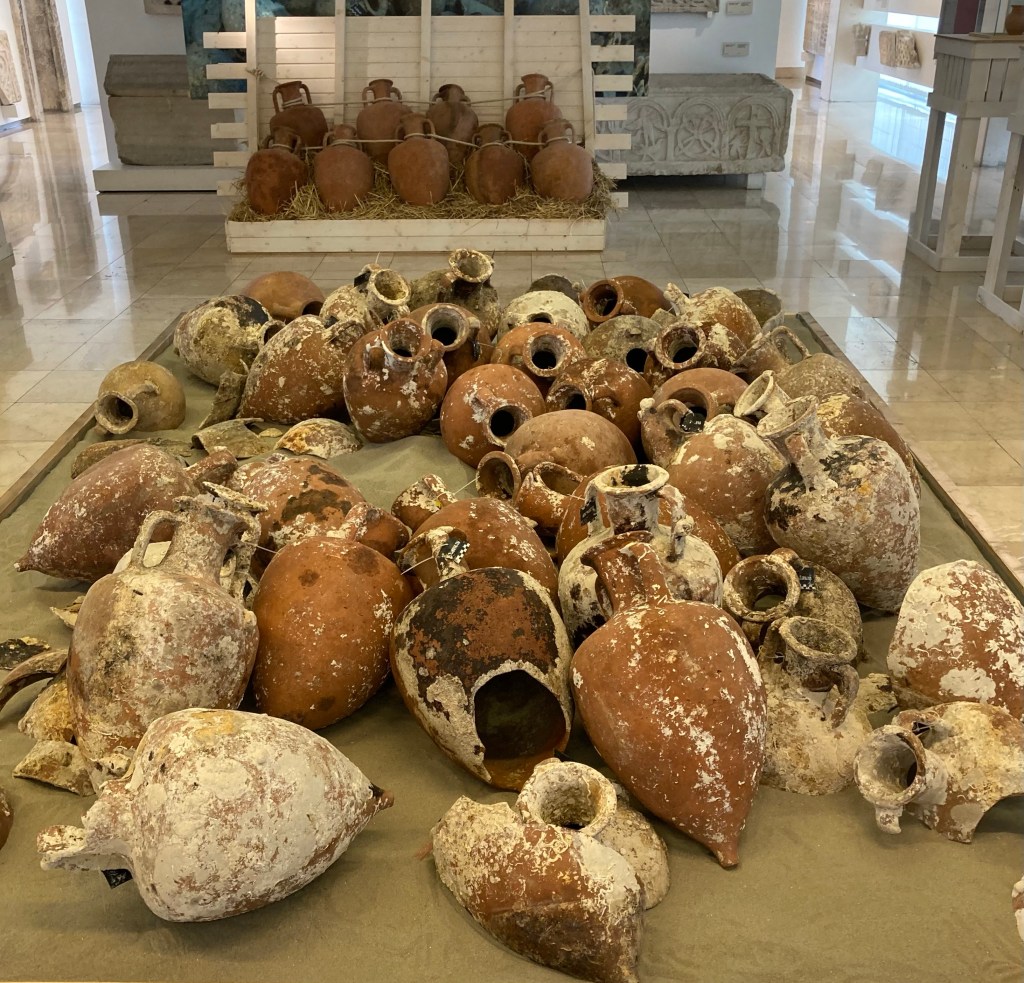
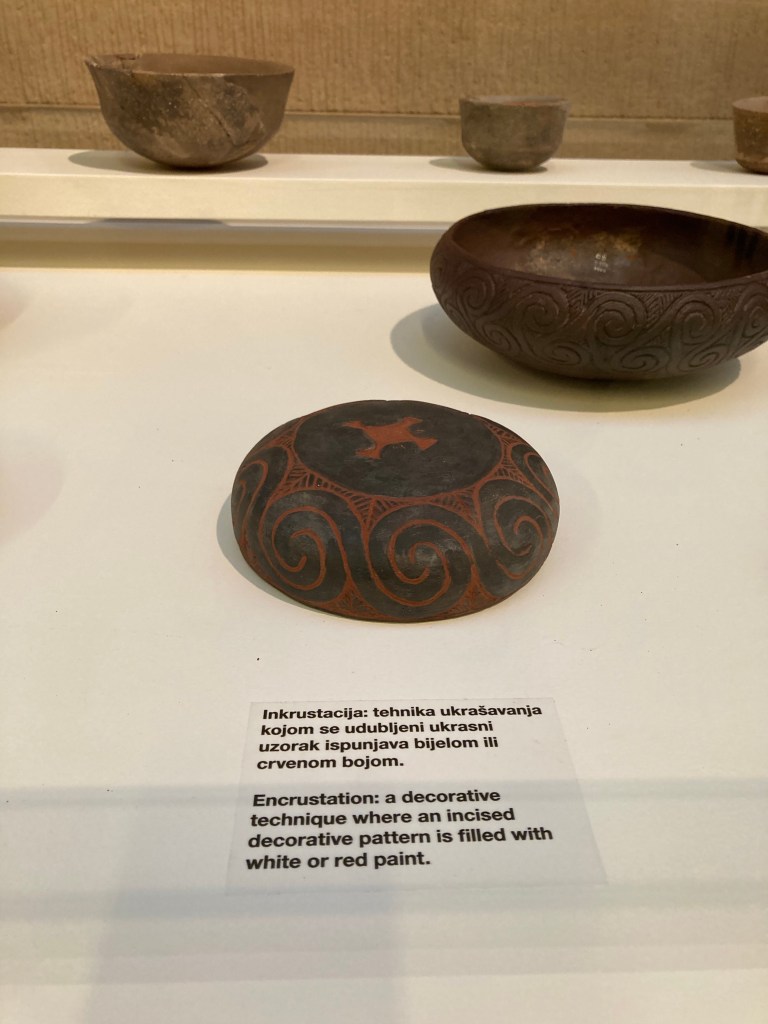
The archaeological museum was sited in a modern building occupying one side of the ancient forum. Spread over three floors was an extensive collection from the Neolithic period through the Roman occupation to the development of Croatian culture under the Byzantines. But it was the way the artefacts were chronologically laid out that made it easy to follow the historical journey also helped by the spacious display of the exhibits.It was one of the best museums we have visited and a must see for anyone visiting Zadar.

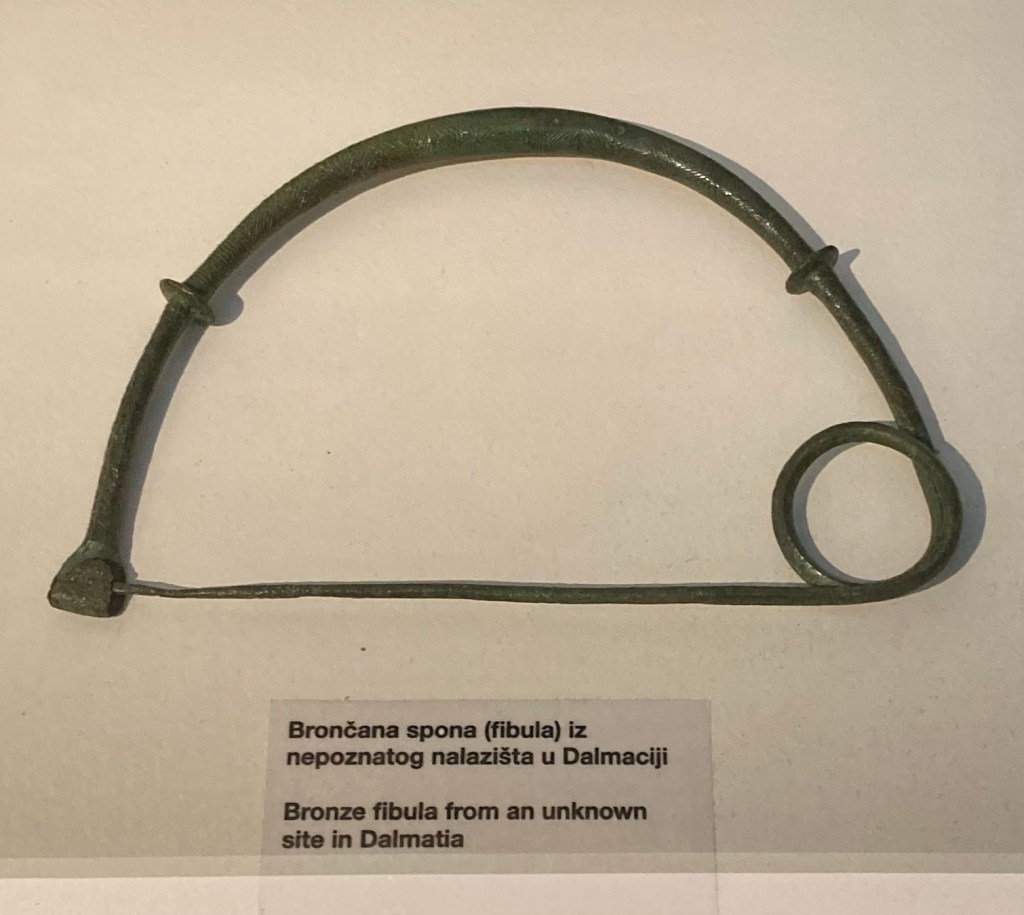

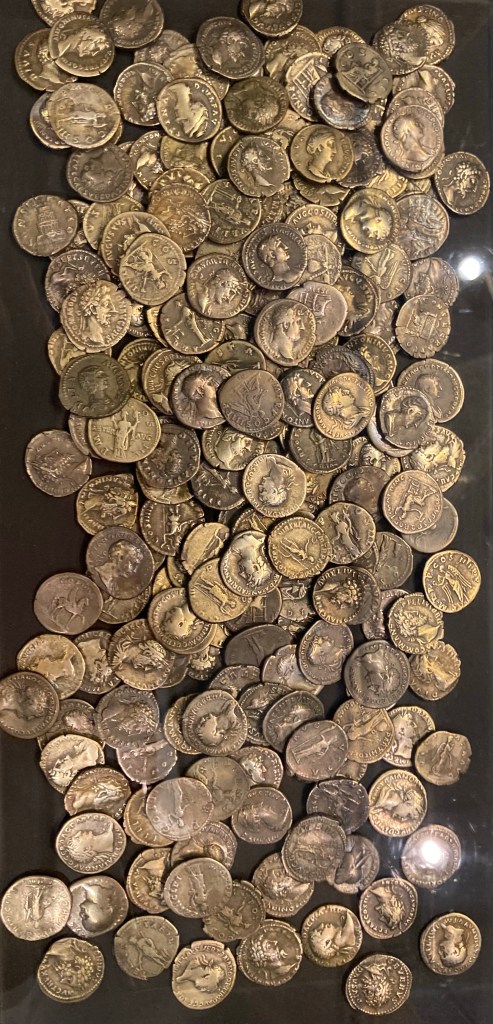
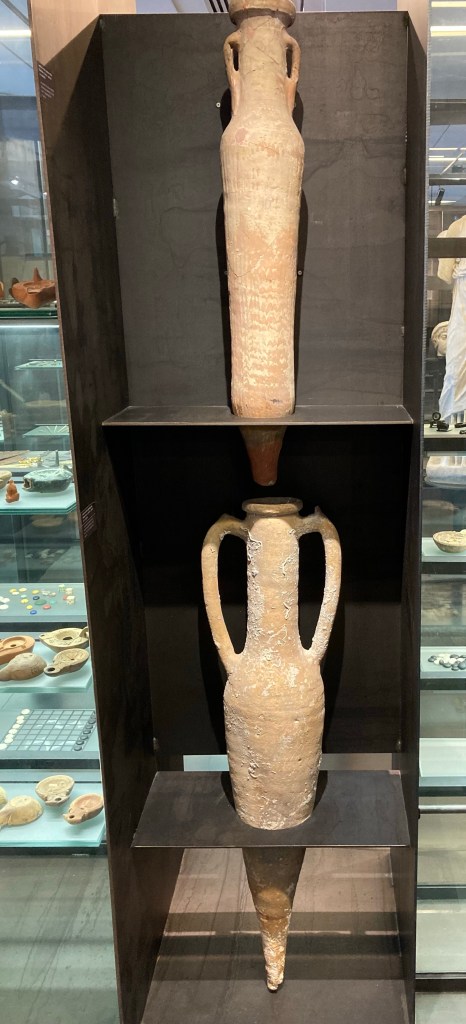
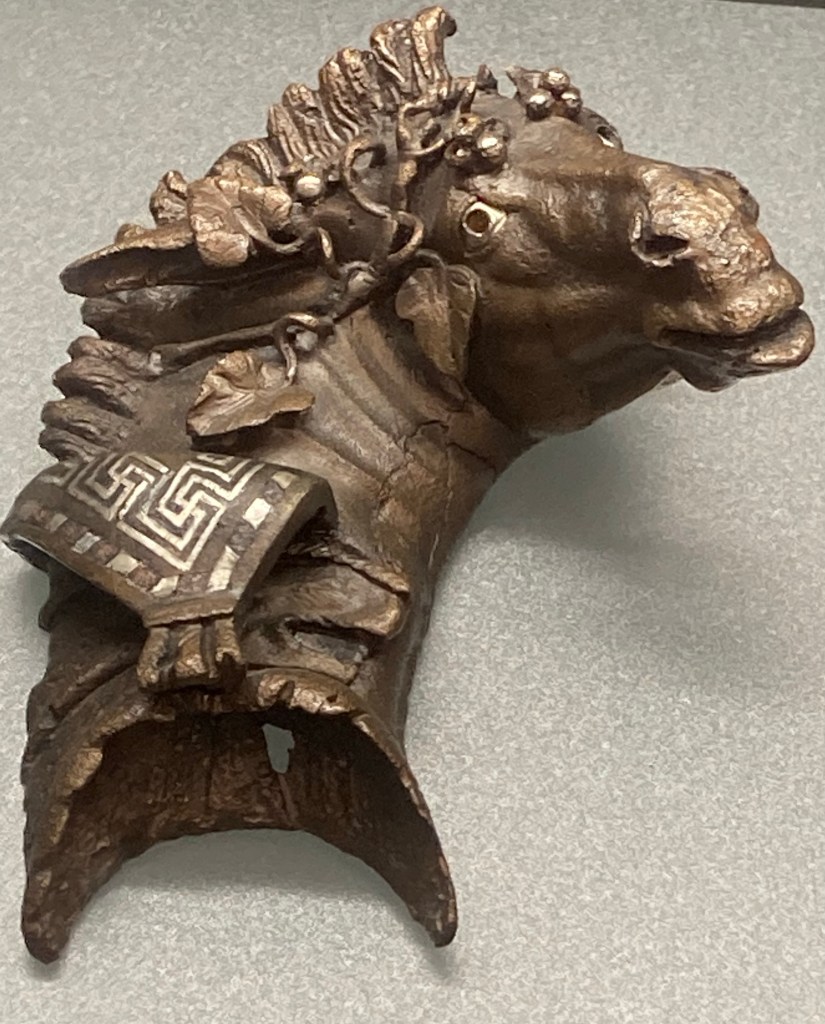







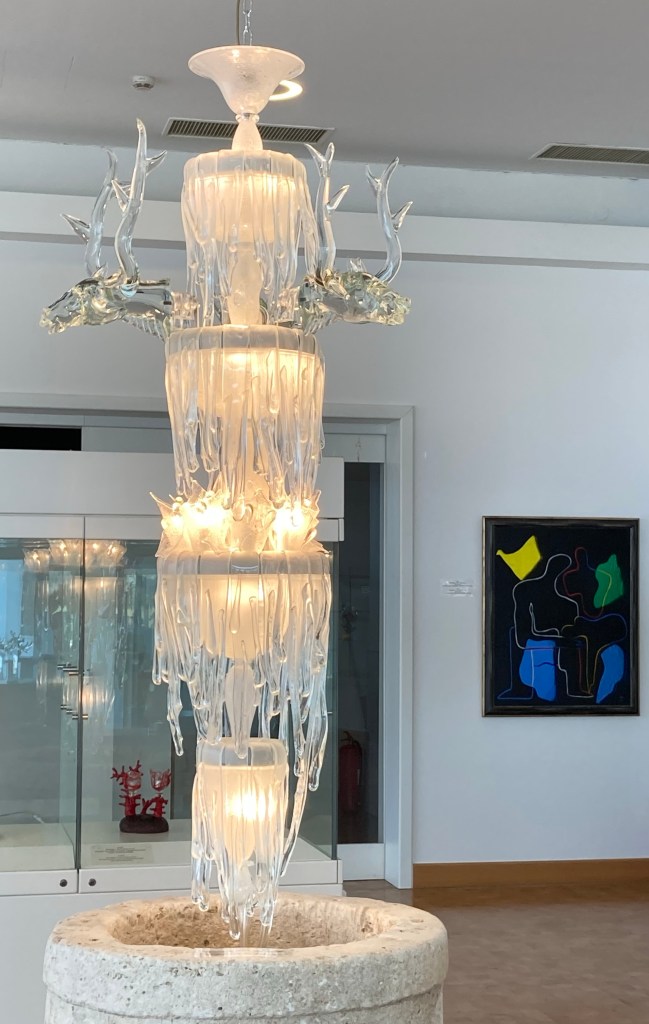
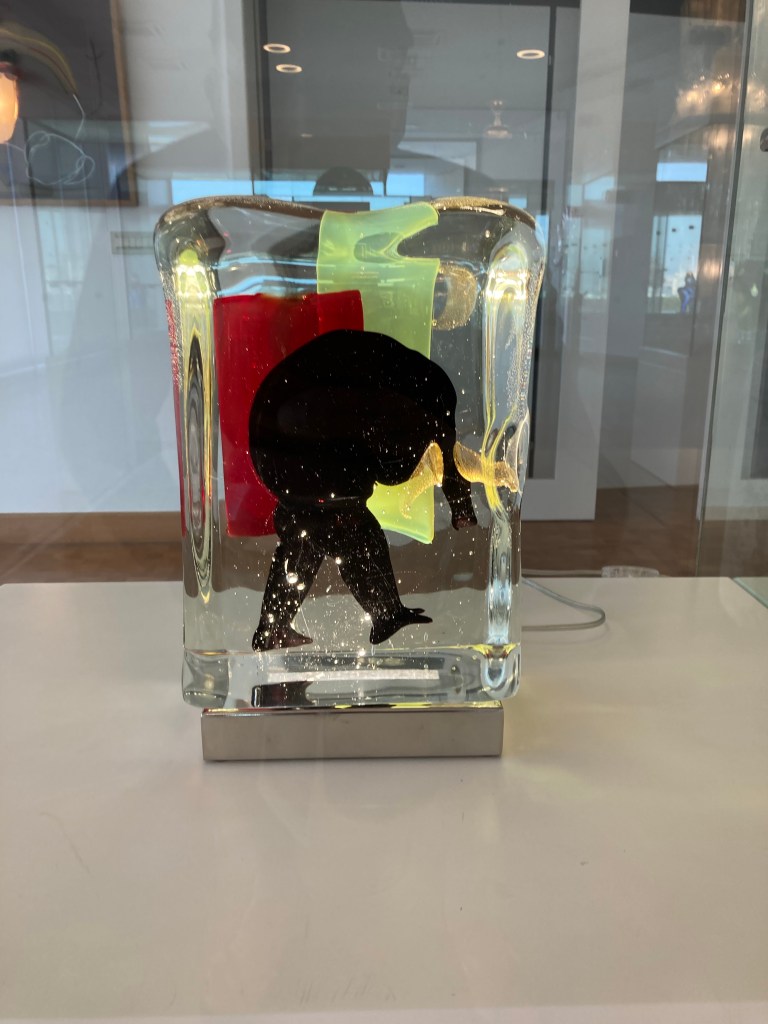
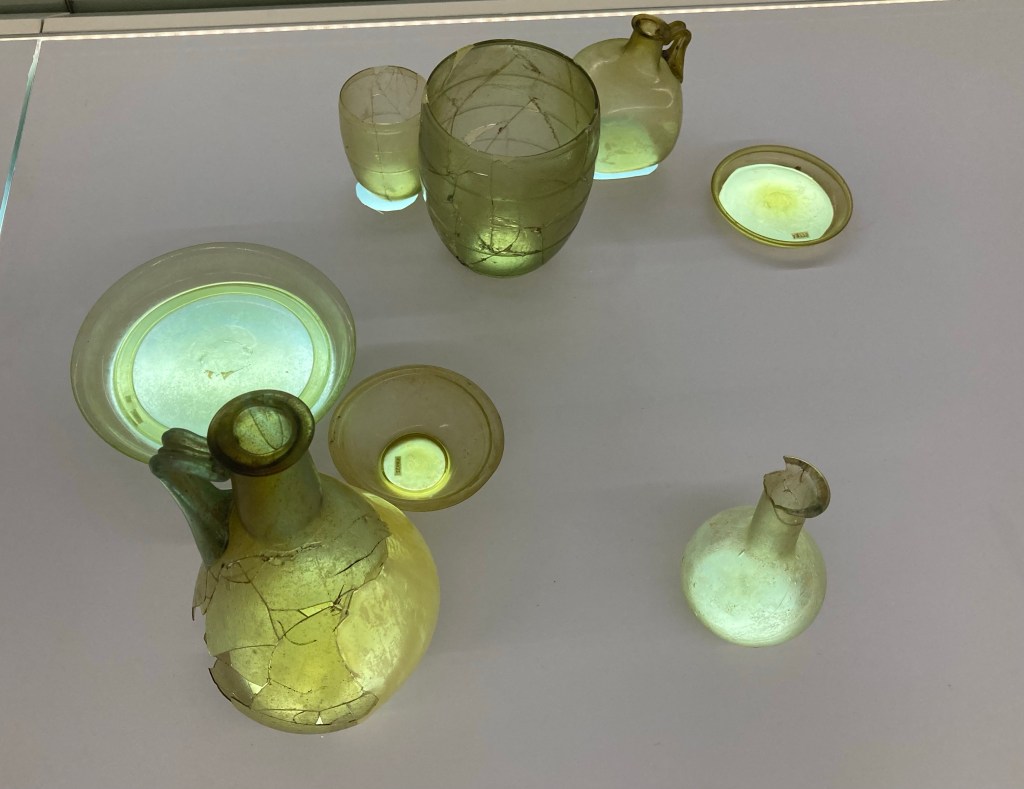
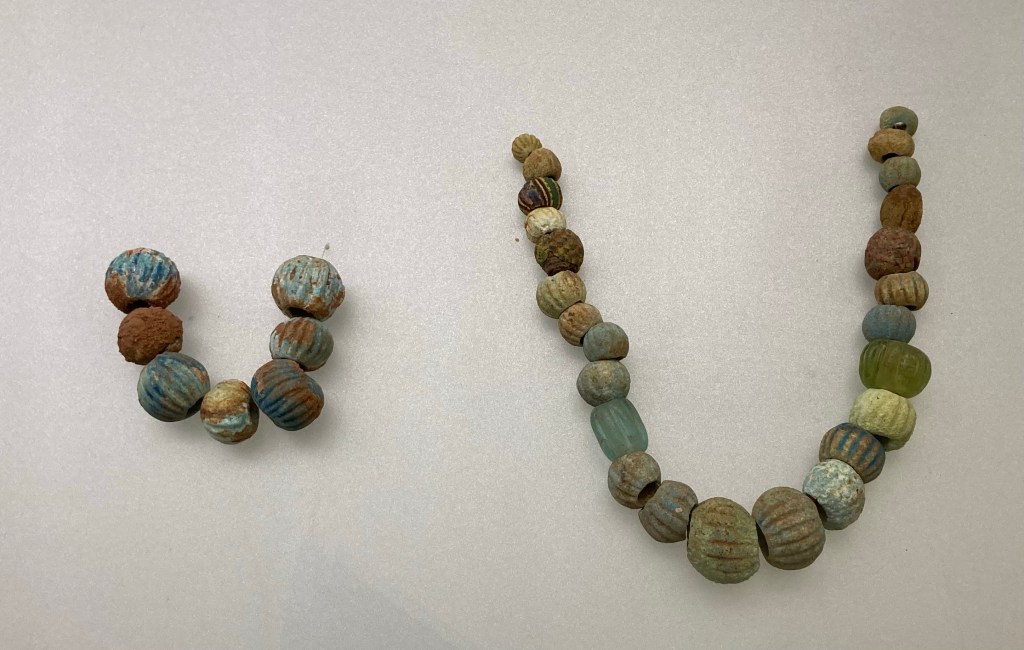
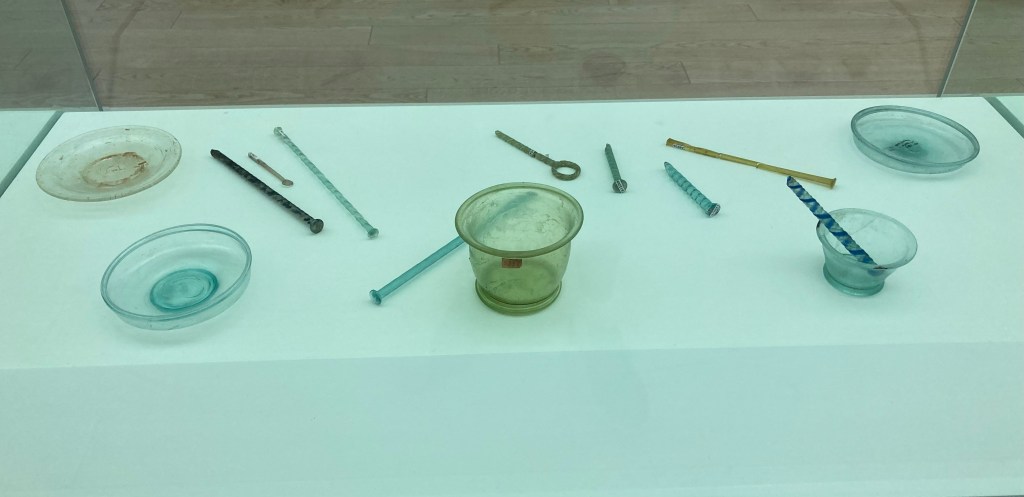
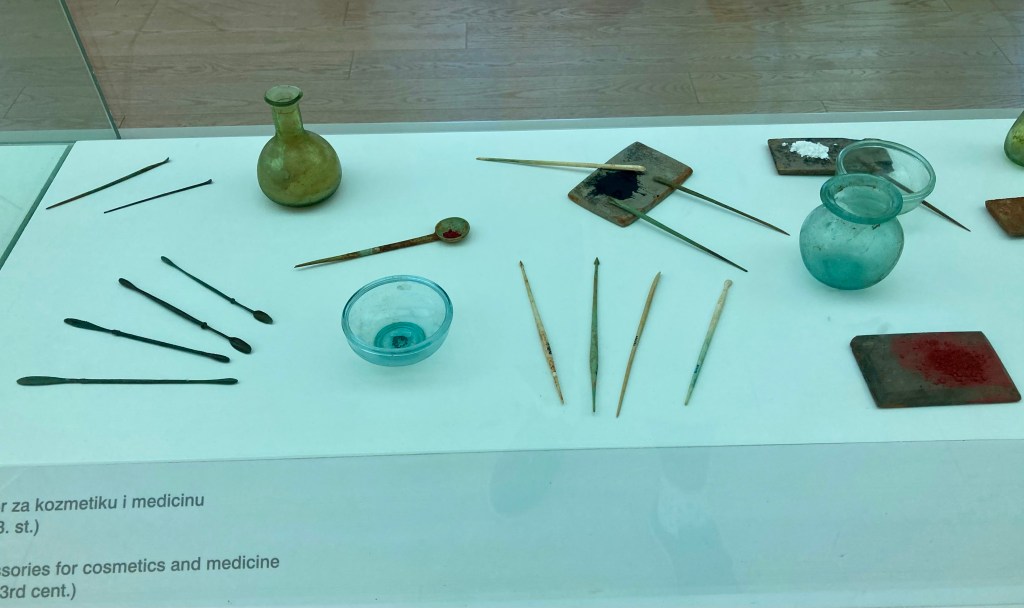
We also visited the museum of ancient glass which we came across by chance. It housed both ancient and modern glass, the oldest pieces going back as far as the 1st century BC.









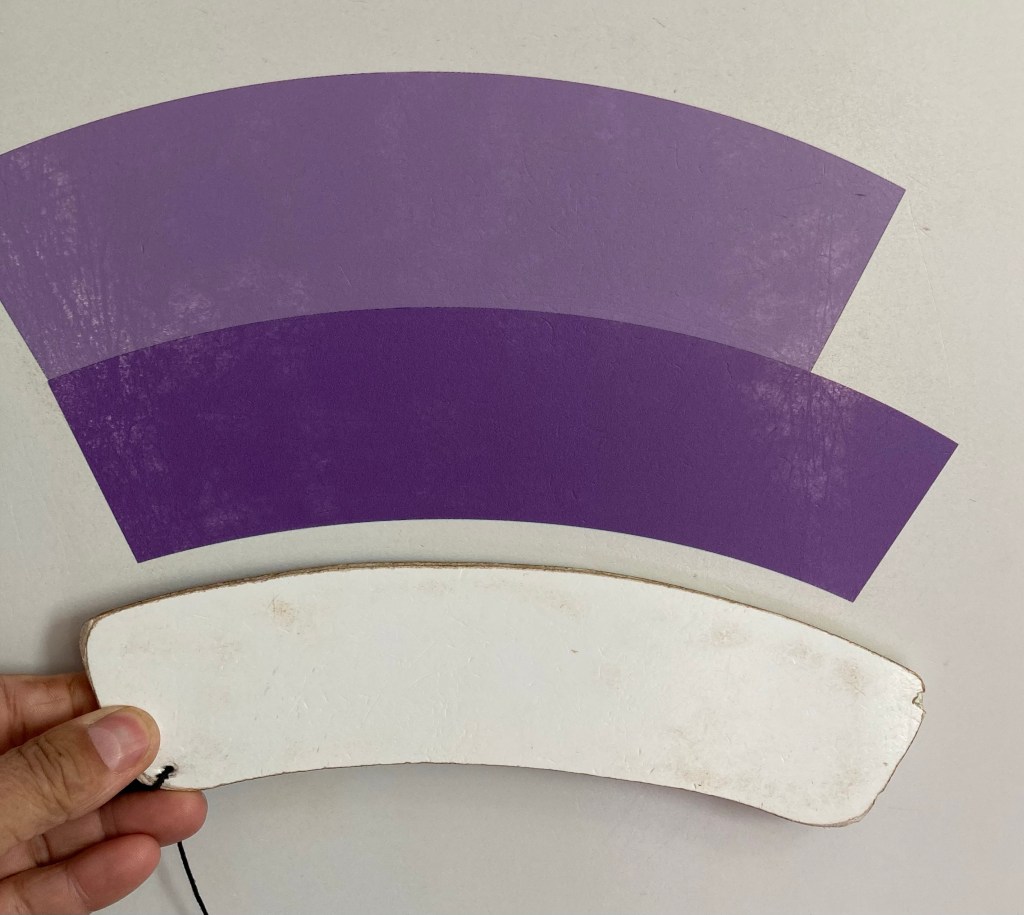
For some light hearted entertainment we then went to a museum of illusions? where the exhibits aim to trick your confidences in your own senses as nothing is what it seems. The original concept was launched in Croatia in 2015 and has expanded to thirty cities across the world. It certainly achieved what it set out to do.

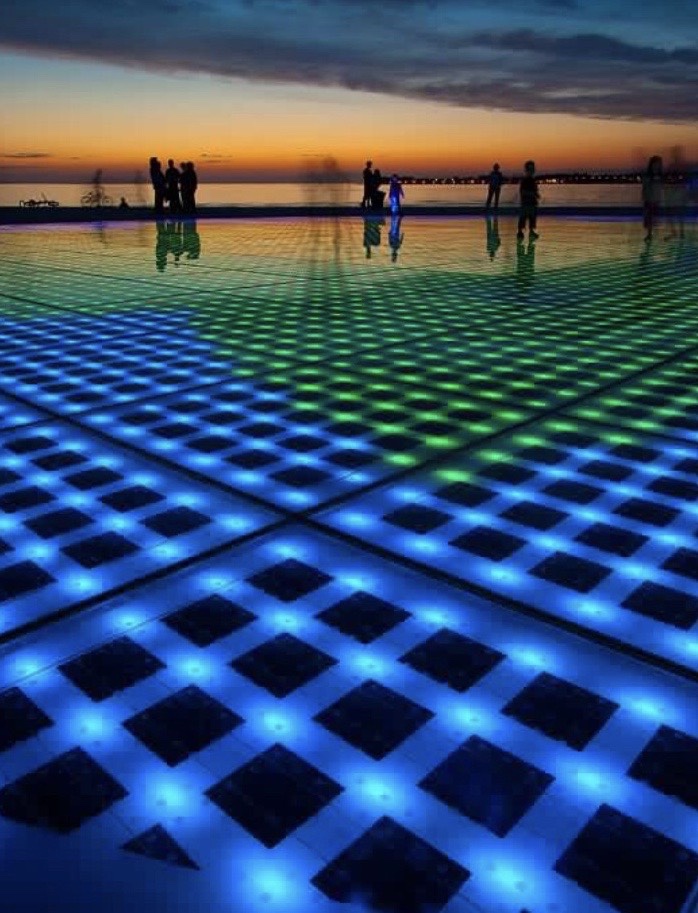
Part of our walk took us along the harbour where a large cruise ship was at anchor resting our weary feet we decided to sit and spend some time people watching. We then noticed a twenty two metre wide circle of glass set into the dock pavement which we initially thought were solar panels but could not fathom what they feeding. After some research we found that the panels contain three hundred coloured light modules to give a fantastic light show from sunset to sunrise and it collects enough energy during the day to power not only the light show but the entire harbour front lighting system. Wow!


 Truman travels