Leaving Belgium we headed in to South West Germany our first stop being in Trier parking next to the Moselle river. Walking into town on the Sunday morning we stopped off for coffee and cake at a delightful coffee shop called Maria’s Kaffeestubchen the service was first class and the coffee and cake was to die for.

Continuing our walk into the town centre there was an obvious mix of tourists and locals, the tourists obviously on the circuit around the town and the locals socialising with friends and family in the coffee houses, wine bars and restaurants creating a relaxed atmosphere.
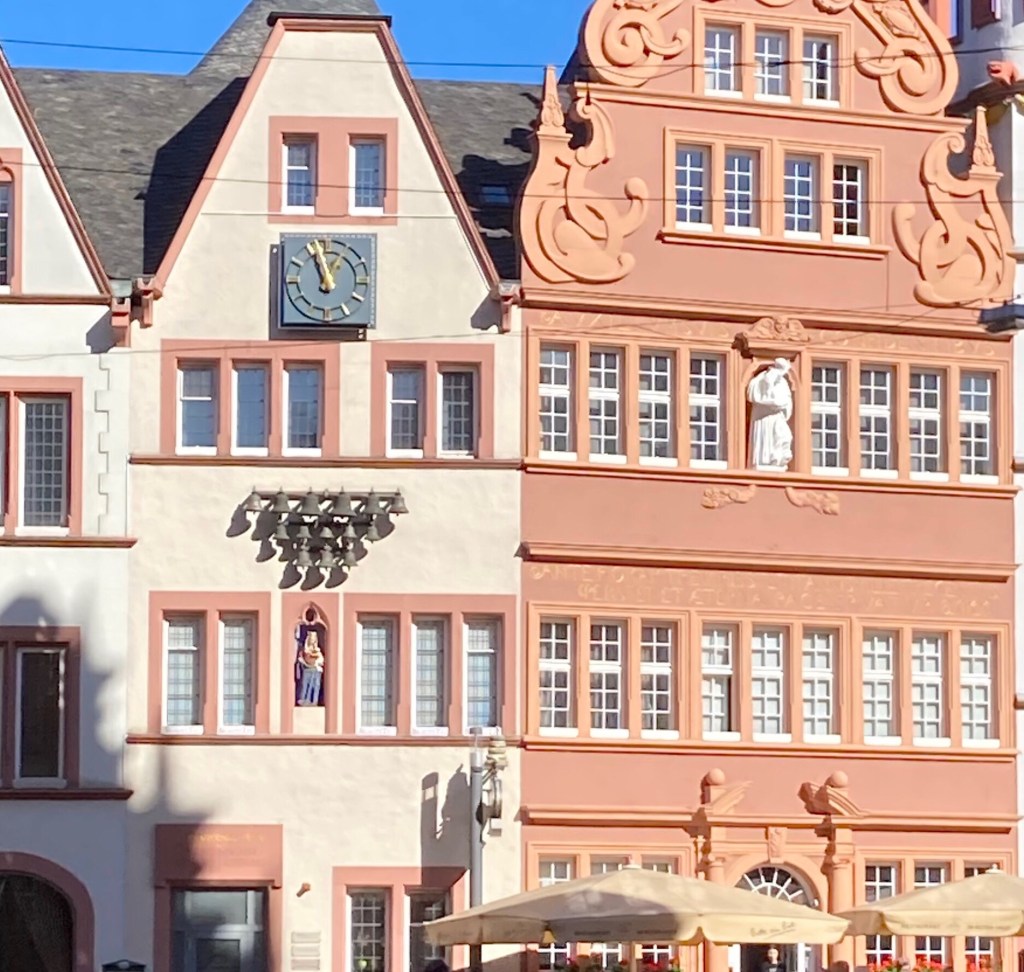
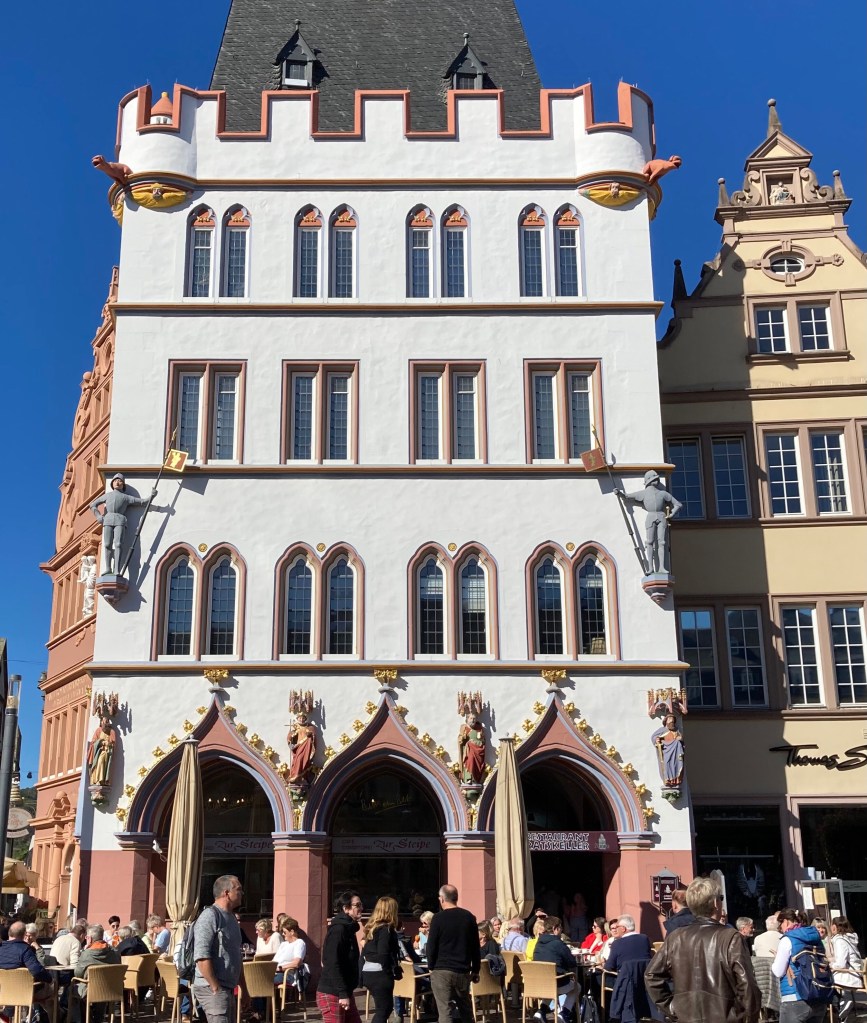
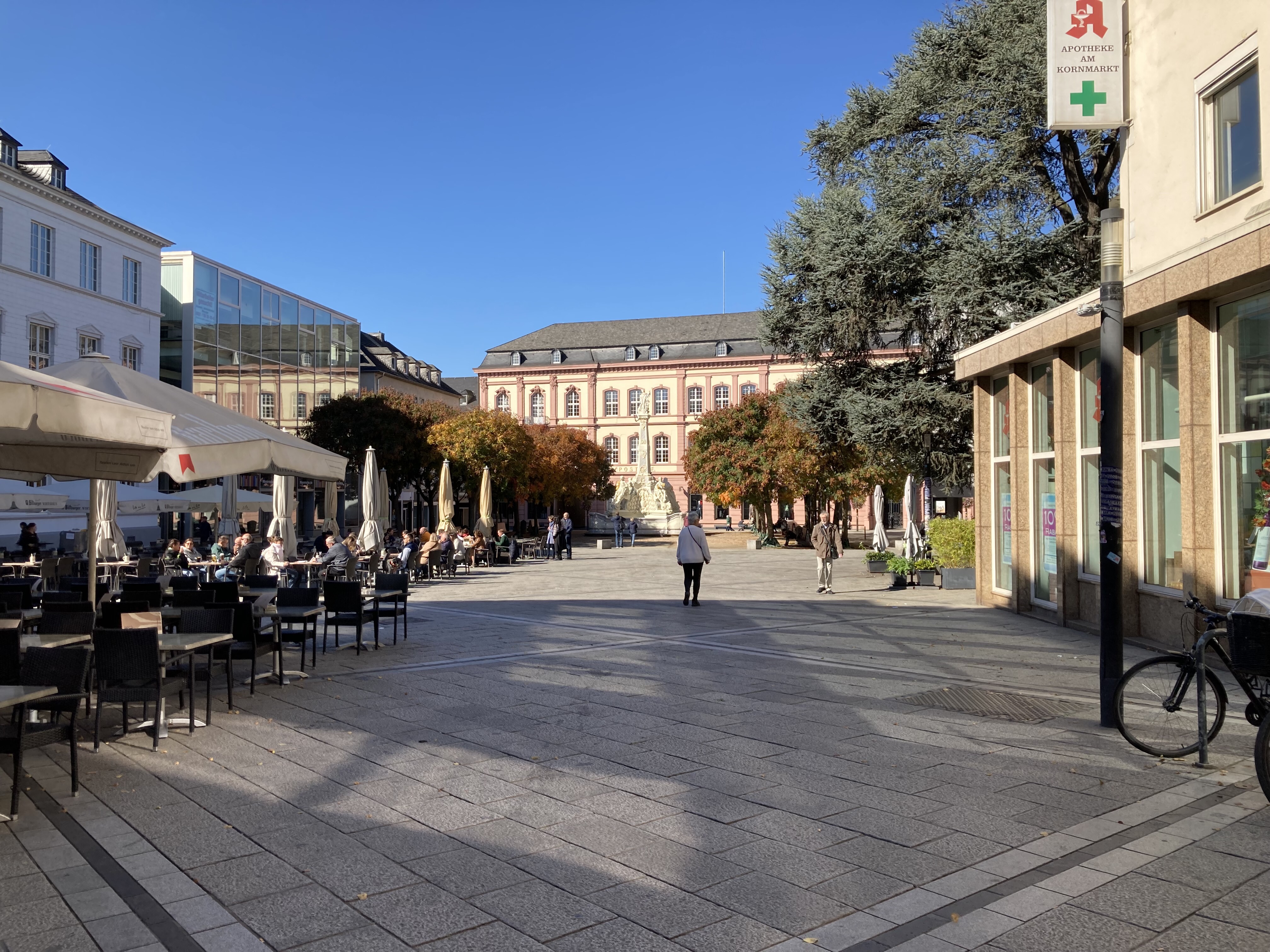
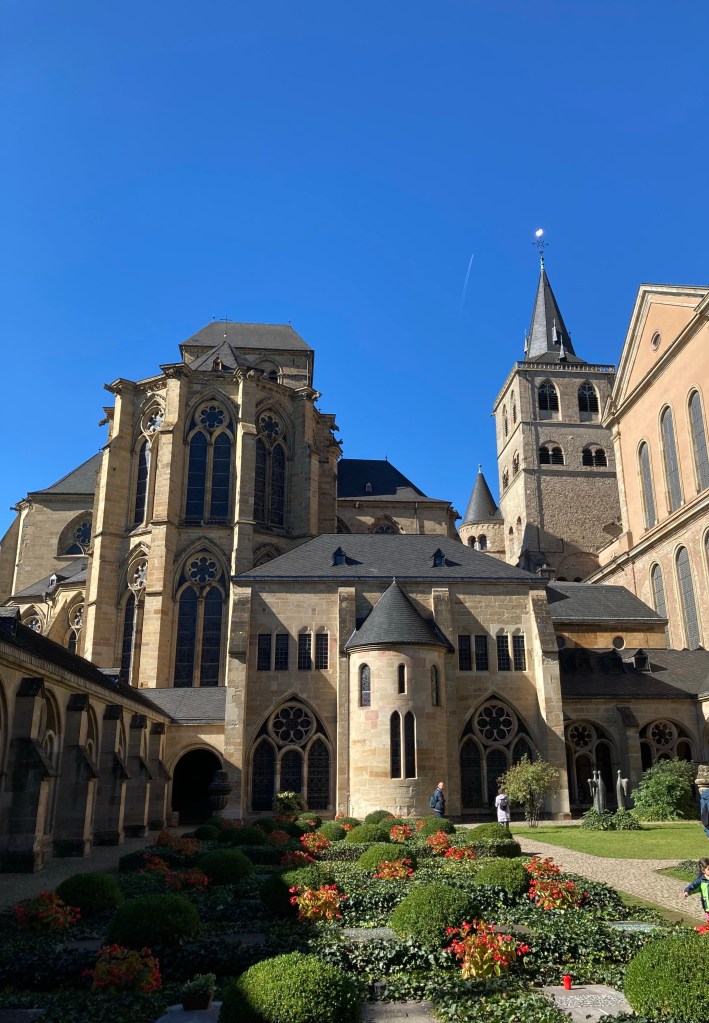
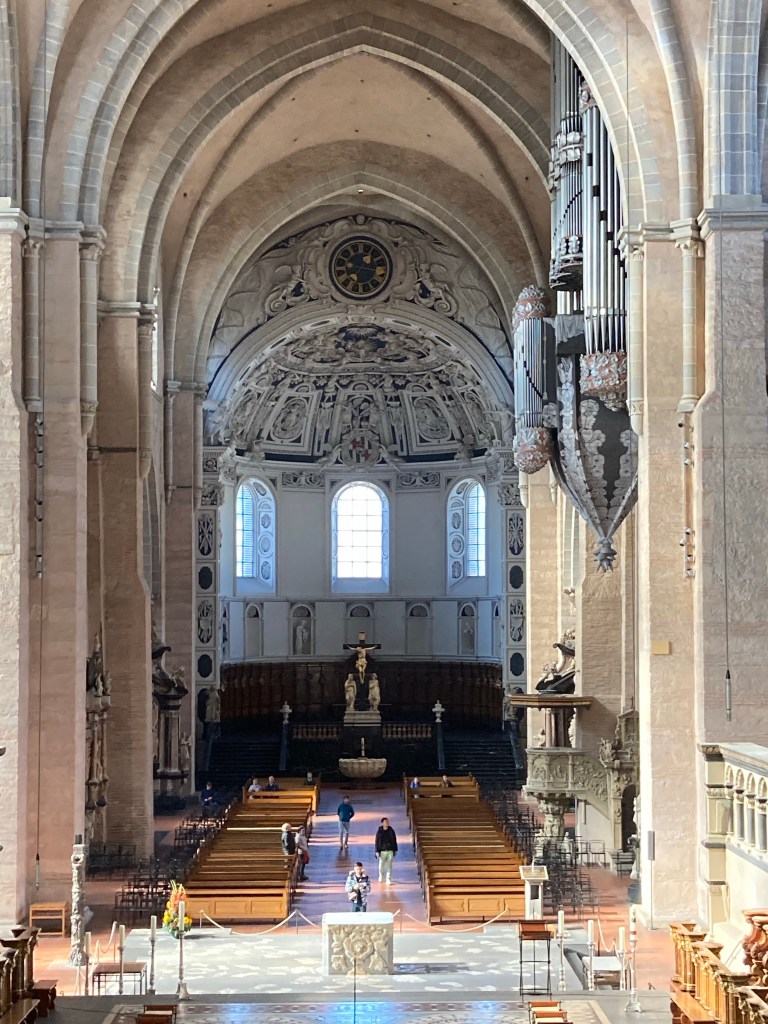
As tourists we chose to visit the main cathedral Domstadt St Peter and the adjacent museum. The cathedral is a UNESCO world heritage site being the oldest cathedral in Germany built upon the foundation’s of a group of ancient Roman buildings called Augusta Treverorum. The artefacts discovered during numerous archaeological excavations of the site were housed in the museum.




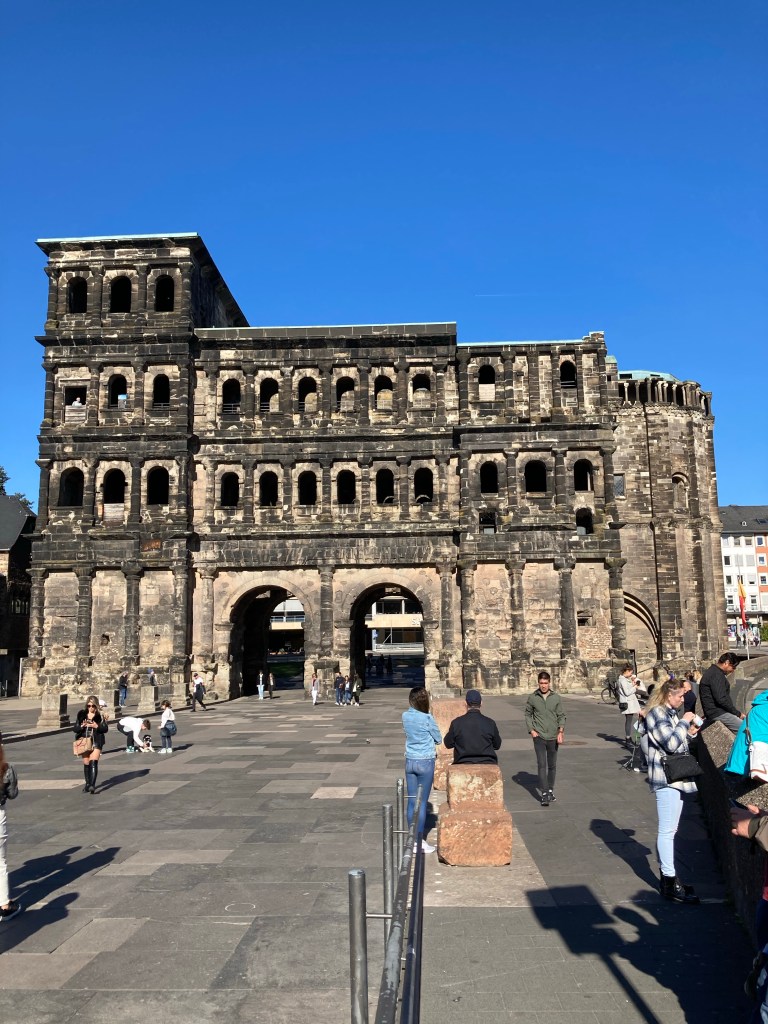
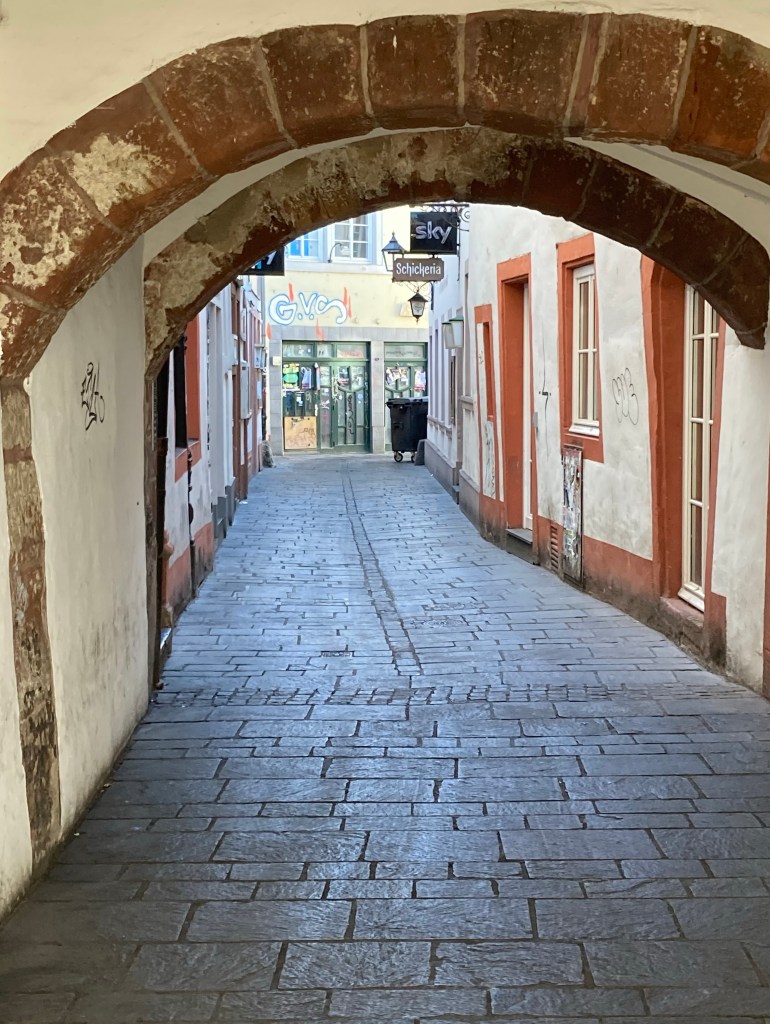
We also visited the site of Porta Nigra the original Roman gate to the city and walking back into the town centre we diverted through the original archway to what remained of the old Jewish quarter.
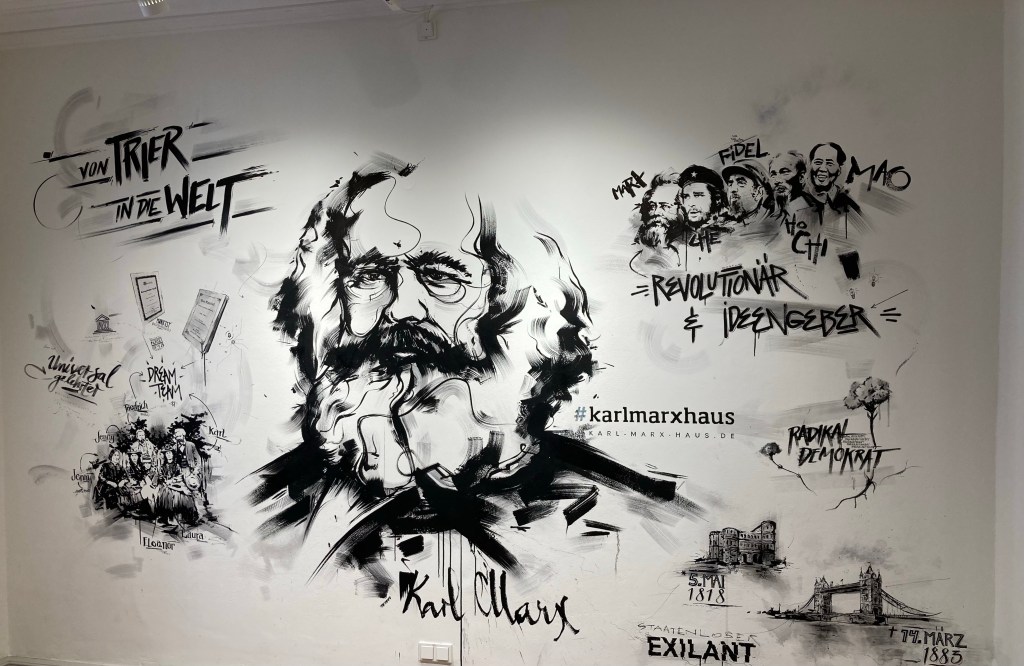
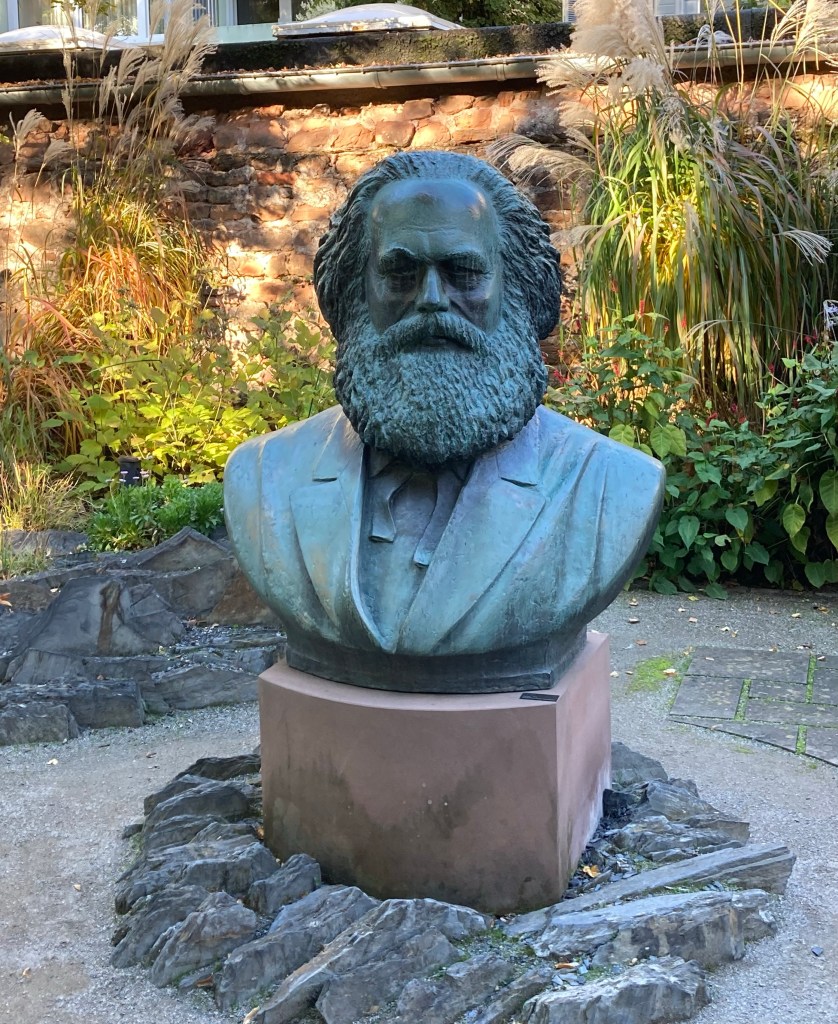
After stopping for a well deserved drink at an on street cafe we proceeded to Karl Marx birthplace which had been converted to a museum of his life. The exhibition was revealing in having always thought of him as the sole author of Das Kapital we discovered that others had contributed and that two of the three volumes were published posthumously after being edited and completed by his colleague and friend Friedrich Engels. The museum information claims that Marx thought his work as not being a finished theory and it begs the question as to would he have published the final volumes as we have come to know them or would he have developed his theories further? Is the Das Kapital we know his work or Engels?

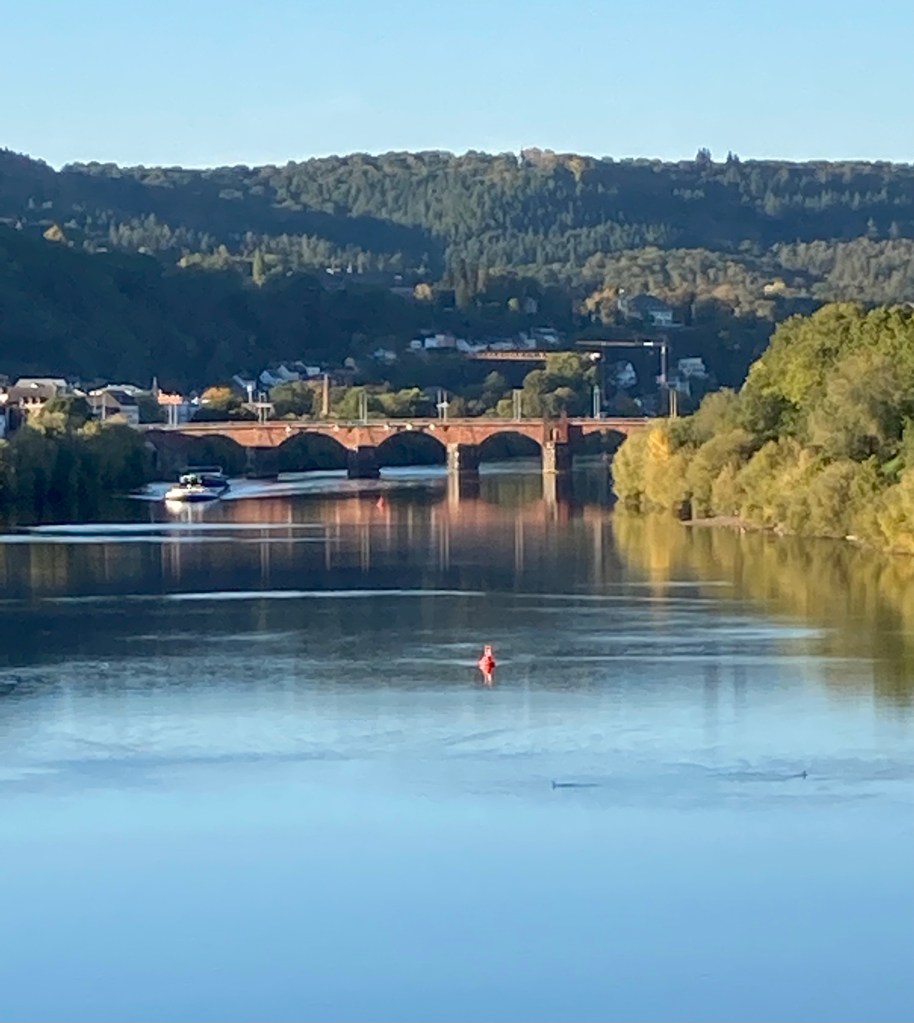
To end the day a final walk along the river back to camp looking back at the original Roman bridge which is still in use today. Wow those Romans!
Neustadt an der Weinstrabe
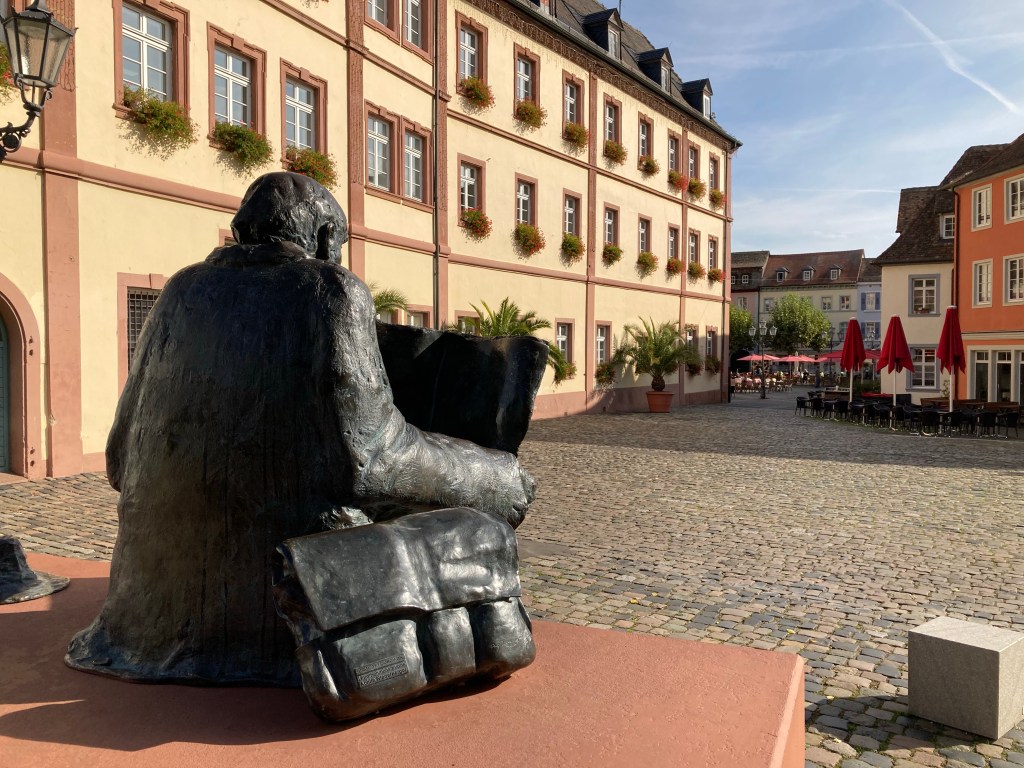
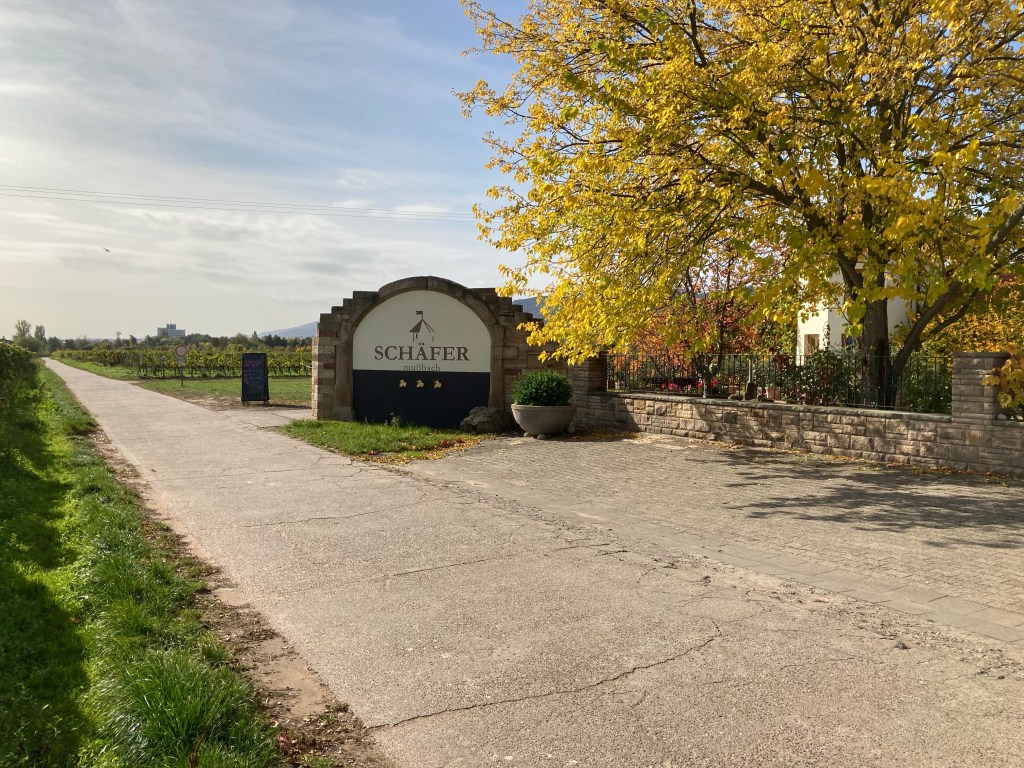
Next morning we set off for the wine growing region of the Rhineland Palatine arriving around teatime we decided to walk into town and do a reccy for the following day. Having meandered around and discovered there was a historical walking route which we could do we wandered into the main square and decided to dine out. We chose an outside table at one of the many restaurants and ordered some food and wine.Well the wine was divine so with his limited German Charles discovered the wines origin which was a vineyard en route for us so we scheduled a visit into our itinerary.
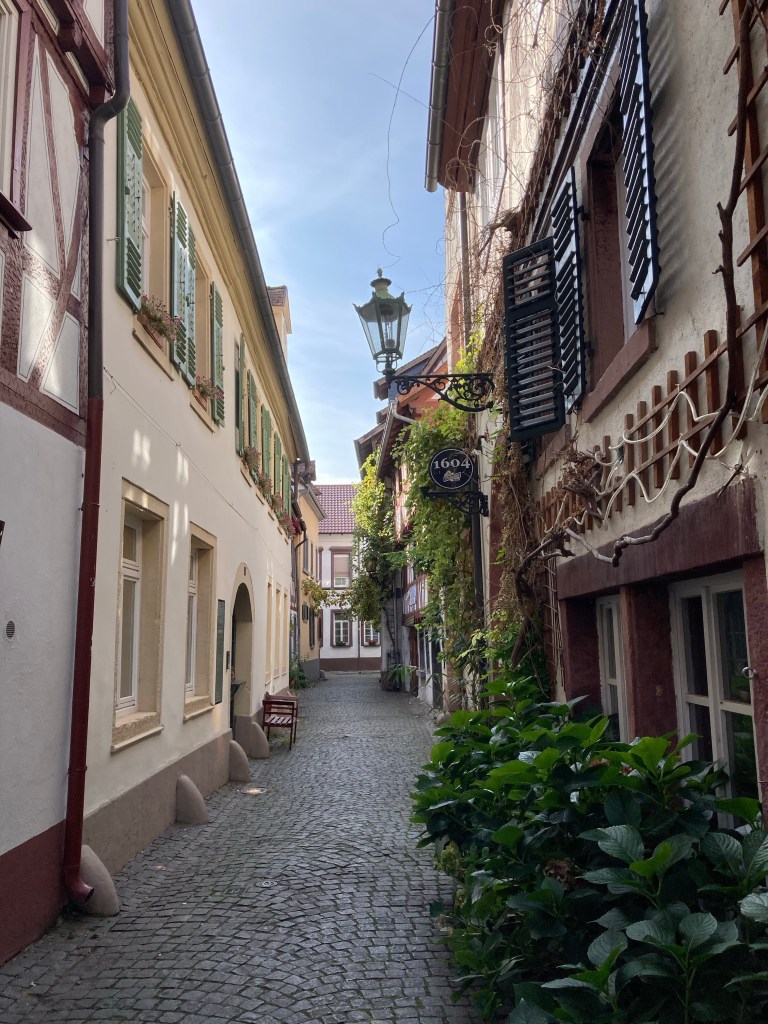
The following morning we went back into town to do the historical walk but gave up after finding ourselves walking in circles and getting frustrated, however we did find an ancient street called Metzgergasse alley as described in the pictures below. A visit to the vineyard sounded more welcoming so off we went, two cases of wine later we departed for Baden-Baden.




Baden-Baden
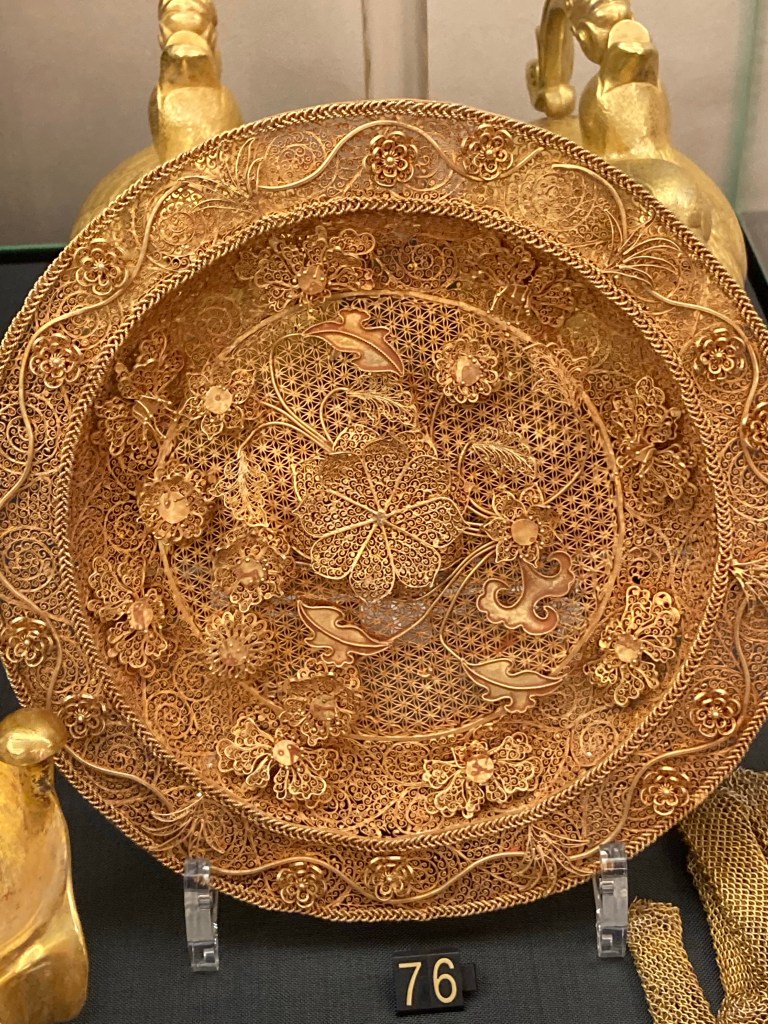
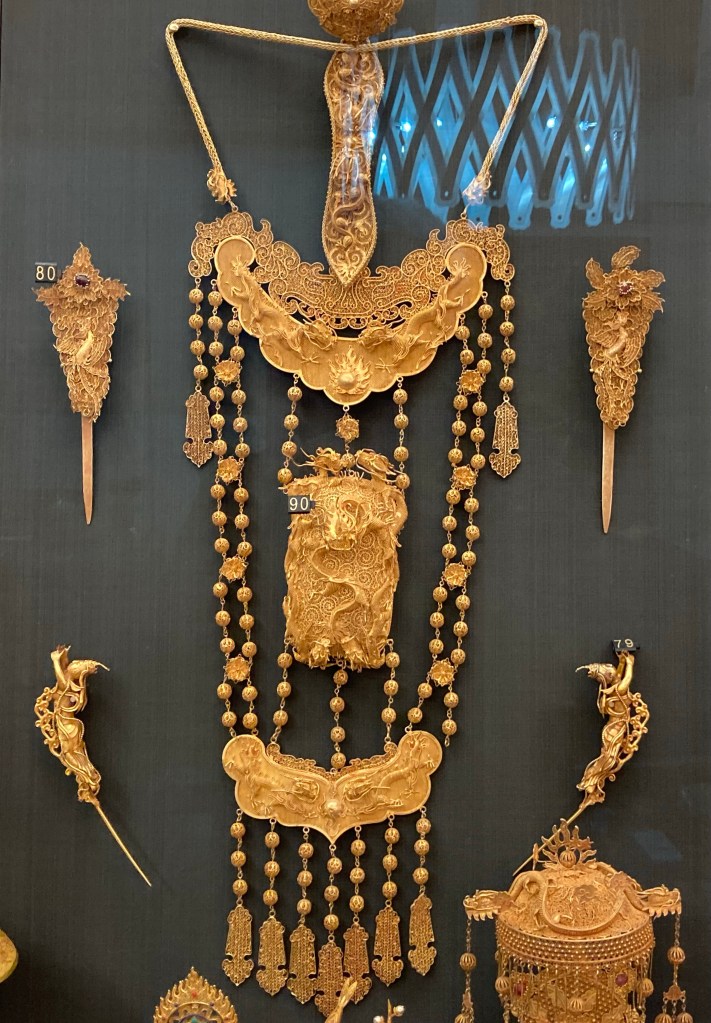
A town famous for its mineral waters in the same way in Britain we think of Bath and Buxton.The main spa attraction is built on the site of the original Roman baths, we chose not to visit the baths instead we visited the Faberge museum. The museum was set up by a Russian emigre who had amassed one of the largest private collections of Faberge artefacts. We learned that Faberge did not spend his time bent over a jewellers work bench but his job was to design and manage a very skilled workforce who made his reputation.
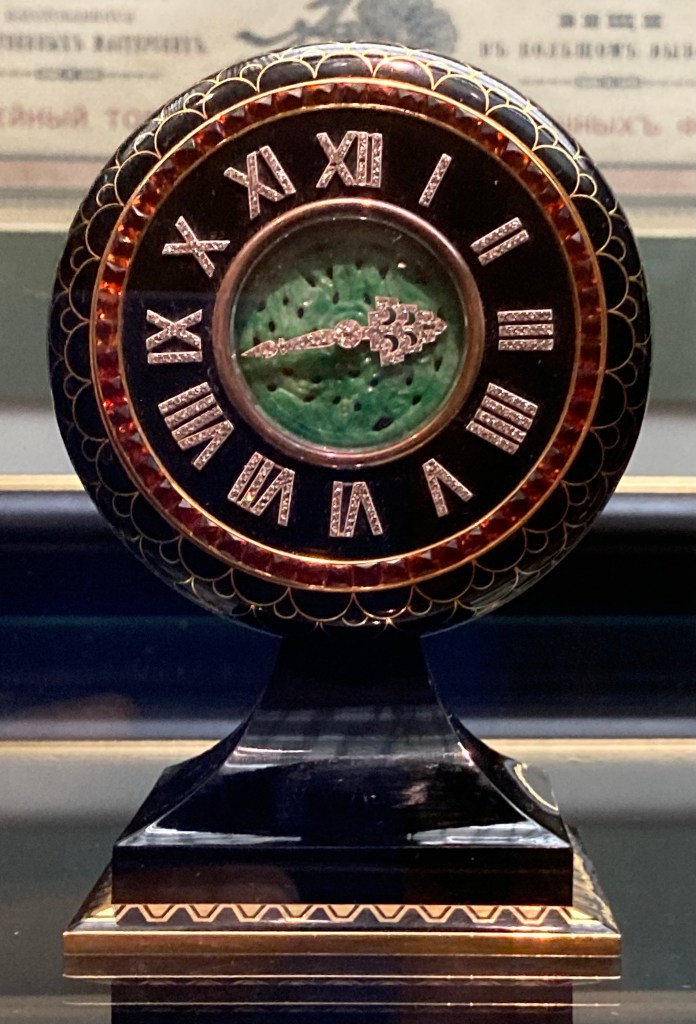

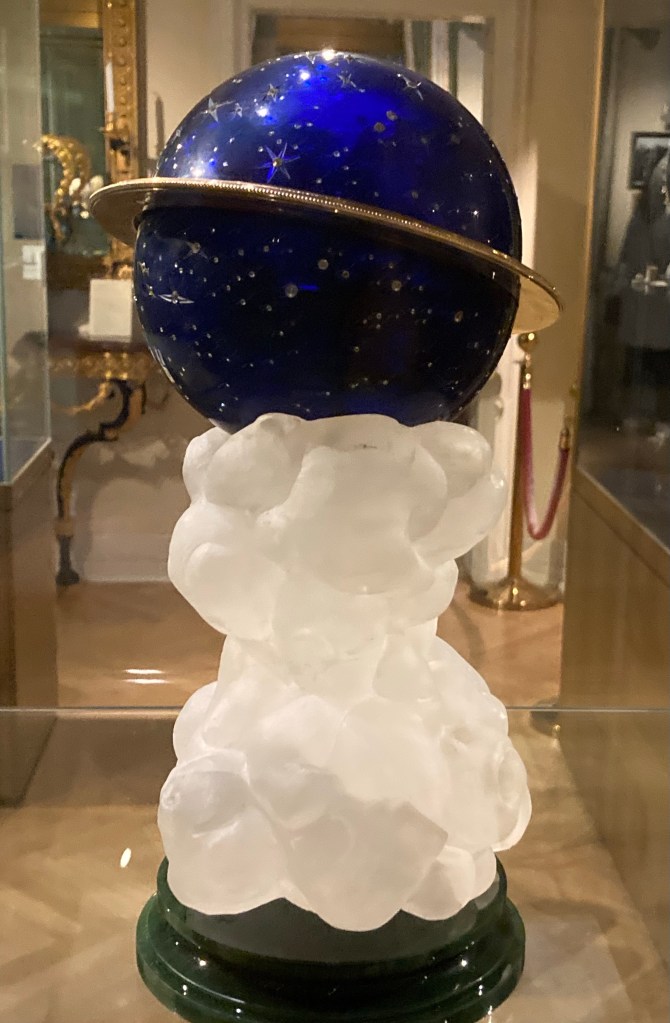
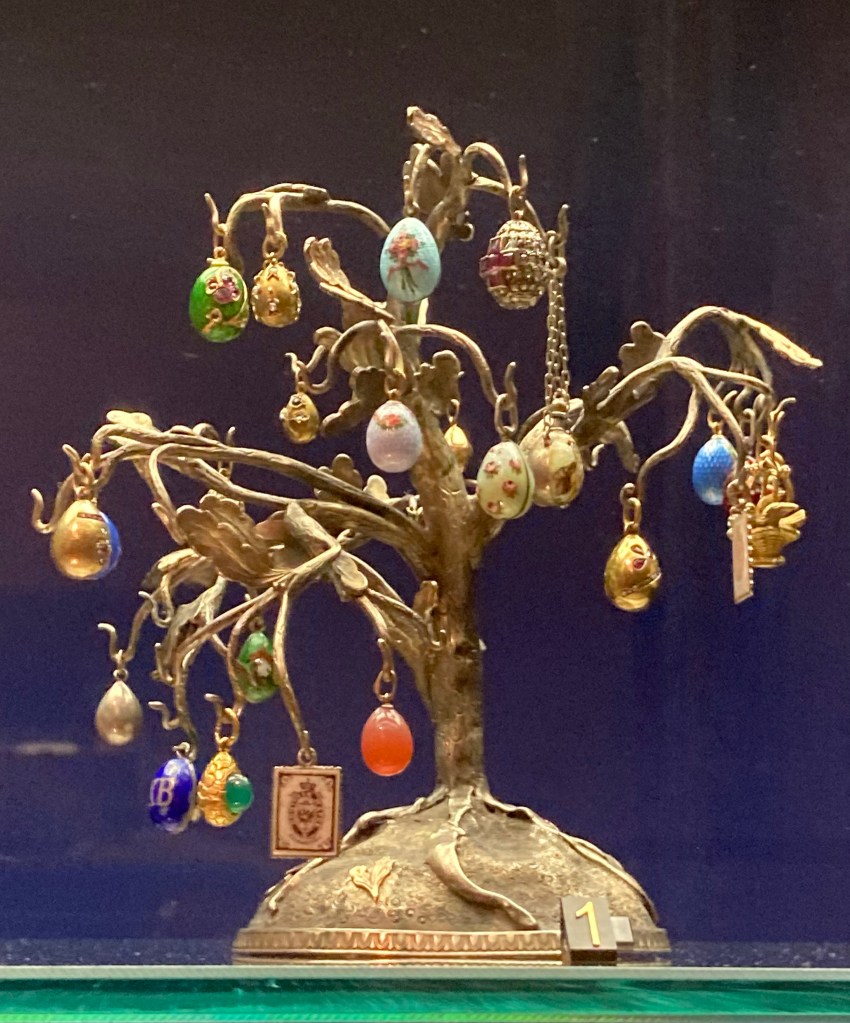


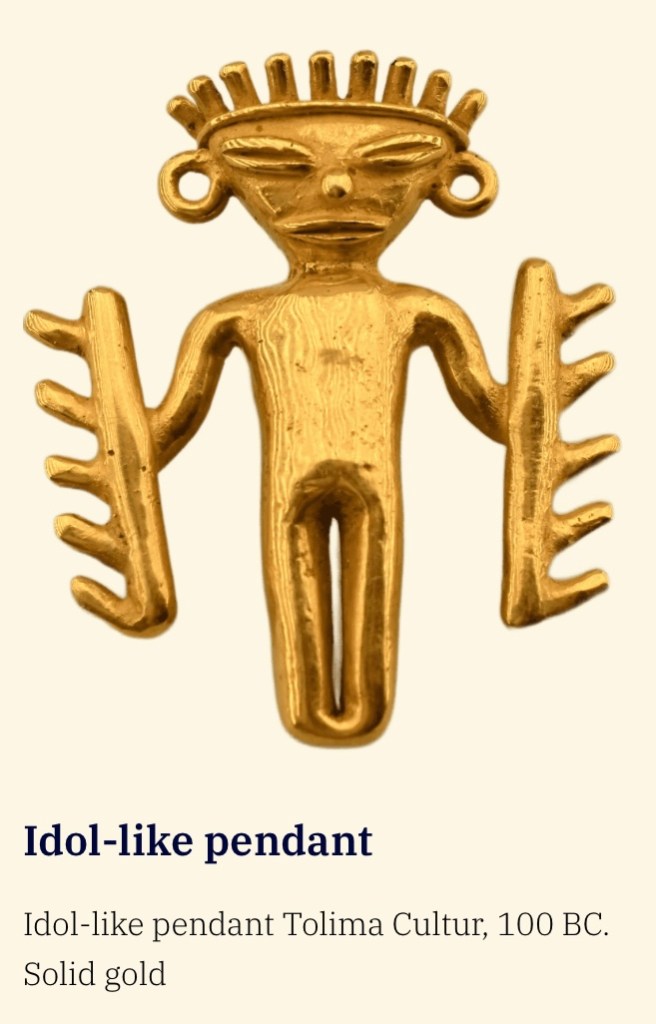
Amongst the collection there was a display of early Colombian gold which was absolutely exquisite for its variety of very simple but fine and ornate objects. There was also a book of photographs that captured the horrendous conditions of the work force that mined the gold.

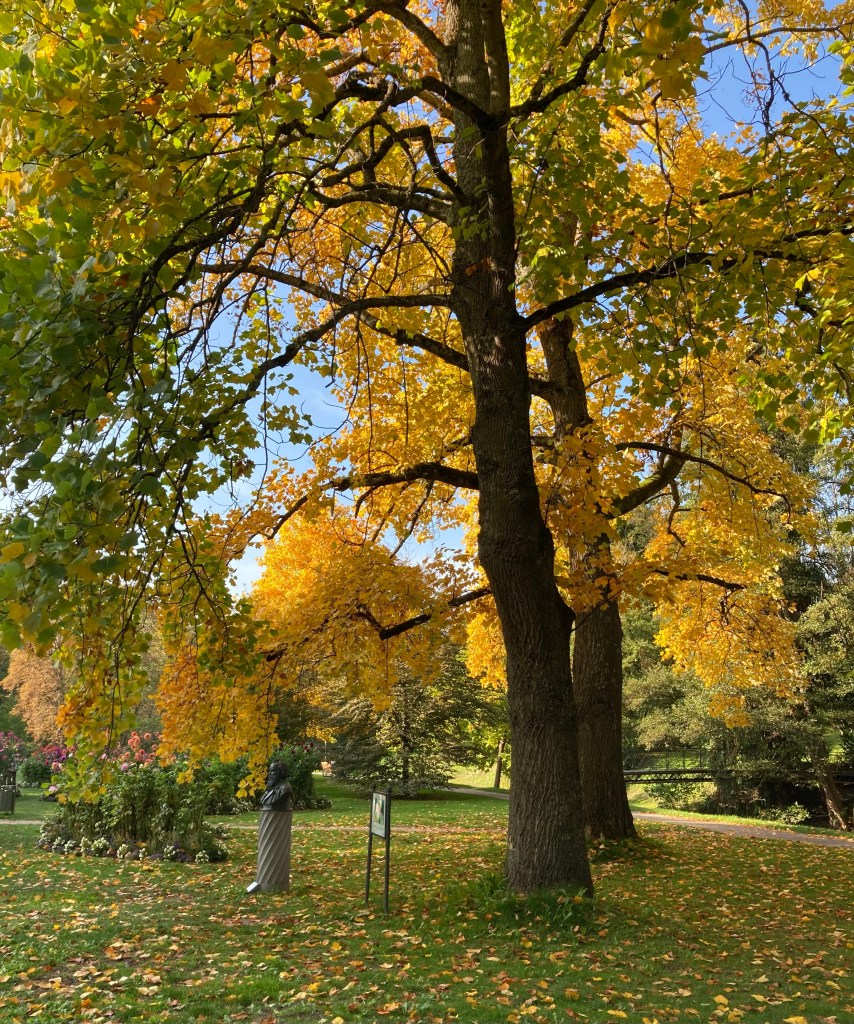
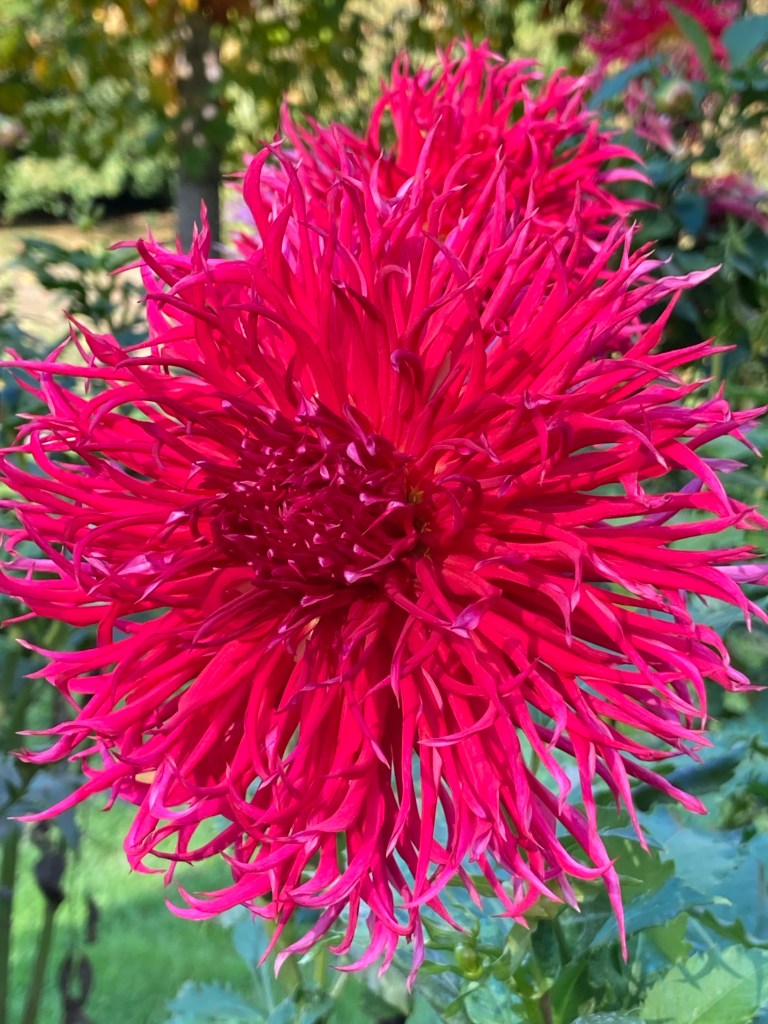
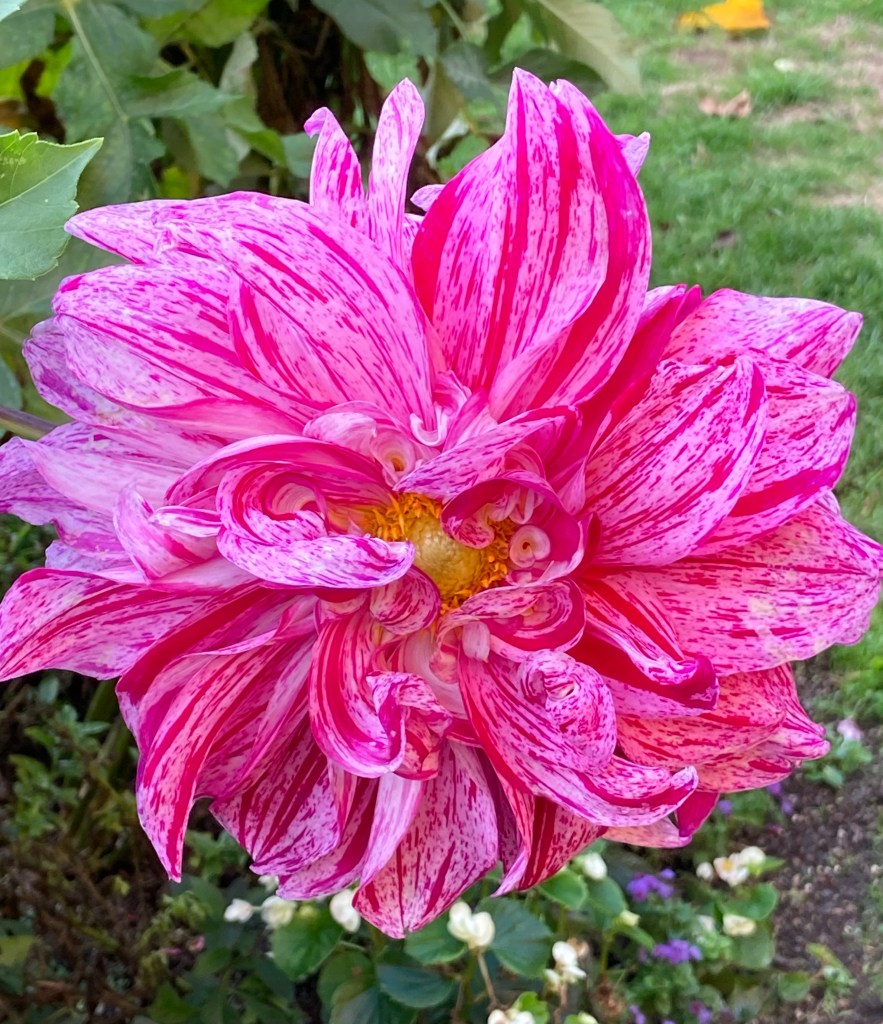
After the museum we decided to walk the famous Lichtentaler Allee which is a 2.5 kilometre long footpath dating back to the mid 1600s. Originally this path led from the Cistercian Abbey on the outskirts of town into the heart of the city centre. It was a delightful stroll along the river Oos with 300 variety of trees, and separate rose and dahlia gardens. The walk was flanked by very large spa hotels and private houses whose grounds came down to the riverbank.





Bodensee
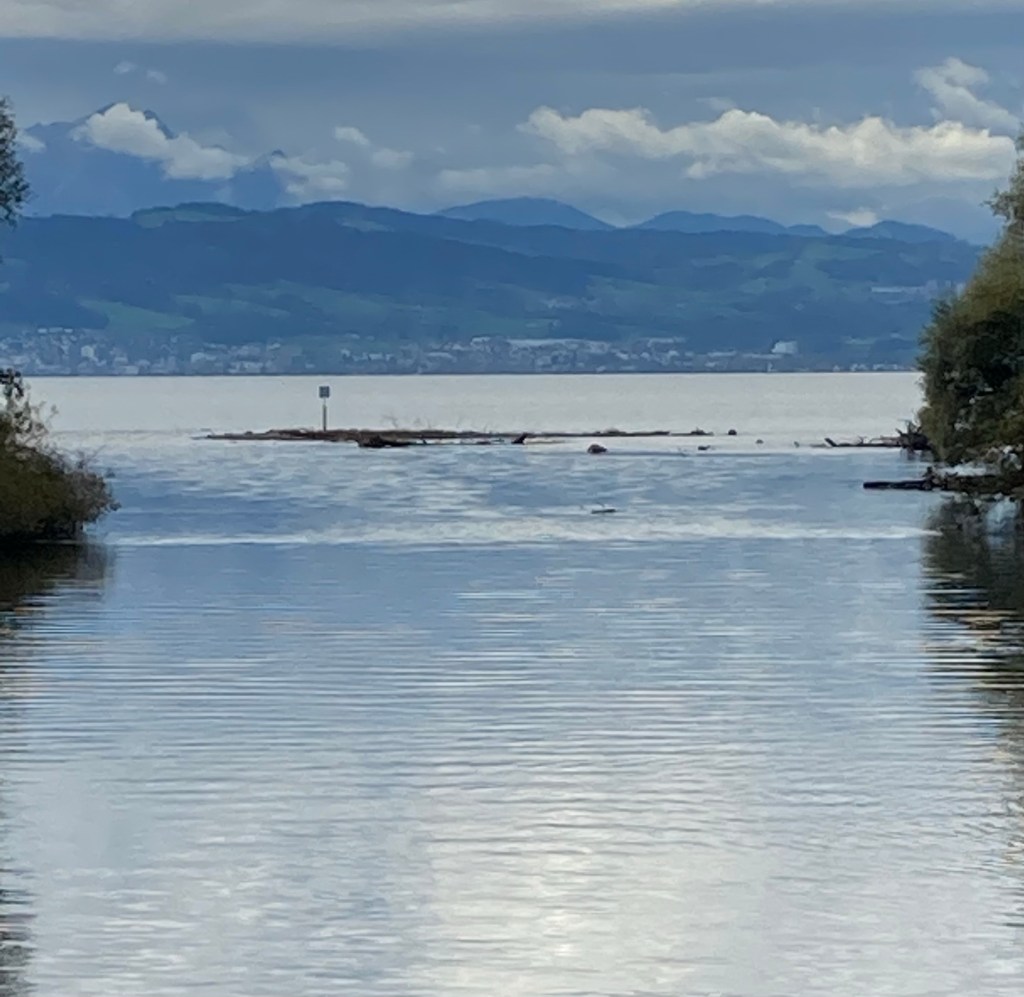
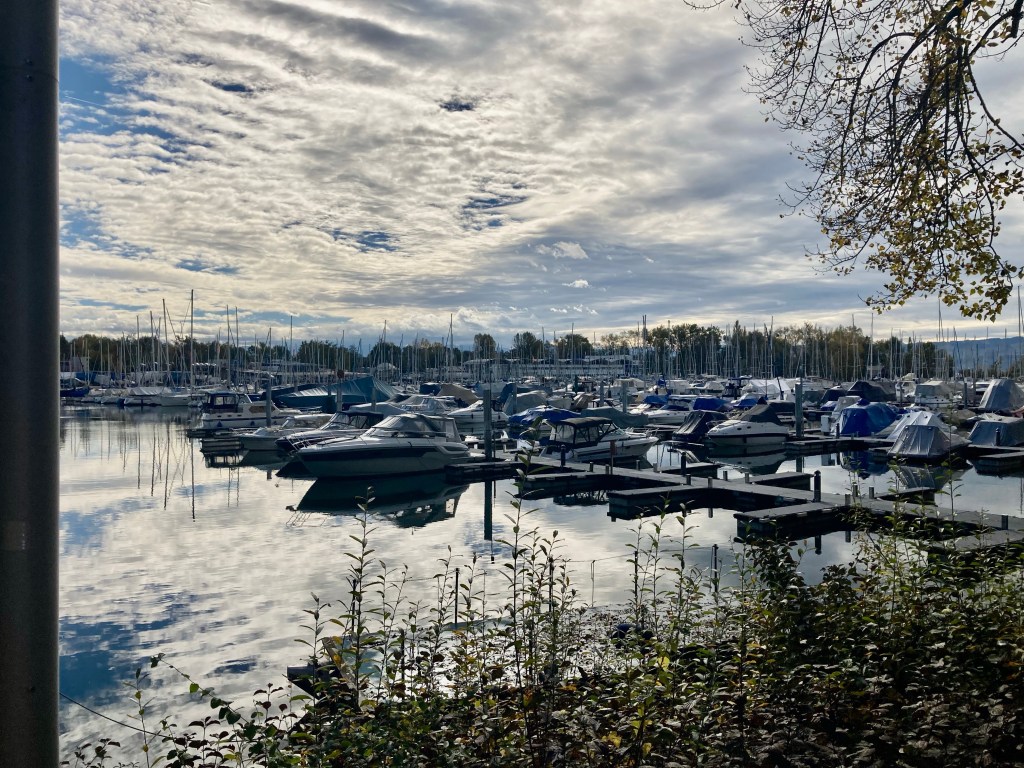
Bodensee is a very large lake bordering Switzerland and very popular as a holiday area.After two weeks on the road we felt this would be an ideal area to take time out to catch up with some domestics and have a break from travelling. We based ourselves just outside a small town called Langenargen to which we could walk within half an hour along the lakeside marina to take a train to Lindau island where we enjoyed a circular walk from the harbour around the old town window shopping and stopping for coffee and cake.
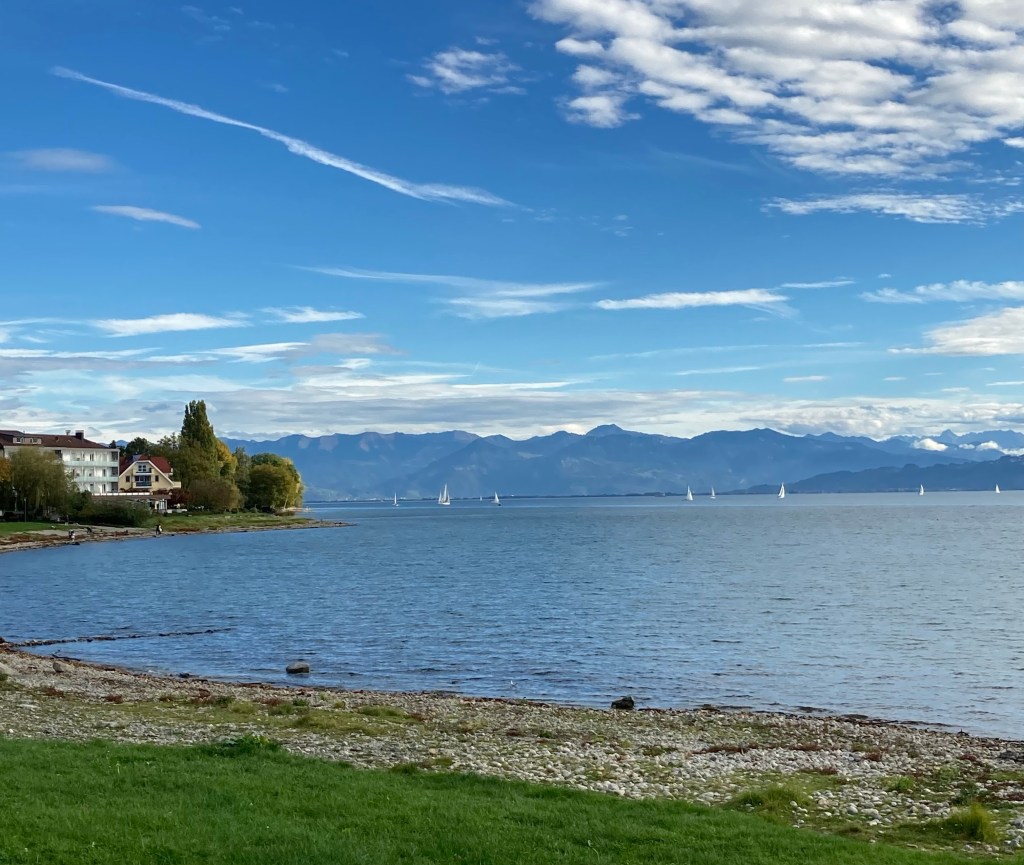


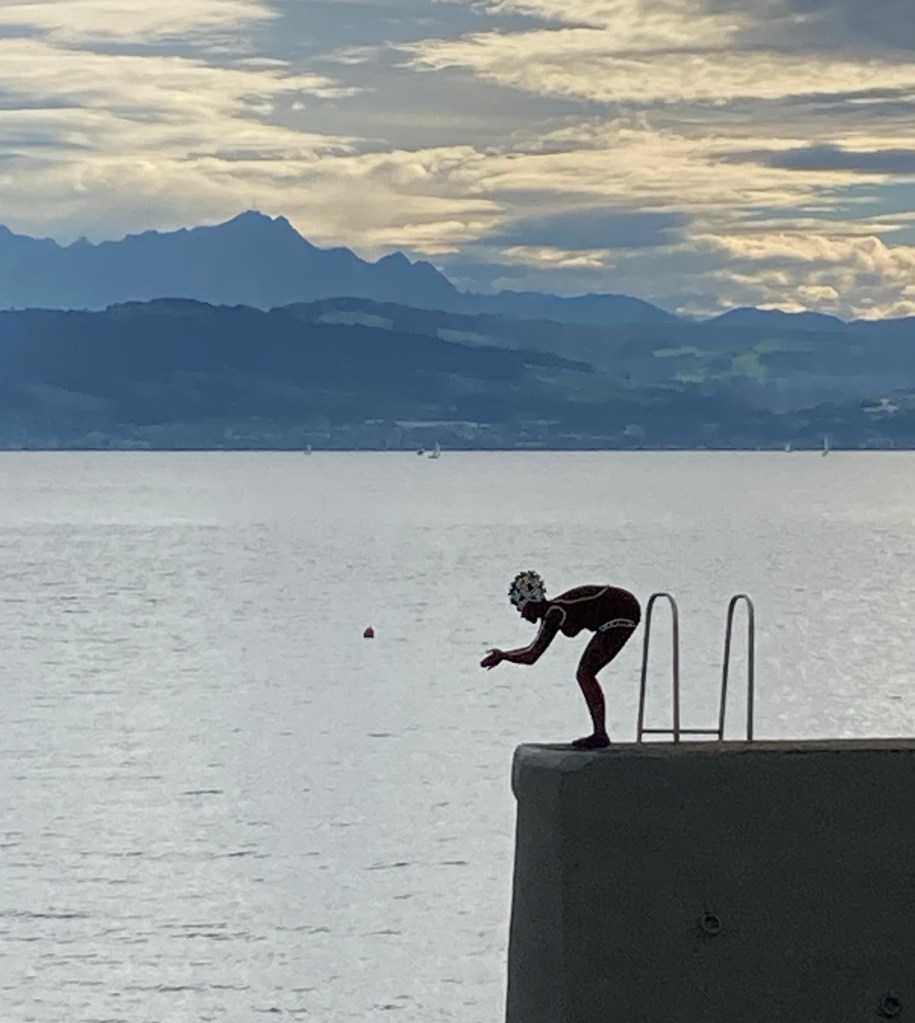


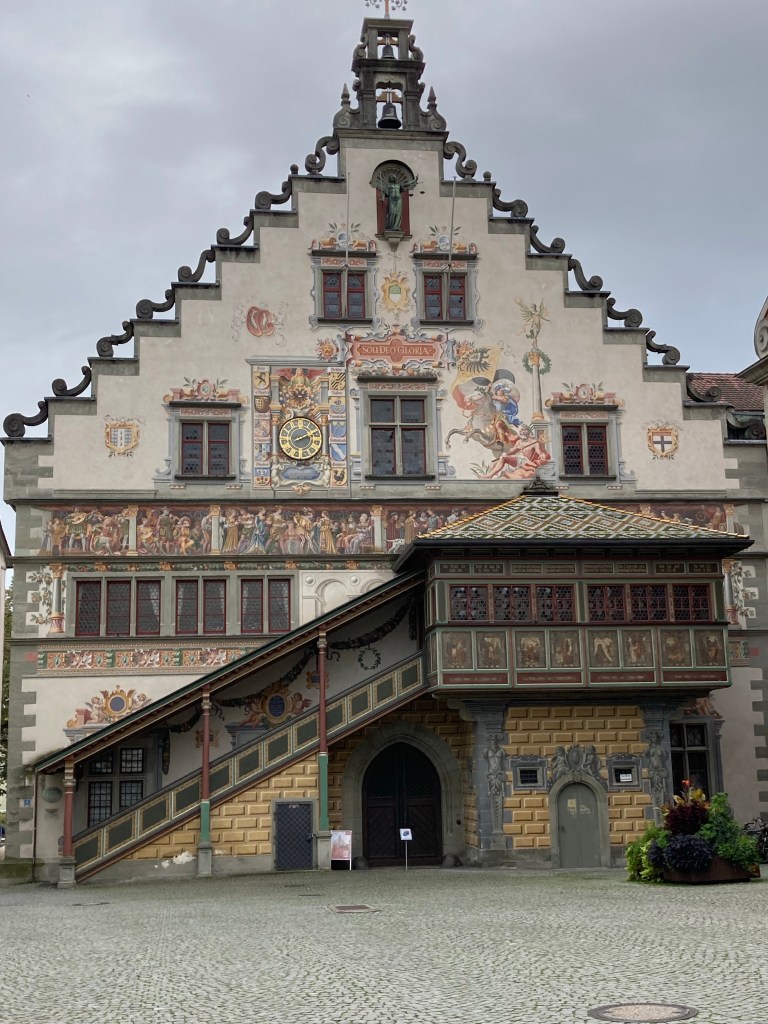
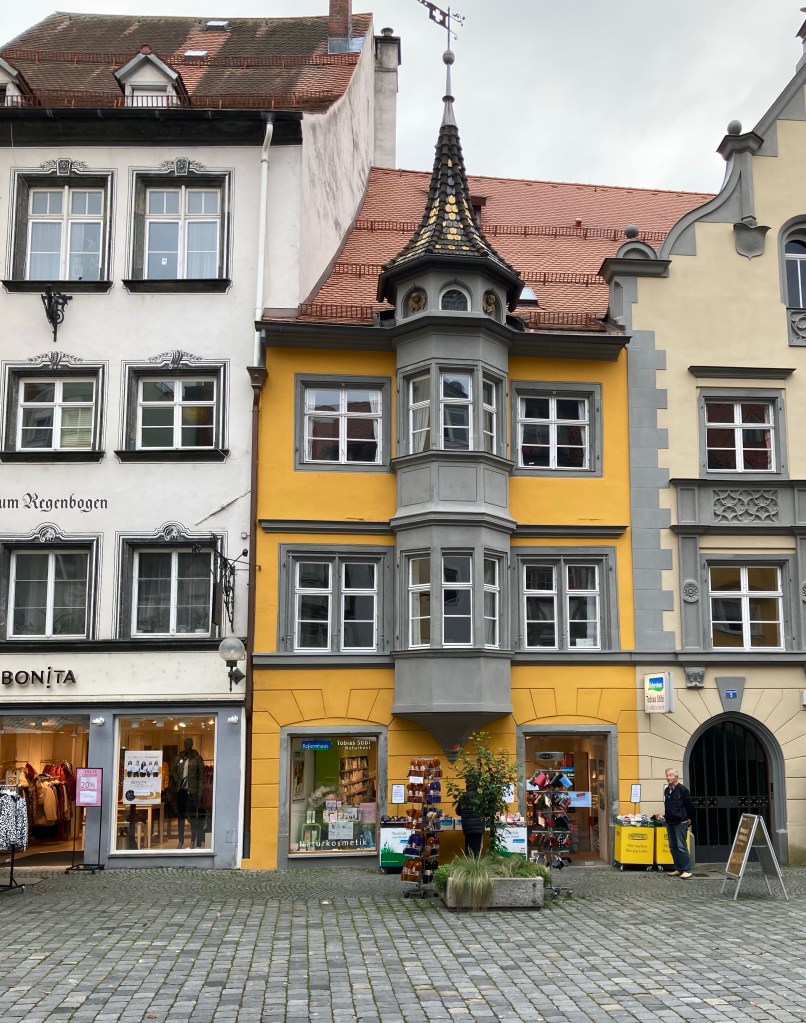
Besides being a lakeside holiday area the whole Bodensee region was one of vineyards and commercial fruit farms (apples, pears, cherries, and strawberries.)
 Truman travels